FAQs About Gorilla Trekking
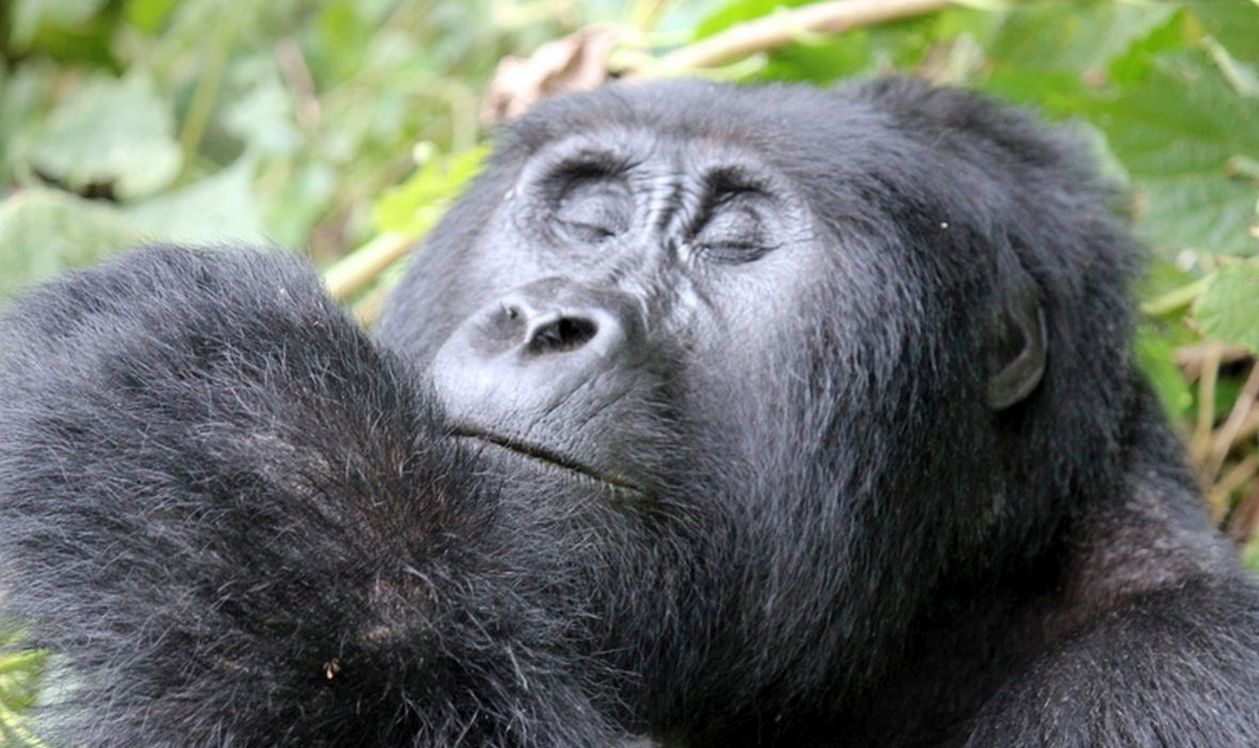
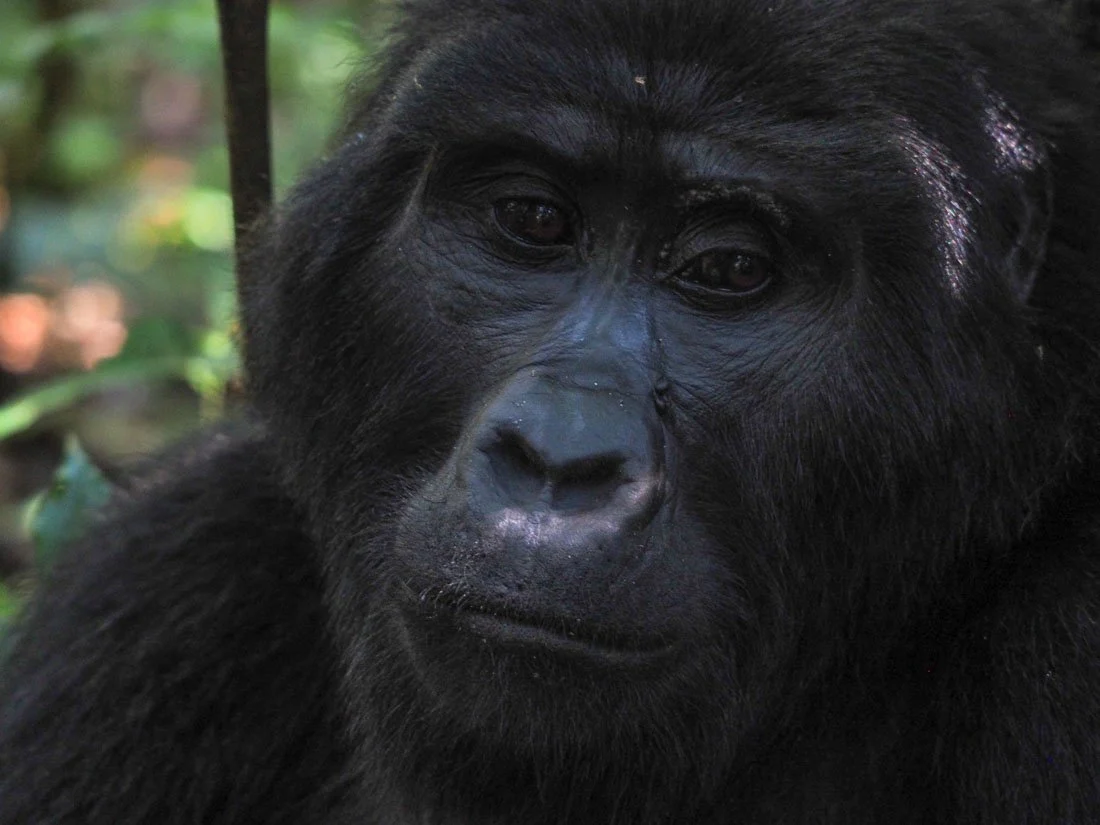
Gorilla trekking is one of the world’s most remarkable wildlife experiences, offering travelers the opportunity to observe mountain gorillas in their natural forest habitat. Found in Uganda, Rwanda, and the Democratic Republic of Congo, these endangered primates are highly sensitive to human activity, which is why strict rules and structured trekking procedures exist.Visitors prepare months in advance to secure permits, understand health and safety requirements, and select appropriate accommodations near trekking parks. The experience is physically demanding but profoundly rewarding, allowing trekkers to witness gorilla social behavior, family dynamics, and the lush ecosystems these gentle giants inhabit.Gorilla trekking supports conservation initiatives, funds anti-poaching patrols, and benefits local communities. By following the guidelines and respecting park regulations, travelers play an active role in safeguarding these species while enjoying a once-in-a-lifetime encounter.
What To Expect On Gorilla Safari
Expect an unforgettable gorilla safari in Uganda, where dense misty forests hide majestic mountain gorillas, winding trails lead to intimate wildlife encounters, and every moment immerses you in nature, conservation, and awe-inspiring memories.
FAQs About Gorilla Trekking & Tours

Murchison Falls' classic activities based from a premium riverside lodge, with private transfers throughout.

Search for the shoebill stork among 450+ recorded species, with classic game drives built around the trip too.
A dedicated sunset game drive for peak predator activity, alongside the park's classic Nile boat cruise.
Cast for Nile perch below the falls, then spend an afternoon on a classic savannah game drive.

Uganda's only wild rhinos at Ziwa, chimpanzee trekking in Budongo, and classic Murchison Falls game drives.
A fast, efficient fly-in trip with a game drive and boat cruise to the base of the falls.
What To Pack For A Gorilla Safari
Pack essentials for a gorilla safari including sturdy hiking boots, lightweight long-sleeve clothing, rain gear, insect repellent, a hat, binoculars, a camera, gloves, and a small backpack to stay comfortable while trekking through misty forests.
FAQs About Gorilla Trekking Guide: A Complete Journey into the Forests of East Africa
What is gorilla trekking?
Gorilla trekking is a guided wildlife experience where visitors hike through natural forest habitat to locate and observe wild mountain gorillas under the supervision of trained park guides and rangers.
Where can I go gorilla trekking?
The primary gorilla trekking destinations are Uganda (Bwindi Impenetrable National Park and Mgahinga Gorilla National Park), Rwanda (Volcanoes National Park), and the Democratic Republic of Congo (Virunga National Park).
Why is gorilla trekking popular?
Gorilla trekking is sought after because it offers the rare opportunity to observe mountain gorillas in their natural environment, deepening understanding of primate behavior and conservation efforts.
How many gorillas are left in the wild?
Mountain gorillas are endangered, with populations estimated at just over 1,000 individuals in the wild, concentrated in protected forest regions of Uganda, Rwanda, and the Congo.
Do I need a permit for gorilla trekking?
Yes. A gorilla trekking permit is mandatory and must be obtained through official park authorities. Permits are issued per person and are non‑transferable.
How much does a gorilla trekking permit cost?
Prices vary by country and residency status. In Uganda, permits are typically priced higher for international non‑residents than for residents. Rwanda’s permits are generally more expensive than Uganda’s. DRC also has its own pricing structure.
Can I buy a permit on the day of the trek?
No. Permits must be booked well in advance, especially during high season, because numbers per day are limited.
Why are permits limited?
Permits are limited to reduce impact on gorilla behavior, minimize stress to the animals, and manage trekking group sizes for safety and environmental sustainability.
How many people are allowed per gorilla group?
Typically eight visitors per gorilla group are allowed on trekking expeditions to ensure minimal disturbance.
How long is a trek?
The trekking duration varies from a few hours to an entire day depending on the gorillas’ location on that day.
Is gorilla trekking physically demanding?
Yes. Trekking can involve steep trails, muddy ground, and rugged terrain, so a reasonable level of fitness is needed.
What age is required to trek?
Most parks require participants to be at least 15 years old due to trail difficulty and conservation considerations.
Do I need to be fit for gorilla trekking?
Yes. Fitness improves your experience and reduces fatigue, as treks can be long and physically challenging.
What should I wear on a gorilla trek?
Wear long‑sleeved shirts, long trousers, sturdy hiking boots, gloves for gripping vegetation, and a rain jacket.
Can anyone do gorilla trekking?
People with good mobility can trek, but those with severe mobility issues should consult guides, as trails can be steep and uneven.
What vaccinations are needed?
Yellow fever vaccination is often required. Travelers should also update routine vaccines and consult a travel clinic.
Are face masks required?
In many parks, wearing a face mask while near gorillas is required to prevent respiratory disease transmission.
How close can I get to gorillas?
Visitors are generally required to stay at least 7 meters (about 23 feet) from gorillas to reduce disease and stress risk.
Can gorillas harm humans?
Gorillas rarely attack humans, but they may charge as a warning. Rangers are trained to manage these situations safely.
What behavior is unacceptable around gorillas?
Touching, feeding, flash photography, loud noises, and sudden movements are prohibited.
What is habituation?
Habituation is the long‑term process through which gorillas are gradually accustomed to human presence.
What’s the difference between habituation and regular trekking?
Habituation experiences allow longer contact (up to four hours) with semi‑habituated gorillas and involve observation of the habituation process.
Do habituation experiences cost more?
Yes. They are more expensive due to extended time, exclusivity, and involvement in research and conservation monitoring.
Are children allowed on habituation experiences?
Rules vary by park. Some restrict due to physical demands and conservation protocols.
What time do treks start?
Trek starts are usually early morning after a briefing, often around 7:00 AM.
Can I carry a walking stick?
Yes. Trekking poles or sticks are often recommended to aid balance.
Can I hire a porter?
Yes. Porters help carry gear and navigate tough terrain and are recommended for comfort and safety.
Do porters cost extra?
Yes. Hiring a porter is an additional cost but supports local communities.
Will I see gorillas every day?
While sightings are highly likely, nature is unpredictable. Rangers do their best but cannot guarantee encounters.
How long do I stay with gorillas?
Standard trekking allows one hour once gorillas are found.
Why is time limited?
Limiting time reduces stress and disease transmission risk and protects gorilla behavior.
Can I take photos?
Yes, photography is allowed, but flash and drones are prohibited.
Why are drones banned?
Drones disturb wildlife and can introduce stress or risk to the gorillas and other species.
What camera gear is recommended?
A camera with a zoom lens and good low‑light performance is ideal due to forest conditions.
Can I use a selfie stick?
No. Selfie sticks can get tangled in vegetation, disturb animals, and are generally prohibited.
Are there resting points on trails?
Guides will choose spots to rest, but there are no official rest stations along trails.
Are toilets available on the trail?
No. Trekkers are advised to use facilities at the trailhead before departure.
Are gorilla trekking trails marked?
Not always. Rangers and trackers lead trekkers using paths and local knowledge.
What if it rains during the trek?
Rain is common. Waterproof gear and knee‑high boots help cope with wet and muddy conditions.
Can I trek in the wet season?
Yes, but trails are muddier and more challenging.
Is the dry season better for trekking?
Dry season offers firmer trails, but gorillas move unpredictably year‑round.
Can I combine gorilla trekking with other activities?
Yes. Many travelers combine with community visits, birding, forest walks, or cultural tours.
Is tipping expected?
Tipping guides, porters, and trackers is customary and appreciated.
How much should I tip?
Tipping depends on satisfaction but typically ranges from a few dollars per person for porters to more for guides.
What languages do guides speak?
Guides often speak English; some speak French or other languages depending on the region.
What wildlife else can I see on a gorilla trek?
Trails may reveal monkeys, birds, elephants, duikers, and abundant forest flora.
Do I need travel insurance?
Yes. Travel insurance that covers trekking and emergency evacuation is recommended.
Is there medical support in parks?
Basic medical support may be available, but serious cases require evacuation to nearest medical facilities.
Should I bring snacks?
Yes. Packed snacks and energy bars are helpful for long treks.
Will there be water on the trail?
No. Trekkers should carry their own safe drinking water.
Can I buy water at the park?
In some parks, basic amenities such as bottled water may be available at headquarters.
How long does it take to find gorillas?
It varies. Some groups are found quickly; others require several hours of trekking.
What happens if gorillas move before we reach them?
Guides track their movement and may lead you in their direction if safe.
How do gorilla trackers find gorillas?
They monitor nests and fresh signs of feeding, droppings, and tracks.
Can sick people trek?
No. Illness can endanger gorillas, so those with symptoms are prohibited from trekking.
Do I get a refund if I can’t trek due to illness?
Refund policies vary by park. Some offer deferment, others do not refund.
Can I exchange my permit for another date?
In some parks, rescheduling is possible if done early.
Are meals included with permits?
No. Food is usually packed by lodges or arranged separately.
Does gorilla trekking support conservation?
Yes. Permit fees fund anti‑poaching, habitat protection, community programs, and research.
Can I see gorillas at night?
No. Trekking occurs during daylight for safety.
What happens if it’s very cold?
Dress in layers, bring gloves and warm clothing for early morning starts.
Are there child carriers for young kids?
Some regions provide carriers for younger children at extra cost.
Is gorilla trekking ethical?
When conducted with strict rules, it supports conservation and community livelihoods.
Do gorillas carry disease from humans?
Yes. That’s why distance, mask‑wearing, and health screening are enforced.
Can pregnant women trek?
Health authorities advise consultation with a doctor due to the physical nature of trekking.
Can I trek alone?
No. Trekkers go with guides and groups for safety and adherence to park rules.
Do parks provide guidebooks?
Most provide briefing materials and ranger guided guidance.
Can I extend my safari after trekking?
Yes. Many combine with wildlife safaris, hikes, or cultural tours.
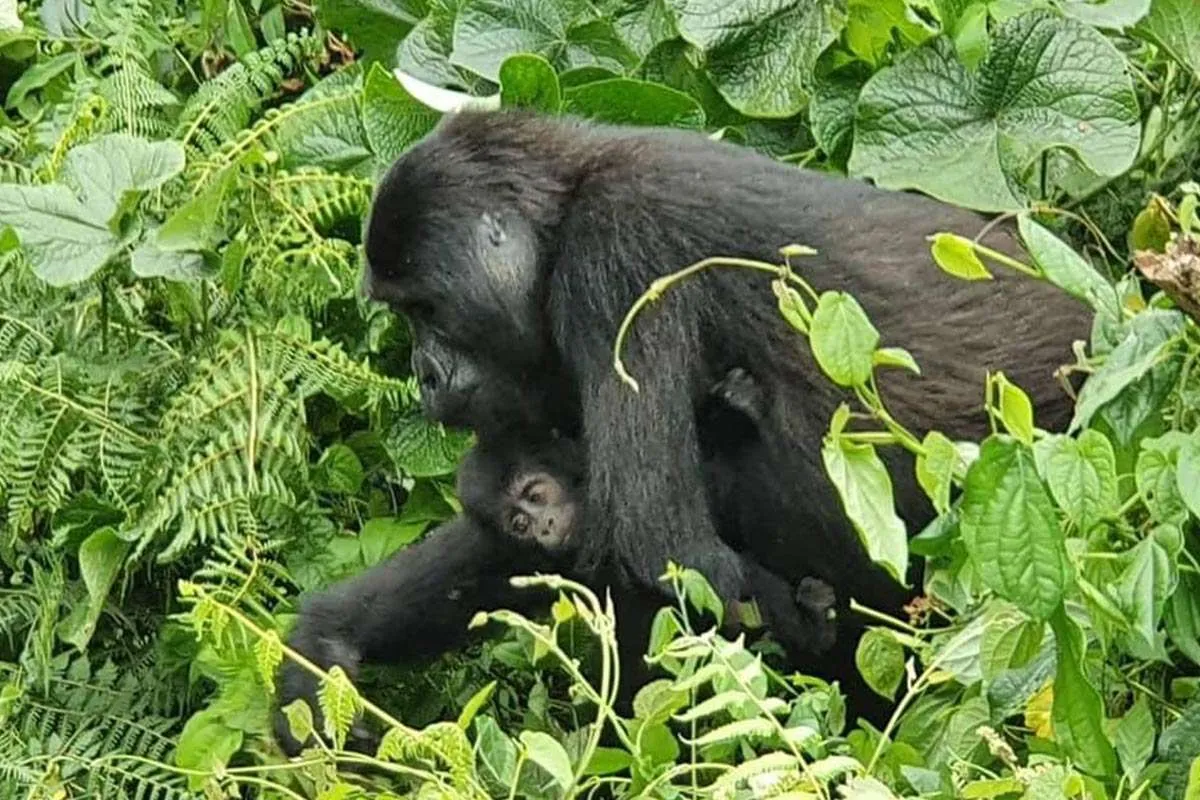
Can I see gorilla babies?
Yes. Baby gorillas are often in groups and are a highlight of the encounter.
Do gorillas react to cameras?
They may notice cameras, but flash and close approaches are prohibited.
How many gorilla groups are habituated?
Numbers vary by park and ongoing habituation work.
Can I visit more than one gorilla group?
Yes. Purchasing permits for different groups allows multiple experiences.
Are permits refundable?
Policies differ by country; some offer partial refunds or date changes.
Do guides carry first aid?
Yes, guides have basic kits but serious issues require evacuation.
Can I trek twice?
Yes, with separate permits for different days or groups.
Can I book permits online?
Many parks offer online permit booking through official channels.
Do I pay in local currency or USD?
Permit payments are often in USD or local currency, depending on park policy.
Can I see other primates while trekking?
Yes. Trails may reveal colobus monkeys, baboons, and other forest species.
Do I need special shoes?
Sturdy, closed hiking boots are strongly recommended.
Can I leave belongings in a lodge?
Yes, most lodges will hold bags while you trek.
What should I pack for a trek?
Water, snacks, rain gear, insect repellent, sunblock, and personal meds.
Is Wi‑Fi available at lodges?
Many lodges offer Wi‑Fi, but speeds can be slow due to remote locations.
Can I get a certificate after trekking?
Yes, some parks provide certificates commemorating the experience.
Is tipping mandatory?
No, but highly encouraged for guides and support staff.
Do I need a visa for Uganda/Rwanda/Congo?
Yes. Visitors should secure visas as required by their nationality.
Are gorillas dangerous?
They generally avoid conflict but chargers are warnings, not attacks.
What languages do gorillas communicate in?
Gorillas use vocalizations, body language, and gestures.
Can gorillas swim?
They generally avoid deep water but can wade in shallow areas.
Are gorillas stronger than humans?
Yes. A gorilla’s strength far exceeds human strength, underscoring the need for distance.
Can I feed gorillas?
Absolutely not. Feeding disturbs natural behavior and can harm health.
Can I touch gorillas?
No. Touching is forbidden for safety and disease prevention.
Why do gorillas beat their chest?
Chest beating is a form of communication expressing dominance, excitement, or warnings.
Do gorillas use tools?
Some gorilla groups have been observed using sticks and vegetation for simple purposes.
Do gorillas migrate?
Gorillas have home ranges and may move within them but do not undertake long migrations.
Are all mountain gorillas habituated?
No. Only specific groups undergoing habituation are open for trekking.
Do trackers sleep in the forest?
Trackers spend early mornings in forest to monitor gorilla movements.
Can I take videos?
Yes, without flash and in respectful silence.
What if a gorilla approaches me?
Stay calm, follow ranger instructions, and do not retreat abruptly.
Can pregnant women participate?
Consult a doctor due to exercise intensity and park policies.
Do gorillas recognize humans?
They may become accustomed to human presence but remain wild animals.
Is smoking allowed on trails?
No. Smoking is prohibited due to fire risk and pollution.
Can I trek in a group with friends?
Yes, groups are assigned by permit and arrival times.
Are there electric fences?
No. Gorilla parks are unfenced, natural landscapes.
What medical conditions disqualify trekking?
Conditions preventing strenuous hiking or contagious diseases typically disqualify participation.
Can I pay for gorilla permits on arrival?
No. Permits must be secured ahead of time.
Do guides speak local languages?
Many guides are multilingual, including local and international languages.
Can I use trekking poles?
Yes, poles are helpful on rough terrain.
Are water bottles available for purchase?
At park headquarters maybe, but best to carry your own.
What happens if it rains heavily?
Treks continue if safe; rain gear is essential.
Will I get lost?
Guides lead groups; visitors don’t get lost on official treks.
Are there size limits on backpacks?
No strict limits, but minimal gear is recommended.
Can I trek in flip‑flops?
No. Closed, sturdy hiking boots are required.
Can I purchase permits from tour operators?
Yes, many operators arrange permits as part of packages.
What if gorillas are not found?
In rare cases, parks may offer alternative experiences or compensations.
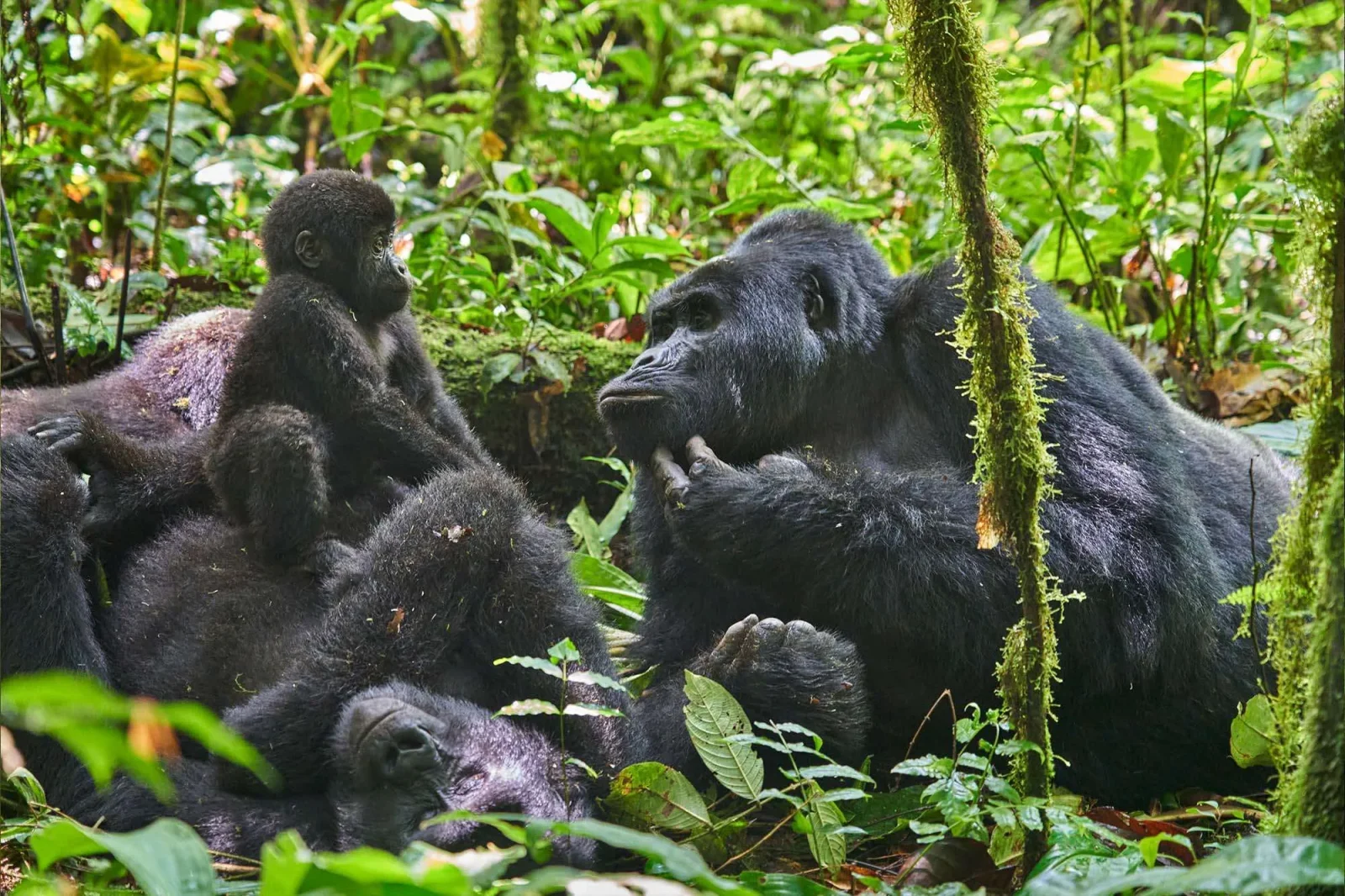
Do gorillas live in families?
Yes. Gorilla groups are social family units led by a dominant silverback.
Are gorillas diurnal?
Yes. They are active during the day and rest at night.
Can I see gorilla nests?
Yes. Gorillas build nests daily for rest and sleeping.
Do gorillas travel far?
They move within their home range seeking food, so trekking distances vary.
What is a silverback?
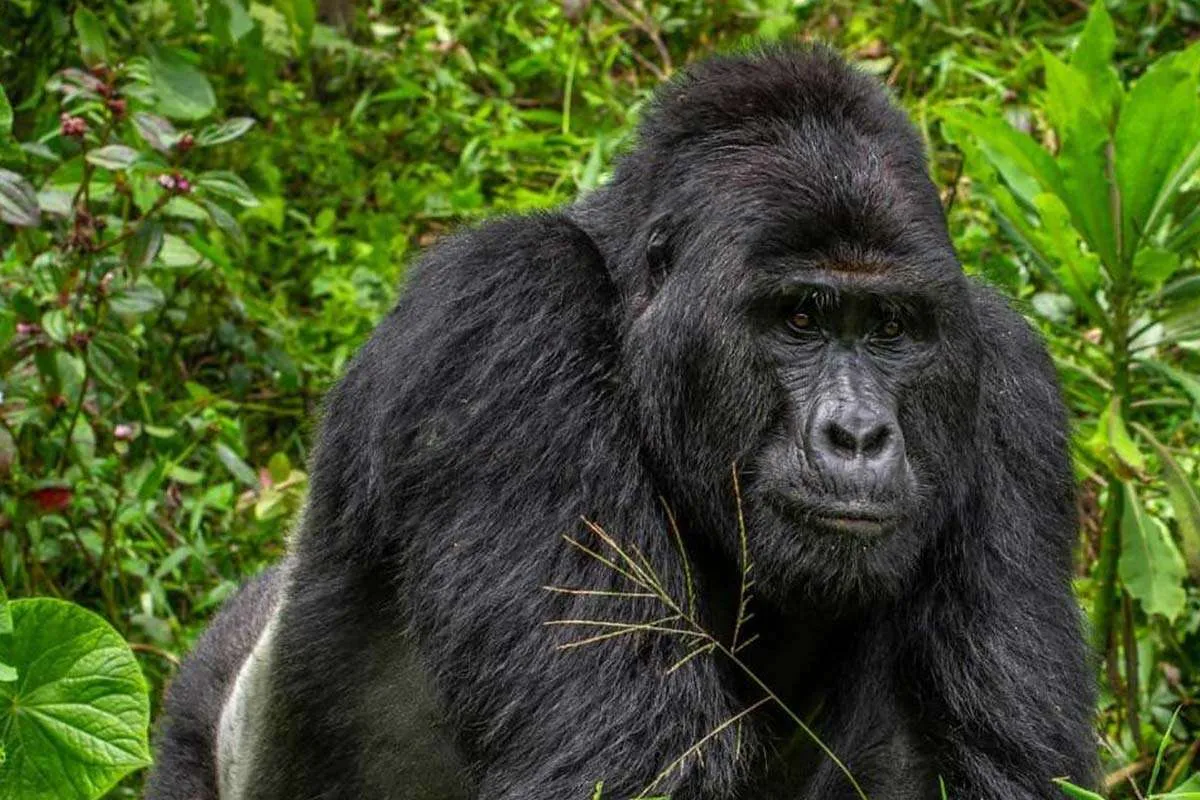
A silverback is the mature dominant male leader of a gorilla group.
Why are mountain gorillas endangered?
Habitat loss, poaching, disease, and human encroachment are major threats.
Does trekking disturb gorillas?
Strict rules minimize disturbance, but careful management is required.
Where to Stay On Gorilla Safari
Stay on a gorilla safari in lodges and camps near the parks, ranging from luxury lodges with panoramic forest views, cozy mid-range retreats nestled in nature, to budget-friendly camps offering comfort close to gorilla trekking starting points.
What Our Travelers Enjoyed About FAQs About Gorilla Trekking

Gorillas "Silverback"
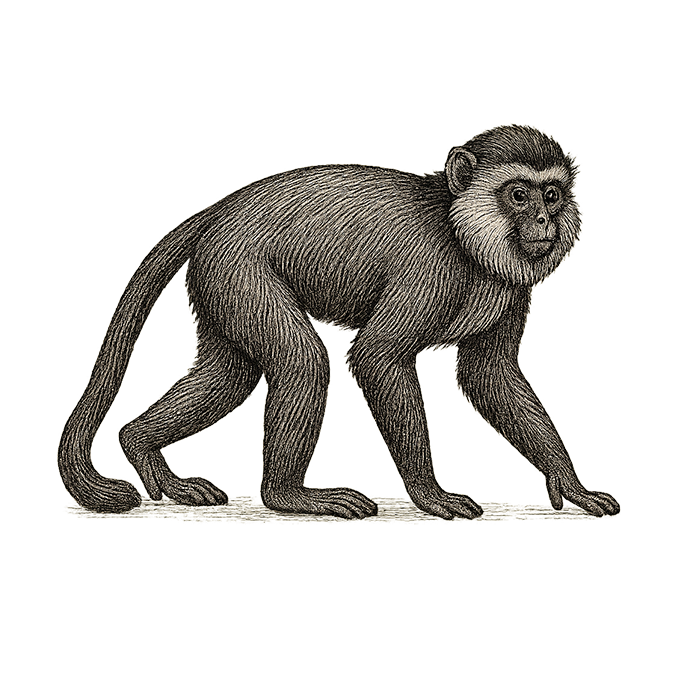
Golden Monkey "Photogenic"
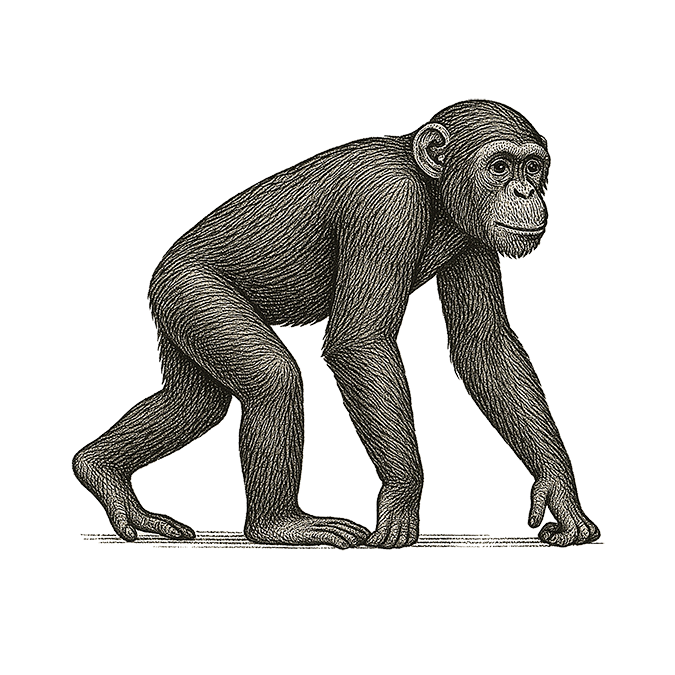
Chimpanzees "Pant-hoot"