Getting to Bwindi, Mgahinga, Volcanoes National Park and Virunga
Reaching the prime gorilla trekking destinations of Bwindi Impenetrable National Park, Mgahinga Gorilla National Park, Volcanoes National Park, and the Virunga National Park in the Democratic Republic of Congo is a critical part of planning any gorilla safari. These parks are located in rugged, mountainous regions with limited but improving transport infrastructure, and accessibility varies depending on your point of entry, travel preferences, and budget.Understanding how to reach each park efficiently ensures a smoother safari experience, allows more time for trekking, and enhances your overall adventure. This guide details the main access points, transportation options, road conditions, and logistical considerations for travelers planning to visit these iconic East and Central African parks.
What To Expect On Gorilla Safari
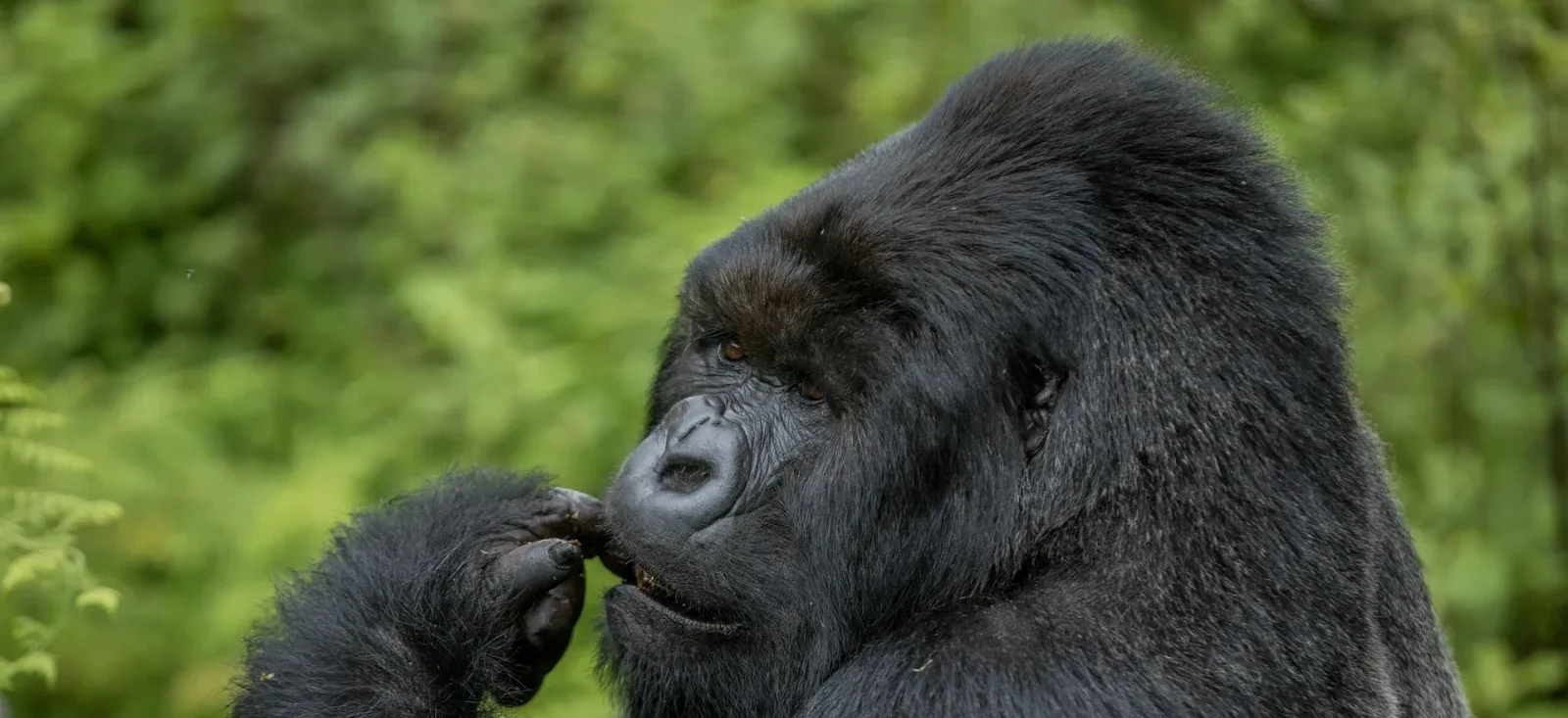
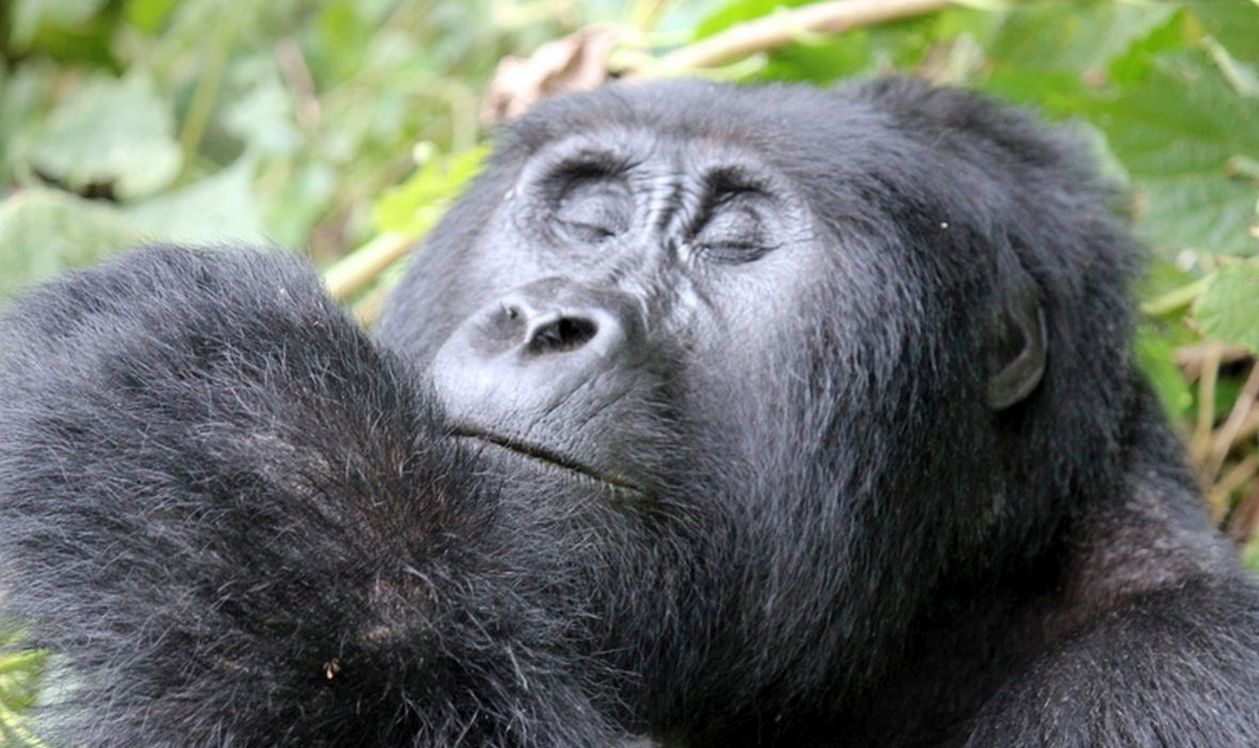
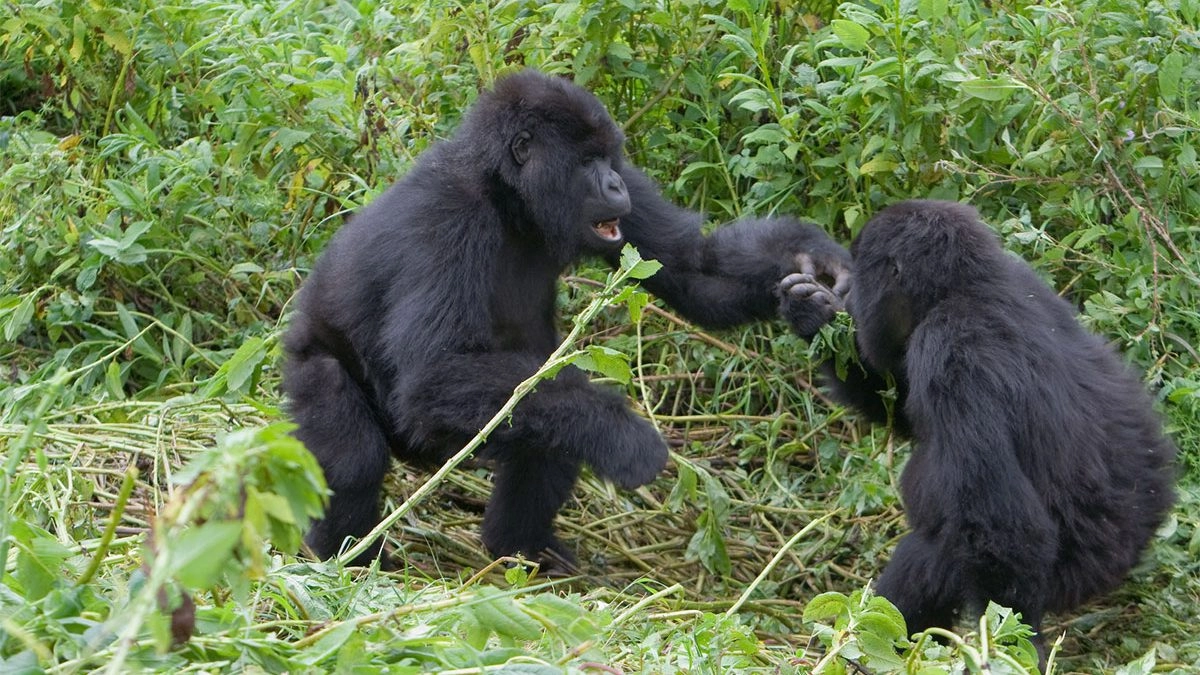
Expect an unforgettable gorilla safari in Uganda, where dense misty forests hide majestic mountain gorillas, winding trails lead to intimate wildlife encounters, and every moment immerses you in nature, conservation, and awe-inspiring memories.
Getting to Bwindi, Mgahinga, Volcanoes National Park and Virunga & Tours

Murchison Falls' classic activities based from a premium riverside lodge, with private transfers throughout.

Search for the shoebill stork among 450+ recorded species, with classic game drives built around the trip too.
A dedicated sunset game drive for peak predator activity, alongside the park's classic Nile boat cruise.
Cast for Nile perch below the falls, then spend an afternoon on a classic savannah game drive.

Uganda's only wild rhinos at Ziwa, chimpanzee trekking in Budongo, and classic Murchison Falls game drives.
A fast, efficient fly-in trip with a game drive and boat cruise to the base of the falls.
What To Pack For A Gorilla Safari
Pack essentials for a gorilla safari including sturdy hiking boots, lightweight long-sleeve clothing, rain gear, insect repellent, a hat, binoculars, a camera, gloves, and a small backpack to stay comfortable while trekking through misty forests.
Getting to Bwindi, Mgahinga, Volcanoes National Park and Virunga
Getting to Bwindi Impenetrable National Park
Bwindi Impenetrable National Park, located in southwestern Uganda, is world-famous for its mountain gorillas and rich biodiversity. It is divided into four sectors: Rushaga, Nkuringo, Buhoma, and Ruhija, each serving as a base for gorilla trekking.
By Air
For travelers seeking speed and convenience, domestic flights are available from Entebbe International Airport (Kampala) to airstrips near Bwindi, such as Kihihi Airstrip and Kisoro Airstrip. Airlines like Aerolink Uganda operate regular flights, significantly reducing travel time from 8–10 hours by road to just 1–1.5 hours in the air. Flights provide scenic views of Uganda’s rolling hills and lakes, offering an aerial introduction to the landscape before arrival.
By Road
Most visitors travel to Bwindi by road, either via self-drive, private transfer, or tour operator vehicle. The drive from Kampala to Bwindi typically takes 8–10 hours, depending on road conditions and chosen sector. Roads are generally paved until Mbarara, after which terrain becomes hilly and partially unpaved. Travelers often break the journey in towns like Mbarara, Kabale, or Kisoro, which offer accommodations and dining options.
Sector Considerations
-
Buhoma Sector is the most accessible and suitable for those who prefer minimal travel fatigue.
-
Rushaga and Nkuringo Sectors are slightly further and ideal for a more remote experience.
-
Ruhija Sector requires longer road travel but offers the opportunity to trek in less crowded forest areas.
Getting to Mgahinga Gorilla National Park
Mgahinga Gorilla National Park lies at the tri-point border of Uganda, Rwanda, and the Democratic Republic of Congo, encompassing part of the Virunga volcanic range.
By Road
Mgahinga is accessible by road from Kigali, Rwanda, and Kabale or Kisoro, Uganda. From Kigali, the drive to the park takes approximately 3–4 hours, offering scenic views of the Virunga volcanoes and rural Rwandan villages. From Kisoro, Uganda, the drive is about 1–1.5 hours along hilly, partially paved roads.
By Air
The nearest airstrip is Kisoro Airstrip, served by Aerolink Uganda from Entebbe. Flying provides a shorter, comfortable alternative to road travel and is recommended for travelers on tight schedules or those preferring a more relaxed approach before trekking.
Logistics and Tips
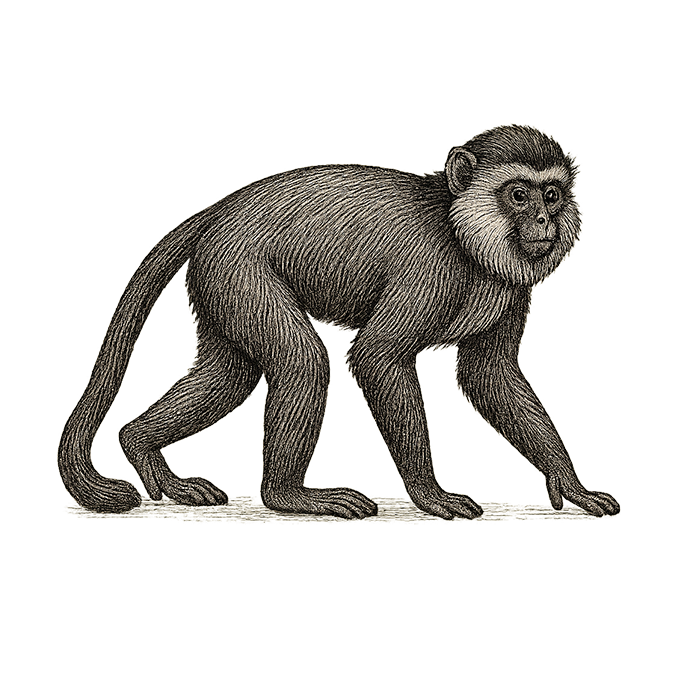
Mgahinga is smaller than Bwindi but offers equally rewarding gorilla trekking and golden monkey tracking. Visitors should coordinate their arrival time with lodge accommodations to allow for early morning treks and pre-trek briefings.
Getting to Volcanoes National Park
Volcanoes National Park in northwestern Rwanda is the most visited gorilla trekking destination in the country. It borders Mgahinga in Uganda and extends into the Virunga Massif.
By Road
The park is easily accessible from Kigali, Rwanda’s capital. The drive takes 2–3 hours along paved roads with picturesque landscapes, including rolling hills, terraced farms, and the Virunga volcanic peaks. Travelers departing from Kigali can arrange private transfers, guided tours, or lodge-organized shuttles.
From Gisenyi or Rubavu, the journey is about 3–4 hours, allowing travelers to combine lake visits with trekking activities. Roads within the park are maintained, and reaching lodge areas near trailheads is straightforward.
By Air
While there is no airport directly in Volcanoes National Park, Kigali International Airport serves as the main entry point. Helicopter transfers or chartered flights can be arranged to reach lodges closer to trailheads, offering convenience and aerial views of the volcanoes.
Key Access Points
Popular trekking trailheads are located near Kinigi, Ruhengeri, and lodge areas in Bisate and Sabyinyo, providing short transfers to pre-trek briefings and maximizing early-morning start times.
Getting to Virunga National Park in DRC
Virunga National Park, located in eastern Democratic Republic of Congo, is part of the same Virunga Massif and is known for its mountain gorilla population as well as its volcanic landscapes and biodiversity.
By Road
Accessing Virunga requires careful planning due to political and security considerations. Most visitors enter from Goma, DRC, located near the southern park boundary. Roads from Goma to park lodges are often rough, mountainous, and sometimes unpaved. Travelers typically arrange for guided tours with authorized operators who coordinate permits, security, and transport.
By Air
The nearest international airport is Goma International Airport, which receives flights from Kigali and other regional hubs. From Goma, authorized vehicles transport trekkers to lodge accommodations and trailheads within the park. Air travel is often safer and faster than lengthy road journeys, especially during rainy seasons when roads may be challenging.
Safety Considerations
Travelers must check current security advisories before planning trips to Virunga. While guided tours are generally safe, independent travel is strongly discouraged. Work with reputable tour operators and local authorities to ensure a secure and smooth experience.
General Travel Tips for All Parks
-
Plan Early: Especially during high season (June–September and December–February), accommodation and trekking permits sell out fast.
-
Use Trusted Operators: Reputable tour operators handle permits, guide services, and logistics efficiently.
-
Prepare for Mountainous Terrain: Roads may be winding and steep; comfortable vehicles and experienced drivers improve safety.
-
Combine Trips: Some travelers plan multi-park visits, such as Bwindi plus Mgahinga or Volcanoes, to maximize gorilla encounters and wildlife experiences.
-
Accommodation Proximity: Staying near trailheads reduces early morning stress and maximizes trekking success chances.
Accessing gorilla trekking destinations in East and Central Africa requires careful planning, awareness of transport options, and attention to logistical details. Whether traveling by road or air, the key is to arrive well-rested and coordinated with local operators for smooth pre-trek briefings and transfers.
Bwindi and Mgahinga in Uganda, Volcanoes National Park in Rwanda, and Virunga National Park in DRC each offer unique landscapes, cultural experiences, and intimate encounters with endangered mountain gorillas. Choosing the right combination of routes, lodges, and transport modes ensures that travelers can fully immerse themselves in the extraordinary ecosystems these parks protect.
Where to Stay On Gorilla Safari
Stay on a gorilla safari in lodges and camps near the parks, ranging from luxury lodges with panoramic forest views, cozy mid-range retreats nestled in nature, to budget-friendly camps offering comfort close to gorilla trekking starting points.
What Our Travelers Enjoyed About Getting to Bwindi, Mgahinga, Volcanoes National Park and Virunga

Gorillas "Silverback"
Golden Monkey "Photogenic"
Chimpanzees "Pant-hoot"