Gorilla Habituation Experience
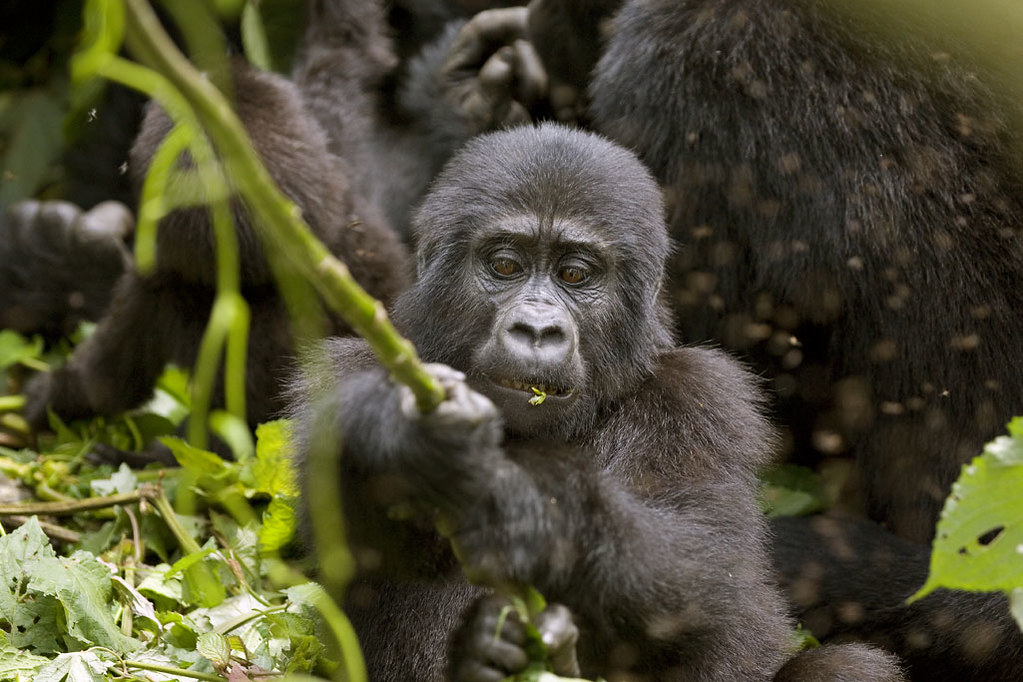
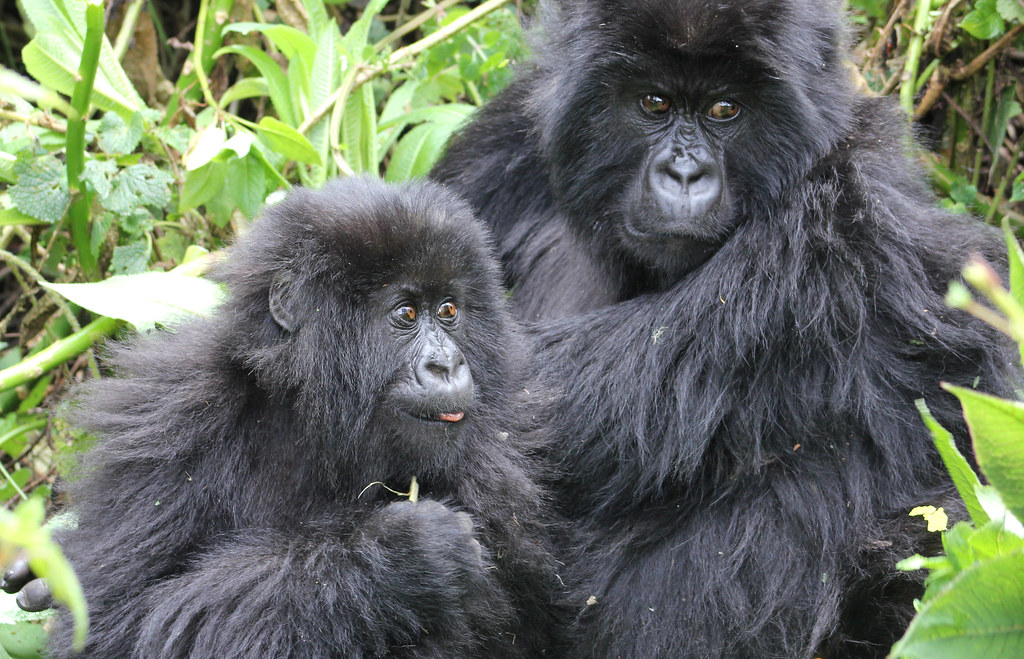
The Gorilla Habituation Experience is one of Africa’s most extraordinary wildlife encounters, offering visitors an extended opportunity to spend up to four hours with a semi-habituated mountain gorilla family in their natural forest environment. Unlike standard gorilla trekking, which allows only one hour of observation after locating a fully habituated group, the habituation experience immerses travelers in the scientific and conservation process of gradually acclimating wild gorillas to human presence. This creates a more intimate, educational, and immersive primate encounter that is particularly appealing to wildlife enthusiasts, photographers, researchers, and adventurous travelers seeking deeper engagement with nature.
What To Expect On Gorilla Safari
Expect an unforgettable gorilla safari in Uganda, where dense misty forests hide majestic mountain gorillas, winding trails lead to intimate wildlife encounters, and every moment immerses you in nature, conservation, and awe-inspiring memories.
Gorilla Habituation Experience & Tours

Murchison Falls' classic activities based from a premium riverside lodge, with private transfers throughout.

Search for the shoebill stork among 450+ recorded species, with classic game drives built around the trip too.
A dedicated sunset game drive for peak predator activity, alongside the park's classic Nile boat cruise.
Cast for Nile perch below the falls, then spend an afternoon on a classic savannah game drive.

Uganda's only wild rhinos at Ziwa, chimpanzee trekking in Budongo, and classic Murchison Falls game drives.
A fast, efficient fly-in trip with a game drive and boat cruise to the base of the falls.
What To Pack For A Gorilla Safari
Pack essentials for a gorilla safari including sturdy hiking boots, lightweight long-sleeve clothing, rain gear, insect repellent, a hat, binoculars, a camera, gloves, and a small backpack to stay comfortable while trekking through misty forests.
Gorilla Habituation Experience Guide: A Complete Journey into the Forests of East Africa
This unique activity is currently offered exclusively in Uganda within the southern sectors of Bwindi Impenetrable National Park, a UNESCO World Heritage Site renowned for its dense rainforest ecosystems and the world’s highest population of endangered mountain gorillas. The experience typically takes place in the Rushaga sector, where several gorilla families are undergoing the multi-year habituation process under the supervision of expert trackers, conservationists, and rangers from the Uganda Wildlife Authority.
Understanding Gorilla Habituation
Gorilla habituation refers to the gradual process through which wild mountain gorillas become accustomed to the presence of humans without perceiving them as threats. This process can take two to three years, during which researchers and rangers visit the gorilla group daily, allowing the animals to slowly develop tolerance to human observers. The ultimate goal is to prepare the gorilla family for future tourism while ensuring minimal disruption to their natural behavior and ecological integrity.
During the habituation experience, visitors actively participate alongside trackers as they locate the gorilla group, observe their behavior, and witness ongoing research efforts such as monitoring feeding patterns, social interactions, and movement dynamics. Because the gorillas are not fully accustomed to humans, encounters are often unpredictable, raw, and deeply authentic compared to standard trekking.
Location of the Gorilla Habituation Experience
The Gorilla Habituation Experience is conducted in the southern sectors of Bwindi, particularly the Rushaga region near Kisoro in southwestern Uganda. This area is characterized by rugged terrain, thick vegetation, and dramatic mountainous landscapes that form part of the greater Albertine Rift ecosystem. The region’s biodiversity is remarkable, hosting numerous primate species, forest birds, butterflies, and endemic flora.
Access to the habituation sector is typically via road travel from Kampala or Entebbe, with journey times ranging from eight to ten hours. Domestic flights are also available to nearby airstrips such as Kisoro or Kihihi, significantly reducing travel time for visitors seeking convenience or luxury safari experiences.
Differences Between Gorilla Trekking and Gorilla Habituation
The primary distinction between gorilla trekking and the habituation experience lies in duration, level of interaction, and the gorillas’ familiarity with humans. Standard trekking involves visiting a fully habituated gorilla family for a strictly regulated one hour after trekking through the forest. In contrast, the habituation experience allows up to four hours with a semi-habituated group, providing deeper behavioral observation and richer photographic opportunities.
Another difference is group size. Gorilla trekking permits allow up to eight visitors per gorilla family, whereas habituation permits limit participation to only four individuals per day. This exclusivity enhances the sense of wilderness immersion and reduces environmental impact.
What Happens During the Experience
The day begins early in the morning with a briefing at the park headquarters, where visitors receive safety guidelines, trekking protocols, and information about gorilla behavior. Participants are then assigned to ranger teams and trackers who have already located the gorilla family at dawn.
The trek itself can vary from moderate to extremely challenging depending on the gorillas’ location, terrain conditions, and weather. Hiking through dense rainforest involves navigating steep slopes, muddy trails, vines, and thick undergrowth, making physical fitness an important consideration.
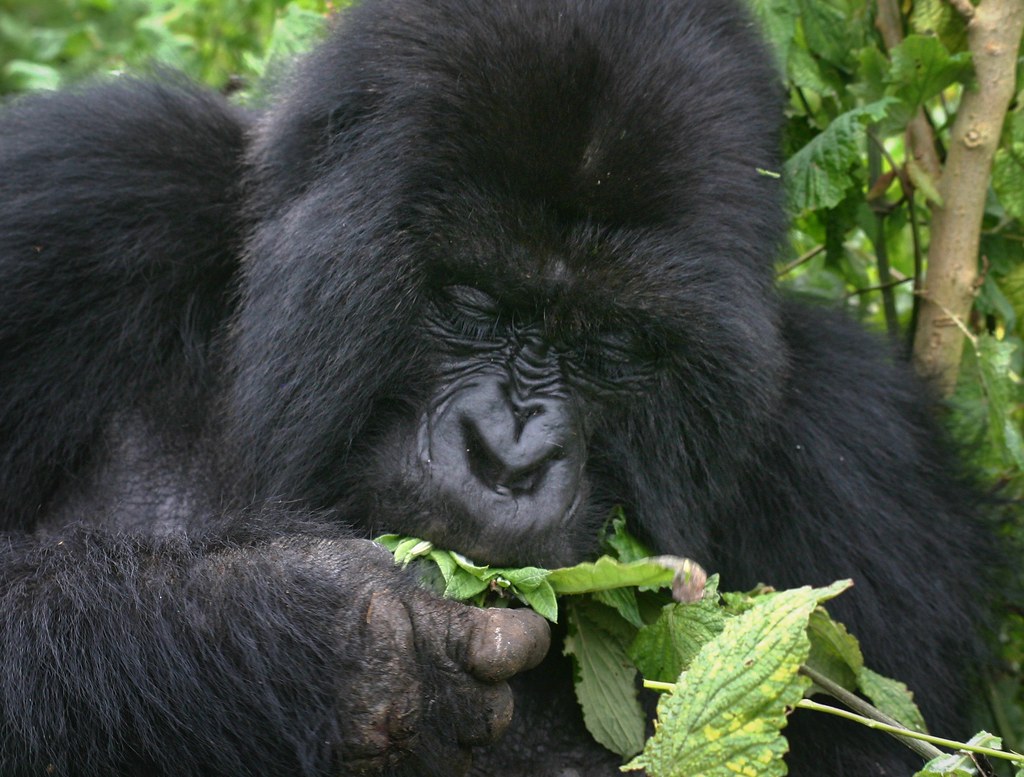
Once the gorillas are located, visitors spend extended time observing the family’s activities, including feeding, nesting, grooming, playing, and social interactions. The presence of researchers during habituation often provides deeper insights into gorilla ecology, communication, hierarchy, and conservation challenges.
Cost of the Gorilla Habituation Experience
The Gorilla Habituation Experience permit in Uganda costs significantly more than standard trekking due to the longer duration and exclusivity. As of recent pricing, the permit is approximately USD 1,500 per person for foreign non-residents, with discounted rates available for residents and East African citizens.
The permit fee includes park entry, ranger services, tracking teams, and conservation contributions that support gorilla protection initiatives, anti-poaching patrols, and community development programs around Bwindi.
Best Time to Do the Gorilla Habituation Experience
The experience is available year-round, but seasonal conditions influence trekking difficulty and comfort. The dry seasons from June to September and December to February are generally considered the best periods due to more stable trails and lower rainfall. However, the rainforest climate means showers can occur at any time, and gorilla sightings remain excellent throughout the year.
Interestingly, the wet seasons can offer advantages such as fewer tourists, lush scenery, and improved photographic lighting conditions due to soft cloud cover.
Physical Requirements and Preparation
Gorilla habituation requires moderate to high physical fitness. Treks may last several hours before locating the gorillas, and the terrain can be steep and slippery. Participants should be prepared for long hikes at high altitudes, often above 2,000 meters.
Proper preparation includes sturdy hiking boots, waterproof clothing, gloves, long-sleeved shirts, insect repellent, and sufficient hydration. Hiring local porters is highly recommended, not only for assistance but also for supporting community livelihoods.
Photography During the Experience
The Gorilla Habituation Experience is particularly attractive for wildlife photographers because of the extended time with the gorillas. Photographers can experiment with lighting, composition, and behavioral shots without the time pressure typical of standard trekking.
Cameras with fast lenses, high ISO performance, and minimal flash use are recommended to capture images effectively in the dim forest environment. Maintaining a respectful distance of at least seven meters from the gorillas is essential for both safety and ethical conservation practices.
Conservation Importance of the Experience
Revenue generated from gorilla tourism plays a crucial role in conservation success. Mountain gorilla populations have shown encouraging recovery over recent decades, largely due to ecotourism funding, scientific research, and community engagement programs.
Organizations such as the World Wildlife Fund and local conservation authorities collaborate to ensure that tourism contributes positively to habitat protection and sustainable development.
The habituation experience also provides valuable research opportunities, helping scientists understand gorilla behavior, health, and ecological needs while monitoring potential threats such as disease transmission or habitat encroachment.
Safety Guidelines and Rules
Visitors must follow strict regulations to minimize stress on the gorillas and reduce disease transmission risks. Individuals with contagious illnesses are not permitted to participate. Maintaining distance, avoiding sudden movements, and following ranger instructions are essential for safety.
Face masks are often required during close encounters to protect gorillas from human respiratory diseases, which pose significant risks to their survival.
Accommodation Options Near the Habituation Sector
Rushaga offers a range of accommodation options from budget lodges to luxury eco-lodges. Properties such as Gorilla Safari Lodge, Rushaga Gorilla Camp, and Ichumbi Gorilla Lodge provide convenient access to the starting point of the habituation experience while offering scenic views of the surrounding forest landscapes.
Many lodges also organize cultural visits, community walks, and relaxation activities to complement the gorilla experience.
Why Choose the Gorilla Habituation Experience
The Gorilla Habituation Experience offers a deeper connection with wildlife compared to standard trekking. Spending extended time with a gorilla family allows visitors to appreciate individual personalities, social dynamics, and natural behaviors more profoundly.For travelers seeking authenticity, exclusivity, and meaningful conservation impact, the habituation experience represents one of the most rewarding wildlife encounters available anywhere in the world.The Gorilla Habituation Experience stands as one of the most immersive wildlife adventures on Earth, combining scientific discovery, conservation participation, and unforgettable close encounters with endangered mountain gorillas. Conducted in the ancient forests of Bwindi Impenetrable National Park, this activity offers a rare opportunity to step beyond tourism and witness the delicate relationship between humans and one of our closest living relatives.For nature lovers, photographers, researchers, and adventure travelers alike, participating in gorilla habituation is not simply a safari activity—it is a transformative journey into the heart of Africa’s most remarkable rainforest ecosystem.
Where to Stay On Gorilla Safari
Stay on a gorilla safari in lodges and camps near the parks, ranging from luxury lodges with panoramic forest views, cozy mid-range retreats nestled in nature, to budget-friendly camps offering comfort close to gorilla trekking starting points.
What Our Travelers Enjoyed About Gorilla Habituation Experience

Gorillas "Silverback"
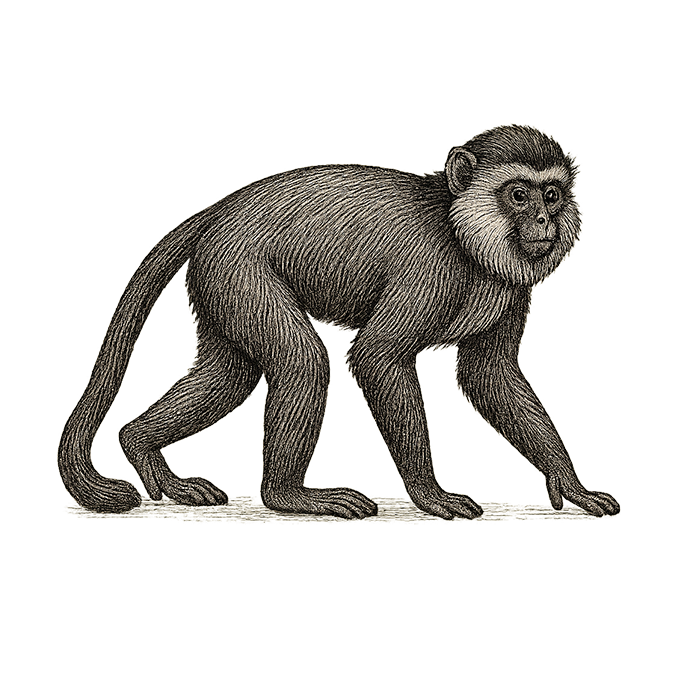
Golden Monkey "Photogenic"
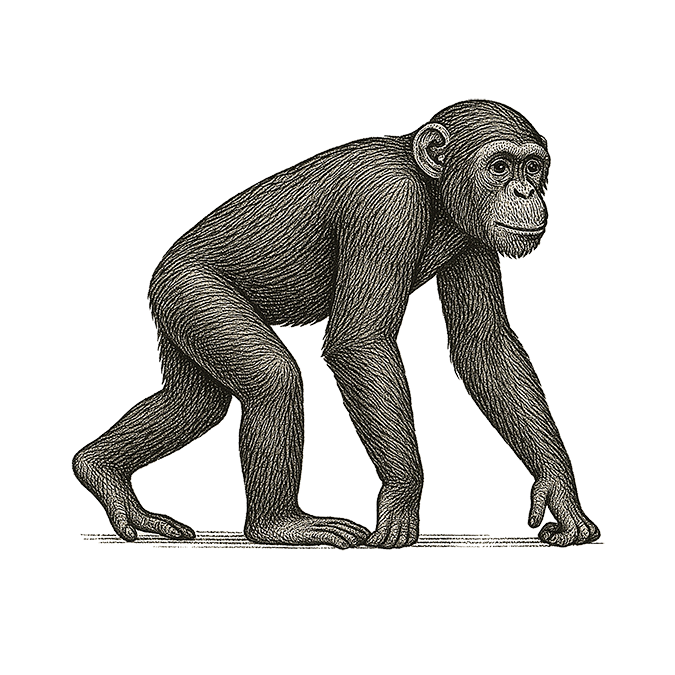
Chimpanzees "Pant-hoot"