What to Expect on the Day of Your Gorilla Trek
The day of your gorilla trek is the culmination of careful planning, anticipation, and excitement. This experience in Uganda, Rwanda, or the Democratic Republic of Congo allows you to step into the natural habitat of mountain gorillas, one of the world’s most endangered and intelligent primates. While the trek itself can vary in difficulty depending on terrain, gorilla family location, and weather, being prepared for the day ensures that you can focus fully on the encounter and capture a once-in-a-lifetime experience.
Your day begins early, often before sunrise, with a structured schedule designed to maximize safety, comfort, and the quality of your time with the gorillas. Understanding the sequence of events, required items, and behavior expectations allows you to navigate the day smoothly while respecting the forest and its inhabitants.
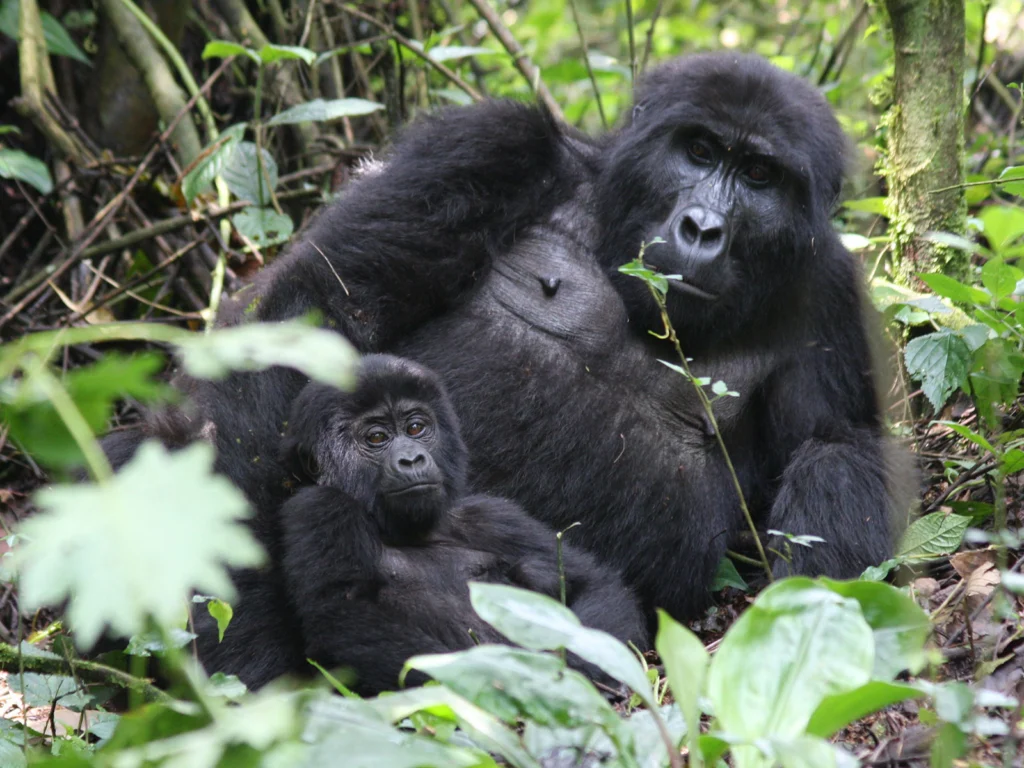
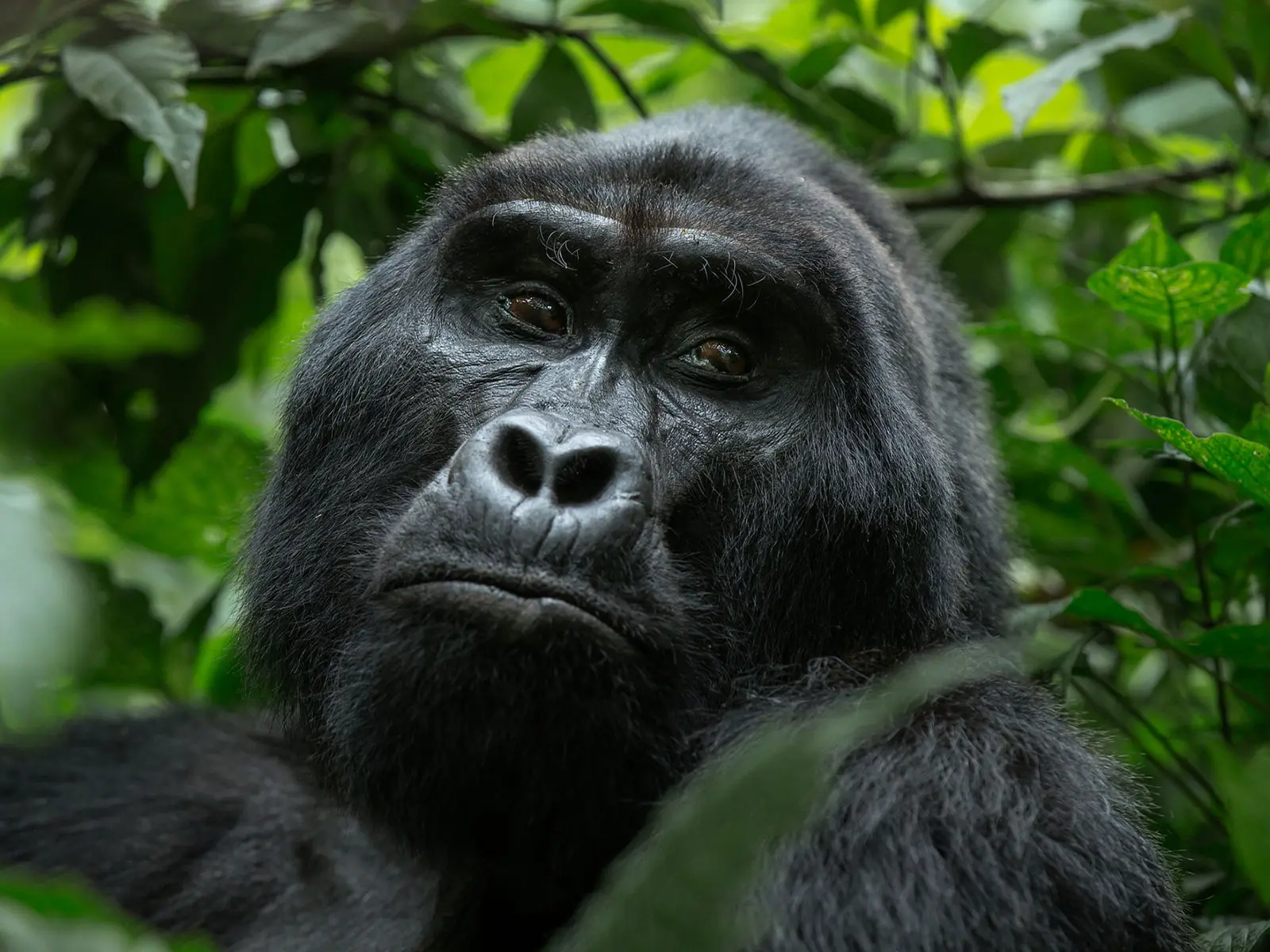
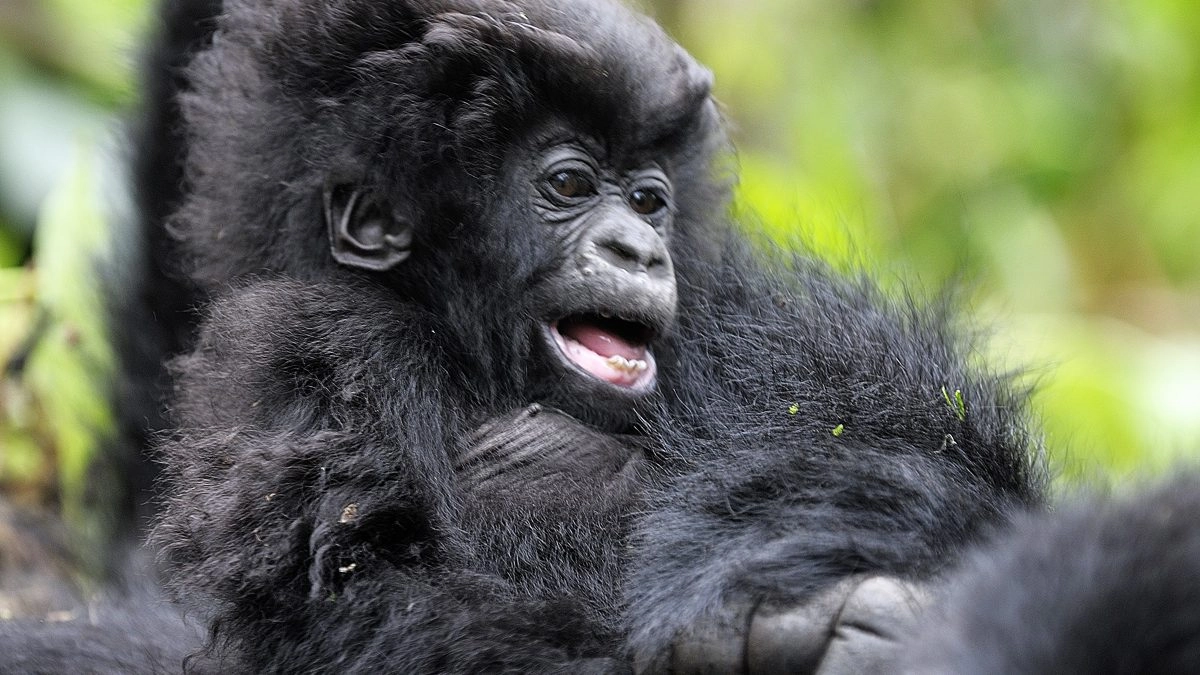
What To Expect On Gorilla Safari
Expect an unforgettable gorilla safari in Uganda, where dense misty forests hide majestic mountain gorillas, winding trails lead to intimate wildlife encounters, and every moment immerses you in nature, conservation, and awe-inspiring memories.
What to Expect on the Day of Your Gorilla Trek & Tours

Murchison Falls' classic activities based from a premium riverside lodge, with private transfers throughout.

Search for the shoebill stork among 450+ recorded species, with classic game drives built around the trip too.
A dedicated sunset game drive for peak predator activity, alongside the park's classic Nile boat cruise.
Cast for Nile perch below the falls, then spend an afternoon on a classic savannah game drive.

Uganda's only wild rhinos at Ziwa, chimpanzee trekking in Budongo, and classic Murchison Falls game drives.
A fast, efficient fly-in trip with a game drive and boat cruise to the base of the falls.
What To Pack For A Gorilla Safari
Pack essentials for a gorilla safari including sturdy hiking boots, lightweight long-sleeve clothing, rain gear, insect repellent, a hat, binoculars, a camera, gloves, and a small backpack to stay comfortable while trekking through misty forests.
What to Expect on the Day of Your Gorilla Trek
Early Morning Preparations
Wake-Up and Breakfast
Most lodges and guesthouses near gorilla trekking parks provide an early breakfast, often starting around 5:30 a.m. or 6:00 a.m., depending on trek departure times. Breakfast is typically hearty to provide energy for the physically demanding trek, with options including eggs, bread, porridge, tea, coffee, and fresh fruits.
It’s advisable to dress in layers suitable for changing temperatures and forest conditions. Even if the day is warm, the dense montane forests can be cool in the morning. Prepare your trekking attire: long trousers, long-sleeved shirts, sturdy boots, gloves for vegetation, and rain jackets or ponchos in case of rain.
Gathering Equipment
Essential items for the trek should be organized the night before. These include:
-
Trekking poles for balance and support on steep or muddy trails.
-
Water bottles and energy snacks.
-
Face masks (to prevent disease transmission to gorillas).
-
Camera with zoom lens (flash photography is prohibited).
-
Personal medications and insect repellent.
Your lodge or guide usually confirms your checklist and provides any necessary walking sticks or rain gear that you might not have.
Arrival at the Park Headquarters
Travelers are transported to the park headquarters near the trailheads for a mandatory briefing session. This briefing is critical and covers:
-
Rules and safety procedures: including maintaining a minimum distance of 7 meters from gorillas, handling unexpected behaviors, and emergency protocols.
-
Daily trek logistics: estimated duration, trail difficulty, and any particular hazards.
-
Health and hygiene protocols: ensuring that trekkers are free of respiratory illnesses and wear face masks near the gorillas.
-
Introduction to rangers and trackers: who guide you through the forest and locate the gorilla groups.
During this session, rangers often assign the trekking groups and provide instructions on appropriate behavior in the forest to minimize human impact.
The Trekking Experience
Entering the Forest
Once the briefing concludes, your group begins the trek with rangers and local trackers. Trackers often go ahead to locate the gorilla family based on fresh signs of movement, nest locations, or vocalizations.
The trek is both an adventure and a lesson in ecology. You will move through dense vegetation, steep slopes, and bamboo thickets. The forest is alive with bird calls, small mammals, and the distant sounds of gorilla activity. Walking is often slow, allowing for observation and photos of other wildlife while minimizing disturbance.
The terrain varies depending on the park and sector:
-
Bwindi sectors may include steep ridges and swampy patches.
-
Mgahinga and Volcanoes involve volcanic slopes with rocky and muddy sections.
-
Virunga in DRC can feature rugged terrain and requires careful guidance.
Locating the Gorillas
Gorilla groups are semi-habituated, meaning their movements are monitored by trackers, but they are still wild. Trekking duration to reach the group can range from 30 minutes to several hours, depending on location, group movement, and forest conditions. Patience is essential — the journey through the forest is part of the experience.
Once the trackers find the gorilla family, your group is guided to a safe viewing point. Rangers ensure that visitors maintain proper distance, move slowly, and minimize noise.
The Gorilla Encounter
The highlight of the day is the one-hour encounter with the gorillas. During this period, you can observe:
-
Social behaviors such as grooming, play, and nest building.
-
The leadership of the silverback, who watches over and protects the group.
-
Interactions among infants, juveniles, and females, providing insights into gorilla family dynamics.
-
Feeding patterns and foraging behaviors, offering understanding of their herbivorous diet.
Visitors are instructed to move slowly, speak minimally, and avoid sudden gestures. Photography is allowed without flash, and gorillas may approach naturally, offering intimate photo opportunities while still respecting the minimum distance rule.
Rangers monitor both gorilla and visitor safety continuously, ensuring a controlled environment where stress on the animals is minimal.
Completing the Trek
After the one-hour observation, rangers signal the end of the encounter. The return trek generally feels easier, as anticipation is replaced by reflection on the extraordinary experience. Visitors retrace the path back to the trailhead, often stopping to photograph scenery, smaller wildlife, or local flora.
At the trailhead, participants typically receive a certificate of trekking, commemorating their encounter with mountain gorillas. This document is a prized keepsake and evidence of participation in one of the world’s most exclusive wildlife experiences.
Post-Trek Considerations
Health and Hygiene
After trekking, it is essential to sanitize hands and change clothes if needed, especially in rainy or muddy conditions. This also reduces the risk of transferring any pathogens from the forest to local environments or other travelers.
Relaxation and Reflection
Most lodges offer post-trek meals, relaxation areas, and cultural interactions with local communities. Many visitors take time to journal, photograph, or simply reflect on the experience, as encountering gorillas is often emotionally powerful and transformative.
Optional Activities
Depending on the park, you may also participate in:
-
Nature walks exploring additional forest areas.
-
Birdwatching, as gorilla habitats host diverse avian species.
-
Community visits, where you can learn about conservation projects and local culture.
Tips for Making the Most of Your Trek
-
Start the day well-rested and nourished; trekking is physically demanding.
-
Listen carefully during the briefing to ensure proper etiquette in the forest.
-
Carry water and snacks to maintain energy but do not feed gorillas.
-
Dress appropriately for rain, mud, and changing temperatures.
-
Be patient and enjoy the journey; reaching the gorillas is only part of the experience — the forest itself is remarkable.
-
Follow ranger instructions at all times for your safety and the welfare of the gorillas.
The day of a gorilla trek is a carefully orchestrated adventure that balances safety, conservation, and immersion into the natural world. From early morning preparations and briefings to trekking through lush montane forests and the once-in-a-lifetime hour with mountain gorillas, each step offers both physical challenge and emotional reward.
Understanding what to expect ensures that you approach the trek with the right mindset, proper gear, and respect for the forest and its inhabitants. By preparing in advance, following rules, and savoring every moment, your gorilla trekking day becomes an unforgettable encounter that connects you deeply with one of Earth’s most extraordinary species.
Where to Stay On Gorilla Safari
Stay on a gorilla safari in lodges and camps near the parks, ranging from luxury lodges with panoramic forest views, cozy mid-range retreats nestled in nature, to budget-friendly camps offering comfort close to gorilla trekking starting points.
What Our Travelers Enjoyed About What to Expect on the Day of Your Gorilla Trek

Gorillas "Silverback"
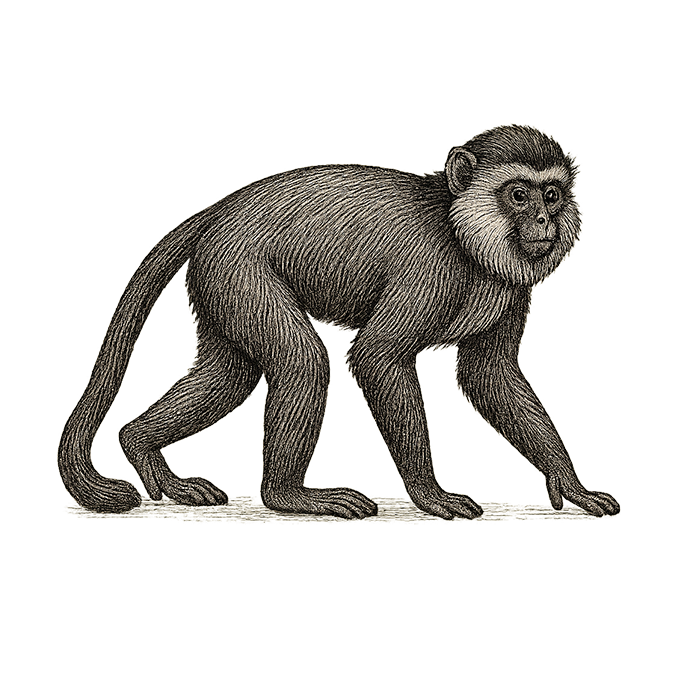
Golden Monkey "Photogenic"
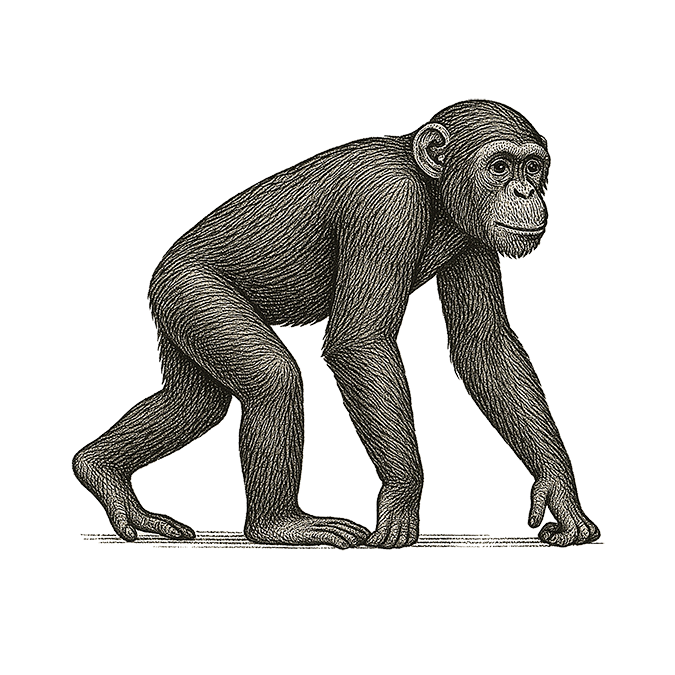
Chimpanzees "Pant-hoot"