Best Time to Go Trekking
Trekking in Uganda and Rwanda ranks among the most compelling wilderness experiences in Africa. These two countries form the ecological heart of the Albertine Rift, a biodiversity hotspot characterized by montane rainforests, volcanic massifs, high-altitude alpine zones, crater lakes, and diverse primate populations. Whether your objective is mountain gorilla trekking, chimpanzee tracking, volcano hiking, or summiting glaciated peaks, understanding the climatic framework is essential for optimizing safety, comfort, and overall experience.
What To Expect On Gorilla Safari
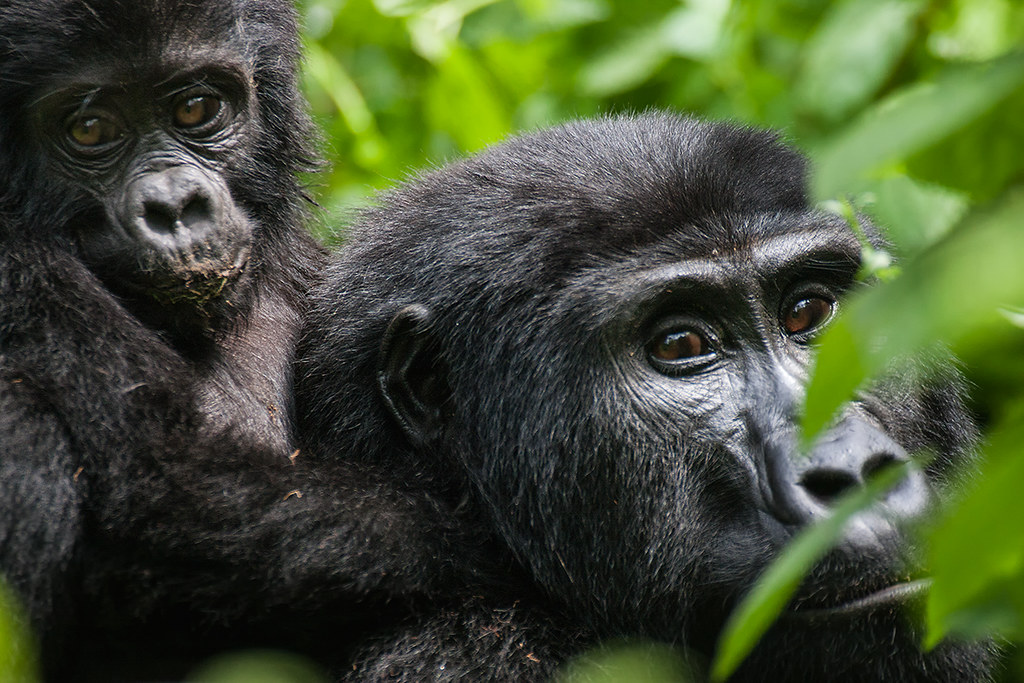
Expect an unforgettable gorilla safari in Uganda, where dense misty forests hide majestic mountain gorillas, winding trails lead to intimate wildlife encounters, and every moment immerses you in nature, conservation, and awe-inspiring memories.
Best Time to Go Trekking & Tours

Murchison Falls' classic activities based from a premium riverside lodge, with private transfers throughout.

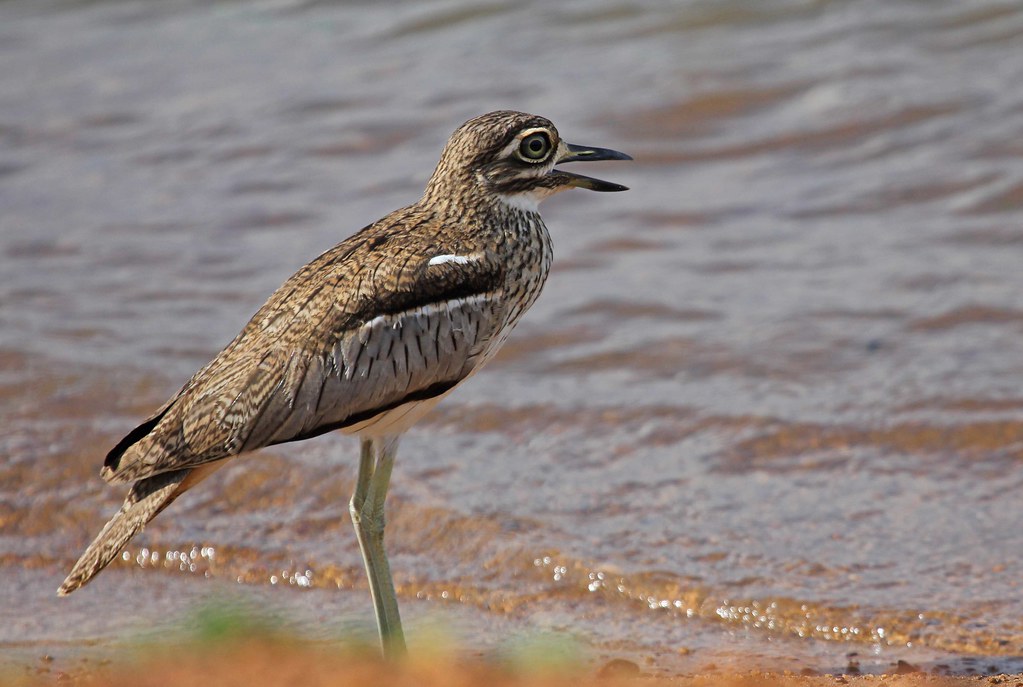
Search for the shoebill stork among 450+ recorded species, with classic game drives built around the trip too.
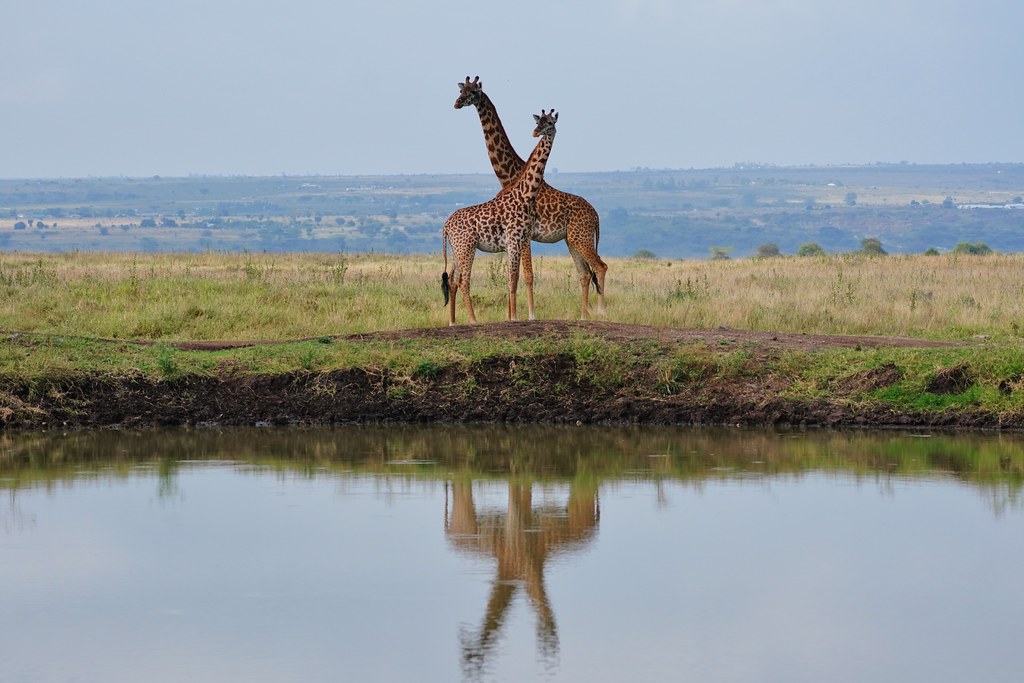
A dedicated sunset game drive for peak predator activity, alongside the park's classic Nile boat cruise.
Cast for Nile perch below the falls, then spend an afternoon on a classic savannah game drive.

Uganda's only wild rhinos at Ziwa, chimpanzee trekking in Budongo, and classic Murchison Falls game drives.
A fast, efficient fly-in trip with a game drive and boat cruise to the base of the falls.
What To Pack For A Gorilla Safari
Pack essentials for a gorilla safari including sturdy hiking boots, lightweight long-sleeve clothing, rain gear, insect repellent, a hat, binoculars, a camera, gloves, and a small backpack to stay comfortable while trekking through misty forests.
Best Time to Go Trekking Guide: A Complete Journey into the Forests of East Africa
Although both nations lie close to the equator and maintain relatively stable annual temperatures, rainfall distribution—rather than temperature—determines trekking feasibility and trail conditions. Seasonal precipitation influences trail traction, visibility, wildlife movement, photography quality, and even road access to remote trailheads. Selecting the appropriate month can significantly enhance both logistical efficiency and experiential quality.
Understanding the Climate Pattern
Uganda and Rwanda experience a bimodal rainfall system, resulting in two dry seasons and two wet seasons annually. Temperatures in lowland regions generally fluctuate between 20°C and 27°C throughout the year, while highland and mountainous regions are considerably cooler, especially at night and at higher elevations.
Humidity levels tend to remain high in forested regions, particularly in montane ecosystems. Rainfall, however, is not uniform. Western Uganda and northwestern Rwanda—where most trekking destinations are concentrated—receive higher annual precipitation than central and eastern regions. As a result, trekking conditions can vary considerably depending on location and altitude.
The four climatic phases are broadly categorized as:
The long dry season from June to September.
The short dry season from December to February.
The long rainy season from March to May.
The short rainy season from October to November.
Each period presents distinct advantages and limitations depending on the type of trekking planned.
Dry Season: June to September
The June to September window is widely regarded as the optimal trekking season across both countries. Rainfall is significantly reduced, trails are firmer, and access roads are generally more reliable. In mountainous and forested terrain, this reduction in moisture translates directly into improved traction and safer ascents.
During these months, gorilla trekking conditions are more predictable. In Bwindi Impenetrable National Park and Mgahinga Gorilla National Park, hiking routes tend to be less slippery, making steep climbs more manageable. In Rwanda’s Volcanoes National Park, reduced rainfall also improves underfoot conditions on volcanic slopes.
Visibility is another significant advantage. Clearer skies enhance panoramic views, particularly during high-altitude hikes. Photographers benefit from improved lighting conditions beneath forest canopies and above the cloud line in mountainous terrain.
The June to September period coincides with peak tourism demand. Gorilla permits often sell out months in advance, and accommodation rates may be higher. However, the trade-off is greater predictability in trekking outcomes and fewer weather-related disruptions.
Short Dry Season: December to February
The December to February period represents a secondary dry season and is also highly suitable for trekking. Although slightly warmer in some regions, rainfall remains relatively low, and trail conditions are favorable.
Chimpanzee trekking in Kibale National Park during this period often yields strong tracking success. Reduced rainfall improves mobility within the forest and increases comfort levels during multi-hour tracking excursions. Similarly, trekking in Nyungwe Forest National Park benefits from more stable conditions.
Mountain hikers targeting the Rwenzori Mountains also find this window suitable for summit attempts. Snow and ice accumulation at higher elevations are typically more stable, and cloud cover is less persistent compared to peak rainy months.
This season may see a moderate increase in travelers due to international holidays, but it is generally less crowded than the June to September peak.
Long Rainy Season: March to May
The March to May period marks the long rains and is typically considered the most challenging time for trekking. Heavy and sustained rainfall leads to muddy trails, swollen streams, and increased humidity. Steep forested slopes become slippery, and hiking times can extend significantly due to difficult terrain.
In Bwindi and Volcanoes National Park, thick undergrowth may intensify during this period, adding to physical exertion. Visibility can also be reduced by persistent cloud cover.
However, this season is not without advantages. The landscape becomes exceptionally lush, and fewer tourists mean quieter trails and potentially more personalized experiences. Photographers interested in vibrant vegetation and dramatic mist-laden scenery may find this period appealing.
Travelers opting for this season must be prepared with high-quality waterproof gear, gaiters, and strong physical conditioning. Flexibility in scheduling is also important, as weather interruptions can occur.
Short Rainy Season: October to November
The October to November rainy season is shorter and generally less intense than the March to May rains. Rainfall patterns can be unpredictable, often occurring in afternoon bursts rather than sustained downpours.
Trekking remains feasible during this period, though trails can still be muddy. Visitor numbers are typically lower, offering a quieter atmosphere in popular parks. Some travelers deliberately choose this shoulder season to balance moderate weather challenges with reduced crowd density.
Gorilla Trekking Considerations
Mountain gorilla trekking is the flagship trekking activity in both countries. In Uganda, permits are issued for gorilla families in Bwindi Impenetrable National Park and Mgahinga Gorilla National Park. In Rwanda, trekking occurs exclusively within Volcanoes National Park.
Dry seasons provide superior hiking conditions. Forest trails are firmer, and ascent times are more predictable. Clear weather enhances photographic opportunities and reduces the likelihood of extended delays due to slippery terrain.
Wet seasons, while more physically demanding, often provide equally rewarding wildlife encounters. Gorilla movements are influenced more by food availability than rainfall alone, meaning sightings remain consistent year-round. However, trekkers should anticipate greater physical exertion during rainy months.
Chimpanzee Trekking Timing
Chimpanzee trekking is concentrated in Kibale National Park in Uganda and Nyungwe Forest National Park in Rwanda. Both forests are characterized by dense canopy cover and significant biodiversity.
Dry-season trekking improves overall comfort and reduces the risk of slipping on forest trails. Chimpanzees can travel long distances daily, and easier terrain helps trackers maintain pace.
During rainy months, fruiting cycles may disperse chimpanzee groups across wider areas, occasionally extending tracking duration. Nonetheless, sightings remain reliable due to experienced ranger teams.
High-Altitude and Volcano Trekking
For trekkers targeting the Rwenzori Mountains, seasonal timing is particularly critical. This range features alpine bogs, steep rock faces, and glacial remnants. During heavy rains, lower-altitude bog sections become waterlogged and challenging to cross.
Dry seasons enhance safety margins on ridgelines and glacier approaches. Summit attempts are more likely to succeed when cloud cover is minimal and precipitation reduced.
Volcano hiking within the Virunga range includes ascents of Mount Bisoke, Mount Karisimbi, and Mount Muhabura. These steep volcanic slopes become extremely slippery during rainfall. Dry conditions significantly reduce ascent risk and improve crater visibility.
Temperature and Altitude Factors
Temperature stability in equatorial regions often misleads travelers into underestimating climate variability. While daytime temperatures remain moderate in lowlands, high-altitude regions can experience near-freezing nighttime conditions.
In the Rwenzori Mountains and on high volcano summits, temperatures can drop below 0°C. Wind chill and sudden weather shifts necessitate layered clothing, insulated outerwear, and proper waterproofing.
Humidity is consistently high in forest environments, increasing perceived exertion during strenuous hikes. Hydration and pacing are therefore essential, regardless of season.
Crowd Dynamics and Permit Availability
Peak dry seasons correspond with higher demand for gorilla permits and accommodation. Advance booking—often six months or more ahead—is recommended for June to September travel.
Rainy seasons offer improved availability and potentially quieter trails. Travelers prioritizing solitude may prefer shoulder months such as October or November.
Final Recommendation
For most travelers seeking optimal trekking conditions, the June to September period offers the most reliable combination of stable weather, firm trails, improved visibility, and logistical efficiency across Uganda and Rwanda. December to February presents a strong alternative with comparable benefits.
March to May is best suited to experienced trekkers prepared for challenging conditions, while October to November offers a transitional compromise between weather and crowd density.
Ultimately, trekking in Uganda and Rwanda is feasible throughout the year. However, aligning your travel dates with the dry seasons will typically provide the safest, most comfortable, and most predictable experience—particularly for high-altitude climbs and primate tracking expeditions.
If desired, this guide can be further tailored specifically for gorilla trekking, mountain climbing, or combined wildlife and trekking itineraries.
Where to Stay On Gorilla Safari
Stay on a gorilla safari in lodges and camps near the parks, ranging from luxury lodges with panoramic forest views, cozy mid-range retreats nestled in nature, to budget-friendly camps offering comfort close to gorilla trekking starting points.
What Our Travelers Enjoyed About Best Time to Go Trekking

Gorillas "Silverback"
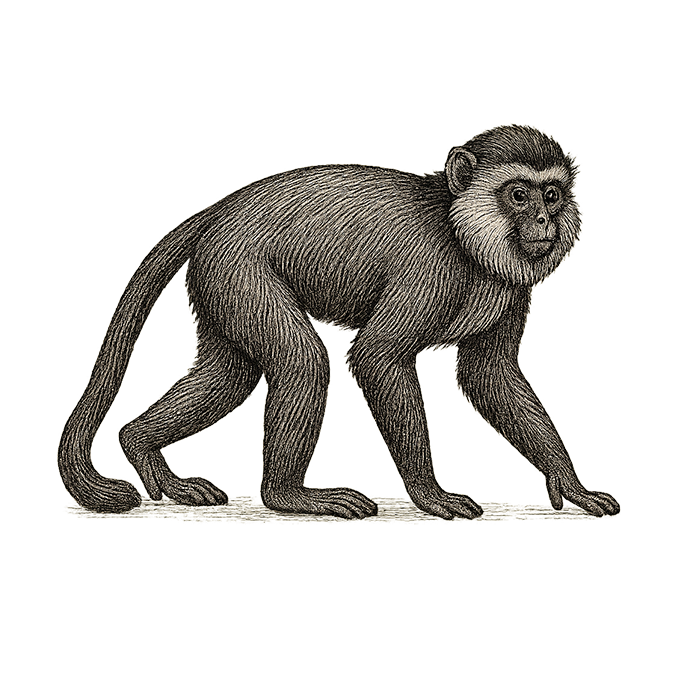
Golden Monkey "Photogenic"
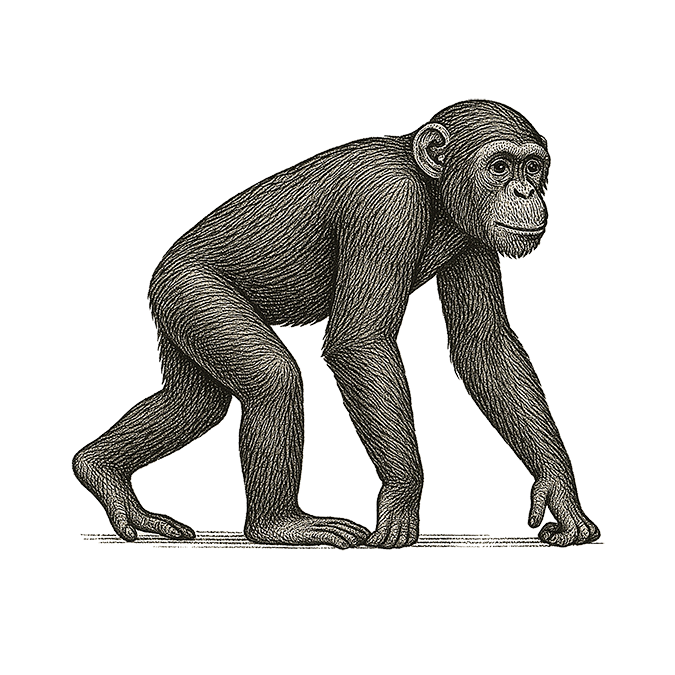
Chimpanzees "Pant-hoot"