Mountain Gorillas: Behavior, Habitat and Conservation
Mountain gorillas are among the most iconic and critically endangered primates on Earth, captivating scientists, conservationists, and travelers alike. Native to the misty forests of the Virunga Mountains spanning Rwanda, Uganda, and the Democratic Republic of Congo, these gorillas are highly social, intelligent, and uniquely adapted to their montane habitats.Studying mountain gorillas provides invaluable insight into primate behavior, ecology, and conservation biology. Their survival depends on continued protection of fragile habitats, anti-poaching measures, and community-based initiatives that integrate local populations into conservation efforts. Understanding their behavior, social structures, and ecological requirements is essential not only for researchers but also for eco-tourists seeking ethical wildlife encounters.
What To Expect On Gorilla Safari
Expect an unforgettable gorilla safari in Uganda, where dense misty forests hide majestic mountain gorillas, winding trails lead to intimate wildlife encounters, and every moment immerses you in nature, conservation, and awe-inspiring memories.
Mountain Gorillas: Behavior, Habitat and Conservation & Tours

Murchison Falls' classic activities based from a premium riverside lodge, with private transfers throughout.

Search for the shoebill stork among 450+ recorded species, with classic game drives built around the trip too.
A dedicated sunset game drive for peak predator activity, alongside the park's classic Nile boat cruise.
Cast for Nile perch below the falls, then spend an afternoon on a classic savannah game drive.

Uganda's only wild rhinos at Ziwa, chimpanzee trekking in Budongo, and classic Murchison Falls game drives.
A fast, efficient fly-in trip with a game drive and boat cruise to the base of the falls.
What To Pack For A Gorilla Safari
Pack essentials for a gorilla safari including sturdy hiking boots, lightweight long-sleeve clothing, rain gear, insect repellent, a hat, binoculars, a camera, gloves, and a small backpack to stay comfortable while trekking through misty forests.
Mountain Gorillas: Behavior, Habitat and Conservation Guide: A Complete Journey into the Forests of East Africa
Behavior of Mountain Gorillas
Social Structure and Group Dynamics
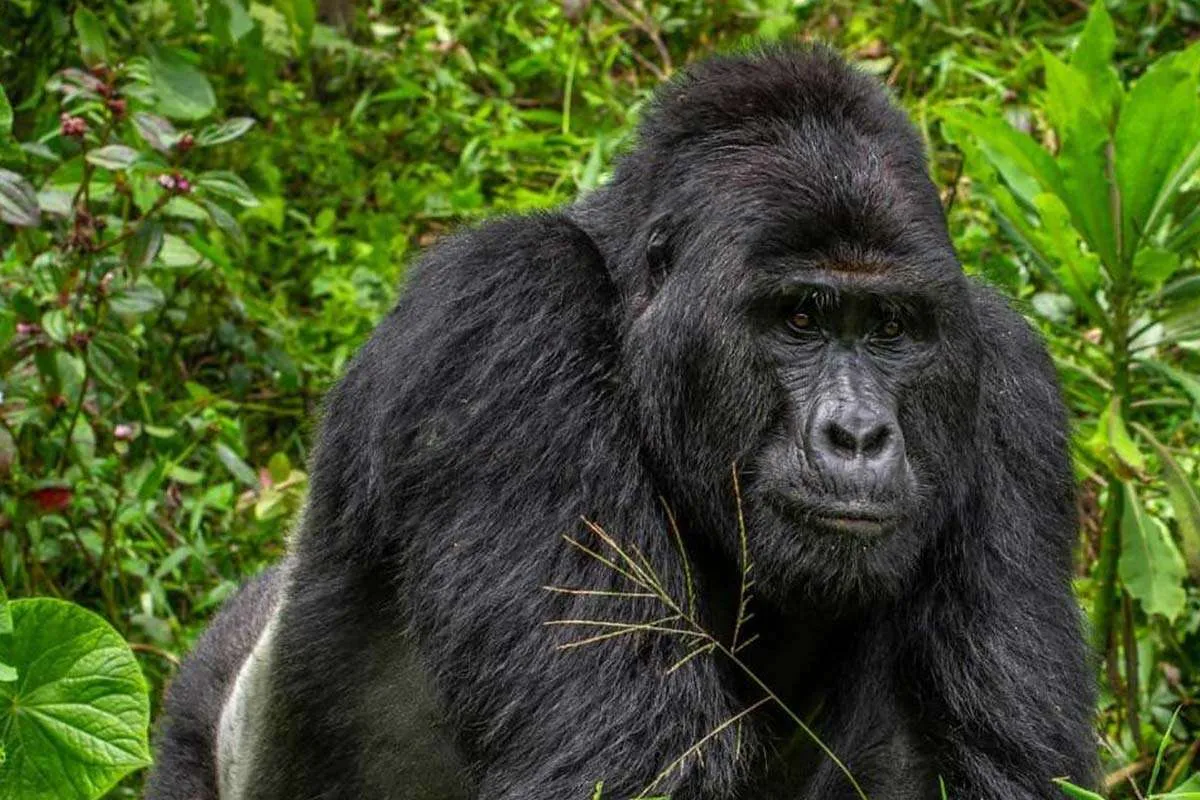
Mountain gorillas live in stable social groups, typically ranging from 5 to 30 individuals, led by a dominant adult male known as the silverback. The silverback provides protection, mediates conflicts, and leads the group in foraging and daily movements. Females and subordinate males, sometimes called blackbacks, form the remainder of the group, alongside infants and juveniles.
These groups are highly cohesive, with strong social bonds maintained through grooming, play, and vocalizations. Infants are cared for not only by their mothers but also receive social attention from other group members, reinforcing cohesion and learning essential behaviors for survival.
Communication and Vocalizations
Mountain gorillas communicate using a combination of vocalizations, body language, and facial expressions. Vocal signals include grunts, hoots, screams, and roars, each conveying different messages such as alarm, play, or reassurance. Chest-beating by males is a common behavior used to assert dominance, intimidate rivals, or signal excitement.
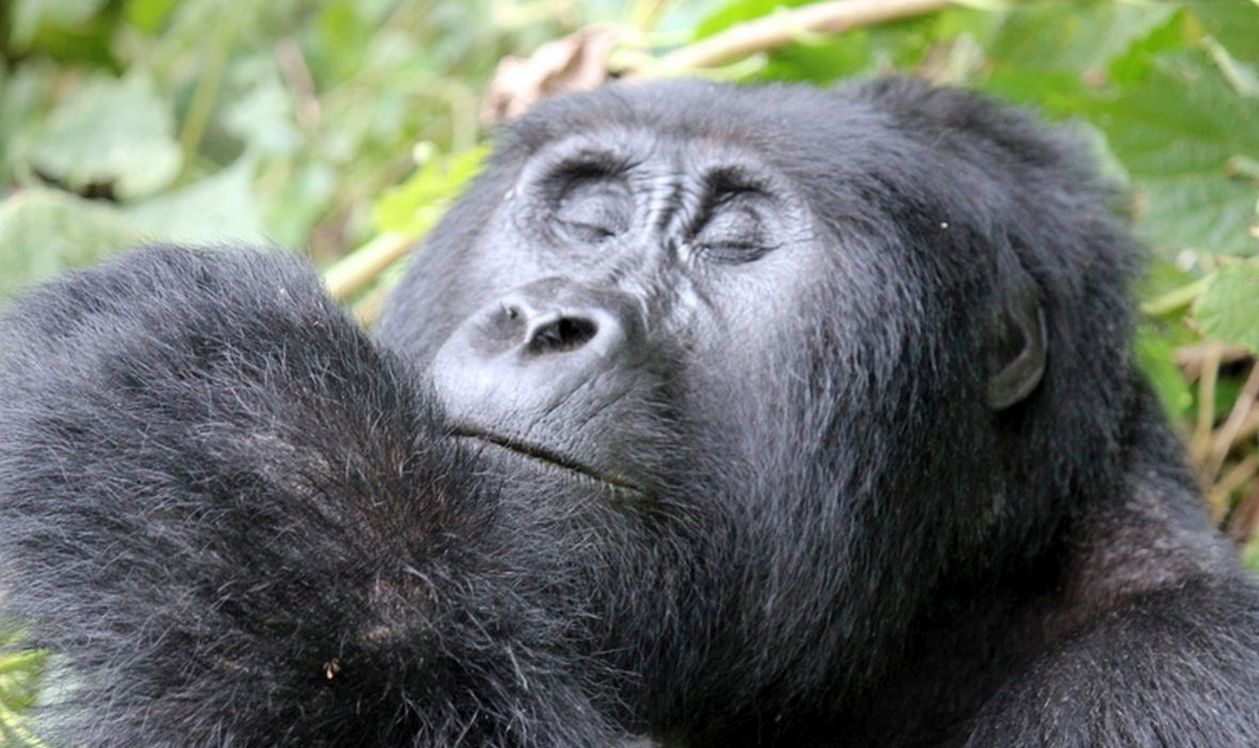
Non-vocal communication is equally important. Gorillas use gestures, postures, and facial expressions to indicate submission, aggression, or social interest. Observing these behaviors provides a window into their emotional intelligence and social complexity.
Feeding and Daily Activity
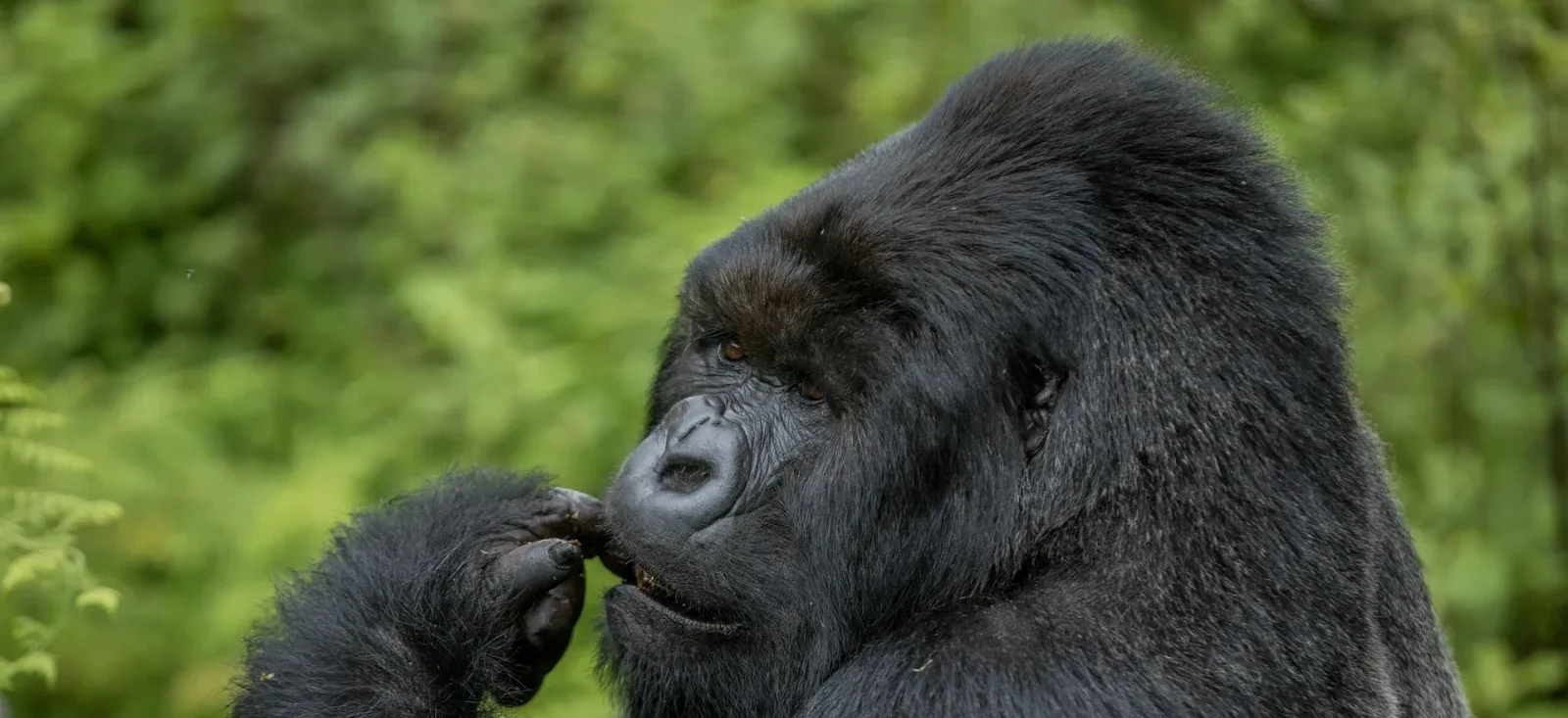
Mountain gorillas are primarily herbivorous, consuming a diet rich in leaves, stems, roots, bark, and occasionally fruits. They spend a significant portion of the day foraging, with adult males consuming up to 18 kilograms of vegetation daily.
They are mostly diurnal, active during daylight hours, and rest intermittently in nests constructed from foliage each night. Nest building is an essential part of their behavior, reflecting both safety needs and comfort preferences.
Habitat of Mountain Gorillas
Geographic Range
Mountain gorillas inhabit high-altitude forests in the Virunga Massif and Bwindi Impenetrable Forest, regions spanning Rwanda, Uganda, and the Democratic Republic of Congo. These montane ecosystems are characterized by dense vegetation, steep slopes, and frequent cloud cover, providing abundant food sources and shelter.
Environmental Requirements
Mountain gorillas require dense, undisturbed forests that provide ample foliage for food, cover from predators, and nesting material. Elevations typically range from 2,200 to 4,300 meters above sea level. Forest types vary from bamboo forests to dense montane and bamboo-mixed forests, each supporting diverse plant and animal life.
Their restricted range makes them highly vulnerable to habitat loss, fragmentation, and human encroachment. Conservation of these forests is critical not only for gorillas but also for the broader biodiversity of the region.
Interactions with Other Wildlife
Mountain gorillas coexist with a rich community of forest fauna. Birds, small mammals, monkeys, and occasionally larger mammals like elephants share the forest, creating complex ecological interactions. Gorillas play a key role as seed dispersers, influencing forest regeneration and biodiversity.
Conservation of Mountain Gorillas
Threats to Survival
Mountain gorillas face several threats despite successful conservation efforts. Habitat loss due to agriculture, logging, and human settlement remains a significant challenge. Poaching, though reduced, still occurs, primarily through snares set for other animals, inadvertently harming gorillas.
Human-borne diseases are a major concern due to the gorillas’ susceptibility to respiratory infections. Additionally, political instability in parts of the Democratic Republic of Congo has historically hindered effective protection.
Conservation Measures
Conservation efforts are multi-faceted and have yielded remarkable success. Key strategies include:
Protected Areas: Establishing national parks like Bwindi Impenetrable National Park and Volcanoes National Park has provided secure habitats for gorillas.
Anti-Poaching Patrols: Rangers monitor forests for snares and illegal activity, ensuring gorilla safety.
Community Involvement: Eco-tourism programs generate income for local communities, incentivizing conservation and reducing human-wildlife conflict.
Research and Monitoring: Long-term studies by organizations such as the Gorilla Doctors and researchers from institutions like the Max Planck Institute track gorilla health, group dynamics, and habitat use.
Gorilla Tourism: Carefully regulated trekking permits provide revenue for conservation while minimizing human impact. Rules such as limiting group sizes, requiring masks, and observing minimum distances ensure gorilla welfare.
Success Stories
Conservation initiatives over the past few decades have led to significant population recovery. From fewer than 250 individuals in the 1980s, mountain gorilla populations have now exceeded 1,000 individuals, illustrating the effectiveness of well-managed conservation programs.
The Role of Eco-Tourism
Eco-tourism plays a dual role: providing financial support for conservation while fostering awareness of the importance of protecting endangered species. Gorilla trekking, when done responsibly, promotes habitat preservation, funds anti-poaching efforts, and enhances community development through local employment and cultural initiatives.
How You Can Support Mountain Gorilla Conservation
Visiting gorillas ethically involves more than observing them. Tourists can actively contribute by:
Booking treks through official park channels or responsible operators.
Supporting local communities via cultural tours and craft purchases.
Following park rules diligently, including mask-wearing, not touching gorillas, and keeping distance.
Spreading awareness about mountain gorilla conservation and the importance of habitat protection.
Even small actions, such as responsible photography and proper disposal of waste, have meaningful impacts on the survival of this species.
Mountain gorillas are a symbol of nature’s resilience and intelligence. Their intricate social structures, unique behaviors, and restricted habitats make them both fascinating to observe and vulnerable to extinction. Through dedicated conservation, responsible eco-tourism, and ongoing research, these primates have seen their populations recover and continue to thrive in the wild.
By understanding their behavior, appreciating their habitats, and supporting conservation initiatives, visitors and researchers alike can play a vital role in ensuring that future generations can experience the awe-inspiring presence of mountain gorillas in the forests of East and Central Africa.
Where to Stay On Gorilla Safari
Stay on a gorilla safari in lodges and camps near the parks, ranging from luxury lodges with panoramic forest views, cozy mid-range retreats nestled in nature, to budget-friendly camps offering comfort close to gorilla trekking starting points.
What Our Travelers Enjoyed About Mountain Gorillas: Behavior, Habitat and Conservation

Gorillas "Silverback"
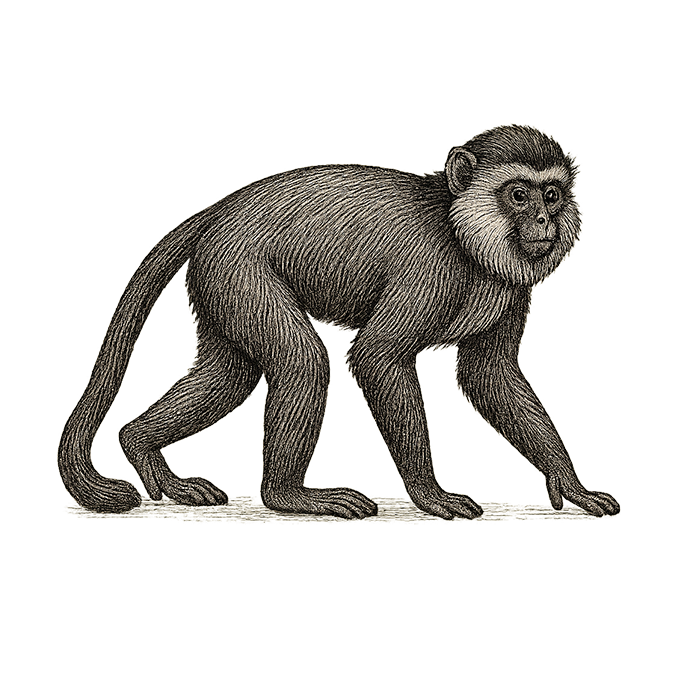
Golden Monkey "Photogenic"

Chimpanzees "Pant-hoot"