Cross River Gorillas
The Cross River gorilla is not a safari attraction in the traditional sense, but a symbol of conservation urgency and hope. Learning about these gorillas, supporting conservation programs, and promoting responsible travel in their habitat contribute to their survival. While few people will ever see a Cross River gorilla in the wild, understanding their story connects travelers, conservationists, and communities in a shared mission to protect one of Africa’s rarest and most precious wildlife treasures.
-
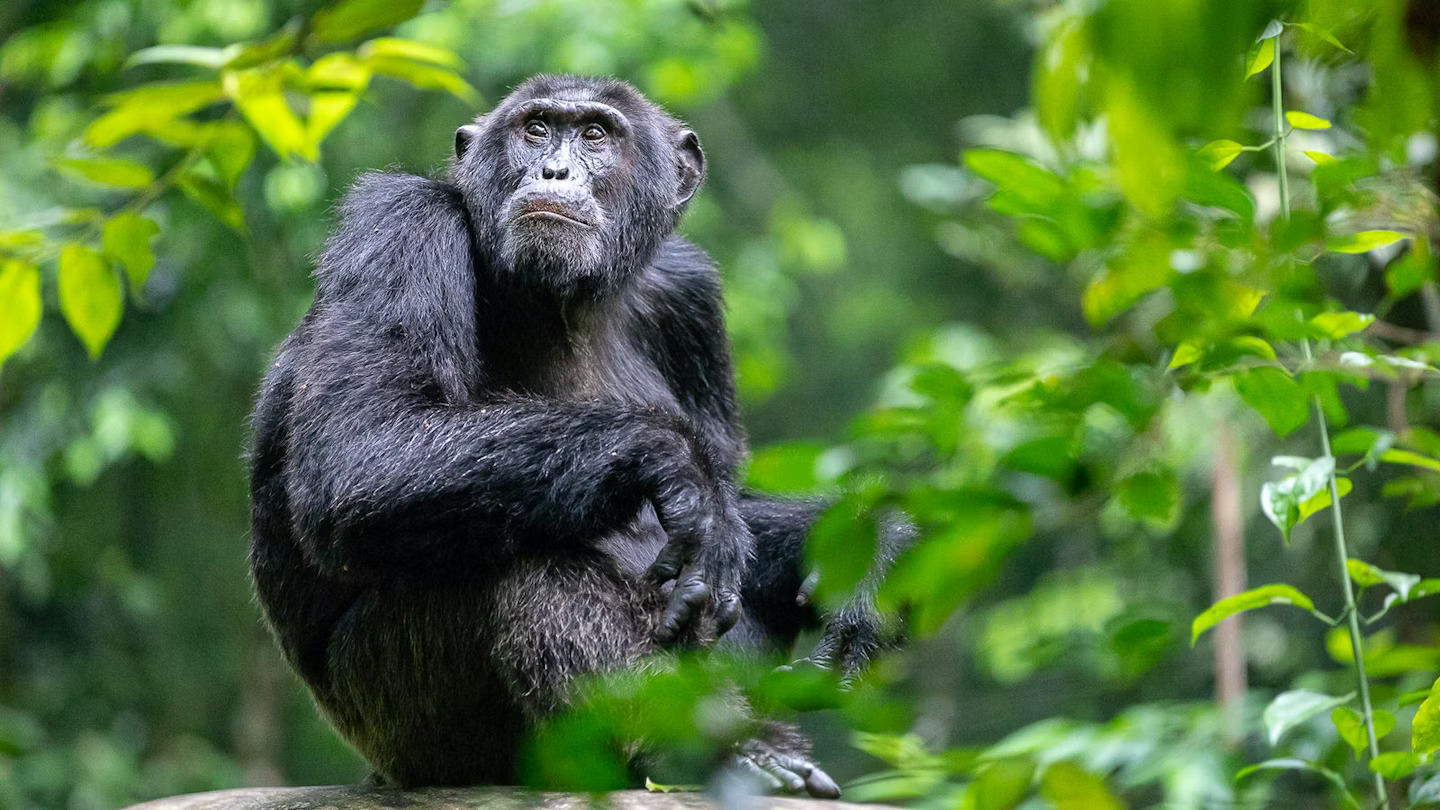
- Chimpanzee

Uganda Gorilla Trekking Experience
Discover Uganda’s gorilla trekking experience where misty rainforests shelter mountain gorillas, ancient trails wind through Bwindi’s depths, and every step brings you closer to one of Africa’s most profound wildlife encounters, blending raw nature, conservation, and lasting memories.
Cross River Gorillas Safaris & Tours
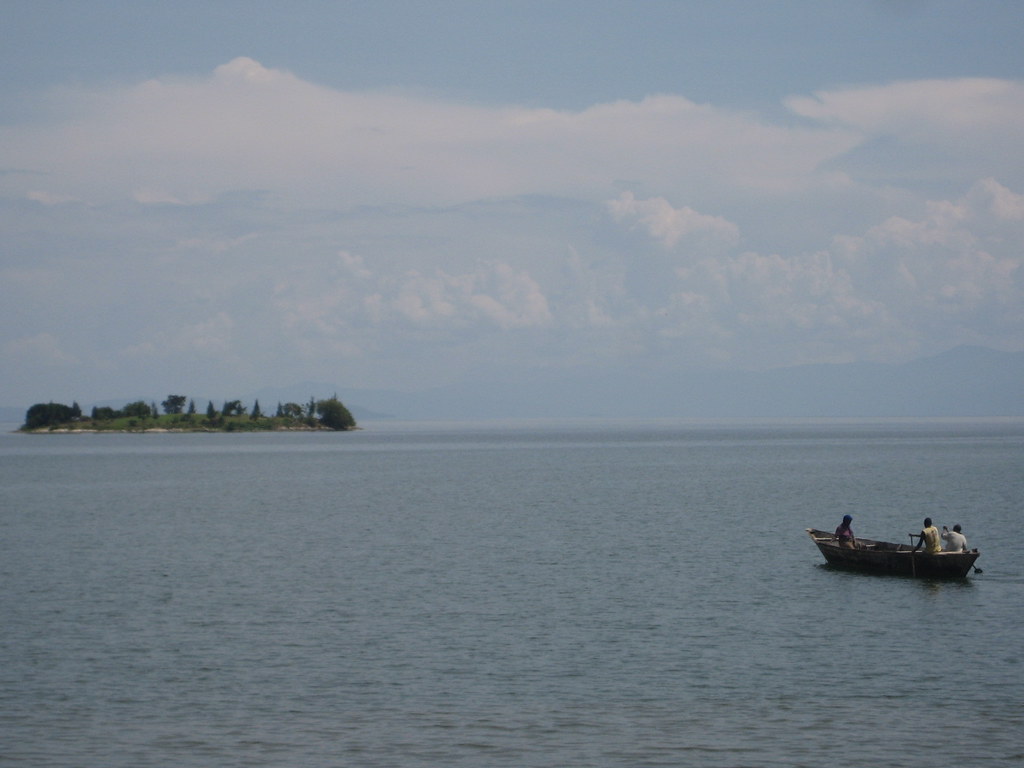
Trek Nyungwe's ancient rainforests seeking chimps and colobus monkeys, then unwind on the shores of Lake Kivu.
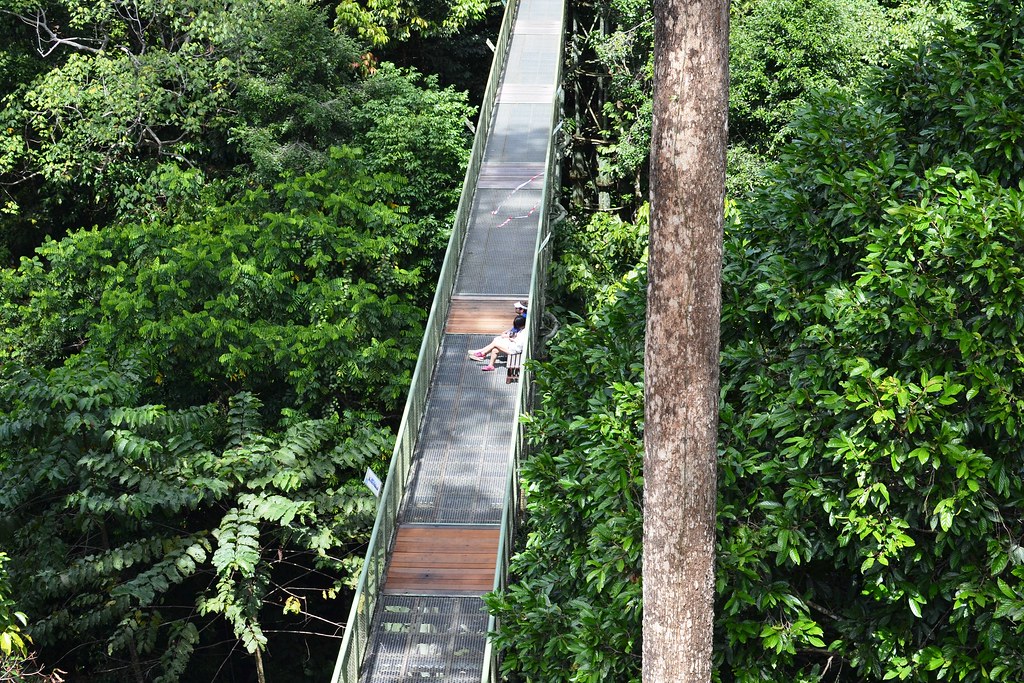
Track wild chimps in Rwanda's Nyungwe forest and walk the canopy trail on this thrilling 3-day primate safari.
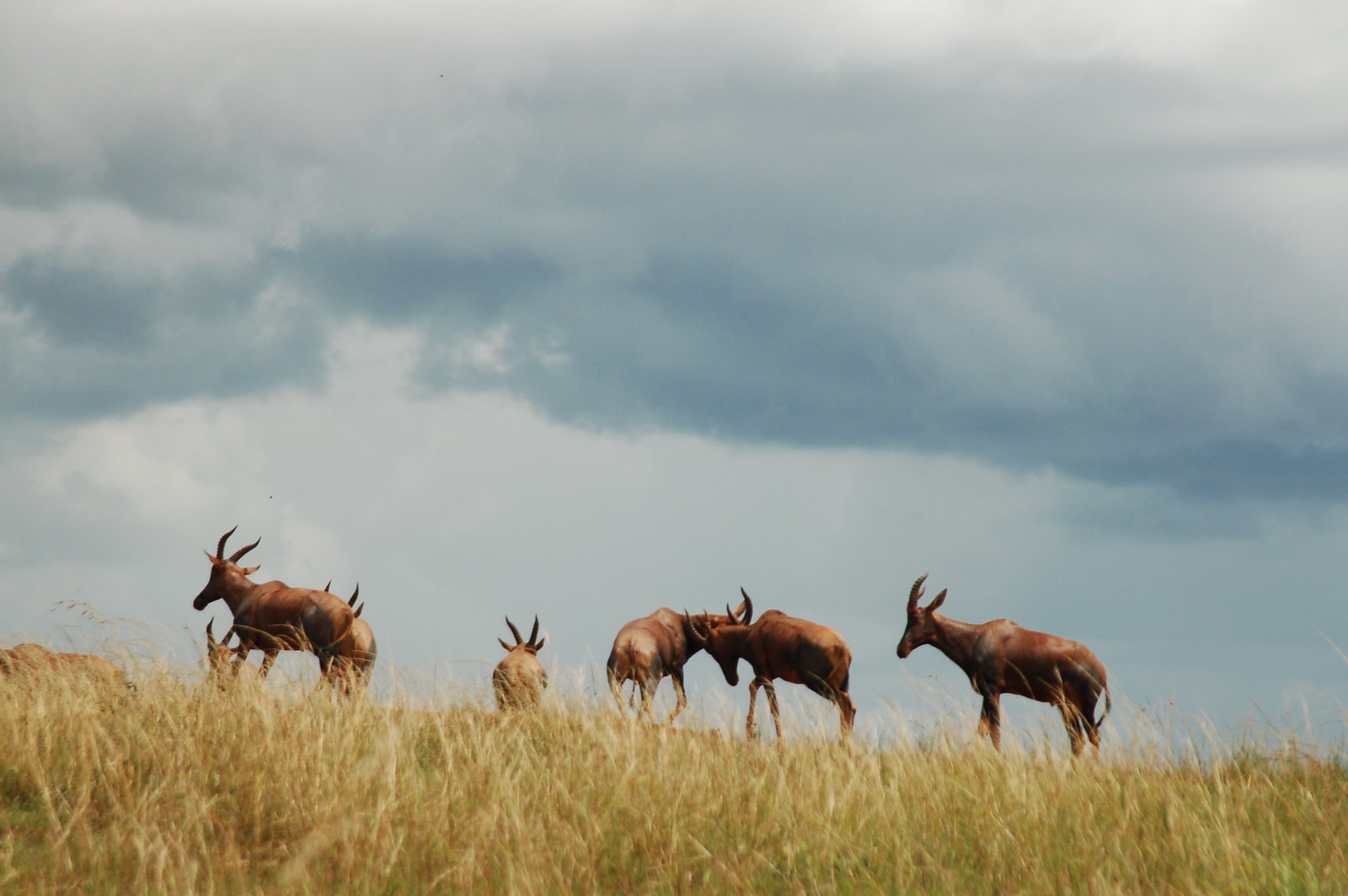
Game drive in Akagera to spot the Big Five and cruise scenic Lake Ihema on this rewarding 4-day Rwanda safari.
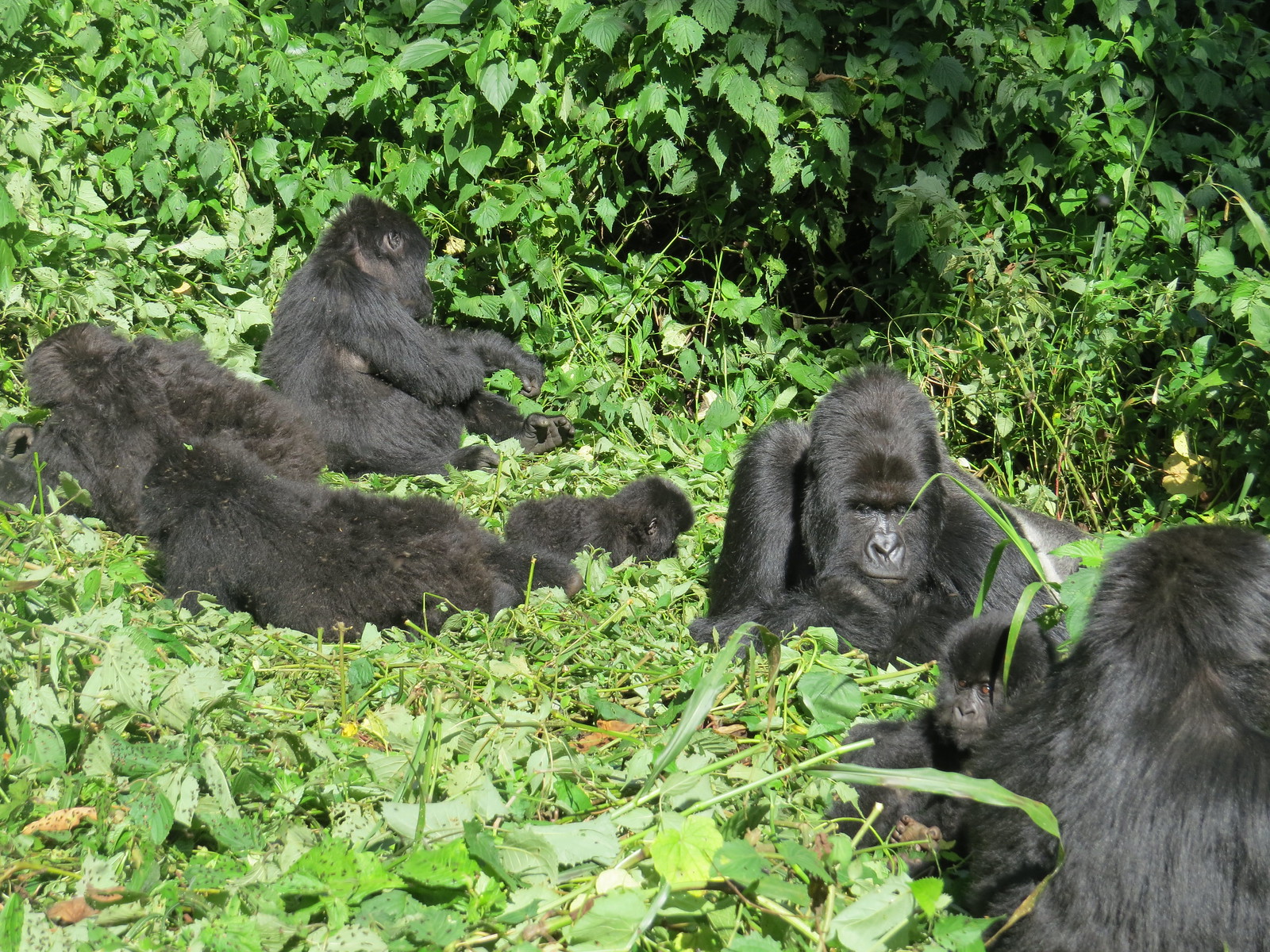
Trek Virunga's misty volcanoes to meet the gorillas on this compact 3-day safari departing from Kigali, Congo.
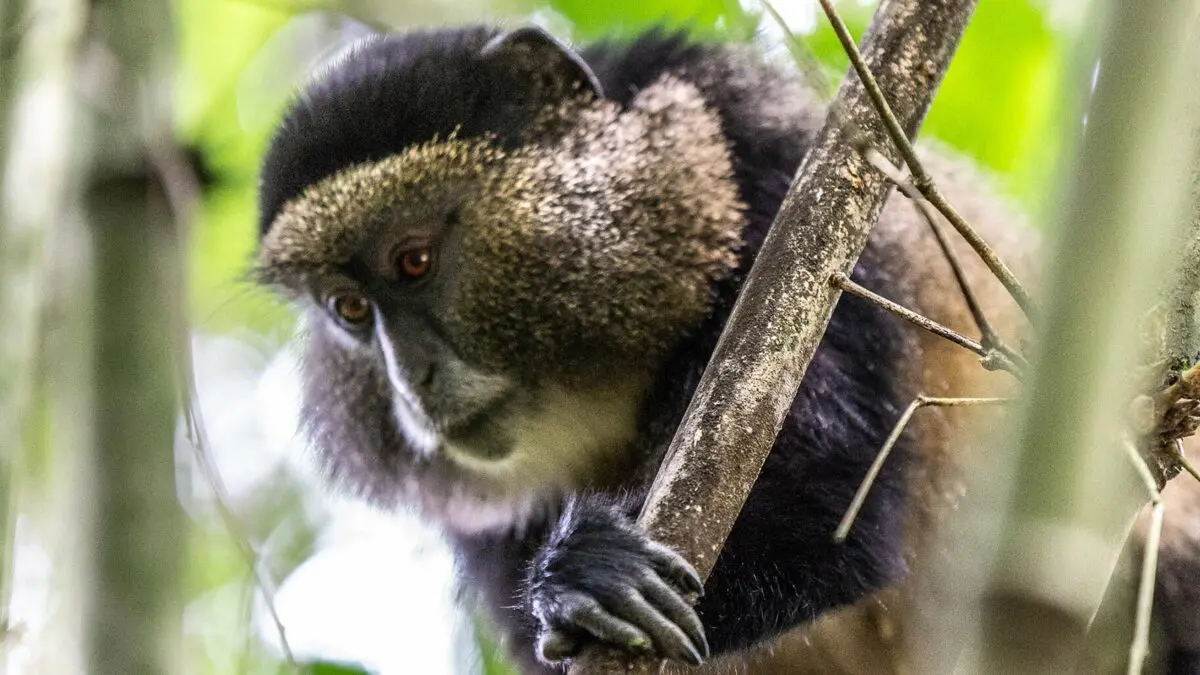
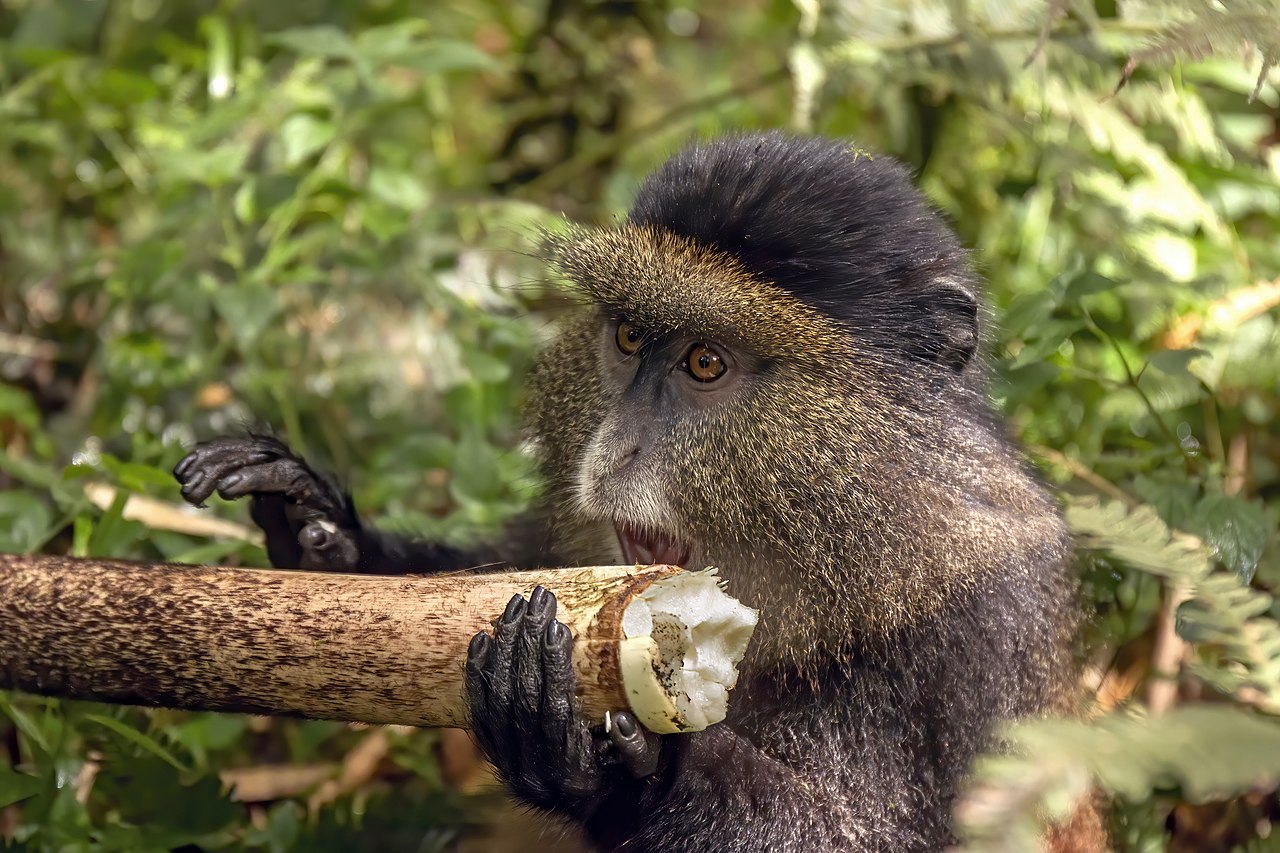
Trek mountain gorillas and golden monkeys in Rwanda on this fun 4-day Kigali-based gorilla and primate safari.

Trek gorillas in Rwanda and Uganda's Bwindi on this epic 7-day combined mountain gorilla wildlife safari trip.
Cross River Gorillas Guide: Exploring Africa’s Rarest Great Ape
The Cross River gorilla is the most endangered and least known of all gorilla subspecies, surviving in a remote and fragmented forest region along the border between Nigeria and Cameroon. Far more elusive than mountain gorillas, Cross River gorillas inhabit rugged, mountainous terrain covered by dense rainforest, where human access is difficult and encounters are exceptionally rare. Seeing or even knowing about these gorillas is not about tourism spectacle, but about understanding one of Africa’s most critical conservation stories. This Cross River Gorillas Guide offers a complete overview of who they are, where they live, how they differ from other gorillas, their conservation status, and what responsible travel and conservation involvement looks like.
Understanding Cross River Gorillas
Cross River gorillas are a distinct subspecies of western gorillas and are genetically different from the more familiar western lowland gorillas. They are slightly smaller in number, more shy in behavior, and extremely cautious around humans, largely due to decades of habitat loss and historical hunting pressure. Scientists estimate that fewer than 300 Cross River gorillas remain in the wild, making them the rarest gorilla population on Earth. Their survival depends on isolated forest pockets connected by fragile wildlife corridors, which makes conservation both complex and urgent.
Where Cross River Gorillas Live
Cross River gorillas live exclusively in a narrow region spanning southeastern Nigeria and southwestern Cameroon, along the Cross River basin. Their habitat is spread across several protected and community-managed forest areas rather than a single large national park. In Nigeria, important strongholds include Afi Mountain Wildlife Sanctuary, Mbe Mountains Community Forest, and Okwangwo Division of Cross River National Park. In Cameroon, their range extends into areas such as Takamanda National Park and the Kagwene Gorilla Sanctuary.
These landscapes are characterized by steep hills, deep valleys, thick forest cover, and limited road access. The terrain itself has played a role in protecting the gorillas by keeping human disturbance relatively low, but it also makes monitoring and conservation work challenging.
How Cross River Gorillas Differ From Other Gorillas
Compared to mountain gorillas and western lowland gorillas, Cross River gorillas are more elusive and less habituated to humans. They tend to live in smaller groups and occupy higher elevations within the forest, often retreating deeper into rugged terrain when disturbed. Physically, they show subtle differences in skull shape and dentition, which helped scientists confirm them as a distinct subspecies. Behaviorally, they are highly adaptable, using both lowland forests and upland areas depending on season and food availability.
Unlike mountain gorillas, Cross River gorillas are not habituated for regular tourism, meaning close-up trekking experiences are not part of their conservation strategy.
Can You Trek Cross River Gorillas?
Unlike mountain gorillas in Uganda, Rwanda, and Congo, Cross River gorillas are not open to commercial trekking tourism. Their critically endangered status, small population size, and extreme sensitivity to human presence make habituation risky. Conservation efforts prioritize protection, habitat connectivity, and scientific monitoring rather than tourism access.
However, responsible travelers can visit the broader Cross River landscape through guided nature walks, forest hikes, birdwatching, and cultural experiences in buffer zones and community forests. These activities support conservation indirectly by generating income for local communities and reinforcing the value of forest protection.
Conservation Efforts and Protection
The survival of Cross River gorillas depends on strong cross-border conservation cooperation between Nigeria and Cameroon. Conservation strategies focus on protecting remaining forest habitats, reducing poaching, preventing further fragmentation, and strengthening wildlife corridors between isolated gorilla groups. Ranger patrols, community-based forest management, education programs, and scientific research are central to these efforts.
Organizations working in the region collaborate closely with local communities, recognizing that long-term conservation success depends on local stewardship. Many communities now play an active role in protecting forests and reporting illegal activities, helping to stabilize gorilla populations.
The Role of Communities in Gorilla Conservation
Local communities are essential to the protection of Cross River gorillas. Community forests such as the Mbe Mountains demonstrate how traditional land ownership can coexist with wildlife conservation. Through sustainable livelihoods, eco-guard programs, and conservation education, communities benefit directly from protecting gorilla habitats. Cultural traditions, storytelling, and respect for forest resources also reinforce conservation values that go beyond formal protection measures.
Best Time to Visit the Cross River Region
The Cross River region experiences a tropical rainforest climate, with high humidity and significant rainfall throughout the year. Drier months generally offer better conditions for forest walks and travel, as trails are less muddy and access improves. Even during drier periods, conditions remain humid and terrain challenging, reflecting the raw and undeveloped nature of the region. Visitors should approach travel here with flexibility, respect, and realistic expectations.
Responsible Travel in Cross River Gorilla Habitat
Visiting Cross River gorilla regions requires a conservation-first mindset. Travel should be arranged with knowledgeable local guides and conservation-linked operators who understand community protocols and environmental sensitivities. Activities focus on learning, observation of forest ecosystems, cultural exchange, and supporting conservation initiatives rather than wildlife encounters. Respect for local customs, minimal environmental impact, and adherence to guide instructions are essential.
Why Cross River Gorillas Matter
Cross River gorillas represent one of the most fragile links in Africa’s great ape heritage. Their survival is a testament to the resilience of nature when given protection and respect, and a reminder of how easily species can be lost without action. Protecting Cross River gorillas also safeguards vast forest ecosystems that support countless other species and provide essential environmental services to local communities.
What Our Travelers Enjoyed About Cross River Gorillas

Gorillas "Silverback"
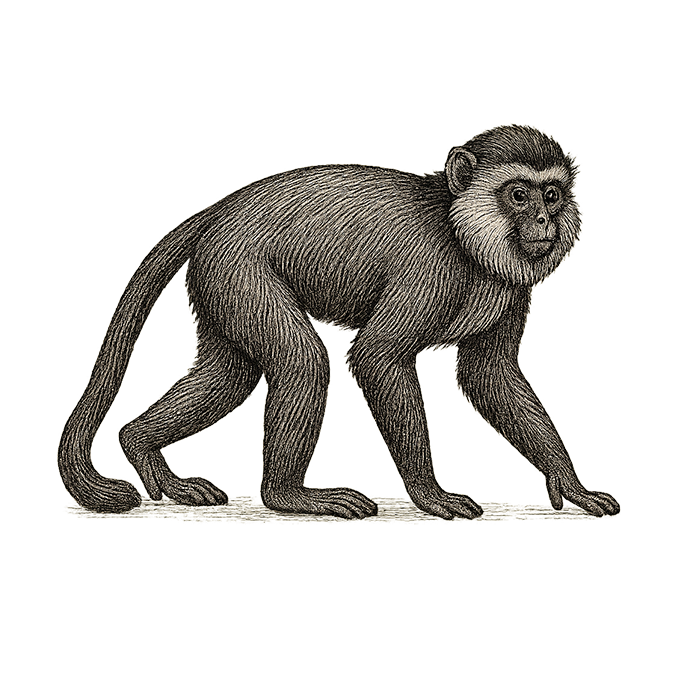
Golden Monkey "Photogenic"

Chimpanzees "Pant-hoot"