Silverback Gorilla
The silverback gorilla stands at the heart of gorilla society and at the center of one of Africa’s most extraordinary wildlife experiences. Whether seen during a gorilla trek or understood through conservation education, the silverback represents resilience, intelligence, and the delicate balance of life in the wild. Protecting silverbacks means protecting entire gorilla families and the forests they depend on, ensuring that future generations can continue to witness one of nature’s most powerful leaders in their natural home.
-
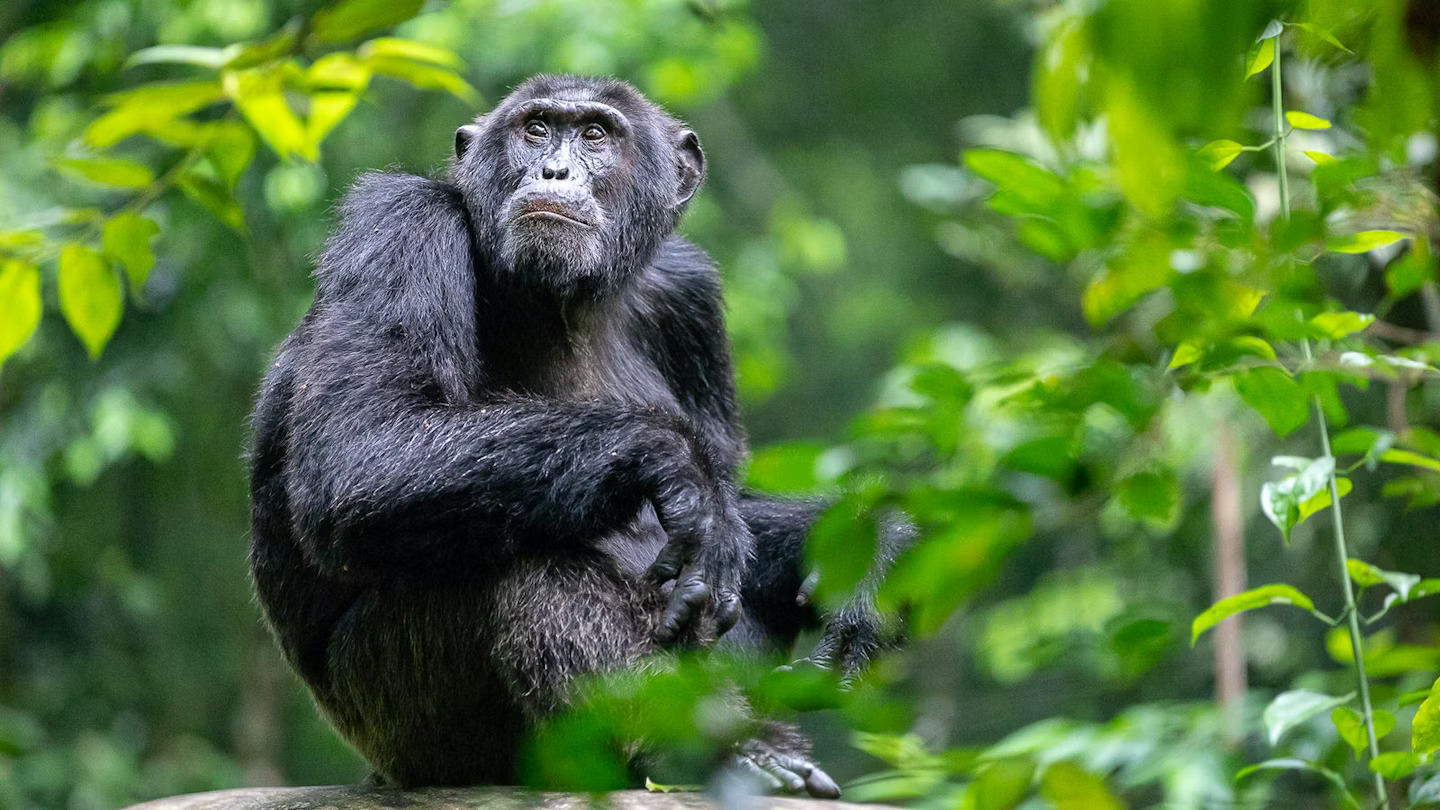
- Chimpanzee

Uganda Gorilla Trekking Experience
Discover Uganda’s gorilla trekking experience where misty rainforests shelter mountain gorillas, ancient trails wind through Bwindi’s depths, and every step brings you closer to one of Africa’s most profound wildlife encounters, blending raw nature, conservation, and lasting memories.
Silverback Gorilla Safaris & Tours

Murchison Falls' classic activities based from a premium riverside lodge, with private transfers throughout.

Search for the shoebill stork among 450+ recorded species, with classic game drives built around the trip too.
A dedicated sunset game drive for peak predator activity, alongside the park's classic Nile boat cruise.
Cast for Nile perch below the falls, then spend an afternoon on a classic savannah game drive.

Uganda's only wild rhinos at Ziwa, chimpanzee trekking in Budongo, and classic Murchison Falls game drives.
A fast, efficient fly-in trip with a game drive and boat cruise to the base of the falls.
Silverback Gorilla Guide: The Powerful Leader of the Gorilla Family
The silverback gorilla is one of the most iconic and respected figures in the animal kingdom. Recognized by the distinctive band of silver-gray hair across its back, the silverback is not a separate species but a mature adult male gorilla, typically over the age of twelve. This striking feature signals strength, leadership, and dominance within the gorilla family. Encountering a silverback gorilla in the wild is often the most unforgettable moment of a gorilla trek, combining awe, respect, and a deep sense of connection to nature. This guide explores what a silverback gorilla is, its role in gorilla society, where silverbacks are found, how they behave, and why they are central to gorilla conservation.
What Is a Silverback Gorilla?
A silverback gorilla is an adult male gorilla that has reached full physical and social maturity. As male gorillas age, the black hair on their backs gradually turns silver or gray, a natural sign that they are ready to lead or challenge for leadership. Silverbacks are significantly larger and stronger than females and younger males, often weighing between 140 and 200 kilograms, depending on the subspecies. Their massive chests, broad shoulders, large skulls, and powerful arms give them an imposing appearance, yet their behavior is usually calm and controlled.
The Role of the Silverback in Gorilla Society
The silverback is the undisputed leader and protector of the gorilla family, also known as a troop. He determines where the group travels, when they rest, and where they feed. His presence maintains stability, resolves conflicts, and ensures the safety of the group from external threats. In moments of danger, the silverback positions himself between the threat and his family, using vocalizations, displays, and body posture to deter intruders.
Beyond protection, the silverback plays a vital social role. He mediates disputes among group members, nurtures strong bonds with females, and often shows remarkable gentleness toward infants. Young gorillas frequently climb, play, and rest near the silverback, reflecting trust and social cohesion within the group.
Silverback Behavior and Communication
Silverbacks communicate through a combination of vocal sounds, facial expressions, body posture, and physical displays. One of the most famous behaviors is chest beating, where the silverback pounds his chest with cupped hands to produce a deep, resonant sound that can carry across the forest. This display is not always a sign of aggression; it often serves as a warning, a declaration of presence, or a way to assert dominance without physical conflict.
Other behaviors include hooting, grunting, growling, and ground-slapping, each conveying specific messages to the group or potential rivals. Despite their intimidating displays, silverbacks prefer to avoid violence and rely on communication to maintain order.
Where Silverback Gorillas Are Found
Silverback gorillas are found wherever gorillas live, across both eastern and western gorilla populations. In East Africa, silverbacks lead mountain gorilla and eastern lowland gorilla groups in Uganda, Rwanda, and the Democratic Republic of Congo. In Central Africa, silverbacks are found among western lowland gorillas and Cross River gorillas in countries such as Gabon, Republic of Congo, Cameroon, and Nigeria.
During gorilla trekking in places like Bwindi Impenetrable National Park, Volcanoes National Park, Mgahinga Gorilla National Park, Virunga National Park, and Kahuzi-Biega National Park, the silverback is often the focal point of the encounter due to his size, presence, and leadership role.
Silverbacks and Gorilla Trekking Experiences
For many travelers, seeing a silverback gorilla up close is the emotional highlight of gorilla trekking. Observing his calm authority, expressive eyes, and protective interactions with his family creates a powerful and humbling experience. While silverbacks appear formidable, habituated gorillas are accustomed to human presence under strict guidelines, allowing safe and respectful observation.
Rangers carefully monitor silverback behavior during treks, as their reactions guide how close visitors can approach and how long the group can remain nearby. Respecting distance rules and following guide instructions ensures both visitor safety and gorilla well-being.
Silverbacks and Conservation Importance
Silverbacks are critical to the survival of gorilla populations. As dominant males, they contribute to group stability, reproduction, and the protection of young gorillas. The loss of a silverback can lead to group fragmentation, increased vulnerability, and reduced reproductive success. This makes the protection of silverbacks especially important in conservation efforts.
Revenue from gorilla trekking permits supports ranger patrols, veterinary care, habitat protection, and community programs that reduce human-wildlife conflict. Successful conservation initiatives have helped stabilize and even increase some gorilla populations, particularly mountain gorillas, offering hope for the future.
Myths and Misconceptions About Silverbacks
Silverback gorillas are often portrayed as aggressive or dangerous, but this reputation is largely a misconception. In reality, silverbacks are generally peaceful and only display aggression when they perceive a direct threat to their family. Their displays are usually warnings rather than attacks, and physical confrontation is rare. Understanding their behavior reveals a complex, intelligent, and emotionally sensitive animal that values social harmony.
Why the Silverback Gorilla Captivates the World
The silverback gorilla symbolizes strength balanced with responsibility, power guided by restraint, and leadership rooted in protection rather than dominance alone. Watching a silverback quietly observe his family, groom a young gorilla, or calmly move through the forest offers a powerful reflection of leadership in nature. This combination of might and gentleness is why silverbacks leave such a deep impression on everyone who encounters them.
What Our Travelers Enjoyed About Silverback Gorilla

Gorillas "Silverback"
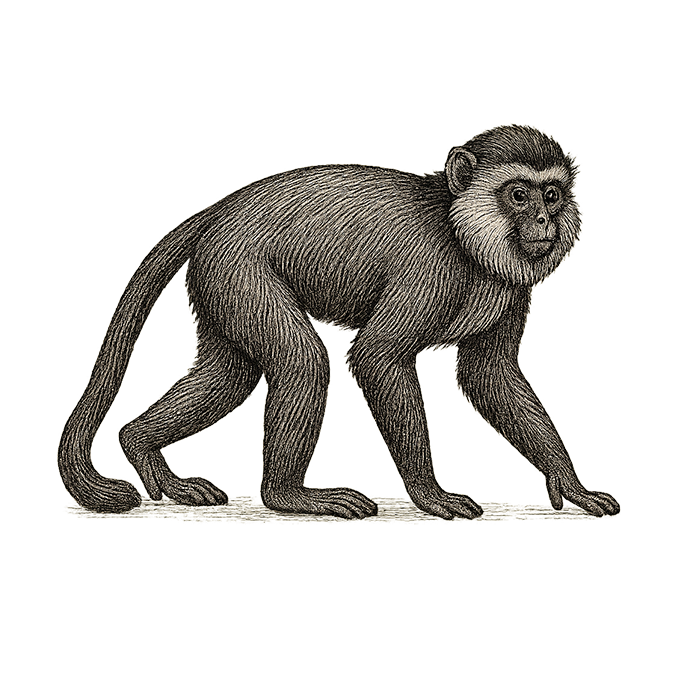
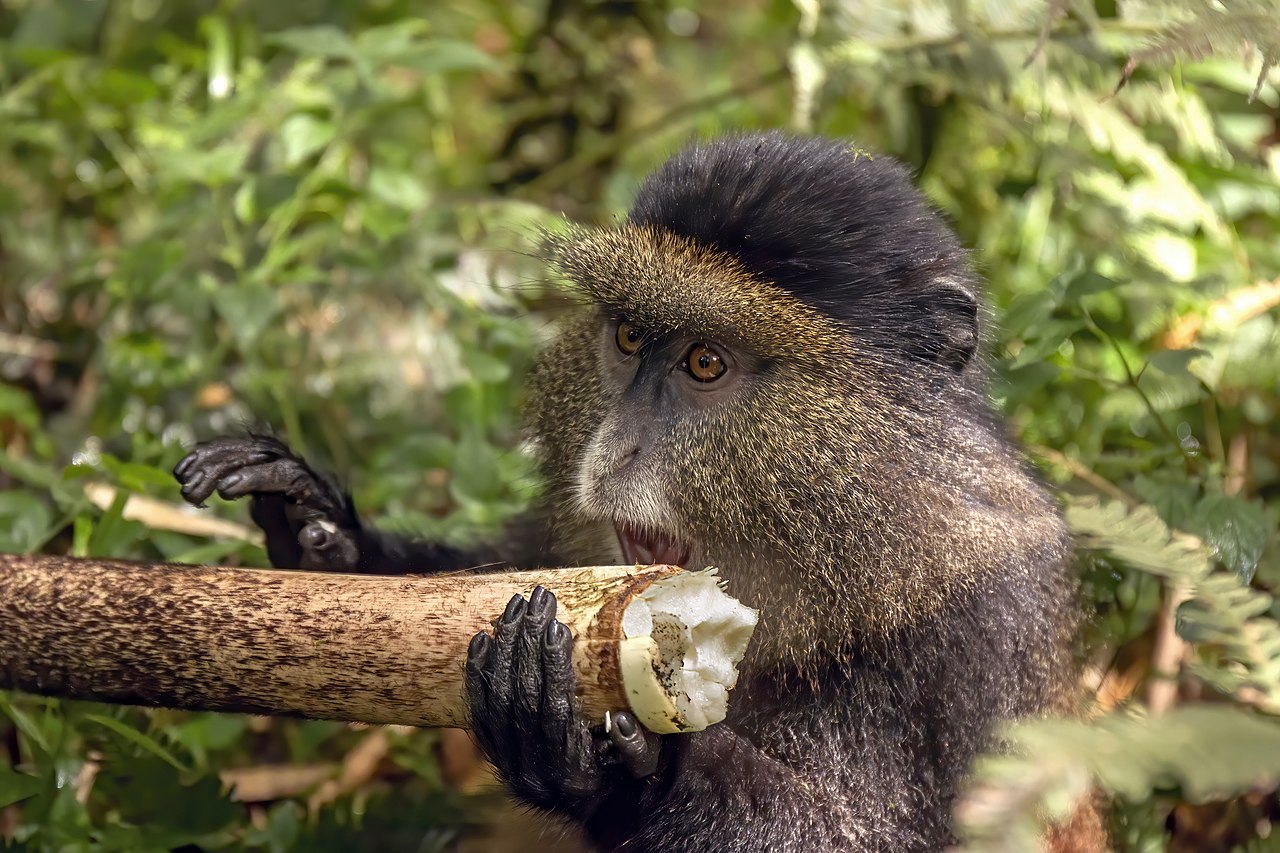
Golden Monkey "Photogenic"
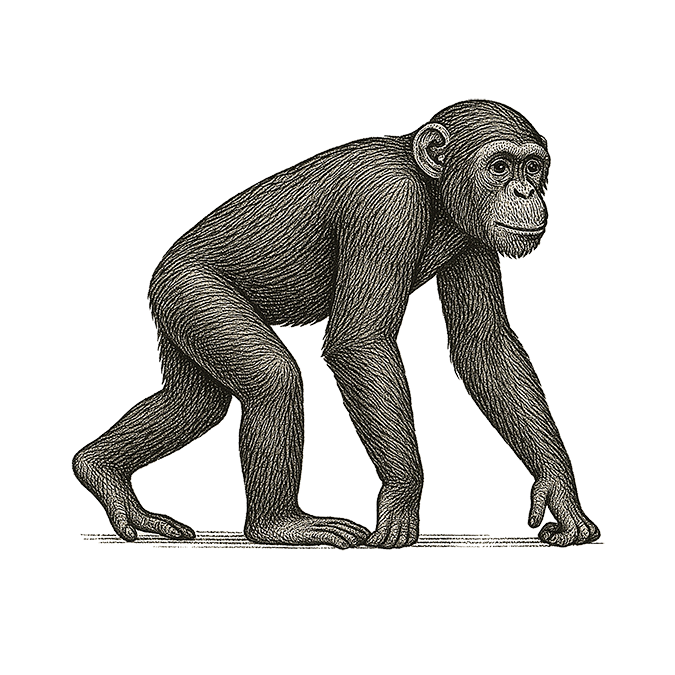
Chimpanzees "Pant-hoot"