Plan a Stress-Free Kenya safari with Kids
Taking your children on a safari in Kenya can be one of the most enriching family travel experiences you will ever have. The idea of watching elephants roam freely, giraffes grazing against golden savannahs, and lions resting under acacia trees is thrilling for adults and magical for children. However, many parents worry about safety, long drives, health concerns, and whether a safari will truly be enjoyable for younger travelers. With the right planning, a Kenya safari with kids can be smooth, educational, and genuinely relaxing.
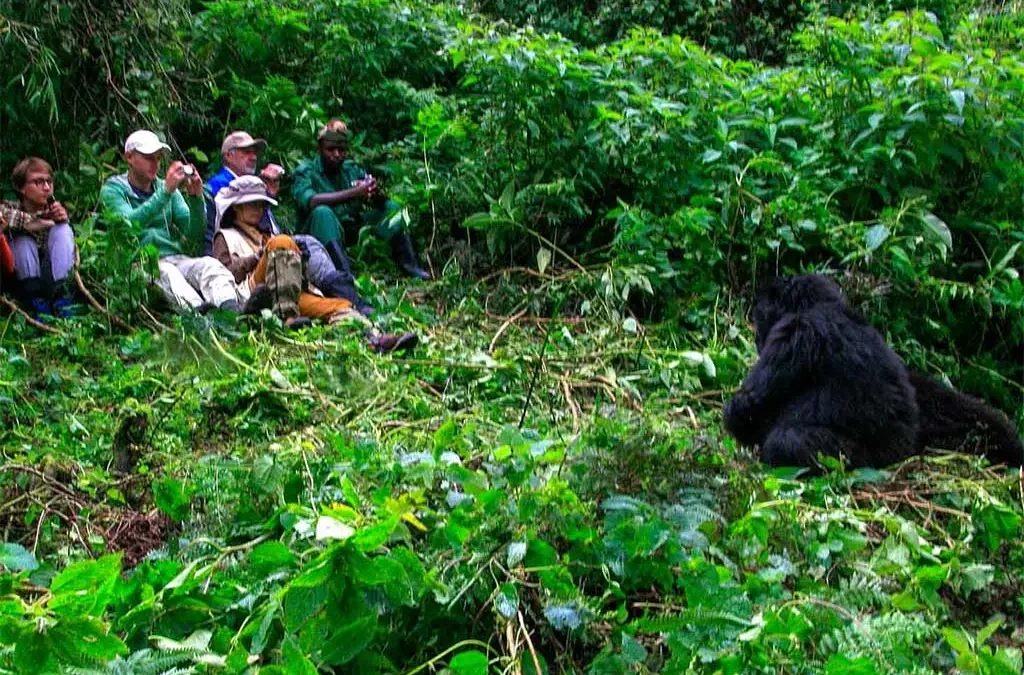
Kenya is one of the most family-friendly safari destinations in Africa. Its well-developed tourism infrastructure, experienced guides, excellent lodges, and diverse landscapes make it easier to design an itinerary that works for both adults and children. The key is understanding how to adapt a traditional safari to suit family needs without losing the excitement.
Why Kenya Is Ideal for family safaris
Kenya offers variety in a compact space, which is perfect for traveling with children. Within a single trip, families can experience wildlife safaris, cultural encounters, beach relaxation, and light adventure activities without excessive travel time. The country’s national parks are accessible by short flights or manageable road transfers, reducing fatigue for young travelers.
Many Kenyan lodges and camps actively cater to families. They offer family rooms, child-friendly menus, flexible schedules, and guides trained to engage children. Safaris here are not rushed, allowing families to move at a comfortable pace while still enjoying meaningful wildlife encounters.
Choosing the Right Time to Visit with Kids
Timing plays a major role in keeping a safari stress-free. The dry seasons, generally from June to October and from January to February, are ideal for family travel. Wildlife is easier to spot because animals gather around water sources, and road conditions are better, which means smoother game drives.
Traveling during school holidays can be convenient, but it is also peak season, so planning and booking early is essential. Shoulder seasons can be a good compromise, offering fewer crowds while still providing rewarding wildlife experiences.
Selecting Family-Friendly Safari Destinations
Not all parks are equally suited for children. Some involve long drives or extremely remote conditions that may be challenging for young travelers. Parks with open landscapes and high wildlife density are better choices because animals are easier to see without hours of searching.
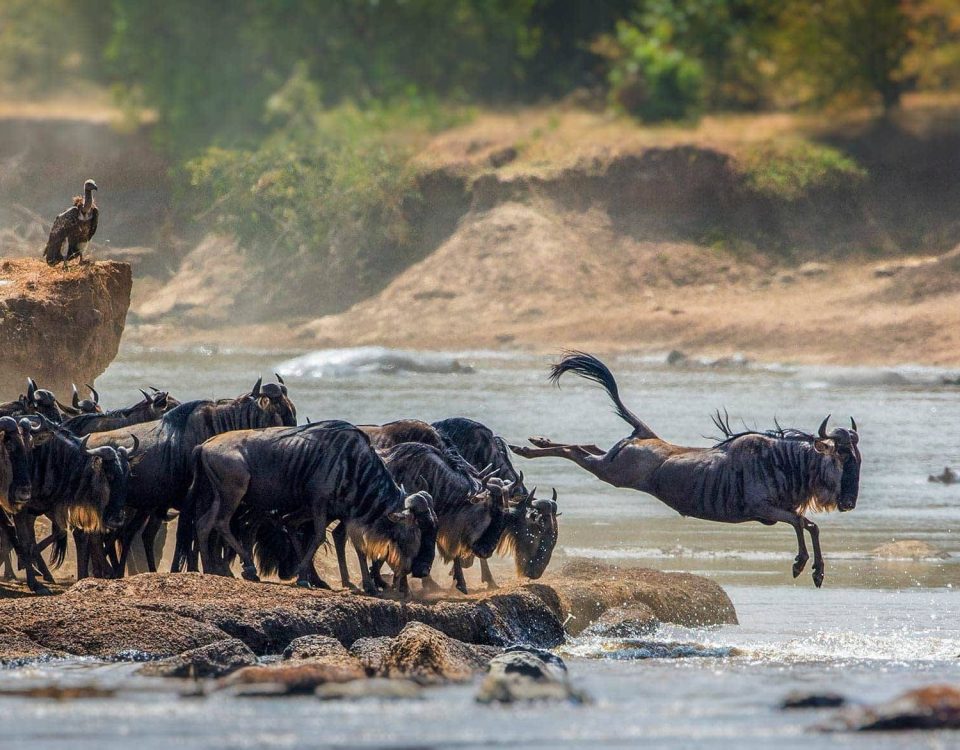
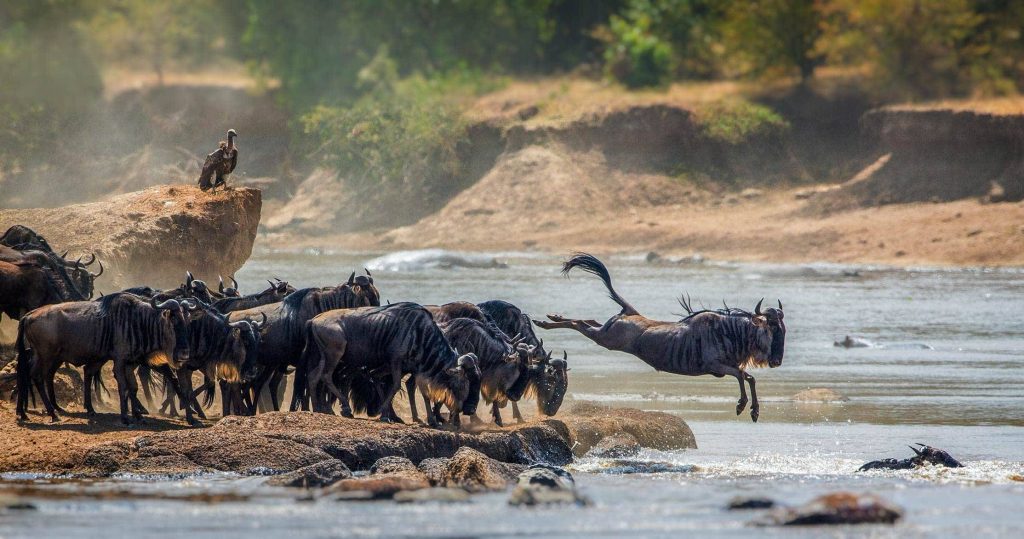
Maasai Mara National Reserve is one of the best options for families. Wildlife sightings are frequent, which keeps children engaged, and many lodges here are experienced in hosting families. Seeing the Great Migration or large prides of lions can spark a lifelong love of nature in young minds.
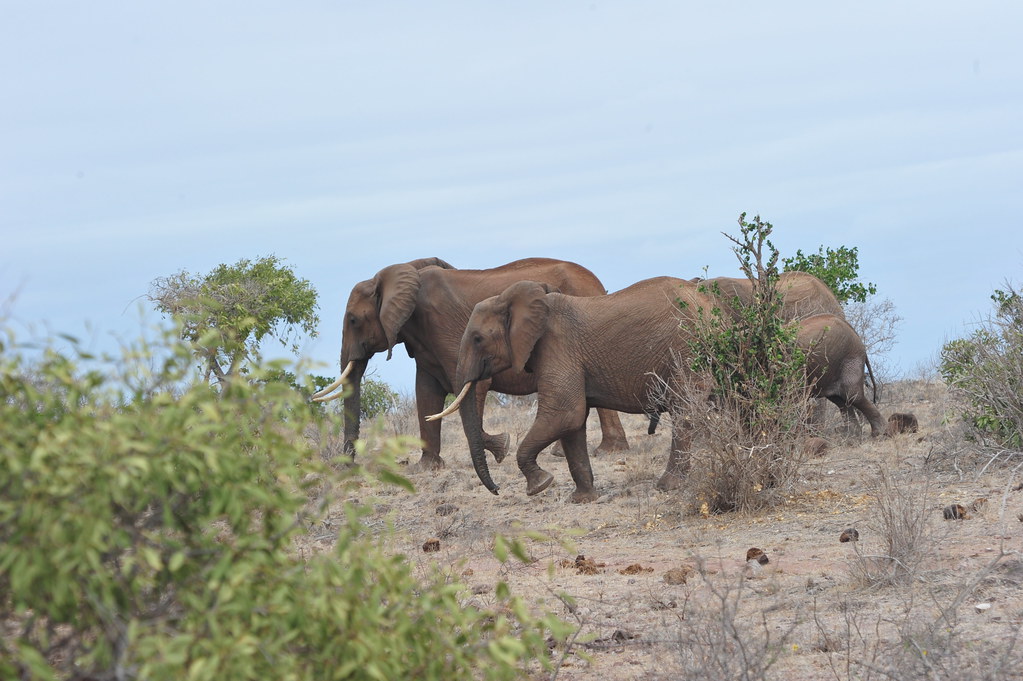
Amboseli National Park is another excellent choice, especially for younger children. The park is known for its large elephant herds and relatively flat terrain, making wildlife easy to spot. The dramatic views of Mount Kilimanjaro also add a sense of wonder without requiring strenuous activity.
For families who want to combine safari with relaxation, adding the Kenyan coast near Diani Beach provides a perfect balance. After days of wildlife viewing, children can unwind by the ocean, making the overall trip more enjoyable.
Choosing the Right Accommodation for Families
Accommodation can make or break a family safari. Family-friendly lodges focus on comfort, safety, and flexibility. Spacious rooms or tents allow parents and children to stay together, while private verandas and enclosed grounds provide peace of mind.
Many lodges offer tailored activities for children, such as junior ranger programs, nature walks around the lodge, storytelling sessions, and wildlife tracking lessons. These activities keep children entertained while subtly educating them about conservation and wildlife.
Another advantage of staying in lodges rather than mobile camps is access to amenities such as swimming pools, gardens, and reliable electricity, all of which contribute to a more comfortable experience for families.
Planning game drives That Work for Children
One of the most common mistakes families make is scheduling too many long game drives. While adults may enjoy spending hours searching for elusive wildlife, children often do better with shorter, more focused drives.
Morning and late afternoon drives are ideal because temperatures are cooler and animals are more active. Limiting game drives to a few hours at a time helps prevent boredom and exhaustion. Between drives, downtime at the lodge allows children to rest, swim, or simply relax.
Private safaris are particularly valuable for families. Having your own vehicle and guide allows complete flexibility. You can stop whenever needed, return to the lodge early, or focus on animals that capture your children’s interest.
Health, Safety, and Comfort Considerations
Kenya is a safe safari destination, but preparation is essential when traveling with kids. Consulting a travel clinic before departure ensures children receive necessary vaccinations and health advice. Packing a basic medical kit with child-friendly medications, sunscreen, insect repellent, and rehydration salts adds peace of mind.
During game drives, children should always remain seated and follow the guide’s instructions. Experienced safari guides are skilled at explaining safety rules in a calm, reassuring way that children can understand.
Comfort is also important. Lightweight clothing, hats, refillable water bottles, and snacks help keep children happy during drives. Binoculars and cameras designed for kids can turn wildlife viewing into an interactive experience rather than passive observation.
Making the Safari Educational and Fun
A safari offers real-world learning that no classroom can match. Seeing animals in their natural habitat helps children understand ecosystems, conservation, and cultural diversity in a powerful way. Guides often tailor explanations to younger audiences, turning sightings into stories that spark curiosity.
Parents can enhance the experience by involving children in simple activities such as identifying animals, tracking footprints, or keeping a travel journal. These small engagements make the safari feel like an adventure rather than a tour.
Cultural visits, such as meeting Maasai communities, can also be enriching for children when handled respectfully. Learning about different ways of life broadens their worldview and adds depth to the journey.
Combining Safari with Relaxation
A stress-free family safari balances excitement with rest. Kenya makes this easy by allowing families to combine wildlife experiences with quieter destinations. After several days on safari, spending time at the beach or in a scenic highland lodge helps everyone recharge.
This balance ensures children do not feel overwhelmed, while parents still enjoy the richness of Kenya’s wildlife and landscapes.
Planning a Kenya safari with kids does not have to be complicated or stressful. With thoughtful destination choices, family-friendly accommodation, flexible schedules, and the support of experienced guides, a safari becomes a shared adventure that strengthens family bonds. Kenya’s wildlife, welcoming culture, and excellent safari infrastructure make it one of the best places in Africa for families to experience the magic of the wild together.