Top Activities for Children on a Kenya safari
A Kenya safari can be one of the most exciting and educational trips a child will ever experience. Beyond simply watching animals from a vehicle, Kenya offers many engaging activities that help children connect with nature, wildlife, and local culture in meaningful ways. When a safari is designed with children in mind, it becomes an adventure filled with discovery, imagination, and learning rather than long hours of quiet observation.
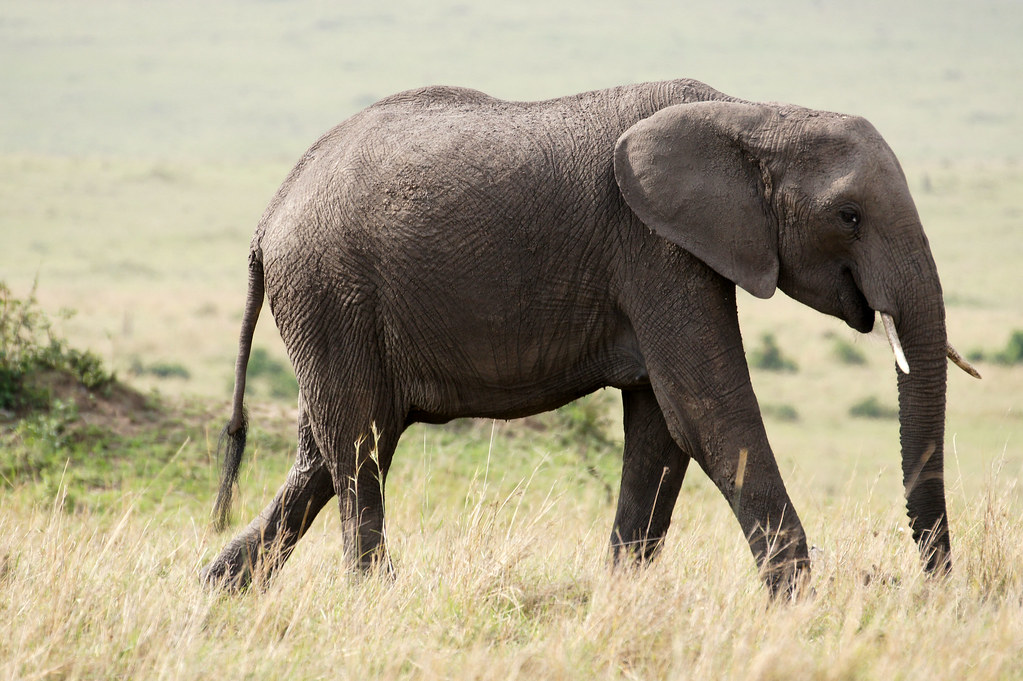
Wildlife game drives Designed for Young Explorers
game drives remain the heart of any safari, but for children, the experience works best when it is interactive and relaxed. In wildlife-rich areas such as Maasai Mara National Reserve, animals are easy to spot, which keeps children interested and excited. Seeing lions, elephants, giraffes, and zebras in quick succession helps young travelers stay focused without frustration.
Experienced safari guides often adjust their storytelling style when children are present, explaining animal behavior in simple and exciting ways. Children enjoy learning why lions sleep most of the day, how elephants communicate, or how cheetahs run so fast. These explanations turn each sighting into a story, making the game drive feel like a living classroom.
Junior Ranger and Nature Discovery Programs
Many family-friendly safari lodges in Kenya offer junior ranger programs specifically designed for children. These programs introduce kids to conservation through fun, hands-on activities. Children learn how rangers protect wildlife, how to recognize animal tracks, and why conservation matters.
These experiences give children a sense of responsibility and pride. Wearing a junior ranger badge or receiving a small certificate can be incredibly motivating and memorable. It also helps children understand that wildlife protection is important and that they can play a role in caring for the natural world.
Guided Nature Walks Around the Lodge
Short, supervised nature walks around safari lodges are perfect for children. These walks focus on smaller details that are often missed during game drives. Kids learn about insects, plants, animal tracks, and birdlife while walking at a relaxed pace.
Because the walks take place close to the lodge, they feel safe and manageable for young travelers. Children often enjoy spotting animal footprints, examining leaves, or listening to bird calls. This slower, more tactile experience helps them connect deeply with nature.
Cultural Visits and Storytelling Experiences
Cultural interactions are often a highlight for children on a Kenya safari. Visiting local communities and learning about traditional ways of life helps children understand different cultures in a respectful and engaging way. Storytelling sessions, traditional dances, and demonstrations of daily activities such as beadwork or herding can be fascinating for young minds.
In regions near Amboseli National Park, cultural encounters often include learning about Maasai traditions. Children enjoy hearing folktales, seeing traditional clothing, and learning how people coexist with wildlife. These experiences broaden their worldview and add depth to the safari.
Wildlife-Themed Games and Creative Activities
Many lodges encourage creativity by offering wildlife-themed activities during downtime. Drawing animals, painting landscapes, or keeping a simple safari journal allows children to express what they have seen and felt. These quiet moments help children reflect on their experiences while resting between activities.
Some lodges also organize simple educational games that involve identifying animals, matching tracks, or learning basic Swahili wildlife names. These playful activities reinforce learning while keeping the atmosphere fun and relaxed.
Birdwatching and Small Animal Exploration
While big animals often steal the spotlight, children are naturally fascinated by birds, butterflies, and small creatures. Kenya is home to hundreds of bird species, making birdwatching an exciting activity even for beginners. Colorful birds, unusual calls, and active behavior keep children engaged without requiring long attention spans.
Learning to use binoculars or spotting birds near water sources or lodge gardens adds variety to the safari experience. This activity also teaches patience and observation skills in a gentle, enjoyable way.
Relaxation and Playtime at the Lodge
Downtime is essential for children on safari. Many lodges provide swimming pools, open gardens, and safe play areas where kids can relax and burn off energy. These breaks help prevent exhaustion and ensure children remain enthusiastic about safari activities.
Relaxed afternoons at the lodge often become some of the most cherished moments of the trip. Watching wildlife from a veranda, swimming after a game drive, or enjoying storytelling around a campfire allows children to recharge while still feeling connected to the safari environment.
Photography and Wildlife Journaling
Giving children a simple camera or encouraging them to keep a wildlife journal turns them into active participants in the safari. Taking photos or writing about what they see helps them focus and feel proud of their discoveries. Children often enjoy capturing their own perspective of animals, landscapes, and daily moments.
This activity also helps extend the safari experience beyond the trip itself. Photos and journals become lasting memories that children revisit long after returning home.
A Kenya safari offers far more than wildlife viewing for children. With the right activities, it becomes a journey of learning, creativity, and cultural discovery. By combining game drives with hands-on experiences, storytelling, and time to relax, families can create a safari that is exciting and enriching for young travelers.
When children are actively engaged, a safari transforms into an unforgettable adventure that inspires curiosity, respect for nature, and a lifelong love for wildlife.