Home /
Great Wildebeest Migration
The Great Wildebeest Migration is one of the most extraordinary wildlife events on Earth. Every year, more than a million wildebeest, accompanied by hundreds of thousands of zebras and gazelles, move across the vast ecosystems of Tanzania and Kenya in search of fresh grass, water and suitable grazing conditions. Although the migration is often described as a single event, it is actually a continuous cycle of movement that takes place throughout the year. The animals do not simply migrate from Tanzania to Kenya and then return. Instead, they move through different parts of the Serengeti-Mara ecosystem according to rainfall, food availability and the needs of the herds. The Great Migration is famous for dramatic river crossings, enormous herds stretching across the plains, predators following the migrating animals and the birth of thousands of young wildebeest. However, there is much more to the migration than the famous crossing scenes shown in wildlife documentaries. A migration safari can offer opportunities to witness wildebeest, zebras, gazelles, lions, leopards, cheetahs, hyenas, crocodiles, elephants, giraffes and many other animals. It is an experience that combines wildlife, landscapes, survival, reproduction and one of nature's most remarkable examples of animal movement. For travelers planning an East African safari, understanding how the migration works is important because the location of the herds changes throughout the year.
Great Wildebeest Migration & Tours

Skip the long drive with a direct flight to wherever the migration currently is, for a fast, high-value trip.

Based directly in the northern Serengeti near the Mara River during peak river-crossing season.
Witness roughly half a million wildebeest calves born within weeks of each other on the southern Serengeti's plains.
Follows the migration in the Serengeti while adding Ngorongoro Conservation Area for a genuine shot at the Big Five.

A focused Masai Mara trip timed to migration season, when the reserve holds one of the densest wildlife concentrations on Earth.

The migration's scale in the Serengeti paired with Ngorongoro Crater's density and reliability.
Extended time near known Mara River crossing points, chasing the migration's most dramatic single moment.

A migration-focused Serengeti safari with your route planned around where the herds are expected during your travel dates.

A sunrise hot air balloon flight over the Mara plus classic Big Five game drives and a bush breakfast.

Kenya's classic Big Five circuit across three parks chosen specifically to maximize your chances of seeing all five.

Extended Masai Mara game drives timed to migration season, without giving up your chances at the Big Five.

Private vehicles and extended golden-hour game drives, built specifically for photographers chasing the Big Five.
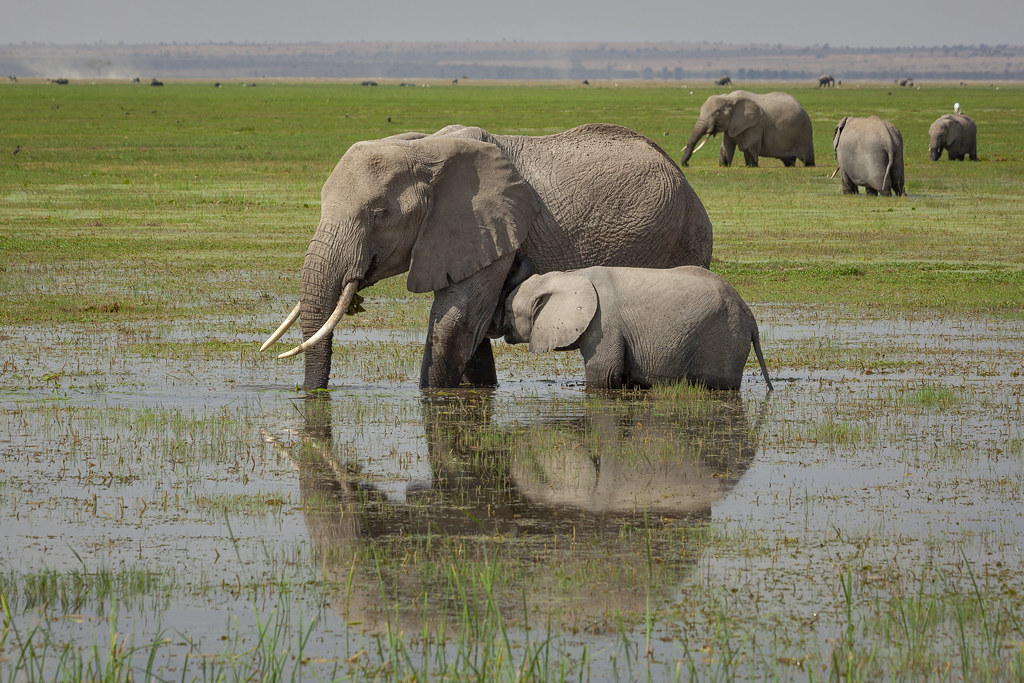
The Masai Mara's Big Five paired with Amboseli's iconic elephant herds set against Mount Kilimanjaro.
A quick weekend escape from Nairobi with two full game drives in one of the world's best-known reserves.
A fast-paced 3-day Masai Mara safari with morning and afternoon game drives built around finding all of the Big Five.
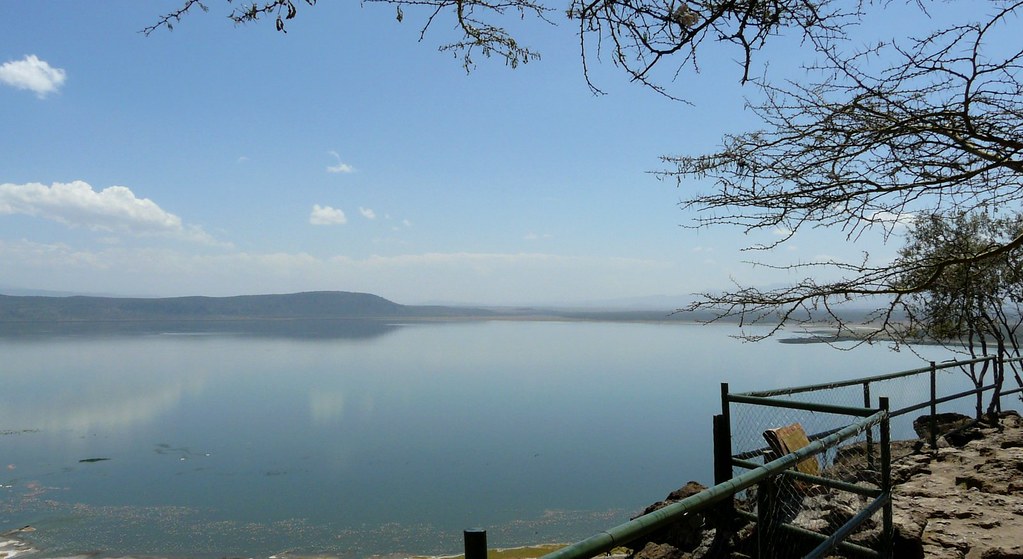
Masai Mara predators plus Lake Nakuru's rhino sanctuary, built to help you complete the Big Five in one trip.

Enjoy game drives in Maasai Mara then relax on Diani Beach on this classic 10-day Kenya safari and beach trip.

Experience Kenya's great game parks including Maasai Mara and Amboseli on this outstanding 8-day Kenya safari.

Explore Kenya's finest game parks at Maasai Mara, Amboseli, and Lake Nakuru on this classic 7-day safari tour.
The Great Wildebeest Migration
What Is the Great Wildebeest Migration?
The Great Wildebeest Migration is the seasonal movement of huge herds of herbivores through the Serengeti ecosystem of Tanzania and the Maasai Mara ecosystem of Kenya. The largest number of migrating animals are wildebeest, but they are not alone.
Large numbers of zebras and Thomson's gazelles travel alongside them, while other antelope species may also be encountered.
The animals move because they need fresh grazing and water. Rainfall determines where nutritious grass becomes available, and the herds follow these changing resources. This makes the migration a natural cycle rather than a fixed journey with one beginning and one ending. The animals are constantly moving, stopping to feed, resting, reproducing and searching for water before continuing to another part of the ecosystem.
Where Does the Great Migration Take Place?
The migration primarily takes place across northern Tanzania and southwestern Kenya.
The main areas involved include the Serengeti National Park, the Ngorongoro Conservation Area, the northern Serengeti and the Maasai Mara National Reserve. The exact location of the herds depends on the time of year.
During certain months, enormous herds can be found in the southern Serengeti and Ndutu area. Later, they move through the central and western parts of the Serengeti. Eventually, many herds travel toward the northern Serengeti before crossing into Kenya's Maasai Mara. After spending time in the Mara ecosystem, the animals gradually move back into Tanzania. The cycle then continues.
Why Do the Wildebeest Migrate?
The primary reason for the migration is food and water.
Wildebeest depend heavily on fresh grass and water. Rainfall creates temporary areas of nutritious grazing, and the animals follow these conditions across the ecosystem. The movement is therefore closely connected to seasonal rainfall.
When the rains arrive in a particular area, new grass grows.
The herds move toward these areas because fresh vegetation provides the nutrients they need to maintain their enormous populations. As the grass is consumed and conditions change, the herds continue moving. This creates a continuous cycle that has developed over thousands of years.
The Great Migration Is Not Only About Wildebeest
The name "Great Wildebeest Migration" can sometimes make travelers think only about wildebeest.
In reality, the migration is a huge ecosystem involving many different animals. Zebras travel alongside the wildebeest, often feeding on different parts of the vegetation. Gazelles are also common around the migrating herds. Predators follow the movement because large concentrations of herbivores provide abundant opportunities for hunting.
Lions, cheetahs, leopards and hyenas may all be encountered in areas where the migrating herds are concentrated. Crocodiles become especially important during river-crossing periods. Vultures and other scavengers also benefit from animals that die during the migration. The entire ecosystem becomes connected to the movement of the herds.
The Calving Season
One of the most spectacular stages of the Great Migration takes place during the calving season.
Large numbers of wildebeest gather in the southern Serengeti and surrounding areas when conditions are favourable.Thousands of calves are born during a relatively short period. The abundance of young animals creates an extraordinary wildlife spectacle.For the wildebeest, however, giving birth is not simply a peaceful event.
Newborn calves are vulnerable to predators.Lions, cheetahs, hyenas and other predators take advantage of the abundance of young animals.This creates a dramatic cycle of life and death.
Visitors may witness calves taking their first steps, mothers protecting their young and predators waiting for opportunities.The calving season is therefore one of the best periods for travelers interested in predator-prey interactions.
Wildebeest Calves and Survival
Wildebeest calves develop quickly after birth.
They must be able to stand and move relatively soon because remaining behind the herd can be dangerous.The herd provides protection through numbers.When thousands of animals move together, predators face more difficulty selecting individual targets.
However, young calves remain vulnerable, particularly when separated from their mothers.The struggle for survival is one of the most important aspects of the migration.It demonstrates how wildlife adapts to constantly changing conditions.
The Western Serengeti
After the calving period, the herds gradually move toward other parts of the Serengeti.The western regions can become important as the animals search for fresh grazing.
This stage of the migration is often less famous than the dramatic river crossings but can provide excellent wildlife viewing.Large herds may stretch across the plains, creating incredible scenes for photographers.
Predators remain nearby because the migrating animals provide a valuable source of food.Travelers visiting during this period can experience the migration without necessarily having to focus on river crossings.
The Northern Serengeti
The northern Serengeti becomes particularly important as the herds move toward the Mara ecosystem.
The landscape here is more rugged than some areas of the southern Serengeti and includes rocky outcrops, grasslands and river valleys.The herds move through this region before eventually reaching the Mara River system.
The northern Serengeti can be an excellent destination for travelers who want to experience migration activity while remaining in Tanzania.It can also be combined with other safari destinations such as Ngorongoro and central Serengeti.
The Famous Mara River Crossings
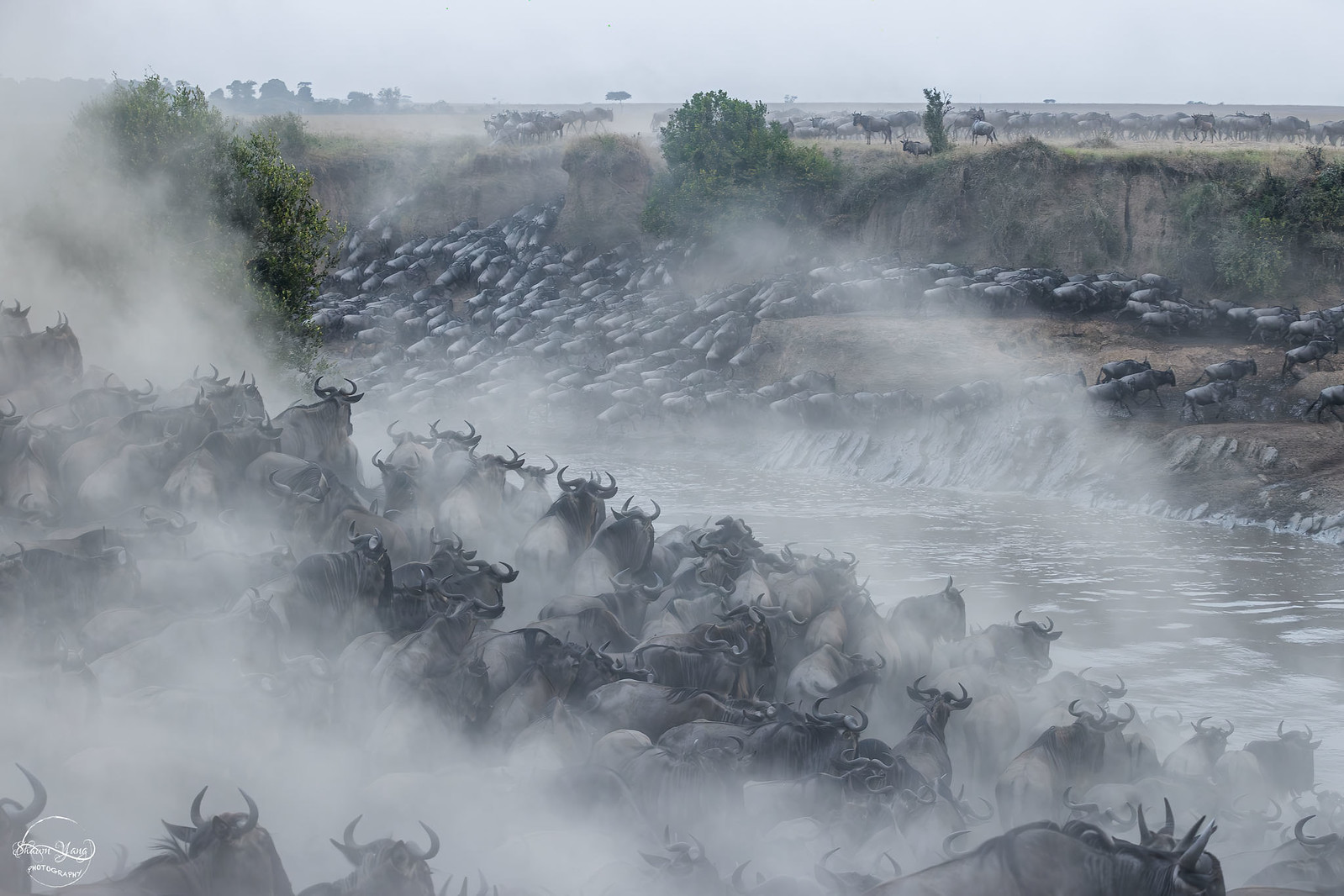
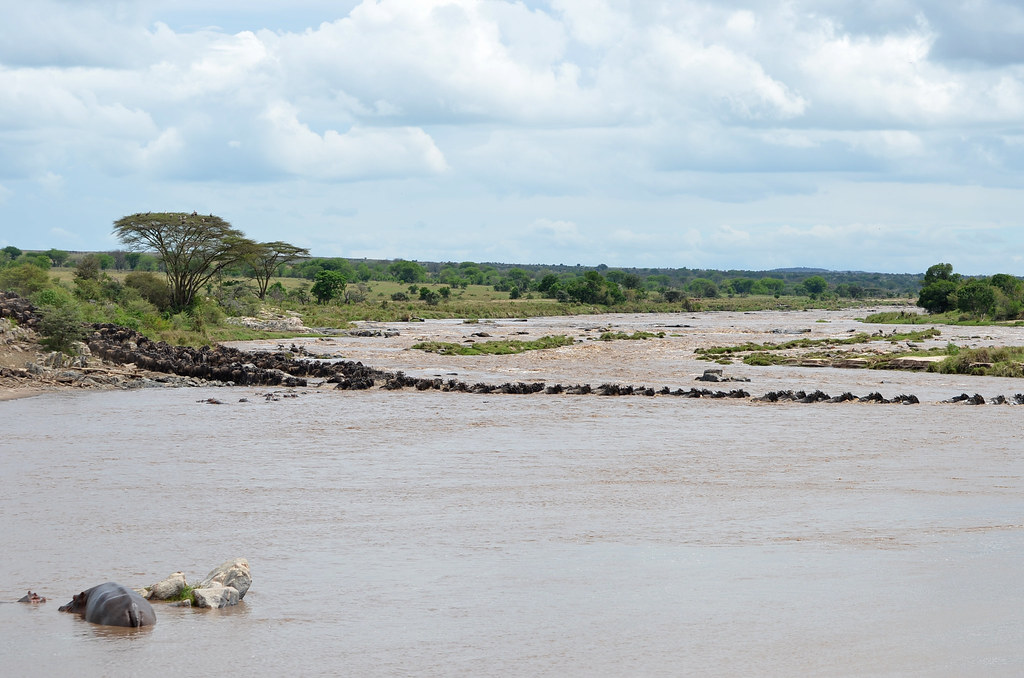
The river crossings are probably the most famous images associated with the Great Migration.As the herds approach the Mara River, they face one of the most dangerous stages of their journey.Thousands of wildebeest may gather along the riverbank.
They hesitate.
They move forward.
They retreat.
Then suddenly, one group begins crossing.
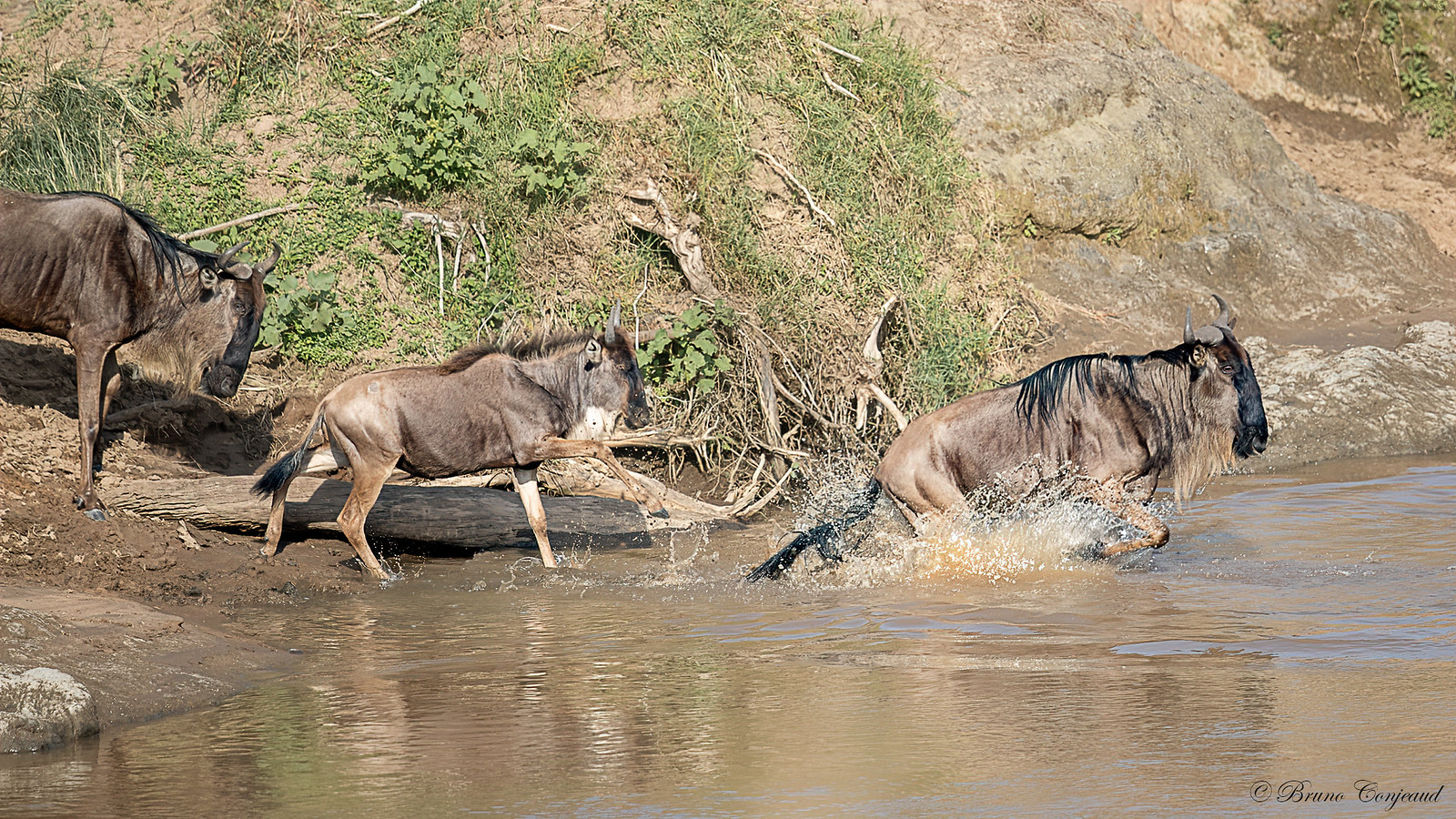
Within moments, hundreds or thousands of animals can enter the water. The crossing can become chaotic as wildebeest struggle to find safe paths across the river. The animals must deal with strong currents, steep riverbanks, rocks and deep water. Nile crocodiles may wait in the river, creating an additional danger. Predators such as lions and leopards may also be present around the crossing areas.
Why River Crossings Are Difficult to Predict
One of the most important things travelers should understand is that river crossings cannot be guaranteed.The migration follows natural conditions, not a tourist timetable. The animals may reach the river and remain there for hours or even days before crossing.They may approach one location and then suddenly turn around.
Weather, water levels, grazing conditions, herd behaviour and other environmental factors influence their decisions.This unpredictability is actually part of the beauty of the migration.
A safari guide can increase your chances of witnessing a crossing by understanding animal movements and monitoring the herds, but nobody can guarantee exactly when or where the animals will cross.
The Role of Crocodiles
Nile crocodiles are among the most famous predators associated with the river crossings.
Large crocodiles can wait quietly in the water for opportunities as wildebeest enter the river.The river crossing therefore creates a dramatic interaction between two ancient forces of the African ecosystem.
However, it is important to remember that crocodiles are not simply waiting to eat every animal that crosses.Most wildebeest successfully make it across the river.
The dangers include more than crocodiles. Animals can become exhausted, injured, separated from the herd or caught in difficult currents.
After the River Crossing
Once the wildebeest cross the Mara River, many continue into Kenya's Maasai Mara ecosystem.
The Maasai Mara provides extensive grasslands and water sources that support the herds.This is one of the periods when visitors to Kenya have a strong opportunity to experience the migration.
The Mara also supports large resident populations of lions, cheetahs, leopards, elephants, buffaloes and other wildlife.This means travelers can enjoy a traditional Big Five safari alongside the migration.
The Migration in Kenya
Kenya's Maasai Mara is one of the most famous destinations for witnessing the Great Migration.During the migration season, the Mara plains can become filled with wildebeest and zebras.
The concentration of herbivores also attracts predators.A morning game drive can reveal large herds grazing across the plains, while lions may be resting nearby.
Cheetahs can sometimes be found scanning the grasslands for vulnerable prey.
Leopards remain more elusive, often hiding among trees and bushes.
For travelers who want to combine migration viewing with a classic Kenyan safari, the Maasai Mara is one of the most attractive destinations.
The Return Journey
The migration does not end after the animals reach Kenya.Eventually, the herds begin moving southward again.
They return toward Tanzania as environmental conditions change.
The journey back is another important part of the annual cycle.The exact route and timing can vary, but the general movement continues toward areas where new grazing becomes available.
The animals eventually return to the southern Serengeti and surrounding areas, where another calving season begins.The cycle continues year after year.
When Is the Best Time to See the Great Migration?
There is no single "best month" for the entire Great Migration because the animals are constantly moving. Instead, different periods provide different experiences.
The calving season is excellent for travelers interested in newborn animals and predator activity.
The western Serengeti period can offer huge herds and impressive wildlife viewing.The northern Serengeti and Maasai Mara period is famous for river crossings and large concentrations of migrating animals.The return movement can also provide excellent opportunities to experience the herds.
The best time therefore depends on what you want to see.If river crossings are your priority, planning around the northern migration period makes sense.If newborn animals and predators interest you more, the calving season may be preferable.
How Long Should You Spend on a Migration Safari?
A Great Migration safari can be designed around different lengths of travel.
A short safari may focus on the Serengeti or Maasai Mara.A longer itinerary can include several migration regions and additional wildlife destinations.For Tanzania, travelers can combine the Serengeti with Ngorongoro, Tarangire and Lake Manyara.
For Kenya, the Maasai Mara can be combined with Amboseli, Lake Nakuru, Tsavo or other destinations.
Longer itineraries provide greater flexibility because the animals are constantly moving.Spending several nights in a migration area also increases the possibility of encountering different stages of the wildlife cycle.
Accommodation During the Great Migration
Accommodation is an important part of planning a migration safari.Travelers can choose from luxury lodges, permanent tented camps, mobile camps and mid-range accommodation.Luxury lodges provide spacious rooms, high-quality meals and comfortable facilities after long days in the wilderness.
Tented camps provide a more immersive experience because visitors remain closely connected to the sounds and atmosphere of the African bush.
Mobile camps can be particularly attractive during migration season because they can operate closer to areas where the herds are expected to move.The best accommodation depends on your budget, preferred level of comfort and the specific migration experience you want.
Mobile Camps and the Migration
Mobile camps are particularly interesting for travelers who want to follow the movement of wildlife.
Instead of remaining permanently in one location, these camps can operate seasonally in different parts of the ecosystem.This can provide travelers with an immersive experience while placing them closer to the areas where the migration is occurring.
For photographers and serious wildlife enthusiasts, this style of safari can provide an excellent connection to the wilderness.
Great Migration Safaris for Photographers
The Great Migration is one of Africa's greatest wildlife photography opportunities.
The sheer number of animals creates dramatic compositions.Photographers can capture wildebeest moving across open plains, zebras travelling in groups, predators stalking prey and calves interacting with their mothers.River crossings provide particularly dramatic photography opportunities, although patience is essential.
A good camera with a telephoto lens is useful, but photography is not simply about equipment.Understanding animal behaviour, using good positioning and having a knowledgeable guide can make an enormous difference.
The Role of Safari Guides
Experienced safari guides play an important role during migration safaris.
The animals do not follow a fixed schedule, so guides need to understand the landscape and monitor wildlife movements.A knowledgeable guide can interpret tracks, animal behaviour and environmental conditions.
They can also position the vehicle responsibly and help travelers understand what they are seeing.
During a river-crossing safari, guides may monitor the herds and wait patiently for signs that the animals are preparing to cross.Their experience can greatly improve the overall safari experience.
Responsible Tourism During the Migration
The Great Migration attracts travelers from around the world, so responsible tourism is extremely important.
Visitors should respect wildlife and follow the instructions of their guides.Safari vehicles should maintain appropriate distances from animals.
Drivers should avoid crowding animals or blocking their movement.At river crossings, visitors should understand that wildlife comes first.
The migration is a natural event, not a performance arranged for tourists.Protecting the environment and respecting the animals helps ensure that future generations can continue to experience this extraordinary phenomenon.
Great Migration and the Big Five
The Great Migration is often marketed as a wildebeest experience, but it also provides opportunities to see Africa's famous Big Five.Lions are attracted to the abundance of prey.
Leopards may hunt near migration routes.Cheetahs can take advantage of vulnerable young animals.
Elephants and buffaloes are resident species and can be encountered alongside the migrating herds.Rhinos may also be encountered in certain areas, although sightings are less predictable.
This means a migration safari can provide both the spectacle of massive herds and the excitement of a traditional African wildlife safari.
Great Migration and Cultural Experiences
A safari can also incorporate cultural experiences.In Tanzania, travelers can learn about Maasai communities and their traditions.
In Kenya, the Maasai culture is an important part of the wider safari experience around the Mara.Responsible cultural tourism allows visitors to learn about local communities while supporting local livelihoods.
These experiences can add another dimension to a migration safari by connecting wildlife conservation with the people who live around these ecosystems.
What to Pack for a Great Migration Safari
A migration safari requires practical clothing and equipment.
Lightweight clothing is useful during warm days, while a warm layer can be valuable during early morning game drives.A hat, sunglasses and sunscreen are important for protection from the sun.Comfortable shoes are useful when walking around camps or participating in permitted walking activities.
Binoculars are highly recommended because animals may sometimes be some distance away.A camera with spare batteries and sufficient memory is useful for photographers.
A lightweight rain jacket can also be useful because weather conditions can change.
Is the Great Migration Suitable for Families?
Families can enjoy the Great Migration, although the itinerary should be planned carefully.Children can be fascinated by the enormous herds, elephants, giraffes, lions and other wildlife.Family-friendly accommodation can make the experience more comfortable.
Private vehicles can also provide flexibility, allowing families to travel at their own pace.
Parents should ensure that children understand the importance of staying inside the safari vehicle unless the guide gives permission to leave.Wild animals are unpredictable, and safety must always come first.
Why the Great Migration Is Worth Experiencing
The Great Migration is not simply about seeing thousands of wildebeest.
It is about witnessing nature in motion.
It is the sight of enormous herds stretching across the horizon.
It is the sound of thousands of hooves moving over the plains.
It is newborn calves struggling to keep up with their mothers.
It is predators waiting patiently for opportunities.
It is zebras moving alongside wildebeest.
It is the dramatic silence before a river crossing.
And it is the realization that the entire spectacle is happening naturally, without human control.That is what makes the Great Migration so powerful.
What you should know
The Great Wildebeest Migration is one of the world's greatest natural spectacles and one of the most remarkable reasons to visit East Africa.
Across Tanzania's Serengeti and Kenya's Maasai Mara, enormous herds of wildebeest, zebras and gazelles move through a constantly changing landscape in search of food and water.
Every stage of the migration offers something different. The calving season reveals the beginning of new life. The movement through the Serengeti provides opportunities to witness enormous herds crossing the plains. The northern migration brings the possibility of dramatic Mara River crossings. The Maasai Mara offers a combination of migrating herds and classic African wildlife. Eventually, the animals begin their journey back toward Tanzania, completing another cycle.
The exact timing can never be guaranteed, and that unpredictability is part of the experience. A Great Migration safari is therefore more than a holiday. It is an opportunity to witness one of nature's most extraordinary cycles and to experience the African wilderness at a scale that is difficult to describe until you have seen it yourself.
From the endless Serengeti plains to the dramatic Mara River, the Great Wildebeest Migration is Africa in motion — wild, powerful, unpredictable and unforgettable.
What Our Travelers Enjoyed About Great Wildebeest Migration

Gorillas "Silverback"
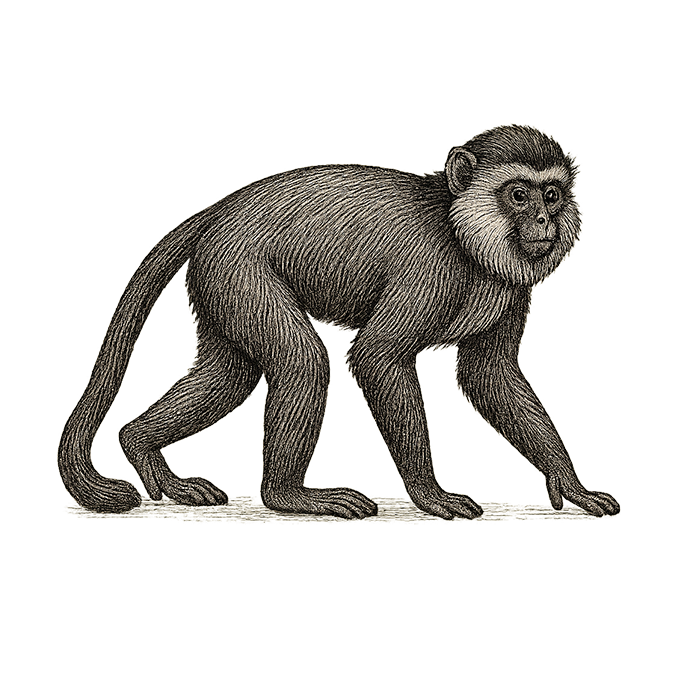
Golden Monkey "Photogenic"
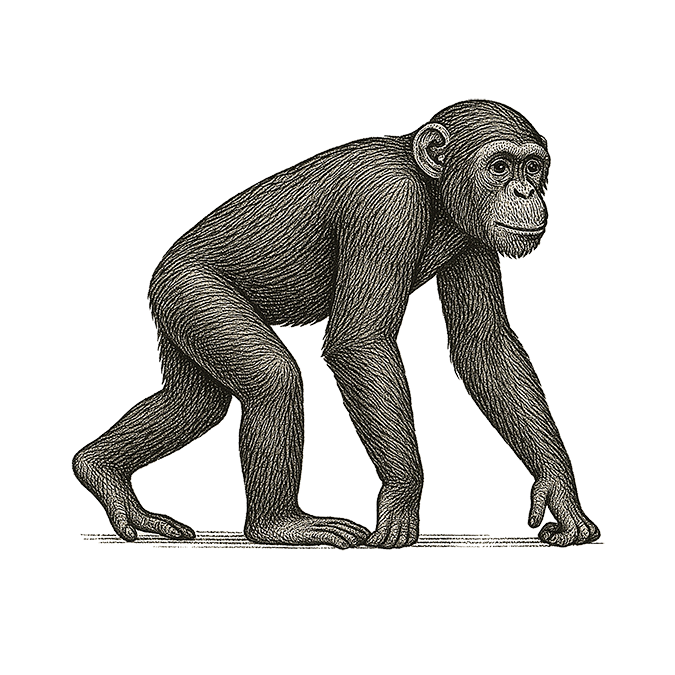
Chimpanzees "Pant-hoot"