Akagera National Park Fees: Your Complete Guide to Rwanda’s Premier Savannah Safari
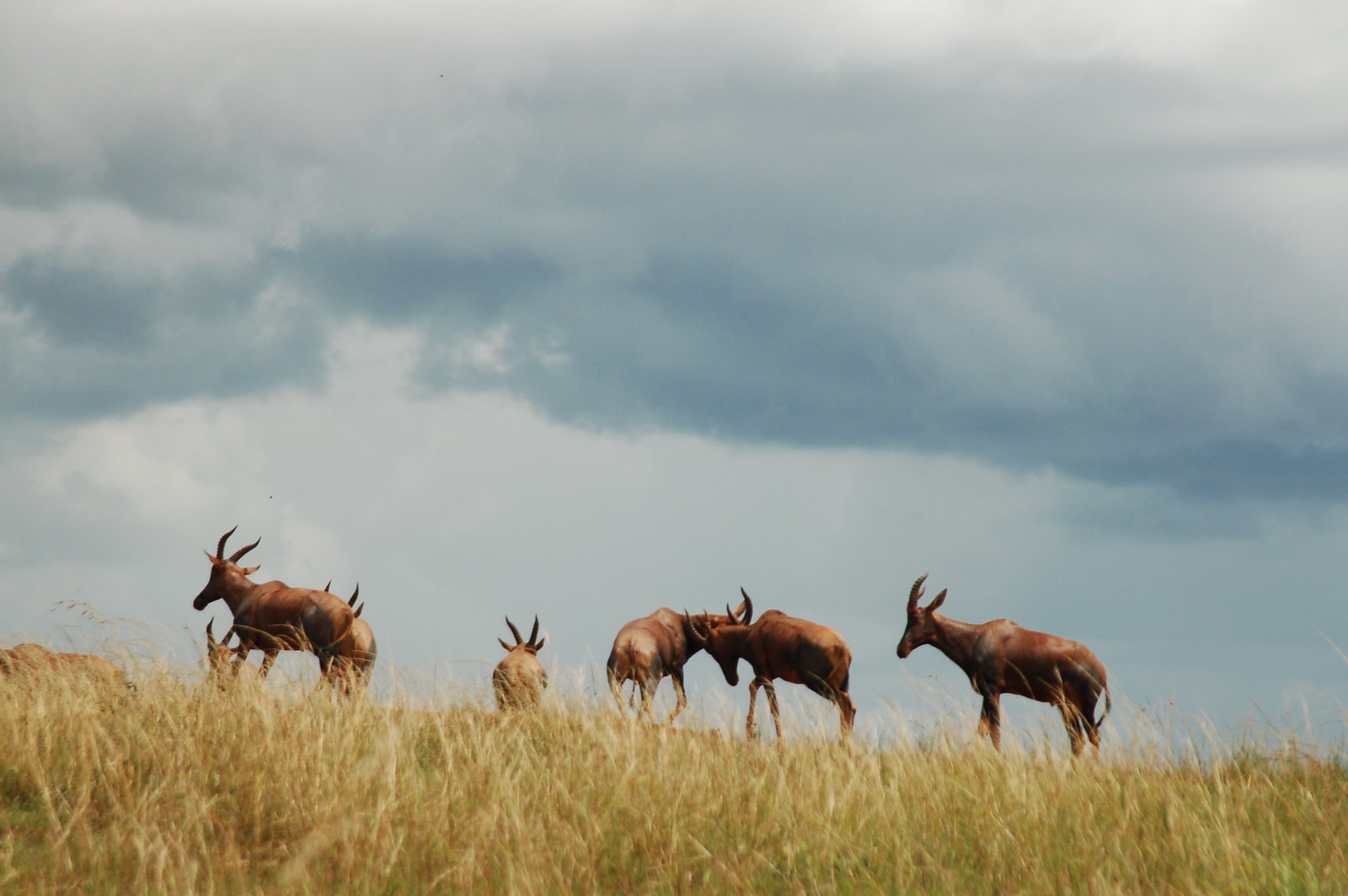
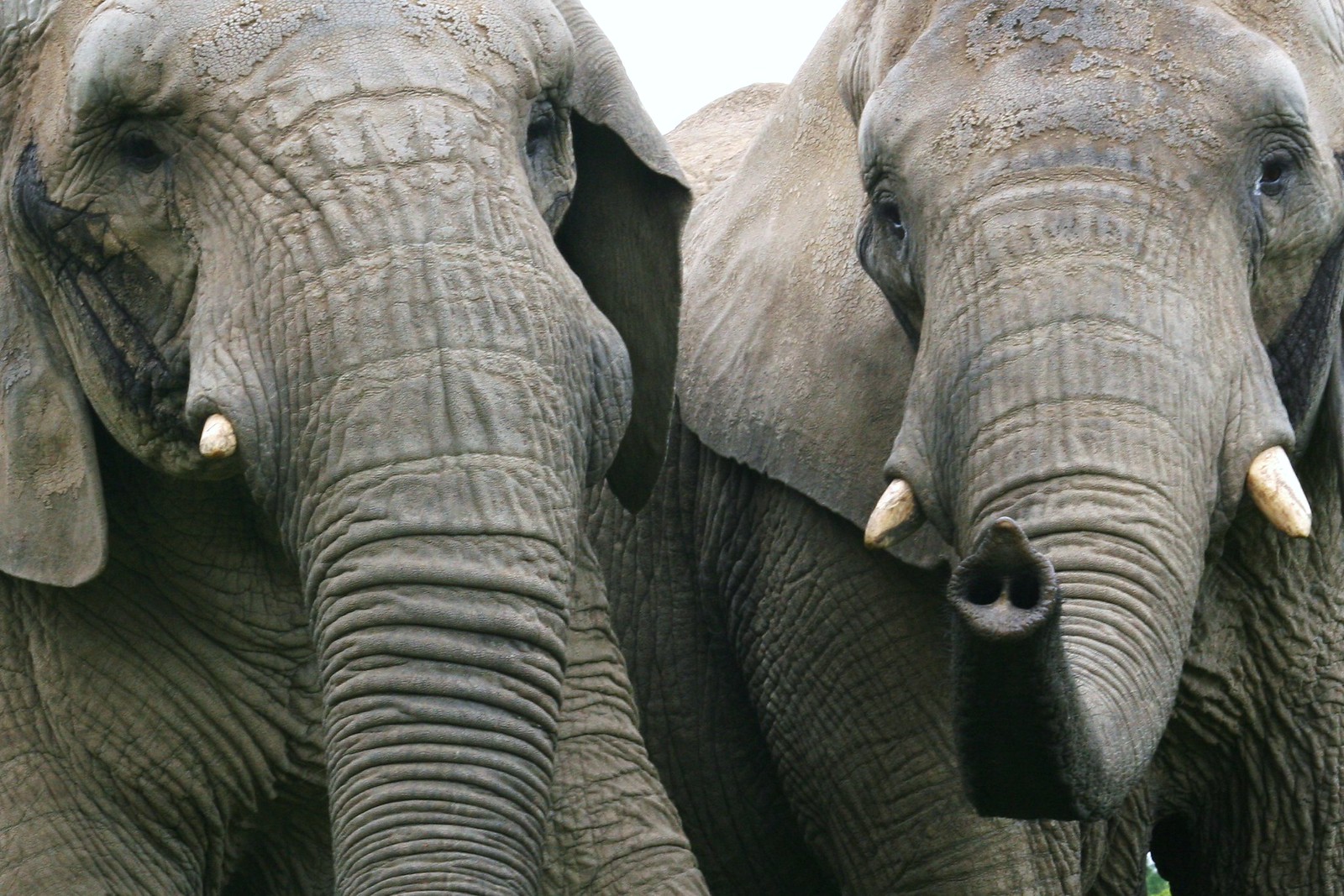
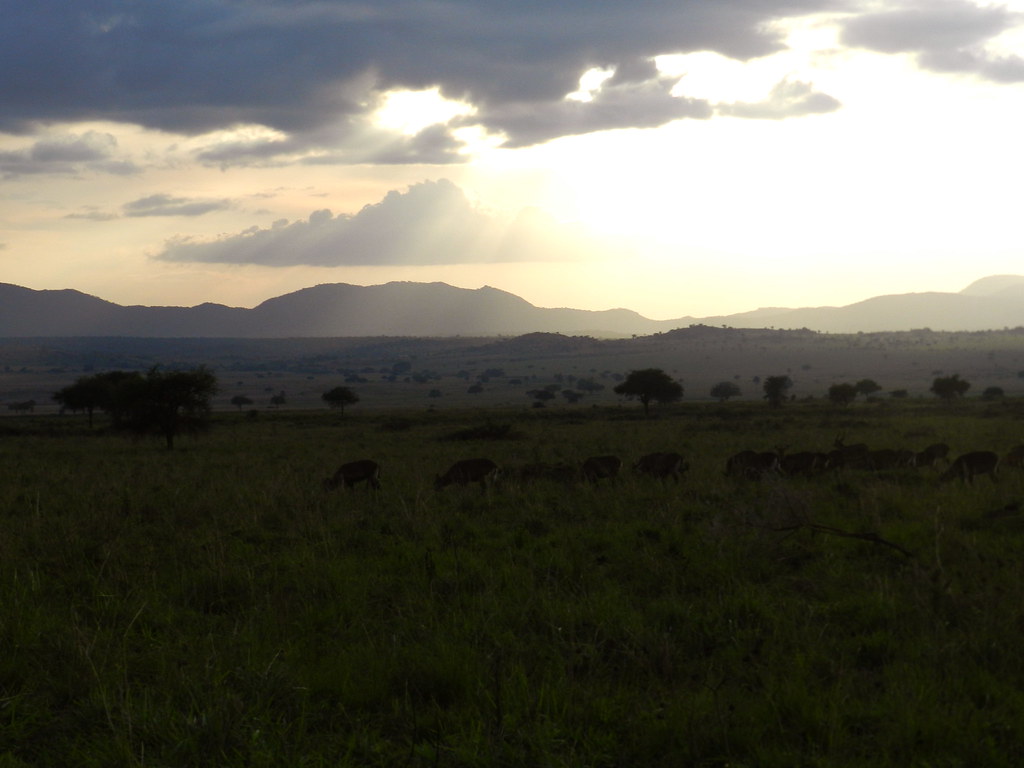
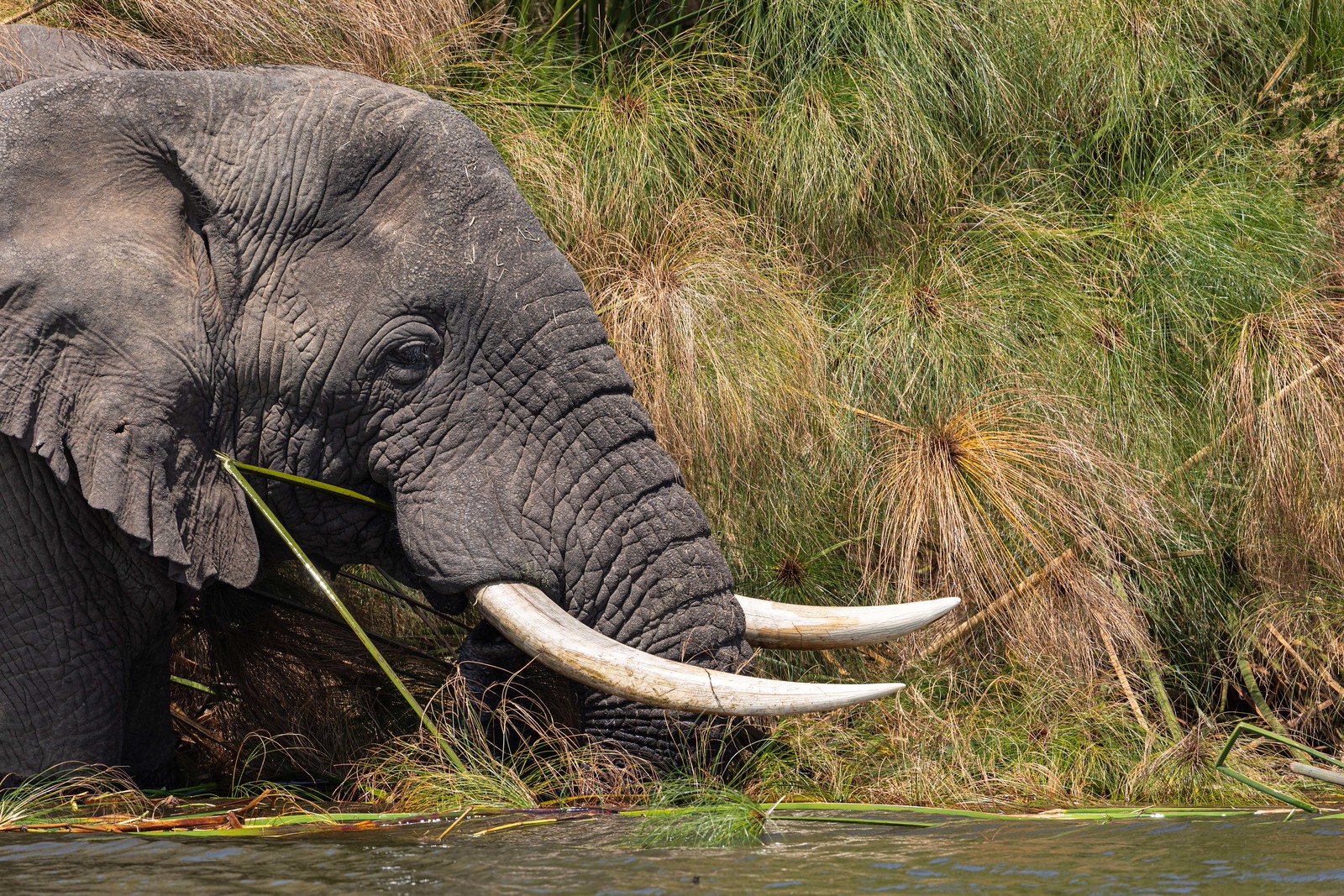
Akagera National Park is one of Rwanda’s most remarkable wildlife destinations, offering visitors the only true savannah safari experience in the country. Covering an area of approximately 1,122 square kilometers, it is also the largest national park in Rwanda. Situated in the northeastern part of the country along the border with Tanzania, Akagera was first gazetted as a national park in 1934 during the Belgian colonial era, making it one of the oldest protected areas in Africa. Its vast landscapes encompass rolling savannah, woodlands, wetlands, and a chain of beautiful lakes, providing habitats for lions, elephants, giraffes, zebras, and a rich variety of birdlife.
Visiting Akagera is an essential stop on any Rwanda wildlife safari, offering a combination of classic African game drives, lake-side excursions, and opportunities to witness conservation in action. Planning a safari here requires understanding the park’s entry fees, vehicle charges, and activity costs, which are carefully structured to support conservation efforts while delivering world-class visitor experiences.
Entry Fees for Akagera National Park
Entry to Akagera National Park is regulated through a permit system that varies depending on nationality, residency, and age. For international visitors, a one-day or one-night permit costs approximately USD 100. If visitors stay for two nights, the total fee rises to USD 150, and for three nights or more, it typically reaches USD 200, covering access for up to a week.
East African Community residents enjoy discounted rates: USD 50 for a single night, USD 75 for two nights, and USD 100 for three nights or longer. Citizens of Rwanda and the EAC receive further discounts, paying around USD 16 for one night, USD 24 for two nights, and USD 32 for three nights or more. Children under five years enter free of charge, while children aged six to twelve pay a reduced fee depending on nationality and residency, with international children paying around USD 50 for one night, USD 75 for two nights, and USD 100 for three nights.
Entry fees include self-drive game viewing and access to park roads. Fees reduce by 50 percent for the second and third nights and are free for additional nights up to a week. Visitors staying outside the park are considered day visitors and must pay entry fees for the days they enter the park. Groups of twenty or more Rwandan nationals qualify for a 20 percent discount, bringing adult fees down to approximately 12,000 RWF and child fees to 8,000 RWF.
Vehicle and Self-Drive Fees
In addition to individual entry permits, all vehicles entering Akagera are subject to additional charges. Vehicles registered in Rwanda or the EAC pay USD 10 per day for minibuses, and USD 20 per day for larger vehicles such as omnibuses, buses, or overlanders. Foreign-registered vehicles are charged USD 40 per day for minibuses and USD 100 per day for larger vehicles. These fees are required even if you are conducting multiple entries and exits in a single day.
For self-drive safaris, hiring a park guide is highly recommended. Guides are familiar with wildlife movement patterns, habitats, and the park’s road networks, greatly enhancing the safari experience. Hiring a guide for half a day costs around USD 25, while a full-day guide costs about USD 40. Guides picked up from the reception before 9 am and returned within five hours are considered a half-day, whereas guides picked up after 9 am are charged a full day unless returned by noon. If guides accompany visitors overnight to sites such as Karenge Bush Camp, an additional fee of 20,000 RWF covers accommodation and meals.
Safari Activities and Optional Fees
Akagera offers a wide range of optional safari activities, each with separate fees. Night game drives provide an opportunity to see nocturnal species such as lions, hyenas, and bushbucks. Operated by the Akagera Management Company, these trips cost approximately USD 40 per adult and USD 25 for children aged six to twelve, lasting around two and a half hours.
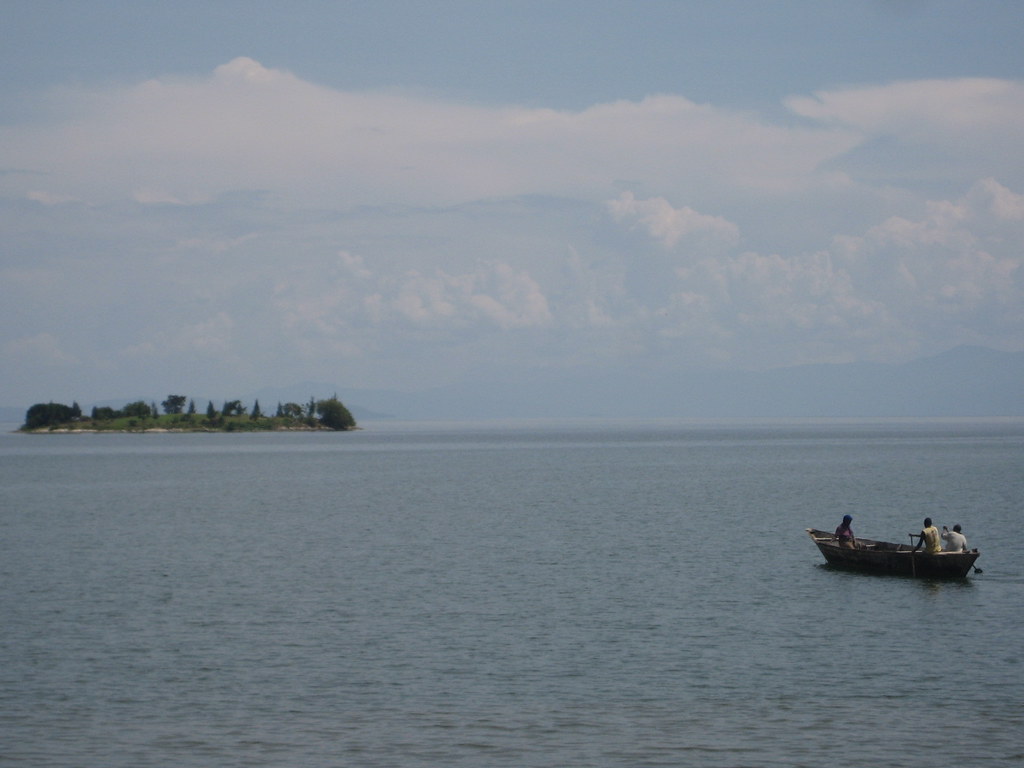
Boat safaris on Lake Ihema showcase hippos, crocodiles, and aquatic birds. Scheduled morning or day trips cost around USD 35 per adult and USD 20 per child, while sunset boat trips cost USD 45 per adult and USD 30 per child. Private, non-scheduled boat trips can also be arranged for USD 180 per boat for up to eleven passengers. Fishing permits for those bringing their own equipment cost USD 25 per adult and USD 15 per child. Visitors can also participate in guided walks, such as the “Walk the Line,” which is a seven-kilometer walk along the park’s fence and costs USD 30 per adult and USD 20 per child.
Other activities include behind-the-scenes tours, camping, and cultural experiences with nearby communities, priced similarly to the Walk the Line activity. Full-day game drives operated by AMC with a vehicle, driver, and guide cost USD 280 for up to seven passengers, while half-day drives cost USD 180.
Additional Fees and Services
Akagera National Park also charges for services and emergencies. Tent hire for a six-person canvas tent at southern campsites costs USD 20 per night. Vehicle breakdown recovery fees range from USD 70 for standard assistance to USD 150 for larger vehicles such as coasters. Fines for breaking park rules are set at USD 150. Helicopter landing fees within the park are USD 50 per landing, while commercial filming and photography require prior arrangement and cost USD 300 per day. Research fees, ranger assistance, and other specialized services are charged separately, with fees for researchers starting at USD 25 per day, subject to prior approval.
Annual Pass Options
For visitors who plan to explore the park multiple times within a year, Akagera offers annual passes. Rwandan/EAC citizens can purchase single passes, couple passes, or family passes, costing approximately 95,000 RWF, 150,000 RWF, and 205,000 RWF, respectively. Residents of the EAC can also purchase annual passes at discounted rates: USD 300 for single, USD 500 for couples, and USD 700 for family passes. These passes cover entry fees but do not include vehicle charges or optional activities, though a 10 percent discount is offered on annual pass rates for qualifying visitors.
Payment Methods and Policies
Akagera accepts payments in USD, Rwandan Francs (RWF), Euros, and GBP. Cash is preferred at the park reception, and older USD notes issued before 2005 are not accepted. Activity bookings, cancellations, and refunds are subject to park policies, which are available upon request. Visitors are encouraged to confirm activity availability in advance, particularly for guided drives, boat trips, and night drives, as these experiences can fill quickly during peak seasons.

Planning Your Visit
When budgeting for an Akagera safari, visitors should include entry fees, vehicle permits, guide fees, and any optional activities they plan to undertake. Multi-day safaris offer the best value, allowing visitors to experience morning and evening game drives, boat trips, cultural encounters, and hiking without excessive costs. Staying at park lodges or campsites ensures proximity to wildlife viewing areas, reduces travel time, and allows for early morning game drives when animal activity is highest.
For first-time visitors, hiring a guide is highly recommended. Guides enhance wildlife spotting, provide safety in unfamiliar terrain, and share insights into the park’s ecosystems. Travelers are also encouraged to consider boat safaris and night drives, as these activities reveal the park’s unique species and habitats that are less visible during standard daytime drives.
Akagera National Park is a crown jewel of Rwanda’s wildlife tourism. Its fees, while carefully structured, provide access to an exceptional range of safari experiences, from classic savannah game drives to immersive boat excursions and cultural encounters. Understanding the costs of entry, vehicles, guides, and optional activities ensures that visitors can plan effectively, maximize their time in the park, and enjoy a seamless wildlife adventure.
By visiting Akagera, travelers contribute directly to the conservation of Rwanda’s largest protected savannah ecosystem, support community initiatives, and help preserve endangered species such as lions, elephants, and hippos. Whether you are a first-time visitor or returning for an annual adventure, Akagera National Park offers a safari experience that combines wildlife, culture, and natural beauty in one unforgettable package.
Recommended Tours: 6 Days Tanzania Wildlife Safari | 5 Days Ngorongoro & Serengeti Safari
Frequently Asked Questions About Visiting Rwanda
Is Rwanda safe to visit?
Rwanda is consistently rated one of Africa’s safest countries for tourists. Kigali is one of the cleanest and most orderly capitals on the continent. The country has a visible police presence, low crime rates, and a strong tourism infrastructure. Solo travellers, including women travelling alone, find Rwanda very welcoming.
Do I need a visa to visit Rwanda?
Citizens of most African Union countries can visit Rwanda visa-free. Nationals of many other countries can obtain a visa on arrival or apply online at irembo.gov.rw. Check the latest entry requirements with the Rwanda High Commission in your country.
What language is spoken in Rwanda?
Rwanda has four official languages: Kinyarwanda (spoken by virtually all Rwandans), French, English, and Swahili. English is widely spoken in Kigali and tourist areas, and Rwanda switched from French to English as the primary language of instruction in 2008.
Rwanda Travel Tips
- Plastic bags are banned: Rwanda banned plastic bags in 2008. Do not bring plastic bags into the country — they will be confiscated at customs.
- Umuganda: On the last Saturday of every month, all Rwandans participate in a community work programme called Umuganda from 8 AM–11 AM. Roads are closed and businesses shut. Plan your activities around it.
- Currency: The Rwandan Franc (RWF) is the local currency. USD is widely accepted in hotels and tour operations. ATMs are available throughout Kigali.
- Combine gorillas with city: Spend a day in Kigali visiting the Genocide Memorial, Kimironko Market, and the Inema Arts Centre before heading to Volcanoes National Park.
Explore More: Rwanda Gorilla Trekking Experience | Gorilla Trekking Guide | Golden Monkey Trekking | Virunga Volcanoes | Conservation Safaris
Contact Us – Ready to book your East Africa gorilla safari? Our team is here to help you plan the perfect trip.