Bird Watching in Rwanda: A Paradise for Avian Enthusiasts
Rwanda is widely celebrated for its mountain gorillas, rolling green hills, and vibrant cultural heritage, but it is also an underrated haven for bird watchers. Despite its small size, Rwanda boasts over 700 bird species, making it one of East Africa’s premier destinations for ornithologists, photographers, and wildlife enthusiasts. Its diverse landscapes-ranging from montane forests and bamboo zones to savannahs, wetlands, and lakes-create ideal habitats for both endemic and migratory species. Bird watching in Rwanda is more than a recreational activity; it is an immersive journey through some of Africa’s most pristine and biodiverse ecosystems.
Why Rwanda is a Birding Hotspot
Rwanda’s location within the Albertine Rift endows it with remarkable biodiversity. This region is recognized as a center of endemism, supporting numerous species that exist nowhere else on the planet. Rwanda’s varied altitudes and habitats-from high-altitude volcanic slopes to lowland savannahs-allow bird species to thrive across diverse ecological zones. As a result, the country offers experiences ranging from spotting elusive forest warblers and turacos to observing raptors and waterfowl in open savannahs and lakes.
The accessibility of national parks, well-maintained trails, and trained local guides further enhance the birding experience. Rwanda has developed infrastructure and expertise to make birding both educational and enjoyable, catering to both first-time visitors and seasoned ornithologists.
Best Birding Locations in Rwanda
Nyungwe National Park in the southwest is Rwanda’s flagship birding destination. This montane rainforest is home to over 300 bird species, including rare Albertine Rift endemics such as the Rwenzori Turaco, Chapin’s Flycatcher, and Grauer’s Rush Warbler. The park offers extensive hiking trails, research stations, and a canopy walk, allowing visitors to observe birds at different forest levels-from understory dwellers to canopy specialists. Nyungwe is particularly popular for spotting sunbirds, hornbills, and woodpeckers, making it a must-visit for forest bird enthusiasts.
Volcanoes National Park, located in the northwest, offers high-altitude birding opportunities on the slopes of the Virunga volcanoes. Its bamboo forests and montane habitats host species such as the Rwenzori Double-collared Sunbird, White-bellied Robin-Chat, and the Mountain Masked Apalis. Birding here is often combined with gorilla or golden monkey trekking, providing a multi-layered wildlife experience. The varied elevation and microclimates support a unique collection of endemic species, making it a highlight for serious birders.
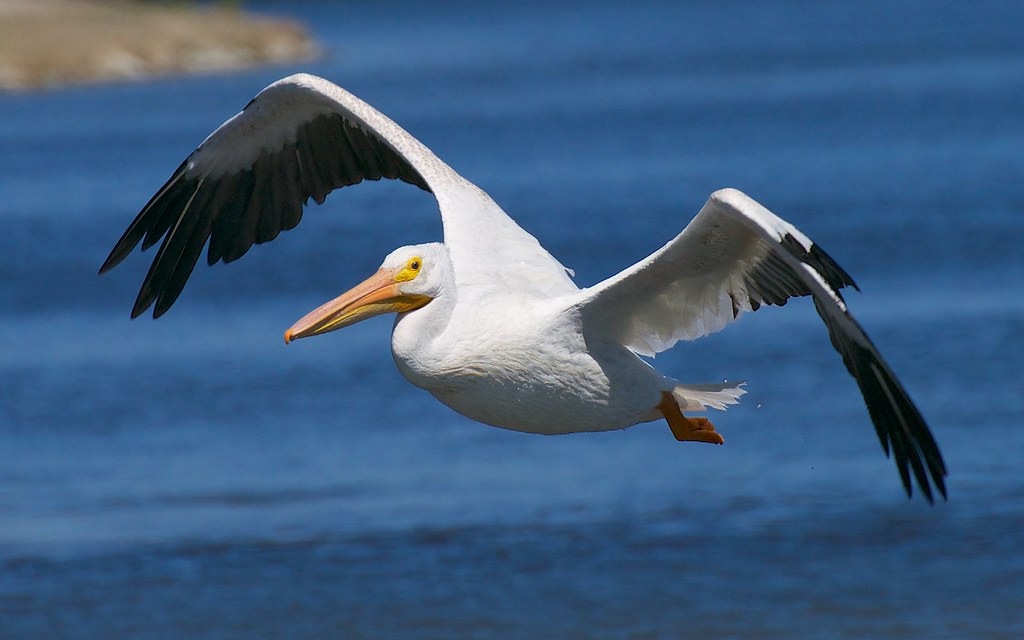
Akagera National Park in the northeast provides a contrasting savannah birding experience. Its mix of open plains, woodlands, and lakes attracts a wide range of waterbirds and savannah species. Lake Ihema alone hosts African fish eagles, Goliath herons, pelicans, storks, and many migratory species during certain seasons. The park’s savannah and woodland areas are home to colorful bee-eaters, hornbills, rollers, and raptors like martial eagles and bateleurs. Akagera allows birders to combine classic African game viewing with high-quality birding, creating a comprehensive wildlife experience.
Gishwati-Mukura National Park, a recently restored montane forest in western Rwanda, is emerging as a top birding location. The park protects rare Albertine Rift endemics such as the Olive-breasted Greenbul and Archer’s Ground Robin. Its relatively quiet trails offer intimate birding experiences away from the crowds, allowing for focused observation and photography.
Lake Muhazi and Wetlands Near Kigali provide accessible birding opportunities for visitors with limited time. These freshwater ecosystems attract a variety of waterfowl, waders, and kingfishers. Seasonal migrations bring additional species, including herons, storks, and marsh birds, particularly after the rainy seasons. These areas are perfect for casual birders, photographers, and researchers seeking to observe both resident and migratory species in a convenient setting.
Seasonal Birding in Rwanda
Rwanda’s equatorial climate allows for year-round birding, but certain periods are optimal for observing specific species. The dry seasons, from June to September and December to February, are ideal for forest and savannah birding because trails are more accessible and birds are easier to spot. The rainy seasons, from March to May and September to November, are excellent for wetland birding, as lakes and swamps expand and attract migratory waterbirds.
Early morning birding is particularly productive, as birds are most active during feeding periods. Late afternoons, especially around lakes and open plains, also provide spectacular opportunities for photography, with birds in dynamic flight patterns and colorful plumage illuminated by soft sunlight.
Notable Bird Species
Rwanda’s bird diversity includes numerous endemic and near-endemic species. Among forest species, the Rwenzori Turaco, Chapin’s Flycatcher, Grauer’s Rush Warbler, Red-faced Woodland Warbler, and Rwenzori Double-collared Sunbird are highly prized. Wetlands attract waterbirds such as African fish eagles, herons, pelicans, and storks. The savannahs of Akagera are home to colorful bee-eaters, hornbills, rollers, and raptors like bateleurs and martial eagles. Seasonal migrants, arriving from Europe and Asia, add over a hundred species to the national checklist, giving each trip a unique flavor.
For bird photographers, the combination of endemic forest species and colorful savannah and wetland birds provides unparalleled opportunities to capture a wide range of plumage, behaviors, and interactions. Birders focused on rare or threatened species will find Rwanda especially rewarding due to its high concentration of Albertine Rift endemics.
Birding Tours and Guides
Hiring an experienced guide is essential for maximizing your birding experience. Local guides are trained to identify species by call, plumage, and behavior, and they know secret locations for elusive birds. Guided tours range from short morning trips in Akagera and Lake Muhazi to multi-day excursions in Nyungwe, Volcanoes, and Gishwati-Mukura. Some tours specialize in photography, rare species, or research, while others combine birding with hiking, cultural experiences, and general wildlife safaris.
Guides also provide valuable context, sharing information about habitat conservation, species behaviors, and seasonal patterns. This educational component enhances the overall experience, making birding in Rwanda both rewarding and responsible.

Conservation and Responsible Birding
Bird watching in Rwanda is closely linked to conservation efforts. The national parks protect endangered species, vital habitats, and ecological corridors. Responsible birding practices-such as staying on trails, minimizing noise, avoiding disturbance to nests, and respecting local communities-ensure that birds thrive while visitors enjoy their experiences.
Many birding tours incorporate community initiatives, where visitors engage with local conservation projects, eco-lodges, and educational programs. These efforts support habitat protection, wildlife monitoring, and sustainable tourism. By participating in guided tours and following best practices, birders contribute directly to Rwanda’s conservation success while experiencing the country’s rich biodiversity firsthand.
Practical Tips for Bird Watching
Preparation is key to a successful trip. High-quality binoculars, cameras, and field guides are essential. Comfortable hiking gear, insect repellent, and lightweight waterproof clothing improve the experience, particularly in forests and wetlands. Multi-day itineraries allow exploration of multiple habitats, maximizing species diversity.
Birders should focus on early mornings when birds are most active, while late afternoons can offer excellent light for photography. Combining forest, savannah, and wetland birding ensures a comprehensive experience, and partnering with knowledgeable guides increases the chances of spotting rare or secretive species.
Rwanda may be small, but it is a birding paradise with habitats ranging from dense montane forests to open savannahs and expansive wetlands. National parks such as Nyungwe, Volcanoes, Akagera, and Gishwati-Mukura provide unique experiences for birders of all levels. With over 700 species, including numerous Albertine Rift endemics and seasonal migrants, Rwanda offers diverse and rewarding bird watching year-round.
Bird watching in Rwanda is not only a recreational activity but also a meaningful contribution to conservation. By exploring these habitats responsibly, supporting local guides, and participating in eco-friendly tourism, visitors help preserve the country’s unique avian biodiversity. Whether you are a professional ornithologist, a wildlife photographer, or a nature enthusiast, Rwanda provides an unforgettable birding experience in one of Africa’s most beautiful and ecologically rich landscapes.
Recommended Tours: 4 Days Rwanda Gorilla Trekking Safari | 3 Days Rwanda Gorilla Tour & Golden Monkeys