Top Nine Locations to See in Kisumu, Kenya
February 9, 2026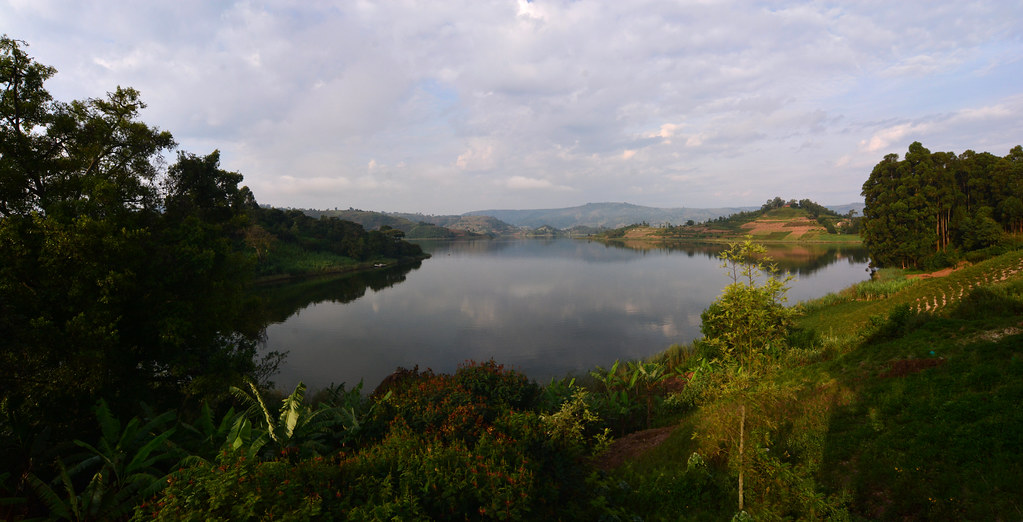
A trip to Lake Bunyonyi in Uganda.
February 9, 2026
Bird Watching in Kibale National Park, Uganda: A Comprehensive Guide
Uganda, widely celebrated as the Pearl of Africa, is a paradise for nature enthusiasts. While the country is renowned for its gorilla trekking and safaris in sprawling savannahs, it is also home to some of the richest bird habitats on the continent. Among these, Kibale National Park in western Uganda stands out as a premier destination for birdwatchers. Known as the “Primate Capital of the World” due to its remarkable chimpanzee population, Kibale equally impresses visitors with its avian diversity, hosting over 370 recorded bird species, including several rare and endemic species.
A birdwatching trip to Kibale is more than a leisurely activity—it is an immersive journey into a tropical rainforest alive with the songs, colors, and behaviors of countless bird species. From the early morning chorus that fills the dense forest to riverbanks and wetlands teeming with waterbirds, every step in Kibale offers opportunities to observe and connect with Uganda’s unique wildlife.
In this comprehensive guide, we explore everything a bird enthusiast needs to know about Kibale National Park: the types of birds, the best trails and itineraries, preparation tips, accommodation, nearby attractions, cultural context, and conservation insights.
Why Kibale National Park is a Birdwatcher’s Paradise
Kibale National Park covers approximately 795 square kilometers of tropical rainforest in western Uganda, near the border with the Democratic Republic of Congo. The park is situated within a region of high rainfall, averaging 1,500–1,800 mm per year, which helps maintain lush forests, riverine corridors, and wetlands—all ideal habitats for birds.
Its variety of habitats—primary and secondary forests, swampy wetlands, grassland edges, and riverine forests—supports both resident and migratory birds. The park’s accessibility, combined with knowledgeable local guides, ensures visitors can enjoy high-quality sightings and a well-structured birdwatching experience.
Kibale is particularly famous for its forest-dependent species, which are harder to find elsewhere in Uganda. The park is also a stopover for migratory birds from Europe and Asia, which arrive seasonally, creating dynamic and ever-changing birdwatching opportunities.
Bird Species in Kibale National Park
The avifauna in Kibale is exceptionally diverse. For clarity, birds can be categorized based on the habitat they frequent.
Forest Canopy Birds
The forest canopy in Kibale is home to some of the park’s most striking species:
-
Great Blue Turaco: A large bird with bright blue, green, and purple plumage; its calls echo through the forest.
-
Ross’s Turaco: Smaller than the Great Blue Turaco, with vivid green and red feathers.
-
African Green Broadbill: Rare and elusive, inhabiting the mid-canopy.
-
Yellow-billed Barbet: Small, active, and noisy, flitting through the upper forest layers.
-
Black-and-white-casqued Hornbill: Easily recognizable with its prominent casque, often found in pairs or small groups.
Understory and Shrub Layer Birds
Beneath the canopy, these birds are often more visible and active:
-
Red-headed Barbet: Bright red head and active movements make it a delight for birders.
-
African Dusky Flycatcher: Tiny and inconspicuous, requiring careful observation.
-
Forest Robin: Melodious calls contribute to the forest soundscape.
-
Grey-throated Tit-Flycatcher: Often found near streams or clearings.
Waterbirds and Wetland Species
The park’s rivers and swampy areas are home to a wide range of waterbirds:
-
African Jacana: Gracefully walks on floating vegetation.
-
Malachite Kingfisher: Bright blue and orange, dives for fish.
-
Black Crake: Moves stealthily through reeds and wetland grasses.
-
Grey Heron: Tall and elegant, hunting along streams and lakeshores.
Specialty Birds and Rare Sightings
Kibale offers sightings of rare and highly sought-after species:
-
Blue-headed Sunbird: Small nectar-feeding bird with striking iridescent blue plumage.
-
Purple-breasted Sunbird: Vibrant and shimmering in sunlight.
-
Dusky Long-tailed Cuckoo: Elusive, often heard rather than seen.
-
White-bellied Robin-Chat: Frequently found in the dense understory.
Hornbills and Frugivores
Kibale is also home to hornbills, turacos, and fruit-eating birds:
-
Crowned Hornbill: Found along forest edges, less elusive than larger hornbills.
-
Black-casqued Hornbill: Prefers dense forest interior.
-
Great Blue Turaco: Often seen in pairs or family groups, adding a splash of color to the canopy.
Planning Your Birdwatching Trip
To get the most out of a Kibale birdwatching trip, preparation is key.
Essential Gear
-
Binoculars: For spotting canopy and elusive species.
-
Camera with zoom lens: Capturing rare birds without disturbing them.
-
Field guides: East African or Ugandan guides for identification.
-
Neutral clothing: Brown, khaki, or green to blend with the environment.
-
Sturdy walking shoes: Trails can be muddy or uneven.
-
Insect repellent and sunscreen: Protect against mosquitoes and sun exposure.
-
Water and snacks: Birding excursions may last several hours.
Best Time to Visit
While birding is productive year-round, the dry seasons (December–February and June–August) are ideal. Trails are easier to navigate, and birds are often more visible as they forage for food and water. Migratory species are typically present during these periods, adding further excitement.
Birdwatching Itineraries
For serious birders, Kibale can be explored in multi-day trips. Here’s a sample itinerary for a 3-day birding experience:
Day 1: Arrival and Orientation
-
Arrive at Fort Portal or nearby town.
-
Evening briefing with a local birding guide.
-
Early walk near accommodation to familiarize with local species.
Day 2: Forest Birding
-
Early morning guided walk along Chimpanzee Trail. Expect to see canopy species like turacos and hornbills.
-
Midday break and lunch at a lodge.
-
Afternoon walk along Ngogo Trail, focusing on understory birds such as robins, flycatchers, and barbets.
-
Evening observation of nightjars and other nocturnal species.
Day 3: River and Wetland Birding
-
Morning canoe trip along the park’s rivers for waterbirds: African Jacanas, Malachite Kingfishers, Grey Herons, and Black Crakes.
-
Visit nearby wetlands for migratory shorebirds, depending on the season.
-
Late afternoon return and final observations at lodge surroundings, focusing on sunbirds, weavers, and frugivorous species.
This itinerary allows for both forest and waterbird diversity, ensuring a comprehensive experience of Kibale’s avifauna.
Combining Birding with Other Wildlife and Activities
Birding can be combined with other experiences:
-
Chimpanzee tracking: Kibale is home to approximately 1,500 chimpanzees. Early morning treks offer the chance to observe their behavior while also spotting birds along the way.
-
Primates: Red-tailed monkeys, L’Hoest’s monkeys, and black-and-white colobus monkeys are common and often seen alongside bird activity.
-
Nature walks: Explore diverse habitats within the park, including secondary forests and riverine areas.
-
Cultural experiences: Visits to nearby communities allow interaction with local people, who share their knowledge of forest resources and bird species.
Accommodation Options Near Kibale
A variety of lodges provide easy access to Kibale and comfortable bases for birding:
-
Kyaninga Lodge: Forest-edge cabins with panoramic views and abundant birdlife.
-
Ndali Lodge: Eco-friendly and immersed in forest surroundings.
-
Primate Lodge Kibale: Combines luxury with easy access to trails.
-
Papaya Lake Lodge: Close to the park with serene natural surroundings ideal for photography.
-
Bunyoni Lake Resort (nearby): Offers a combination of lake views and forest birding opportunities.
Many lodges provide guides, binoculars, and early-morning transport to trails for optimal birdwatching.
Nearby Attractions
Beyond birding, Kibale offers opportunities to explore Uganda’s natural and cultural beauty:
-
Bigodi Wetlands Sanctuary: A protected swamp area rich in birds, butterflies, and primates.
-
Rwenzori Mountains: Accessible for trekking and exploring highland birds.
-
Tea plantations and crater lakes: Located near Fort Portal, ideal for photography and relaxation.
-
Cultural villages: Learn about the Bakiga and Batooro people, their traditions, and use of forest resources.
Conservation and Ecotourism
Kibale National Park plays a vital role in avian conservation. The park protects primary rainforest, wetlands, and riverine habitats critical for both resident and migratory birds. Visitors contribute to conservation through entrance fees, guided tours, and eco-lodges that support sustainable tourism.
Local guides and communities are integral to birding experiences, providing knowledge, promoting eco-friendly practices, and protecting the forest for future generations. Birders are encouraged to follow guidelines, maintain quiet observation, and avoid disturbing nests or feeding wildlife.
Tips for a Successful Birdwatching Experience
-
Go early: Birds are most active in the morning.
-
Move quietly and patiently: Many species are shy.
-
Use guides: Local guides know where to find specific species.
-
Take notes: Record sightings for personal or scientific use.
-
Bring field guides and apps: Useful for identifying calls and plumage.
-
Respect wildlife: Avoid flash photography or sudden movements.
A birdwatching trip to Kibale National Park is an unforgettable adventure into one of Uganda’s richest natural habitats. With over 370 species, from canopy turacos and hornbills to understory robins and riverside kingfishers, the park offers an unparalleled birding experience.
Combining birding with chimpanzee tracking, nature walks, cultural visits, and eco-friendly lodges creates a holistic experience that appeals to both avid birders and nature lovers. Kibale is not just a destination; it is a vibrant, living classroom where every sound, color, and movement tells the story of Uganda’s remarkable biodiversity.
Whether you are seeking rare and elusive species, capturing photographs of vibrant birds, or simply immersing yourself in the rainforest’s beauty, Kibale National Park offers a birdwatching adventure unlike any other in Africa.