
How Long Can You Travel Around East Africa?
East Africa is a treasure trove for travelers – a region where sprawling savannahs meet misty mountains, and where wildlife roams freely across iconic landscapes. From the mountain gorillas of Uganda and Rwanda to the endless plains of Kenya and Tanzania, the opportunities for exploration are endless. For anyone planning a safari, hiking adventure, or cultural tour, the natural question arises: How long can I travel around East Africa?
The answer depends on several factors: visa regulations, passport nationality, personal travel plans, and your pace of adventure. Understanding these details helps ensure your journey is smooth, legally compliant, and maximally enjoyable.
Understanding Visa Durations in East Africa
Most East African countries issue tourist visas ranging from 30 to 90 days, which sets the legal timeframe for your stay. Some nations, like Uganda, Kenya, and Rwanda, offer a combined East Africa Tourist Visa, allowing visitors to explore all three countries on a single permit for up to 90 days.
This unified visa is particularly convenient for travelers planning multi-country safaris. Imagine starting your journey tracking mountain gorillas in Uganda‘s Bwindi Forest, then flying to Kenya for a Big Five safari in the Maasai Mara, and finally exploring Rwanda’s Volcanoes National Park – all without worrying about separate visa applications.
Tanzania operates its own visa system, typically allowing stays of up to 90 days per entry. Travelers wanting to include Zanzibar or the Serengeti in their itinerary will need to apply separately.
For most tourists, a stay of one to three months is more than sufficient to experience East Africa’s highlights, provided you plan your route efficiently.
Can You Stay Longer Than 90 Days?
If you wish to extend your East African adventure beyond 90 days, there are options:
-
Visa extensions: Some countries allow travelers to apply for extensions at immigration offices. This process varies in complexity and approval is not guaranteed.
-
Visa runs: Leaving the country briefly and re-entering on a fresh visa is a common strategy, though it requires careful planning and extra costs.
-
Special visas: Certain business, volunteer, or long-term permits may allow for extended stays, but they often come with stricter requirements.
For typical safari-focused trips, however, 30-90 days is more than enough to explore wildlife reserves, cultural sites, and natural wonders at a relaxed pace.
Typical Travel Durations for Safari Enthusiasts
While visas define the legal maximum, travelers often choose durations based on the richness of experiences they want:
-
7-10 days: A single-country safari, such as the Maasai Mara in Kenya or Bwindi Impenetrable Forest in Uganda, allows focused wildlife experiences.
-
10-14 days: Multi-country trips become possible, combining gorilla trekking, big game safaris, and cultural visits.
-
14-21 days: A comprehensive East African tour that includes Uganda, Rwanda, Kenya, and Tanzania, covering gorilla and chimpanzee trekking, savannah safaris, and lake or beach relaxation.
-
3-4 weeks or more: Ideal for travelers seeking an immersive journey, including hiking, cultural experiences, and slow travel across multiple countries.
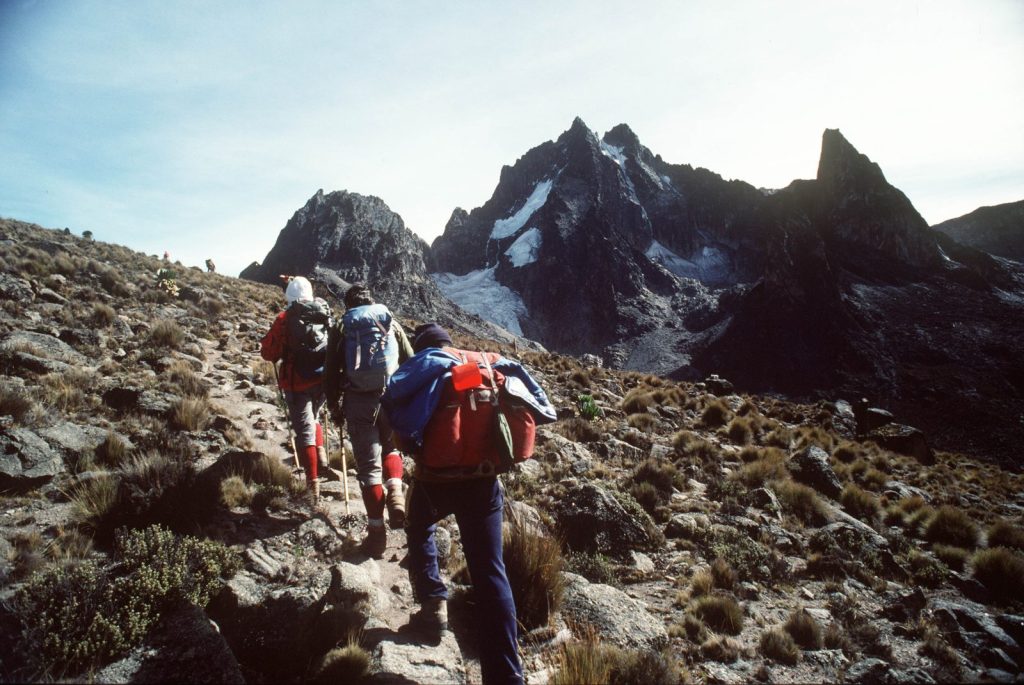
Even within 2-4 weeks, you can experience a mix of wildlife, landscapes, and local cultures without feeling rushed. For travelers who wish to explore off-the-beaten-path destinations like the Rwenzori Mountains, Mount Elgon, or Lake Victoria islands, longer itineraries allow for deeper exploration.
Practical Considerations
Even if visas allow extended stays, practical factors often influence how long you travel:
-
Budget: Safari costs vary from budget lodges to luxury camps. Longer trips require careful financial planning.
-
Energy and pace: Safaris involve early mornings, long game drives, and hiking. Overpacking too many destinations can lead to fatigue.
-
Seasonal considerations: Wildlife viewing peaks vary by country and season. Planning your itinerary around the best months for gorilla trekking, the Great Migration, or birdwatching maximizes your experience.
-
Health coverage: Travel insurance and vaccination requirements should cover your full duration in East Africa.
-
Flight logistics: Long-haul travel and multiple internal flights may affect how many destinations you can comfortably visit.
A well-planned itinerary balances adventure with downtime, ensuring you enjoy the landscapes, wildlife, and cultural experiences fully.
Sample Travel Itinerary
A thoughtfully planned three-week East African safari might look like this:
Week 1 – Kenya: Maasai Mara and Amboseli National Park for Big Five safaris, guided cultural tours with Maasai communities.
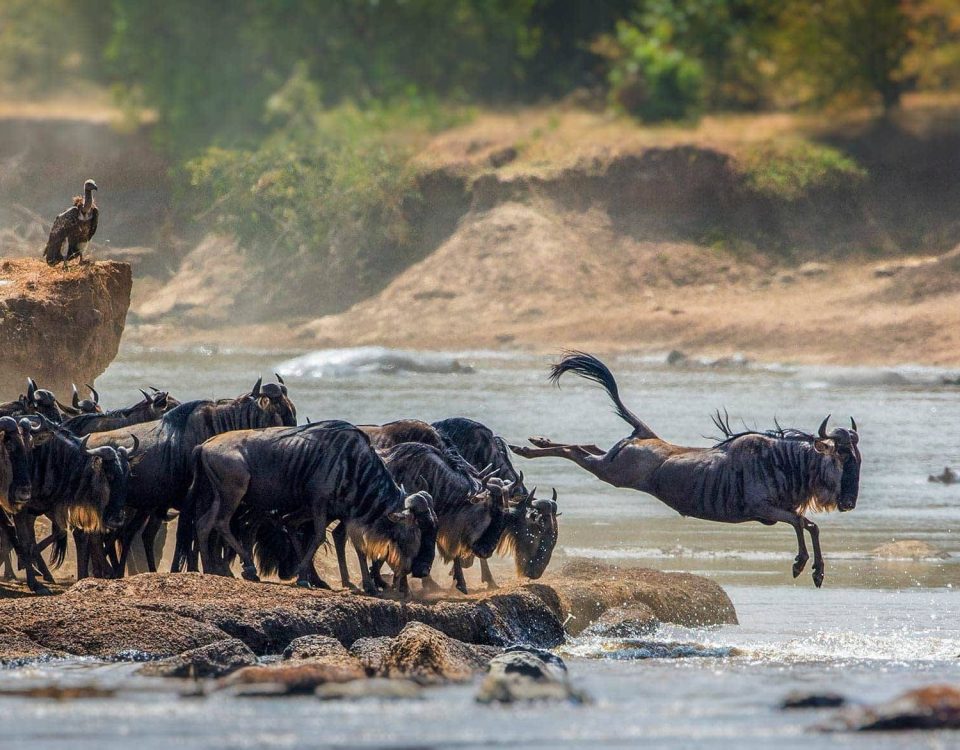
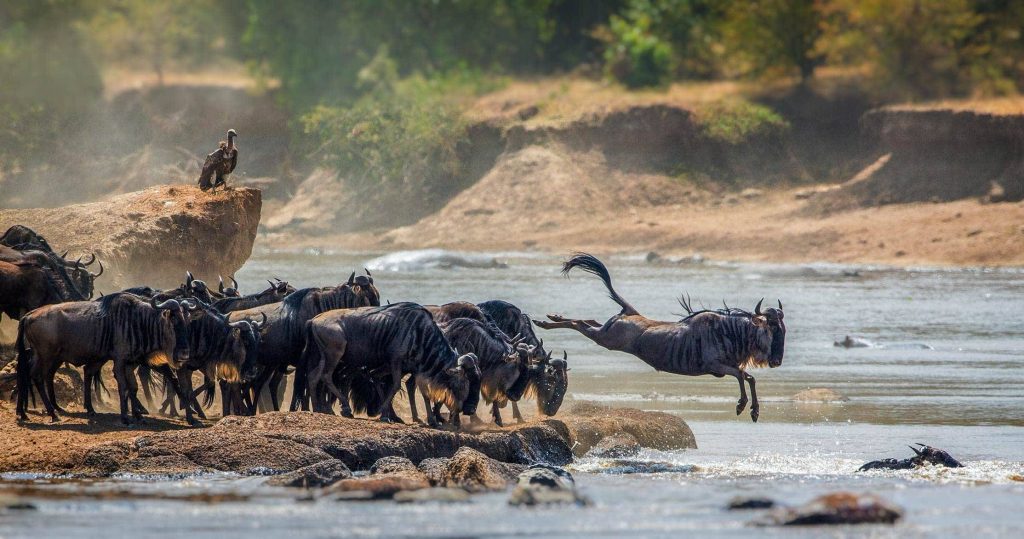
Week 2 – Tanzania: Serengeti National Park for wildlife migration viewing, Ngorongoro Crater for spectacular scenery, and optional extension to Zanzibar for beach relaxation.
Week 3 – Uganda or Rwanda: Gorilla trekking in Bwindi or Volcanoes National Park, chimpanzee trekking in Kibale Forest, and exploring local villages for cultural immersion.
This pace allows for immersive experiences without rushing between destinations, while staying comfortably within visa limits.
Legal and Safety Notes
Your travel duration must comply with visa regulations to avoid fines or travel restrictions. Overstaying can lead to penalties or temporary bans from entering a country.
While political unrest in other parts of the world may influence travel logistics, East Africa itself is largely stable for tourism. Established safari destinations maintain strong security measures, ranger patrols, and professional guides, ensuring travelers can explore safely.
Travelers should maintain standard precautions:
-
Book with reputable tour operators
-
Follow park rules and local advice
-
Keep emergency contacts and travel insurance ready
-
Monitor entry and exit dates carefully
Conclusion
How long you can travel around East Africa depends on your visa type, travel goals, and personal schedule. Most travelers can explore 30 to 90 days legally, with multi-country trips made easy by the East Africa Tourist Visa.
For safari enthusiasts, a 2-4 week journey often provides the ideal balance between wildlife encounters, cultural experiences, and relaxation. Longer trips up to three months allow for deeper exploration and the inclusion of secondary destinations.
Ultimately, East Africa’s beauty, wildlife, and culture are vast enough to fill weeks or months of travel. With proper planning, legal compliance, and a clear itinerary, you can enjoy a seamless, unforgettable East African adventure without restriction.
Top Things to Do in Zanzibar
Zanzibar offers far more than white-sand beaches and turquoise waters – though those alone would be reason enough to visit. The island is a rich tapestry of Swahili culture, colonial history, spice plantations, and extraordinary marine life.
- Explore Stone Town: A UNESCO World Heritage Site, Stone Town is a labyrinth of narrow streets, carved wooden doors, bustling markets, and centuries-old Arab, Indian, and European architecture. Don’t miss the House of Wonders, the Old Fort, and the Darajani Market.
- Visit a spice farm: Zanzibar earned its name as the “Spice Island” for good reason. A guided spice farm tour introduces you to cloves, vanilla, cinnamon, cardamom, black pepper, and turmeric growing in their natural environment.
- Snorkel or dive: The waters around Zanzibar are home to colourful coral reefs, sea turtles, dolphins, whale sharks, and over 500 fish species. Mnemba Atoll is one of East Africa’s premier dive sites.
- Watch dolphins in Kizimkazi: The shallow, sheltered waters of Kizimkazi on the south coast are home to pods of bottlenose and spinner dolphins. Early morning boat trips offer a good chance of seeing them.
- Relax on Nungwi or Kendwa Beach: The north coast beaches at Nungwi and Kendwa have calm, clear water (unaffected by tides) and a lively beach bar atmosphere. Perfect for swimming, sunset drinks, and beach volleyball.
- Visit Prison Island: A short boat ride from Stone Town, Prison Island (Changuu Island) was once used to quarantine yellow fever patients. Today it is home to a colony of giant Aldabra tortoises, some over 100 years old.
Recommended Tours: 4 Days Bwindi Gorilla Trekking Safari | 3 Days Bwindi Gorilla Trekking