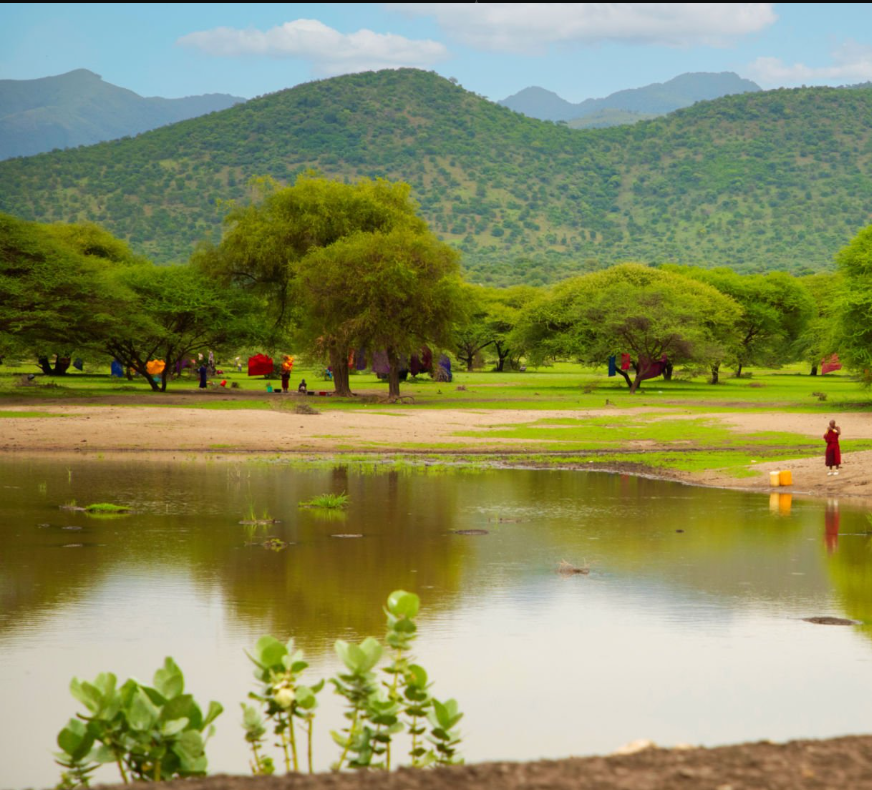
Discover Tanzania’s Hidden Gems in Off-the-Beaten-Path Destinations
March 29, 2026
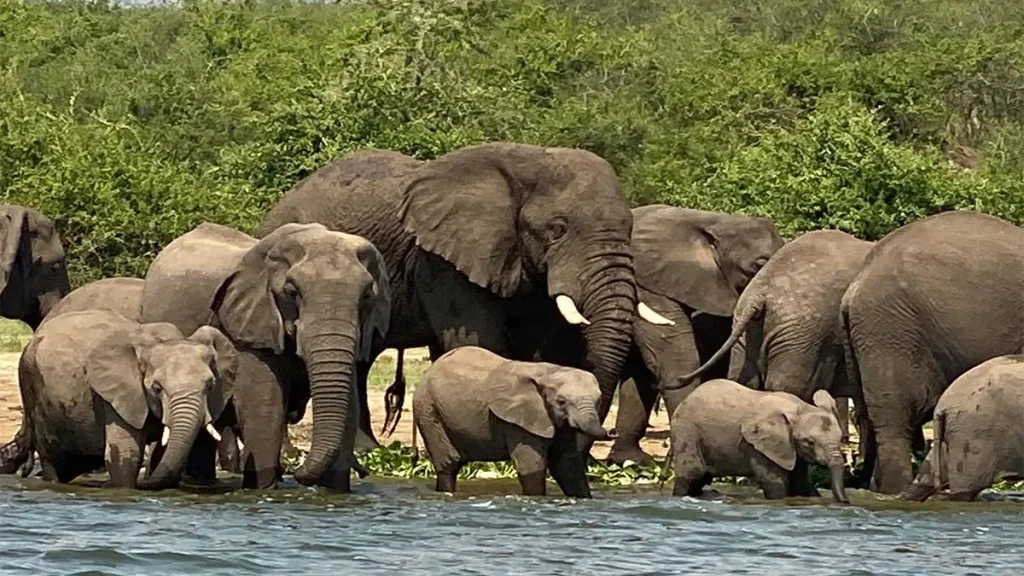
Queen Elizabeth National Park
March 30, 2026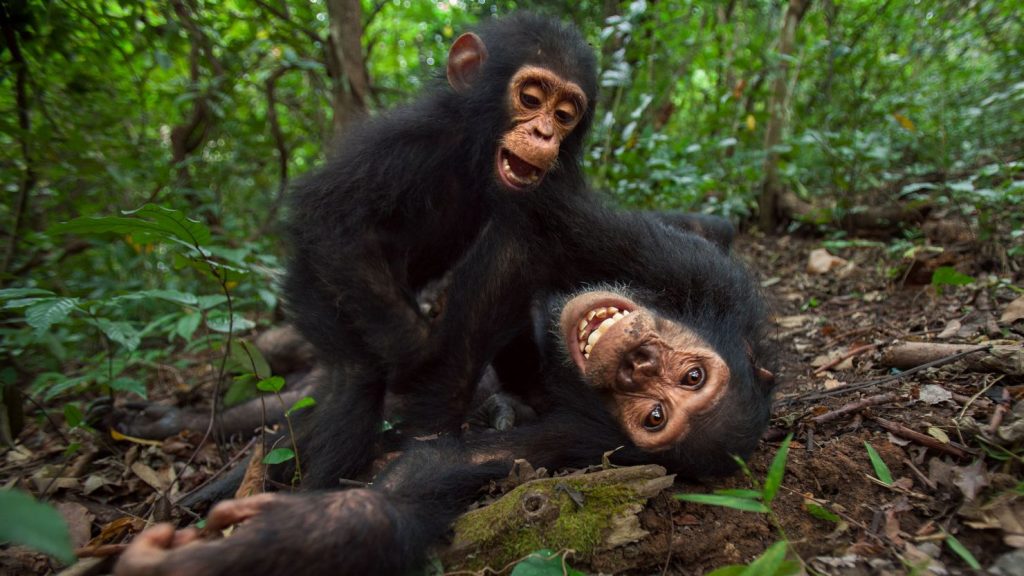
Chimpanzee Behavior: What You’ll Witness on a Tracking Experience
Tracking chimpanzees in the wild is one of the most thrilling wildlife encounters you can experience in Uganda and across East Africa. Unlike gorillas, chimpanzees are highly energetic, vocal, and constantly on the move, making every tracking experience feel dynamic and unpredictable.
In forests like Kibale National Park, visitors step into a lively primate world filled with sound, movement, and complex social interactions. What you witness is not just wildlife viewing—it is a glimpse into a society that closely mirrors human behavior.
The First Signs: Sounds in the Forest
Before you even see a chimpanzee, you will likely hear them. The forest comes alive with loud pant-hoots, screams, and drumming on tree trunks. These calls echo through the canopy, helping chimpanzees communicate across long distances.
Your guide will pause, listen carefully, and then lead you toward the source. The excitement builds as the sounds grow louder, signaling that you are getting close.
Constant Movement and Energy
Chimpanzees are incredibly active. Once you find them, you may need to keep moving as they swing through trees, climb, or travel across the forest floor.
Unlike gorillas, which often stay in one area, chimpanzees rarely sit still. This creates a fast-paced tracking experience that requires attention and quick reactions.
You may watch them leap effortlessly between branches or run through the undergrowth, displaying their remarkable agility.
Social Structure and Group Life
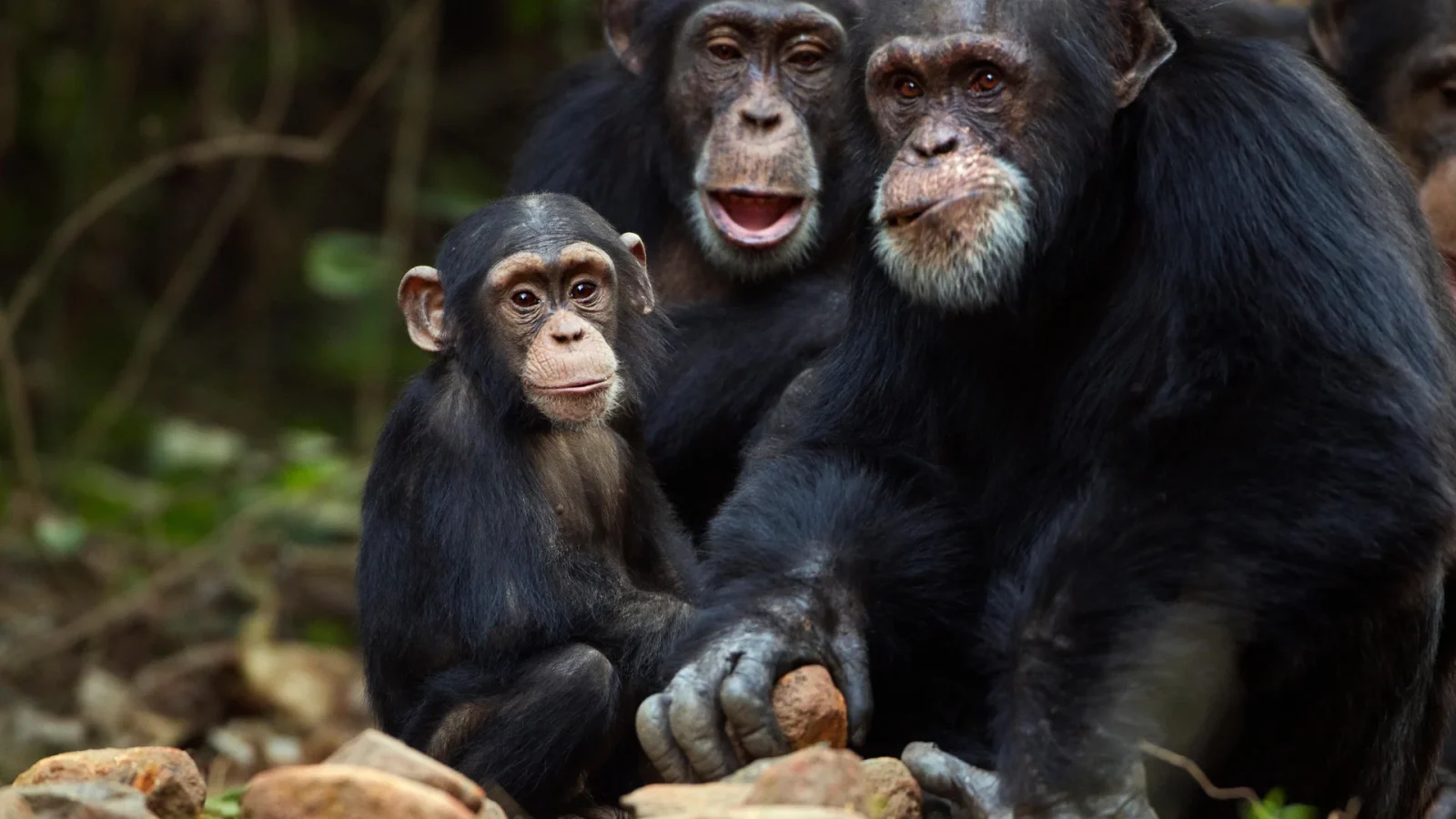
Chimpanzees live in complex social groups known as communities. These groups can include dozens of individuals, though you may encounter smaller sub-groups during your trek.
Within the group, there is a clear hierarchy. Dominant males often assert control through displays of strength, loud calls, and physical gestures. Observing these interactions gives you insight into their leadership and social order.
Females, juveniles, and infants each play their own roles, contributing to the group’s dynamic nature.
Grooming: Bonds and Relationships
One of the most fascinating behaviors you will witness is grooming. Chimpanzees spend a significant amount of time picking through each other’s fur, removing dirt and parasites.
This behavior is not just about hygiene—it is a key part of building relationships and maintaining social bonds.
Watching two chimpanzees groom each other calmly in the midst of a busy forest offers a peaceful contrast to their otherwise energetic lifestyle.
Feeding Habits
Chimpanzees are omnivores, and their diet is diverse. During your tracking experience, you may see them feeding on fruits, leaves, seeds, and occasionally insects.
In some cases, chimpanzees may even hunt small animals, showcasing their intelligence and cooperation.
Feeding moments are often quieter, allowing for closer observation as they sit and eat in groups or individually.
Playful Youngsters
Young chimpanzees bring life and excitement to the group. They are playful, curious, and constantly interacting with one another.
You might see them chasing each other, wrestling, or swinging from branches in what appears to be pure joy. These moments are not only entertaining but also important for their development and social learning.
Chimpanzee Behavior
Communication and Intelligence
Chimpanzees communicate using a combination of vocal sounds, facial expressions, and body language.
A simple glance, gesture, or call can convey a range of emotions—from warning signals to invitations to play.
Their intelligence is evident in how they solve problems, use tools, and interact with their environment. Observing these behaviors often feels like watching a reflection of human society.
Displays of Strength and Dominance
At times, you may witness dramatic displays by dominant males. These can include charging through the forest, shaking branches, and making loud vocalizations.
Such displays are meant to assert authority and maintain order within the group. While they may seem intense, they are a natural part of chimpanzee social structure.
Guides ensure that visitors observe these moments safely and from an appropriate distance.
The Forest Setting
The environment plays a major role in shaping the experience. In Kibale National Park, the dense forest canopy, filtered sunlight, and rich biodiversity create a vivid backdrop for chimpanzee activity.
Every step through the forest reveals something new—birds calling, leaves rustling, and the occasional glimpse of other wildlife.
The setting itself enhances the sense of immersion, making the encounter feel truly wild and authentic.
A Fast-Paced and Unpredictable Experience
Chimpanzee tracking is not a passive activity. It requires movement, attention, and a willingness to adapt.
Because chimpanzees move quickly and unpredictably, no two tracking experiences are ever the same.
This unpredictability is what makes the experience so exciting. You are not just observing—you are actively following and engaging with the natural world.
Respecting Wildlife and Guidelines
As with all wildlife experiences, respect is essential. Visitors are required to maintain a safe distance and follow the guidance of experienced rangers.
This ensures the safety of both humans and chimpanzees while preserving their natural behavior.
By following these rules, you contribute to conservation efforts and help protect these incredible primates for future generations.
A Deeply Memorable Encounter
Tracking chimpanzees is more than just seeing animals—it is about witnessing life in its raw, natural form. From loud calls echoing through the forest to quiet grooming moments, every interaction reveals something profound.
In places like Kibale National Park, you come face to face with one of humanity’s closest relatives, gaining a deeper appreciation for their intelligence, social complexity, and connection to us.
It is an experience that stays with you long after you leave the forest—a vivid reminder of the beauty and diversity of the natural world.