Awash National Park
January 28, 2026
Salonga National Park
January 28, 2026


Kahuzi-Biega National Park
Kahuzi‑Biega National Park is one of Central Africa’s most extraordinary wildlife sanctuaries — a majestic wilderness of dense rainforests, towering volcanoes, mist‑shrouded mountains, and rich biodiversity tucked into the eastern highlands of the Democratic Republic of the Congo (DRC). Designated a UNESCO World Heritage Site in 1980, the park protects ancient forest ecosystems and provides a vital refuge for the endangered eastern lowland gorilla (Gorilla beringei graueri), one of the most critically threatened great ape subspecies on Earth.



Attractions In Rwanda
Attractions In Tanzania
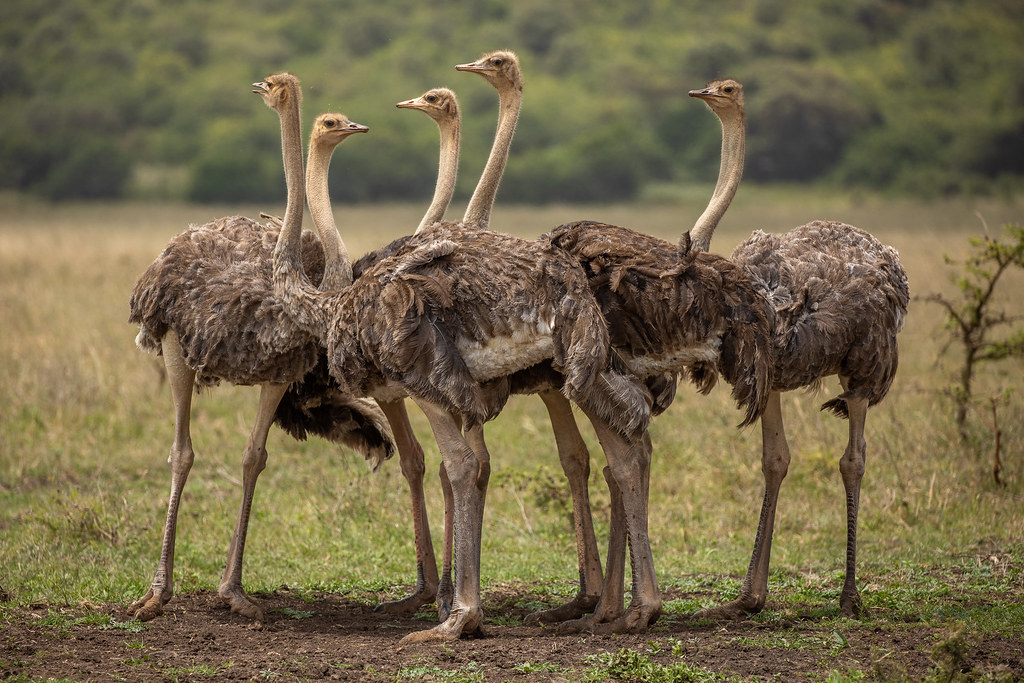
Uganda Gorilla Trekking Experience
Discover Uganda’s gorilla trekking experience where misty rainforests shelter mountain gorillas, ancient trails wind through Bwindi’s depths, and every step brings you closer to one of Africa’s most profound wildlife encounters, blending raw nature, conservation, and lasting memories.
Kahuzi-Biega National Park: National Parks and Protected Areas
A Landscape of Rainforest, Mountains, and Waterways
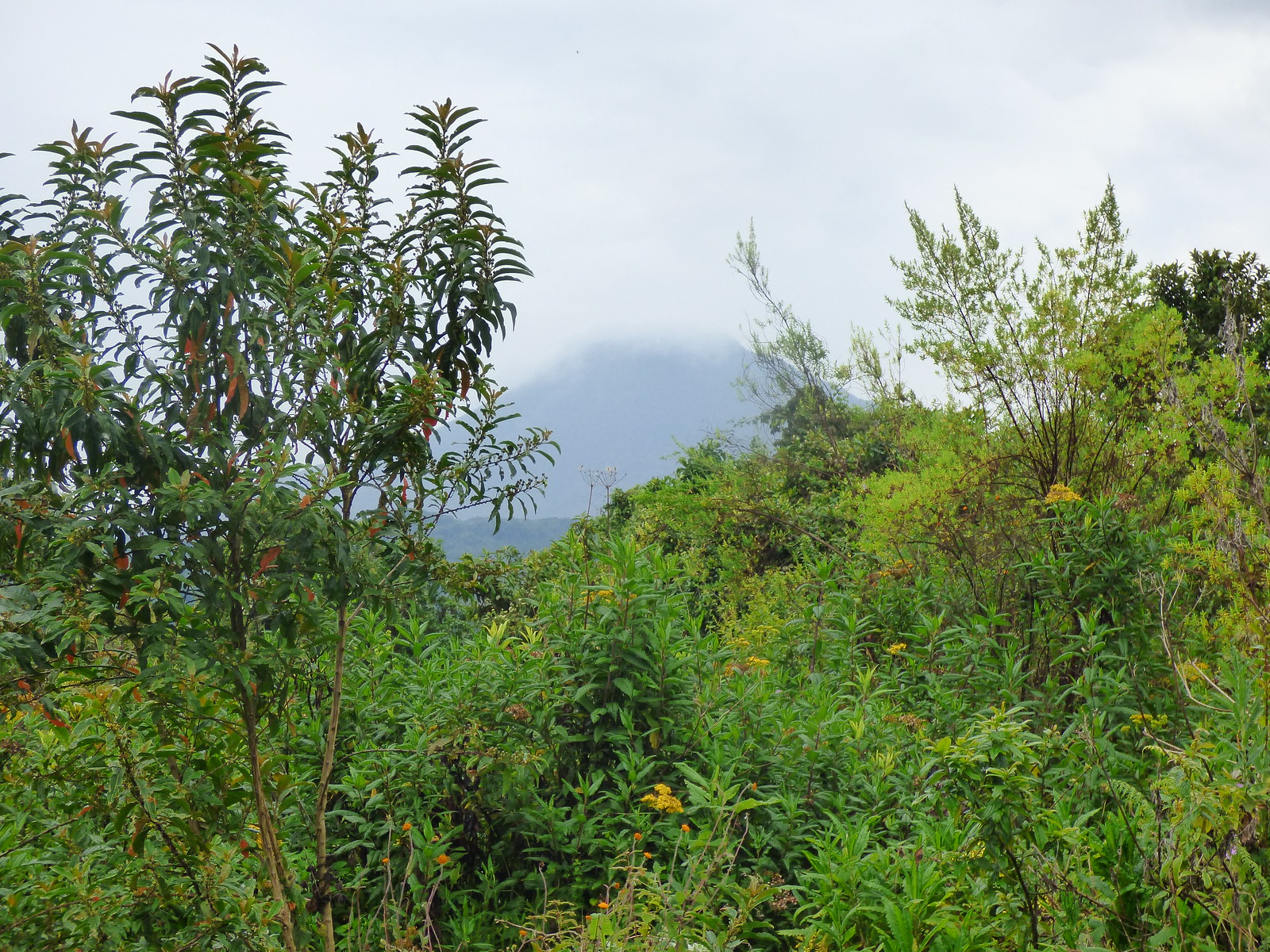
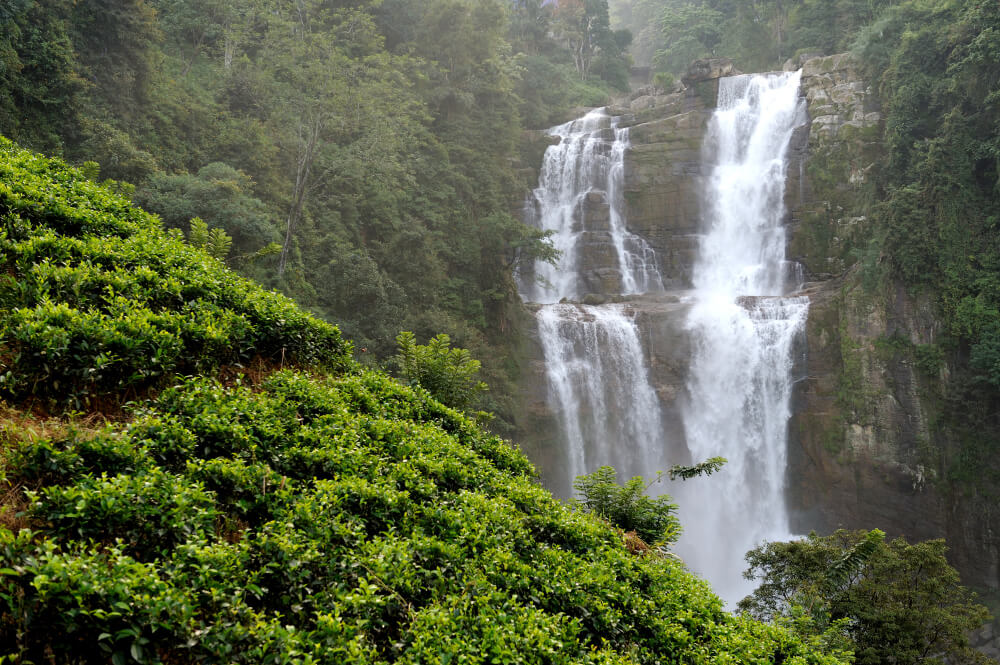
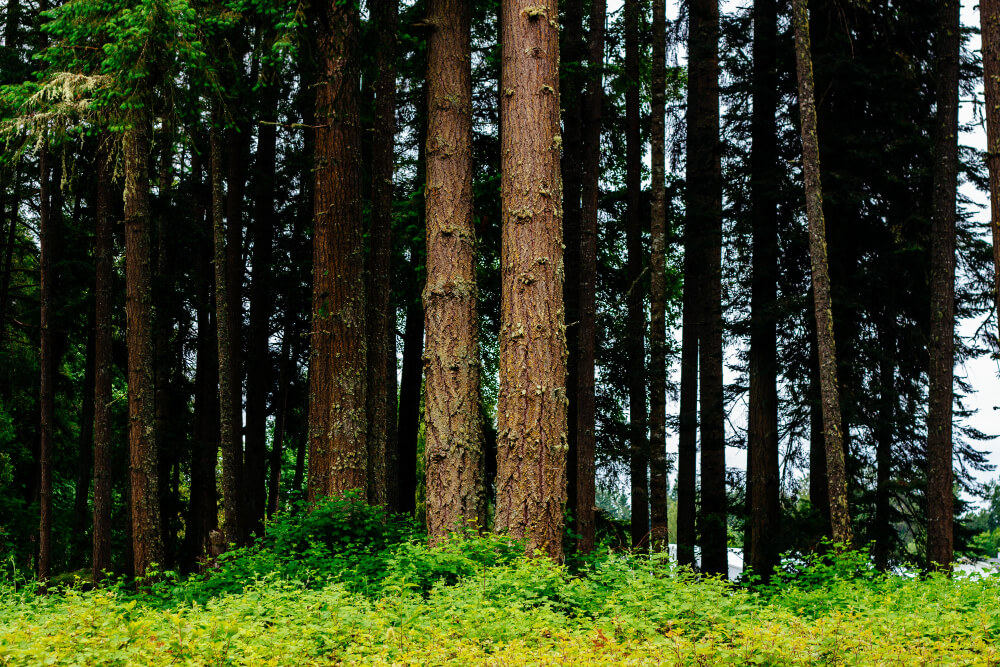
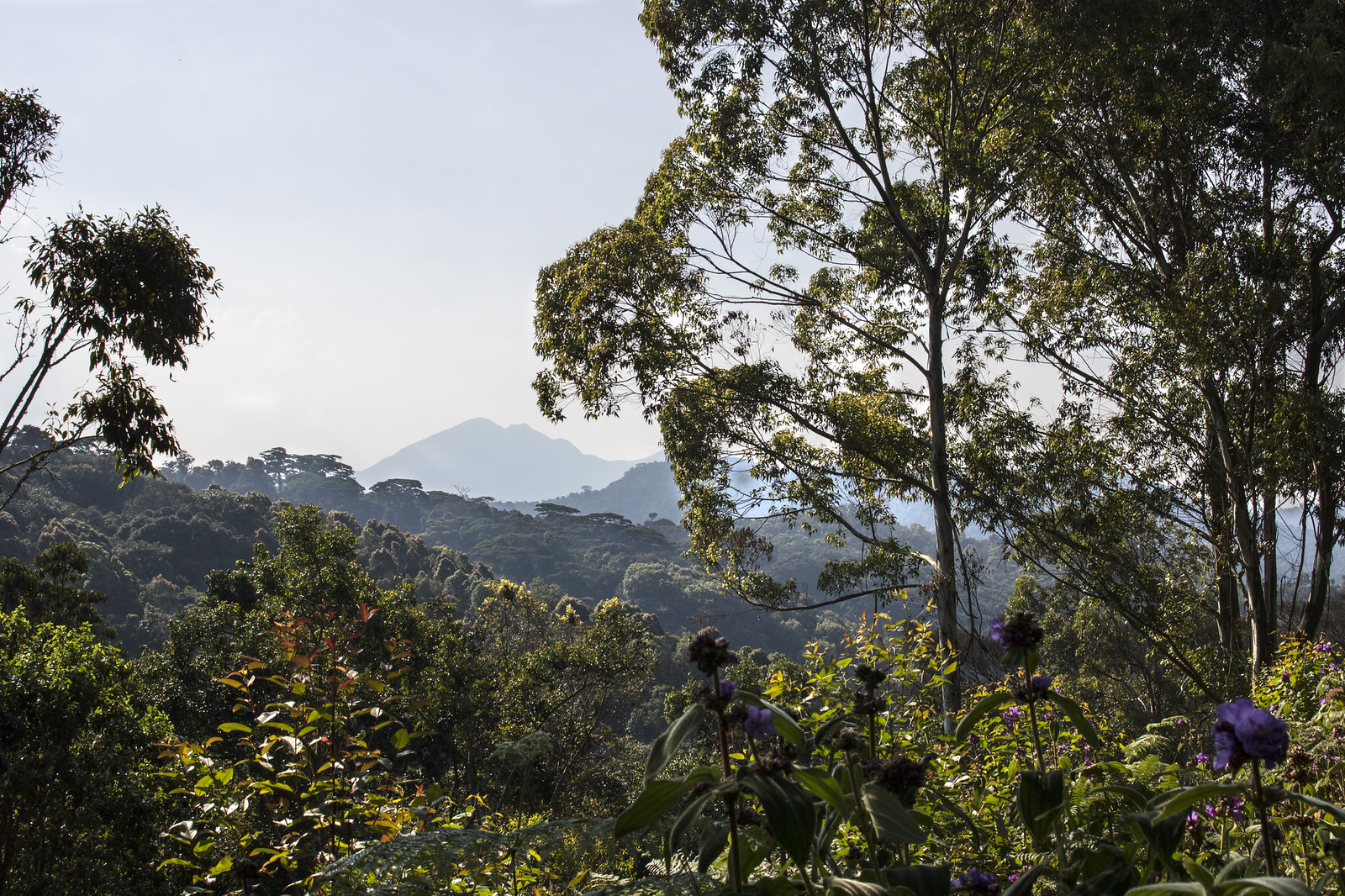
Kahuzi‑Biega National Park spans roughly 6,000 square kilometers (2,300 square miles) of rugged terrain. The park encompasses two major volcanoes — Mount Kahuzi (3,308 m) and Mount Biega (2,790 m) — whose slopes are cloaked in layers of montane and lowland rainforest. The forests here are ancient, part of the vast Congo Basin ecosystem that once stretched unbroken from West Africa to Central Africa’s eastern highlands.
The park also includes a network of rivers, swamps, and lush valleys. This combination of montane forest, lowland rainforest, and rugged ridges provides a variety of habitats that sustain a remarkable diversity of life — from rare primates and forest antelopes to vibrant birdlife and an astonishing array of plant species.
Eastern Lowland Gorillas: Primates of the Forest Depths
The eastern lowland gorilla — also known as Grauer’s gorilla — is the flagship species of Kahuzi‑Biega. Larger and heavier than their mountain gorilla cousins, these gorillas once ranged widely across eastern DRC’s forests. Over the past decades, however, habitat loss, civil unrest, and intense poaching have reduced their range drastically, making parks like Kahuzi‑Biega absolutely critical to their survival.
Tracking eastern lowland gorillas in Kahuzi‑Biega is a unique experience. Due to limited habituation compared with gorilla tourism in Uganda and Rwanda, encounters here are still adventurous and unpredictable. Groups live deep in the forest, and seeing them requires patience, quiet movement, and the guidance of expert trackers who interpret nests, vocalizations, and footpaths through dense vegetation.
Observing these gorillas in the wild — watching juveniles play, adults forage, and family groups interact — offers a rare window into their rich social lives and underscores the fragility of their existence.
Other Notable Wildlife
While gorillas are the prime draw, Kahuzi‑Biega supports a wide range of other species that make the park a biodiversity hotspot:
Chimpanzees and Monkeys
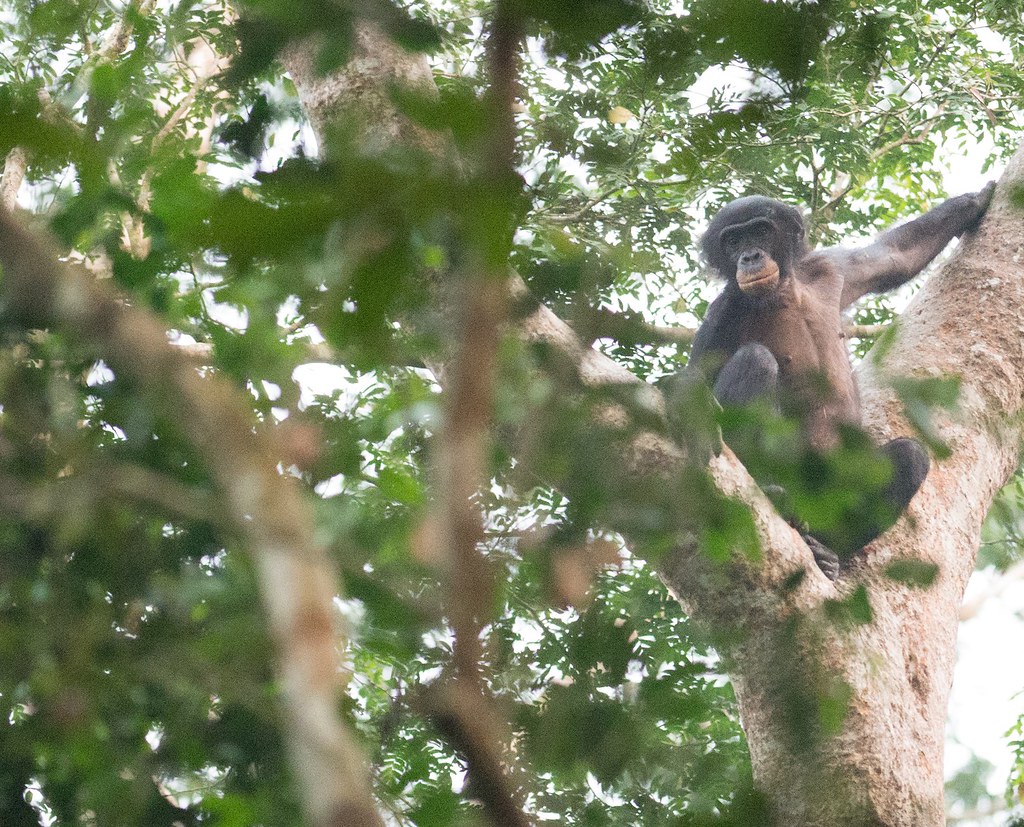
Chimpanzees inhabit parts of the park, though sightings are less common than in East Africa’s better‑known primate forests. Other primates include blue monkeys, red colobus monkeys, black‑and‑white colobus monkeys, and L’Hoest’s monkeys. Each species contributes to the forest’s ecological balance and offers excellent opportunities for wildlife observation.
Forest Elephants and Ungulates
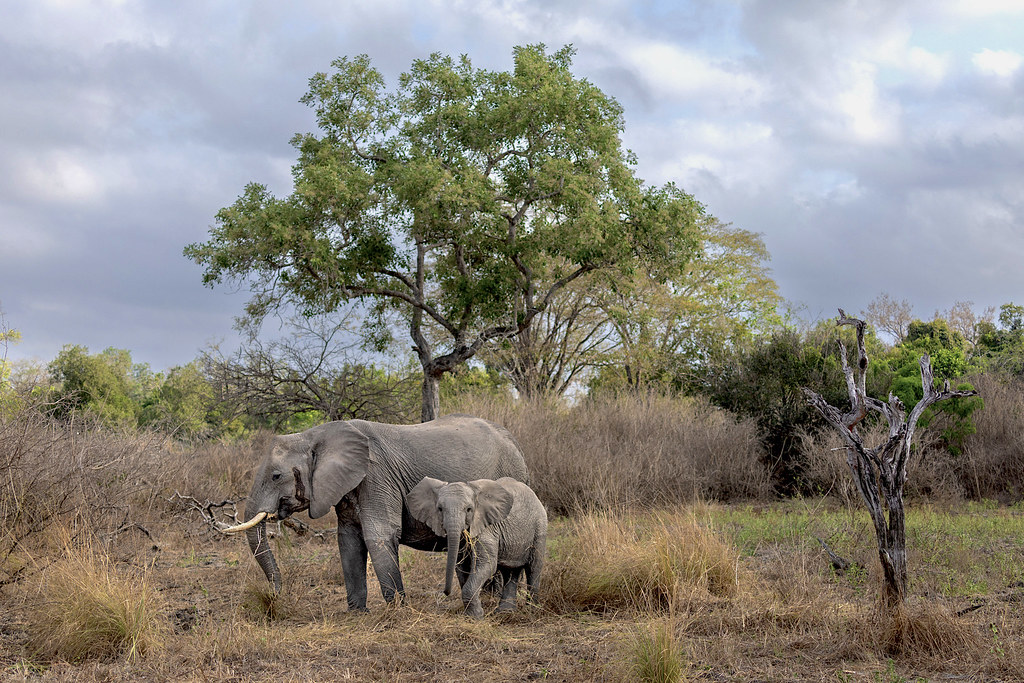
Forest elephants — smaller and more elusive than savannah elephants — roam the park’s lower elevations. These gentle giants play a vital role in seed dispersal and forest regeneration. Other ungulates, such as bushbucks, duikers, and sitatungas, inhabit wetlands and forest margins, often glimpsed at dawn or dusk.
Carnivores and Small Mammals
The park also supports elusive carnivores like leopards and smaller forest cats. Herbivores and omnivores such as giant forest hogs and palm civets add to the complexity of the forest food web, though their secretive nature means they are rarely seen.
Birdlife Beyond Compare
Birdwatchers will find Kahuzi‑Biega exhilarating. With over 370 bird species recorded, including Albertine Rift endemics and forest specialists, the park is a paradise for ornithologists. Among the most sought after are the handsome francolin, Rwenzori batis, African pitta, red‑rumped warbler, and myriad woodpeckers, turacos, and raptors that thrive in montane and swamp forests alike.
A Tapestry of Habitats
Different altitudes in Kahuzi‑Biega produce distinct ecological zones:
Lower Elevation Rainforest: Thick, humid, and rich in tree diversity, this zone supports gorillas, elephants, and a host of understory wildlife. The deep shade and dense vines characterize a world where sound often reveals more than sight.
Montane Forest: Higher elevations, especially on the slopes of Mount Kahuzi, transition to montane habitats with cooler temperatures, mossy trees, and rare plant species. Birdlife here can differ markedly from that of the lowlands.
Swamps and Riparian Edges: Wetlands and river corridors are rich in amphibians, aquatic birds, and unique plant communities. These zones are vital for species that rely on water or transitional forest edges.
This mosaic of habitats within a single park is part of why Kahuzi‑Biega’s conservation value is so high.
Conservation Challenges and Progress
Kahuzi‑Biega faces significant conservation pressures. Decades of political instability in eastern Congo allowed bushmeat hunting, illegal logging, and mining to erode wildlife populations and degrade forests. Poaching, in particular, has devastated gorilla subpopulations in parts of the park.
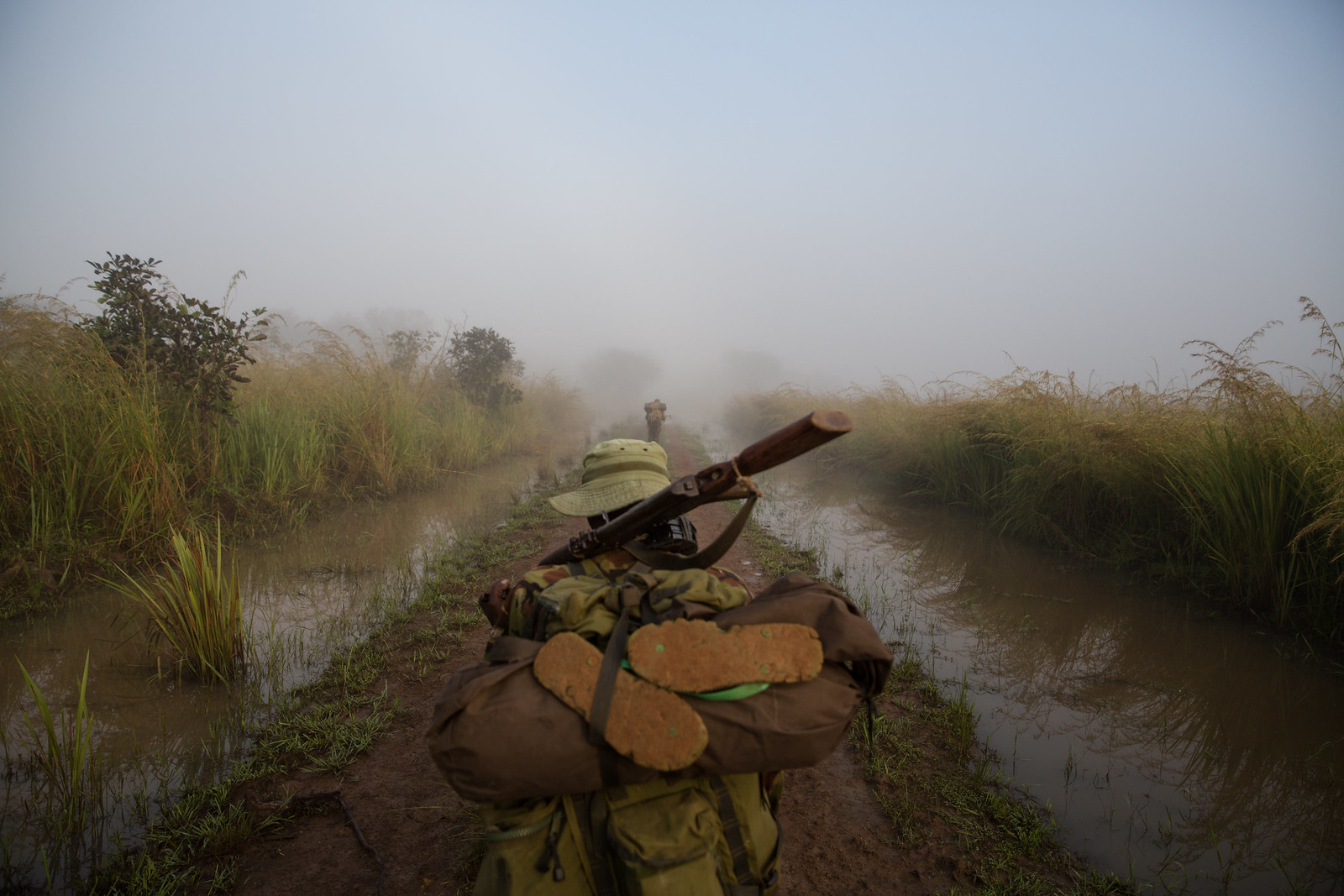
In recent years, however, joint efforts by the Institut Congolais pour la Conservation de la Nature (ICCN) and international conservation partners have helped improve protection and monitoring. Ranger patrols, community outreach, and research collaborations aim to reduce illegal activity and gather data essential for long‑term management. These efforts are making inroads, but challenges remain — especially in remote zones where access is difficult and governance limited.
Visiting Kahuzi‑Biega: What to Expect
Unlike the heavily touristed parks of East Africa, Kahuzi‑Biega’s tourism infrastructure is modest. However, for adventurous travelers willing to embrace its challenges, the experience is deeply rewarding.
Gorilla Tracking
Eastern lowland gorilla tracking in Kahuzi‑Biega is an immersive, often physically demanding activity that can last several hours through dense forest and steep terrain. Groups are tracked based on nest surveys, vocalizations, and the expertise of local trackers. Once gorillas are located, visitors may spend a limited time observing them under strict guidelines to minimize stress and disease transmission — an ethical approach to wildlife tourism that aligns with conservation goals.
Nature Walks and Birdwatching
Guided walks along forest trails provide excellent opportunities to see other primates, birds, and forest flora. Early mornings and late afternoons are particularly fruitful for wildlife observation.
Interaction with Local Communities
Communities around Kahuzi‑Biega have deep cultural and historical ties to the forest. Community‑based tourism helps support local economies and strengthens the value of conservation. Visiting villages, participating in cultural exchanges, and understanding the human dimension of conservation enhances the overall travel experience.
Practical Tips for Travelers
Travel to Kahuzi‑Biega requires careful planning:
Access and Logistics: The park is accessed from the city of Bukavu, a regional hub that serves as the gateway for most visits. Roads can be rough and conditions change with the seasons, so travel time may be longer than expected.
Health Preparations: Yellow fever vaccination is mandatory, and malaria prophylaxis is strongly advised. Forest conditions mean mosquitoes and other insects are abundant; insect repellent and long‑sleeved clothing help with protection.
Permits and Guides: Gorilla permits and park entry fees are managed by the ICCN. Hiring experienced local guides enhances safety and the quality of wildlife encounters.
Responsible Travel: Follow ethical wildlife guidelines — maintain distance, avoid loud noises, and do not feed or touch animals. Responsible tourism contributes directly to conservation efforts.
The Magic of an Untamed Wilderness
Kahuzi‑Biega National Park is more than a destination — it is a living tapestry of life, where fog clings to mossy trees, rivers carve silent paths through green corridors, and rare primates continue their ancient rhythms beneath a towering forest canopy. For those who seek a safari that goes beyond scenic savannahs and big cat sightings, this park offers an intimate, unforgettable encounter with one of Africa’s most majestic and vulnerable natural kingdoms.
It is a place where conservation matters not just in theory but in practice; where every ranger patrol, every scientific survey, and every foreign visitor contributes to a larger story of survival, resilience, and hope for Africa’s great apes and the forests they call home.
Kahuzi‑Biega reminds travelers that true wilderness still exists — and that protecting it is a journey worth undertaking.
Our Recommended Tour Ideas
Please the content should be 130 characters.
Please the content should be 130 characters.

5 days in Rwanda trekking mountain gorillas and tracking diverse primates in Volcanoes and Nyungwe forests.

Please the content should be 130 characters.

Please the content should be 130 characters.
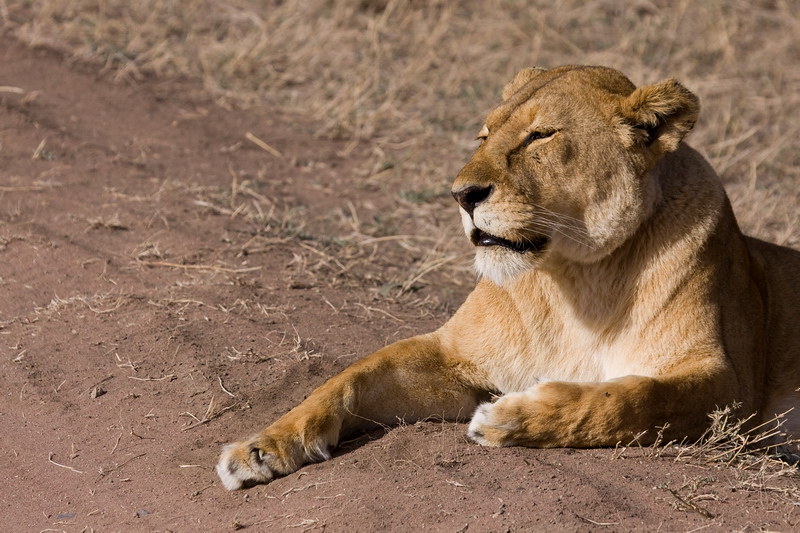
Explore gorilla trekking, Big Five game drives, Nile cruises, and cultural highlights across Uganda.


Please the content should be 130 characters.
What Our Travelers Enjoyed About Primate Safaris

Gorillas "Silverback"
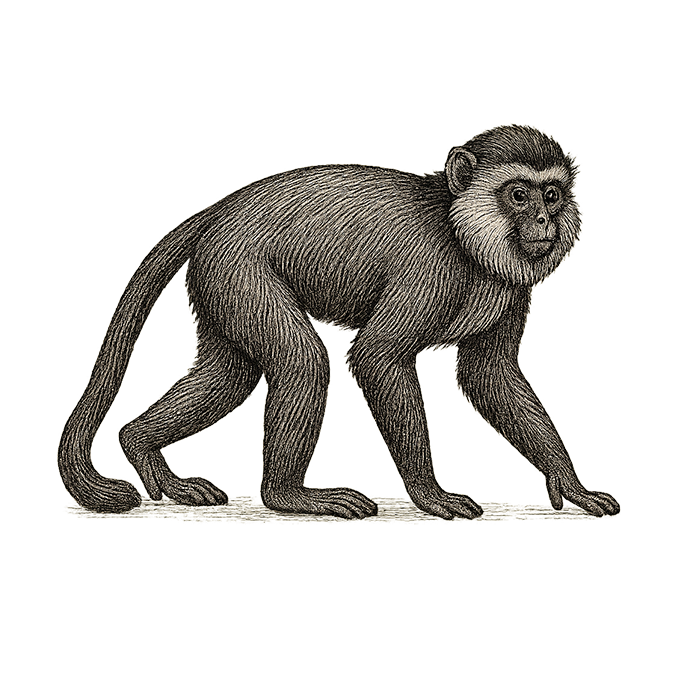
Golden Monkey "Photogenic"

Chimpanzees "Pant-hoot"