Maiko National Park
January 28, 2026
Mangroves National Park
January 28, 2026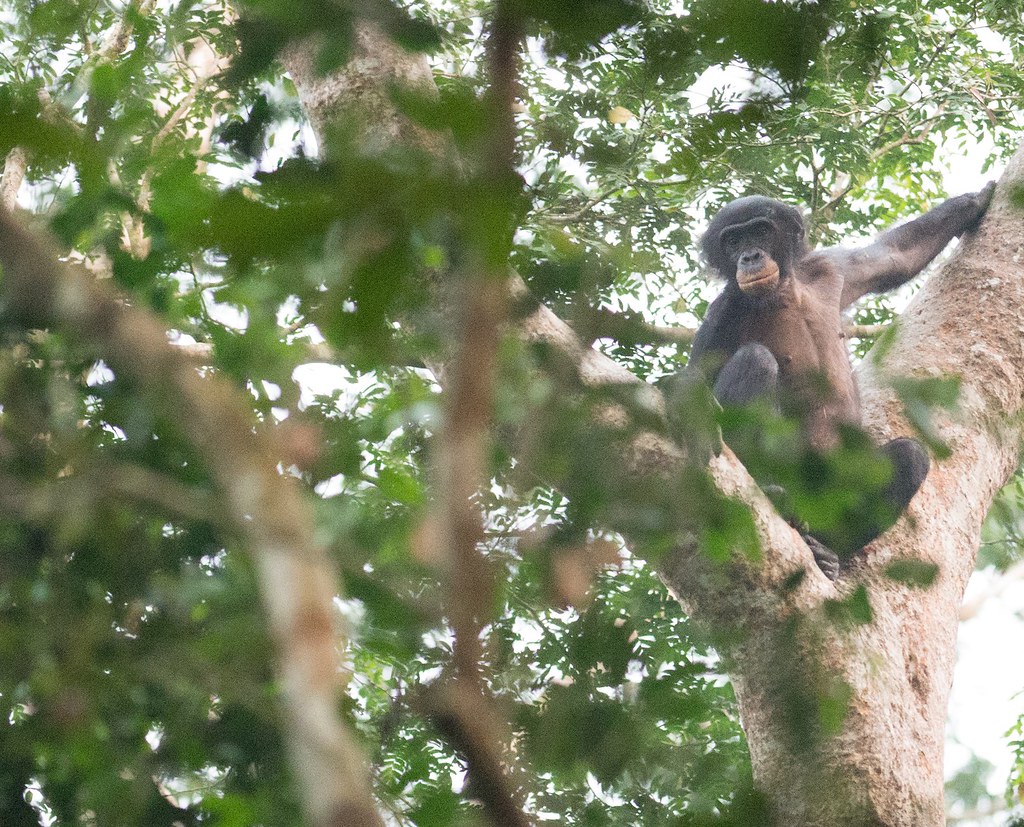


Lomami National Park
Lomami National Park is one of Africa’s most exciting conservation stories — a place where remote forest ecosystems, magnificent wildlife, and human discovery intersect in one of the most biodiverse regions on the planet. Established as a national park in 2016, Lomami lies in the heart of the Democratic Republic of the Congo (DRC) and protects vast tracts of lowland rainforest, rolling savannah grasslands, wetlands, rivers, and rugged terrain.




Attractions In Rwanda
Attractions In Tanzania
Uganda Gorilla Trekking Experience
Discover Uganda’s gorilla trekking experience where misty rainforests shelter mountain gorillas, ancient trails wind through Bwindi’s depths, and every step brings you closer to one of Africa’s most profound wildlife encounters, blending raw nature, conservation, and lasting memories.
Lomami National Park: National Parks and Protected Areas
The Discovery and Establishment of Lomami National Park
Lomami National Park is one of the newest protected areas in Africa, but its importance was recognized only after decades of research and exploration. It grew out of scientific expeditions initiated in the early 2000s by Dr. Thomas Breuer and colleagues, who documented remarkable biodiversity in the forests around the Lomami River — from unusual primates to rare antelopes and previously unknown insect species.
These discoveries galvanized conservation efforts, leading to the park’s official designation by the DRC government in 2016, with support from international partners such as the Lomami National Park Project, the WWF, and the ICCN (Institut Congolais pour la Conservation de la Nature). The park’s establishment was not just a bureaucratic milestone — it was a testament to the power of field science, local collaboration, and conservation advocacy in safeguarding wild landscapes for future generations.
A Landscape of Forests, Grasslands, Rivers, and Valleys
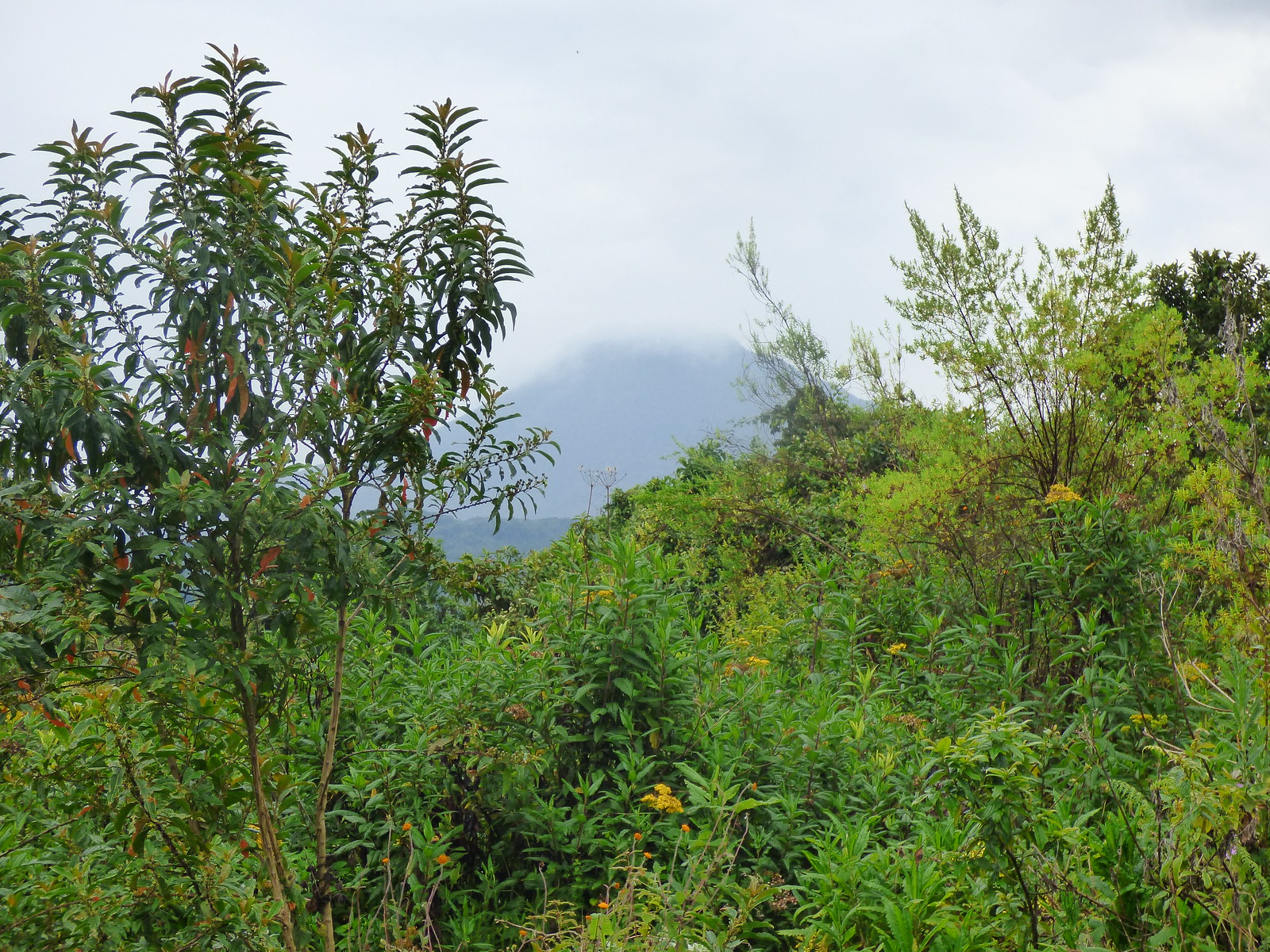
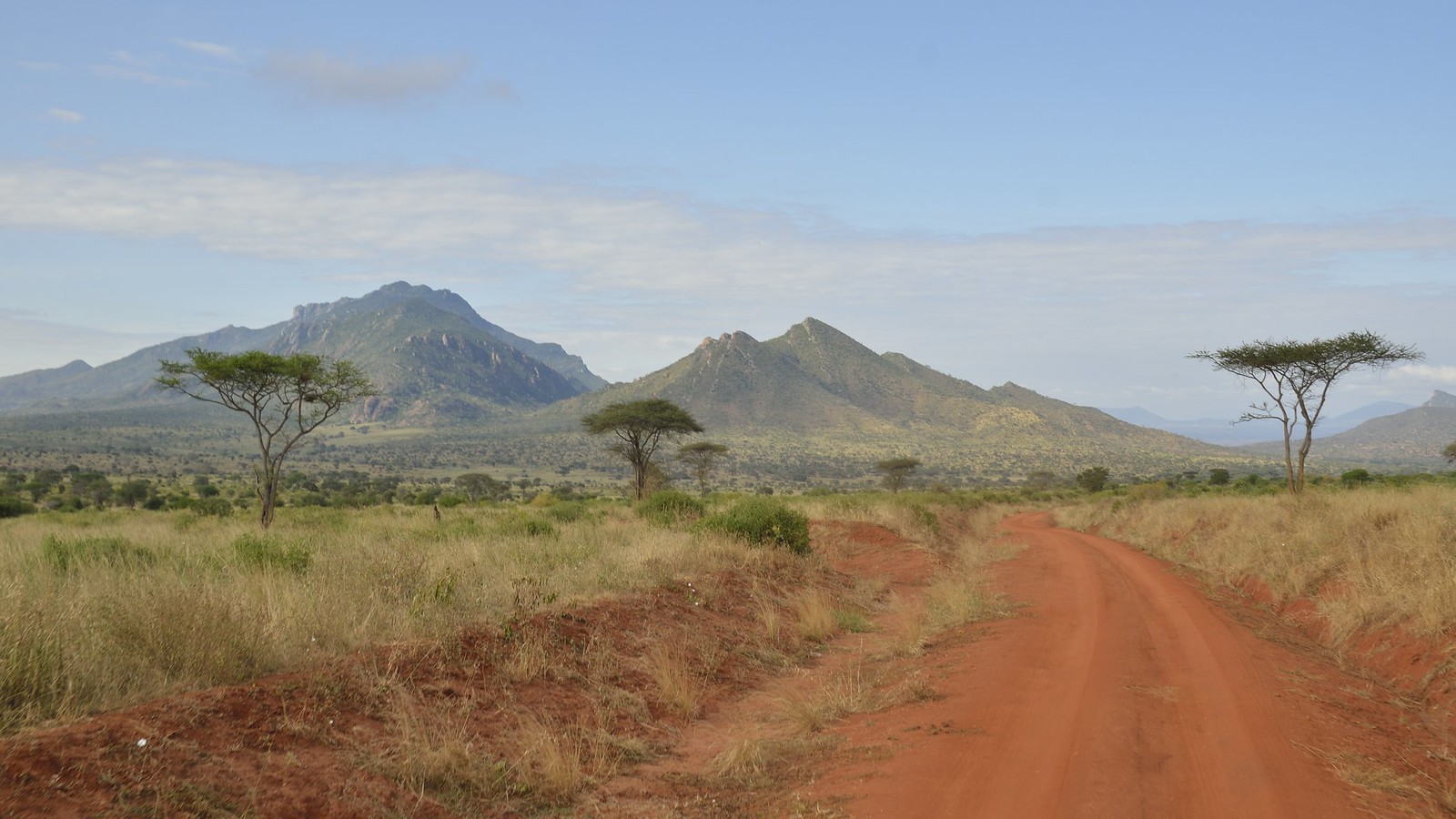
Lomami National Park protects a mosaic of habitats influenced by the Lomami and its tributaries. Its rolling topography encompasses:
Lowland Rainforest: Dense, humid jungle cover that provides habitat for a host of primates, birds, forest antelopes, and forest‑adapted predators.
Savannah Grasslands: Open plains and clearings where grazing animals such as antelope wander and where birds of prey survey the ground for movement.
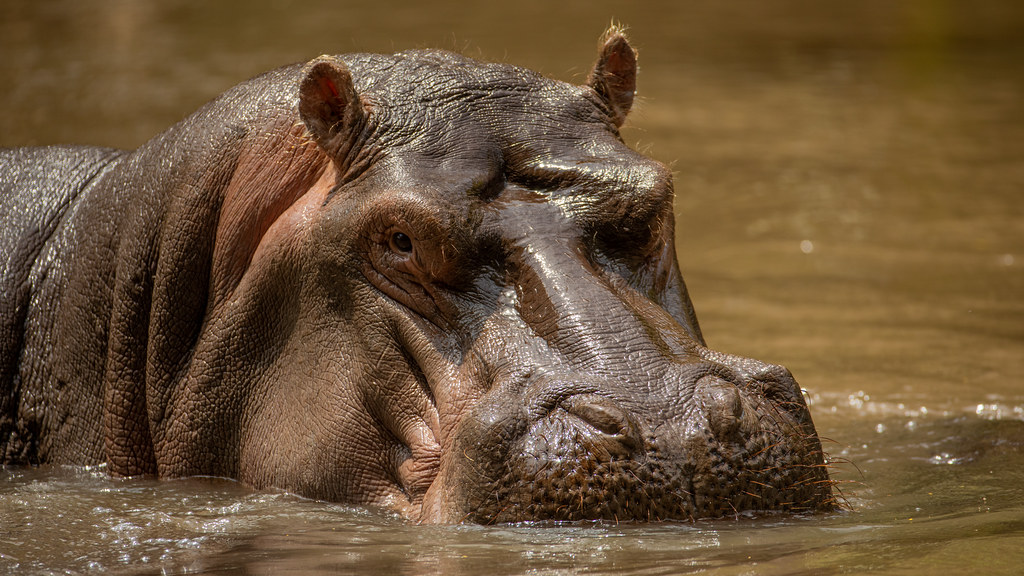
Riparian Forests and Wetlands: River corridors and seasonal swamps that nourish aquatic life and attract waterbirds, hippos, and crocodiles.
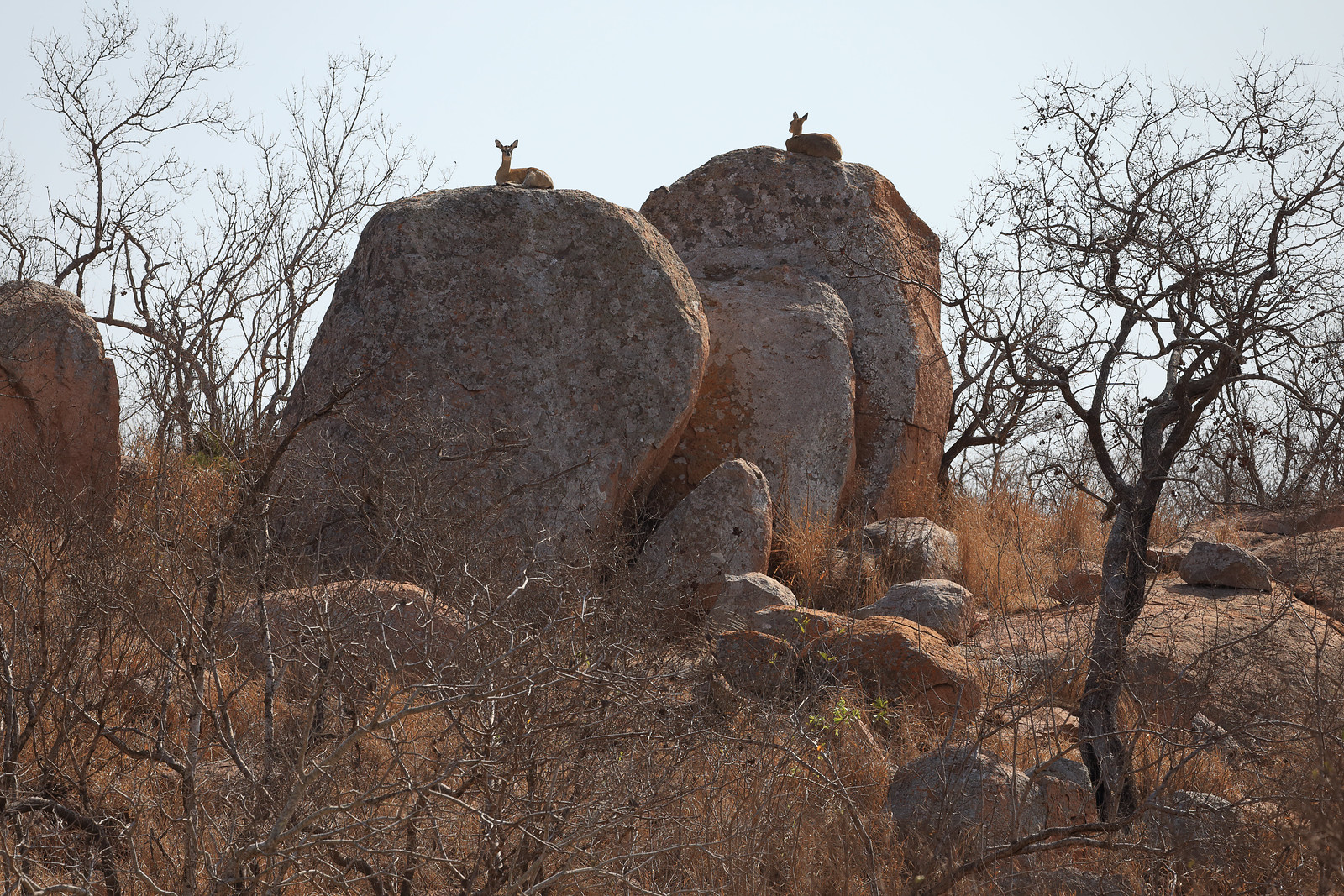
Rocky Outcrops and Hillsides: Less forested areas with unique geology, supporting species that prefer transitional or elevated habitats.
This diversity of landscapes supports one of the richest suites of mammal fauna in Central Africa and contributes to Lomami’s rapidly growing reputation as a biodiversity hotspot.
Wildlife Richness and Rare Species
Many people first hear about Lomami because of its rare and unusual wildlife — species that were unknown or thought lost to science until relatively recently.
Bonobos: The Gentle Apes of the Forest
Bonobos (Pan paniscus), our closest living relatives after chimpanzees, roam the forests of Lomami. Unlike their more famous cousins, bonobos are known for their peaceful social behavior and rich communication. Trekking to see bonobos here is an immersive rainforest experience, with groups moving through forest glades, feeding on fruit, grooming one another, and engaging in complex social interaction.
Lesula: A Primate Rediscovered
Perhaps the most iconic discovery associated with Lomami is the lesula monkey (Cercopithecus lomamiensis), known to science only since 2012. Recognizable by its golden legs, expressive face, and distinctive calls, the lesula was one of the rare mammal species documented in modern times, and its identification helped accelerate support for formal protection of the region’s forests.
Okapis: The Forest Giraffe
Lomami supports populations of the enigmatic okapi (Okapia johnstoni), a relative of the giraffe with zebra‑striped hind legs and a secretive, woodland‑dwelling lifestyle. While okapis also occur in nearby Ituri and Maiko National Parks, sightings are becoming increasingly rare outside protected areas, making Lomami an important refuge for this unique species.
Forest Elephants and Other Herbivores
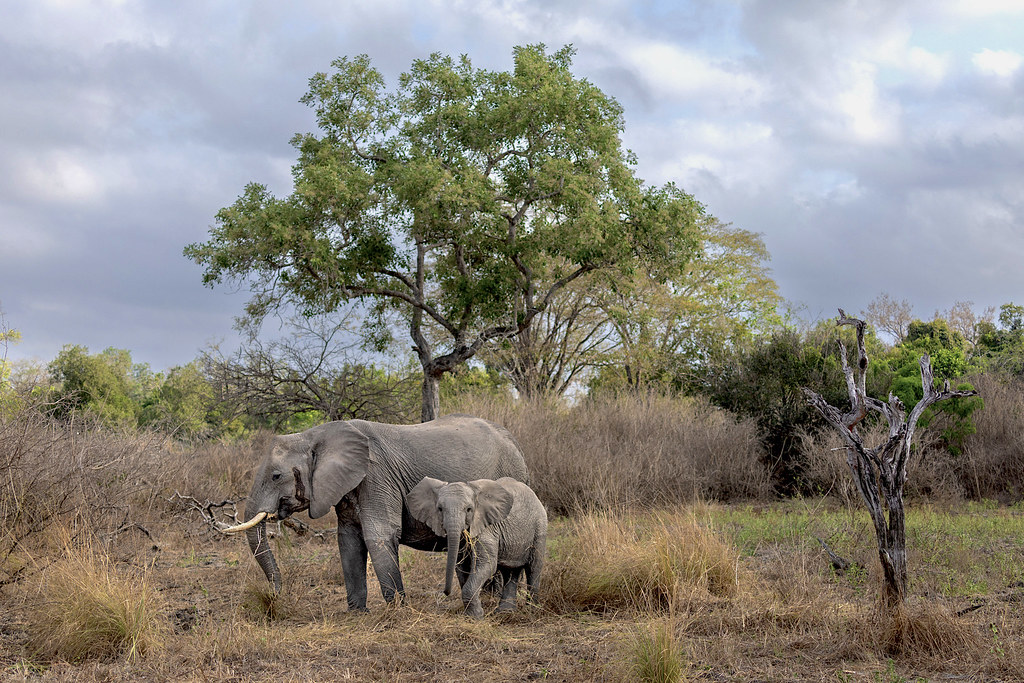
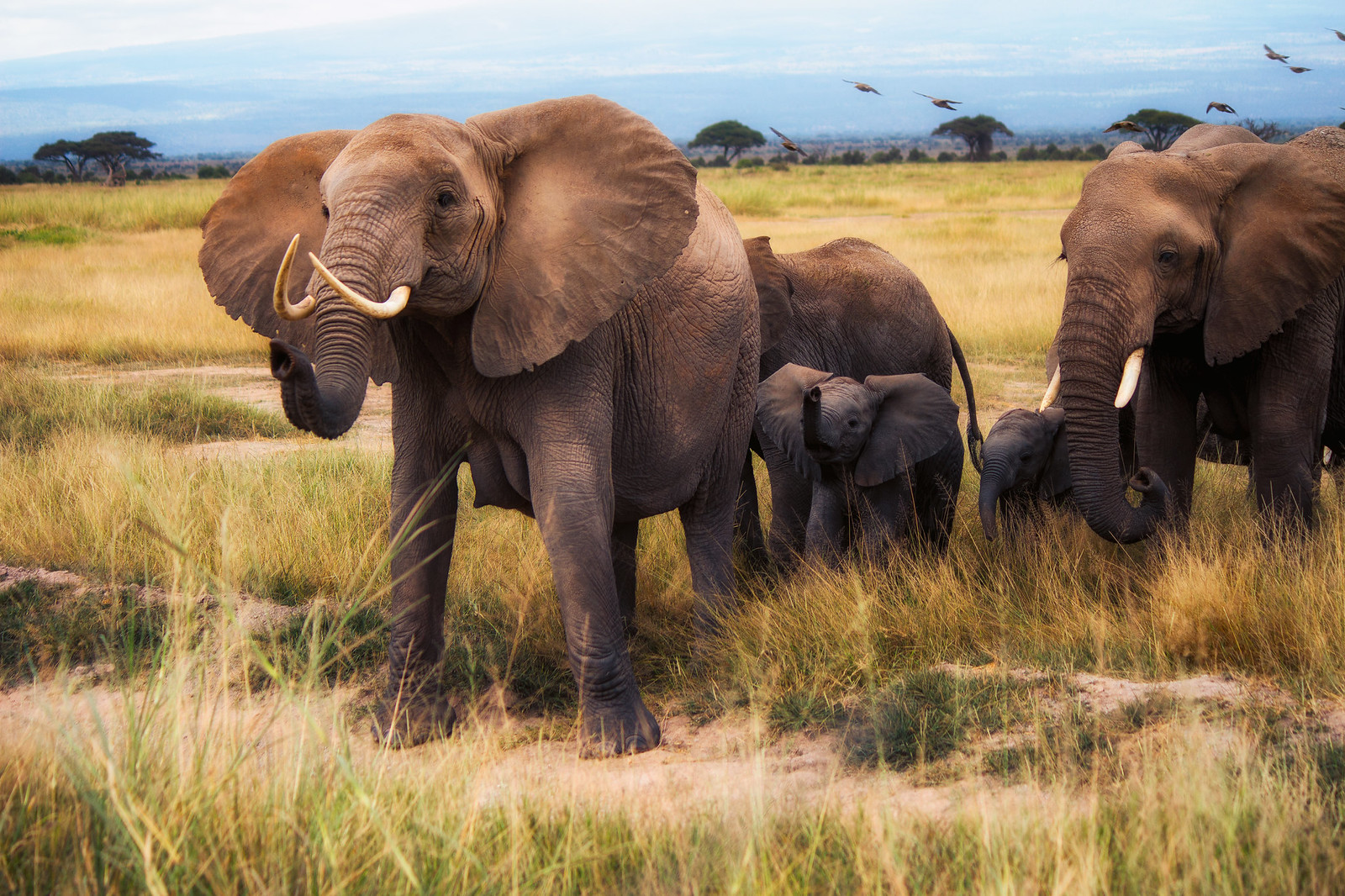
The Congo forest elephant (Loxodonta cyclotis) occurs here, smaller and more elusive than savannah elephants but no less vital to ecosystem processes. Elephants help shape the forest by creating openings, dispersing seeds, and modifying vegetation structure. Other herbivores such as duikers, bushbucks, and sitatungas also inhabit wetlands and forest edges.
Carnivores and Nocturnal Wildlife
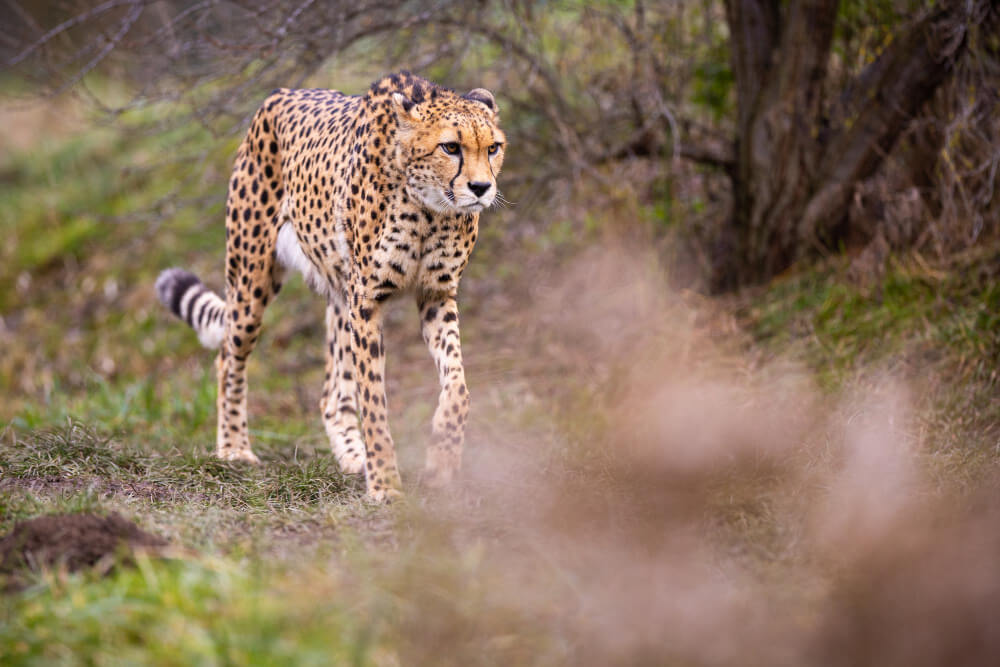
Carnivores documented in Lomami include leopards, African golden cats, and servals — each adapted to different forest niches. Nocturnal species such as genets, mongooses, and civets add to the nocturnal symphony of the forest.
Birdlife Beyond Expectation
Lomami’s bird diversity includes forest specialists, grassland inhabitants, and wetland visitors. Species such as crowned eagles, turacos, hornbills, and malachite kingfishers add color and sound to every habitat. The park is considered an Important Bird Area (IBA) due to the number of species documented and the presence of regional endemics.
Rivers, Wetlands, and Aquatic Life
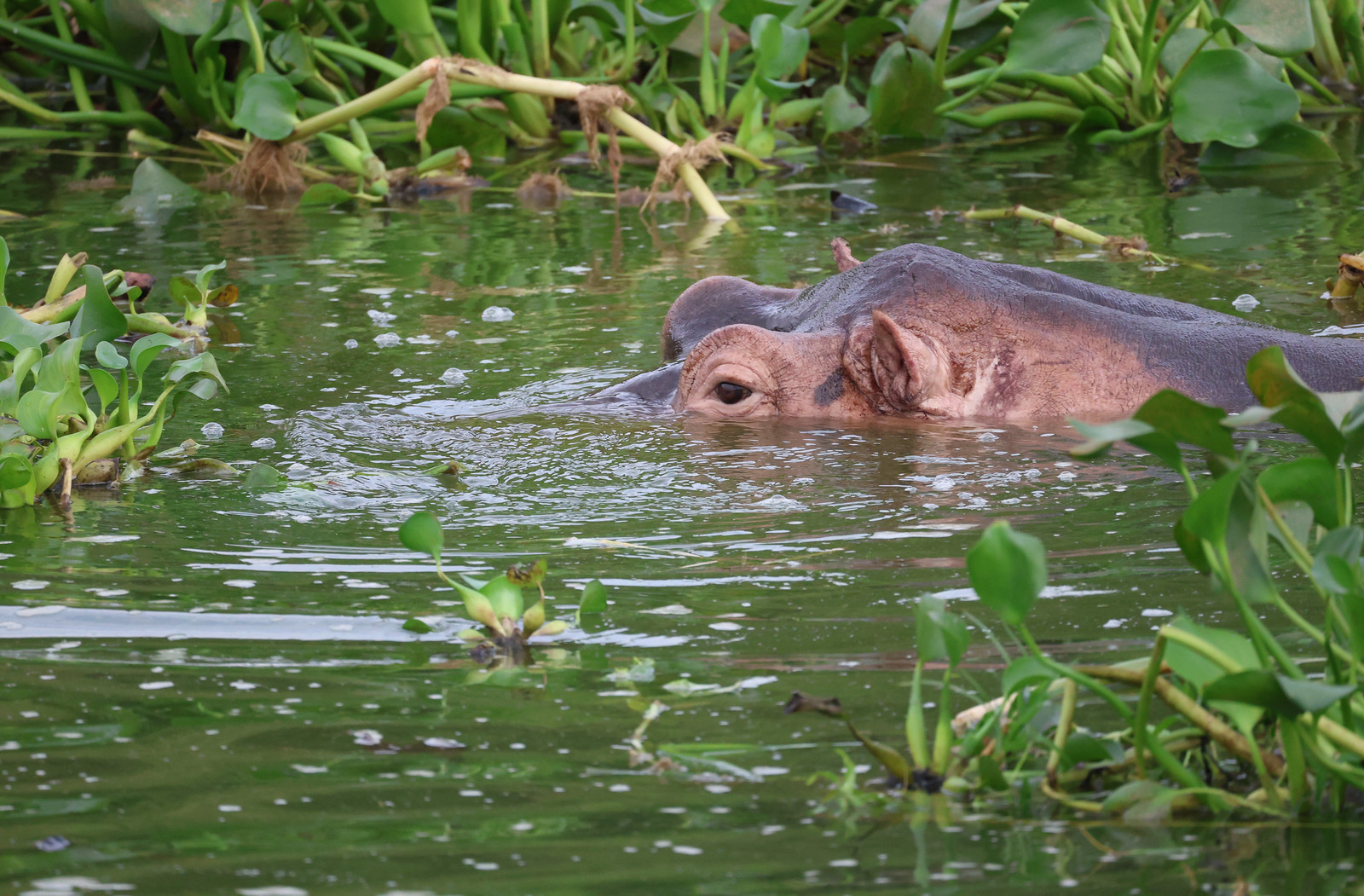
The Lomami River and its tributaries thread through the park like lifelines, nourishing forest corridors and creating seasonal wetlands that teem with aquatic life. Hippos wallow in pools by day, crocodiles bask along sandy riverbanks, and waterbirds congregate in the hours around sunrise and sunset. These waterways are essential not just for wildlife but for the park’s enduring ecological processes, connecting forests with floodplain systems that sustain life during dry periods.
Conservation in Practice: Challenges and Progress
Despite Lomami’s relatively recent designation as a national park, it faces conservation challenges similar to other tropical wilderness areas — poaching, illegal mining, deforestation at park edges, and limited enforcement capacity.
However, Nimble, innovative strategies are helping shift the balance toward protection:
Community Engagement
Local communities around Lomami play a key role in conservation. Rather than locking people out of forests they have depended on for generations, park authorities and partners work with villagers to promote sustainable activities and provide alternative livelihood opportunities. Education programs, participatory monitoring, and community‑based conservation initiatives encourage ownership of conservation goals.
Ranger Networks and Monitoring Patrols
Dedicated park rangers, often drawn from local communities, conduct regular patrols to deter poaching, monitor wildlife populations, and collect information about habitat health. The use of GPS tracking, mobile reporting tools, and anti‑poaching patrol networks strengthens the park’s ability to detect threats and respond quickly.
International Collaboration
Partnerships with international NGOs, research institutions, and conservation funding organizations help finance biodiversity surveys, anti‑poaching infrastructure, and training programs. These collaborations also support scientific research that enhances understanding of Lomami’s species and ecosystems.
Visiting Lomami: A True Forest Expedition
Lomami National Park is not a readily accessible tourist destination in the way that East African savannah parks are. It is a remote wilderness, and travel here requires logistical planning, respect for local cultures, and a spirit of adventure. But for those who seek off‑the‑beaten‑path wildlife experiences, the rewards are unforgettable.
Getting There
Most journeys to Lomami begin in Kinshasa or Kisangani, followed by domestic flights, river travel, and overland routes into the heart of the park region. Infrastructure in and around the park is limited, and travel times can be significant — but the journey itself becomes part of the adventure.
Guided Treks and Wildlife Tracking
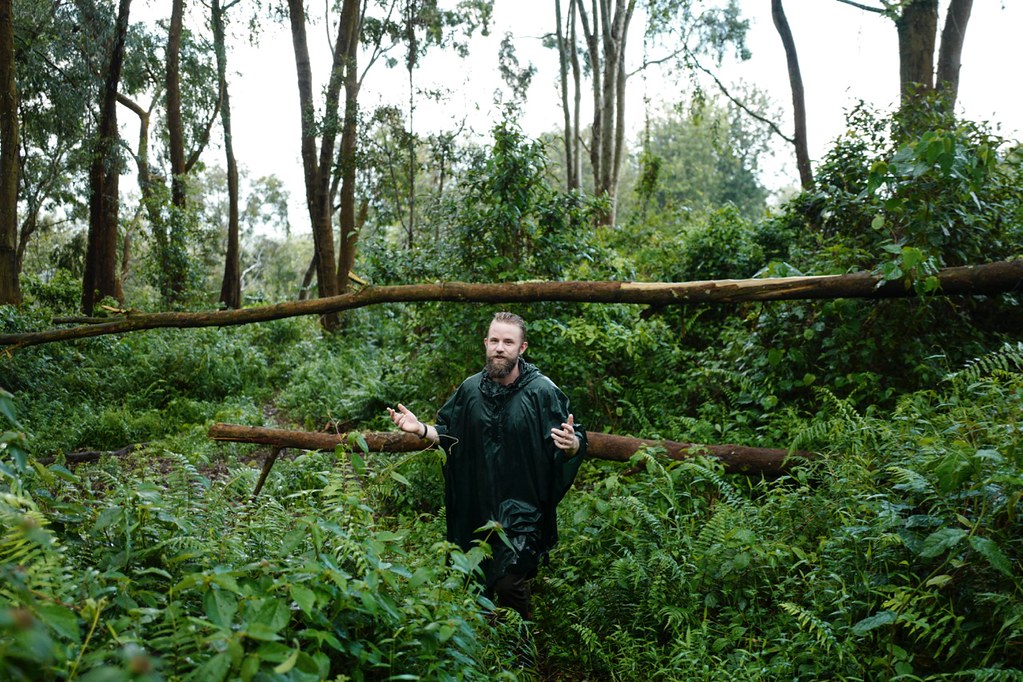
Local guides — deeply knowledgeable about forest trails, seasonal movements, and animal behavior — lead visitors into areas where bonobos, lesula, and other wildlife occur. Trekking is often on foot and may involve navigating muddy trails, dense vegetation, and winding riverbanks. These encounters demand patience and physical preparedness, but they offer rare moments of authentic wildlife connection.
Basic Camp and Community Stays
Accommodation near Lomami tends toward simple forest camps, village guesthouses, or eco‑lodge setups. These settings emphasize immersion in nature rather than luxury, allowing visitors to experience dawn bird songs, nighttime forest calls, and the rhythms of life in one of Africa’s great wild places.
Responsible Wildlife Tourism
Because Lomami’s ecosystems are still fragile and wildlife populations vulnerable, ethical tourism practices are essential. Maintaining safe distances from animals, minimizing noise and disturbance, avoiding single‑use plastics, and following guide instructions help protect species and promote sustainable visitation.
Why Lomami Matters
Lomami National Park is not just another protected area — it is a living frontier of discovery. Its forests are still revealing new species, reshaping scientific understanding, and challenging assumptions about where wildlife can be found. Every expedition into Lomami holds the potential for new insights, whether it’s a rare bird call, an unexpected sighting of a lesula troop, or a family of bonobos feeding quietly in the canopy.
But Lomami’s importance goes beyond discovery. It stands as a symbol of what can be achieved when science, community cooperation, and conservation vision align. It represents the idea that even in an age of rapid habitat loss and climate change, large tracts of wilderness can be protected and sustained when local and global partners work together.For wildlife lovers, researchers, and intrepid travelers alike, Lomami National Park offers a rare opportunity to witness Africa’s wild heart in deep forest, rich with biodiversity, mystery, and enduring life.Lomami National Park remains one of Africa’s most compelling conservation landscapes. Its forests, rivers, grasslands, and hills nurture a remarkable assembly of species, including bonobos, lesulas, okapis, and forest elephants — creatures that embody the diversity, adaptability, and resilience of life in the Congo Basin.To visit Lomami is to embark on an expedition into one of the planet’s most vibrant and least explored ecosystems. It is a journey that demands curiosity, perseverance, and respect — but in return, it reveals nature’s hidden wonders and inspires a deeper appreciation for the wild places that still persist in our world.Lomami is not only a national park — it is a living wild legacy, a testament to biodiversity that deserves not only protection but celebration.
Our Recommended Tour Ideas
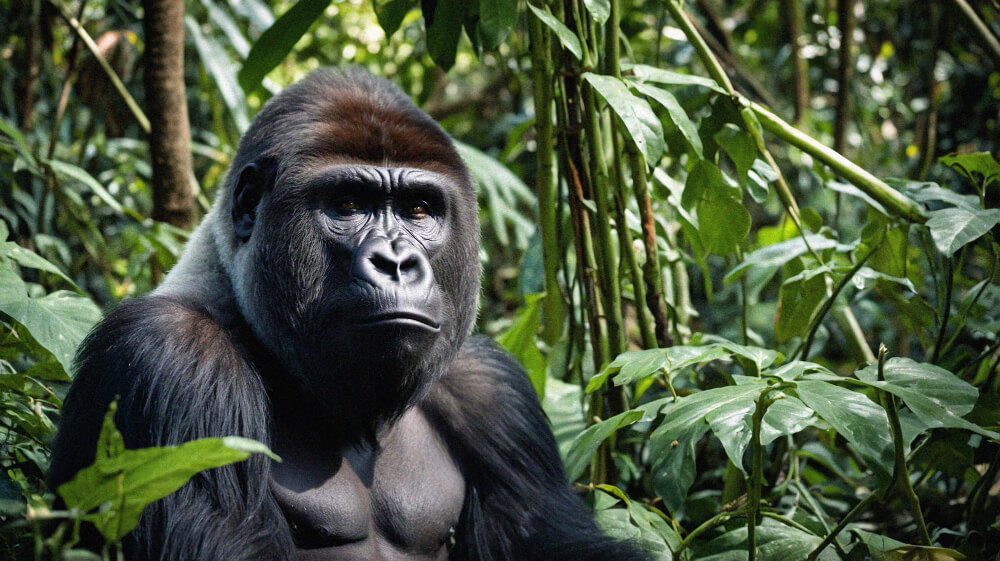
3 days in Bwindi trekking mountain gorillas through lush rainforest and experiencing unforgettable Uganda wildlife adventures.

Please the content should be 130 characters.

Please the content should be 130 characters.

Please the content should be 130 characters.

Please the content should be 130 characters.
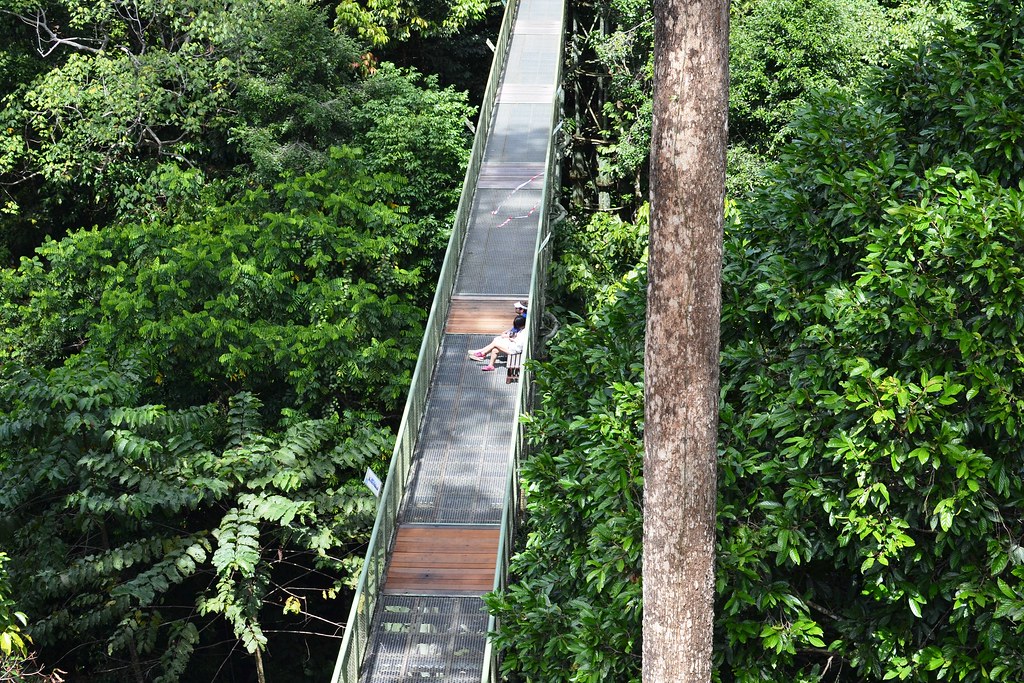
Please the content should be 110 characters.

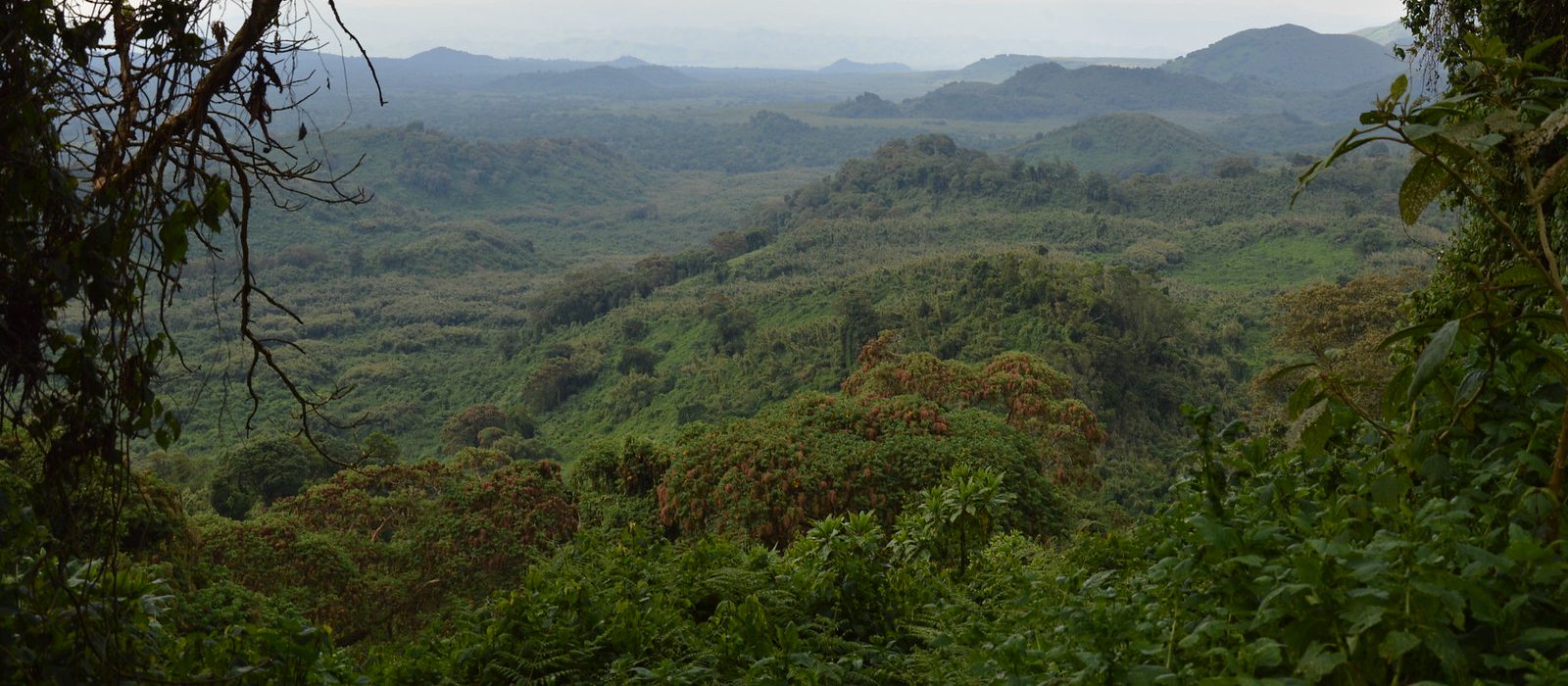
Two immersive gorilla treks in Volcanoes National Park with scenic views and expert-guided encounters.

Please the content should be 130 characters.
What Our Travelers Enjoyed About Primate Safaris

Gorillas "Silverback"

Golden Monkey "Photogenic"

Chimpanzees "Pant-hoot"