Location and Ecological Setting
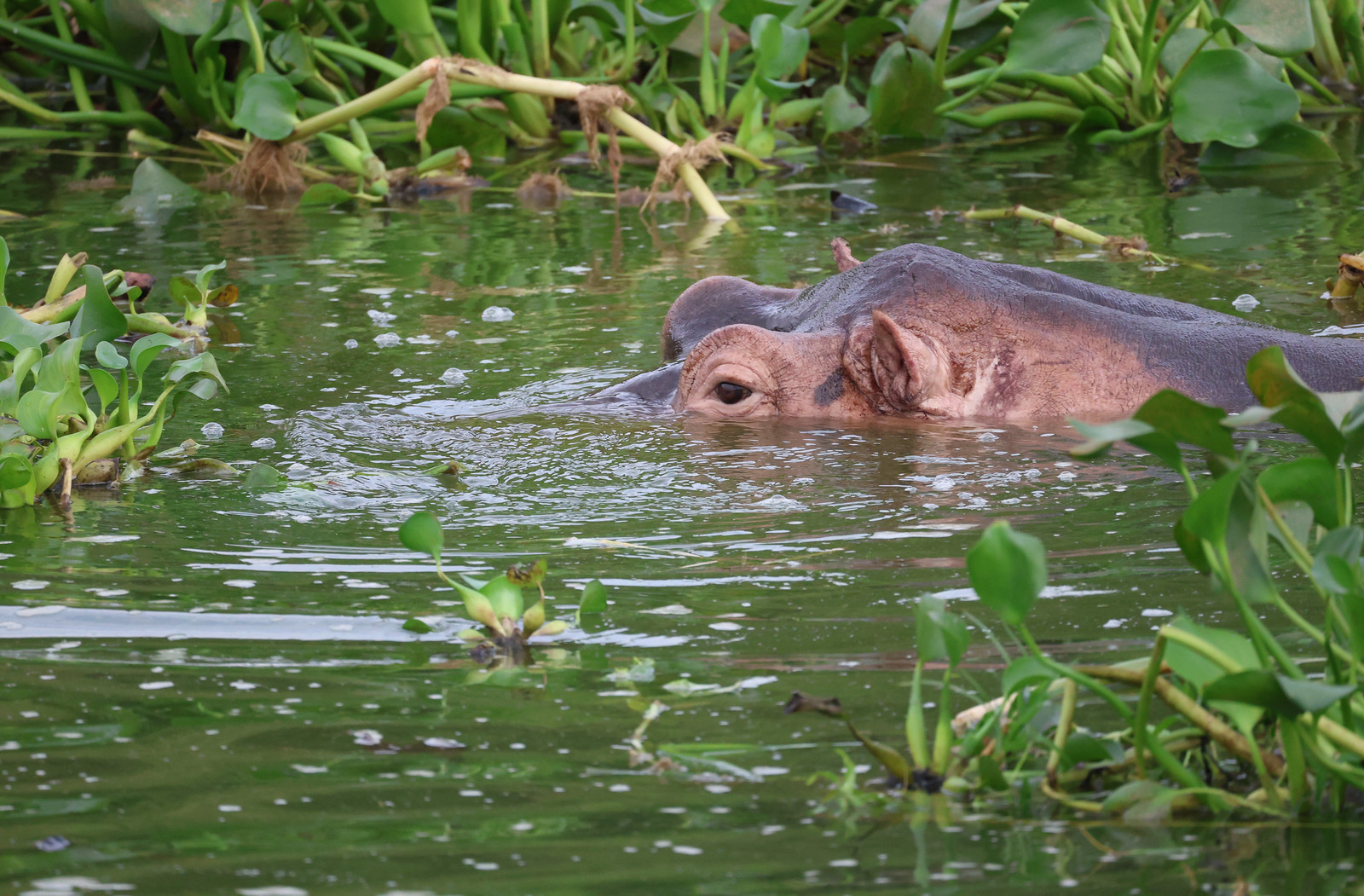
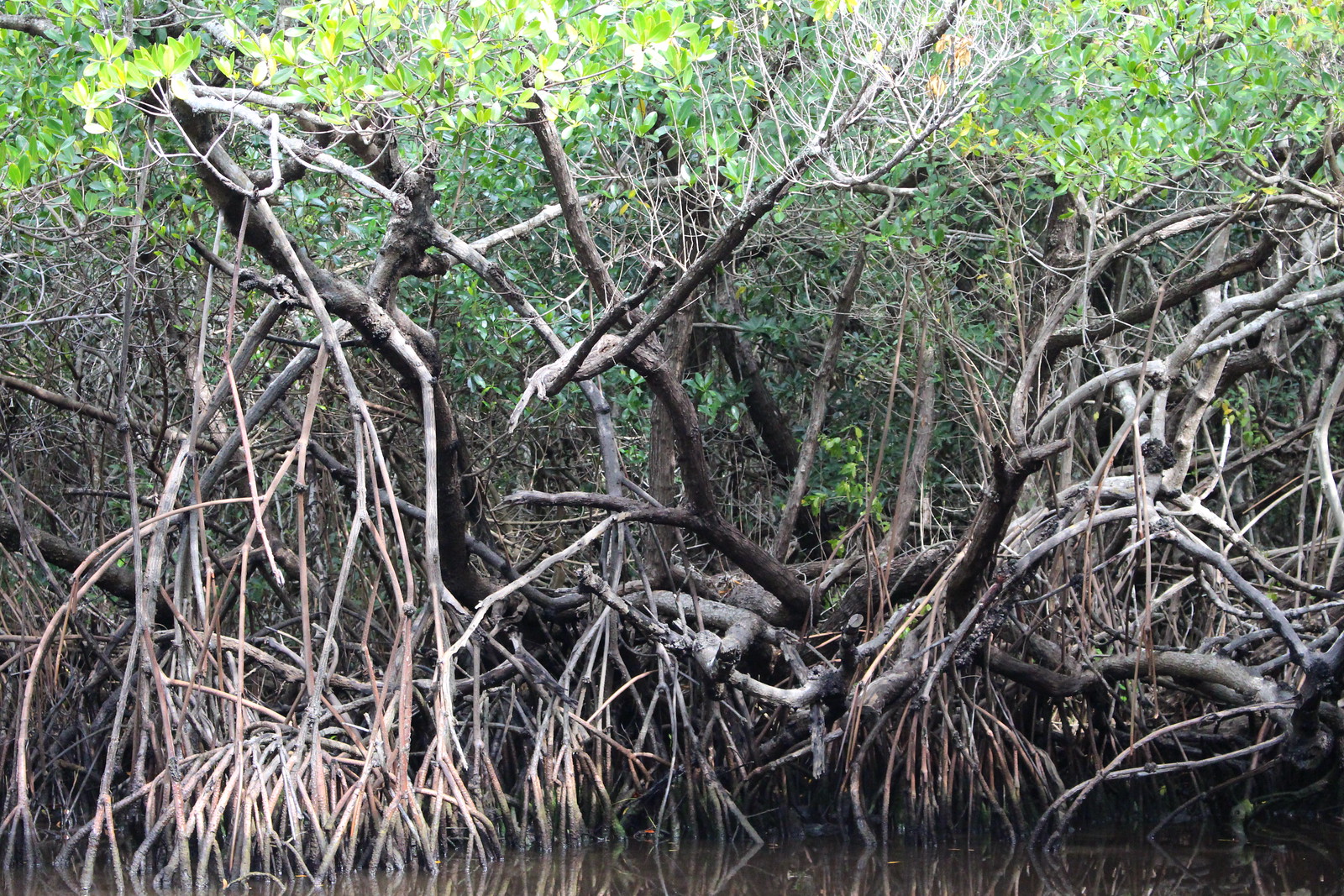
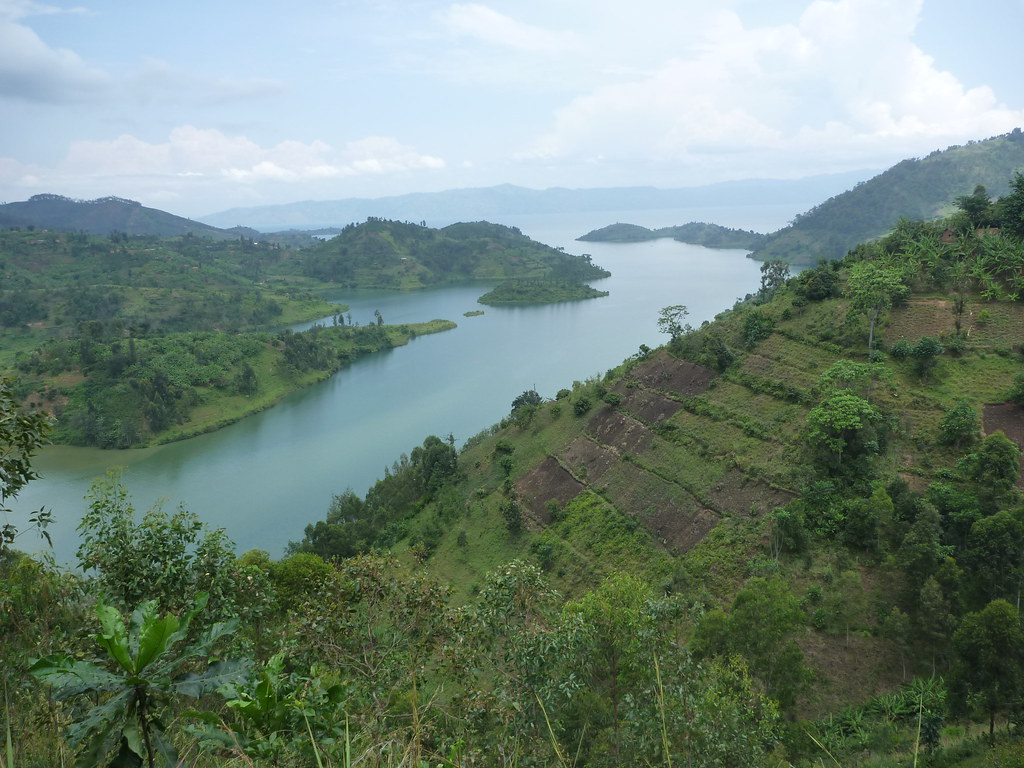
Manguo Swamp lies within the Lake Victoria basin in western Kenya. It is part of a broader network of wetlands and papyrus swamps that surround Africa’s largest freshwater lake, Lake Victoria.The swamp is characterized by thick papyrus vegetation, shallow waterways, seasonal flooding zones, and small fishing settlements along its edges. These wetlands act as natural water filters, trapping sediments and improving water quality before it flows into Lake Victoria.The ecosystem supports a delicate balance between water, vegetation, fish, birds, and local communities who depend on it for fishing, farming, and harvesting papyrus for crafts and roofing materials.
Importance of Wetlands in Kenya
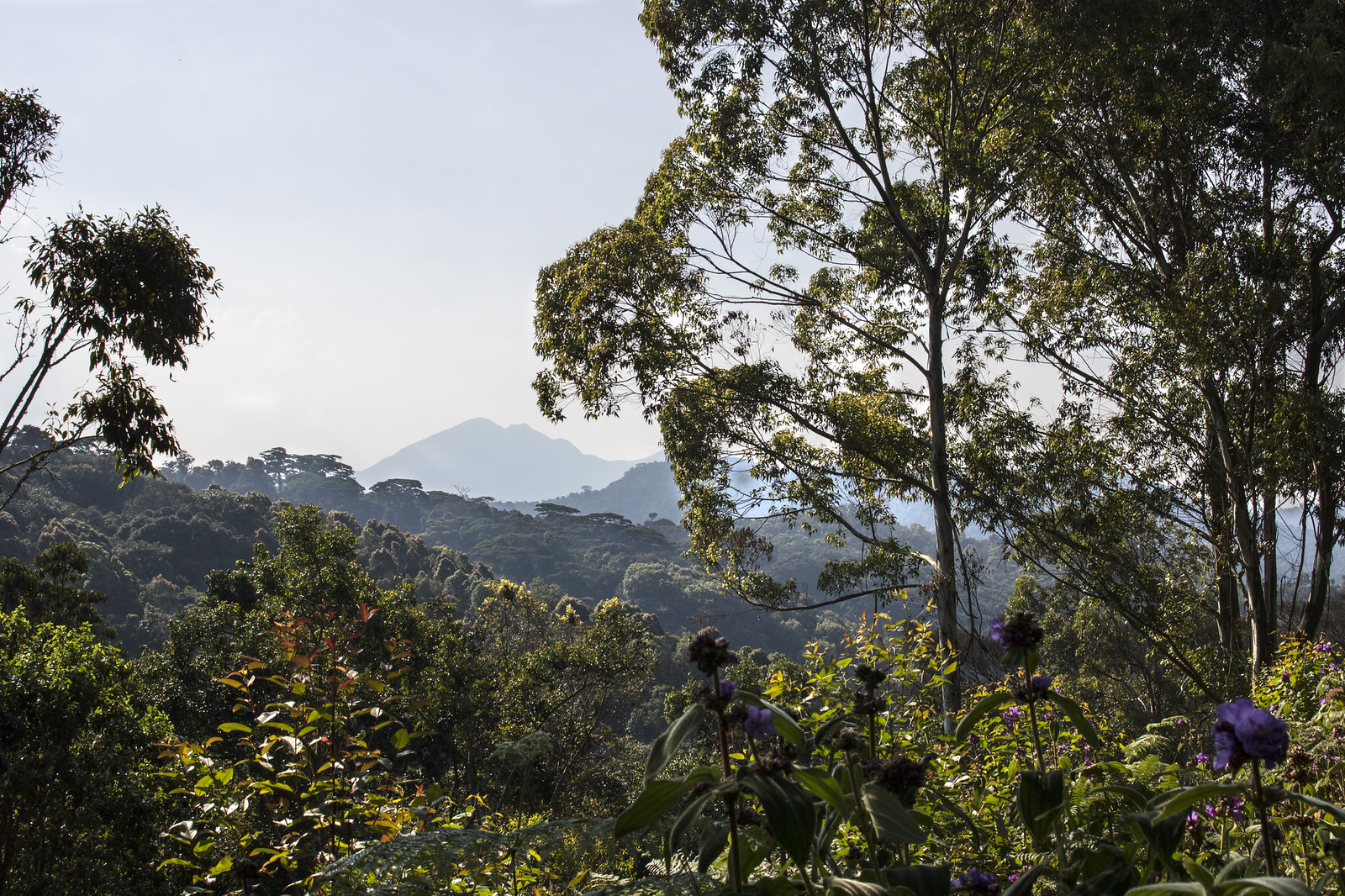
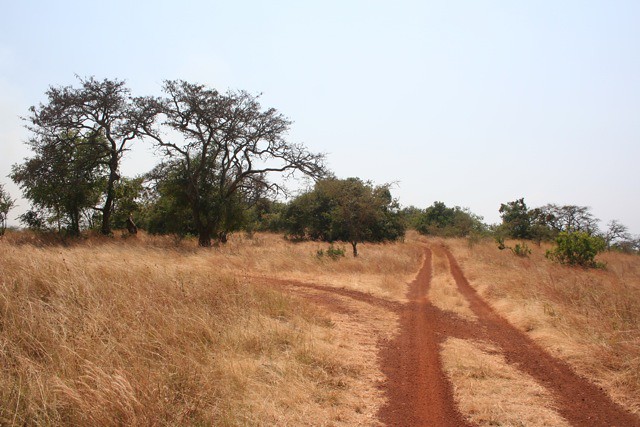
Wetlands like Manguo Swamp are among Kenya’s most critical but threatened ecosystems. They regulate water flow, reduce flooding, store carbon, and provide breeding grounds for fish and birds. In regions surrounding Lake Victoria, swamps also protect shorelines from erosion and improve fisheries productivity.Across Kenya, wetlands are increasingly under pressure from agriculture, settlement expansion, and climate variability. Smaller wetlands like Manguo may not receive the same attention as large protected areas, yet they are essential for environmental stability and local livelihoods.By understanding places like Manguo Swamp, visitors gain appreciation for how interconnected Kenya’s ecosystems are — from highland forests to savannah plains and freshwater wetlands.
Birdlife and Biodiversity
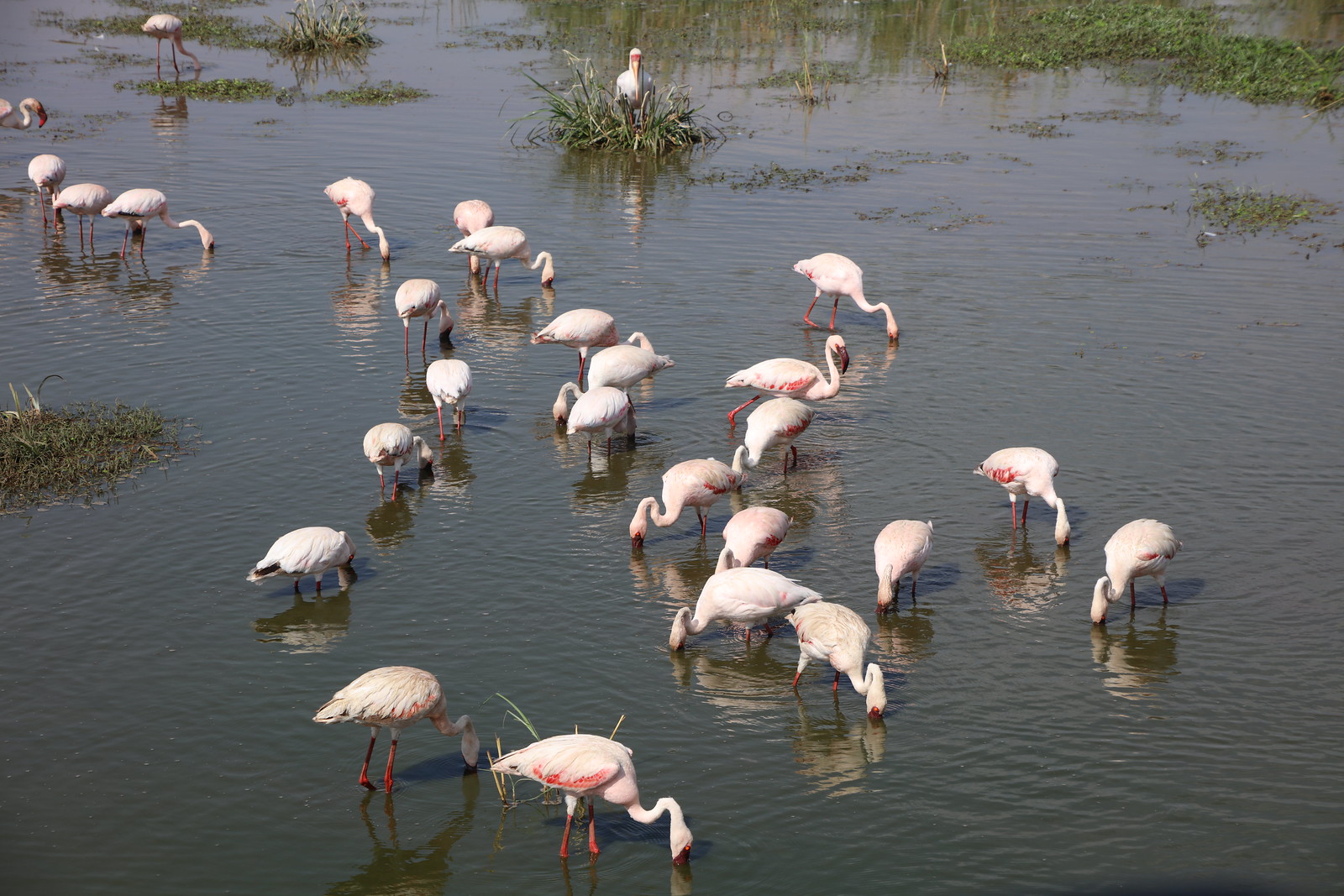
One of the highlights of Manguo Swamp is its birdlife. The dense papyrus reeds provide habitat for numerous wetland species. Birdwatchers may spot herons, egrets, kingfishers, weaver birds, and fish eagles gliding over the water.Papyrus swamps are particularly important for specialized bird species that thrive in wetland habitats. Though not as famous as Kenya’s large birding hotspots, smaller swamps like Manguo can offer peaceful and rewarding birdwatching experiences away from crowds.The swamp also supports fish species that sustain local fishing communities, along with amphibians and insects that form part of the broader ecological web.
Local Communities and Livelihoods
Manguo Swamp is deeply intertwined with the lives of surrounding communities. Fishing remains one of the primary economic activities, with residents using traditional methods and small boats to harvest tilapia and other freshwater fish.Papyrus harvesting is another important activity. The tall reeds are used for making mats, baskets, roofing materials, and other crafts. These practices have been passed down through generations and represent a sustainable way of utilizing natural resources when properly managed.However, overharvesting and land conversion can threaten the swamp’s long-term sustainability. Community-based conservation efforts are essential to ensure that economic needs are balanced with ecological protection.
Conservation Challenges
Like many wetlands in East Africa, Manguo Swamp faces several environmental challenges. These include drainage for agriculture, pollution from surrounding settlements, invasive plant species, and overexploitation of resources.Climate change also plays a role, affecting rainfall patterns and water levels in the Lake Victoria basin. Reduced water inflow can shrink swamp areas, while excessive rainfall may lead to flooding that alters habitats.Local environmental groups and conservation initiatives aim to raise awareness about the importance of wetland protection. Sustainable fishing practices, regulated papyrus harvesting, and environmental education are key strategies in safeguarding the swamp.
Visiting Manguo Swamp
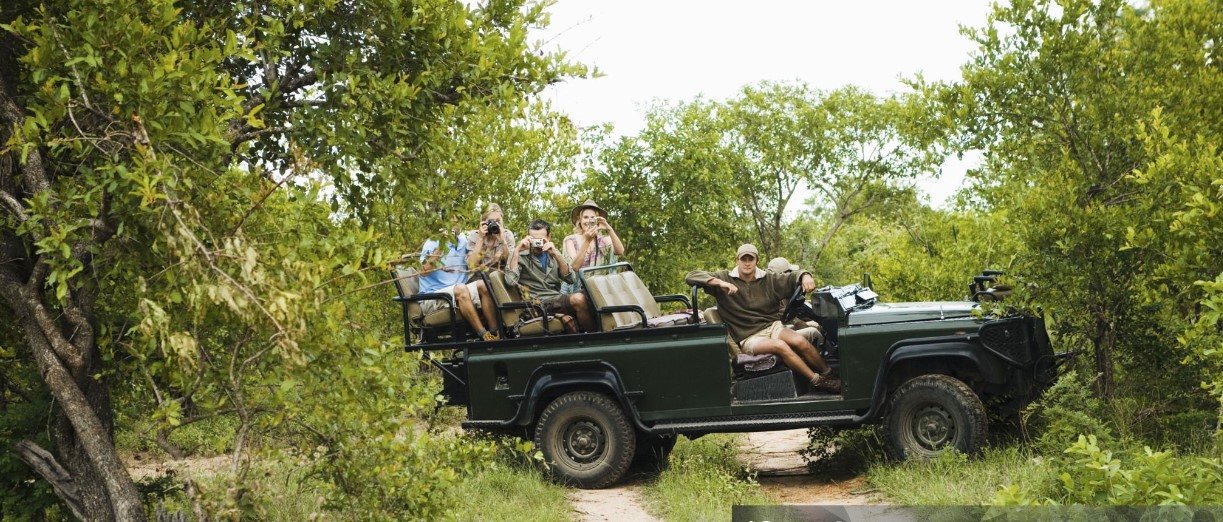
Manguo Swamp is not a conventional tourist destination with established lodges or safari infrastructure. Instead, visits are usually informal, educational, or community-based. Travelers exploring western Kenya, particularly near Lake Victoria, may arrange guided visits with local community groups or environmental organizations.The experience is tranquil and immersive. Instead of big-game sightings, visitors encounter birds fluttering between reeds, fishermen casting nets at sunrise, and the gentle movement of water through papyrus channels. It is an experience rooted in authenticity and simplicity.For those interested in eco-tourism, conservation, or rural Kenyan life, Manguo Swamp offers meaningful insights into how natural ecosystems support human communities.
Why Wetlands Matter for Kenya’s Future
Wetlands like Manguo Swamp may not have the dramatic appeal of the Maasai Mara or Amboseli, but they are essential to Kenya’s environmental resilience. They protect water sources, support fisheries, preserve biodiversity, and buffer communities against climate impacts.Protecting small wetlands ensures long-term ecological health for larger systems like Lake Victoria. Sustainable management benefits both wildlife and people, reinforcing the idea that conservation and community development must go hand in hand.Manguo Swamp in western Kenya is a quiet but vital part of the Lake Victoria ecosystem. Rich in birdlife, papyrus vegetation, and cultural significance, it represents the importance of wetlands in sustaining biodiversity and local livelihoods.While it may not feature prominently on traditional safari maps, Manguo Swamp offers a deeper understanding of Kenya’s ecological diversity and the interconnectedness of its landscapes. For travelers and conservation enthusiasts alike, it stands as a reminder that even the smallest ecosystems play a powerful role in shaping the natural heritage of East Africa.