A Geological Masterpiece
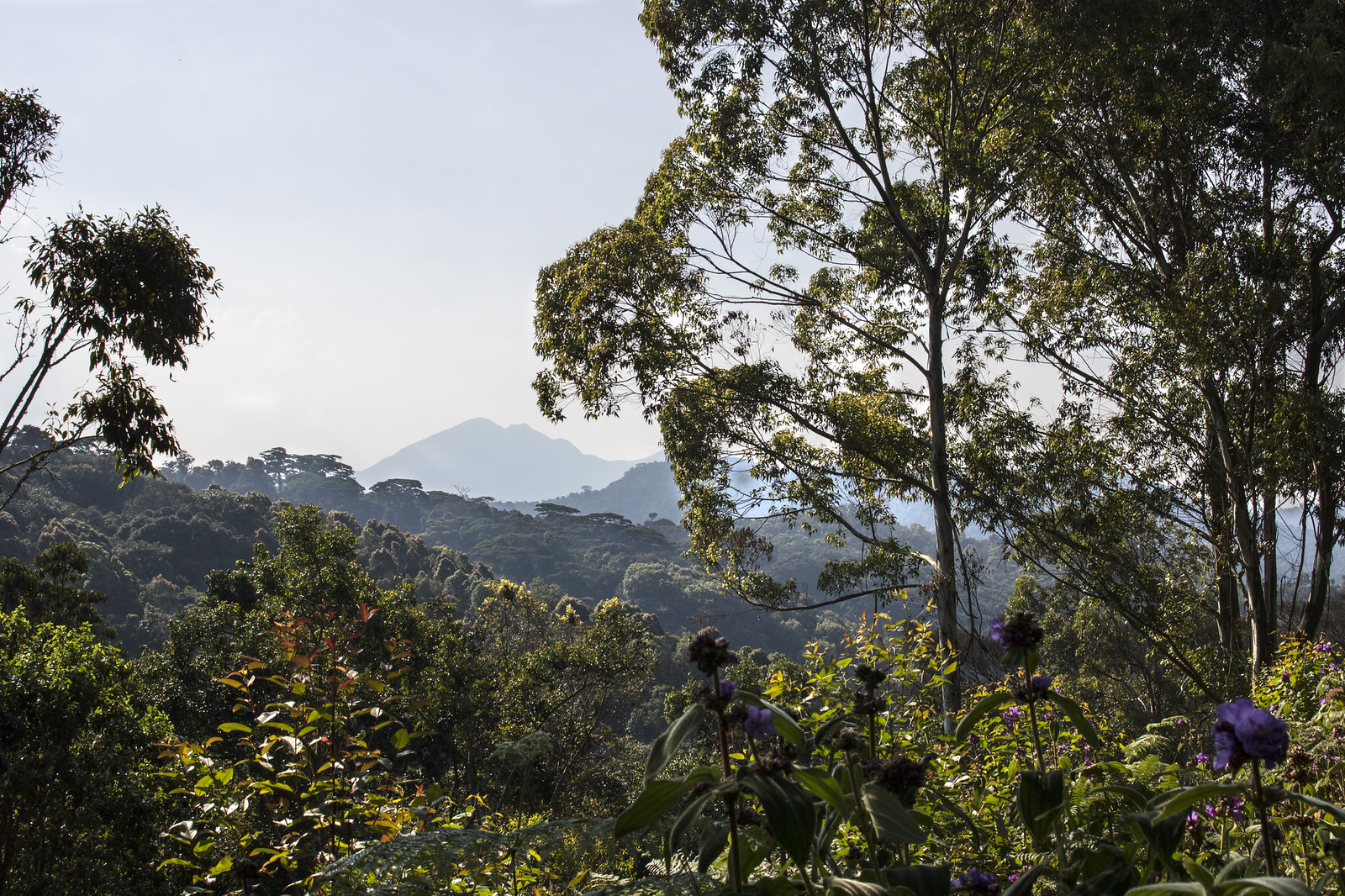
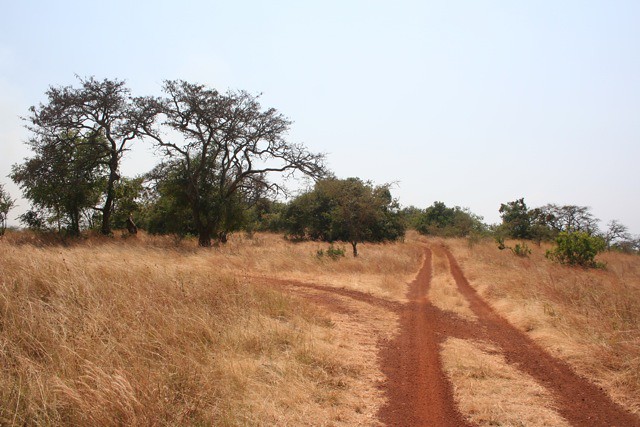
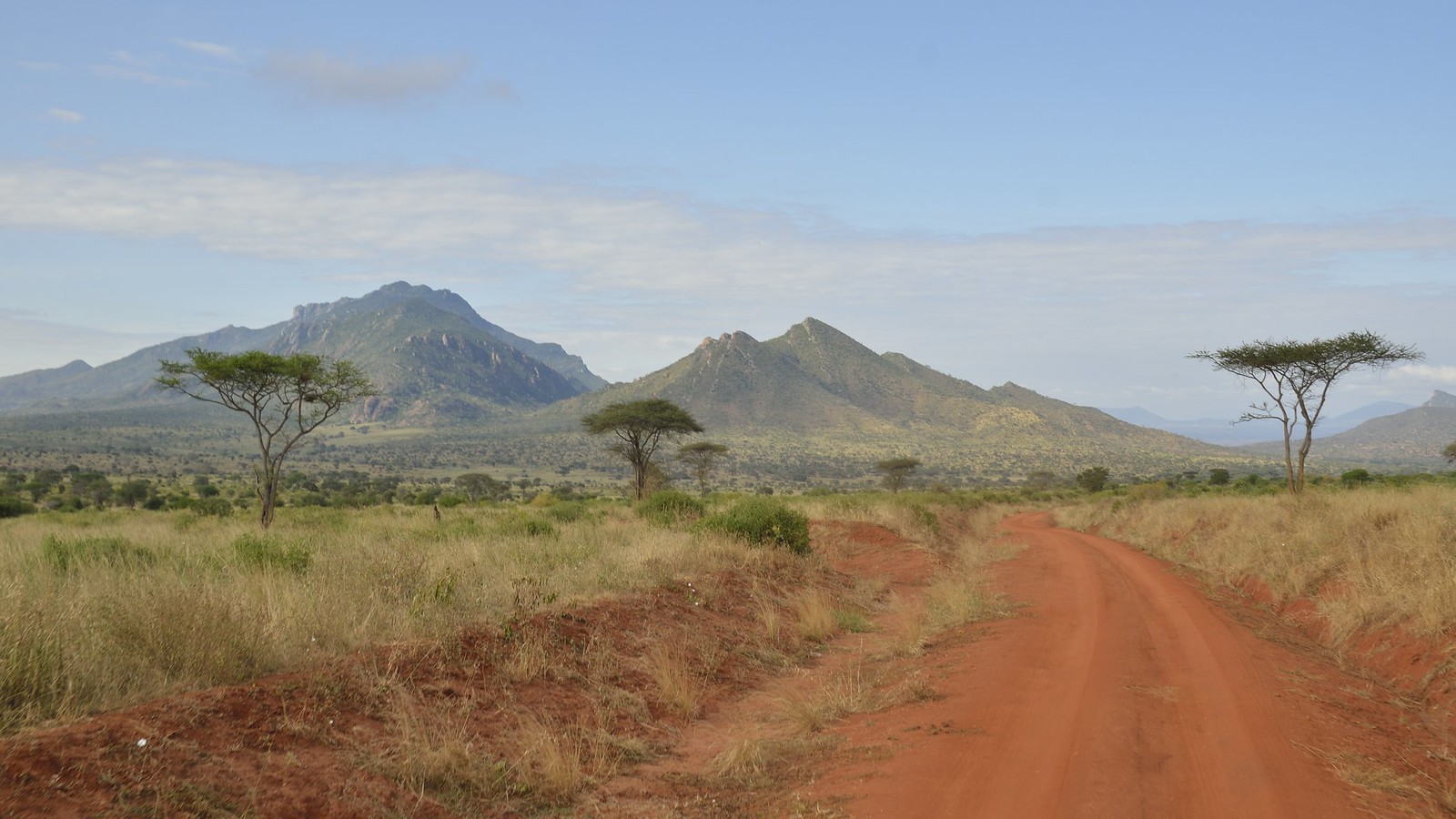
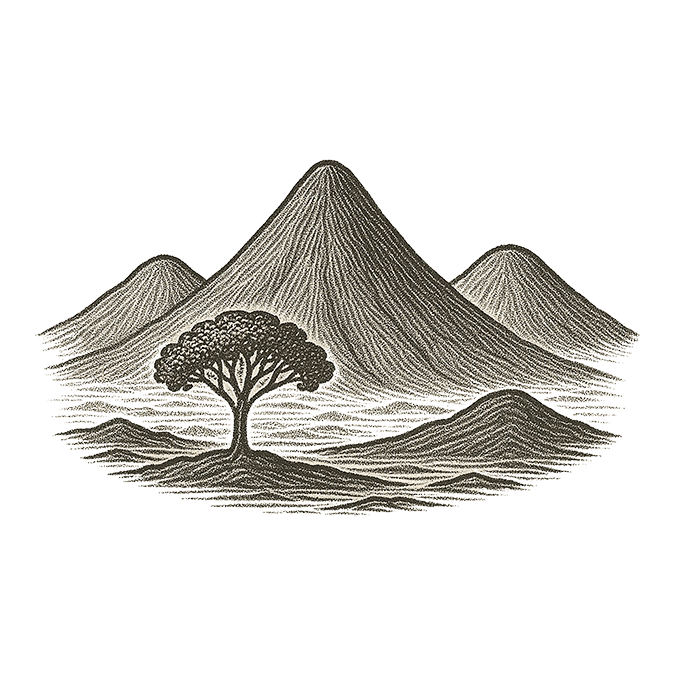
Ngorongoro Crater was formed approximately two to three million years ago when a massive volcano erupted and collapsed inward, creating a caldera roughly 19 kilometers in diameter. Today, it is part of the larger Ngorongoro Conservation Area, a UNESCO World Heritage Site recognized for both its ecological and cultural significance.Unlike many wildlife areas in East Africa, the crater’s steep walls create a natural enclosure. Although some animals migrate in and out, many species remain year-round due to the permanent water sources and fertile grazing lands.The result is a stable ecosystem that supports an extraordinary density of animals within a relatively small area.
Wildlife in Abundance
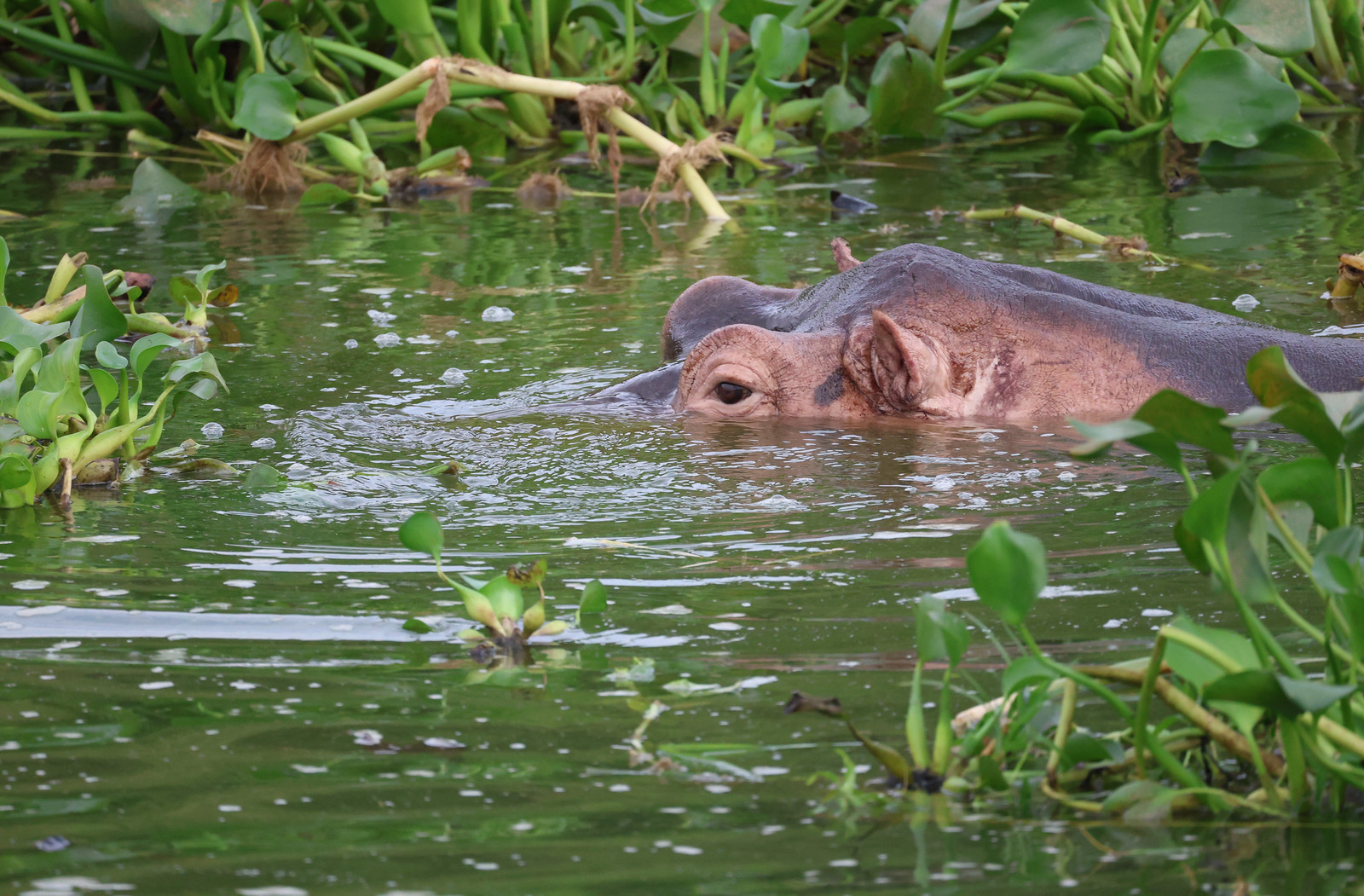
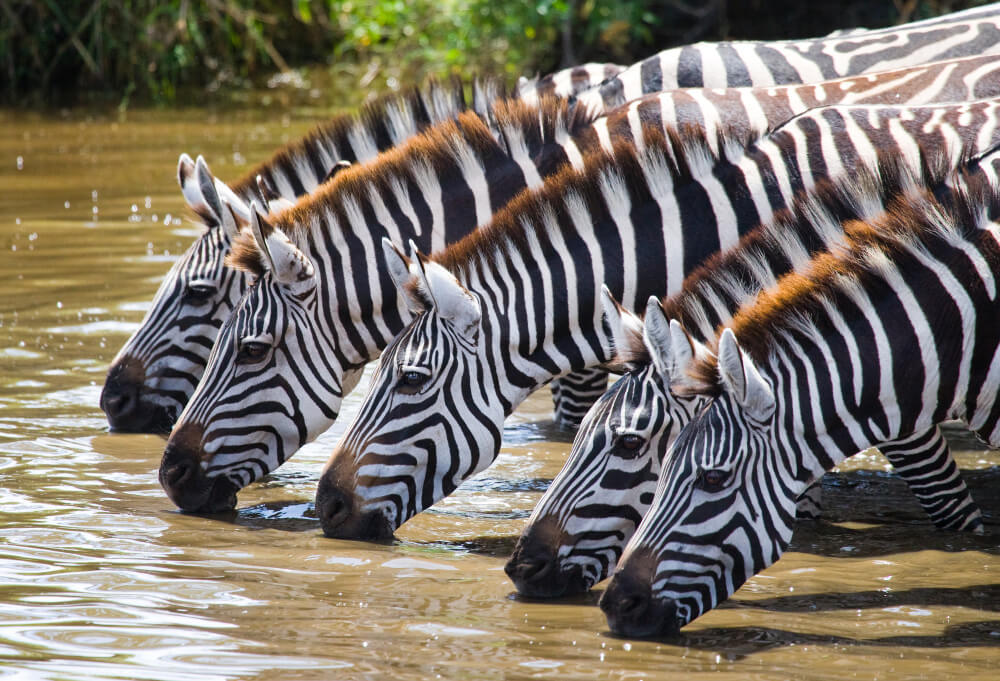
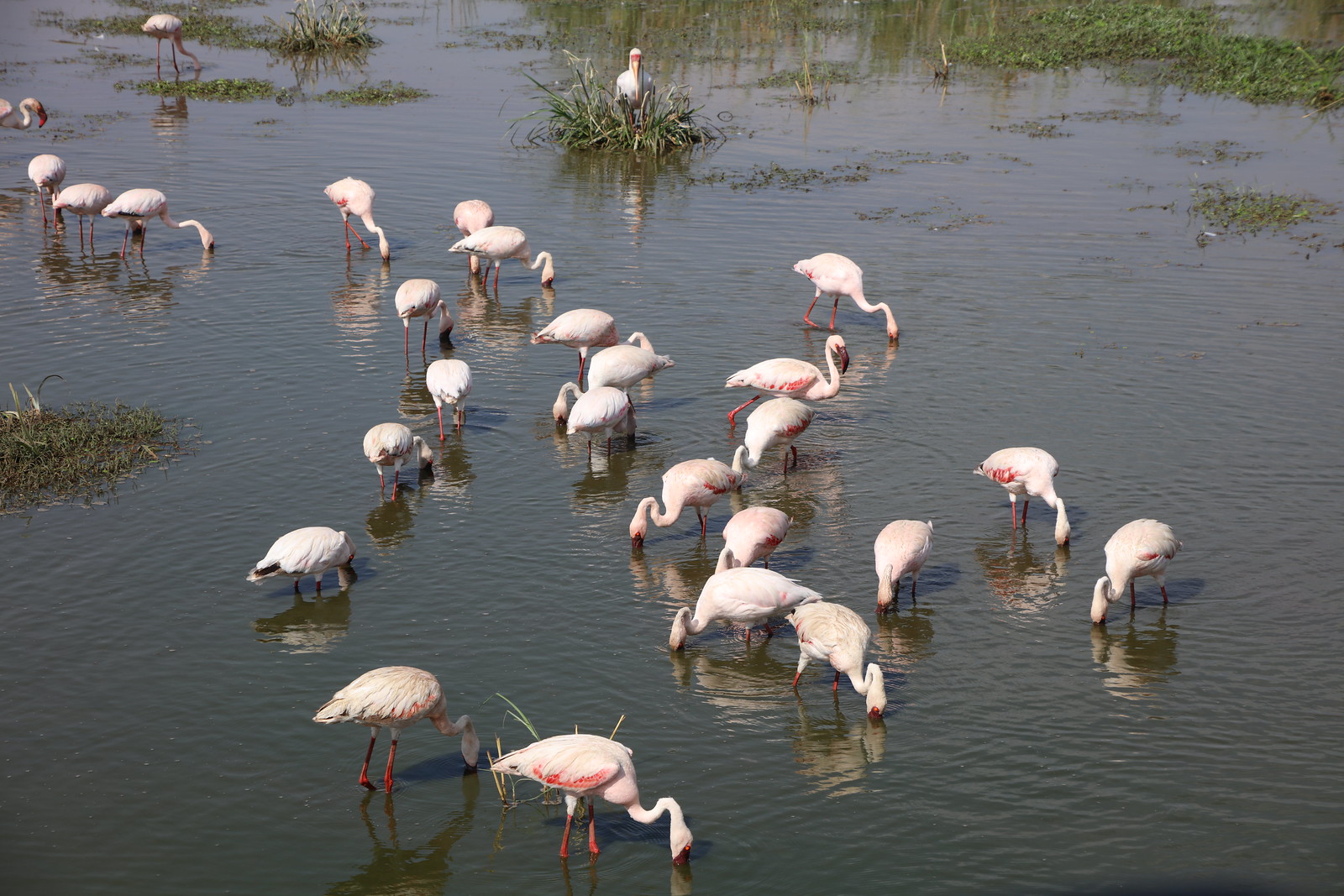
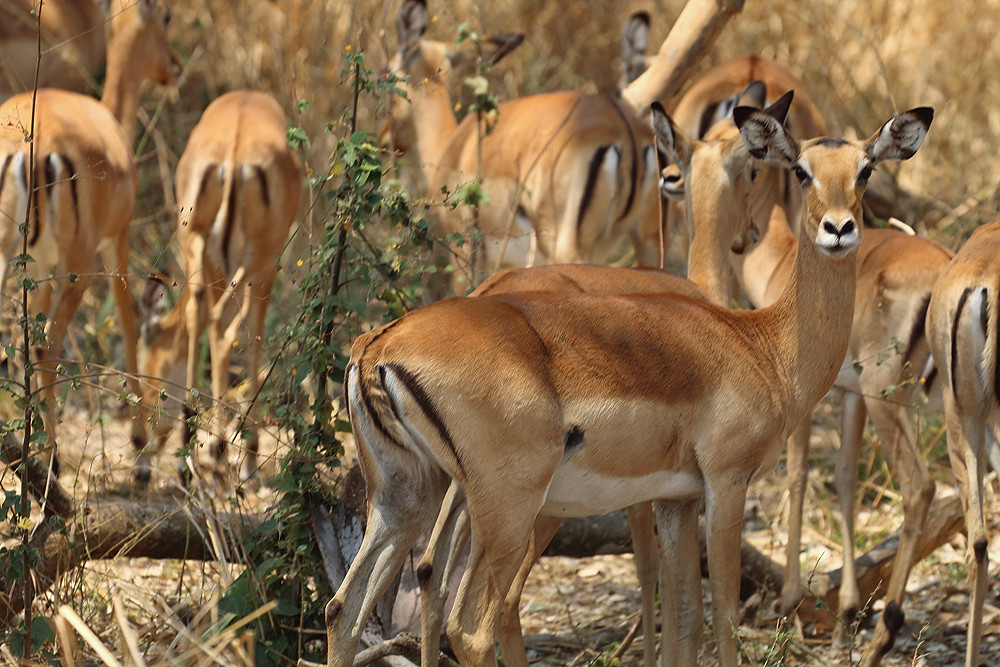
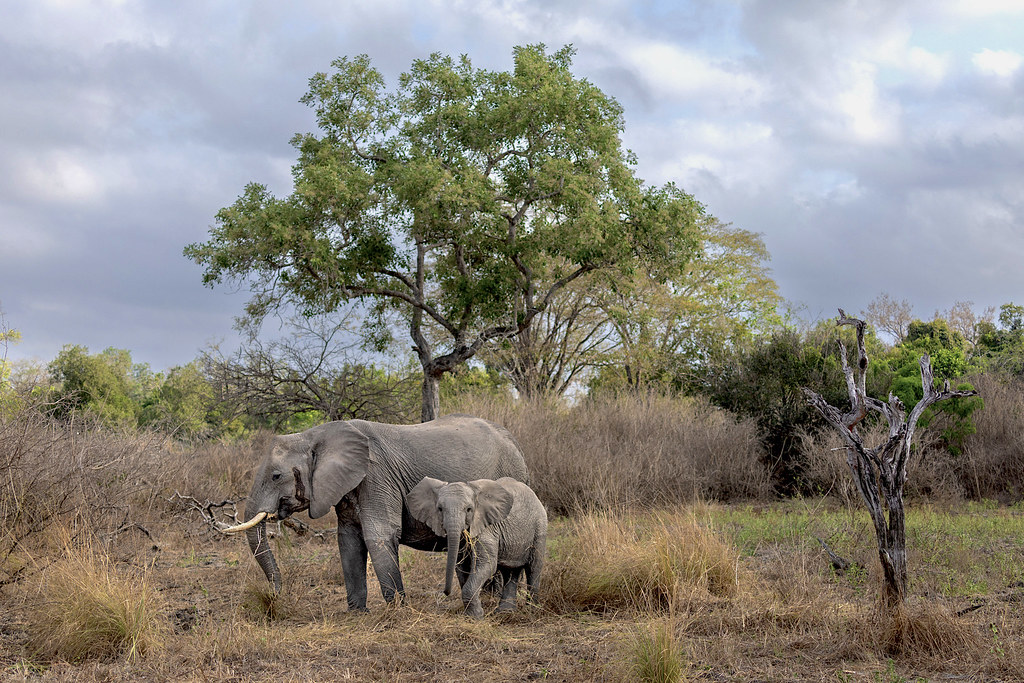
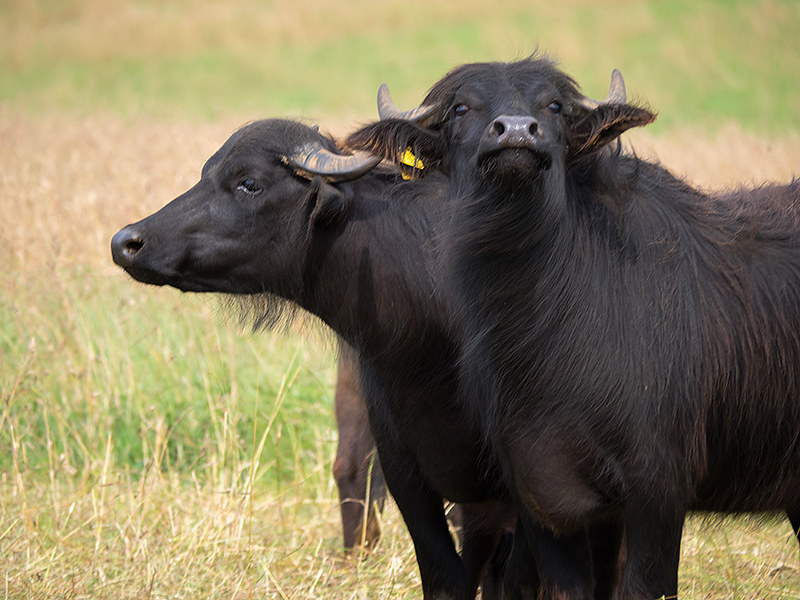
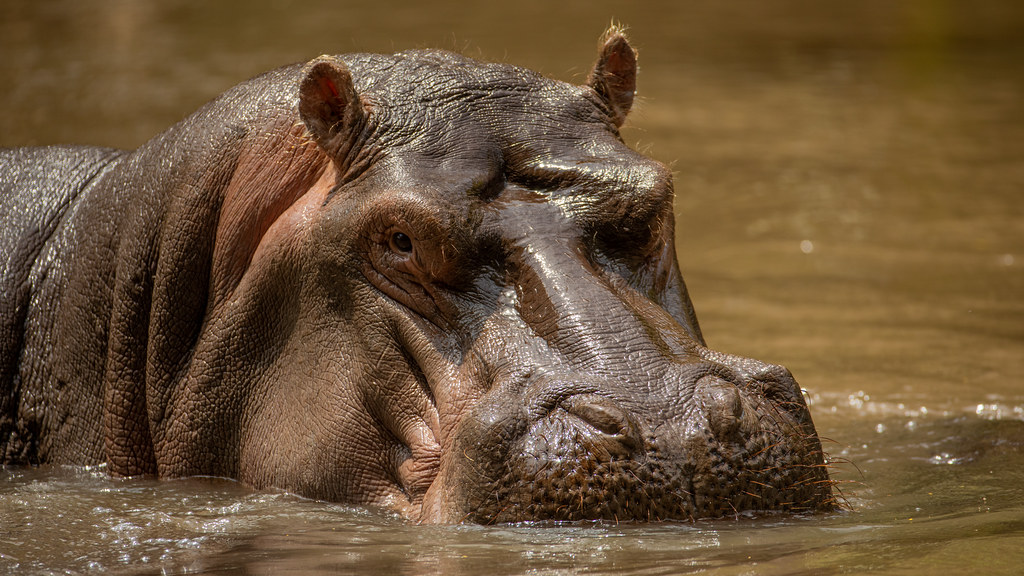
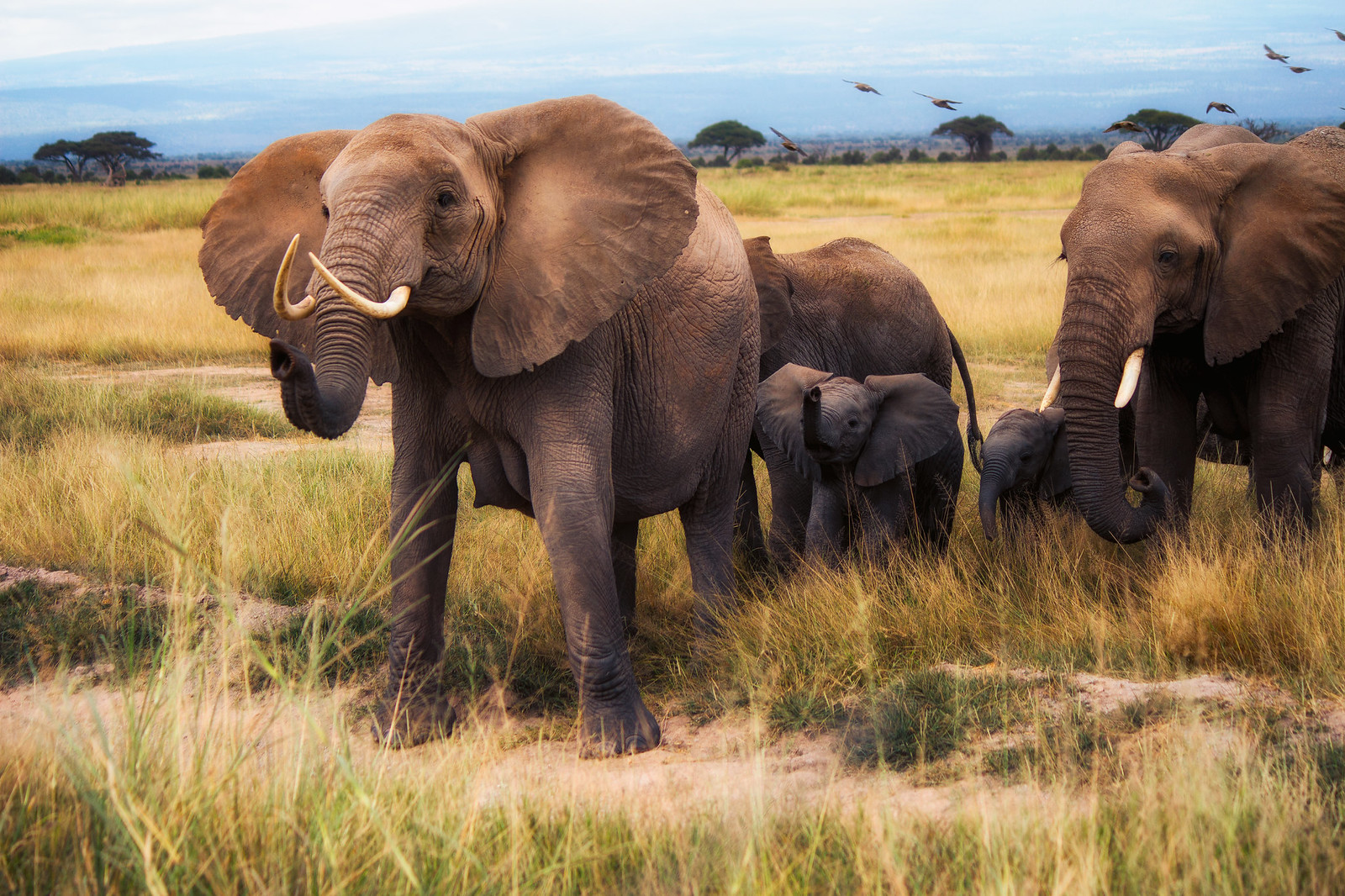
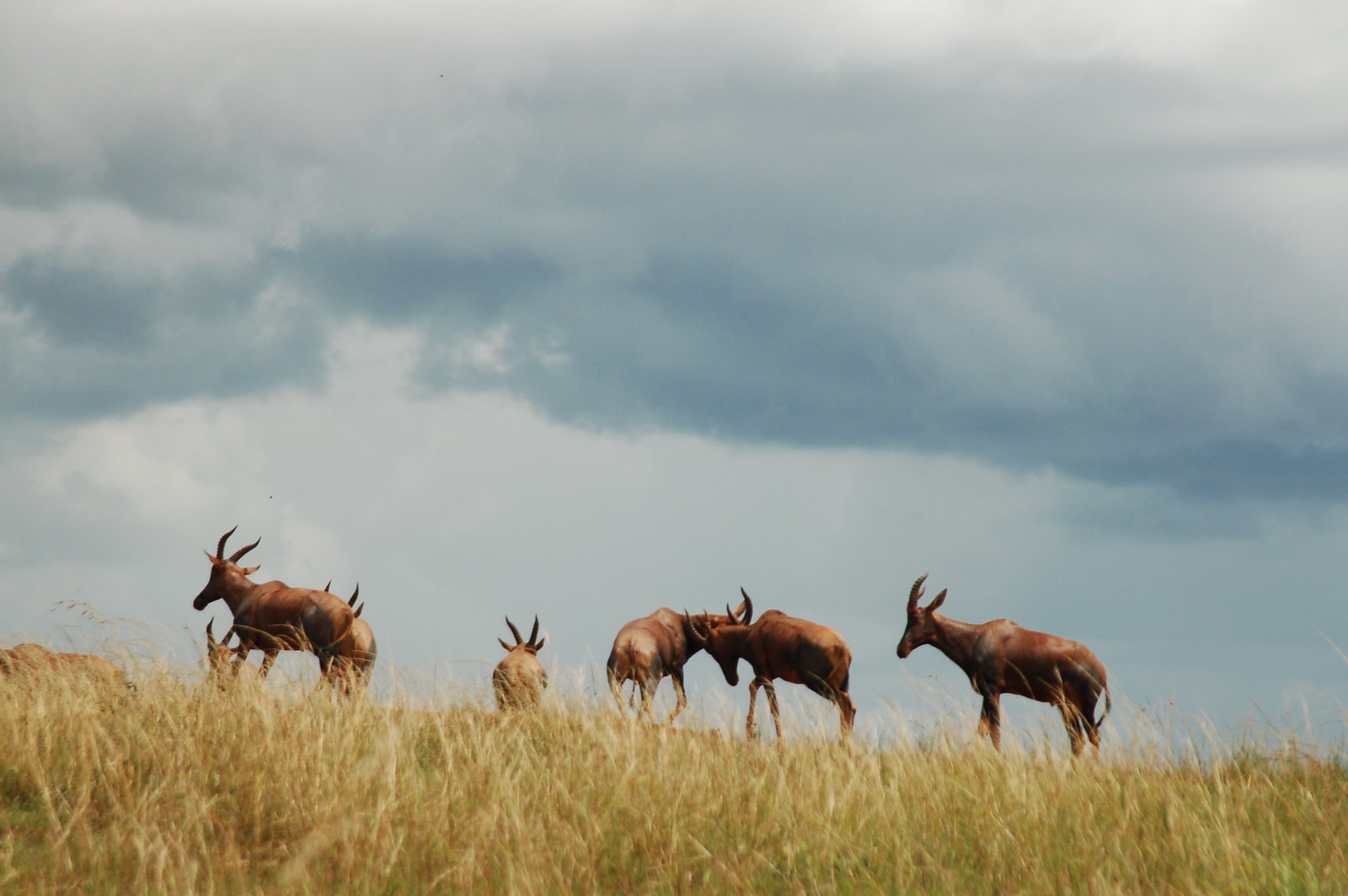
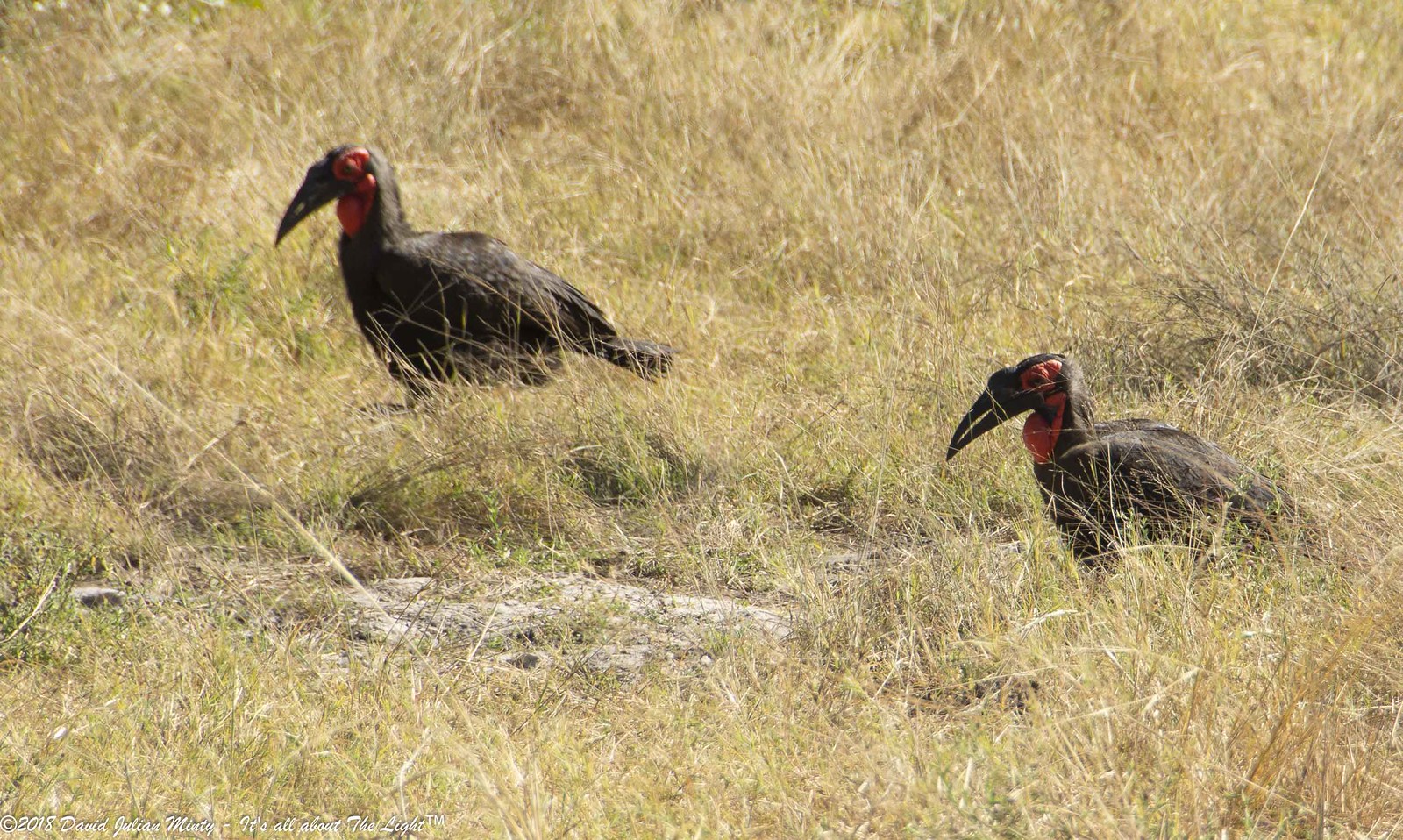
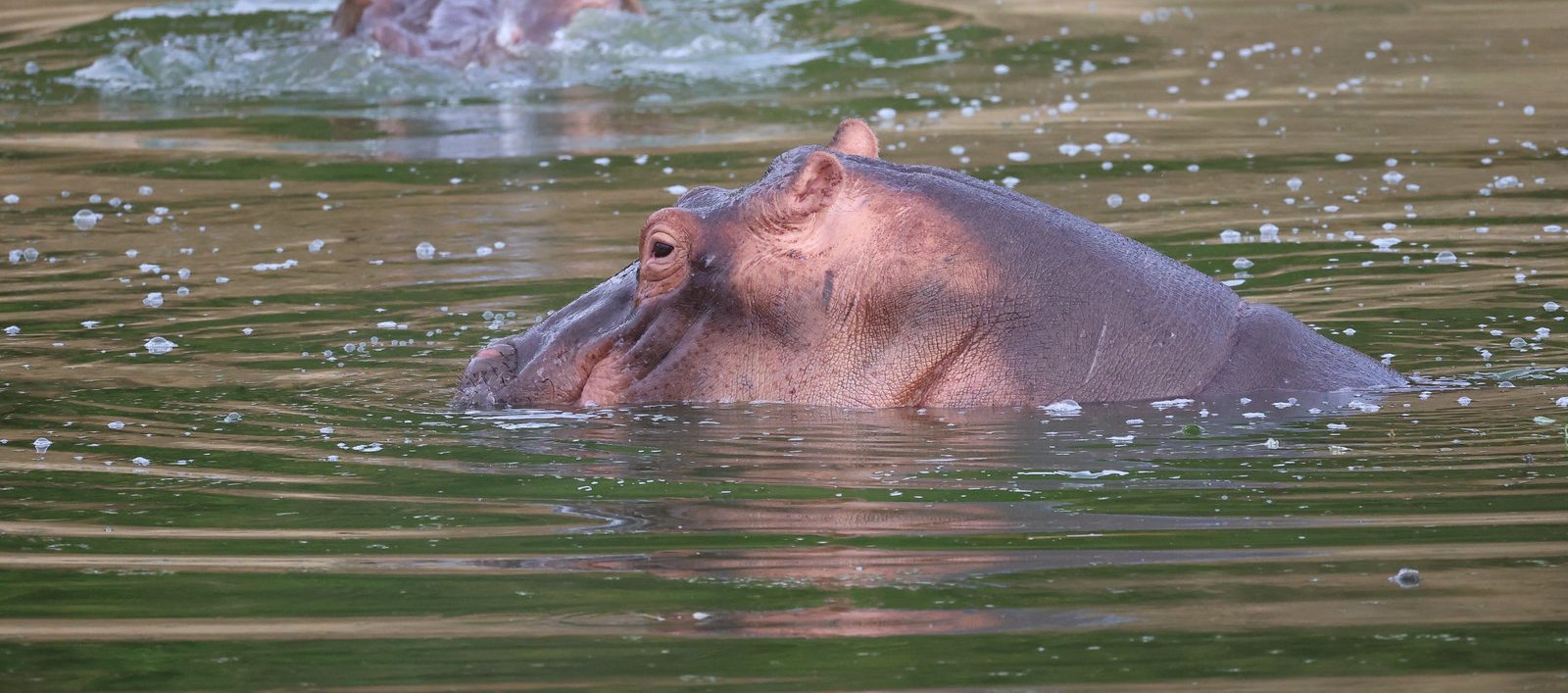
The crater floor is home to an estimated 25,000 large animals. Within a single game drive, visitors can encounter lions lounging in the grass, hyenas patrolling in groups, and jackals darting between herds of wildebeest and zebra.Ngorongoro is one of the best places in Tanzania to see the endangered black rhino. Protected within this natural enclosure, rhinos roam the open plains and acacia woodlands, offering rare and memorable sightings.Large bull elephants with impressive tusks move through the forested areas near the crater walls, while hippos submerge themselves in freshwater pools. The shallow Lake Magadi often attracts flamingos, creating pink reflections against the crater’s dramatic backdrop.Cheetahs, leopards, serval cats, buffaloes, gazelles, and elands add to the diversity. The density of wildlife makes every drive eventful, with predator-prey interactions unfolding in real time.
The Big Five Experience
Ngorongoro Crater is one of the few places in Africa where visitors have a realistic chance of seeing the Big Five — lion, leopard, elephant, buffalo, and rhino — in a single day.Lions are particularly abundant, often seen resting near roads or stalking herds across open grasslands. Buffaloes form massive herds, sometimes numbering in the hundreds. The combination of open plains and contained geography increases visibility, making wildlife spotting both exciting and efficient.
Maasai Culture and Human Presence
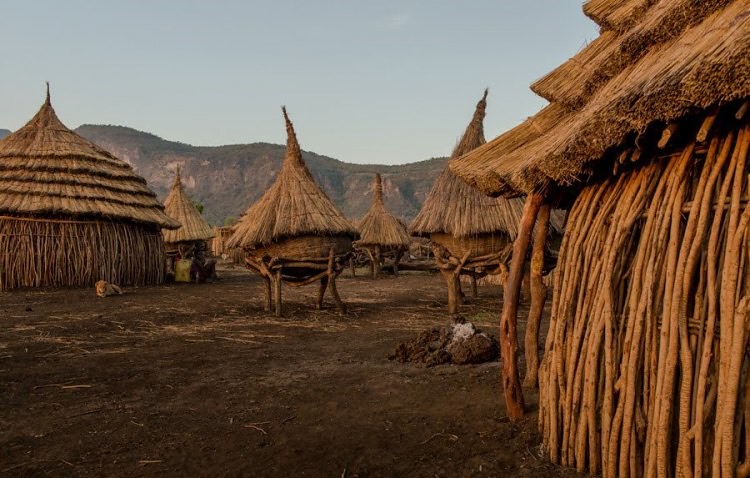
Unlike national parks that exclude human settlement, the Ngorongoro Conservation Area allows the Maasai people to live and graze livestock within designated zones. Their presence adds a rich cultural dimension to the safari experience.Bright red shukas dot the highland landscapes as Maasai herders guide cattle across rolling hills. Traditional bomas can be visited to learn about customs, architecture, and pastoral life that has endured for generations.This coexistence between wildlife and pastoral communities makes Ngorongoro unique among Africa’s protected areas.
Best Time to Visit
Ngorongoro Crater can be visited year-round. The dry seasons from June to October offer clearer skies and easier wildlife viewing as grass is shorter and animals gather near water sources.The rainy seasons from November to May transform the landscape into a lush green paradise. While afternoon showers are possible, this period offers dramatic scenery, fewer crowds, and excellent photographic opportunities.Because wildlife remains in the crater throughout the year, there is no strict migration season required for great sightings.
Safari Experience and Accessibility
Most visitors access Ngorongoro from the town of Karatu or as part of a northern Tanzania safari circuit that includes Serengeti National Park and Lake Manyara National Park. The crater lies about 180 kilometers west of Arusha and can be reached by road in approximately three to four hours.A typical visit involves descending the steep crater road early in the morning for a half-day or full-day game drive. Because of park regulations, vehicles must exit by late afternoon, preserving the fragile ecosystem.The descent itself is unforgettable. As mist clears and sunlight spills over the rim, the crater floor unfolds below like a living tapestry of wildlife.
Conservation Significance
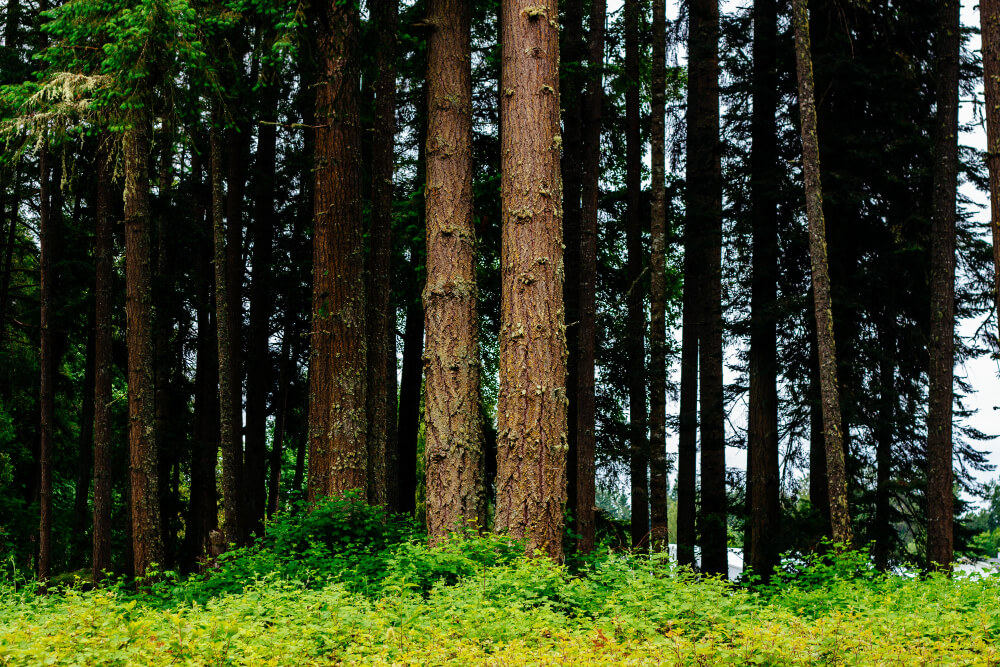
Ngorongoro is not only a wildlife sanctuary but also an archaeological treasure. Nearby Olduvai Gorge, often referred to as the “Cradle of Mankind,” has yielded some of the earliest human fossils, linking this region to the story of human evolution.Balancing conservation, tourism, and local livelihoods presents ongoing challenges. However, careful management has allowed Ngorongoro to remain one of Africa’s most intact and productive ecosystems.
Why Ngorongoro Crater Is Unforgettable
There is something profoundly cinematic about Ngorongoro Crater. Perhaps it is the symmetry of the landscape, the density of wildlife, or the sense of being enclosed in a world apart from time.Every game drive feels concentrated with life. Lions hunt within sight of flamingos. Elephants emerge from forests against towering crater walls. Hyenas laugh across the plains as zebras graze under endless skies.Ngorongoro is not just another safari destination. It is a natural spectacle, a conservation marvel, and a reminder of the geological forces that shaped Africa itself.To stand on the crater rim at sunrise, watching clouds drift over the vast bowl below, is to witness one of the most extraordinary landscapes on Earth — a place where nature performs on the grandest stage imaginable.