The History of Mountain Gorilla Conservation in East Africa
March 26, 2026
Gorilla Trekking in Congo (DRC)
March 26, 2026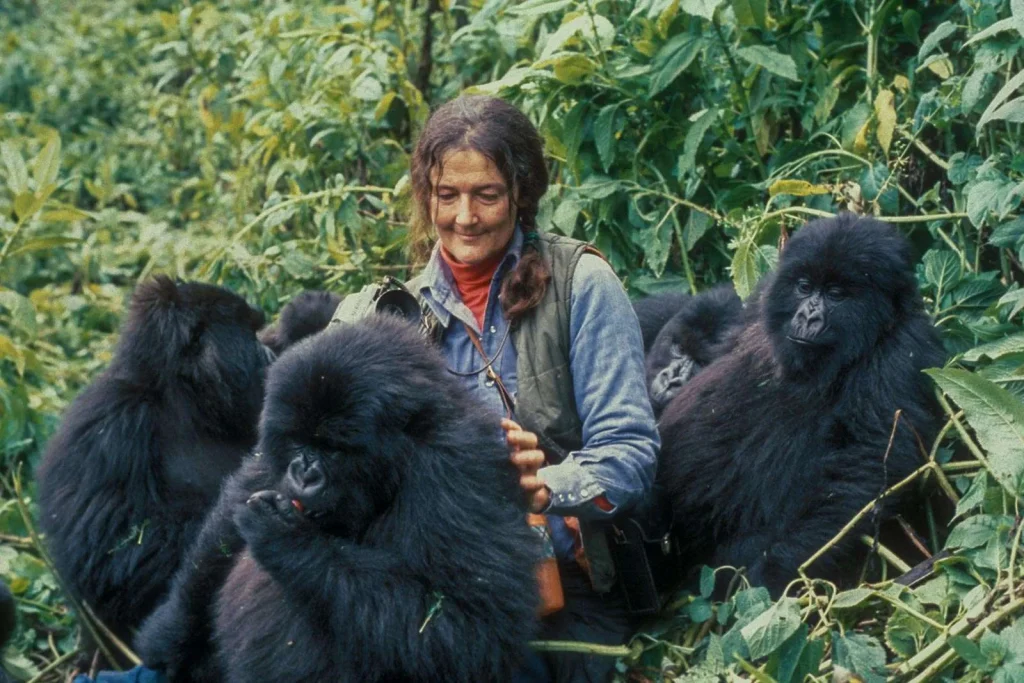
Dian Fossey’s Legacy: How Gorilla Conservation Changed Forever
Dian Fossey’s name is synonymous with mountain gorilla conservation. Her pioneering work in the Virunga Mountains of Rwanda not only transformed our understanding of these great apes but also reshaped conservation strategies across East Africa and the world. In 2026, decades after her groundbreaking research began, Fossey’s influence continues to define how gorillas are studied, protected, and integrated into sustainable tourism and community programs.
This blog explores Fossey’s life, her approach to gorilla research, the establishment of long-term conservation structures, and her enduring impact on wildlife protection, local communities, and global environmental awareness.
Early Life and the Call of the Wild
Born in 1932 in San Francisco, Dian Fossey initially pursued studies in occupational therapy. Her early exposure to Africa came in the 1960s when she volunteered on a wildlife study in Kenya. Witnessing the challenges faced by African wildlife, particularly the rapidly declining mountain gorilla populations, Fossey shifted her focus entirely toward primatology and conservation.
Her decision to relocate to Rwanda’s Virunga Mountains in 1967 marked the beginning of a lifelong commitment to the study and protection of mountain gorillas. Fossey immersed herself in their world, learning their behaviors, social structures, and ecological needs.
Karisoke Research Center: The Heart of Gorilla Study
In 1967, Fossey founded the Karisoke Research Center, strategically located between Mount Karisimbi and Mount Bisoke. Karisoke became the epicenter for mountain gorilla research and remains one of the most important conservation institutions in East Africa.
Under her guidance, the center:
- Documented gorilla behavior, social hierarchy, and reproductive patterns
- Developed methods for habituating gorillas for safe observation and controlled tourism
- Trained local staff in monitoring and protection techniques
- Provided critical data that informed conservation policies for Rwanda, Uganda, and the DRC
Karisoke also became a model for long-term field research, emphasizing individual identification, meticulous record-keeping, and ethical engagement with wildlife.
Anti-Poaching and Fierce Advocacy
Fossey’s approach to conservation extended beyond research. She was fearlessly proactive in anti-poaching efforts, personally removing snares, confronting hunters, and lobbying authorities to enforce wildlife protection laws. While her methods were sometimes controversial, her unyielding stance highlighted the urgent threats facing mountain gorillas and drew global attention to the dangers of poaching.
Her activism laid the groundwork for structured anti-poaching patrols and law enforcement that are still central to gorilla conservation today. The establishment of ranger units, combined with regulated tourism, created a framework in which economic incentives and law enforcement aligned with protection goals.
Gorillas in the Mist: Capturing the World’s Attention
In 1983, Fossey published Gorillas in the Mist, a compelling account of her life with the gorillas. The book, later adapted into a major film, brought international attention to the plight of mountain gorillas, highlighting their intelligence, social complexity, and vulnerability.
The publication:
- Elevated global awareness of mountain gorilla conservation
- Generated funding and support for anti-poaching initiatives
- Inspired a generation of conservationists, researchers, and tourists to engage responsibly with wildlife
Fossey’s storytelling demonstrated that scientific research and public advocacy could work hand-in-hand, bridging the gap between field science and global conservation consciousness.
Legacy in Conservation Strategies
Dian Fossey’s influence reshaped how gorilla conservation is approached today:
- Community Engagement: She highlighted the need to involve local populations, setting a precedent for linking economic benefits to conservation efforts.
- Sustainable Tourism: Fossey’s habituation methods laid the foundation for gorilla trekking programs, balancing wildlife protection with economic sustainability.
- Scientific Rigor: Her meticulous records and observational techniques remain standards for long-term wildlife monitoring.
- Global Partnerships: Fossey’s work catalyzed international support from NGOs, governments, and research institutions.
These strategies have been replicated and refined across Rwanda, Uganda, and the DRC, contributing to the slow but steady growth of mountain gorilla populations, now estimated at ~1,100 individuals in the wild as of 2026.
Ongoing Impact on Education and Awareness
Fossey’s legacy extends beyond fieldwork. Educational programs, documentaries, and conservation campaigns continue to draw inspiration from her pioneering efforts. Globally, her story emphasizes the importance of courage, persistence, and ethical engagement in conservation, inspiring both professionals and the public to advocate for endangered species.
Challenges and Controversies
While Fossey is widely celebrated, her methods were not without criticism. Her confrontational stance toward local communities and authorities occasionally created tensions, highlighting the complex interplay between conservation, human livelihoods, and enforcement.
Modern conservation efforts have built on her successes while adapting to these lessons, emphasizing collaborative, community-based approaches that combine protection with sustainable development.
Dian Fossey’s Enduring Legacy
In 2026, Dian Fossey’s contributions remain foundational to mountain gorilla conservation. Her life demonstrated that one person’s dedication can catalyze systemic change, influencing research, policy, tourism, and local engagement for decades.
Key aspects of her legacy include:
- Creation of Karisoke Research Center and long-term scientific monitoring
- Development of habituation methods for safe gorilla observation and ecotourism
- Implementation of anti-poaching practices and legal advocacy
- Elevation of global awareness through books, films, and media coverage
- Inspiration for new generations of conservationists and ecotourists
Her work ensured that mountain gorillas are no longer on the brink of immediate extinction. Instead, they occupy a protected, monitored, and respected place in East Africa’s montane forests, symbolizing hope, resilience, and the enduring impact of dedicated conservation action.