Gorilla Trekking in Congo (DRC): Complete Guide to Virunga National Park
Overview
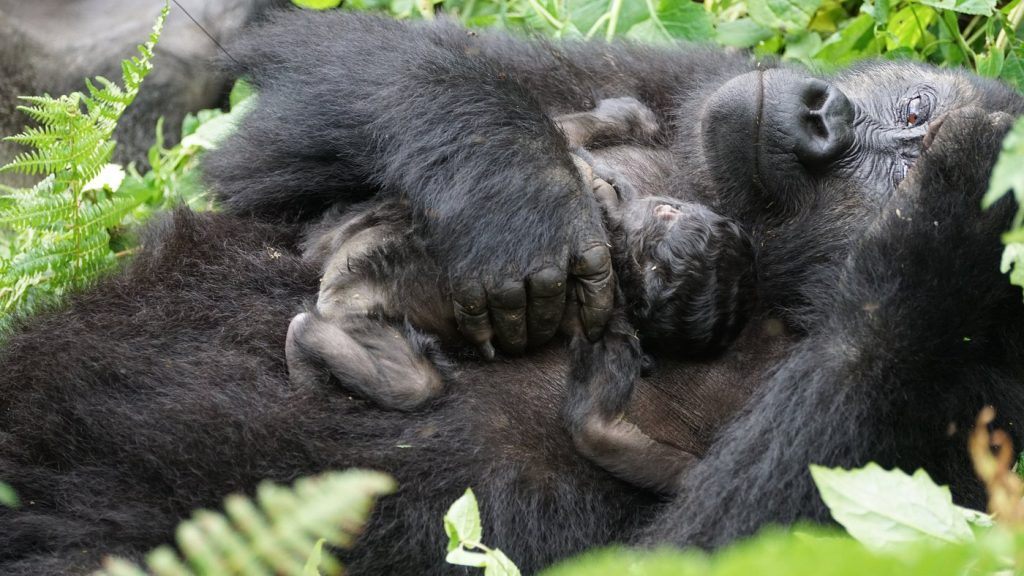
Gorilla trekking in the Democratic Republic of the Congo (DRC) is one of Africa’s most rewarding and adventurous wildlife experiences. At the heart of this journey lies Virunga National Park, a UNESCO World Heritage Site and Africa’s oldest protected area. Virunga is one of the only places on Earth where you can track critically endangered mountain gorillas in the wild, offering an immersive and authentic encounter that blends rugged beauty, rich biodiversity, and cultural depth.
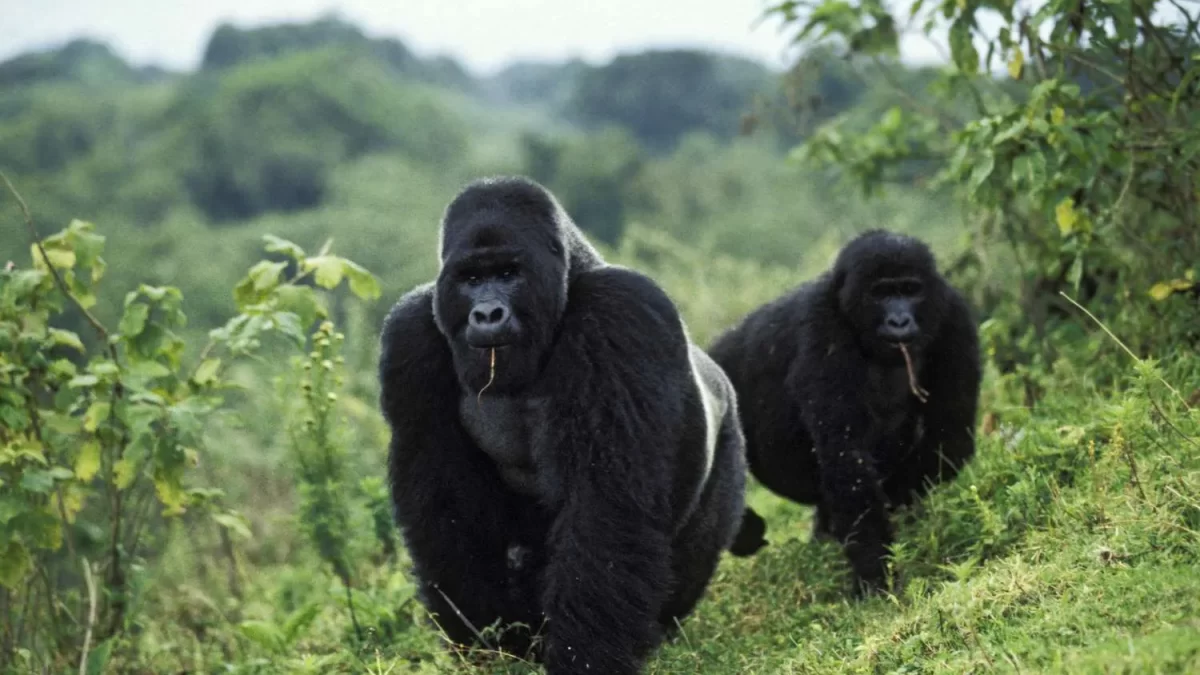
This complete guide – updated for 2026 – covers everything you need to know before you go: permits and costs, travel logistics, what to expect on the trek, safety considerations, accommodation options, seasonal tips, and how to make the most of your Virunga adventure.
Why Trek in Virunga?
Virunga National Park is unique for several reasons. It is one of three places (alongside Rwanda’s Volcanoes and Uganda’s Bwindi/Mgahinga parks) where mountain gorilla trekking is possible. Its gorilla population is part of the Virunga Massif, shared between Rwanda, Uganda, and the DRC. The park encompasses diverse landscapes – from alpine moorlands to dense montane forest – within the shadow of active volcanoes. Trekking here feels less commercial and more exploratory than in neighboring countries, drawing travellers seeking depth, challenge, and authenticity. Virunga is also home to forest elephants, chimpanzees, hippos, rare birds, and a host of other wildlife, making it ideal for broader wildlife and photography itineraries.
Gorilla Trekking in Virunga: The Essentials
Gorilla Families and Habituation
In Virunga National Park, trekkers seek mountain gorilla families that have been habituated to human presence. Habituation involves careful, long-term contact by researchers and trackers so that gorillas grow accustomed to non-threatening humans. Each habituated group has its own territory, rhythms, and behavior patterns. Guides and trackers monitor family movements daily to determine where to start the trek each morning.
What You See on the Trek
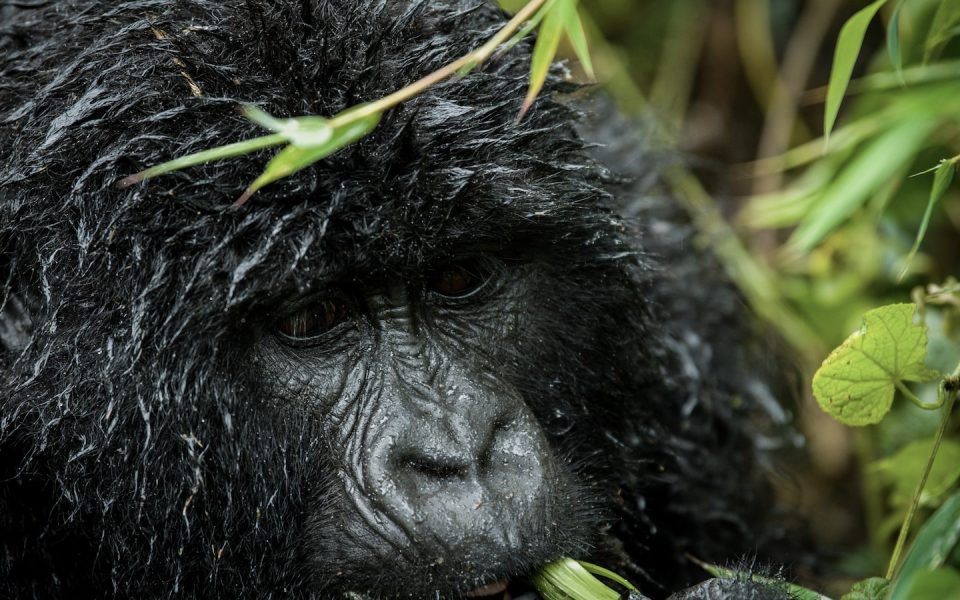
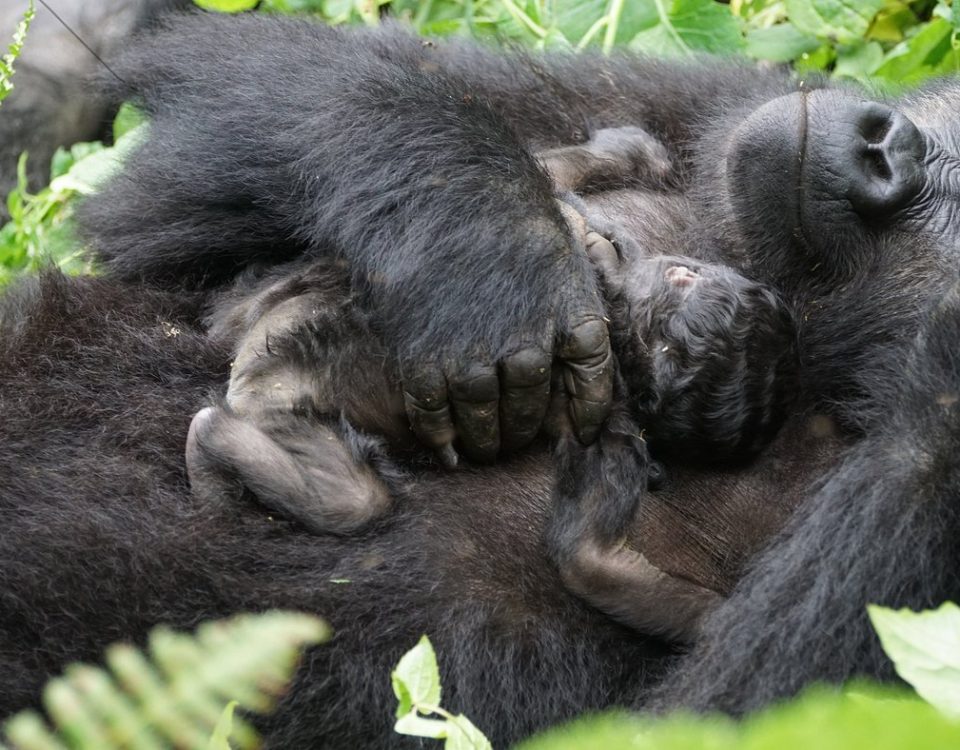
Like other gorilla treks, the experience varies by day and by family location but typically includes forest hiking through bamboo thickets, steep slopes, and misty montane forest, wildlife sightings including duikers, monkeys, and diverse birdlife, the one-hour encounter with a gorilla family – watching them interact, feed, play, and rest – and rich photographic opportunities in natural light and dramatic forest scenery. Expect variable terrain – some days are relatively easy, others strenuous – depending on the family’s location and recent movements.
Trek Duration and Distance
Gorilla treks in Virunga can range from 2 to 8+ hours depending on where the gorillas were last seen. There is no fixed trail or pace; guides follow the trackers and the gorillas’ spoor (tracks and signs). Fitness gearing up is crucial: good hiking boots, gloves, rain gear, and a personal daypack are essential.
Permits and Costs (2026)
Gorilla trekking permits in Virunga are limited and mandatory. These permits are typically issued per person and sold at limited daily quotas, must be booked well in advance, especially for peak travel seasons, and usually include a fixed price set by park authorities. Exact figures fluctuate, so check with official Virunga National Park sources or your tour operator before booking. Always ensure you have official confirmation of your permit before travel.
When to Go: Best Timing
Dry Seasons: June-September offer optimal trekking conditions, clearer visibility, and more predictable tracking, while December-March is also favorable though intermittent rains may appear.
Wet Seasons: Trekking is entirely possible during April-May and October-November, but trails may be muddier and conditions more physically demanding. In general, the dry season provides the best mix of trail accessibility and wildlife activity.
Getting to Virunga National Park
Entry Points
- Goma (DRC): The most common gateway, accessible by flight from Kigali (Rwanda) or Entebbe/Kampala (Uganda) with visas cleared prior to or on arrival depending on nationality.
- Bukavu (DRC) or Kinshasa: Alternative entry points depending on itinerary.
Travel Logistics
Arrival typically involves an international flight to Kigali (Rwanda) or Entebbe/Kampala (Uganda), crossing into the DRC with visa and entry process, a road transfer to the park headquarters near Goma, and a briefing with official guides. Travellers should plan for border logistics and additional safety screening, as procedures in the DRC can be more detailed than in Rwanda or Uganda. Working with a reliable tour operator or local agent familiar with the region is essential.
Accommodation Options
Virunga offers a range of lodges and camps that blend comfort with immersive wildlife access. Luxury and mid-range options include Sabinyo Silverback Lodge, a boutique eco-lodge with stunning views of the Virunga volcanoes, and Bukima Tented Camp / Mikeno Lodge, ideal for gorilla trekkers. Basic and eco camps provide simpler stays close to trekking zones. Lodges typically provide meals, guiding support, transfers to trailheads, and optional cultural or wildlife activities.
What to Expect on the Ground
Before the Trek
Early morning pickup and check-in at park headquarters, ranger briefing on safety and rules, allocation of a gorilla family, and assignment of trackers and guides.
During the Trek
Variable terrain with uphill climbs, dense vegetation, and wet ground at times. Guides move at your pace, but some sections can be physically demanding. Upon locating the gorillas, groups spend one strict hour with the family to minimize stress on the animals.
After the Trek
Return to lodge for rest and lunch. Optional afternoon activities include nature walks, visits to ranger posts, wildlife photography sessions, or cultural village visits.
Rules and Best Practices
To protect both gorillas and visitors, strict rules are enforced: keeping a minimum distance of 7 meters from gorillas, avoiding eating or drinking in sight of gorillas, no flash photography, following guide instructions at all times, limiting group sizes, and discouraging trekking for visitors with illness. These guidelines ensure gorilla health, safety, and long-term conservation.
Safety Considerations
Visiting the DRC requires enhanced awareness and preparation. Follow all guidance from park authorities and your tour operator, carry proper travel documents and visas, register with your embassy, and respect local customs. Despite past political challenges, Virunga National Park maintains strong protection protocols with dedicated rangers, making gorilla trekking safe when organized through official channels.
Extending Your Virunga Trip
Many travellers combine their gorilla experience with chimpanzee tracking, birdwatching, cultural visits, or volcano hikes like Mount Nyiragongo, deepening understanding of the region’s ecology and heritage.
Cost and Budget Tips
Costs vary depending on accommodation and itinerary. Key budget components include the gorilla trekking permit, visa and border fees, international flights and transfers, accommodation and meals, guide tips, and optional excursions. Work with a reputable operator to bundle services and confirm all costs upfront, as fees and permit prices can change.
Why Gorilla Trekking in Virunga Is Worth It
Gorilla trekking in the DRC offers a deep, raw, and rewarding encounter with nature at its most compelling. It provides close encounters with one of the world’s most endangered species, immersive experiences in dramatic volcanic landscapes, a sense of exploration and discovery, and opportunities to contribute directly to conservation and local economies. It is both an adventure and a privilege, leaving lasting memories and a deeper appreciation for wildlife stewardship.
Gorilla trekking in Virunga National Park (DRC) remains one of Africa’s most unforgettable wildlife experiences in 2026. With careful planning, respect for conservation protocols, and a spirit of adventure, you can witness mountain gorillas in their natural habitat – a moment that truly defines the meaning of a safari. Virunga offers a rich blend of natural beauty, cultural depth, and ecological significance, making it a must-visit destination for any wildlife enthusiast.
Gorilla Trekking in the Democratic Republic of Congo
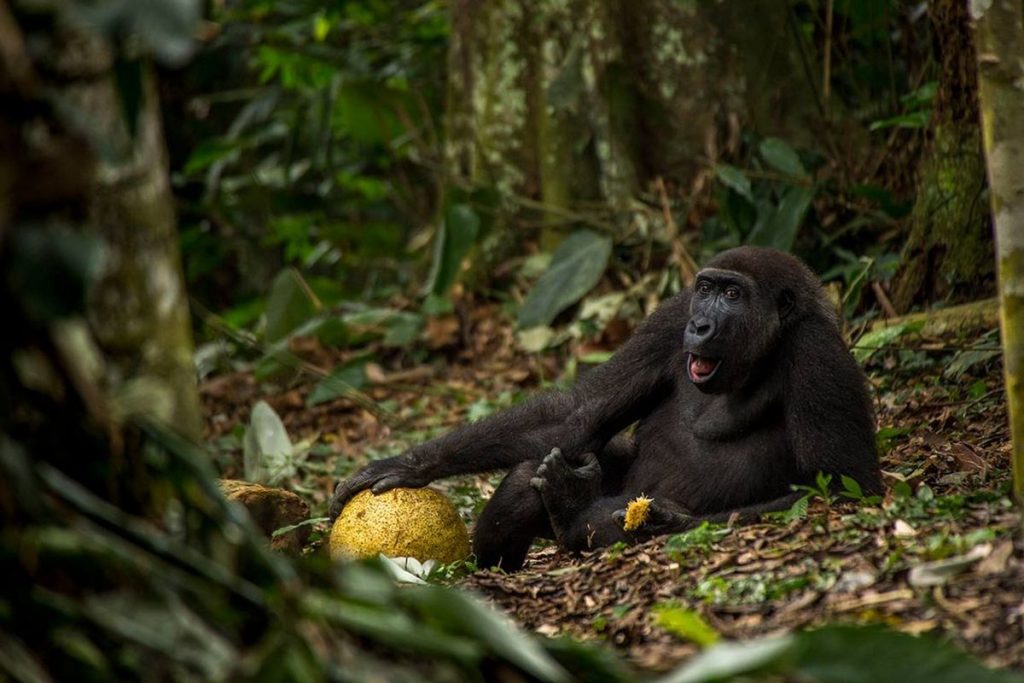
The Democratic Republic of Congo (DRC) is home to two gorilla species found nowhere else together: mountain gorillas in Virunga National Park and eastern lowland gorillas (Grauer’s gorillas, Gorilla beringei graueri) in Kahuzi-Biega National Park. Both are UNESCO World Heritage Sites.
Virunga National Park – Africa’s oldest national park, established in 1925 – covers 7,900 km² of remarkable ecological diversity, from the volcanic peaks of the Virunga Massif to the glaciers of the Rwenzori Mountains and the tropical lowland forests of the Congo Basin. The park is also home to hippos, elephants, okapis, and the entire cast of Congo rainforest wildlife.
Eastern Lowland Gorillas – A Unique Encounter
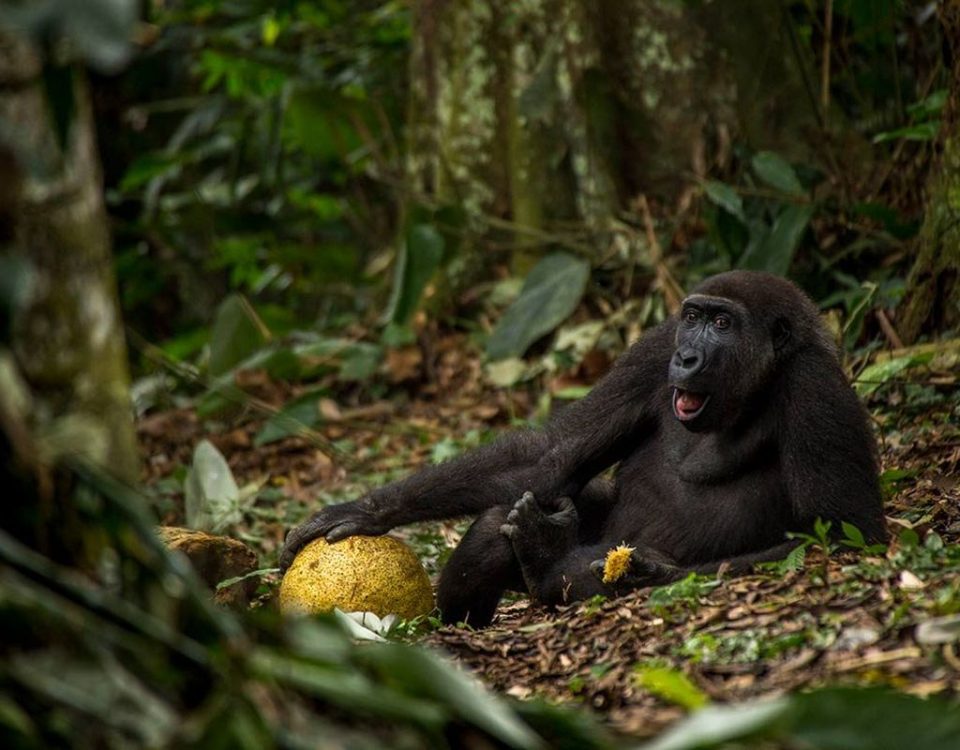
The eastern lowland gorilla (Grauer’s gorilla) is the world’s largest subspecies of gorilla, with silverbacks weighing up to 220kg. Found only in the DRC, Grauer’s gorillas are considerably rarer than mountain gorillas – their population has declined by more than 70% since the 1990s due to conflict, habitat loss, and poaching. Kahuzi-Biega National Park in South Kivu offers the only reliable trekking experience with habituated Grauer’s gorilla families.
A gorilla permit in the DRC costs USD 400 per person – significantly cheaper than Rwanda (USD 1,500) or Uganda (USD 800). The experience is raw, off-the-beaten-track, and unforgettable for travellers seeking something genuinely uncommon.
Practical Information for DRC Gorilla Trekking
Getting to Virunga and Kahuzi-Biega
The most common entry point to eastern DRC is via Kigali, Rwanda. Goma – the gateway to Virunga National Park – is just 80km from Kigali. Direct flights from Nairobi and Kampala also serve Goma. Bukavu (gateway to Kahuzi-Biega) is accessible from Goma by road (3-4 hours) or by light aircraft.
Is it safe to trek gorillas in the DRC?
Security in eastern DRC is complex and fluctuates. Virunga National Park and Kahuzi-Biega have experienced periods of closure due to armed group activity. Always check current security conditions with your tour operator and your government’s travel advisory before planning a DRC gorilla trek. Reputable operators with established local security networks are essential.
Recommended Tours: 8 Days Congo Gorillas & Nyiragongo Safari | 5 Days Lowland Gorilla Safari Congo