Home /
Gorilla Trekking Guide
Gorilla trekking is a regulated wildlife experience that allows visitors to hike into protected montane forests to observe habituated mountain gorilla families in their natural habitat. It is not a zoo encounter or a passive safari activity; it is an active expedition through dense terrain under ranger supervision. This guide outlines where to go, permit systems, physical requirements, safety protocols, packing strategy, costs, and what to expect on the day of your trek.Mountain gorillas can only be trekked in three countries: Uganda, Rwanda, and Democratic Republic of the Congo. The trekking zones fall within the Albertine Rift ecosystem, specifically protected montane forests in the Virunga and Bwindi regions.
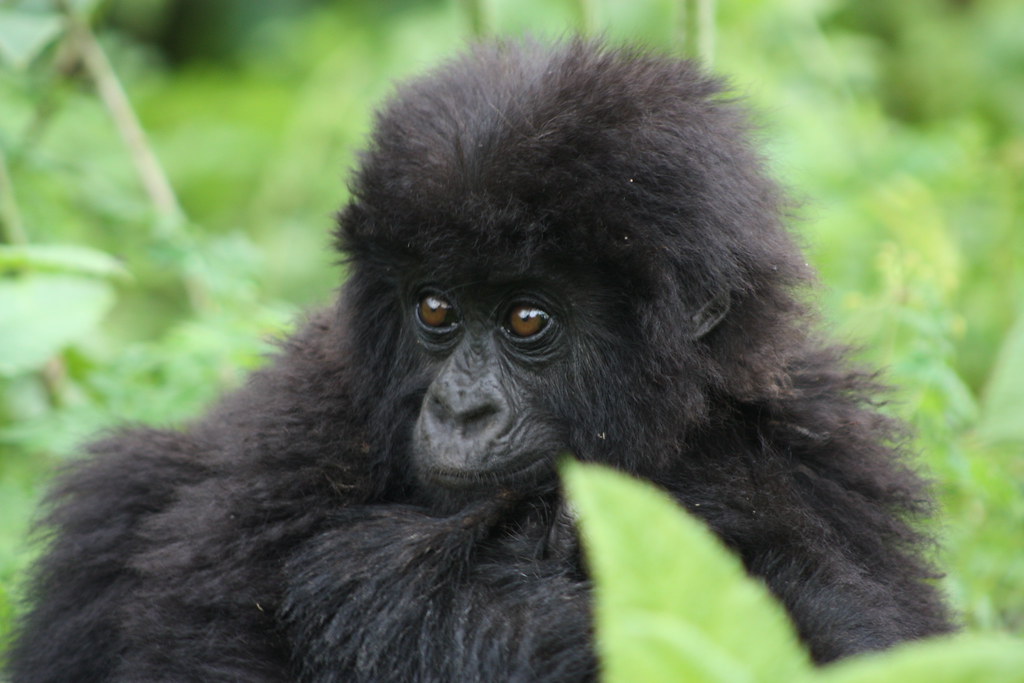
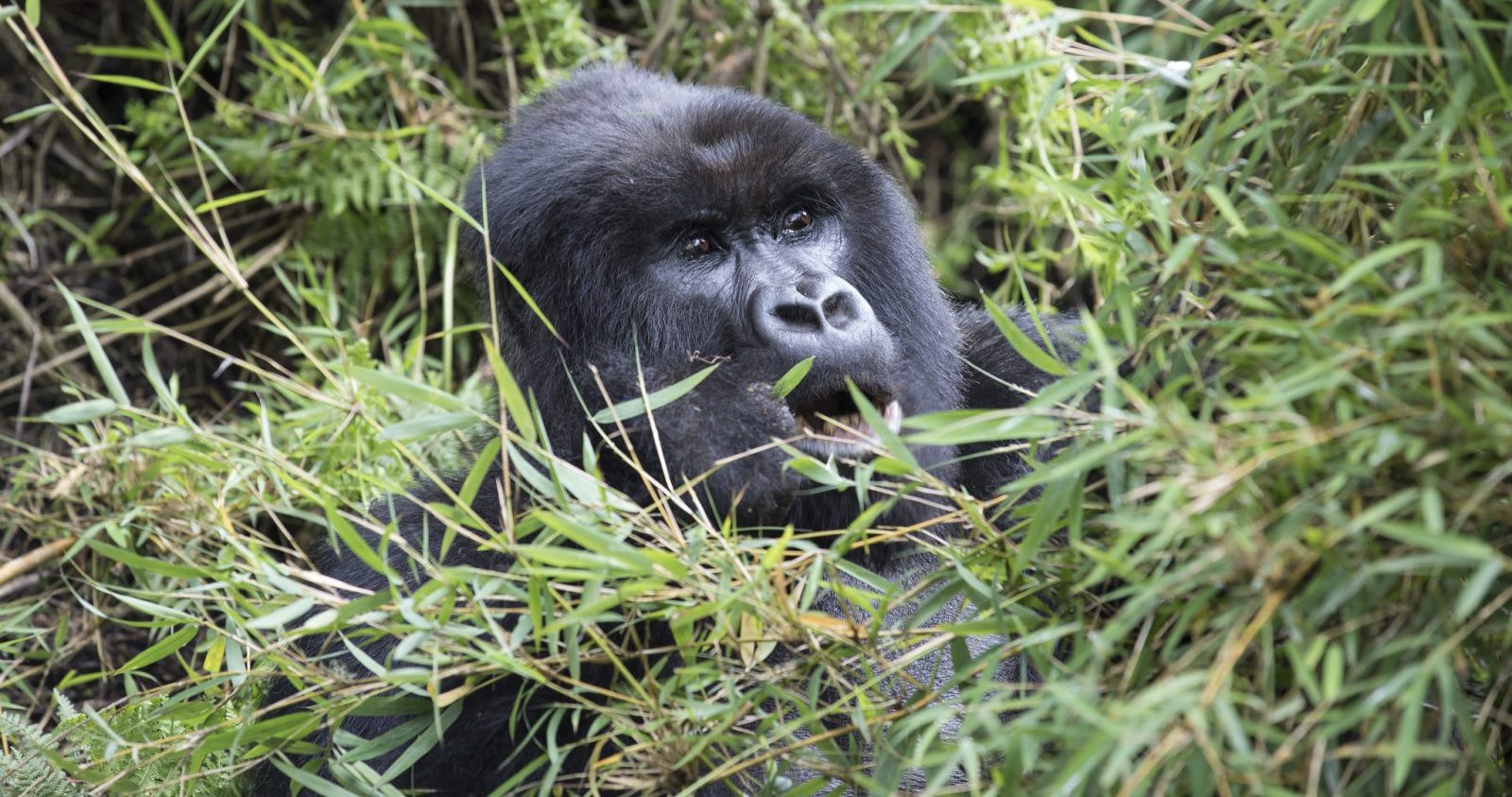
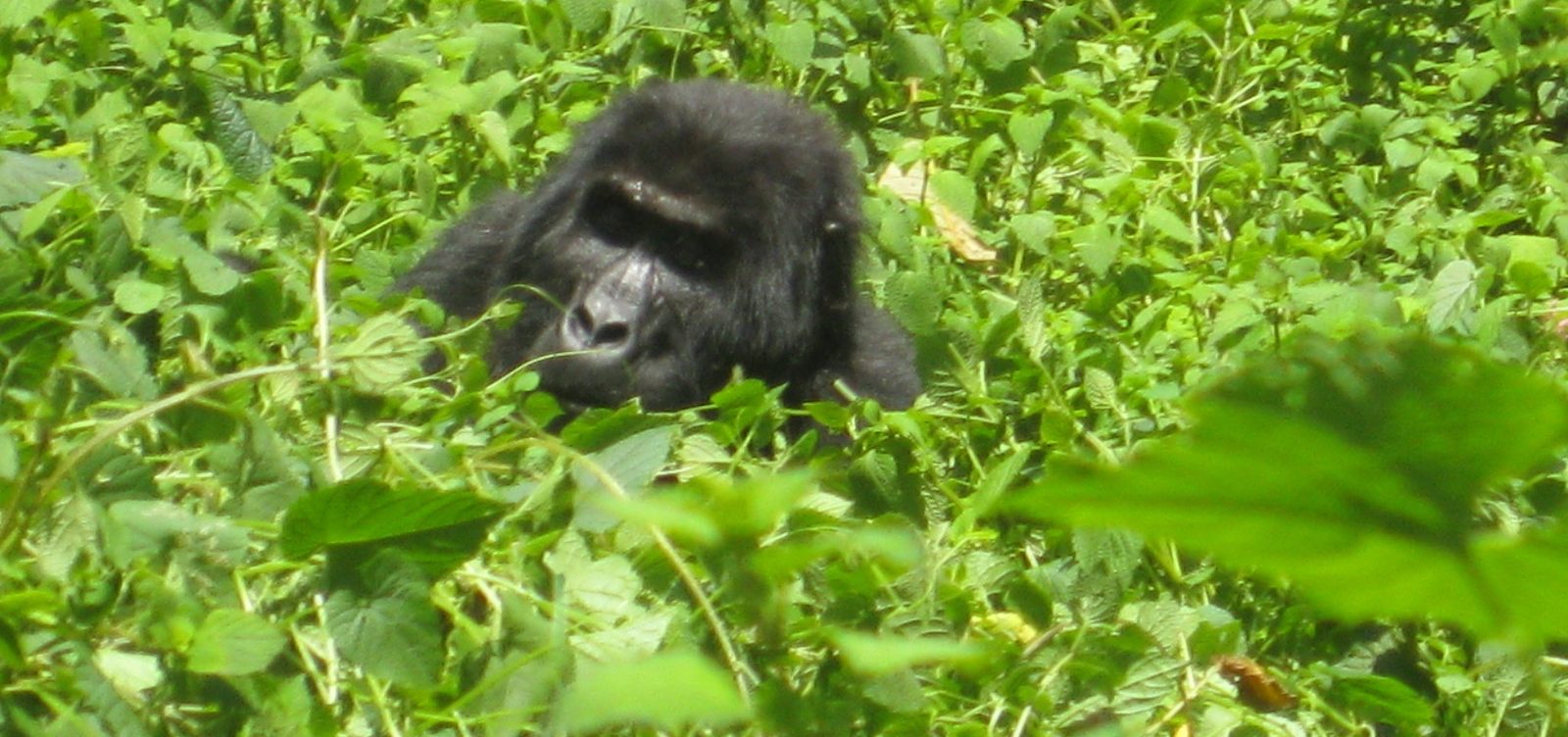
What To Expect On Gorilla Safari
Expect an unforgettable gorilla safari in Uganda, where dense misty forests hide majestic mountain gorillas, winding trails lead to intimate wildlife encounters, and every moment immerses you in nature, conservation, and awe-inspiring memories.
Gorilla Trekking Guide & Tours
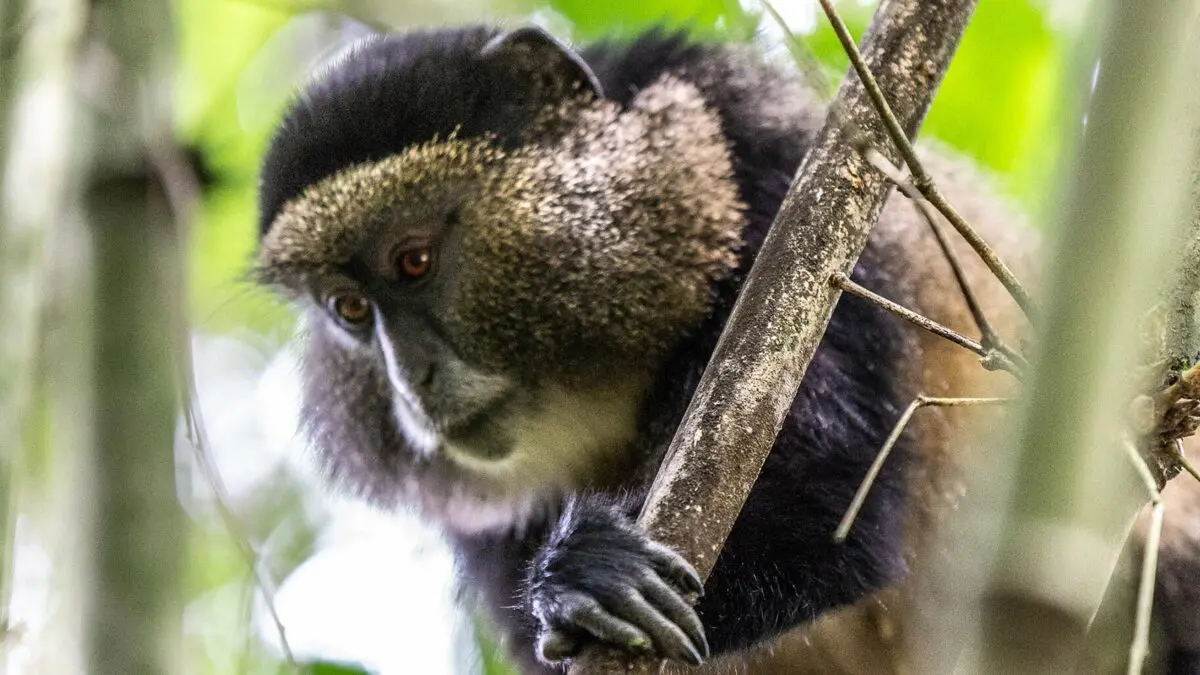
Please the content should be 110 characters.
7 Days Rwanda & Uganda Gorilla and Wildlife Safari from Kigali with Volcanoes, Bwindi & Big Game Experiences
What To Pack For A Gorilla Safari
Pack essentials for a gorilla safari including sturdy hiking boots, lightweight long-sleeve clothing, rain gear, insect repellent, a hat, binoculars, a camera, gloves, and a small backpack to stay comfortable while trekking through misty forests.
Gorilla Trekking Guide Guide: A Complete Journey into the Forests of East Africa
Where Gorilla Trekking Takes Place
Uganda
Uganda hosts the largest number of habituated mountain gorilla families.Bwindi Impenetrable National Park is the most popular trekking destination. It is a dense, high-altitude rainforest divided into four sectors: Buhoma, Ruhija, Rushaga, and Nkuringo. Trek difficulty varies depending on gorilla location and terrain gradient.Mgahinga Gorilla National Park is smaller and located in the Virunga volcanic range. The terrain consists of bamboo forest and volcanic slopes. It is less crowded and offers a scenic mountain backdrop.
Rwanda
Volcanoes National Park is Rwanda’s sole gorilla trekking destination. It lies within the Virunga Mountains and is approximately 2–3 hours by road from Kigali. The terrain includes bamboo forests and volcanic ridges. Rwanda is often chosen for its logistical efficiency and premium tourism infrastructure.
Democratic Republic of the Congo
Virunga National Park offers mountain gorilla trekking in a more remote setting. It also provides access to Mount Nyiragongo. Travel requires additional planning due to regional considerations, but the experience is less commercialized.
Gorilla Permits
A gorilla trekking permit is mandatory. Without it, trekking is not allowed.Permits grant one hour with a habituated gorilla family once located. The tracking time to reach them can range from 30 minutes to over 6 hours depending on their movement.
Permit prices vary by country:
Uganda generally offers mid-range pricing and more availability due to multiple sectors.
Rwanda maintains the highest permit cost but offers shorter travel times from the airport.
Congo historically has lower pricing but requires flexible travel planning.
Permits are limited per day per gorilla family to minimize stress and disease transmission. Advance booking—often 3 to 6 months ahead in peak season—is strongly recommended.
Physical Requirements and Fitness Level
Gorilla trekking is physically demanding. The activity involves hiking at elevations between 2,200 and 4,000 meters in humid, mountainous terrain.
You should be prepared for:
Steep ascents and descents
Uneven forest floors
Mud and slippery conditions
High humidity
Dense vegetation requiring maneuvering
Fitness level does not need to be athletic, but moderate cardiovascular endurance and stable footing are essential. Porters are available for hire and are highly recommended. They assist with backpacks and provide physical support on steep sections.
What Happens on Trekking Day
Trekking begins early, typically around 7:00–8:00 a.m., with a briefing at the park headquarters. Visitors are assigned to a specific gorilla family in groups of up to eight people.
A lead ranger and armed park scout accompany each group. Rangers communicate with advance trackers who monitor gorilla movements at dawn.
Once the gorillas are located, visitors are allowed exactly one hour in their presence. During this time:
Maintain a minimum 7-meter distance
Avoid direct eye contact with dominant silverbacks
Do not eat or drink near gorillas
Avoid sudden movements
Follow ranger instructions at all times
Gorillas are generally calm and habituated to human presence, but they remain wild animals.
Best Time for Gorilla Trekking
Gorilla trekking is possible year-round. However, dry seasons provide better trail conditions.
The most favorable months are June to September and December to February. During these periods, trails are firmer and rainfall is reduced.
Wet seasons (March–May and October–November) bring muddy trails and more physically demanding hikes, though gorilla sightings remain consistent.
For Uganda, trekking takes place in Bwindi and Mgahinga. For Rwanda, it occurs in Volcanoes National Park. Seasonal patterns affect all three countries similarly.
What to Pack
Proper gear significantly impacts comfort and safety. Essential items include:
Waterproof hiking boots with strong ankle support
Lightweight rain jacket or poncho
Long-sleeved shirt and trousers
Gardening-style gloves for vegetation grip
Gaiters (especially during wet months)
Insect repellent
Reusable water bottle
Small daypack
Camera with no flash
Avoid bright colors. Neutral tones such as green, brown, and beige are recommended.
Age and Health Restrictions
Minimum trekking age is 15 years. This restriction exists due to the physical demands and disease transmission risks.
Visitors with flu, cough, or contagious illness symptoms are not permitted to trek. Gorillas share approximately 98% of human DNA and are highly susceptible to respiratory infections.
Masks may be required depending on park regulations.
Gorilla Habituation Experience (Uganda Only)
In Uganda’s Bwindi Impenetrable National Park (Rushaga sector), visitors can participate in a Gorilla Habituation Experience. This allows up to four hours with a semi-habituated gorilla group alongside researchers and rangers.
It is more demanding physically but provides extended observation time and deeper insight into conservation practices.
Where to Stay On Gorilla Safari
Stay on a gorilla safari in lodges and camps near the parks, ranging from luxury lodges with panoramic forest views, cozy mid-range retreats nestled in nature, to budget-friendly camps offering comfort close to gorilla trekking starting points.
What Our Travelers Enjoyed About Gorilla Trekking Guide

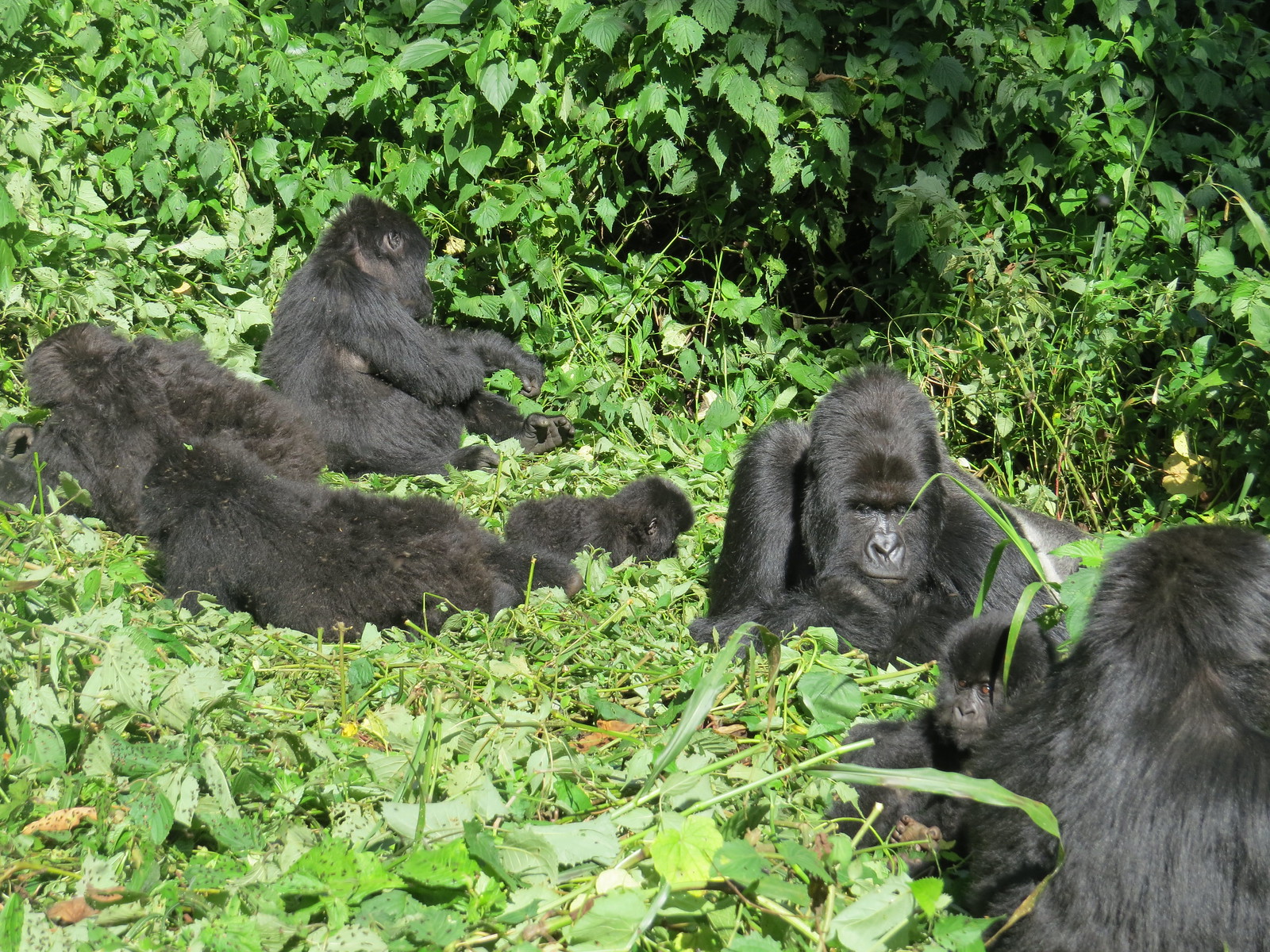
Gorillas "Silverback"
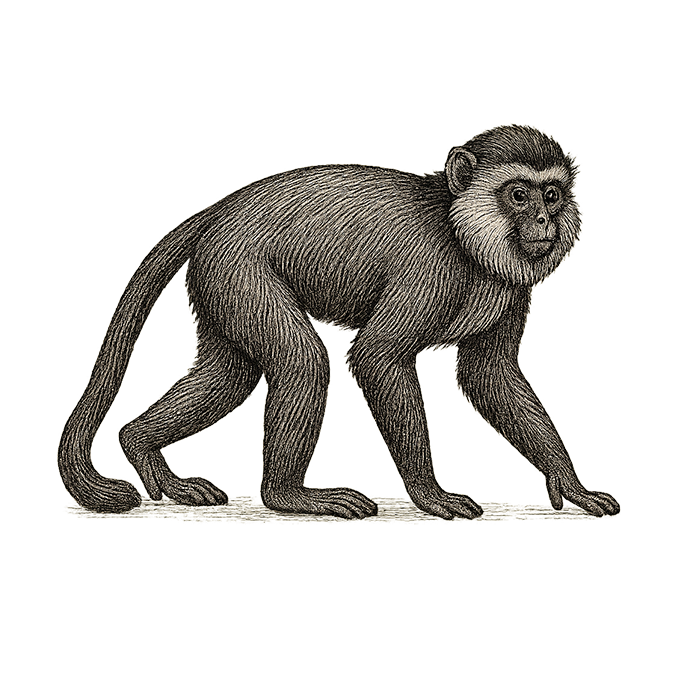
Golden Monkey "Photogenic"
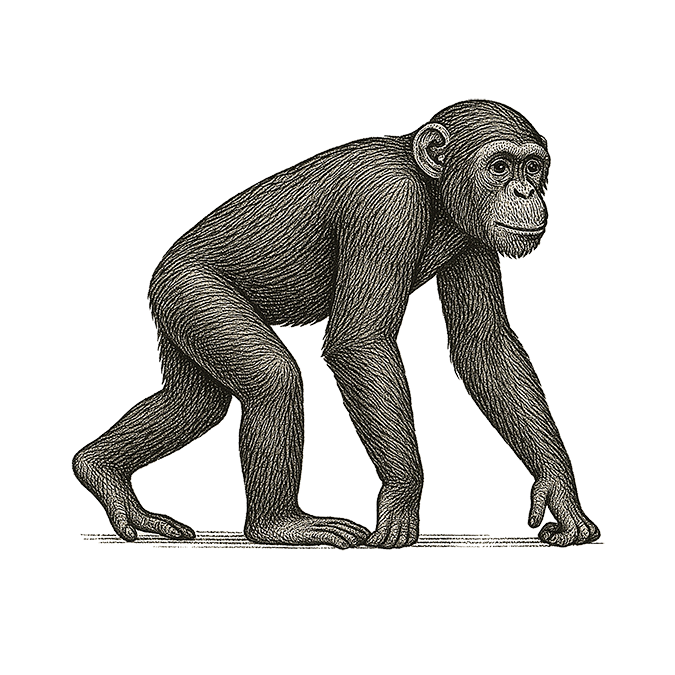
Chimpanzees "Pant-hoot"