Home /
Gorilla Trekking From Kigali
Kigali, the vibrant capital of Rwanda, serves as the perfect gateway for travelers seeking the extraordinary experience of gorilla trekking. Strategically located less than two hours from Volcanoes National Park, Kigali offers modern amenities, cultural attractions, and convenient access to one of Africa’s most sought-after wildlife experiences. From this city, tourists can combine urban exploration with a deep immersion into Rwanda’s misty volcano forests to track mountain gorillas.
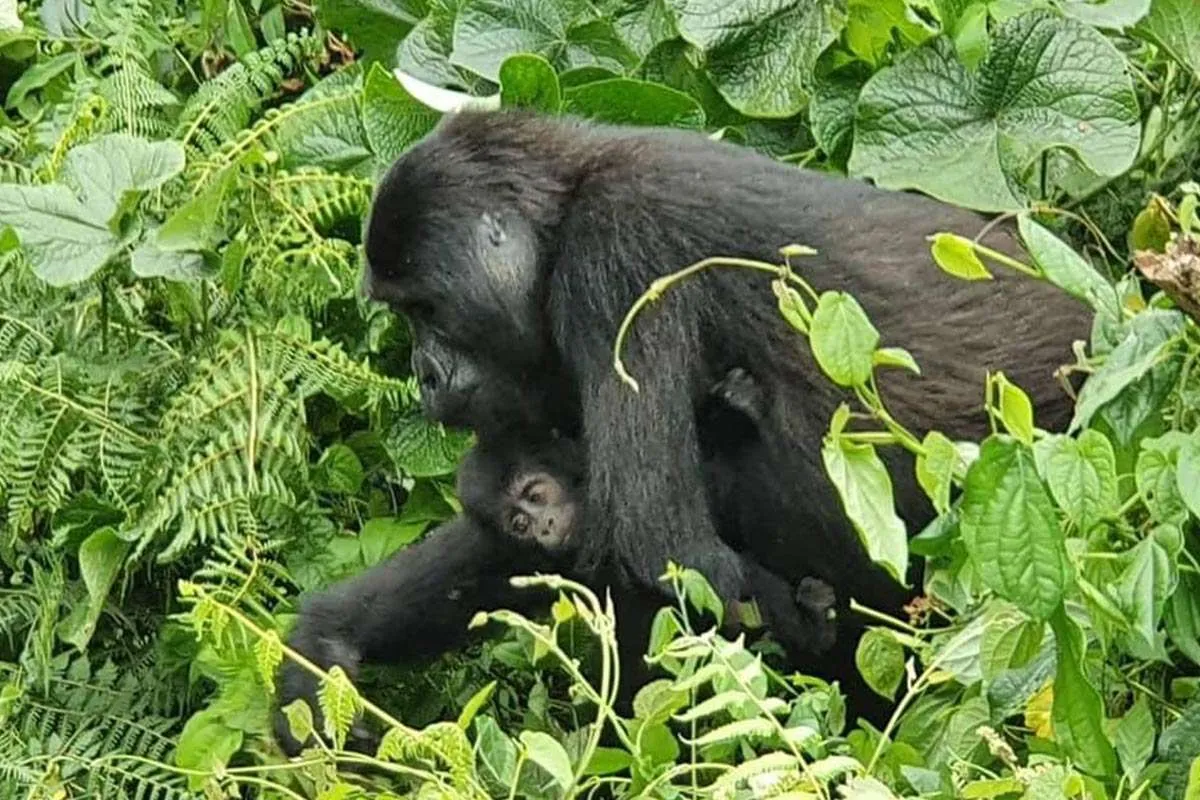
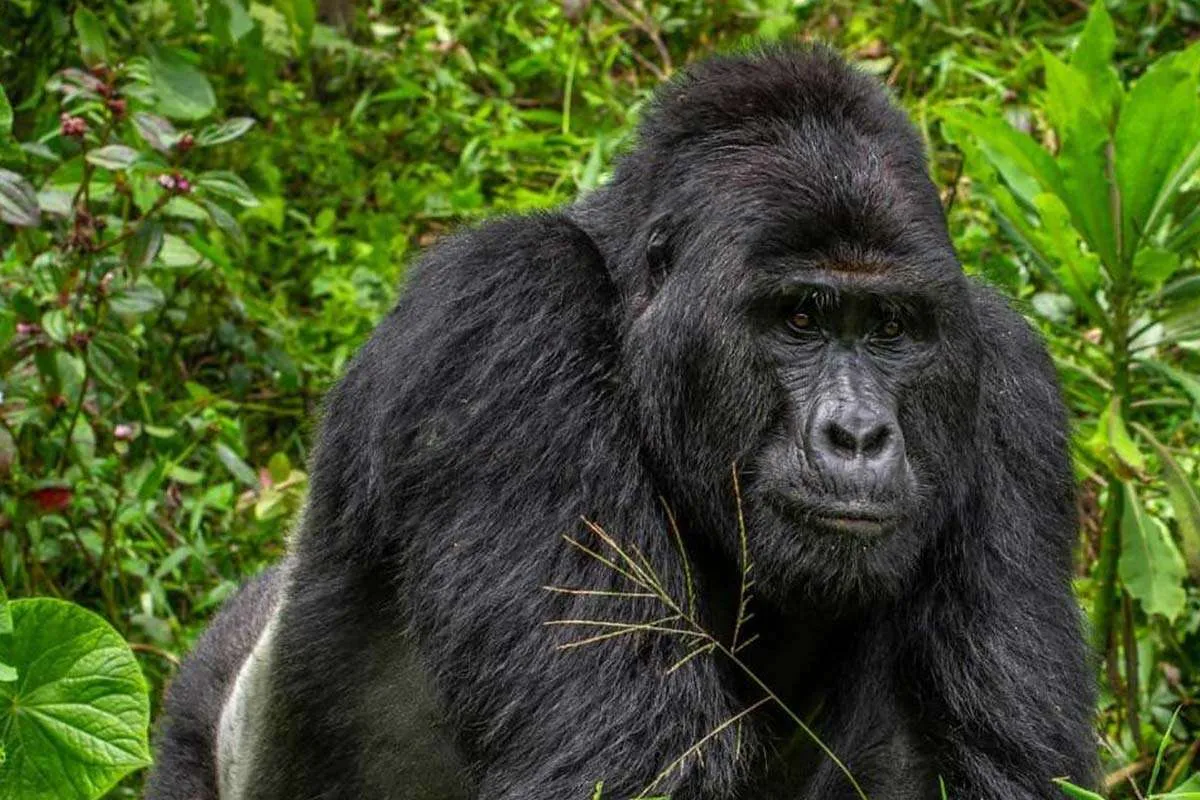
What To Expect On Gorilla Safari
Expect an unforgettable gorilla safari in Uganda, where dense misty forests hide majestic mountain gorillas, winding trails lead to intimate wildlife encounters, and every moment immerses you in nature, conservation, and awe-inspiring memories.
Gorilla Trekking From Kigali & Tours
Please the content should be 110 characters.
7 Days Rwanda & Uganda Gorilla and Wildlife Safari from Kigali with Volcanoes, Bwindi & Big Game Experiences
What To Pack For A Gorilla Safari
Pack essentials for a gorilla safari including sturdy hiking boots, lightweight long-sleeve clothing, rain gear, insect repellent, a hat, binoculars, a camera, gloves, and a small backpack to stay comfortable while trekking through misty forests.
Gorilla Trekking From Kigali Guide: A Complete Journey into the Forests of East Africa
Gorilla trekking is more than a checklist item; it’s an immersive journey into one of the most unique ecological communities on Earth. Rwanda’s successful conservation model and streamlined tourism infrastructure make it an ideal base, especially for international travelers flying into Kigali International Airport. Whether you are a first‑time trekker or a seasoned safari traveler, this guide prepares you for an unforgettable encounter with the gentle giants of the forest.
Why Choose Kigali as Your Gorilla Trekking Base
Kigali is widely regarded as one of Africa’s cleanest, safest, and most organized capitals. It’s often the first stop for visitors entering Rwanda and serves as a strategic base for gorilla trekking due to its excellent road connections, international flight options, and hospitality offerings.
Travelers appreciate Kigali for its modern hotels, cultural attractions such as the Kigali Genocide Memorial, vibrant markets, art galleries, and fine dining. From here, the drive to Volcanoes National Park (the primary gorilla trekking destination in Rwanda) typically takes between 2 to 3 hours, depending on road conditions and traffic. The journey offers scenic views of rolling hills, terraced farms, banana plantations, and the distant Virunga volcanoes — a prelude to the adventure ahead.
Choosing Kigali as your base also provides flexibility. You can arrive a day or two early to rest, explore the city, adjust to the time zone, and ensure you’re fully prepared physically and mentally for the trek. After your gorilla encounter, Kigali offers a comfortable environment for relaxation, celebration, and further exploration of Rwandan culture.
Planning Your Gorilla Trekking Trip from Kigali
Booking Permits in Advance
One of the most critical aspects of planning your gorilla trekking adventure from Kigali is securing your gorilla trekking permits early. Rwanda’s permits are managed by the Rwanda Development Board (RDB), and demand often far exceeds supply, particularly during peak tourism seasons. The high seasons generally include June through September and December through February, when weather conditions are more favorable and global travel peaks.
Each permit allows you access to a specific gorilla family for one hour once the group is located in the forest. Rwanda limits the number of permits issued daily to protect gorilla welfare and habitat, which means permits often sell out months in advance. Because of this, early planning — often six to twelve months ahead — is recommended, especially for travel during peak windows or for larger groups.
Tour operators in Kigali, both large and boutique, can assist with permit applications, itineraries, and accommodations. Many lodges also offer permit booking services as part of a package. While there are mechanisms to apply online through official channels, most travelers find it easier and more secure to work with trusted local operators who understand the booking cycles, payment processes, and park requirements.
Choosing Your Trek Date and Gorilla Family
When booking your permit, you will be assigned a specific gorilla family. Each family has a home range within Volcanoes National Park, and rangers know their trails, habits, and recent movements. Families vary in temperament, visibility, and trekking difficulty, so your operator may provide guidance based on your fitness level and personal preferences. Early morning treks often offer the best wildlife activity and forest lighting for photography, but regardless of time, the experience is magical.
Keep in mind that gorilla movements are unpredictable. Even with careful tracking, some groups may require longer treks due to their foraging or nesting patterns. There are no guarantees on trek duration — but rangers do their best to locate the group efficiently and safely.
Transport Logistics from Kigali
Most gorilla trekking packages include road transfers from Kigali to your accommodation near Volcanoes National Park. Rwanda’s roads are generally in good condition, though rural sections may be narrower and winding as you approach the park. A private vehicle with a driver‑guide is often the most comfortable option for families or groups, while shuttle services and shared transfers are also available for solo travelers or budget‑minded visitors.
For those who prefer minimal travel time, some lodges can arrange helicopter transfers from Kigali — an exclusive option that offers dramatic aerial views of Rwanda’s green hills and volcanoes. However, this is significantly more expensive than ground transfer.
Health, Safety, and Preparation
Physical Demands of Gorilla Trekking
Gorilla trekking involves hiking through steep, often muddy, forest terrain, and durations can range from two to six hours or more. Paths may be slippery, and elevation changes are common, so trekkers should prepare physically with cardiovascular exercise, strength training, and hiking practice before departure.
Even on less strenuous treks, the unpredictable movements of gorilla families mean you may climb or descend steep slopes. Trekking poles or sticks are highly recommended. They help with balance and reduce fatigue, especially on rough or wet paths. Wear sturdy, closed‑toe hiking boots with good tread to prevent slips.
Health and Vaccination Requirements
Gorillas are highly susceptible to human diseases because these primates share approximately 98% of their DNA with humans. To minimize disease transmission, parks enforce health protocols:
Face masks are required when within 7 meters of gorillas.
Travelers must be free of contagious illnesses such as colds, influenza, or other respiratory infections.
Yellow fever vaccination is often required, and proof of vaccination may be requested upon entry into Rwanda.
Routine immunizations (tetanus, hepatitis, etc.) should be up to date, and travelers should consult a travel health clinic before their trip.
While most parks do not require COVID‑19 vaccination specifically, it is wise to be up to date on all recommended vaccines and to carry personal hand sanitizer for use before and after the trek.
What to Wear and Pack
Pack clothing that is comfortable, quick‑drying, and appropriate for forest conditions. Suggested items include:
Sturdy hiking boots with ankle support.
Long‑sleeved shirts and long trousers to protect against vegetation and insects.
Rain jacket or poncho — rain is common in these montane forests.
Gloves for gripping vegetation and protecting your hands.
Sun protection (hat, sunglasses, sunscreen).
Insect repellent.
Water and snacks for energy during the trek.
Camera with zoom lens for wildlife photography (no flash).
Remember that Gorilla Trekking permits do not include food or water on the trail, so come prepared.
The Gorilla Trekking Experience in Volcanoes National Park
Morning Briefing and Instructions
On the morning of your trek, you will be transported to the park headquarters near Volcanoes National Park for a mandatory briefing. Here, rangers explain safety protocols, permissible behavior, and what to expect in the forest. This briefing covers:
The distance and terrain of your specific trek.
Rules on maintaining distance (at least 7 meters) from gorillas.
Photography guidelines (no flash).
How to approach gorillas safely.
What to do in case of unexpected gorilla behaviors.
This briefing ensures every participant is prepared physically and mentally for the trek, and that the gorillas’ welfare remains the priority.
The Trek Itself: Entering the Forest
Once the briefing concludes, your group will begin the trek with one or more trained rangers and trackers guiding the way. Trackers — often men and women with deep knowledge of gorilla habits — may start earlier to follow fresh signs of movement. Their expertise is invaluable in locating gorilla families efficiently.
The hike through the forest is an experience in itself. You’ll pass giant bamboo stands, strangler figs, moss‑covered roots, and a remarkable array of birdlife and forest fauna. Keep your eyes and ears open — even if gorillas are your primary objective, the forest teems with other wonders.
Trek pace is generally slow and deliberate, allowing groups to adjust for safety, observe smaller wildlife, and accommodate varying fitness levels. Rangers are there to assist on tricky sections, so you’re never truly alone in the wilderness.
Finding the Gorillas and the One‑Hour Encounter
Once the trackers locate the gorilla group, you will be guided quietly into a viewing position. The moment you see gorillas is often described as life‑changing — a mix of awe, respect, and emotional connection. You’ll have one hour to observe them from a respectful distance, typically around 7 meters away, though gorillas sometimes approach on their own initiative.
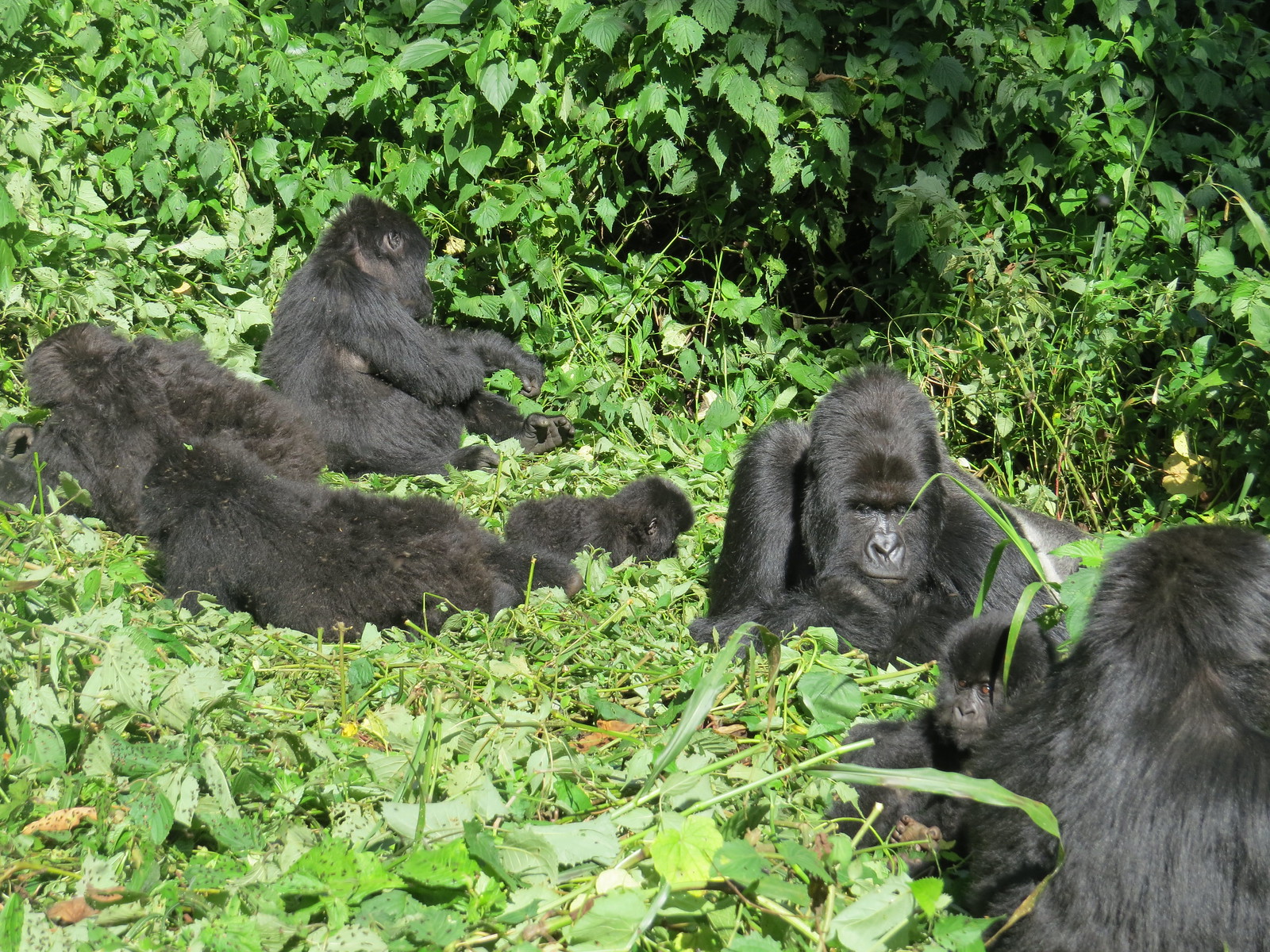
During this hour, you may witness feeding, nest building, grooming, playful interactions among juveniles, and the calm watchfulness of a silverback adult. Rangers ensure safety and minimize disturbance. Photography is allowed without flash, and the forest lighting often creates beautifully natural images.
The pace of the encounter varies. Sometimes gorillas remain close and relaxed; other times they may move through dense vegetation. Either scenario is a genuine expression of wild behavior.
Conclusion of the Trek
After the hour is complete, your guide will gently signal that it’s time to begin the return walk. Though trekking outward may have required anticipation and effort, the return often feels lighter — even reflective — because you’ve just shared space with a highly intelligent, social animal in its natural home.
Back at the trailhead, many visitors receive a certificate of appreciation from park authorities commemorating their trek. These are memorable keepsakes and recognition of the conservation journey you took alongside the gorillas.
Accommodation Options for Kigali‑Based Trekkers
Luxury Lodges with Scenic Views
For travelers seeking comfort and spectacular settings, Volcanoes National Park offers several world‑class luxury lodges. These properties feature elegant suites or villas, gourmet dining, and amenities like spa services, heated pools, and panoramic views of the Virunga volcanoes.
Some lodges provide exclusive services such as private guides, tailored excursions, and transportation to Kigali or nearby attractions. Many include meals, cultural activities, and opportunities to learn more about local conservation work.
Staying at a luxury lodge means waking up surrounded by cloud‑kissed peaks, enjoying sunrise breakfasts before your trek, and returning to elegant comfort after a long day in the forest. These lodges often attract repeat visitors because of the holistic experience they offer — one that blends wildlife adventure with hospitality excellence.
Mid‑Range Options for Value and Comfort
Mid‑range lodges and guesthouses strike a balance between comfort, proximity, and cost. These accommodations typically provide cozy rooms, hearty meals, knowledgeable staff, and easy access to Volcanoes National Park.
Mid‑range options often emphasize local hospitality and cultural immersion. Guests may enjoy garden views, comfortable lounges, and shared spaces where other travelers exchange stories of their gorilla trekking experiences. These lodges are popular with couples, solo adventurers, and families looking for a comfortable but not overly expensive staging point for their trek.
Budget‑Friendly Lodges and Guesthouses
For travelers on a tighter budget, there are guesthouses and simpler accommodations near the park that still offer safe, clean, and satisfactory lodging. These stays are ideal for those who prioritize trekking and exploration over luxury amenities.
Budget lodges cater to backpackers, student travelers, or groups who want affordable access to gorilla trekking without significant additional expenses. Local guesthouses often foster close interaction with Rwandan hosts, offer guidance on transportation, and provide insights into community life.
Combining Gorilla Trekking with Kigali Culture
Kigali City Tours
Before or after your gorilla trek, exploring Kigali enriches your overall Rwandan experience. The Kigali Genocide Memorial is a sobering and deeply moving site that offers historical context and understanding of Rwanda’s resilience and reconciliation efforts. City tours may also include visits to local markets, art galleries featuring contemporary Rwandan artists, and community projects.
Dining in Kigali ranges from international cuisine to traditional Rwandan dishes. Many restaurants in the city focus on farm‑to‑table concepts, organic ingredients, and creative fusion menus that celebrate local foodways.
Coffee and Cultural Experiences
Rwanda is renowned for its high‑altitude Arabica coffee. Coffee tours near Kigali offer an immersive look into the cultivation, processing, and tasting of some of Africa’s most celebrated beans. These experiences blend agricultural education with cultural exchange, often culminating in tastings that reveal subtle flavor profiles unique to Rwandan terroir.
Art centers and craft markets offer opportunities to purchase handmade crafts, textiles, carvings, and jewelry. Supporting local artisans contributes to community economic development while providing travelers with meaningful souvenirs.
Tips for a Successful Gorilla Trekking Journey
Preparing well ensures that your gorilla trekking adventure from Kigali is smooth and memorable. Some practical tips include:
Plan your trip early and secure permits well in advance.
Stay hydrated and carry nutritious snacks for energy.
Dress in layers to adapt to changing weather conditions.
Respect park rules and ranger instructions at all times.
Carry local currency for tipping guides, porters, and lodge staff.
Invest in a good camera with zoom capability for wildlife photography.
Above all, embrace the experience with patience and respect. The gorillas you meet are wild animals — intelligent, social, and deserving of care and consideration.
A Transformational Wildlife Encounter
Gorilla trekking from Kigali is more than a safari activity; it’s a transformational journey that connects you with ancient forests, remarkable animals, and a nation committed to conservation and hospitality. From Kigali’s urban charms to the Virunga slopes where gorillas roam, every moment of this adventure offers insight, inspiration, and wonder.
Whether you choose luxury lodges or budget guesthouses, travel independently or with a guided package, the essence of gorilla trekking remains the same — respect for nature and appreciation for one of the world’s most extraordinary wildlife encounters. With thoughtful planning, preparation, and an open heart, your gorilla trekking adventure from Kigali will be an experience you cherish for a lifetime.
Where to Stay On Gorilla Safari
Stay on a gorilla safari in lodges and camps near the parks, ranging from luxury lodges with panoramic forest views, cozy mid-range retreats nestled in nature, to budget-friendly camps offering comfort close to gorilla trekking starting points.
What Our Travelers Enjoyed About Gorilla Trekking From Kigali

Gorillas "Silverback"
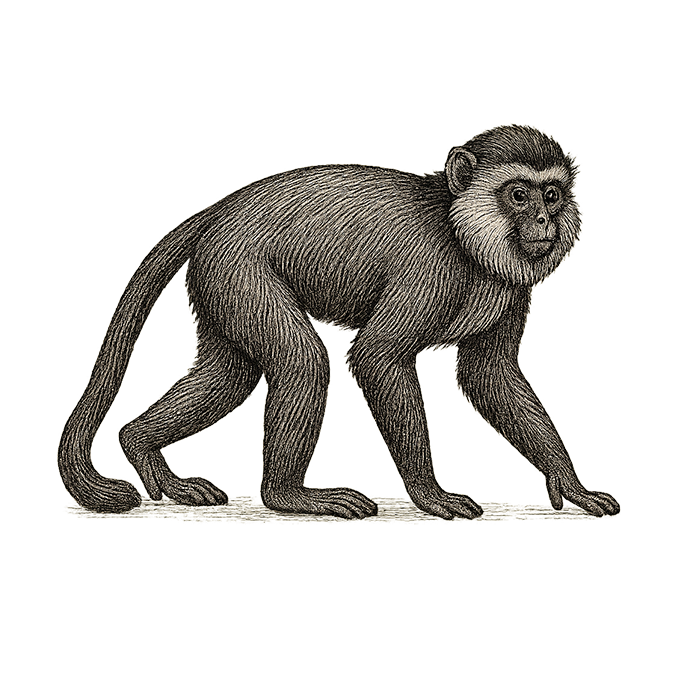
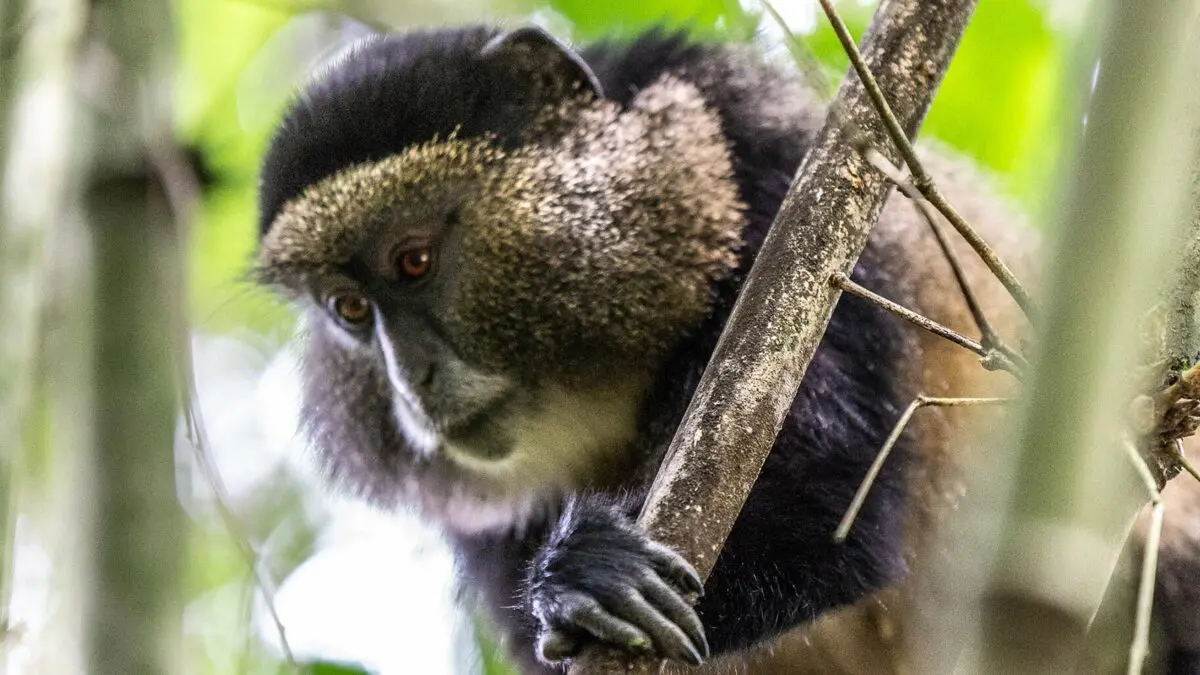
Golden Monkey "Photogenic"
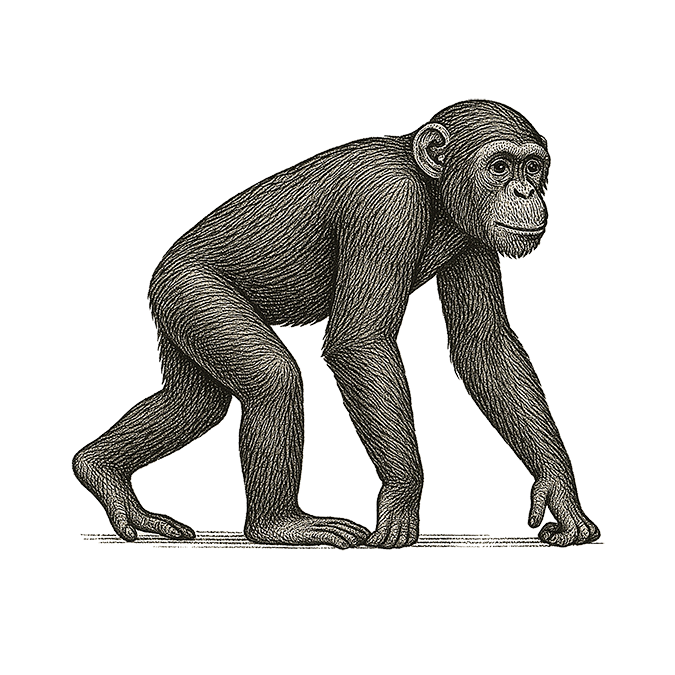
Chimpanzees "Pant-hoot"