Gorilla Trekking Permits: Prices, Booking Process and Availability
Gorilla trekking has become one of the most exceptional wildlife tourism experiences in the world. For visitors to Uganda, Rwanda, and the Democratic Republic of Congo, obtaining a gorilla trekking permit is the first and most essential step toward this extraordinary encounter with endangered mountain gorillas. These permits serve multiple purposes: they regulate tourist access to fragile forest ecosystems, limit human impact on gorilla behavior, and provide vital funding for conservation, anti‑poaching patrols, and community programs.Understanding permit prices, the booking process, and availability patterns is crucial when planning a gorilla trekking safari — especially in high‑demand seasons. Because permits are limited and often sell out months or even a year in advance, early planning and reliable information are key to securing your trekking date with confidence.
What To Expect On Gorilla Safari
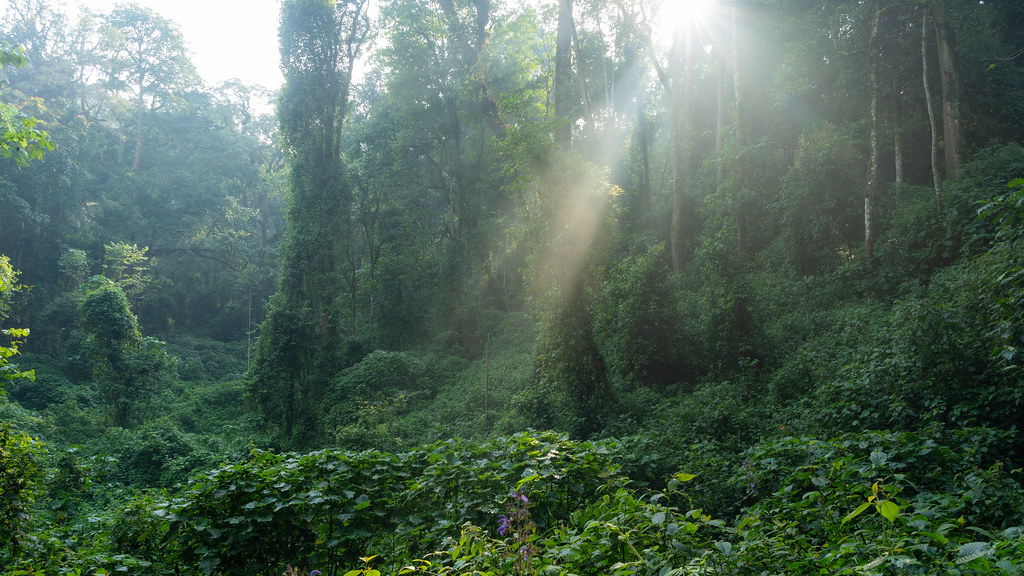
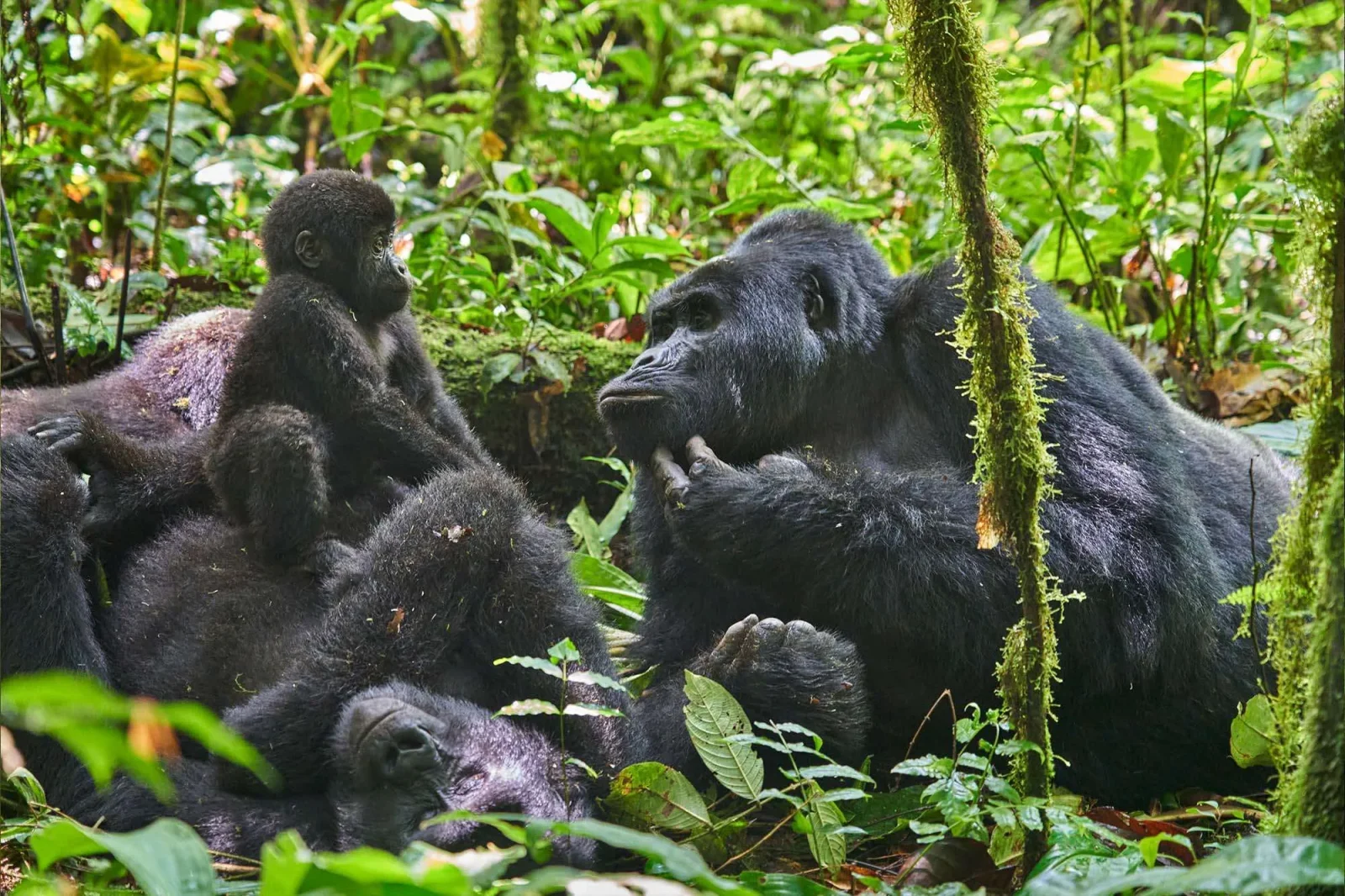
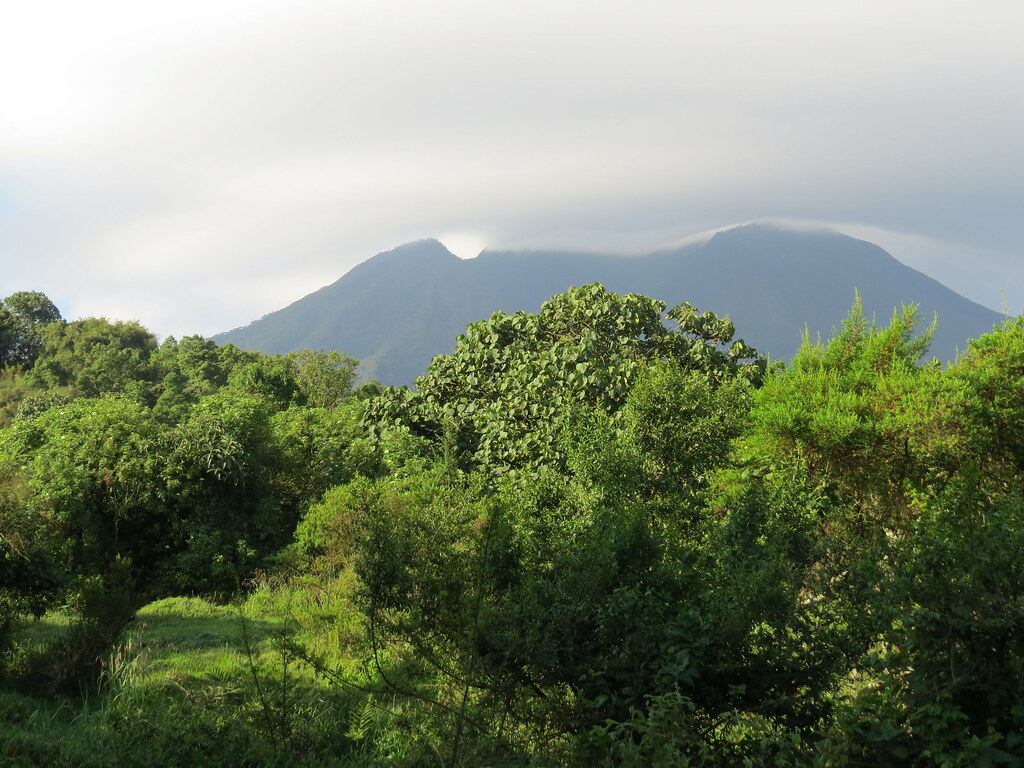
Expect an unforgettable gorilla safari in Uganda, where dense misty forests hide majestic mountain gorillas, winding trails lead to intimate wildlife encounters, and every moment immerses you in nature, conservation, and awe-inspiring memories.
Gorilla Trekking Permits: Prices, Booking Process and Availability & Tours
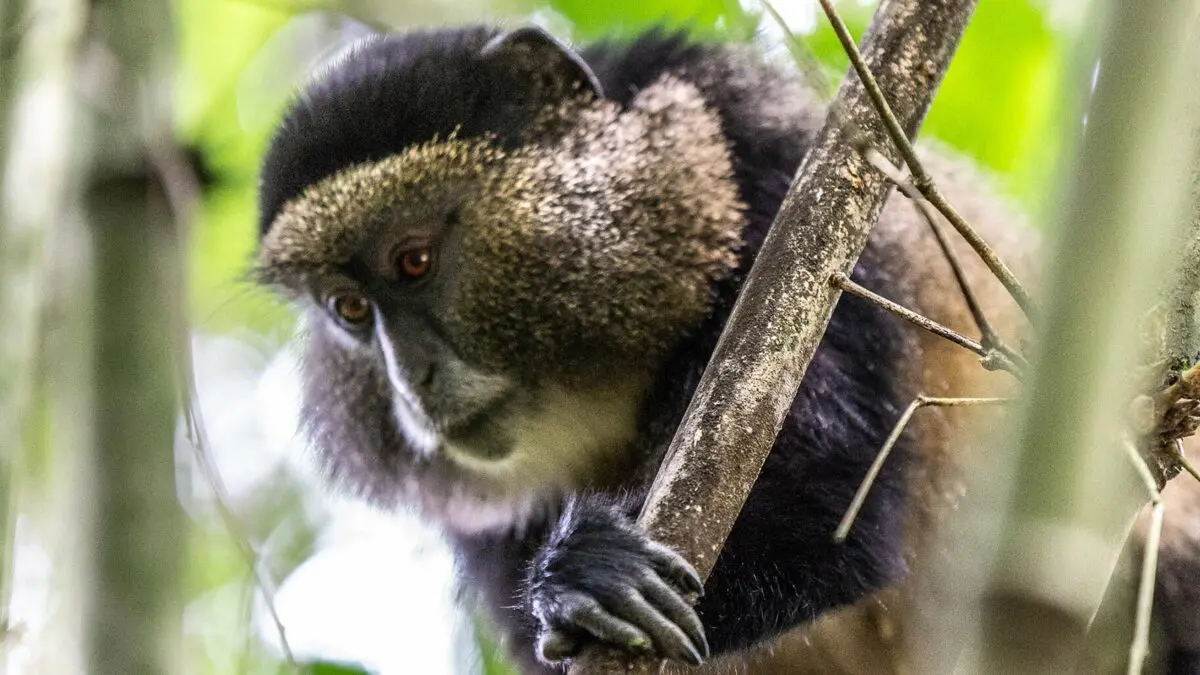
Please the content should be 110 characters.
7 Days Rwanda & Uganda Gorilla and Wildlife Safari from Kigali with Volcanoes, Bwindi & Big Game Experiences
What To Pack For A Gorilla Safari
Pack essentials for a gorilla safari including sturdy hiking boots, lightweight long-sleeve clothing, rain gear, insect repellent, a hat, binoculars, a camera, gloves, and a small backpack to stay comfortable while trekking through misty forests.
Gorilla Trekking Permits: Prices, Booking Process and Availability Guide: A Complete Journey into the Forests of East Africa
This comprehensive guide covers everything you need to know about gorilla trekking permits: how pricing works in each country, the step‑by‑step booking process, seasonal availability trends, refund and postponement policies, and practical tips for travelers seeking the best chance to secure permits for their safari.
What Are Gorilla Trekking Permits?
Gorilla trekking permits are official authorizations issued by the national park authorities in Uganda, Rwanda, and the Democratic Republic of Congo. They grant visitors legal access to trek in protected forest habitat and spend time observing mountain gorillas in the wild.
Permits are required for every individual and are tied to specific gorilla families, dates, and parks. Because gorillas are highly vulnerable to human disturbance and disease, strict regulations govern how many permits are issued per group, how long visitors may spend with the gorillas, and how the interaction must be conducted.
Without a valid permit, entering any gorilla trekking trailhead is prohibited. Park rangers and guides verify permits before the trek begins, and authorities may deny access to anyone without an official permit — even if they are part of a booked safari.
Why Gorilla Trekking Permits Matter
Gorilla trekking permits are not simply entry tickets; they are an essential tool for sustainable conservation and management of both gorillas and their habitat. The revenue generated from permit sales supports critical activities such as:
-
Funding anti‑poaching patrols that protect gorillas and other wildlife from illegal hunting activities.
-
Supporting ranger teams and tracking units that monitor gorilla health, movement, and behavior.
-
Financing habitat protection programs that prevent encroachment, forest clearing, and habitat fragmentation.
-
Providing community development initiatives such as education, healthcare, and local enterprise, which help towns and villages near national parks benefit from tourism.
-
Enhancing infrastructure around trekking areas, including ranger outposts, forest trails, and research facilities.
For travelers, a permit guarantees a regulated, safe, and ethical trekking experience with trained guides, rangers, and trackers. Each permit carries rules and guidelines designed to minimize stress on the gorillas, reduce disease transmission risk, and preserve natural behavior.
Gorilla Trekking Permit Prices by Country
Permit prices vary significantly across Uganda, Rwanda, and the Democratic Republic of Congo. These price differences reflect each country’s tourism strategy, conservation funding needs, and investment in protection infrastructure.
Uganda: Accessible Pricing for Conservation Support
In Uganda, the permit structure aims to strike a balance between supporting conservation and enabling broader access to international travelers. The most recent standardized pricing (subject to periodic updates by the Uganda Wildlife Authority) typically includes:
Foreign Non‑Residents: The gorilla trekking permit in Uganda is priced to reflect high conservation value and sustainable tourism support.
Foreign Residents: A reduced rate compared to non‑residents, encouraging diaspora and long‑term visitors to participate in conservation tourism.
East African Residents and Citizens: Significantly discounted permits support local access and engagement in national heritage experiences.
Uganda also offers specialized experiences such as the Gorilla Habituation Experience, which allows up to four hours with a semi‑habituated gorilla family, and typically has a higher permit cost than standard trekking due to the extended duration and exclusive nature.
While specific price figures can change annually, Uganda’s permits are generally more affordable than Rwanda’s, making the park a popular choice for international travelers seeking value without sacrificing quality.
Rwanda: Premium Permits for High Conservation Standards
In Rwanda, gorilla trekking permits are known for their premium pricing. The Rwanda Development Board sets a uniform rate for foreign non‑residents that tends to be higher than Uganda’s. The rationale for this pricing includes Rwanda’s smaller tourism footprint, high service standards, and reinvestment into structured conservation programs.
Rwanda’s permits are highly prized and typically the first to sell out for peak periods. The one‑hour gorilla viewing window is standard, and many travelers choose Rwanda for the quality of trekking logistics, infrastructure, and the intimate feel of Volcanoes National Park.
Residents and Rwandan nationals receive discounted permit rates, supporting local access to their nation’s natural heritage.
Democratic Republic of Congo: Competitive Pricing and Increasing Access
The Democratic Republic of Congo (DRC) issues gorilla trekking permits primarily for Virunga National Park, an expansive but logistically more challenging destination. Historically, permits were less expensive than those in Uganda and Rwanda, but political instability and infrastructure challenges have influenced availability and pricing over time.
Access to the DRC for gorilla trekking often involves additional logistical coordination, including security considerations, but prices remain competitive relative to premium destinations. As conservation and tourism infrastructure improves, permit prices and availability continue to evolve.
How to Book Gorilla Trekking Permits
Securing a gorilla trekking permit is a process that requires careful timing, trusted channels, and precise information. While parks may offer online permit systems, the most reliable approach for most travelers remains booking through accredited tour operators or lodge partners who handle permit applications on your behalf. Here is a step‑by‑step look at how the booking process works:
Step 1: Decide on Your Trekking Destination
The first step is selecting where you want to trek: Uganda, Rwanda, or Congo. Each destination offers a slightly different experience in terms of terrain, permit pricing, and support infrastructure. Your choice will determine which national authority you will work with for permits.
Step 2: Choose Your Trekking Dates
Pick several potential trekking dates, ideally with at least six to twelve months in advance notice. High‑demand months include June, July, August, December, January, and February — these periods see more international travel and more predictable weather patterns, making permits highly competitive.
Step 3: Contact a Trusted Tour Operator or Lodge
Although official permit application windows exist, working with a reputable tour operator or lodge greatly increases your chance of securing permits. These providers have direct lines with park authorities, understand payment processes, track permit availability, and can often secure blocks of permits before they are publicly listed.
Choose operators with a verified track record, clear terms, and transparent pricing. Many lodges near trekking areas also provide permit booking as part of package offerings that include accommodation, transfer logistics, and guide services.
Step 4: Provide Traveler Information
Once a date is chosen, you will need to submit complete traveler details for each person needing a permit. This generally includes full legal names (as per passport), nationality details, passport numbers, and preferred trek date. Accuracy is critical — permit names cannot be changed easily once issued.
Step 5: Permit Payment and Confirmation
After submitting traveler information, the operator or booking agency will process the permits with the park authority. Payment is usually required upfront via international bank transfer or credit/debit card through secure channels.
Upon confirmation, you will receive official permit documents that specify the trekking date, gorilla family assigned, and park entry details. Keep these documents safe, as they are required at park headquarters on the day of the trek.
Step 6: Plan Logistics Around Your Permits
Once your permit is secured, coordinate transportation, accommodation, and pre‑trek preparations. Lodges often provide airport transfers from Kigali International Airport for Rwanda treks, and domestic flights or road transfers for Uganda and Congo treks.
Permit Availability and Seasonal Patterns
Understanding permit availability helps you plan strategically. Gorilla trekking permits are limited for conservation reasons. Each gorilla group can only accommodate a set number of visitors per day — typically eight for standard trekking in all three countries — and rangers rotate groups to spread tourism impact.
High Season vs. Low Season
Permit competition peaks during what are generally considered “high seasons”:
June through September: Favorable weather patterns and global travel trends drive higher demand.
December through February: Holiday travel seasons also see increased permit bookings.
During these periods, permits can sell out many months in advance. Travelers hoping to trek during high season should secure permits well ahead, often 9 to 12 months before departure.
In the “low season” — generally March through May and October through November — permits may be more readily available, though weather conditions (heavy rains) can make trekking more physically demanding. That said, some travelers prefer low season for greener forests, fewer crowds, and often a more intimate trekking experience.
Permit Blocks and Allocation
Parks issue permits in daily blocks, and each block is limited to maintain sustainability. Uganda’s Bwindi Impenetrable National Park and Rwanda’s Volcanoes National Park both operate this way — meaning that once all permits for a given date are sold, no additional trekkers are allowed.
For habituation experiences, which allow up to four hours with gorillas and are more exclusive, availability is even more limited, often with only a small number of permits issued per week.
Permit Rules, Regulations, and Responsibilities
Having a permit is only part of the experience — visitors must follow strict rules to protect gorillas and ensure ethical tourism. These rules are enforced by park rangers and apply to all permit holders:
Minimum Distance: Stay at least 7 meters away from gorillas unless a ranger instructs otherwise.
Time Limit: Standard treks allow one hour with gorillas once they are located.
Group Size: A maximum of eight people per gorilla family per day.
Health Requirements: Visitors with contagious illnesses are not permitted to trek.
Face Masks: Wearing masks may be mandatory when near gorillas to prevent disease transmission.
No Flash Photography and No Drones: These can stress the animals.
Respect Ranger Instructions: Always follow the guidance of rangers and trackers.
Failure to adhere to these regulations may result in loss of trekking privileges, fines, or denial of future permits.
Refunds, Rescheduling, and Permit Transfers
Permit policies differ slightly between countries, so understanding refund and rescheduling terms is vital before payment:
Rwanda: Many permits are non‑refundable but can sometimes be deferred to a later date if park authorities are notified early. Rescheduling depends on availability.
Uganda: Refund policies may allow partial refunds or permit deferment when requested well in advance, though terms vary by season and issuing authority.
DRC: Refund and rescheduling policies depend on local park tourism departments and may be more restrictive.
Permit “transfers” — changing the name on a permit — are generally not allowed because permits are issued based on specific traveler details. Ensure names are accurate at the time of booking to avoid complications.
Practical Tips for Securing Gorilla Trekking Permits
To maximize your chance of securing permits and having a smooth trekking experience, consider the following tips:
Start Early: Begin permit planning at least six to twelve months before your trip, especially for high season travel.
Use Accredited Operators: Experienced operators understand permit cycles and have better access to blocks.
Be Flexible: Offering multiple possible trek dates increases your chance of securing permits.
Confirm Details: Double‑check traveler names, passport numbers, and permit dates before final payment.
Understand Policies: Know refund, rescheduling, and cancellation terms to avoid unexpected costs
Gorilla trekking permits are the cornerstone of planning a successful encounter with mountain gorillas in Uganda, Rwanda, or the Democratic Republic of Congo. These permits support conservation, regulate tourism impact, and ensure ethical and safe interactions with one of the world’s most vulnerable primate species.
Prices vary by country, with Rwanda typically commanding premium rates, Uganda offering slightly more accessible pricing, and Congo providing competitive options subject to infrastructure considerations. Booking permits involves careful timing, accurate traveler information, and often the support of accredited tour operators or lodge partners.
Availability is tightly controlled and highly seasonal, making early planning almost a necessity. Once obtained, your permit opens the door to a transformative wildlife experience — one that combines natural beauty, scientific wonder, and a deeper understanding of conservation in action.
Secure your permit, prepare thoroughly, and step into the forest with respect — the mountain gorillas await.
Where to Stay On Gorilla Safari
Stay on a gorilla safari in lodges and camps near the parks, ranging from luxury lodges with panoramic forest views, cozy mid-range retreats nestled in nature, to budget-friendly camps offering comfort close to gorilla trekking starting points.
What Our Travelers Enjoyed About Gorilla Trekking Permits: Prices, Booking Process and Availability

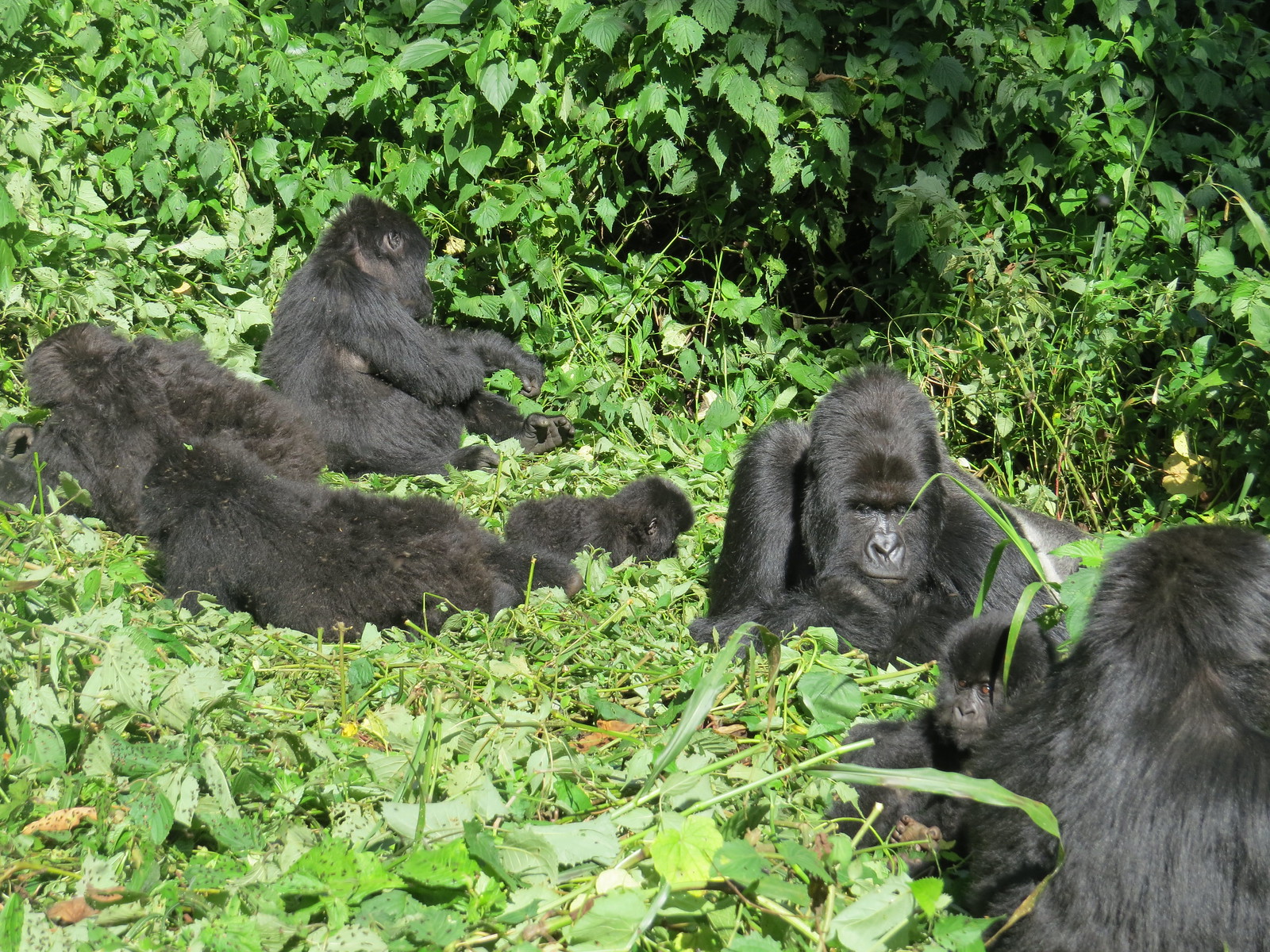
Gorillas "Silverback"
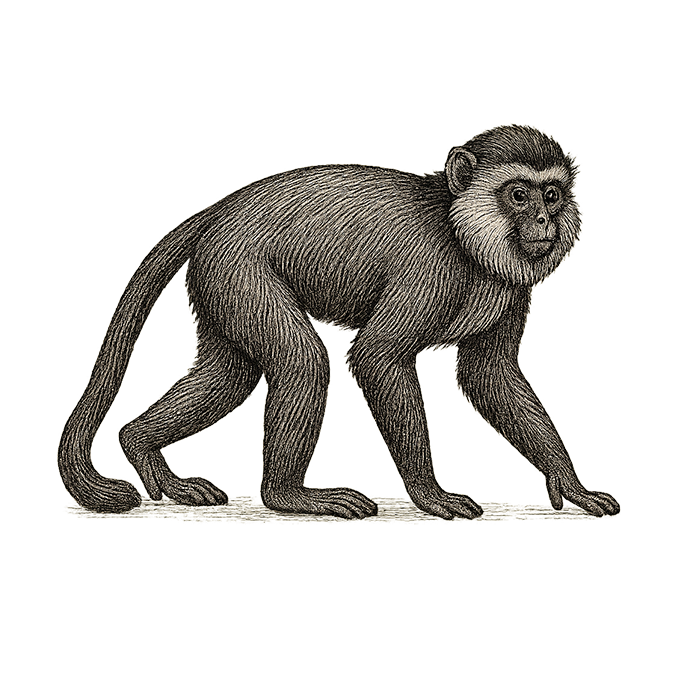
Golden Monkey "Photogenic"
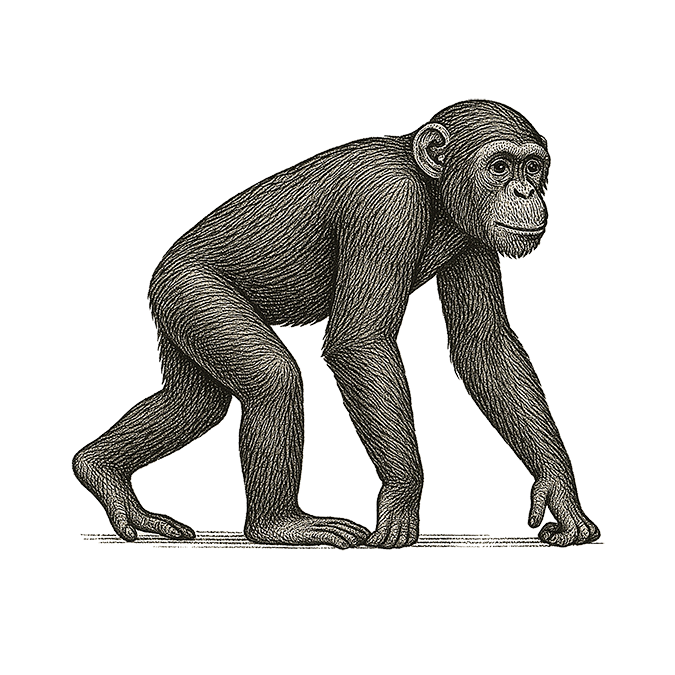
Chimpanzees "Pant-hoot"