Rules, Regulations and Gorilla Trekking Etiquette
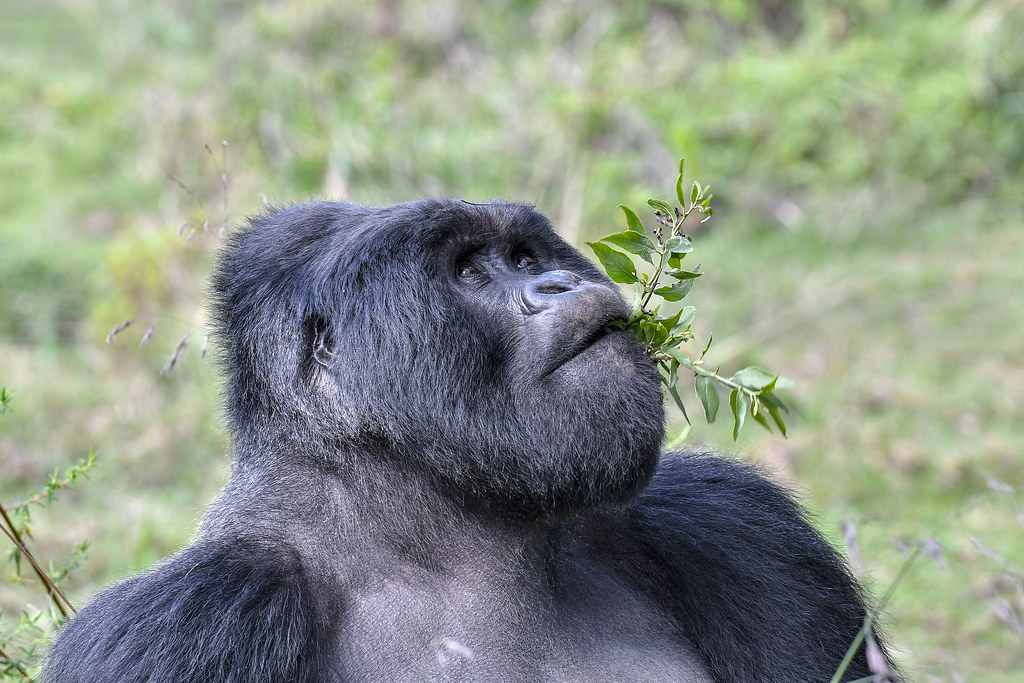
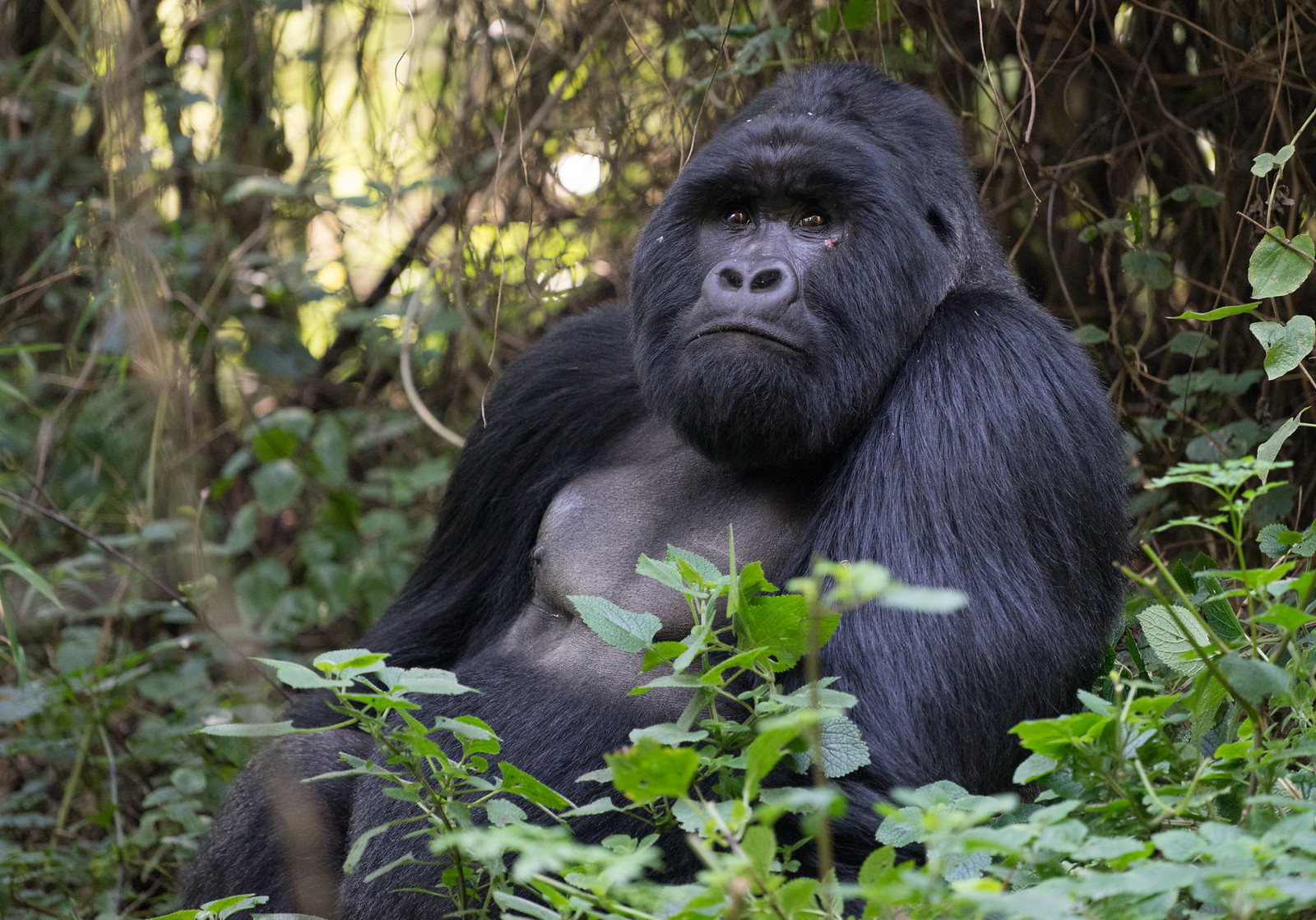
Gorilla trekking is one of the most sought-after wildlife experiences in the world, but it requires strict adherence to rules and regulations designed to protect both visitors and the endangered mountain gorillas. With populations numbering just over a thousand in the wild, mountain gorillas are highly vulnerable to human disturbance, diseases, and habitat loss. National parks such as Bwindi Impenetrable National Park and Mgahinga Gorilla National Park in Uganda, and Volcanoes National Park in Rwanda, have implemented clear regulations to ensure sustainable tourism and the safety of trekkers.
What To Expect On Gorilla Safari
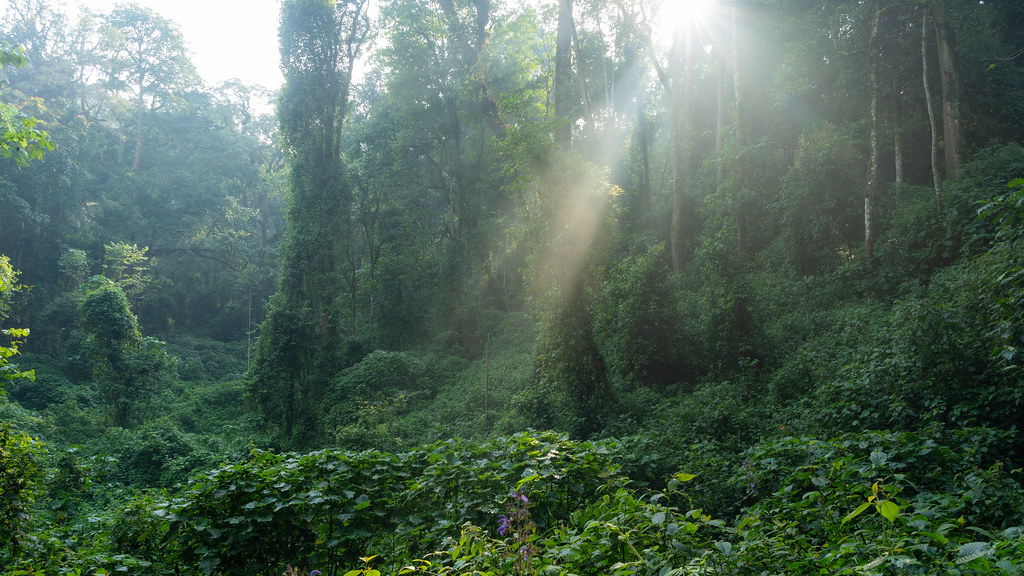
Expect an unforgettable gorilla safari in Uganda, where dense misty forests hide majestic mountain gorillas, winding trails lead to intimate wildlife encounters, and every moment immerses you in nature, conservation, and awe-inspiring memories.
Rules, Regulations and Gorilla Trekking Etiquette & Tours
Please the content should be 110 characters.

7 Days Rwanda & Uganda Gorilla and Wildlife Safari from Kigali with Volcanoes, Bwindi & Big Game Experiences
What To Pack For A Gorilla Safari
Pack essentials for a gorilla safari including sturdy hiking boots, lightweight long-sleeve clothing, rain gear, insect repellent, a hat, binoculars, a camera, gloves, and a small backpack to stay comfortable while trekking through misty forests.
Rules, Regulations and Gorilla Trekking Etiquette Guide: A Complete Journey into the Forests of East Africa
These rules are enforced by park rangers and guides, and permits for trekking are non-transferable. Visitors are expected to follow protocols to minimize stress on gorillas, prevent disease transmission, and ensure a safe and enjoyable trekking experience. Understanding these regulations before your trip helps make the encounter responsible, meaningful, and safe.
Health and Safety Requirements
Health checks are mandatory before participating in gorilla trekking. Visitors with contagious illnesses, including colds, flu, or other respiratory infections, are prohibited from trekking. Gorillas share 98% of human DNA, making them highly susceptible to human-borne diseases. Some parks require travelers to wear face masks during close encounters to further reduce the risk of disease transmission.
Visitors are also advised to have proper vaccinations, including yellow fever, and should carry insect repellent to guard against mosquitoes. Trekking involves steep, slippery trails, often at high altitudes, so physical fitness is essential. Long trousers, long-sleeved shirts, and sturdy hiking boots are recommended for personal protection against thorns, insects, and rough terrain.
Group Size and Trek Duration
To minimize stress on gorilla families, only eight visitors per gorilla group are allowed in Uganda, while Rwanda limits groups to a similar number. The duration of the encounter is strictly one hour with fully habituated gorillas. The one-hour rule ensures that gorillas are not overstimulated by human presence and allows other trekking groups to have a fair opportunity to visit the gorillas.
During the encounter, visitors are expected to maintain a minimum distance of 7 meters from the gorillas, though this may be relaxed slightly if a gorilla approaches voluntarily. Sudden movements, loud noises, or attempts to touch the gorillas are strictly prohibited. Visitors are instructed to follow ranger guidance at all times.
Trekking Conduct and Behavior
Proper trekking conduct is crucial for both safety and conservation. Visitors should walk quietly, avoid littering, and refrain from using flash photography, which can stress the animals. Climbing trees, running, or chasing gorillas is strictly forbidden.
Park rangers and trackers provide briefings before the trek, detailing how to approach the gorillas, how to behave around infants, and what to do in case of aggressive or unexpected behavior. Respect for the gorillas’ natural behavior and environment is paramount. Interaction should be observational only, with no attempts to feed or provoke the animals.
Permits and Booking Rules
Gorilla trekking permits are compulsory and must be obtained through official channels. They are non-transferable and assigned to specific individuals. Booking permits well in advance is essential, particularly during peak tourism seasons from June to September and December to February.
Permits vary by park and category of visitor. For example, international visitors often pay higher fees than residents. The cost of a permit contributes directly to conservation efforts, anti-poaching patrols, and community projects around the national parks. Attempting to trek without a valid permit is illegal and can result in fines or expulsion from the park.
Rules for Photography
Photography is encouraged but must follow strict guidelines. Use of flash is prohibited, as sudden light can disturb gorillas. Drones are not allowed. Visitors are advised to use zoom lenses to capture close-up shots from a safe distance. Maintaining quiet during photography sessions ensures that gorillas remain calm and natural behavior can be observed.
Environmental and Conservation Guidelines
All visitors are expected to respect the environment during their trek. Littering is strictly prohibited, and trekking paths should be left undisturbed. Feeding wildlife, including gorillas, is forbidden. Visitors are encouraged to support conservation initiatives by staying in eco-friendly lodges, hiring local guides, and participating in community tourism activities.
Gorilla trekking rules are designed to ensure the long-term survival of mountain gorillas while providing a safe and memorable experience for visitors. Every visitor has a role in conservation through responsible behavior, adherence to regulations, and financial support via permits and tourism activities.
Special Rules for Habituation Experiences
The Gorilla Habituation Experience allows visitors to spend up to four hours with semi-habituated gorilla families. While longer, these experiences have additional guidelines. Only four visitors are allowed per group to minimize human impact. Visitors must be especially vigilant about following ranger instructions, avoiding sudden movements, and maintaining hygiene protocols, including hand sanitization and mask-wearing.
Because the gorillas are not fully habituated, encounters are unpredictable. Visitors may need to navigate more challenging terrain, and patience is required as gorillas may move away from human presence. These experiences are highly educational and provide insight into gorilla behavior and conservation, but strict adherence to rules remains critical.
Emergency and Safety Protocols
Parks maintain emergency procedures for unexpected incidents. Rangers are trained to handle gorilla charges, falls, injuries, or medical emergencies. Visitors are required to carry personal first-aid essentials and inform guides of any pre-existing medical conditions before trekking. Staying alert, listening to rangers, and moving cautiously on forest trails minimizes risk.Gorilla trekking is an extraordinary opportunity to witness one of the planet’s closest living relatives in its natural habitat. The rules and regulations governing these treks are designed to protect both humans and gorillas, ensuring the survival of these endangered primates and the sustainability of ecotourism. Following health protocols, respecting group size limits, maintaining distance, and adhering to park guidelines are essential for a safe and ethical encounter.
Responsible behavior not only enhances your personal experience but also contributes directly to the conservation of mountain gorillas and their habitats, allowing future generations to enjoy these remarkable animals. By understanding and observing these rules, visitors play a vital role in safeguarding one of Africa’s most treasured wildlife experiences.
Where to Stay On Gorilla Safari
Stay on a gorilla safari in lodges and camps near the parks, ranging from luxury lodges with panoramic forest views, cozy mid-range retreats nestled in nature, to budget-friendly camps offering comfort close to gorilla trekking starting points.
What Our Travelers Enjoyed About Rules, Regulations and Gorilla Trekking Etiquette

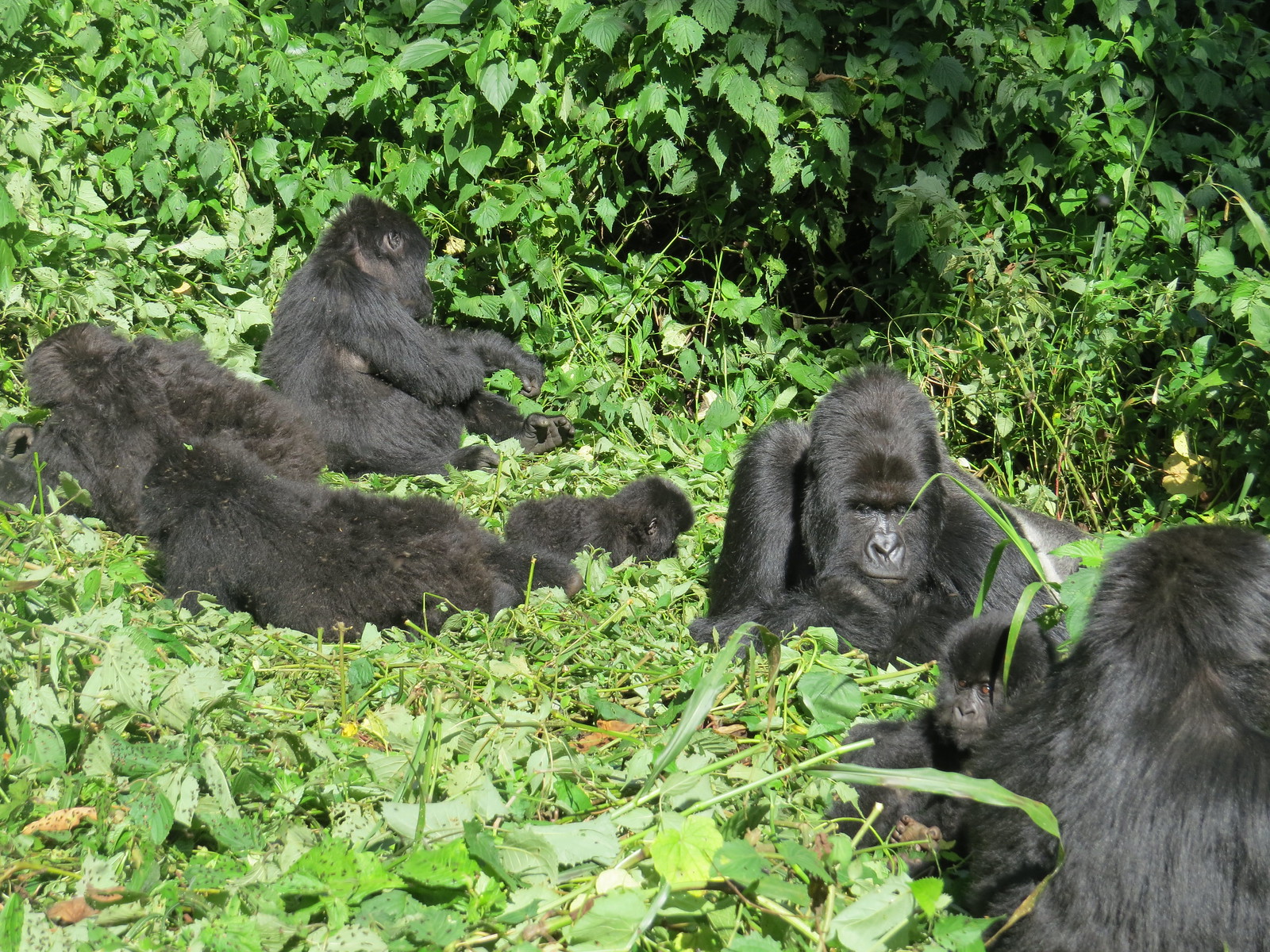
Gorillas "Silverback"
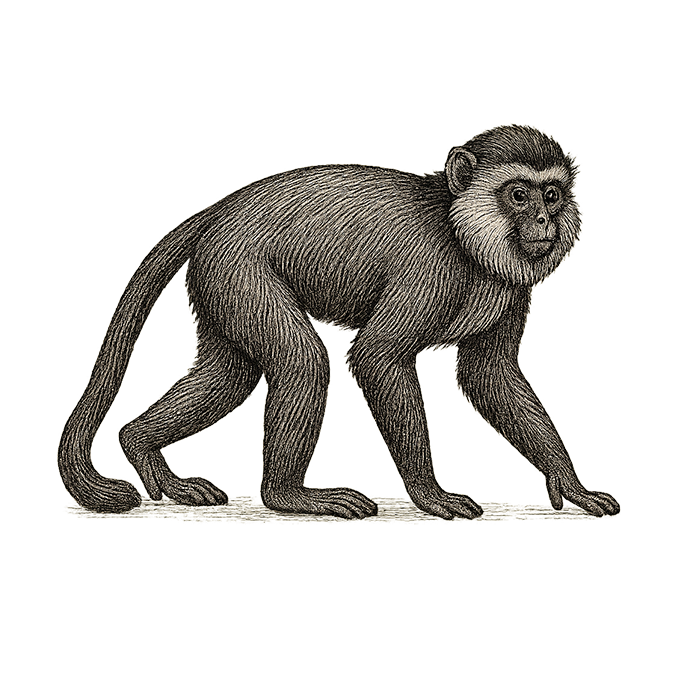
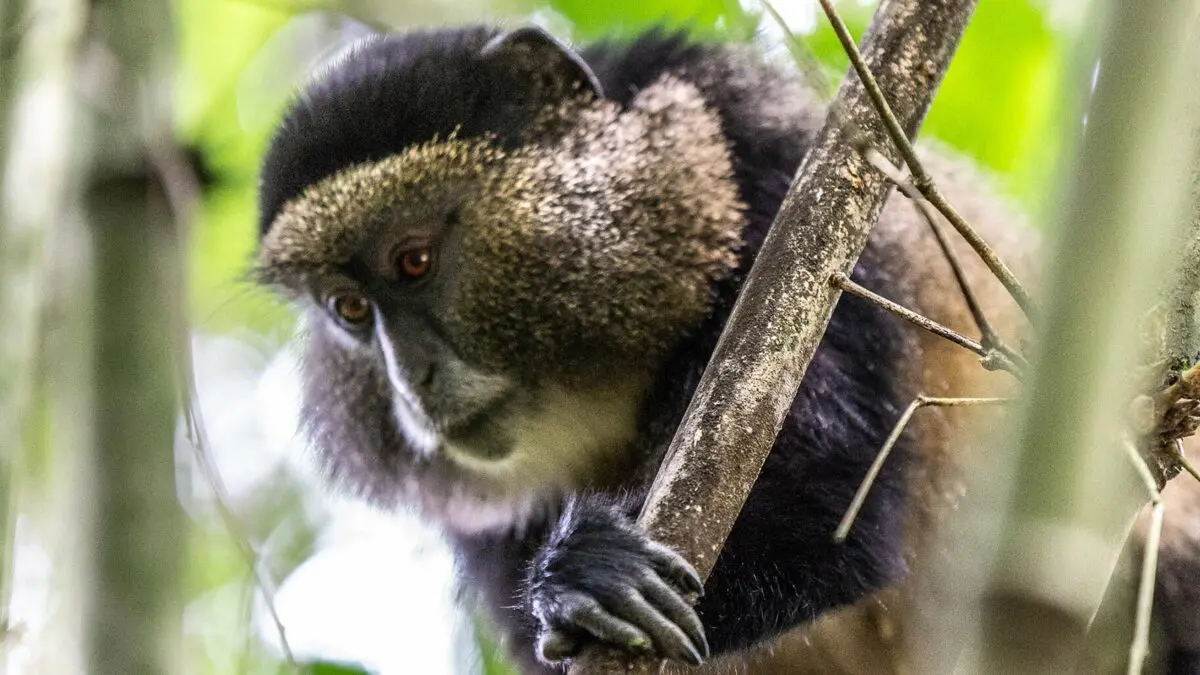
Golden Monkey "Photogenic"
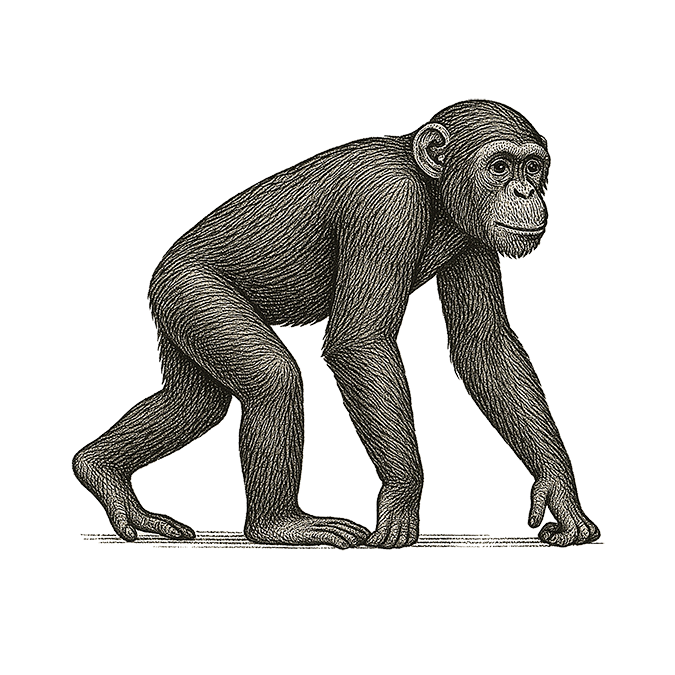
Chimpanzees "Pant-hoot"