What to Pack for Gorilla Trekking
Gorilla trekking is one of the most exhilarating wildlife experiences in the world, taking visitors deep into the misty forests of Bwindi Impenetrable National Park, Mgahinga Gorilla National Park, Volcanoes National Park, and Virunga National Park. These treks can be physically demanding, often involving steep climbs, muddy trails, and dense vegetation.Packing properly is essential to ensure comfort, safety, and readiness for all conditions you might encounter. The right gear allows you to focus on the once-in-a-lifetime experience of observing mountain gorillas in their natural habitat without distractions or discomfort. This guide details everything you need to pack, including clothing, gear, personal items, and optional extras that enhance your trekking experience.
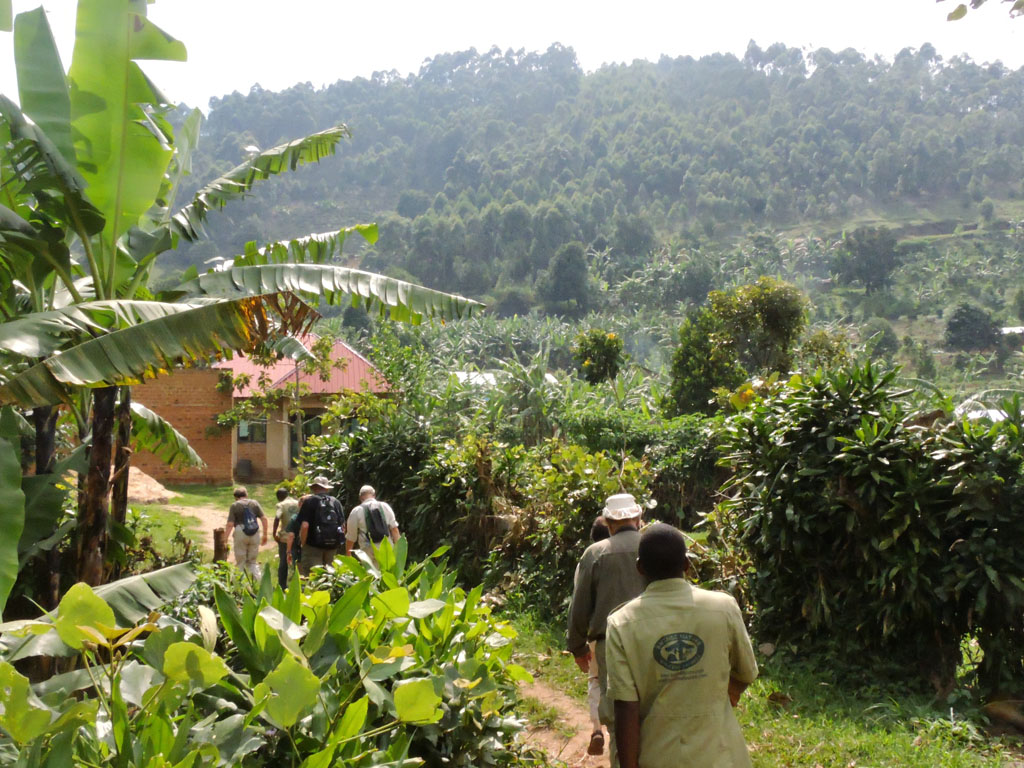
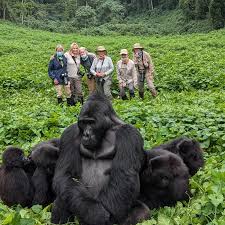
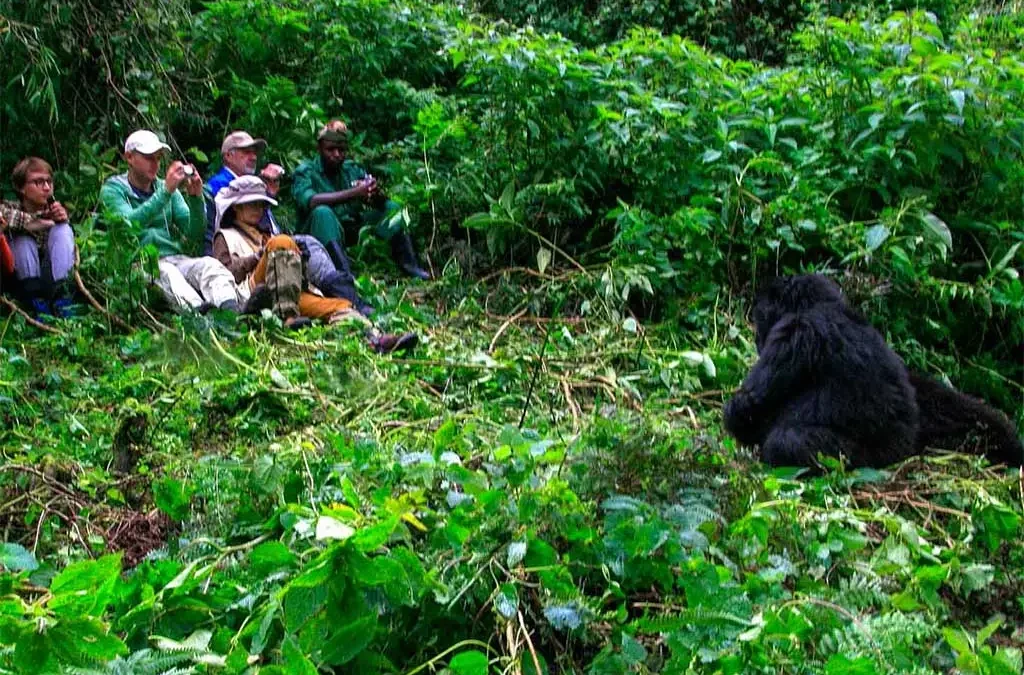
What To Expect On Gorilla Safari
Expect an unforgettable gorilla safari in Uganda, where dense misty forests hide majestic mountain gorillas, winding trails lead to intimate wildlife encounters, and every moment immerses you in nature, conservation, and awe-inspiring memories.
What to Pack for Gorilla Trekking & Tours
Please the content should be 110 characters.
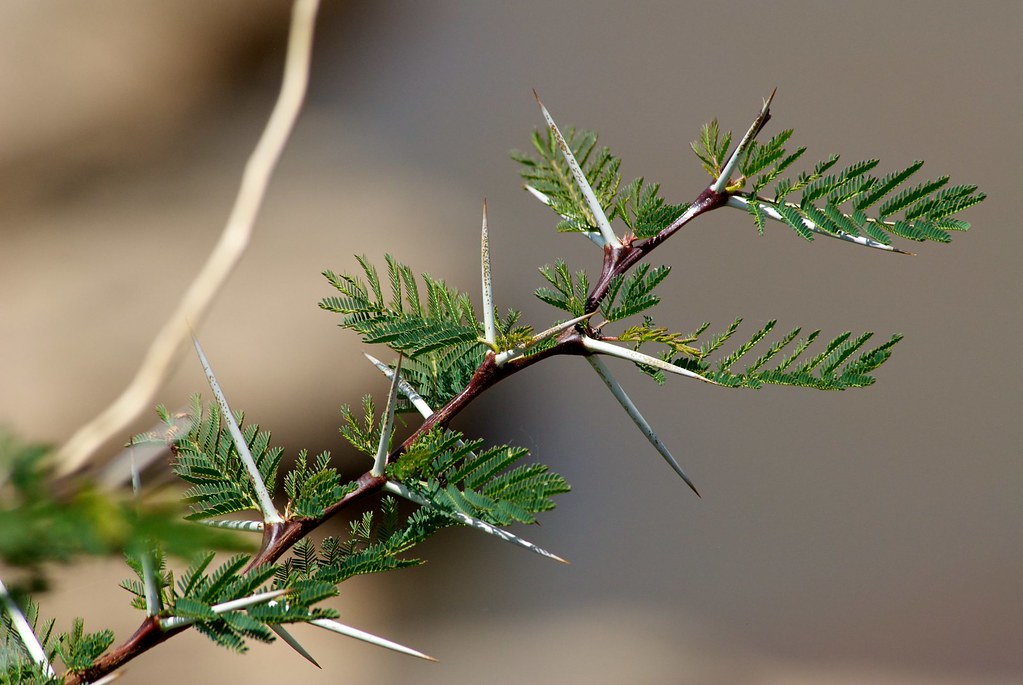
7 Days Rwanda & Uganda Gorilla and Wildlife Safari from Kigali with Volcanoes, Bwindi & Big Game Experiences
What To Pack For A Gorilla Safari
Pack essentials for a gorilla safari including sturdy hiking boots, lightweight long-sleeve clothing, rain gear, insect repellent, a hat, binoculars, a camera, gloves, and a small backpack to stay comfortable while trekking through misty forests.
What to Pack for Gorilla Trekking
Clothing Essentials for Gorilla Trekking
Durable, Comfortable Layers
Trekking through montane forests requires clothing that is lightweight, breathable, and suitable for varying temperatures. Layering is critical because mornings can be cool while afternoons may be warm and humid. Essential clothing includes:
-
Long-sleeved shirts to protect against insects, sun, and scratches from vegetation.
-
Long trekking pants that are durable, quick-drying, and comfortable for steep terrain.
-
Base layers such as moisture-wicking shirts or thermal tops for cooler mornings.
Outerwear
Weather in gorilla habitats can change rapidly, so protective outerwear is crucial:
-
Waterproof jackets or ponchos to stay dry during unexpected rain showers.
-
Light fleece or sweater for warmth in higher altitude forests like Volcanoes National Park.
Footwear
Your choice of footwear can make or break the trekking experience:
-
Sturdy, waterproof trekking boots with good ankle support are essential for muddy, rocky, or uneven trails.
-
Comfortable trekking socks, preferably moisture-wicking to prevent blisters.
-
Optional gaiters to protect legs and shoes from mud, thorns, and leeches.
Trekking Gear and Equipment
Essential Trekking Gear
-
Trekking poles provide stability on steep or slippery sections and reduce fatigue.
-
Backpack with a capacity of 15–20 liters for water, snacks, and personal items.
-
Water bottles or hydration system, with at least 1–2 liters of water for a full-day trek.
-
Headlamp or flashlight if trekking starts very early or in dense forest areas.
Protective Accessories
-
Face masks are often required to protect gorillas from human-borne illnesses.
-
Gloves to protect hands from rough vegetation or bamboo shoots.
-
Hat or cap for sun protection when walking through forest clearings.
-
Sunglasses for sun glare during open sections of the trail.
Personal Items and Health Considerations
Health and Safety Essentials
-
Insect repellent to ward off mosquitoes and other biting insects.
-
Sunscreen for exposed areas, especially during sunny periods.
-
First-aid kit with bandages, antiseptic wipes, and any personal medication.
-
Anti-diarrhea and motion-sickness medication if you are prone to travel sickness.
Documentation and Permits
-
Gorilla trekking permit, essential for entry.
-
Identification such as passport or national ID.
-
Travel insurance documents, which may be required by some tour operators.
Optional Items
-
Camera with zoom lens, avoiding flash photography to protect gorillas.
-
Binoculars for observing other wildlife during the trek.
-
Notebook or journal to record observations and experiences.
-
Snacks for quick energy replenishment during long treks (check park rules).
Packing Tips for Efficiency
-
Lightweight packing: Carry only essentials to reduce fatigue during trekking.
-
Organized packing: Use small pouches for gear, health items, and documents.
-
Waterproofing: Keep electronics and permits in waterproof bags.
-
Comfort over fashion: Prioritize practical clothing and footwear suitable for forest terrain.
Special Considerations by Park
-
Bwindi Impenetrable Forest: Dense forest and variable terrain may require gaiters, trekking poles, and sturdy boots.
-
Mgahinga Gorilla National Park: Mountainous terrain with steep slopes — trekking poles and gloves recommended.
-
Volcanoes National Park: Higher altitude forests can be cooler; bring thermal layers and rain gear.
-
Virunga National Park: Remote and rugged terrain, check with operators for additional security and safety gear requirements.
Conclusion
Packing for a gorilla trek is about preparation, comfort, and safety. Proper clothing, trekking gear, and essential personal items allow you to navigate challenging terrain while fully immersing yourself in the natural environment. By carefully selecting what to bring, you can focus on the unforgettable experience of observing mountain gorillas in their wild habitat, knowing that you are prepared for the day’s physical and environmental demands.
With the right preparation, your trek becomes a seamless, safe, and deeply rewarding adventure — one that combines awe-inspiring wildlife encounters with the thrill of exploring some of East and Central Africa’s most pristine forests.
Where to Stay On Gorilla Safari
Stay on a gorilla safari in lodges and camps near the parks, ranging from luxury lodges with panoramic forest views, cozy mid-range retreats nestled in nature, to budget-friendly camps offering comfort close to gorilla trekking starting points.
What Our Travelers Enjoyed About What to Pack for Gorilla Trekking

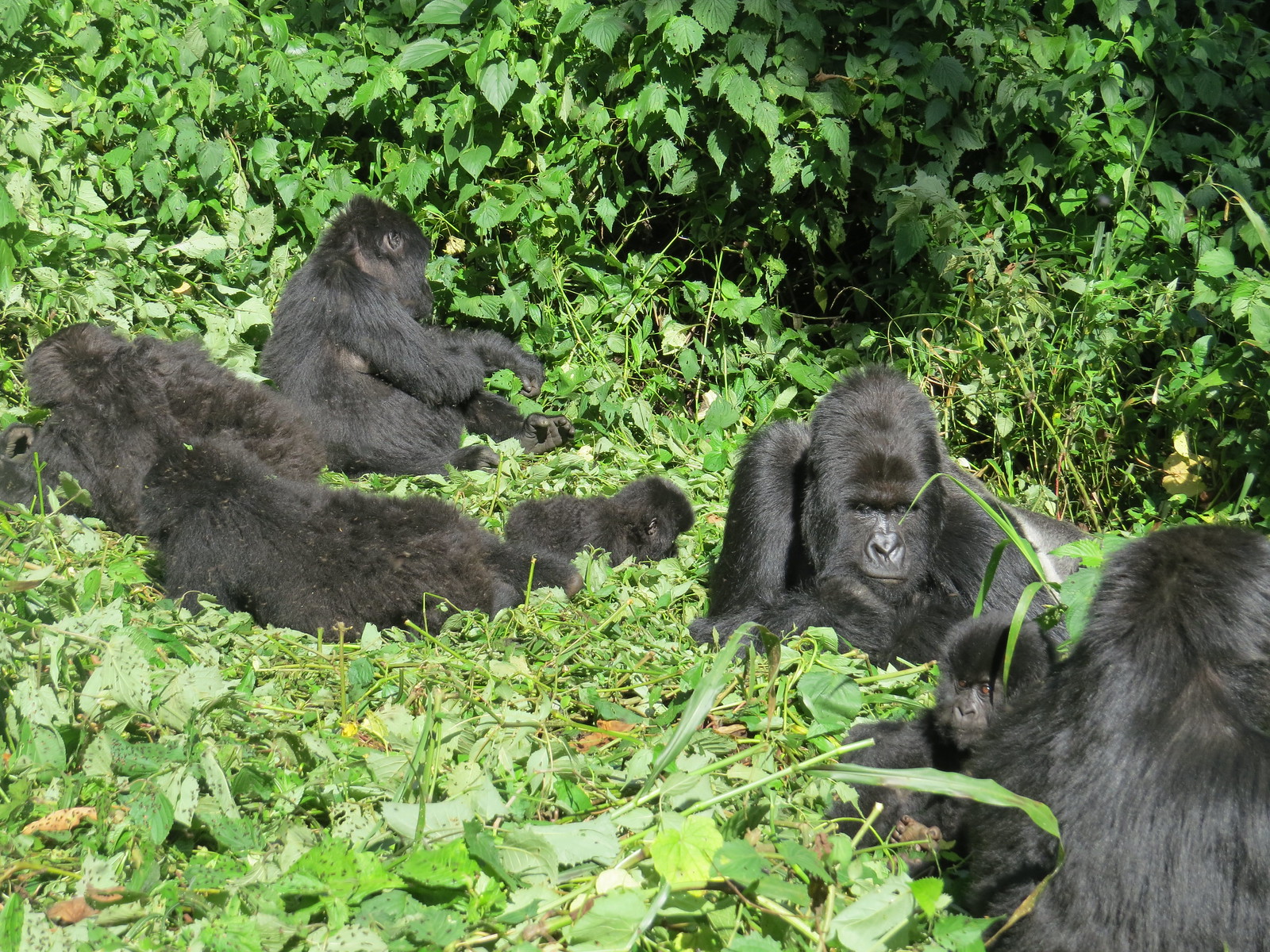
Gorillas "Silverback"
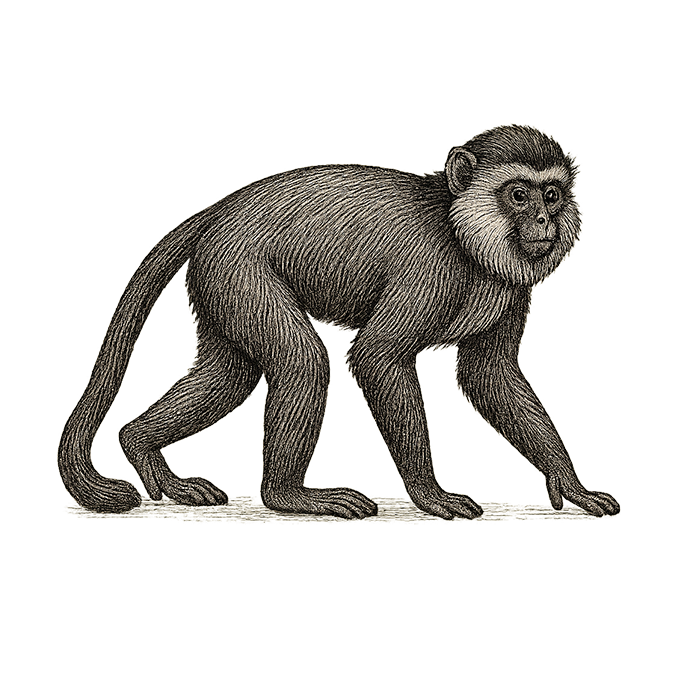
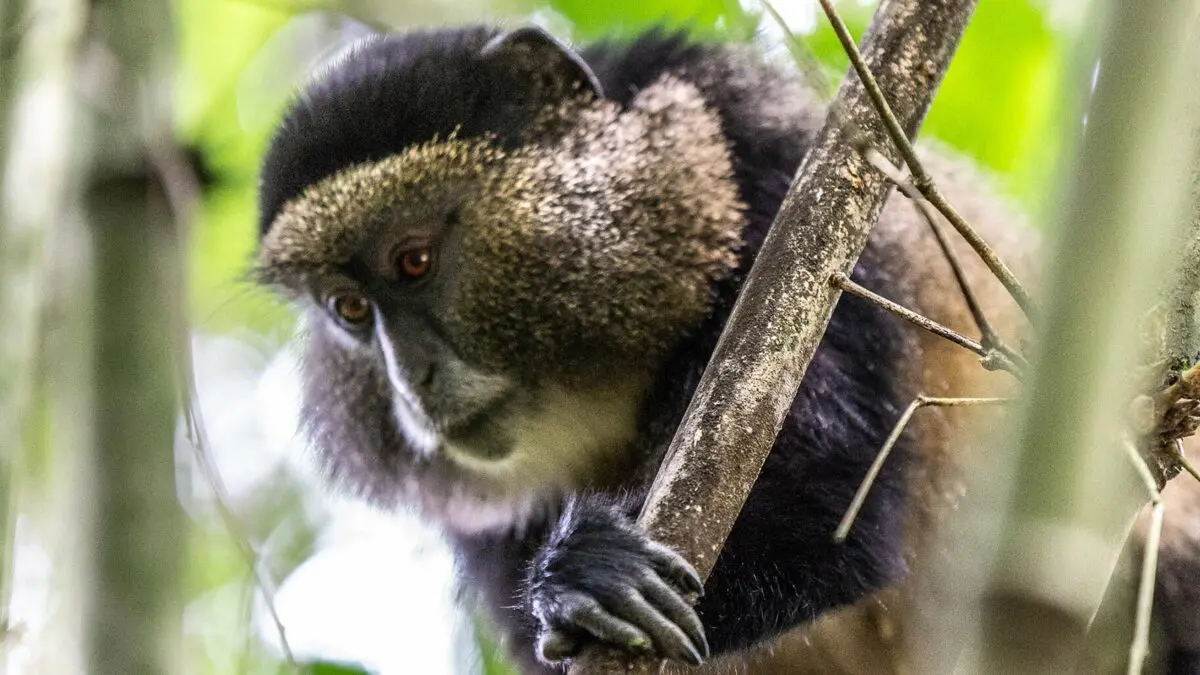
Golden Monkey "Photogenic"
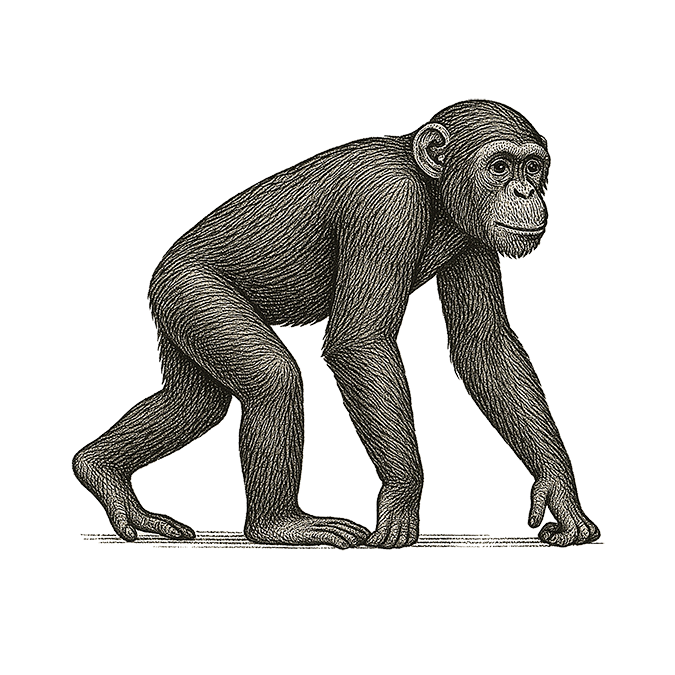
Chimpanzees "Pant-hoot"