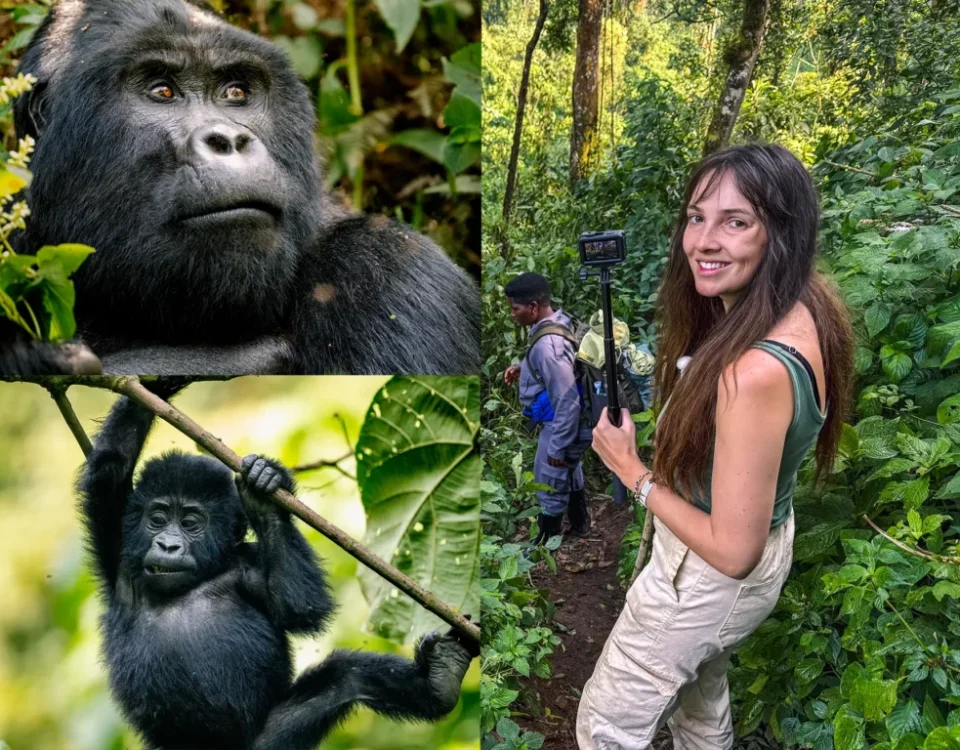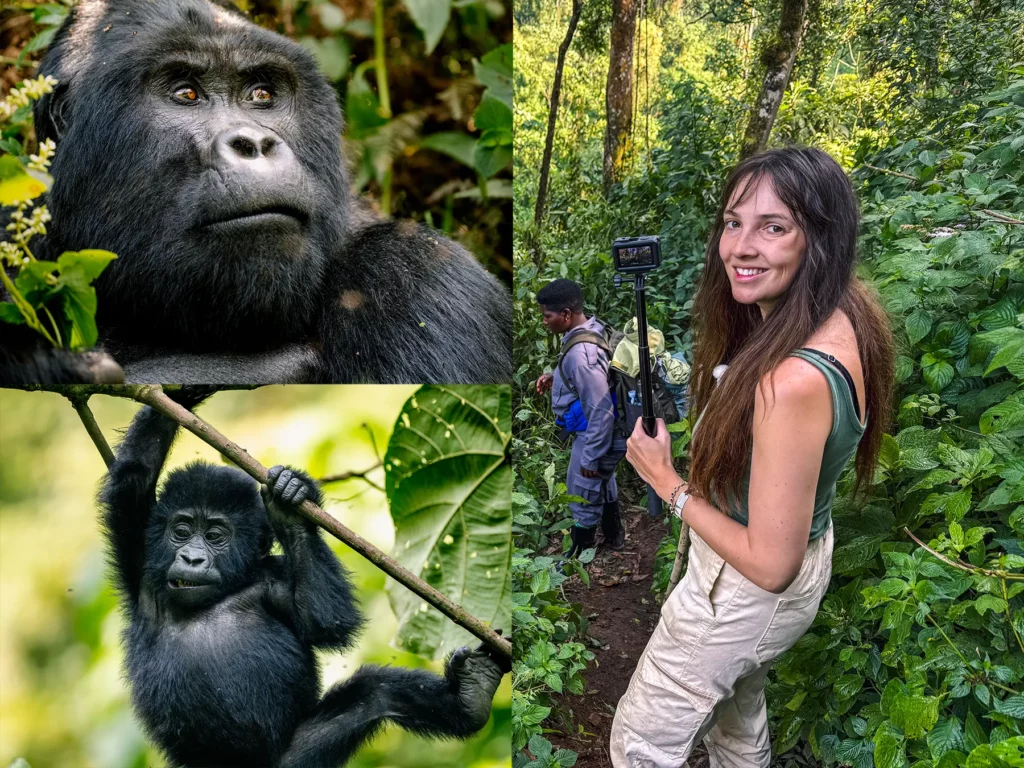
Nyiragongo Volcano and Gorilla Trekking
March 26, 2026
Gorilla Trekking in Kahuzi-Biega National Park
March 26, 2026
How to Get to Virunga National Park: Transport and Border Crossing Guide
Virunga National Park is one of Africa’s most extraordinary wildlife destinations, offering visitors the rare chance to encounter endangered mountain gorillas, chimpanzees, and a host of other unique wildlife. Its location in the eastern Democratic Republic of the Congo (DRC), bordering Rwanda and Uganda, makes access slightly more complex than other parks in East Africa. Proper planning is essential in 2026 to navigate transport options, border crossings, and permit requirements. This guide provides travelers with a comprehensive overview of how to reach Virunga safely and efficiently, including flights, road travel, and key logistical tips.
The park is most commonly accessed via the cities of Goma and Bukavu, with most international travelers connecting from Rwanda or Uganda. Combining flights, road transfers, and careful planning ensures a smooth arrival and maximizes time in the park itself.
Entry Points: Goma and Bukavu
The two primary gateways to Virunga National Park are Goma, located at the northern edge of the park near the Rwandan border, and Bukavu, situated near the southern sector. Each offers different advantages depending on your itinerary and travel preferences.
Goma is the most popular entry point for visitors coming from Rwanda or international flights. The city has an operational airport, Goma International Airport (GOM), with connections from Kigali in Rwanda, Kinshasa in DRC, and occasionally other regional hubs. From Goma, travelers can access the northern sectors of Virunga, including areas where gorilla trekking and chimpanzee tracking take place. Lodges in the area provide transportation to park headquarters and trailheads.
Bukavu is less commonly used but offers access to the southern parts of the park and is an alternative for travelers coming from Uganda or seeking a quieter entry point. Road transfers from Bukavu to the park are longer and can involve more challenging terrain, but this route provides a unique perspective of the surrounding Congolese countryside.
International Travel Routes
Most travelers enter the DRC from neighboring countries due to limited direct international flights. The most common route is via Kigali, Rwanda, which has frequent flights to Goma (approximately one hour). Another option is flying to Entebbe, Uganda, and connecting by road through the border at Rutshuru or Cyanika, which leads to Goma and the northern sector of Virunga.
Travelers from Europe, North America, or Asia typically fly into Kigali or Entebbe first, then take regional flights or road transfers into the DRC. This multi-leg approach requires careful scheduling and coordination with tour operators to ensure timely arrival for permits and guided treks.
Visa Requirements and Border Crossings
Entering the DRC requires a visa for most nationalities. Travelers can obtain:
- Single-entry DRC visas at diplomatic missions abroad, valid for visits to Virunga.
- E-visas available for certain nationalities, streamlining the application process.
Border crossings from Rwanda or Uganda require proper documentation, including a valid passport, visa (if not obtained in advance), proof of yellow fever vaccination, and confirmation of park bookings or accommodation. Official tour operators often handle these logistics, ensuring smooth processing and minimizing delays.
Key border crossings include:
- Gisenyi (Rwanda) to Goma (DRC): One of the easiest crossings for tourists. It is heavily regulated, and travelers must present passports, visas, and park confirmations. Transfers to park lodges are typically arranged in advance.
- Cyanika (Uganda) to Goma (DRC): Suitable for travelers combining Ugandan safaris with Virunga treks. Road conditions can be rough, so organized transport is recommended.
Travelers should allow extra time for border procedures and be prepared for security checks, which are routine. Staying informed about current regulations, local advisories, and operator guidance is critical in 2026.
Internal Transport Options
Once inside the DRC, travelers must navigate road transfers to reach park headquarters, lodges, and trailheads.
- Private 4×4 vehicles are the most reliable option, especially in areas with uneven terrain and limited road infrastructure.
- Park-arranged transport is available through authorized lodges and operators, providing coordination with rangers and guides.
- Local taxis and motos exist in towns like Goma and Bukavu, but they are not recommended for park access due to safety and reliability concerns.
Travelers should plan for road travel times that can vary significantly depending on weather and road conditions. Dry-season travel is faster, while rainy-season roads may be slippery and require extra caution.
Safety Considerations
Traveling in eastern DRC requires vigilance and preparation. While Virunga National Park itself is heavily monitored and secure, surrounding regions can present challenges. Key safety tips include:
- Always use authorized guides and transport arranged by lodges or operators.
- Avoid traveling at night outside controlled areas.
- Keep copies of travel documents and park permits on hand.
- Stay informed about local news and advisories, as security situations can change.
- Carry medical kits, hydration, and essentials for remote travel.
By adhering to these precautions, travelers can enjoy Virunga safely while minimizing potential risks associated with border crossings and road travel.
Recommended Approach for 2026 Travelers
For first-time visitors or those unfamiliar with DRC logistics, the most efficient approach is:
- Fly into Kigali, Rwanda, and cross at Gisenyi-Goma.
- Arrange transport and park coordination through a reputable tour operator.
- Stay in authorized lodges near trailheads for both gorilla and chimpanzee treks.
- Use guided treks and ranger support for all forest excursions.
- Allocate extra time for border procedures, local travel, and contingencies.
This route maximizes convenience, safety, and time in the park, ensuring travelers can focus on the adventure and wildlife experience rather than logistical challenges.
Tips for a Smooth Journey
- Book permits and lodges well in advance, especially for gorilla trekking, as availability is limited.
- Carry local currency (Congolese Francs) and small amounts of USD for border fees or emergencies.
- Keep digital and physical copies of documents, including visas, vaccination cards, and park confirmations.
- Travel insurance is essential and should cover evacuation and medical emergencies.
- Dress in layers and carry waterproof gear, as eastern DRC weather can be unpredictable.
By following these tips, visitors can approach Virunga National Park with confidence and enjoy a seamless travel experience.
Getting to Virunga National Park in 2026 requires careful planning, coordination, and an understanding of regional transport and border protocols. While the Democratic Republic of the Congo may seem daunting at first, organized travel via Kigali or Entebbe, combined with authorized guides, lodges, and ranger support, makes the journey manageable and safe. Once inside the park, travelers are rewarded with unparalleled wildlife encounters, including mountain gorillas, chimpanzees, and the stunning landscapes of one of Africa’s oldest and most diverse national parks. By preparing ahead and following established routes and procedures, reaching Virunga is an adventure in itself — one that sets the stage for a truly unforgettable Congolese wildlife experience.