Nyiragongo Volcano and Gorilla Trekking: The Ultimate Congo Adventure
For thrill-seekers and wildlife enthusiasts, combining a trek to the summit of Mount Nyiragongo with gorilla trekking in Virunga National Park represents the pinnacle of adventure travel in the Congo. This experience merges two of the most iconic natural wonders of Africa: one of the world’s most active volcanoes and the dense forests home to mountain gorillas. In 2026, this dual itinerary has become increasingly accessible to well-prepared travelers seeking a combination of adrenaline, wildlife, and awe-inspiring landscapes.
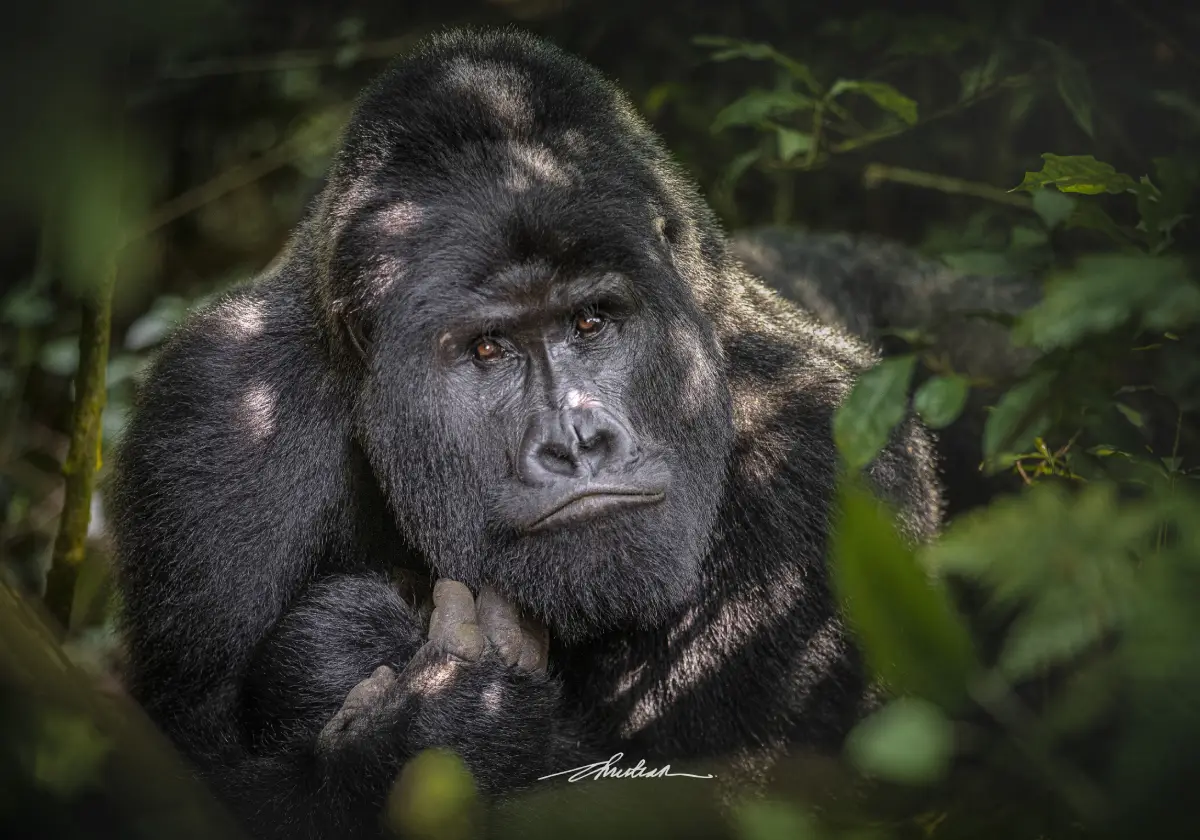
Visiting both Mount Nyiragongo and Virunga National Park offers a unique perspective on the DRC, showcasing its extraordinary geological features, rich biodiversity, and conservation efforts. While safety and logistics require careful planning, the rewards – panoramic crater lakes, lava fields, and intimate encounters with gorillas – are unmatched anywhere else in the world.
Nyiragongo Volcano: Adventure at the Edge of a Crater
Mount Nyiragongo is located in the eastern DRC near the town of Goma and is famous for its immense lava lake, one of the few continuously active lava lakes on the planet. The volcano rises 3,470 meters above sea level, and the trek to the summit typically takes 4 to 6 hours for fit hikers.
The volcanic trek is challenging but feasible for those with moderate fitness. Trails wind through lush forests, volcanic rocks, and occasional lava fields. Guided treks are mandatory for safety, as the terrain is rugged and sudden changes in volcanic activity can occur. Trekking at sunrise or sunset provides spectacular views of the crater lake glowing with molten lava, as well as the surrounding Virunga massif.
Safety considerations include:
- Mandatory guides who monitor volcanic activity and lead hikers along safe routes.
- Proper hiking equipment, including sturdy boots, warm clothing, and headlamps for early morning or evening treks.
- Acclimatization, as the climb involves significant elevation gain and can be physically demanding.
- Emergency protocols coordinated by local authorities and park rangers, including evacuation plans in the unlikely event of volcanic unrest.
The volcano’s activity is unpredictable, but monitoring systems and ranger guidance ensure that tourists are kept safe while experiencing the thrill of standing near one of the world’s most active lava lakes.
Gorilla Trekking in Virunga National Park
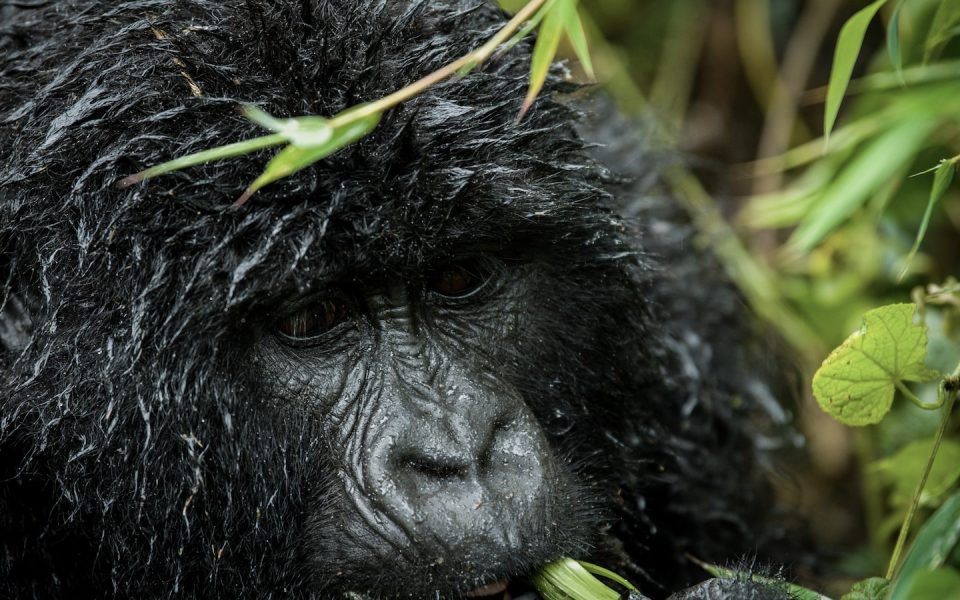
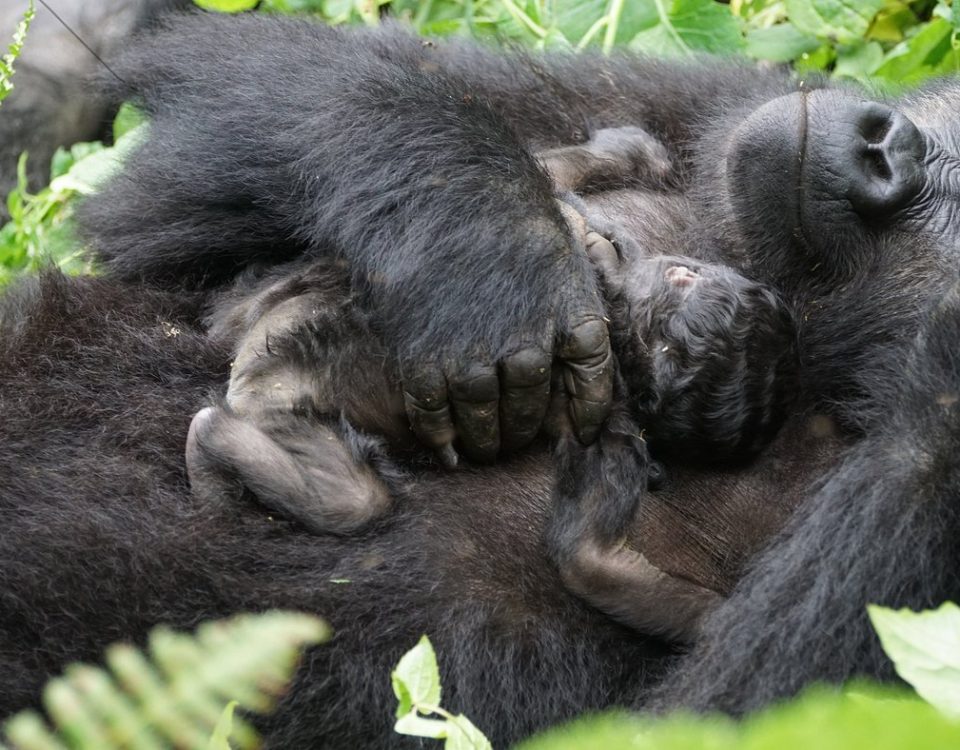
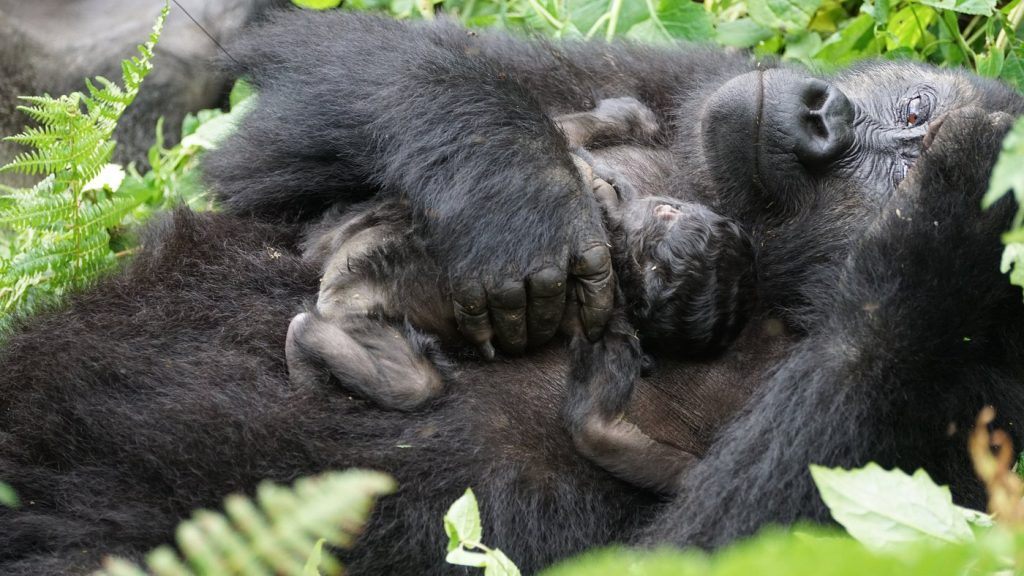
After descending Nyiragongo, travelers can continue to Virunga National Park, home to approximately 250 mountain gorillas. Trekking in this lush rainforest environment is a contrast to the barren volcanic slopes, immersing visitors in dense bamboo forests, montane vegetation, and diverse wildlife.
Key features of a Virunga gorilla trek include:
- Permits and guided groups: All treks are organized with official permits, guides, and trackers who ensure safe encounters with gorillas.
- Challenging terrain: Treks may involve 2 to 8 hours of hiking through steep slopes, muddy paths, and dense forest. Physical preparation is recommended.
- Close encounters: Trekkers spend up to one hour with a gorilla family, observing their natural behavior, social interactions, and feeding habits.
- Photography opportunities: Professional guides help maintain safe distances while allowing memorable photography of these iconic primates.
The combination of volcano trekking and gorilla trekking provides contrast and depth to the Congo adventure, highlighting both its geological drama and rich biodiversity.
Logistics and Planning
Successfully combining Nyiragongo and Virunga in one itinerary requires careful planning:
- Entry and travel: Most travelers fly into Goma, the primary gateway for both activities. From there, transfers to park lodges and trailheads are arranged by reputable operators.
- Timing: Trekking to Nyiragongo early in the morning allows sufficient rest before or after gorilla trekking, minimizing fatigue. Many travelers spend 1-2 days on the volcano trek and 1-2 days in Virunga.
- Accommodations: Options range from eco-lodges like Mikeno Lodge near the park to comfortable hotels in Goma, providing secure lodging, meals, and coordination with park authorities.
- Permits: Both Nyiragongo and Virunga treks require official permits, which operators handle in advance. Planning months ahead is recommended, especially during peak travel seasons.
Additional considerations include local weather, road conditions, and fitness levels. The dry season from June to September and December to March is ideal, offering clearer trails and safer hiking conditions.
Safety Considerations
Combining Nyiragongo and gorilla trekking is safe when undertaken with experienced guides and proper precautions. Important safety measures include:
- Following guide instructions at all times, both on the volcano and in the forest.
- Carrying essential gear, including hydration, snacks, protective clothing, and first aid supplies.
- Being physically prepared, as both treks involve strenuous hiking and variable terrain.
- Staying within authorized areas, as both the volcano and park have active monitoring and restricted zones.
- Health precautions, including vaccinations, malaria prophylaxis, and travel insurance covering evacuation and medical emergencies.
When these precautions are observed, travelers can enjoy one of the most unique and safe adventure experiences in Africa.
Why This Adventure Is Unique
The combination of volcanic adventure and wildlife immersion is rare worldwide. Few destinations allow visitors to:
- Witness an active lava lake at close range.
- Hike through unspoiled rainforest inhabited by endangered mountain gorillas.
- Experience a diversity of ecosystems within a short geographic distance.
- Contribute directly to conservation efforts through permits and eco-tourism fees.
The dual trek offers a multi-dimensional perspective of the DRC, highlighting both its geological forces and its global significance in biodiversity conservation.
Sample Itinerary
A typical 3-4 day itinerary might include:
- Day 1: Arrival in Goma, transfer to lodge, orientation, and rest.
- Day 2: Early morning Nyiragongo trek to summit, return to lodge in the evening.
- Day 3: Transfer to Virunga National Park, briefing, and start of gorilla trekking the following morning.
- Day 4: Gorilla trek, return to lodge, departure to Goma or onward travel.
This itinerary can be adjusted based on fitness, trekking pace, and desired experiences. Lodges often provide transportation, guides, meals, and emergency support throughout.
Conservation Impact
Participating in these treks directly supports conservation:
- Gorilla permits fund anti-poaching patrols and park operations.
- Volcano trekking fees contribute to ranger salaries and park infrastructure.
- Local communities benefit from tourism, providing incentives to protect natural resources.
Travelers engaging responsibly in these experiences become part of a broader effort to protect both wildlife and local ecosystems.
Nyiragongo Volcano and Virunga gorilla trekking together offer an unparalleled adventure in the DRC. While the Congo requires thoughtful planning and preparation, the rewards include unforgettable natural beauty, intimate wildlife encounters, and a sense of accomplishment few other experiences can match. For adventurous travelers in 2026, this combination is the ultimate Congo adventure, blending adrenaline, conservation, and awe in one extraordinary journey.
Gorilla Trekking in the Democratic Republic of Congo
The Democratic Republic of Congo (DRC) is home to two gorilla species found nowhere else together: mountain gorillas in Virunga National Park and eastern lowland gorillas (Grauer’s gorillas, Gorilla beringei graueri) in Kahuzi-Biega National Park. Both are UNESCO World Heritage Sites.
Virunga National Park – Africa’s oldest national park, established in 1925 – covers 7,900 km² of remarkable ecological diversity, from the volcanic peaks of the Virunga Massif to the glaciers of the Rwenzori Mountains and the tropical lowland forests of the Congo Basin. The park is also home to hippos, elephants, okapis, and the entire cast of Congo rainforest wildlife.
Eastern Lowland Gorillas – A Unique Encounter
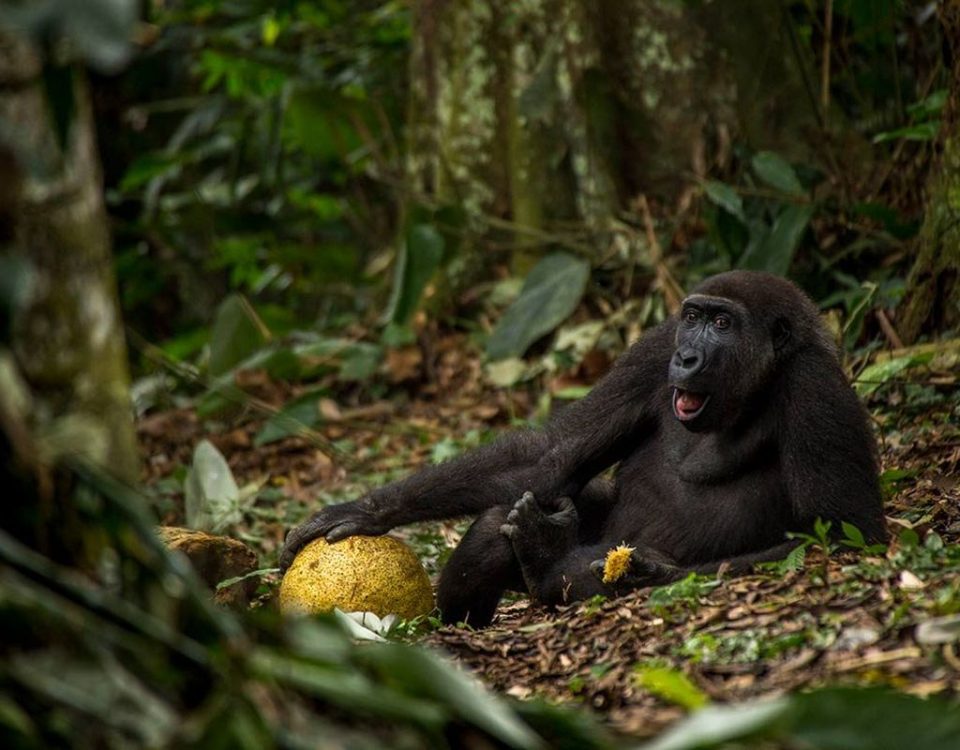
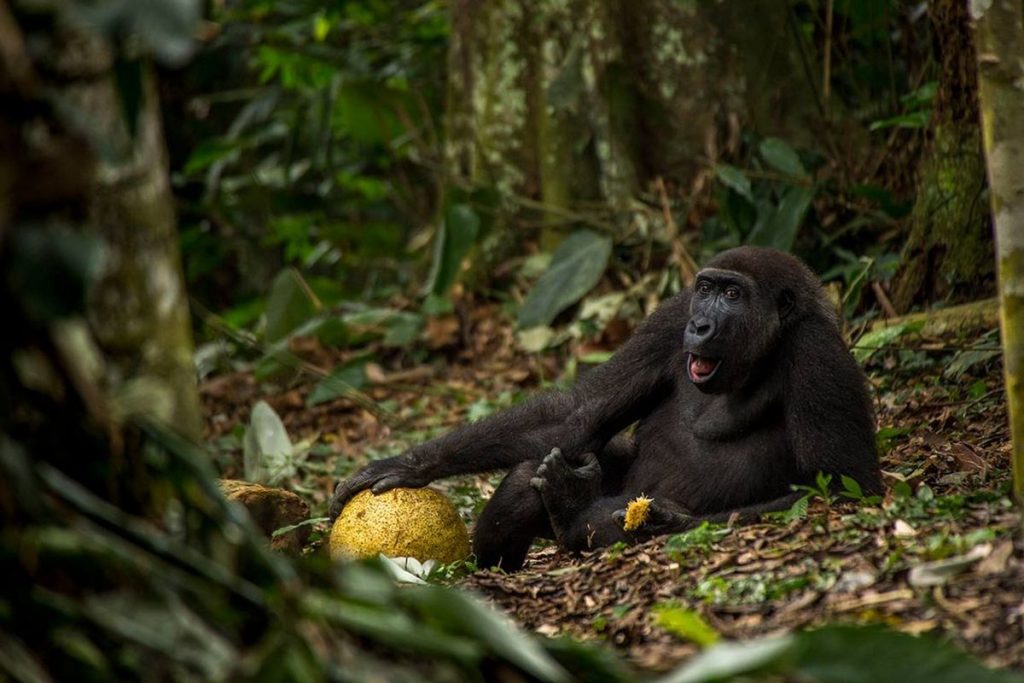
The eastern lowland gorilla (Grauer’s gorilla) is the world’s largest subspecies of gorilla, with silverbacks weighing up to 220kg. Found only in the DRC, Grauer’s gorillas are considerably rarer than mountain gorillas – their population has declined by more than 70% since the 1990s due to conflict, habitat loss, and poaching. Kahuzi-Biega National Park in South Kivu offers the only reliable trekking experience with habituated Grauer’s gorilla families.
A gorilla permit in the DRC costs USD 400 per person – significantly cheaper than Rwanda (USD 1,500) or Uganda (USD 800). The experience is raw, off-the-beaten-track, and unforgettable for travellers seeking something genuinely uncommon.
Practical Information for DRC Gorilla Trekking
Getting to Virunga and Kahuzi-Biega
The most common entry point to eastern DRC is via Kigali, Rwanda. Goma – the gateway to Virunga National Park – is just 80km from Kigali. Direct flights from Nairobi and Kampala also serve Goma. Bukavu (gateway to Kahuzi-Biega) is accessible from Goma by road (3-4 hours) or by light aircraft.
Is it safe to trek gorillas in the DRC?
Security in eastern DRC is complex and fluctuates. Virunga National Park and Kahuzi-Biega have experienced periods of closure due to armed group activity. Always check current security conditions with your tour operator and your government’s travel advisory before planning a DRC gorilla trek. Reputable operators with established local security networks are essential.
Recommended Tours: 8 Days Congo Gorillas & Nyiragongo Safari | 5 Days Lowland Gorilla Safari Congo