Kazinga Channel
The Kazinga Channel is one of Uganda’s most remarkable natural features and a defining highlight of Queen Elizabeth National Park. This natural waterway stretches for about 32 kilometers, gently linking Lake Edward in the west to Lake George in the east. Though modest in length, the channel supports one of the highest concentrations of wildlife in East Africa, making it an essential stop on any Uganda safari and one of the finest places in the country for relaxed, close-range wildlife viewing.
What makes the Kazinga Channel so special is not just its scenery, but the life it sustains. The slow-moving waters, fringed by savannah grasslands and papyrus swamps, create a permanent source of water in an otherwise seasonal ecosystem. As a result, animals are drawn here throughout the year, turning the channel into a living corridor of biodiversity and activity.
The Landscape and Setting
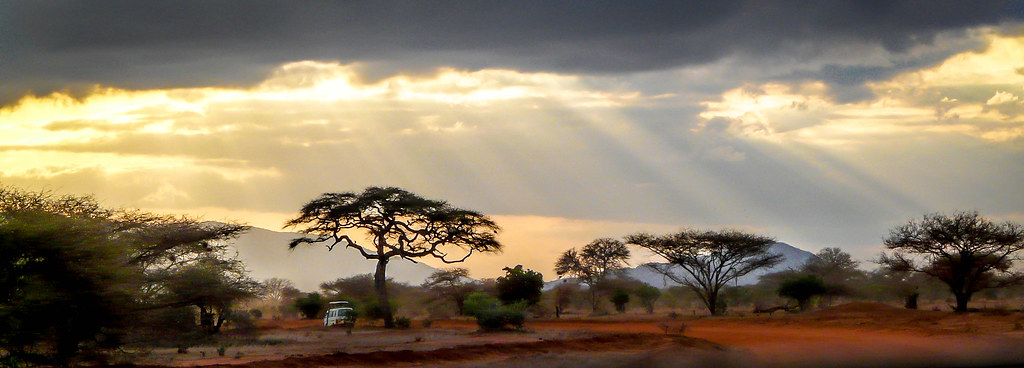
The Kazinga Channel lies at the heart of Queen Elizabeth National Park, a landscape shaped by ancient volcanic activity and the western branch of the Great Rift Valley. The surrounding terrain is gently undulating, dotted with crater lakes, open plains, and distant escarpments. Along the channel itself, the banks are lush and green, contrasting beautifully with the drier savannah beyond.
The water flows slowly and calmly, reflecting the sky and surrounding vegetation. Early mornings are often quiet and misty, while afternoons bring golden light and increased animal activity. The channel’s peaceful appearance can be deceptive, as beneath the surface and along the banks, life is constantly in motion.
Wildlife Along the Kazinga Channel
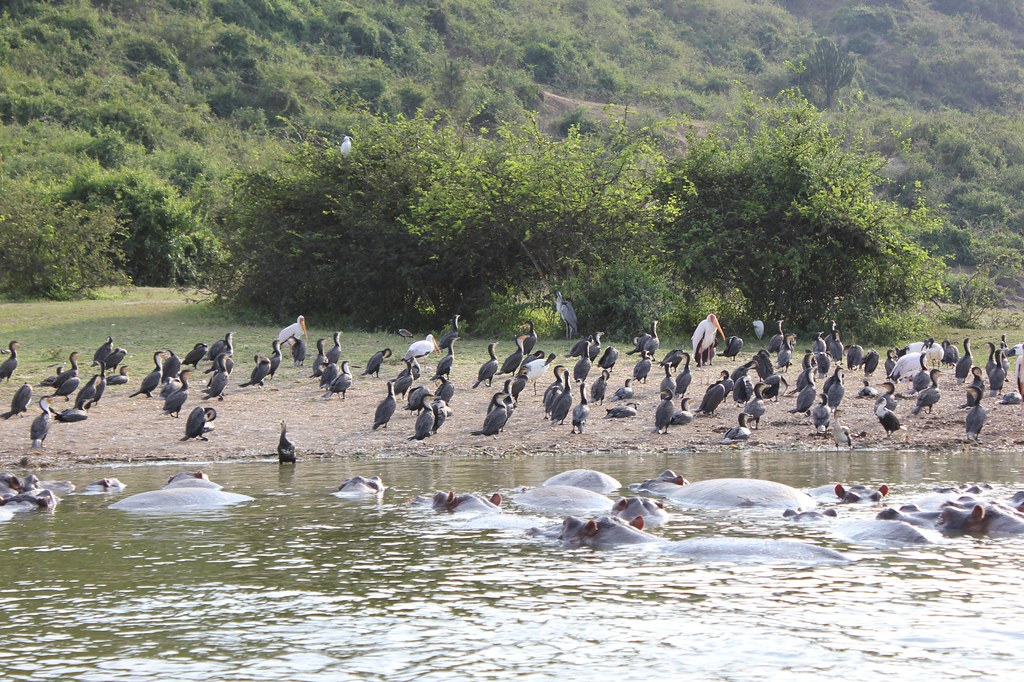
The Kazinga Channel is famous for hosting one of the largest populations of hippopotamuses in Africa. These massive animals dominate the water, often seen packed closely together, grunting and yawning as they rest during the day. Crocodiles are also common, lying motionless along the banks or partially submerged, waiting patiently for prey.
Elephants regularly visit the channel to drink, bathe, and cool off, especially during the dry seasons. Watching them wade into the water or spray themselves with mud is one of the most memorable sights on a Kazinga Channel safari. Buffaloes, waterbuck, Uganda kob, and warthogs are frequently seen grazing along the shoreline, drawn by the reliable water supply.
Birdlife is equally impressive. The channel is a paradise for bird watchers, supporting hundreds of species. Fish eagles are often seen perched in trees, scanning the water for prey before diving with precision. Pelicans, cormorants, herons, storks, kingfishers, and bee-eaters add color and movement to the scene. The mix of open water, marsh, and woodland creates ideal conditions for both resident and migratory birds.
The Kazinga Channel Boat Safari Experience
One of the most celebrated ways to experience the Kazinga Channel is by boat. A boat safari here is unlike any other wildlife activity in Uganda, offering close, unhurried encounters with animals from the water rather than from a vehicle. The slow pace of the boat allows visitors to observe details often missed on game drives, from the texture of a hippo’s skin to the delicate movements of birds feeding along the shore.
As the boat glides along the channel, wildlife appears almost continuously. Animals are accustomed to the presence of boats and tend to behave naturally, creating excellent opportunities for photography and observation. The perspective from the water places visitors at eye level with animals on the banks, making encounters feel intimate and immersive.
Boat safaris usually take place in the late morning or afternoon, when animals are active along the water’s edge. The combination of calm waters, abundant wildlife, and knowledgeable guides makes the experience both relaxing and deeply informative.
Seasonal Changes and Year-Round Appeal
The Kazinga Channel is a year-round destination, but its character changes subtly with the seasons. During the dry months, when water is scarce elsewhere in the park, the channel becomes a magnet for wildlife. Animal densities increase along the banks, and sightings are especially frequent and dramatic.
In the wetter seasons, the surrounding landscape becomes greener and more expansive. While animals may be more dispersed, the channel remains lively, and birdlife becomes particularly rich. Migratory species arrive, and breeding activity adds another layer of interest for nature lovers.
Because the channel never fully dries up, it provides consistent wildlife viewing regardless of the time of year, making it one of the most reliable attractions in Queen Elizabeth National Park
Ecological Importance of the Kazinga Channel
Beyond its appeal to visitors, the Kazinga Channel plays a critical ecological role. It regulates water levels between Lake Edward and Lake George and supports fisheries that local communities depend on. The surrounding wetlands act as natural filters, maintaining water quality and supporting a complex web of life.
The channel’s health is closely tied to the overall well-being of Queen Elizabeth National Park. Conservation efforts focus on protecting water quality, managing fishing practices, and reducing human-wildlife conflict along the channel’s edges. Tourism, when responsibly managed, contributes to these efforts by providing revenue and raising awareness of the channel’s importance.
Cultural and Human Connections
Communities living near the Kazinga Channel have long relied on its resources. Fishing villages along the shores reflect a way of life closely linked to the water, and traditional fishing methods are still practiced in some areas. For visitors, seeing this coexistence of people and nature adds depth to the safari experience and highlights the importance of sustainable resource use.
Some safari itineraries include cultural visits that allow travelers to learn about local traditions, fishing practices, and the challenges of living alongside wildlife. These interactions provide context and remind visitors that conservation is as much about people as it is about animals.
Why the Kazinga Channel Stands Out
The Kazinga Channel stands out because it offers a different rhythm of safari. Instead of searching for wildlife across vast plains, visitors come to a place where animals naturally gather. The experience is less about chance and more about observation, patience, and appreciation of ecological balance.
It is also one of the few places where so many large mammals can be seen so easily from a boat, without the need for long drives or strenuous activities. This makes it accessible to a wide range of travelers, from seasoned safari enthusiasts to first-time visitors.
The Kazinga Channel is the lifeblood of Queen Elizabeth National Park and one of Uganda’s most rewarding wildlife destinations. Its calm waters, abundant animals, and rich birdlife create an experience that is both relaxing and deeply engaging. Whether watched from the deck of a boat or the banks at sunset, the channel reveals the intricate connections between water, wildlife, and landscape.
Recommended Tours: 9 Days Uganda Wildlife Safari | 7 Days Uganda Safari