Lomami National Park
January 28, 2026
Loango National Park
January 28, 2026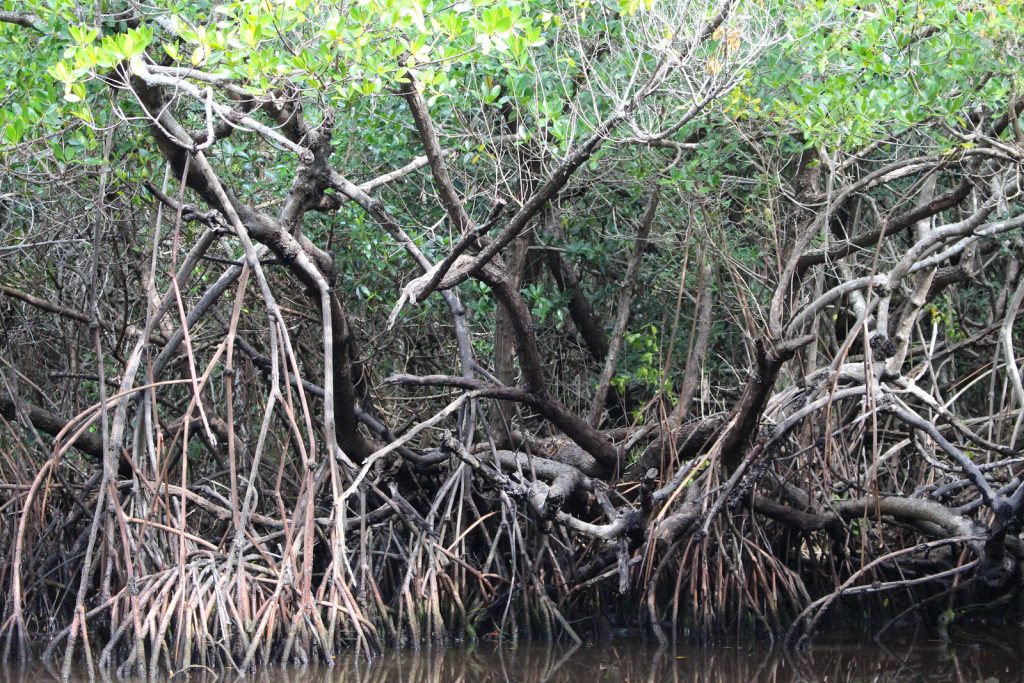


Mangroves National Park
Mangroves National Park, located along Uganda’s southwestern shores of Lake Victoria, is one of the country’s most unique and biodiverse ecosystems. Unlike the more famous savanna parks such as Murchison Falls or Queen Elizabeth, this park offers visitors a glimpse into a world of dense waterways, intricate mangrove forests, and vibrant birdlife. For travelers seeking a combination of ecological discovery, birdwatching, and serene water experiences, Mangroves National Park is a must-visit destination in Uganda.



Attractions In Rwanda
Attractions In Tanzania
Mangroves National Park
The park is part of Uganda’s extensive network of protected areas and serves as a crucial ecological buffer. Its dense mangrove forests help stabilize the shoreline, filter water, and provide breeding grounds for fish, amphibians, and numerous bird species. It is also a haven for small mammals, reptiles, and insects that thrive in the swampy environment.
Mangroves National Park: National Parks and Protected Areas
Unique Ecosystem of Mangroves National Park
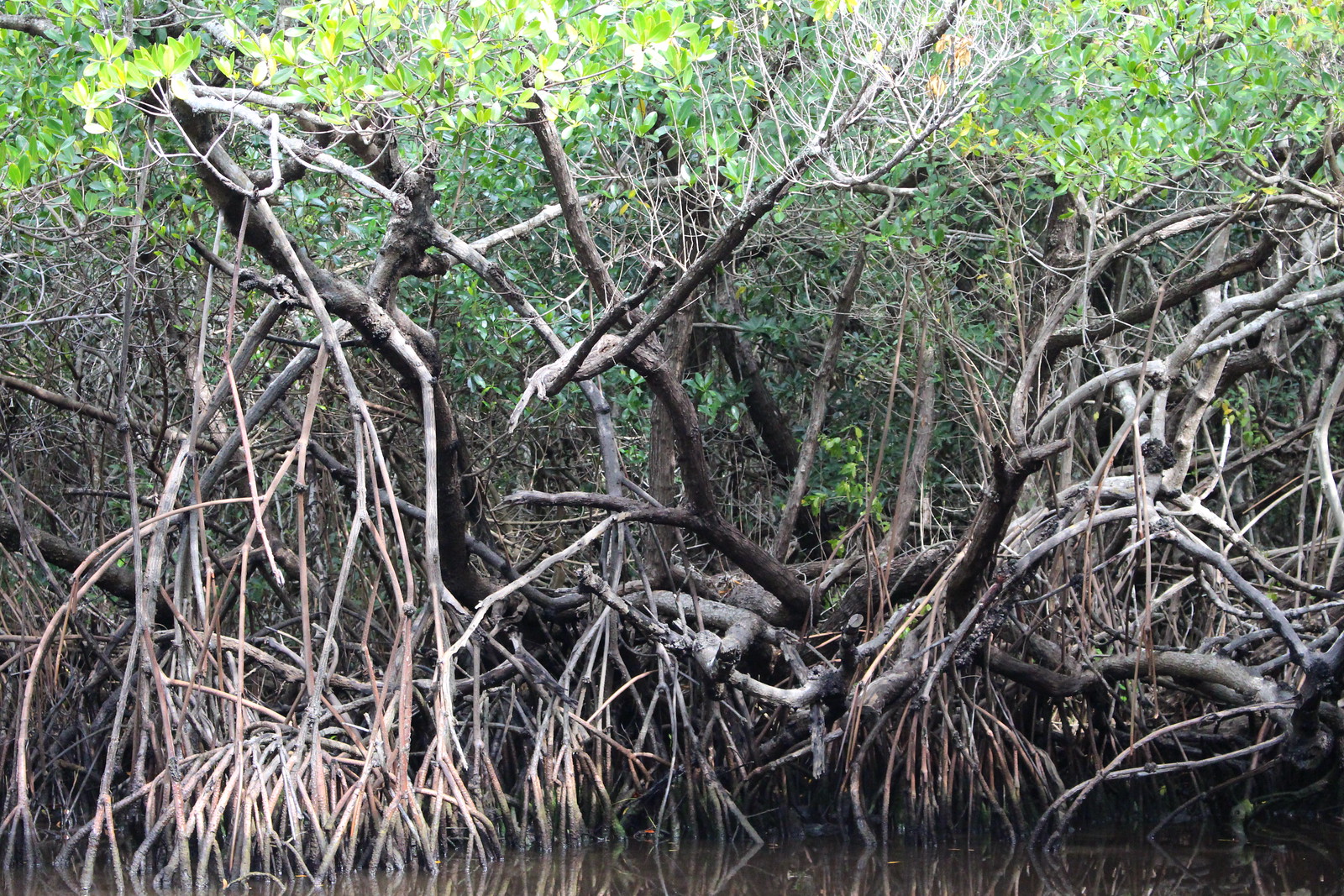
The defining feature of the park is its extensive mangrove forest. Mangroves are salt-tolerant trees and shrubs that grow along coastlines and wetlands. In Mangroves National Park, these trees create a labyrinth of narrow waterways, canals, and small islands that support a wide range of species. Walking or boating through the park, visitors witness a forest unlike any other in Uganda.
Mangrove trees provide shade and shelter for juvenile fish, amphibians, and crustaceans, making the park an important nursery for aquatic life. The root systems of the mangroves prevent soil erosion and help maintain water quality. In addition, these forests are carbon sinks, absorbing carbon dioxide and contributing to climate change mitigation.
The park’s ecosystem supports both terrestrial and aquatic biodiversity, which is rare in Uganda’s national park system. Visitors often encounter birds, reptiles, and mammals in one area, creating a multi-layered wildlife experience that is especially appealing to photographers and nature enthusiasts.
Birdwatching in Mangroves National Park
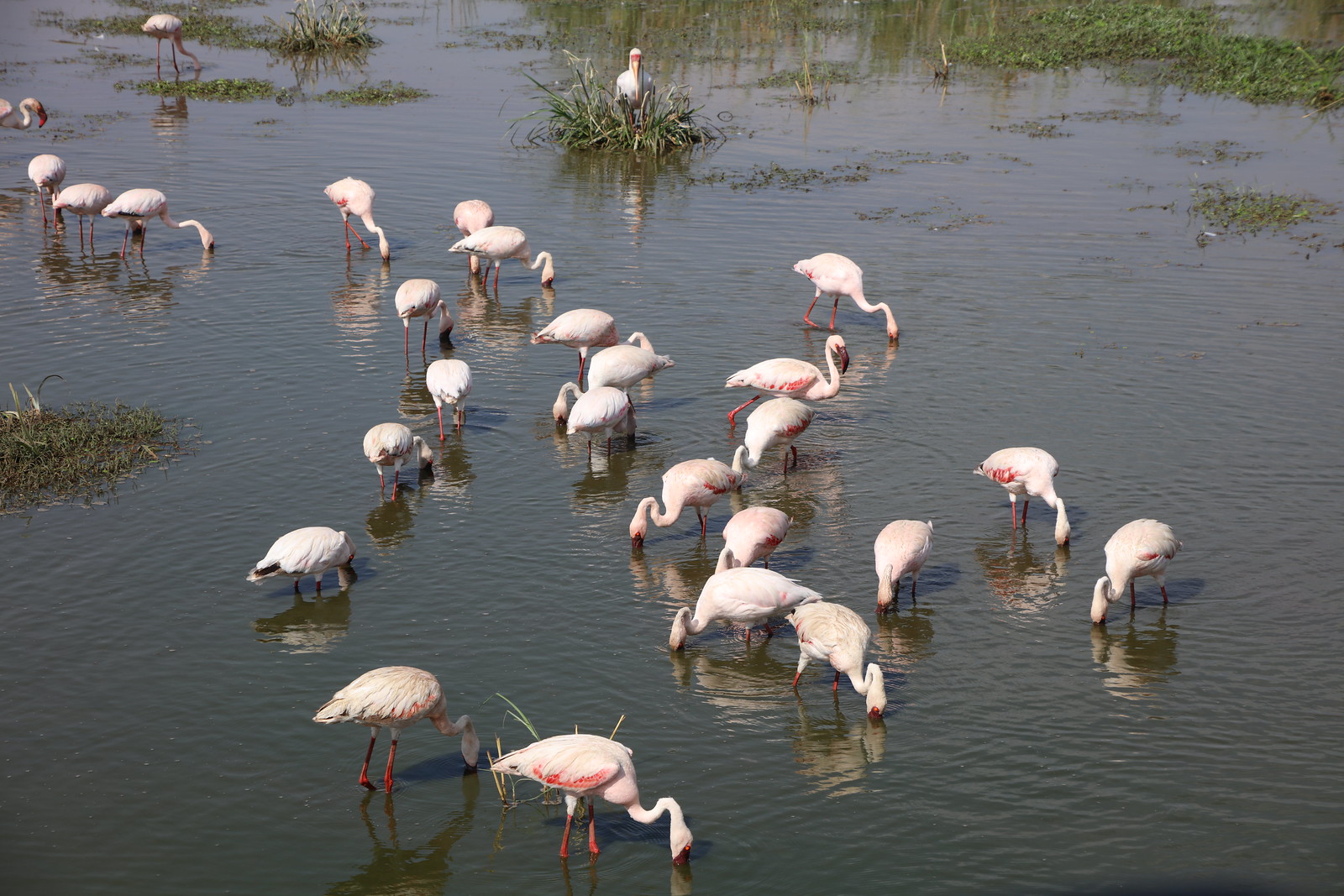
For bird lovers, Mangroves National Park is a hidden gem. The park is home to a variety of resident and migratory species, making it an important site for birdwatching. Kingfishers, herons, egrets, and jacanas are commonly spotted along the waterways, while forest-dwelling species such as sunbirds, weavers, and shrikes inhabit the mangroves.
The park’s location along Lake Victoria means that migratory birds traveling between Africa and Europe often stop here, providing an opportunity to see rare and seasonal species. For photography enthusiasts, the dense vegetation and reflective waterways offer ideal conditions for capturing birds in natural habitats, often with stunning reflections and soft lighting. Guided birding tours in the park provide detailed insights into species identification, behavior, and ecological roles, enhancing the overall experience.
Water-Based Activities
Unlike Uganda’s typical game drive safaris, Mangroves National Park offers water-based wildlife exploration. Canoeing and boat rides through the narrow mangrove channels allow visitors to observe aquatic life and forest species up close. The gentle pace of a canoe trip also offers the chance to experience the forest quietly, increasing the likelihood of spotting shy animals such as monitor lizards, water snakes, and amphibians.
Fishing enthusiasts can also enjoy sustainable fishing experiences, as the park’s waterways support a variety of fish species. However, visitors are encouraged to follow conservation guidelines to protect the delicate aquatic ecosystem. Guided boat tours often include stops at small islands, where visitors can explore mangrove roots and learn about their ecological significance.
Mammals and Other Wildlife
While the park is primarily known for its mangroves and birds, it is also home to small mammals adapted to wetland and forested habitats. Monkeys, including vervet and black-and-white colobus monkeys, can be spotted in the treetops, and otters occasionally appear near the waterways. Reptiles such as monitor lizards, chameleons, and snakes inhabit the mangrove forests, while amphibians thrive in the swampy areas.
The park’s biodiversity extends to insects and invertebrates as well, which play a vital role in maintaining the ecosystem’s health. For eco-tourists and researchers, the park provides countless opportunities to study and photograph species rarely seen in more popular national parks.
Conservation Significance
Mangroves National Park plays a vital role in Uganda’s conservation efforts. The mangrove ecosystem helps prevent shoreline erosion along Lake Victoria, supports fish breeding, and maintains water quality. The park also contributes to climate change mitigation through carbon storage in mangrove biomass.
Local communities benefit from sustainable tourism initiatives, as guided tours, canoe trips, and eco-friendly lodges generate income while promoting environmental awareness. Conservation programs often include community education, emphasizing the importance of protecting mangroves and wetlands for future generations. Responsible tourism is essential in this fragile ecosystem, ensuring that visitors enjoy the park without causing ecological damage.
Best Time to Visit
The ideal time to visit Mangroves National Park is during the dry seasons, typically from June to September and December to February. During these months, water levels are lower, making canoeing and boat trips easier and more enjoyable. Birdwatching is also more rewarding during the dry season, as vegetation is less dense, and wildlife is easier to spot.
Visitors during the wet season (March–May and October–November) should be prepared for muddy trails and higher water levels. While the scenery is lush and green, access to some areas may be limited, and boat navigation may be more challenging. Regardless of the season, guided tours and local expertise ensure a safe and enriching experience.
Visitor Tips
Dress in lightweight, quick-drying clothing, and wear waterproof shoes or sandals suitable for wet environments.
Bring insect repellent, sunscreen, and a hat to protect against sun and mosquitoes.
Carry a waterproof bag or dry sack for electronics and personal items during boat rides.
Binoculars and a camera are essential for wildlife observation and photography.
Hire local guides to enhance your experience, learn about the ecology, and ensure responsible tourism practices.
Avoid littering or disturbing wildlife to preserve the park’s delicate ecosystem.
Accommodation Near Mangroves National Park
Several eco-lodges and guesthouses near the park offer convenient access for day trips and overnight stays. These accommodations range from rustic forest lodges to more modern eco-resorts, providing comfortable bases for exploration. Many lodges also organize guided tours, canoe trips, and educational sessions on mangrove ecology, allowing visitors to combine relaxation with immersive wildlife experiences.
Mangroves National Park is Uganda’s hidden gem of wetlands and waterways, offering a unique and immersive safari experience that differs from the traditional savanna wildlife parks. From its dense mangrove forests and labyrinthine waterways to its vibrant birdlife, small mammals, and aquatic species, the park showcases a fragile yet incredibly rich ecosystem.
For eco-tourists, photographers, and conservation enthusiasts, a visit to Mangroves National Park provides both adventure and education. The park highlights the importance of wetlands and mangroves in biodiversity conservation, climate regulation, and supporting local communities. By visiting responsibly and supporting guided tours, travelers contribute to the preservation of this invaluable ecosystem.
Whether you are gliding through narrow channels in a canoe, observing rare birds perched among tangled roots, or learning about the ecological significance of mangroves, a trip to Mangroves National Park offers an unforgettable experience. It is a serene, educational, and enriching safari destination that complements Uganda’s more famous wildlife parks while offering a unique perspective on the country’s natural diversity.
Our Recommended Tour Ideas
Please the content should be 110 characters.
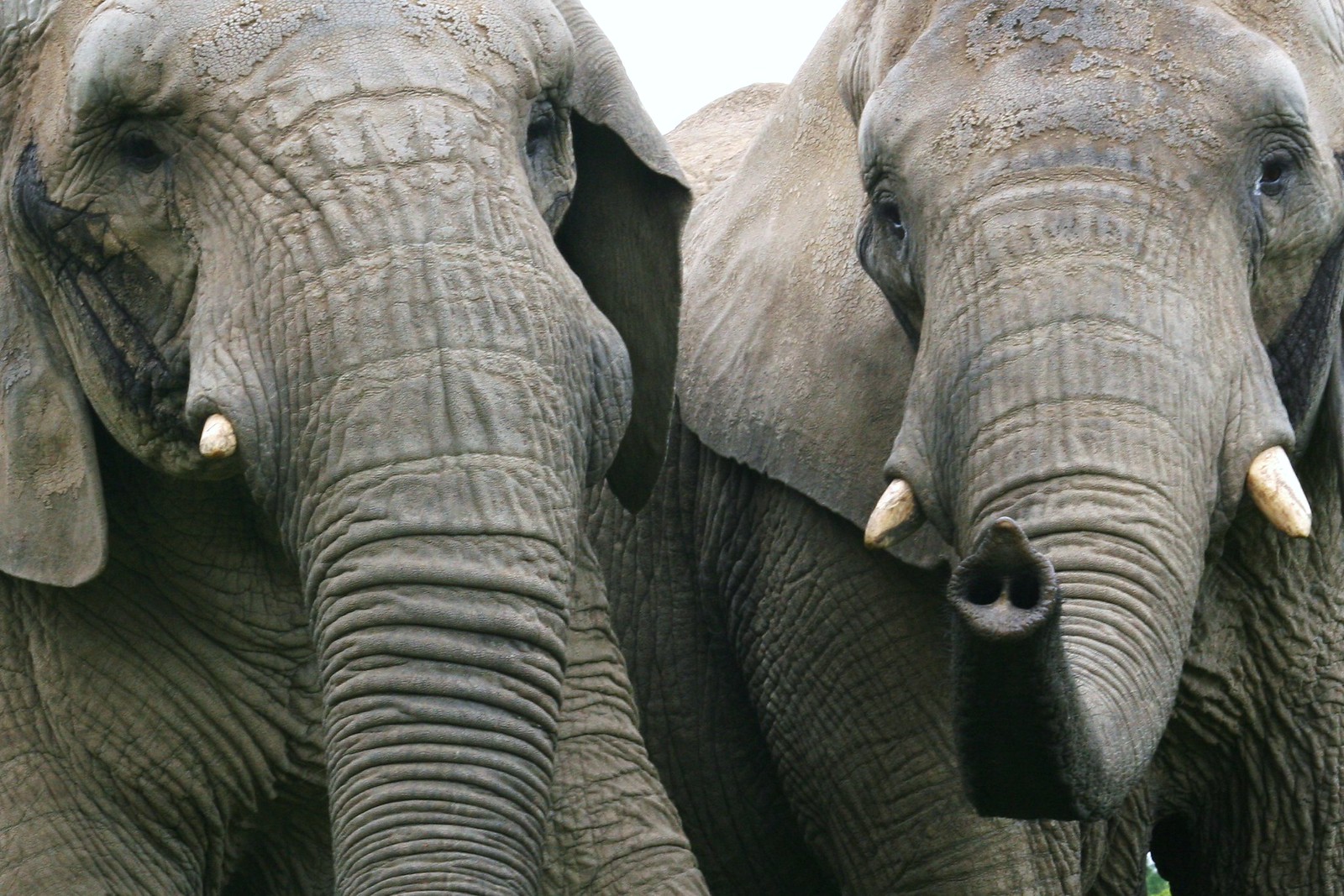
Please the content should be 110 characters.

Please the content should be 130 characters.
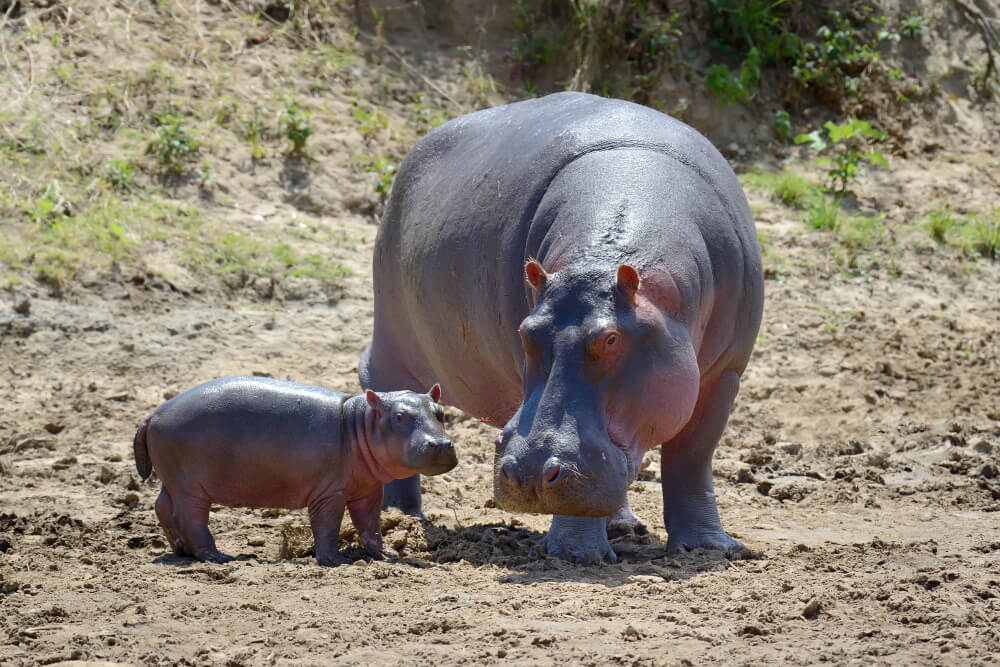
Please the content should be 130 characters.
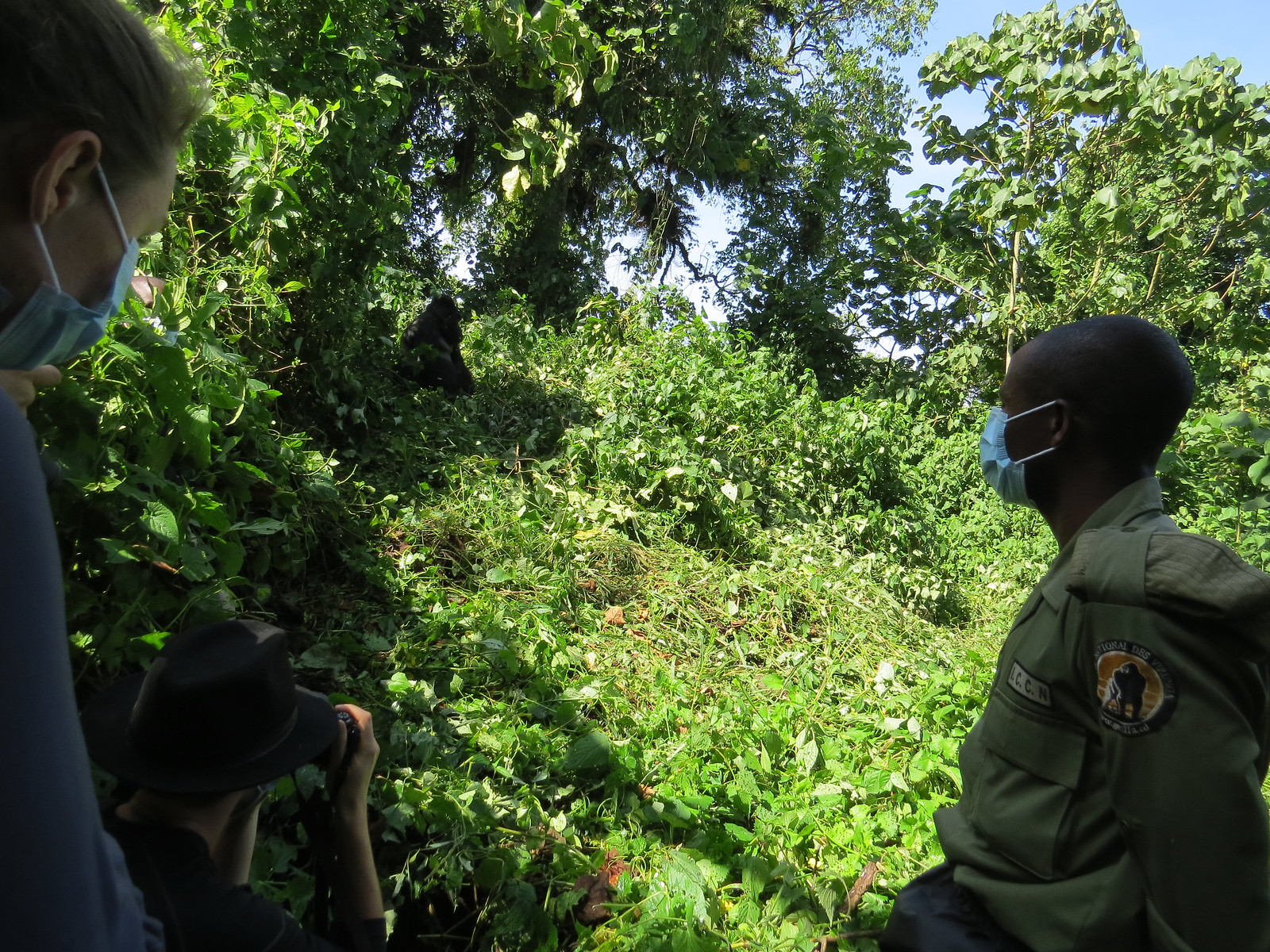
Please the content should be 110 characters.
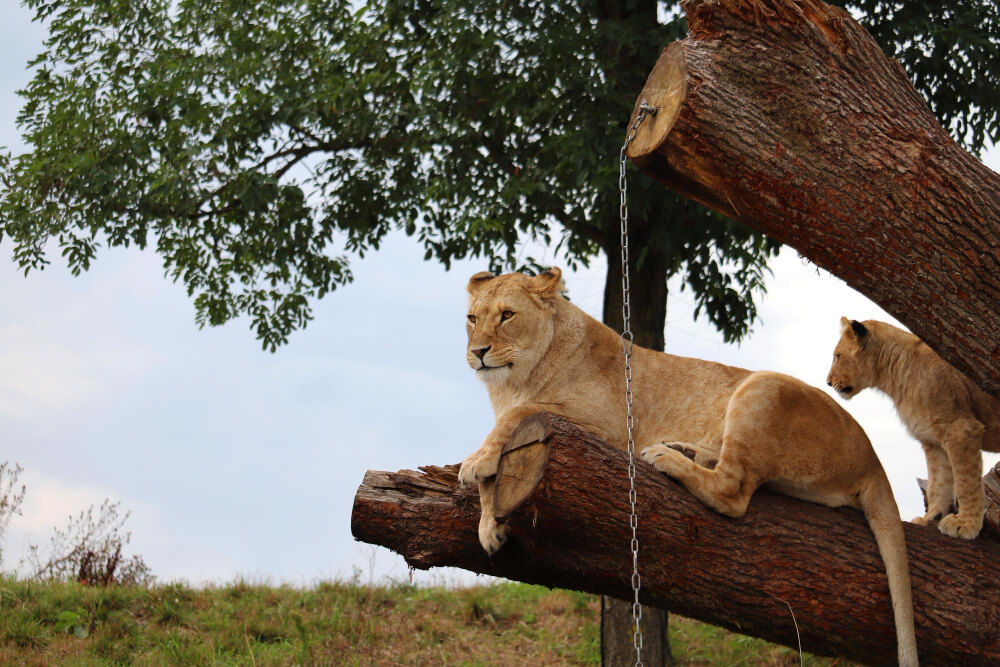
10 Days Tanzania Wildlife Safari Across Serengeti, Ngorongoro & Tarangire with Big Five Game Drives
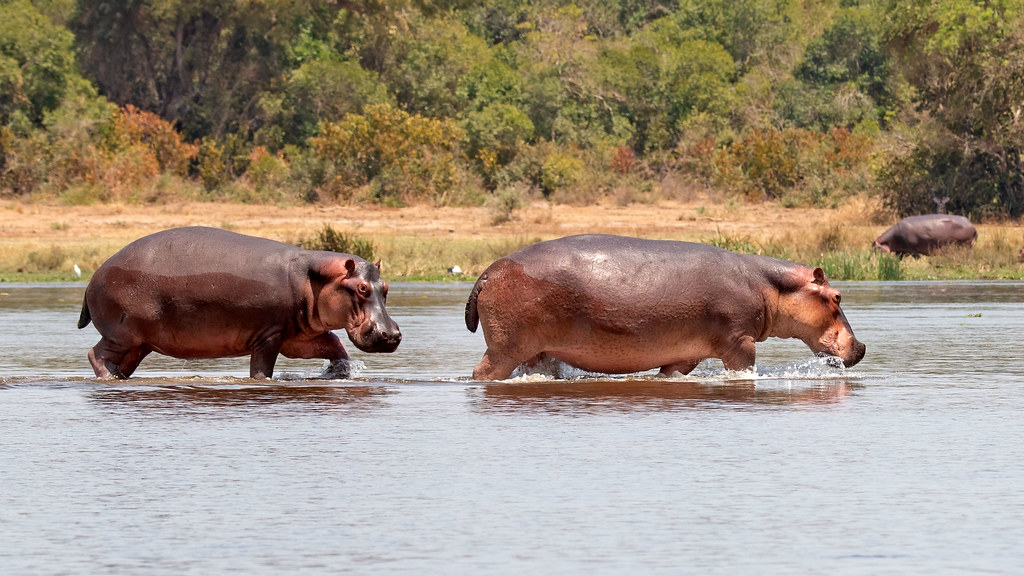
7 days in Uganda with gorilla trekking, Queen Elizabeth wildlife safaris, and peaceful Lake Bunyonyi relaxation.
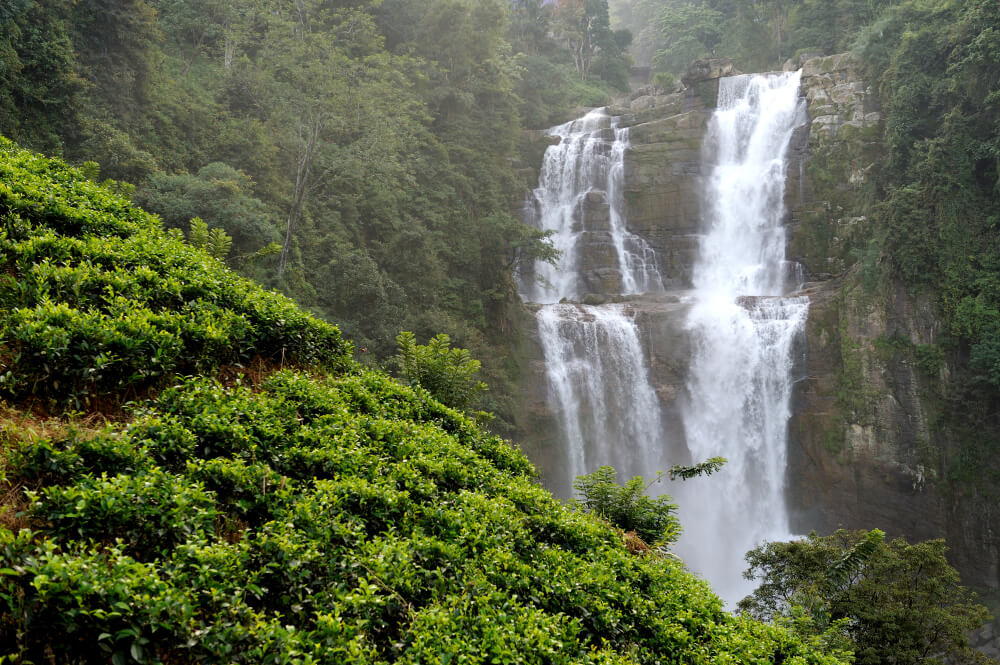
Please the content should be 130 characters.
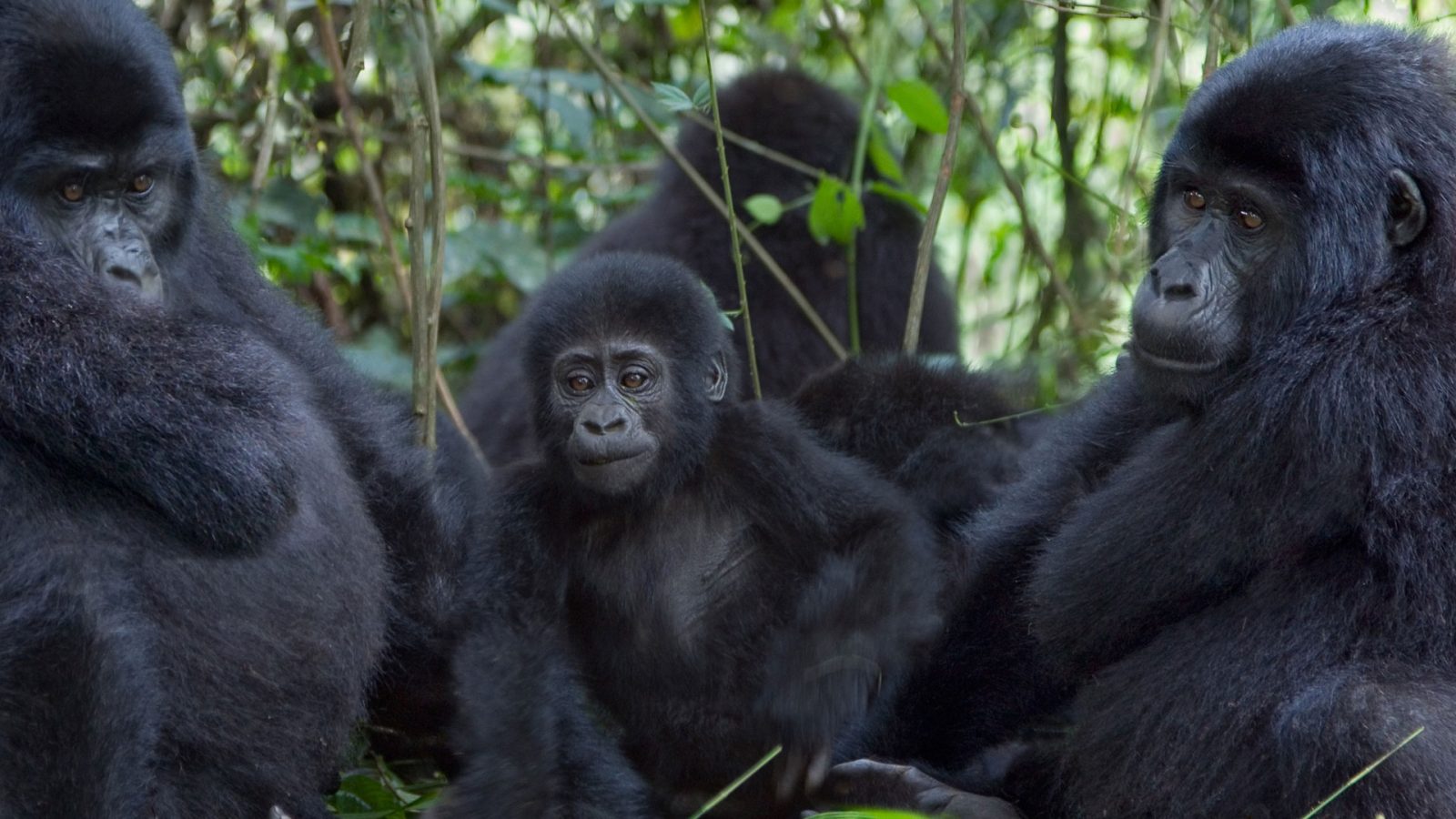
Please the content should be 110 characters.
What Our Travelers Enjoyed About Primate Safaris

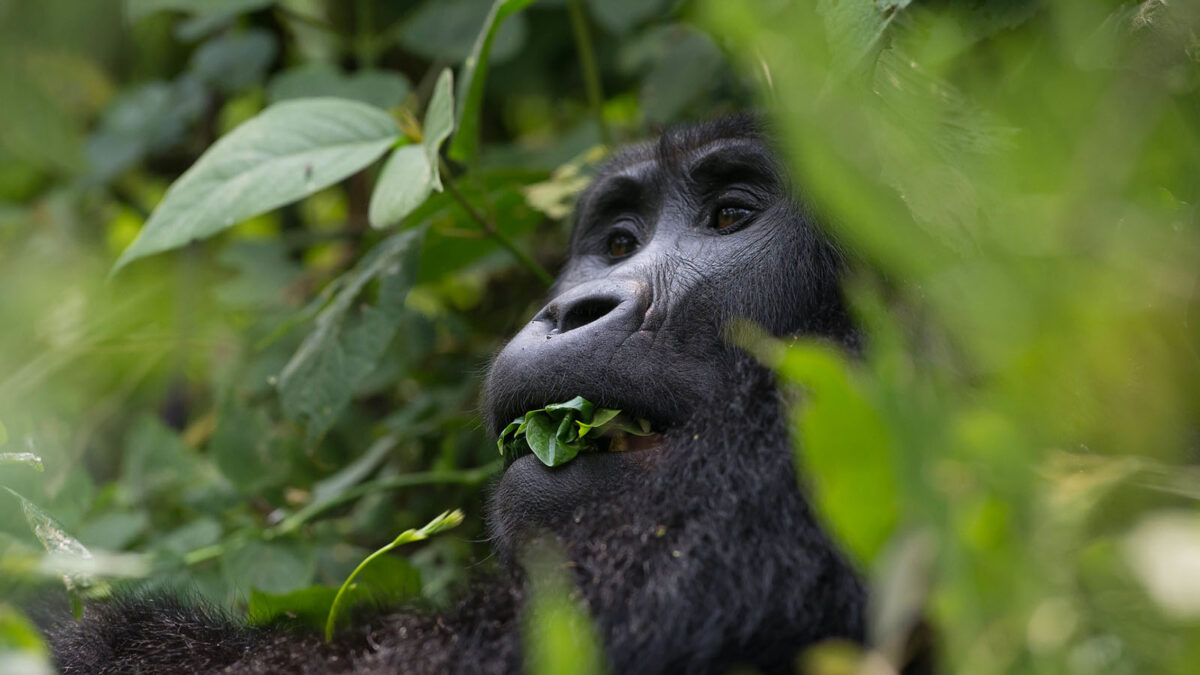
Gorillas "Silverback"
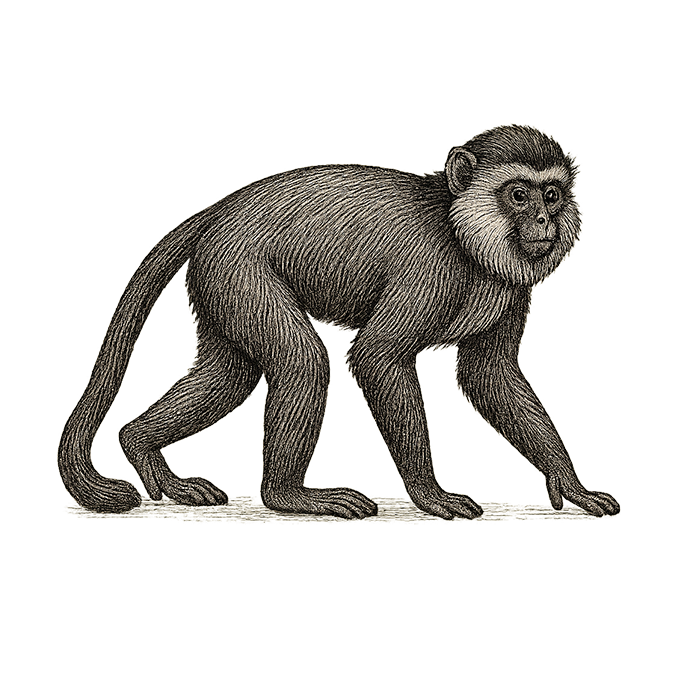
Golden Monkey "Photogenic"
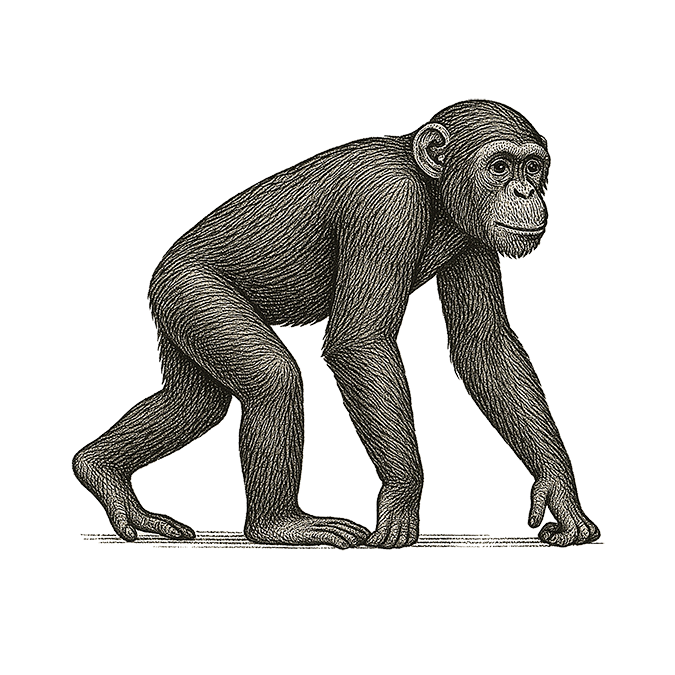
Chimpanzees "Pant-hoot"