Eastern Lowland gorilla
The Eastern Lowland gorilla is a symbol of strength, resilience, and vulnerability. Encountering or learning about this magnificent great ape offers insight into both the richness of Africa’s natural heritage and the urgent need for conservation action. Whether through responsible travel, education, or support for conservation initiatives, every effort contributes to ensuring that Eastern Lowland gorillas continue to roam the forests of eastern Congo for generations to come.
-
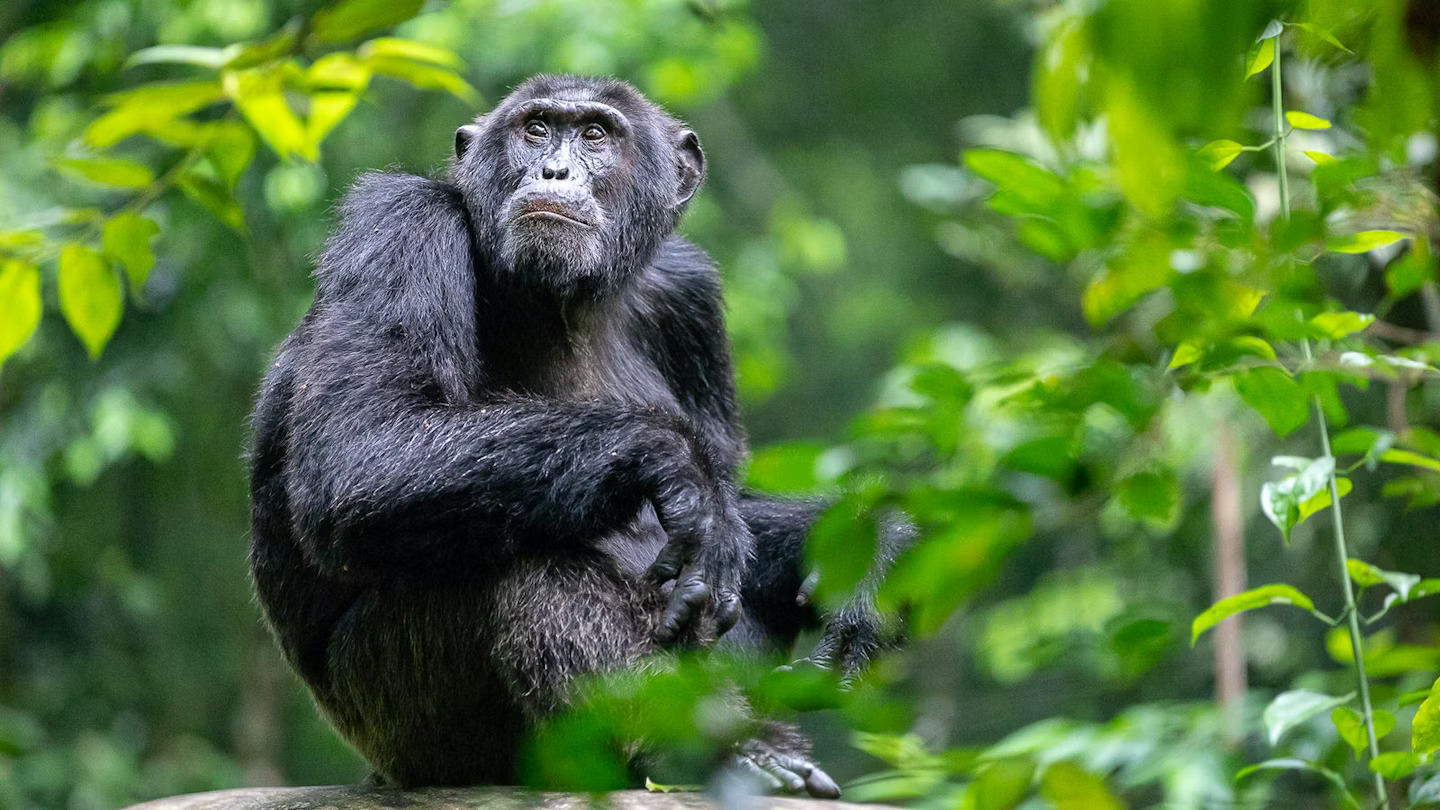
- Chimpanzee

Uganda Gorilla Trekking Experience
Discover Uganda’s gorilla trekking experience where misty rainforests shelter mountain gorillas, ancient trails wind through Bwindi’s depths, and every step brings you closer to one of Africa’s most profound wildlife encounters, blending raw nature, conservation, and lasting memories.
Eastern Lowland gorilla Safaris & Tours
Please the content should be 110 characters.

7 Days Rwanda & Uganda Gorilla and Wildlife Safari from Kigali with Volcanoes, Bwindi & Big Game Experiences
Eastern Lowland gorilla Guide: Discovering Africa’s Largest Gorilla
The Eastern Lowland gorilla, also known as Grauer’s gorilla, is the largest and most powerful of all gorilla subspecies. Found only in the eastern Democratic Republic of Congo, this remarkable great ape inhabits vast tropical rainforests and mountainous regions that remain among Africa’s wildest and least explored landscapes. Less known than mountain gorillas yet equally fascinating, Eastern Lowland gorillas represent a critical chapter in Africa’s primate heritage and conservation story. This guide provides a complete and authoritative overview of Eastern Lowland gorillas, covering where they live, how they differ from other gorillas, conservation challenges, and what responsible travel and awareness look like.
Understanding Eastern Lowland Gorillas
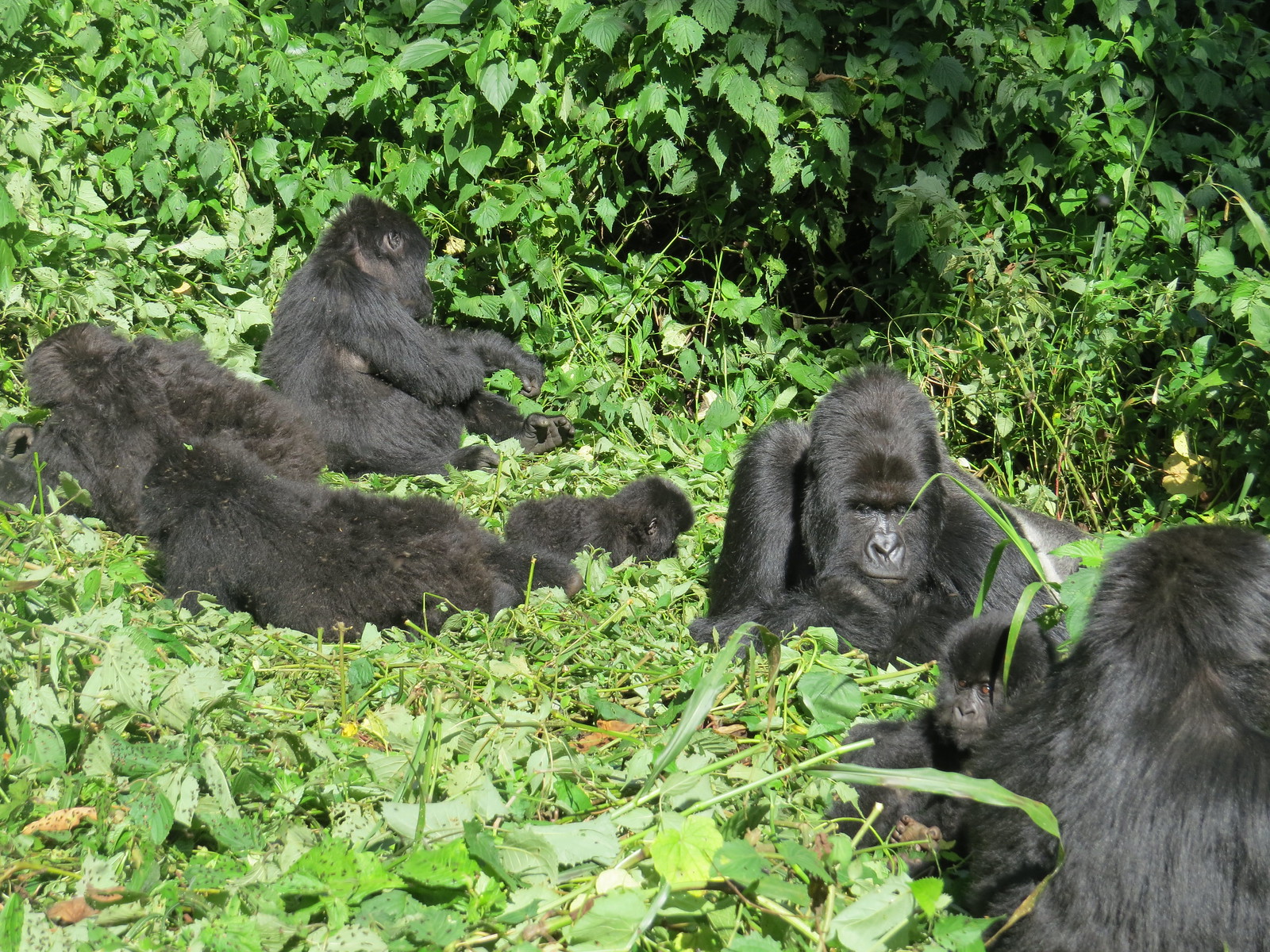
Eastern Lowland gorillas are a subspecies of eastern gorillas and are scientifically known as Gorilla beringei graueri. They are significantly larger than mountain gorillas, with adult silverbacks weighing up to 200 kilograms and possessing broad chests, massive skulls, and powerful arms. Despite their imposing size, they are gentle, social animals that live in cohesive family groups led by a dominant silverback. Their diet consists mainly of leaves, stems, fruits, and bark, supported by the rich biodiversity of Congo’s rainforests.
Unlike mountain gorillas, Eastern Lowland gorillas occupy lower-altitude forests as well as mountainous terrain, making them highly adaptable to different ecological conditions. Their behavior is calm and deliberate, and their social bonds are strong, particularly between mothers and infants.
Where Eastern Lowland Gorillas Live
Eastern Lowland gorillas are found exclusively in eastern Democratic Republic of Congo, primarily within Kahuzi-Biega National Park and surrounding forest landscapes. Kahuzi-Biega National Park is a UNESCO World Heritage Site and represents the most important stronghold for this subspecies. The park encompasses both lowland tropical rainforest and higher-altitude montane forest, allowing gorillas to move seasonally in search of food.
Historically, Eastern Lowland gorillas occupied a much wider range across eastern Congo. Today, their population is fragmented due to habitat loss, human encroachment, and decades of instability in the region. The remoteness of their habitat has provided some protection, but it has also complicated conservation and monitoring efforts.
How Eastern Lowland Gorillas Differ From Mountain Gorillas
While Eastern Lowland gorillas and mountain gorillas belong to the same species group, they differ noticeably in size, habitat, and appearance. Eastern Lowland gorillas are larger and more robust, with shorter fur adapted to warmer, lower-altitude forests. Their faces are broader, and their bodies appear heavier and more muscular compared to mountain gorillas, which have longer hair adapted to colder climates.
Behaviorally, Eastern Lowland gorillas tend to range over larger areas due to the abundance and variety of food in lowland forests. They are less habituated overall, and human encounters are far less common than with mountain gorillas, which have benefited from decades of carefully managed trekking tourism.
Can You See Eastern Lowland Gorillas in the Wild?
Yes, Eastern Lowland gorillas can be seen in the wild, but opportunities are limited and carefully controlled. Gorilla trekking is possible in Kahuzi-Biega National Park, where a small number of gorilla families have been habituated for research and tourism purposes. These treks are less crowded and more remote than mountain gorilla trekking experiences, offering a sense of raw wilderness and exclusivity.
Trekking conditions can be challenging due to dense forest, humidity, and rugged terrain. Travel to the region requires careful planning, experienced local guides, and up-to-date security assessments. For adventurous travelers seeking a deeper and less commercialized gorilla experience, Eastern Lowland gorilla trekking offers a profound connection to untouched rainforest ecosystems.
Conservation Status and Threats
Eastern Lowland gorillas are classified as critically endangered. Their population has declined dramatically over the past decades due to habitat destruction, illegal mining, poaching, and prolonged regional conflict. Civil unrest has disrupted conservation work and limited access to some gorilla habitats, making protection efforts complex and dangerous.
Despite these challenges, conservation organizations, park authorities, and local communities continue to work tirelessly to protect remaining populations. Ranger patrols, habitat monitoring, community education, and international support play crucial roles in preventing further decline. The survival of Eastern Lowland gorillas depends on long-term stability, habitat protection, and sustained conservation investment.
The Role of Kahuzi-Biega National Park
Kahuzi-Biega National Park is the cornerstone of Eastern Lowland gorilla conservation. As one of Africa’s oldest national parks, it was established specifically to protect this subspecies and its forest habitat. The park supports not only gorillas but also forest elephants, chimpanzees, and hundreds of bird species. Conservation efforts within the park aim to balance wildlife protection with community engagement, recognizing that local support is essential for long-term success.
Responsible Travel and Awareness
Responsible travel to Eastern Lowland gorilla habitats must prioritize conservation and community benefit. Visitors should engage only with authorized guides and operators who work closely with park authorities and local communities. Strict trekking rules help minimize disease transmission and disturbance to gorillas. Travelers who are unable to visit can still contribute by supporting conservation organizations, raising awareness, and advocating for the protection of Congo’s forests.
Why Eastern Lowland Gorillas Matter
Eastern Lowland gorillas are a vital part of Africa’s biodiversity and play an important ecological role in seed dispersal and forest regeneration. Their survival reflects the health of one of the world’s most important rainforest systems. Protecting them also safeguards countless other species and supports communities that depend on forest ecosystems for their livelihoods.
What Our Travelers Enjoyed About Eastern Lowland gorilla

Gorillas "Silverback"
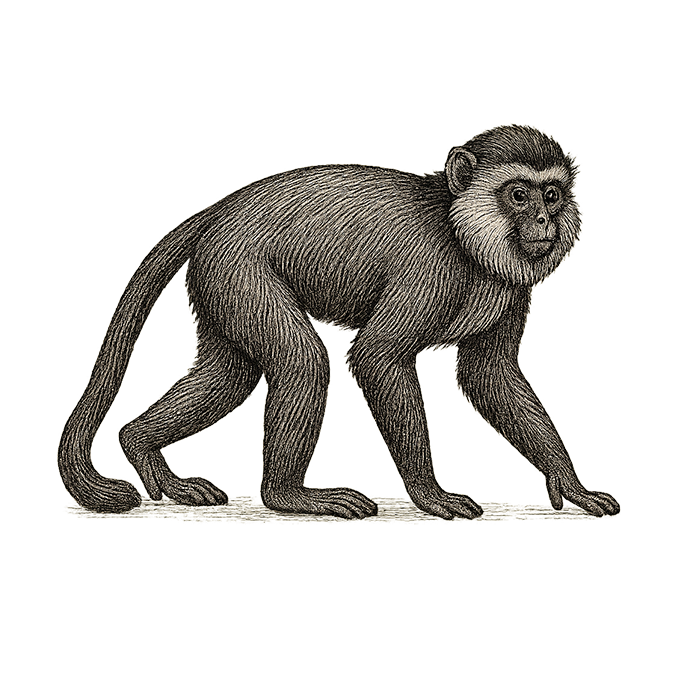
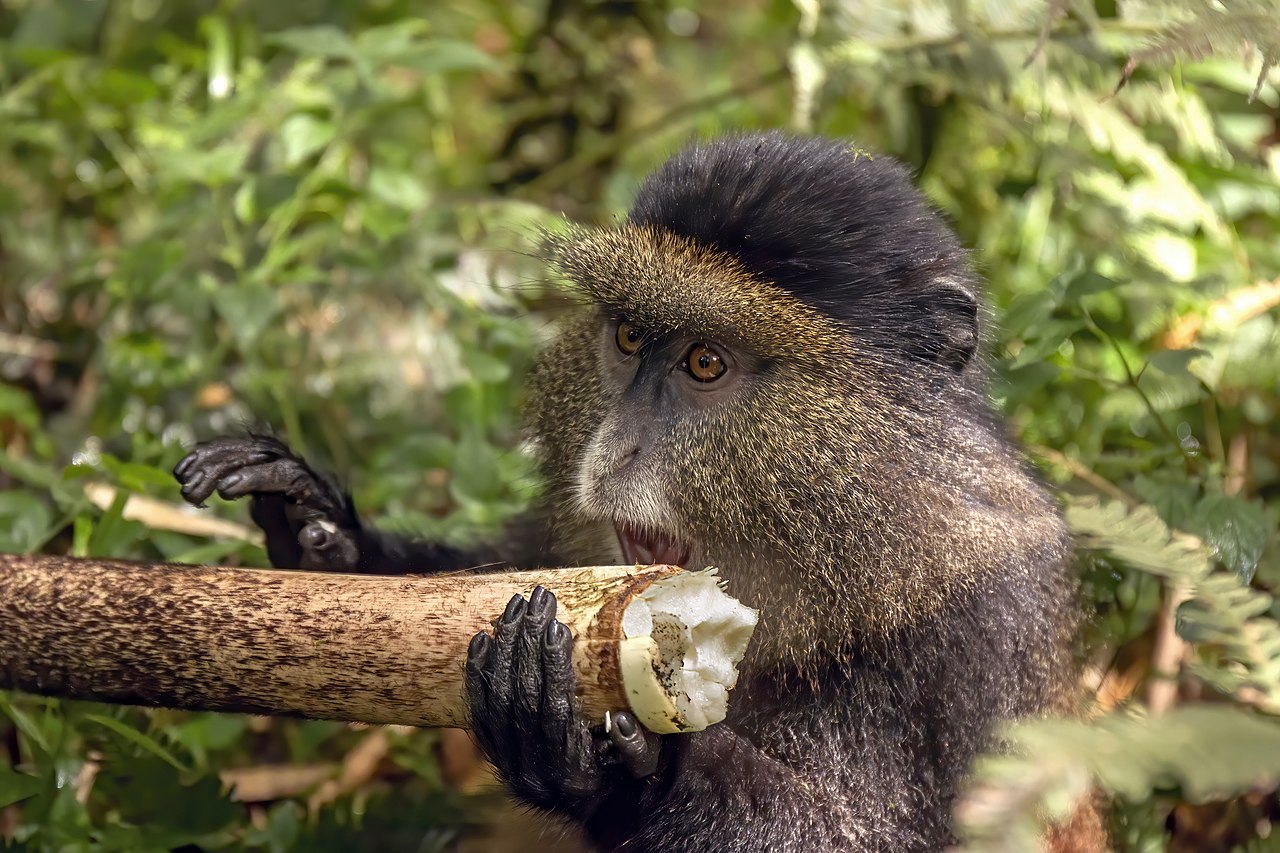
Golden Monkey "Photogenic"

Chimpanzees "Pant-hoot"