Mountain Gorillas
Mountain gorilla trekking is more than a safari highlight; it is a transformative journey into one of Africa’s most extraordinary natural worlds. Whether in Uganda’s ancient forests, Rwanda’s volcanic slopes, or Congo’s dramatic wilderness, each trek offers a rare privilege to witness these gentle giants where they belong. With responsible planning, respect for conservation guidelines, and an open heart, a mountain gorilla trek becomes one of the most meaningful wildlife experiences on Earth.
-
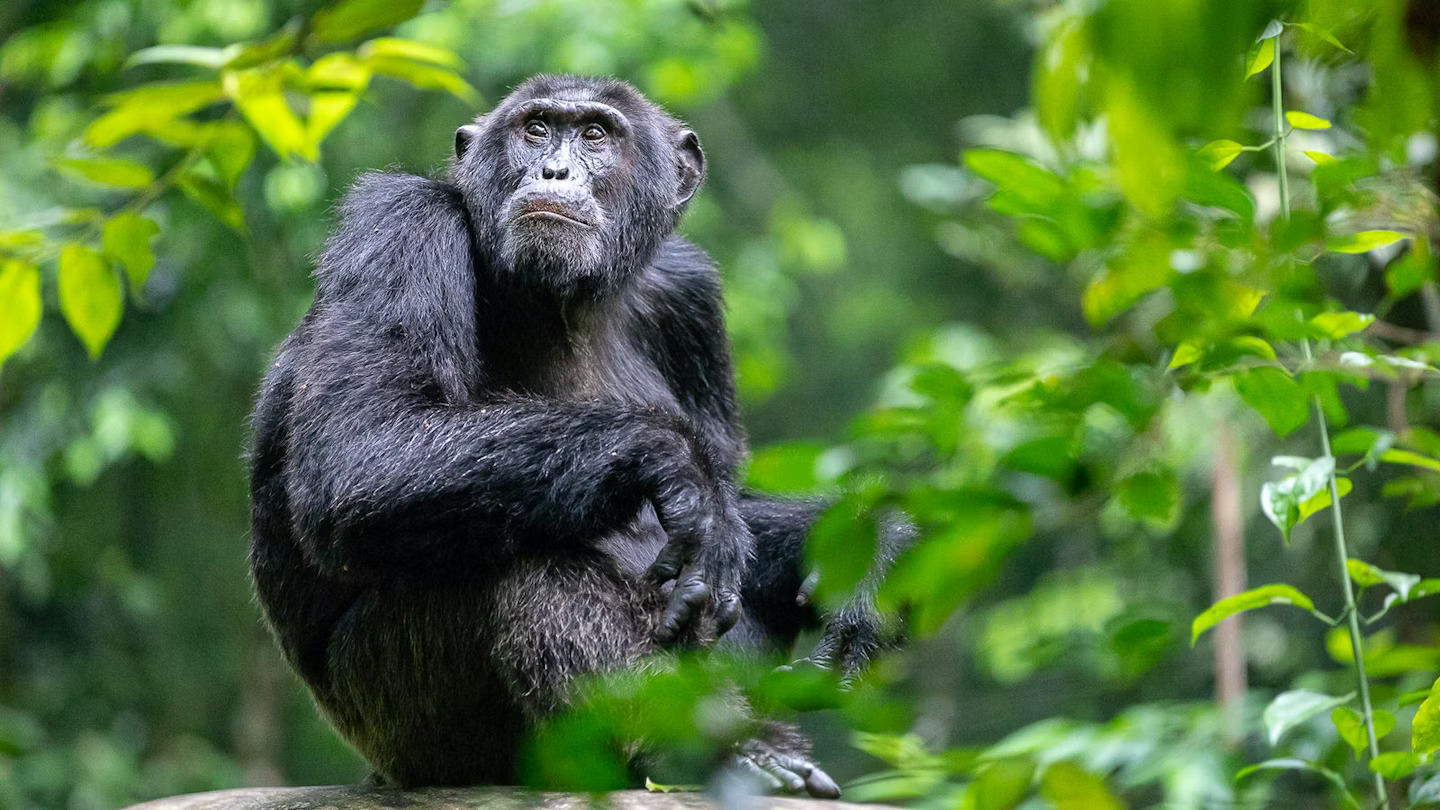
- Chimpanzee

Uganda Gorilla Trekking Experience
Discover Uganda’s gorilla trekking experience where misty rainforests shelter mountain gorillas, ancient trails wind through Bwindi’s depths, and every step brings you closer to one of Africa’s most profound wildlife encounters, blending raw nature, conservation, and lasting memories.
Mountain Gorillas Safaris & Tours
Please the content should be 110 characters.

7 Days Rwanda & Uganda Gorilla and Wildlife Safari from Kigali with Volcanoes, Bwindi & Big Game Experiences
Mountain Gorillas Guide: Africa’s Most Powerful Wildlife Encounter
Mountain gorillas are among the rarest and most awe-inspiring wildlife species on Earth. Found only in a small region of Central and East Africa, these gentle giants live in misty forests where volcanic soil, dense vegetation, and high-altitude climates shape their world. Seeing mountain gorillas in the wild is not just a safari activity; it is a deeply emotional experience that connects travelers to conservation, nature, and the raw beauty of Africa. This Mountain Gorilla Guide offers a complete and authoritative overview, covering where mountain gorillas live, how trekking works, the best time to visit, permit requirements, preparation, conservation impact, and what to expect during this life-changing encounter.
Understanding Mountain Gorillas and Their Habitat
Mountain gorillas are a subspecies of eastern gorillas, adapted to life in cool, high-altitude forests between 2,200 and 4,300 meters above sea level. They live in family groups led by a dominant silverback, whose strength, calm authority, and protective nature define the group’s social structure. These gorillas inhabit dense montane and bamboo forests, feeding primarily on leaves, shoots, stems, and wild fruits. Unlike lowland gorillas, mountain gorillas do not rely heavily on fruit, which allows them to survive in cooler environments with thick vegetation. Their habitats are limited to a few protected areas, making conservation essential to their survival.
Where to See Mountain Gorillas in the Wild
Mountain gorillas can only be found in three countries: Uganda, Rwanda, and the Democratic Republic of Congo. In Uganda, Bwindi Impenetrable National Park is the most famous destination, hosting nearly half of the world’s remaining mountain gorilla population. Its ancient rainforest is rugged, steep, and biologically rich, offering diverse trekking experiences. Mgahinga Gorilla National Park, also in Uganda, lies within the Virunga Mountains and provides a more open forest environment with dramatic volcanic scenery.
In Rwanda, Volcanoes National Park is renowned for its well-organized trekking experience and breathtaking landscapes dominated by volcanic peaks and bamboo forests. Rwanda is often chosen for its accessibility and refined tourism infrastructure. In the Democratic Republic of Congo, Virunga National Park offers a more adventurous and raw gorilla trekking experience, set within Africa’s oldest national park and surrounded by active volcanoes. Each destination offers a unique atmosphere, but the gorilla encounter itself is equally powerful in all three countries.
What Is Mountain Gorilla Trekking Like?
Mountain gorilla trekking begins early in the morning with a briefing by park rangers, who explain trekking rules, safety guidelines, and gorilla behavior. Visitors are then assigned to a specific gorilla family and guided into the forest by experienced trackers and armed rangers. Trekking time can range from less than an hour to several hours, depending on the gorillas’ location, terrain, and pace. The hike often involves navigating steep slopes, thick vegetation, and muddy forest floors, making the experience physically engaging and rewarding.
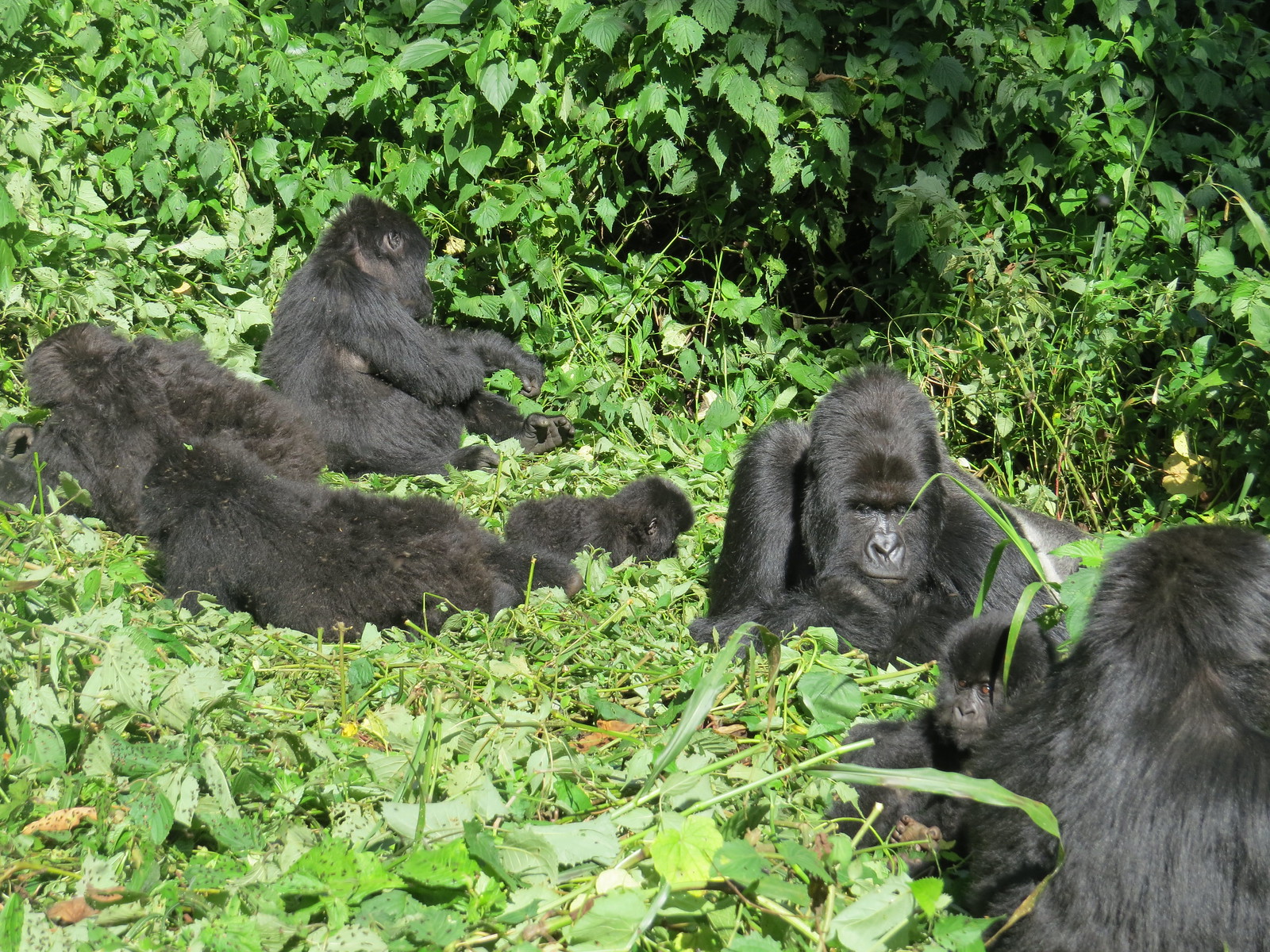
When the gorillas are finally located, visitors spend one unforgettable hour observing them in their natural habitat. During this time, you may witness silverbacks asserting authority, mothers nurturing infants, juveniles playing, and the group moving calmly through the forest. The proximity, often just a few meters away, creates an intense emotional connection while strict rules ensure minimal disturbance to the gorillas.
Gorilla Families and the Role of the Silverback
Each mountain gorilla group is structured around a dominant silverback, whose presence maintains order and security. The silverback leads movements, resolves conflicts, and protects the group from perceived threats. Observing a silverback up close is often the highlight of a gorilla trek, as his calm demeanor, immense size, and expressive eyes leave a lasting impression. Gorilla families also include adult females, blackbacks, juveniles, and infants, each playing a role in the group’s social dynamics. Understanding this structure enhances appreciation of gorilla behavior during the trek.
Best Time to Visit for Mountain Gorilla Trekking
Mountain gorilla trekking is available year-round, but certain seasons offer more favorable conditions. The drier months, typically from June to September and December to February, provide better trekking conditions with less mud and more stable trails. These periods are considered peak seasons and require early permit booking. The wetter months, from March to May and October to November, bring heavier rains that make trekking more challenging but reward visitors with lush forests, fewer crowds, and sometimes better photography opportunities. Gorilla sightings remain consistent throughout the year, as gorillas do not migrate.
Gorilla Trekking Permits and Regulations
Gorilla trekking permits are mandatory and strictly regulated to protect the gorillas and their habitat. Only a limited number of permits are issued each day for each gorilla family, ensuring low visitor impact. Permits include park entry, ranger guidance, and conservation fees that directly support wildlife protection and community development. Visitors must follow strict rules, including maintaining distance, limiting time with gorillas to one hour, avoiding trekking when ill, and respecting ranger instructions. These regulations have been instrumental in the steady recovery of mountain gorilla populations.
Preparing for a Mountain Gorilla Trek
Proper preparation enhances comfort and enjoyment during a gorilla trek. Trekking requires moderate physical fitness, but no technical climbing skills are necessary. Wearing sturdy hiking boots, long-sleeved clothing, and waterproof layers is essential due to uneven terrain and unpredictable weather. Gloves can be helpful for gripping vegetation on steep slopes. A small daypack with water, snacks, and a camera completes the essentials. Mental preparation is equally important, as trekking conditions vary and patience is part of the adventure.
Conservation and the Impact of Gorilla Tourism
Mountain gorilla tourism is one of the world’s most successful conservation stories. Revenue from trekking permits funds park management, anti-poaching patrols, veterinary interventions, and community projects such as schools and health centers. Local communities benefit directly from tourism, creating strong incentives to protect gorillas and forests. By participating in gorilla trekking, visitors play an active role in preserving one of Earth’s most endangered species and supporting sustainable livelihoods around protected areas.
Cultural Encounters Around Gorilla Parks
Gorilla trekking regions are also rich in cultural heritage. Community visits near Bwindi, Mgahinga, Volcanoes, and Virunga National Parks offer insight into traditional lifestyles, music, dance, and storytelling. The Batwa communities, historically forest dwellers, share knowledge of ancient survival skills and cultural traditions. These encounters deepen the safari experience by connecting wildlife conservation with human history and resilience.
Why Mountain Gorilla Trekking Is a Once-in-a-Lifetime Experience
Meeting mountain gorillas in the wild leaves a profound and lasting impact. The experience combines physical challenge, emotional connection, and meaningful conservation contribution. Standing silently in a misty forest as a silverback watches over his family creates a moment of shared existence that few wildlife encounters can match. It is an experience that reshapes how travelers view nature, wildlife protection, and humanity’s role in preserving the planet’s most fragile ecosystems.
What Our Travelers Enjoyed About Mountain Gorillas

Gorillas "Silverback"
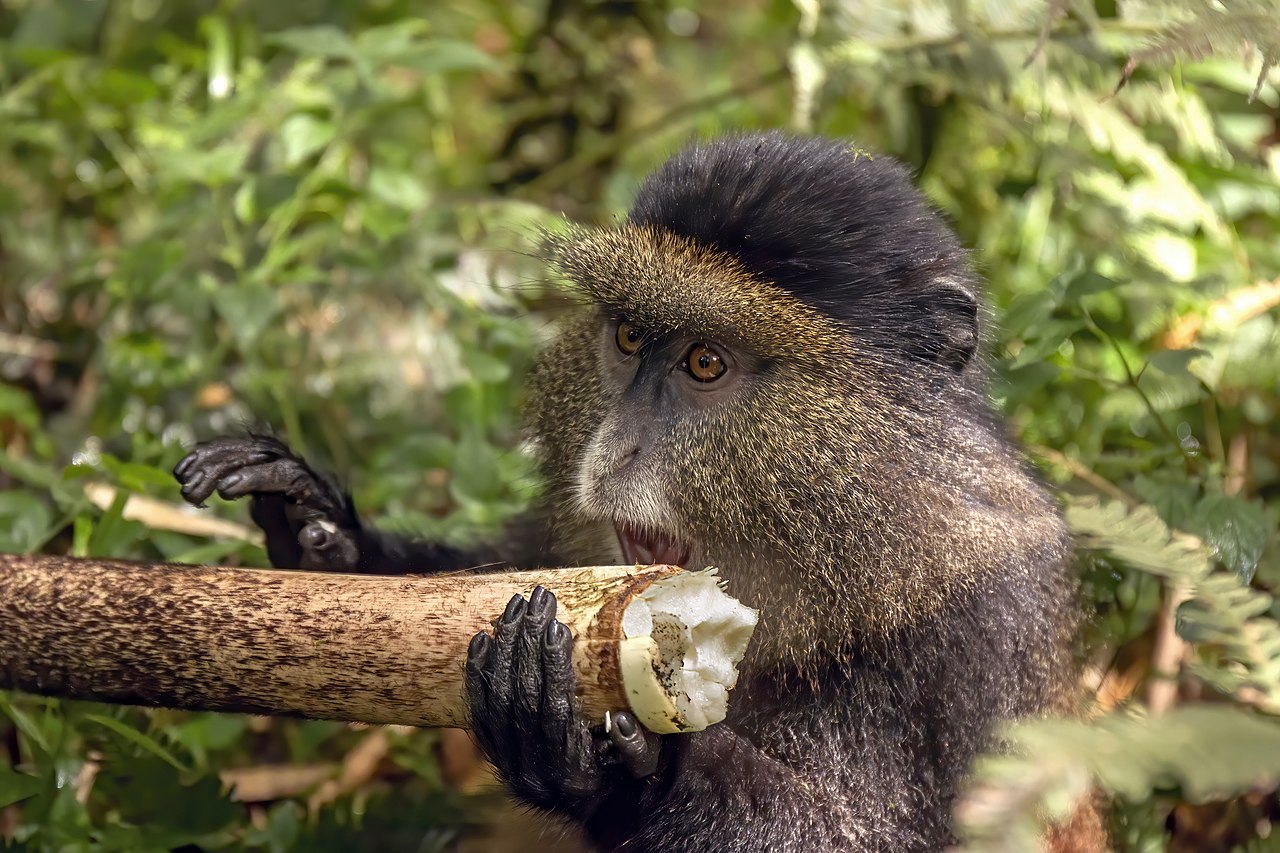
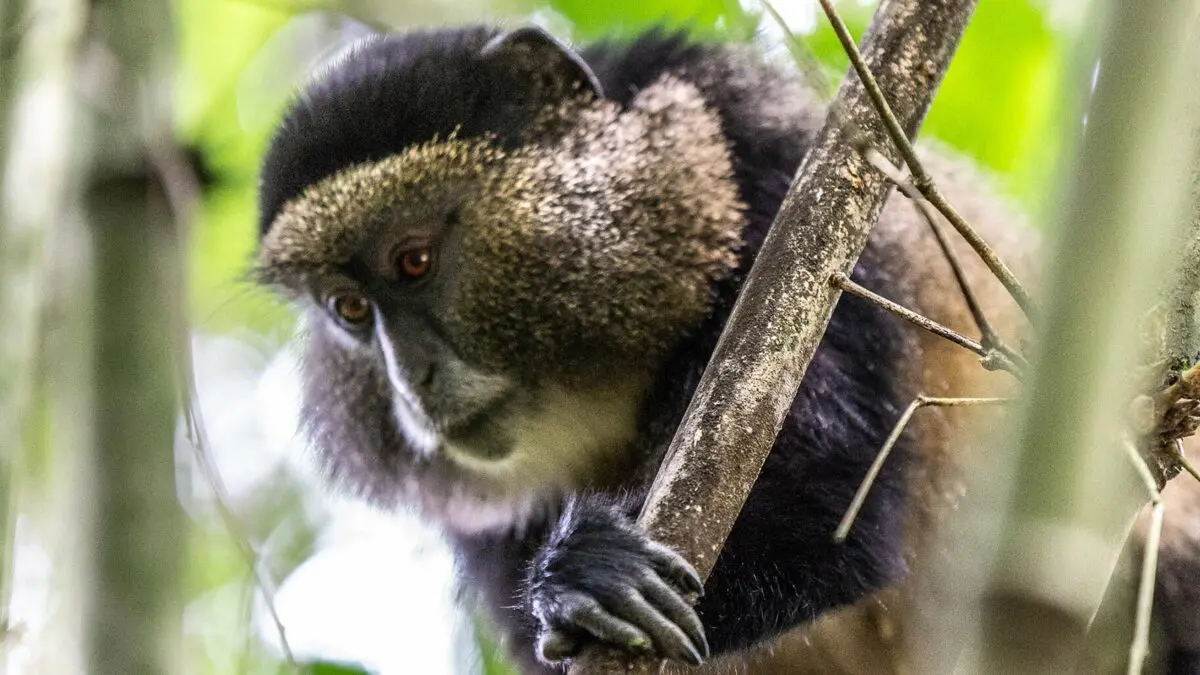
Golden Monkey "Photogenic"
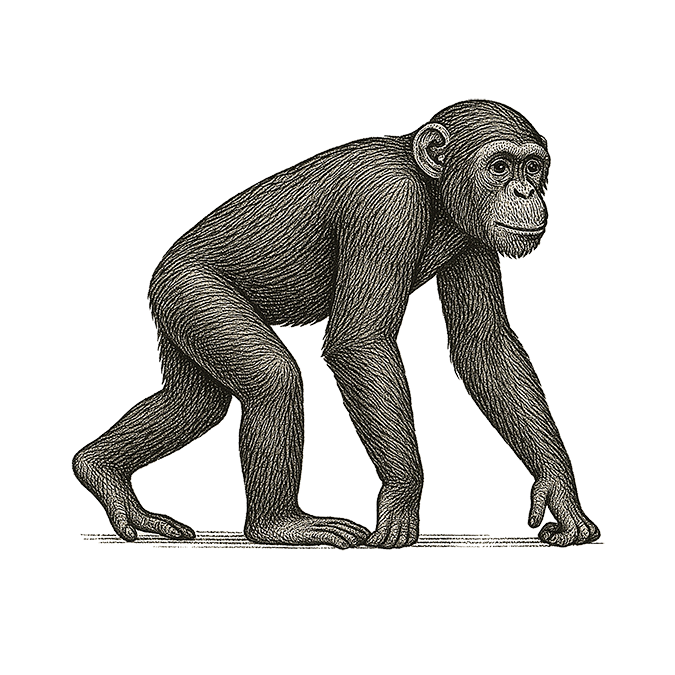
Chimpanzees "Pant-hoot"