Western Lowland gorillas
Western lowland gorillas embody the mystery and richness of Africa’s rainforests. Though less visible than their mountain cousins, they represent one of the most important conservation priorities on the continent. Whether encountered in the wild or understood through education and support, these gorillas remind us that some of the world’s greatest natural treasures exist quietly, deep within forests that deserve protection and respect.
-
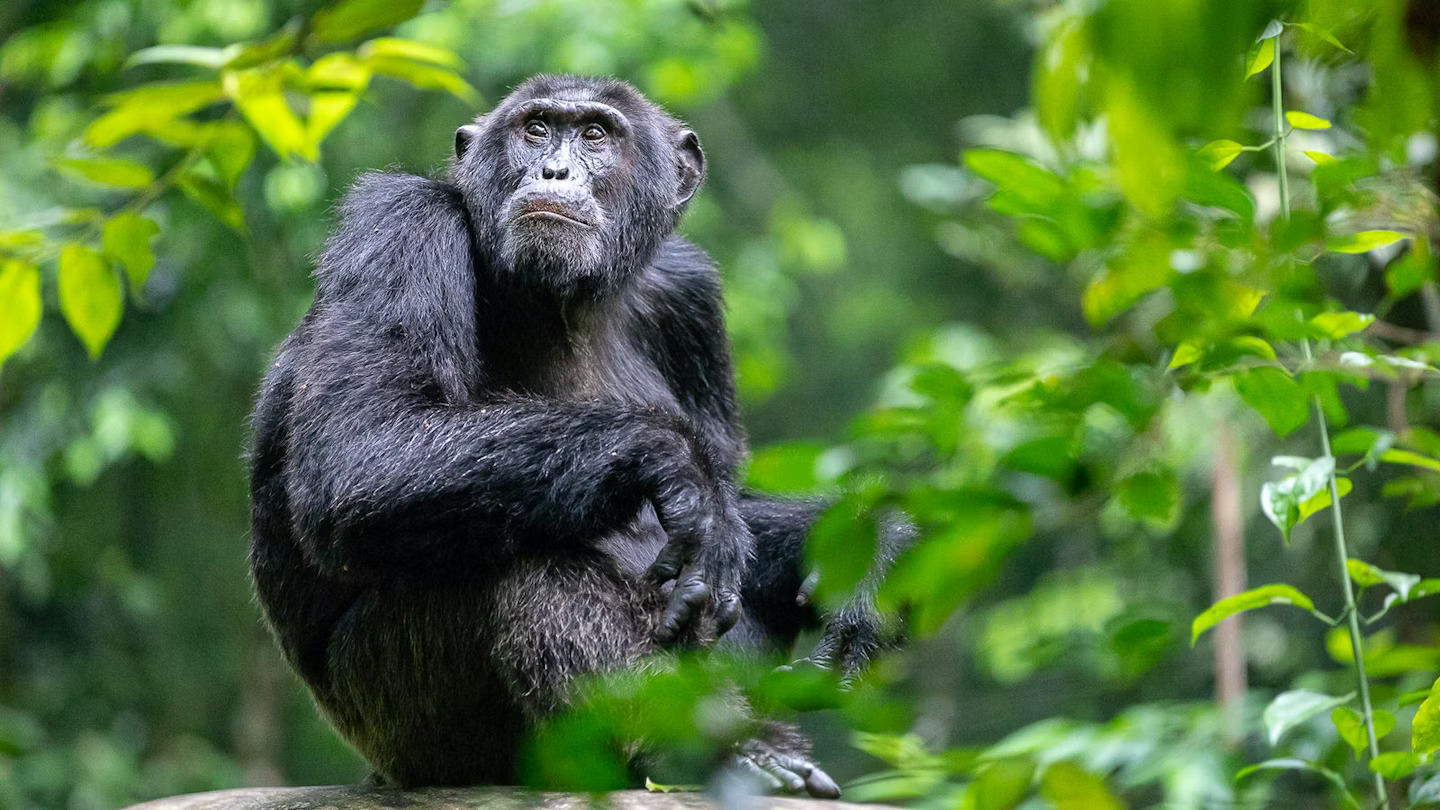
- Chimpanzee

Uganda Gorilla Trekking Experience
Discover Uganda’s gorilla trekking experience where misty rainforests shelter mountain gorillas, ancient trails wind through Bwindi’s depths, and every step brings you closer to one of Africa’s most profound wildlife encounters, blending raw nature, conservation, and lasting memories.
Western Lowland gorillas Safaris & Tours
Please the content should be 110 characters.

7 Days Rwanda & Uganda Gorilla and Wildlife Safari from Kigali with Volcanoes, Bwindi & Big Game Experiences
Western Lowland gorillas Guide: Africa’s Most Widespread Great Ape
Western lowland gorillas are the most numerous and geographically widespread of all gorilla subspecies, yet they remain among the least understood due to the dense rainforests they inhabit. Found deep within Central Africa’s lowland jungles, these gorillas live in some of the most remote and biologically rich ecosystems on Earth. Observing or learning about western lowland gorillas offers a powerful window into rainforest life, conservation challenges, and the quiet intelligence of Africa’s great apes. This guide explores who western lowland gorillas are, where they live, how they differ from other gorillas, conservation realities, and what responsible travel looks like.
Understanding Western Lowland Gorillas
Western lowland gorillas are scientifically known as Gorilla gorilla gorilla and are a subspecies of western gorillas. They are smaller and more slender than eastern gorilla subspecies, with brownish-grey fur, a reddish crown in adults, and broad noses with unique wrinkle patterns. Despite their size difference, adult silverbacks remain immensely strong and lead family groups with calm authority. Their social structure centers on a dominant silverback, adult females, juveniles, and infants, forming cohesive units that move through the forest in search of food.
Their diet is highly varied and includes fruits, leaves, stems, bark, and occasional insects. This dietary flexibility allows western lowland gorillas to thrive in dense lowland rainforests where fruit availability changes seasonally.
Where Western Lowland Gorillas Live
Western lowland gorillas inhabit the lowland tropical rainforests of Central Africa, spanning several countries. Their range includes Gabon, the Republic of Congo, Cameroon, Central African Republic, Equatorial Guinea, and parts of Angola. These forests are characterized by thick vegetation, swampy clearings, towering trees, and limited visibility, making gorilla research and observation particularly challenging.
Some of the most important strongholds for western lowland gorillas are found in protected areas such as Odzala-Kokoua National Park and Nouabalé-Ndoki National Park in the Republic of Congo, Loango National Park in Gabon, and Campo Ma’an National Park in Cameroon. These regions protect vast tracts of intact rainforest and support relatively stable gorilla populations.
How Western Lowland Gorillas Differ From Other Gorillas
Compared to mountain gorillas and eastern lowland gorillas, western lowland gorillas are more elusive and less commonly seen. Their forest habitat is flatter, denser, and warmer, which influences both their physical appearance and behavior. They have shorter hair adapted to humid lowland conditions and tend to travel longer distances in search of fruiting trees.
Western lowland gorillas also live in areas with higher biodiversity, often sharing their habitat with forest elephants, chimpanzees, and numerous bird species. Because of the difficulty of habituating gorillas in dense rainforest, close encounters are rarer and more carefully controlled than mountain gorilla trekking experiences.
Can You See Western Lowland Gorillas in the Wild?
Yes, western lowland gorillas can be seen in the wild, but the experience differs significantly from mountain gorilla trekking. In select parks, guided gorilla tracking experiences allow visitors to observe habituated gorilla groups or follow their movements with expert trackers. These encounters are often more subtle, involving glimpses through vegetation and extended time following gorilla signs rather than guaranteed close proximity.
Some destinations also offer forest clearing experiences, where gorillas visit natural bais—open swampy clearings rich in minerals. Watching gorillas emerge quietly from the forest into these clearings provides a rare and unforgettable perspective on their natural behavior.
Conservation Status and Threats
Western lowland gorillas are classified as critically endangered despite their larger population size compared to other gorilla subspecies. Their numbers have declined sharply due to habitat loss, illegal hunting, and disease outbreaks such as Ebola, which has devastated gorilla populations in parts of Central Africa. Logging roads and expanding human settlements have increased access to previously remote forests, intensifying pressure on wildlife.
Conservation efforts focus on protecting large intact forest areas, strengthening anti-poaching patrols, monitoring disease, and working closely with local communities. International partnerships and long-term research projects play a vital role in understanding population trends and implementing effective protection strategies.
The Role of National Parks and Protected Areas
National parks and protected reserves are the backbone of western lowland gorilla conservation. Places like Odzala-Kokoua and Nouabalé-Ndoki are considered among the best-managed rainforest parks in Africa, combining scientific research, tourism, and community engagement. These protected areas also safeguard entire ecosystems, ensuring the survival of countless other species alongside gorillas.
Responsible Travel and Gorilla Conservation
Responsible travel in western lowland gorilla habitats emphasizes low-impact, conservation-focused experiences. Visitors are guided by trained professionals who follow strict protocols to minimize disturbance and reduce disease risk. Tourism in these regions supports park management, ranger employment, and local livelihoods, creating incentives for long-term forest protection. Travelers unable to visit can still contribute by supporting conservation organizations and raising awareness about rainforest protection.
Why Western Lowland Gorillas Matter
Western lowland gorillas play a crucial ecological role as seed dispersers, helping regenerate forests and maintain biodiversity. Their presence indicates healthy rainforest ecosystems, which are essential for climate regulation and global environmental balance. Protecting western lowland gorillas therefore extends far beyond a single species, supporting the resilience of Central Africa’s rainforests and the communities that depend on them.
What Our Travelers Enjoyed About Western Lowland gorillas

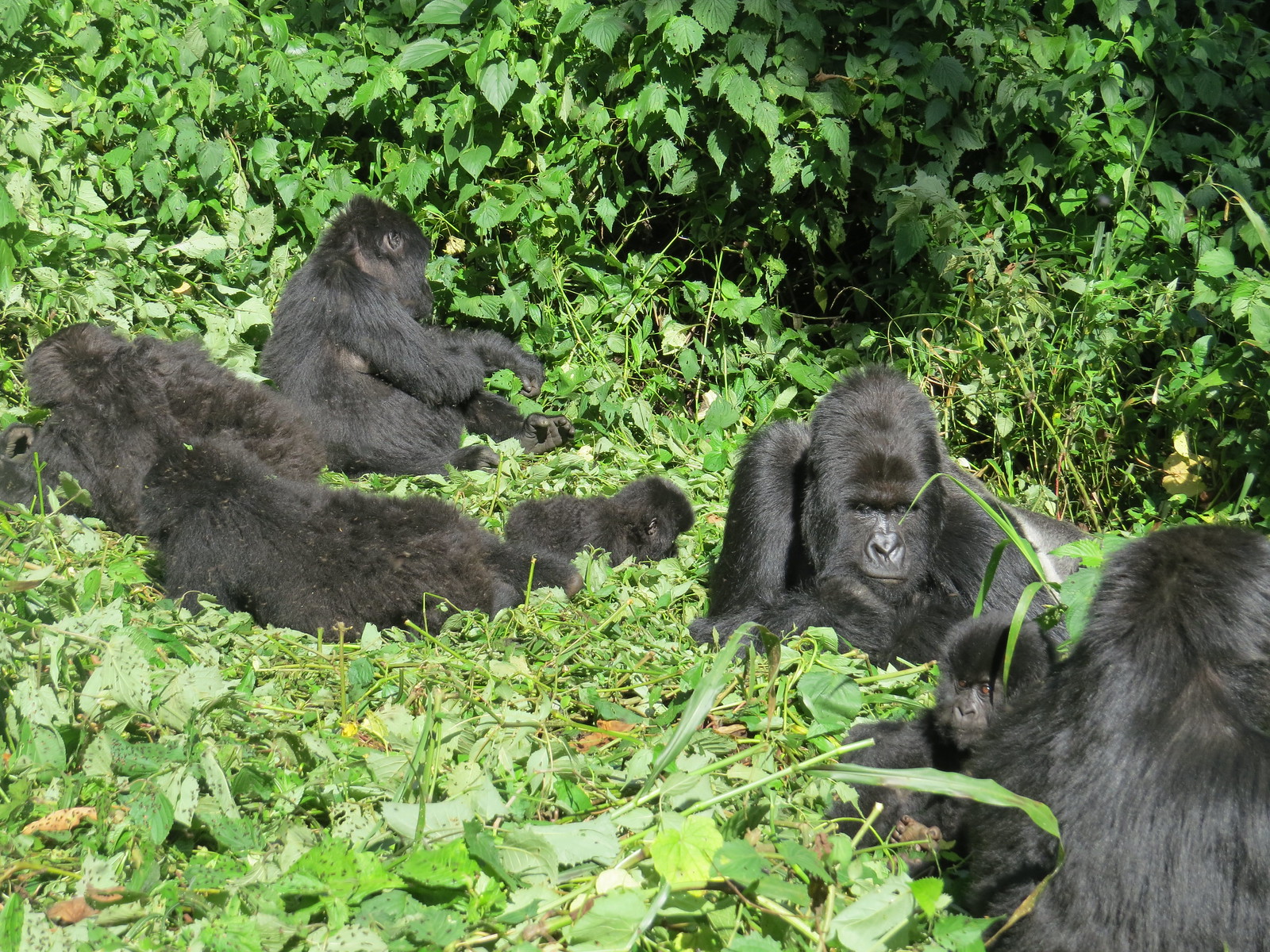
Gorillas "Silverback"
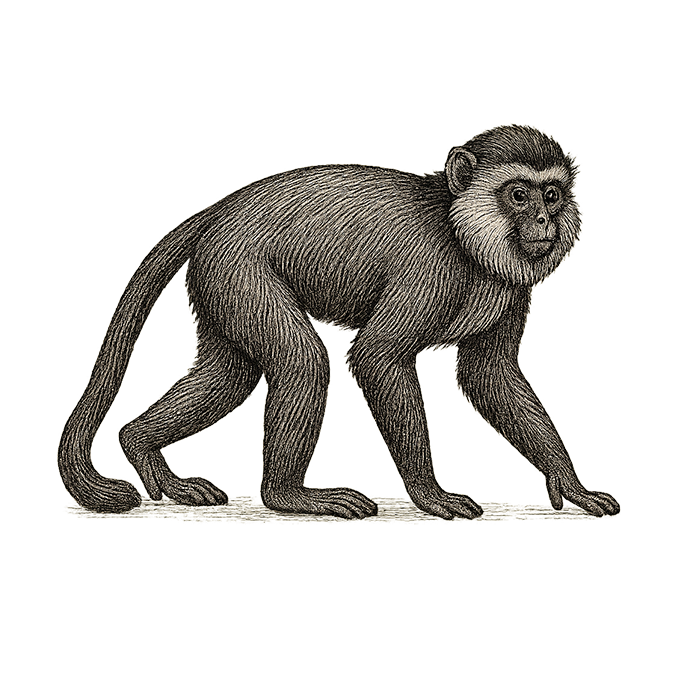
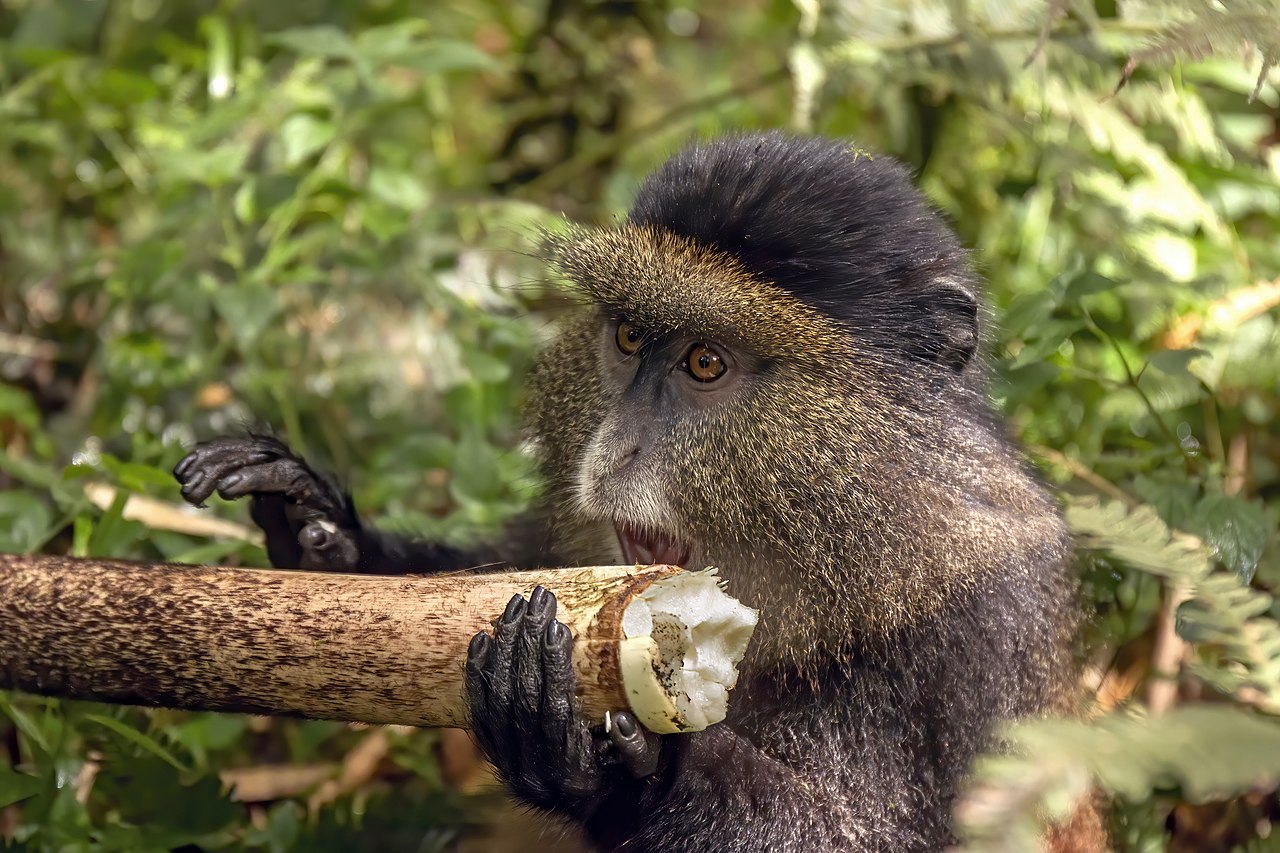
Golden Monkey "Photogenic"

Chimpanzees "Pant-hoot"