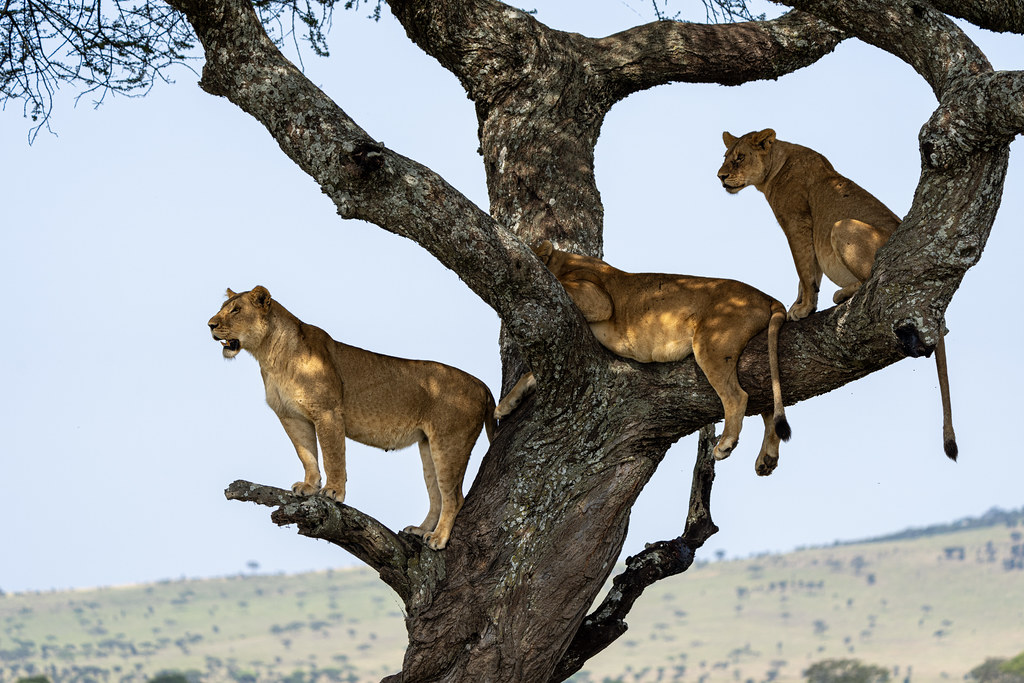
Top 10 Activities to do While in Serengeti National Park
March 1, 2026
Planning the Ultimate East African Safari
March 2, 2026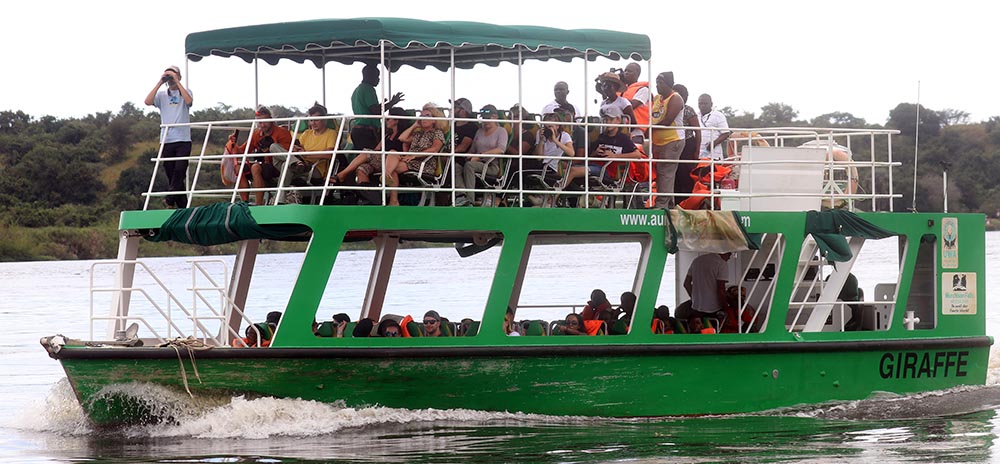
The Most Free, Enjoyable, and Rewarding Activities to Do in Africa
Africa conjures powerful images: lions roaming endless savannahs, mountain gorillas in misty forests, turquoise waters lapping white‑sand beaches, star‑spangled skies over desert dunes, and markets alive with color, music, and culture. But beyond these iconic scenes, Africa offers something even deeper — experiences that don’t require big budgets or expensive tours. With a spirit of curiosity and a willingness to explore independently, travelers can discover immense joy in free or low‑cost activities across the continent.
This guide explores a wide range of activities in Africa that are accessible, meaningful, and budget‑friendly, yet full of wonder and adventure.
1. Connecting With Nature Through Hiking and Trekking
The Freedom of Foot Travel
There is no better way to immerse yourself in Africa than by walking. Hiking lets you slow down, engage your senses, and truly feel the land under your feet — from volcanic ridges to rolling hills and forests humming with life.
South Africa: Table Mountain and Beyond
-
Table Mountain (Cape Town): A free hike like Platteklip Gorge or Skeleton Gorge gives panoramic city, ocean, and valley views. Even without paid cable cars or guided tours, the experience is unforgettable.
-
Cape Peninsula Trails: Paths wind along cliffs and beaches, perfect for long coastal strolls.
Whether you’re watching dassies (rock hyrax) clamber over rocks or spotting sunbathers on distant beaches, every trail offers its own reward.
Morocco: Atlas Mountains and Desert Trails
-
High Atlas Mountains: Local trails around Imlil and ourika valley range from gentle walks to full‑on hiking days.
-
Sahara Footpaths: Explore sandy tracks around dunes near Merzouga or Zagora, tracing nomadic camel routes — a timeless way to connect with desert landscapes.
Morocco’s mountains and deserts offer a unique blend of culture and terrain, and many paths are publicly accessible or guided by friendly locals.
Uganda and Rwanda: Forest Edges and Mountain Loops
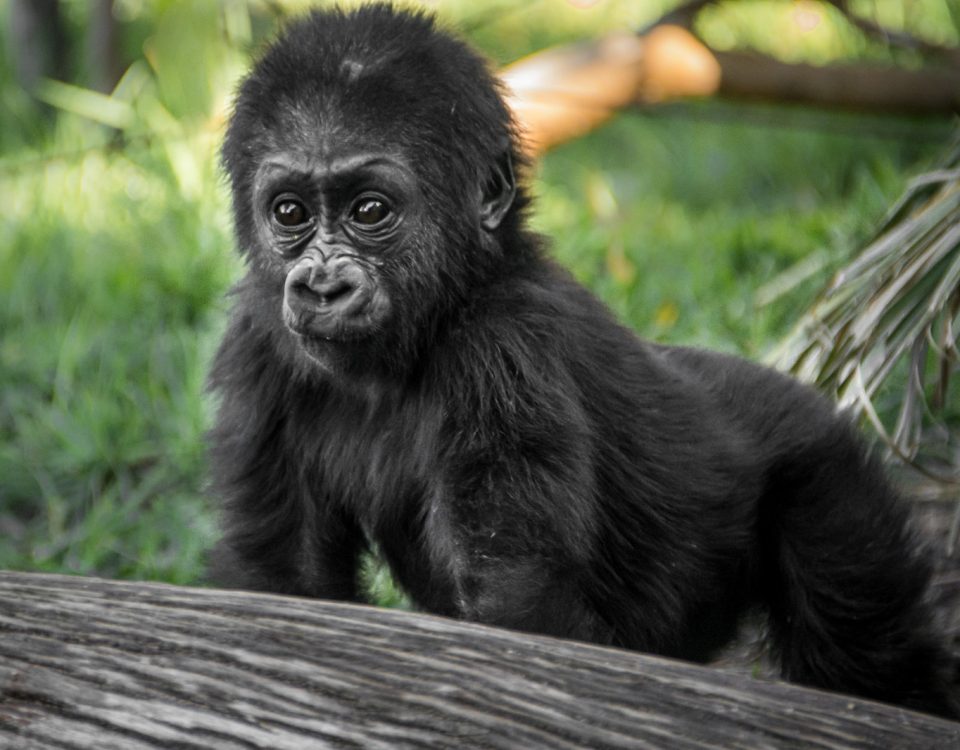
Even outside of expensive gorilla treks, forests like Uwinka near Bwindi Impenetrable National Park or Buhoma forest trails are rich with birds, butterflies, and subtle wildlife movement — safe for self‑guided daytime walks.
2. Wildlife Viewing on a Budget
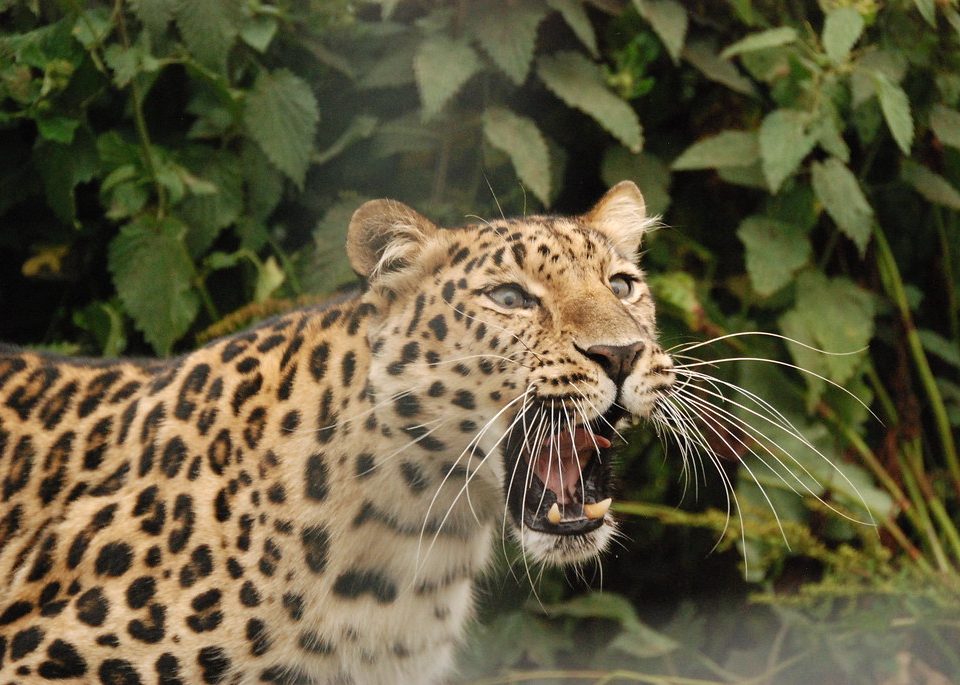
When most travelers think of wildlife in Africa, they imagine costly safaris. But there are ways to witness Africa’s wildlife without spending a fortune.
Free or Low‑Cost Reserves and Public Trails
South Africa’s National Parks
-
Kruger National Park: Self‑drive options allow visitors with cars to explore at their own pace. Entrance fees are modest compared to private conservancies, and many rest camps are budget‑friendly.
-
Hluhluwe‑iMfolozi Park: A great place for affordable Big Five viewing in KwaZulu‑Natal.
Self‑drive safaris put you in control — stop when you want, linger at a waterhole, or watch elephants amble by without the pressure of guided tour timelines.
Wetlands and Lagoons
Certain wetlands and lakes attract wildlife that you can admire without formal safaris:
-
Lake Nakuru (Kenya): Flamingos and waterfowl sometimes gather along shores visible near public viewpoints.
-
Mabamba Swamp (Uganda): The elusive shoebill is often spotted from local paths with no guide required (though a guide enhances chances).
Sometimes wildlife appears at roadside waterholes or open plains — patience and a good set of binoculars are your best tools.
3. Beach Life and Ocean Explorations
Africa’s coastlines are among the most dramatic and pristine on Earth, and many beaches are publicly accessible and free to enjoy.
Indian Ocean Dreams
Zanzibar and Coastal Tanzania
-
Nungwi Beach: Popular for swimming and walking.
-
Kendwa Beach: Open sands and shallow water make it easy to paddle and relax.
Even if accommodation isn’t budget‑friendly, packing snacks and spending the day on public sands is one of the most freeing experiences — listening to waves, watching fishing dhows, and walking endless shoreline.
Mozambique’s Eastern Coast
-
Tofo and Vilanculos: Beaches here are still relatively low‑key and uncrowded. Driftwood on the sand, wide horizons, and warm water create a natural playground.
-
Ponta do Ouro: Dolphins and waves that attract surfers and snorkelers.
These beaches are perfect for sunrises, sunsets, and long moments of solitude.
West Africa’s Atlantic Coasts
From Senegal’s smooth sands to Ghana’s sea breezes, West Africa’s shoreline is peaceful and vibrant. Kokrobite Beach (Ghana) and Popenguine (Senegal) are ideal for seaside walks and community interactions.
4. Riverbanks, Waterfalls, and Lake Escapes
Africa’s inland waterscapes are equally vast and exciting — and often free or very inexpensive to explore.
Victoria Falls
-
Victoria Falls (Zambia/Zimbabwe): One of the world’s greatest waterfalls with free public viewpoints on certain trails. The force, mist, and rainbows are natural spectacles worth experiencing on foot.
Nile Rivers and Waterways
-
In Uganda, parks like Murchison Falls have riverside trails where wildlife gathers near banks — hyenas, baboons, monitor lizards, and water birds are common sights.
-
Village paths along riverbanks offer quiet reflections and chances to observe daily life.
Lakeside Relaxation
-
Lake Malawi: Known as the “Lake of Stars,” its beaches and shallow water invite swimming, sand play, and reflection.
-
Lake Victoria: Locals fish here and visitors can stroll along shores for sunsets, picnics, and peaceful days.
Water bodies connect landscapes and communities — simply sitting under a tree by the water is an activity that costs nothing but gives deep enjoyment.
5. Star‑Studded Nights: Africa’s Sky Theatre
One of Africa’s greatest hidden delights is the night sky.
Desert Stargazing
-
In Namibia’s Namib Desert, light pollution is virtually nonexistent. The Milky Way sweeps across the sky like a cosmic brushstroke — free to behold and deeply humbling.
-
Botswana’s Kalahari: Quiet nights in remote lodges or camps allow epic stargazing right outside your tent.
Rural Savannah Skies
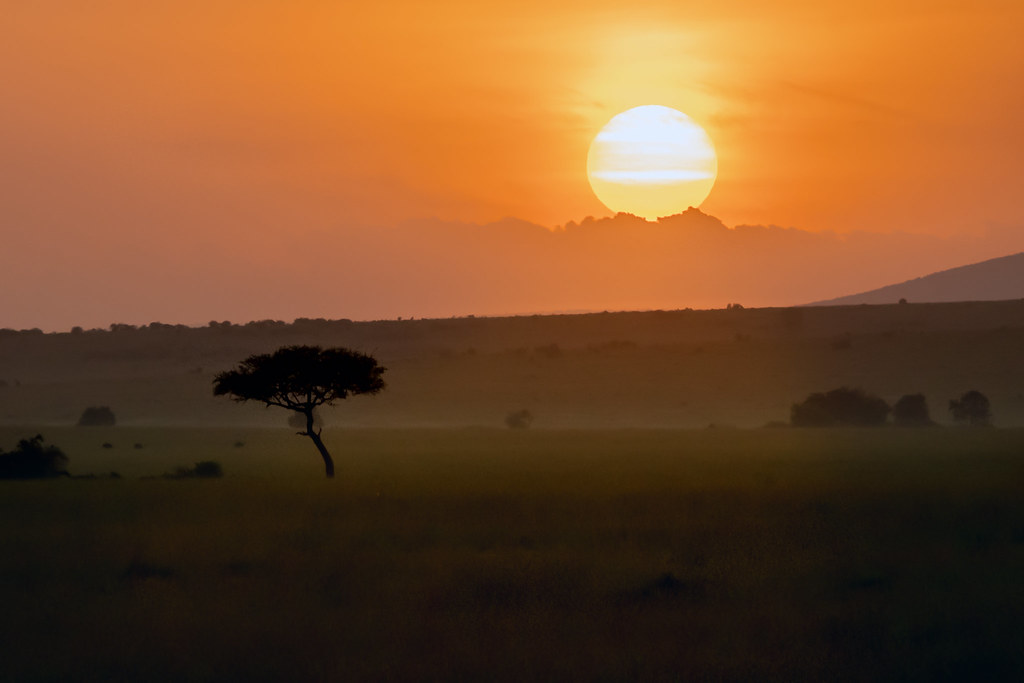
Even near game areas like Serengeti or Maasai Mara, just stepping away from camp after sunset reveals a dome of stars brighter than most city dwellers have ever seen.
The only equipment needed is your eyes — and perhaps a comfortable mat.
6. Cultural Immersion Without a Ticket
Africa’s kaleidoscope of cultures provides endless enriching experiences that can be accessible and free.
Markets and Street Life
Local markets are vibrant hubs of trade, music, food, and life:
-
Kampala’s Owino Market (Uganda): Bargaining, colorful fabrics, and local foods.
-
Accra’s Makola Market (Ghana): A maze of stalls pouring with color.
-
Marrakech’s Jemaa el‑Fnaa (Morocco): Street performers, spice traders, storytellers.
Walking through markets doesn’t require spending — observing, listening, and interacting are rewarding in their own right.
Village Walks and Interaction
In rural areas, many communities welcome respectful visitors to walk village paths, observe daily life, and learn traditions. Ghanaian drumming circles, Ethiopian highland villages, Maasai homesteads, and Berber farming terraces offer free cultural insight.
Always ask for permission, be polite, and follow local etiquette — respect opens doors.
7. Walking or Cycling Safaris
Stepping away from vehicles and exploring on foot or bicycle gives travelers a “wildlife whispering” experience.
Walking Trails
Many reserves and conservancies permit guided walking safaris. Even in non‑guided public areas, trails allow visitors to spot tracks, birds, and small creatures up close.
Walking safaris build confidence, sharpen senses, and reduce the barrier between human and environment — all for minimal cost.
Cycling Through Countryside
In many towns and rural regions across Africa, cycling paths take you through farmland, along rivers, and between communities. Cycling is a joyful and flexible way to explore without paying for transport.
8. Festivals, Music, and Street Culture
Africa is alive with rhythm — and sometimes, you can participate without buying a ticket.
Free Cultural Events
Throughout the year, villages and towns host festivals celebrating seasons, harvests, historical heritage, or spiritual traditions. These include open‑air music, dance ceremonies, and communal feasts.
Notable examples:
-
Ghana’s Homowo Festival
-
Senegal’s Saint‑Louis Jazz Festival (with free outdoor performances)
-
Zimbabwe street music gatherings
Even when some events have paid sections, public areas often fill with performances, dancing, and drums that invite participation.
9. Creative and Personal Discovery
Sometimes the most memorable travel experiences don’t involve destinations at all — just the freedom to explore internally and externally.
Photo Walks
Wandering with a camera or smartphone, capturing moments — street life, sunsets, shadows — builds a personal visual travel journal and costs nothing beyond your time.
Journaling and Reflection
Africa’s landscapes encourage contemplation. Whether sitting under a tree at sunset, beside a river at dawn, or on a beach at dusk, bringing a journal and reflecting is free and transformative.
10. Seasonal Splendors: Timing Your Free Adventures
Africa’s seasons shape wildlife and landscapes. Knowing them can make free or low‑cost activities even richer.
Dry Season (June–October)
-
Animals gather at waterholes — easier viewing
-
Clear skies for stargazing
-
Cooler mornings for hiking
Green Season (November–March)
-
Dramatic rains transform landscapes
-
Birds flock in abundance
-
Trails can be lush and spectacular
Timing your visit around these natural rhythms deepens your experience without extra cost.
11. Safety Considerations for Independent Activities
Exploring freely doesn’t mean carelessness. With basic precautions, you can enjoy Africa’s landscapes confidently:
-
Stay hydrated and wear sun protection
-
Travel in daylight for self‑guided walks
-
Use reputable local guides when needed
-
Be aware of wildlife boundaries in reserves
-
Respect local customs and etiquette
Safety is part of smart, enjoyable travel — not a constraint.
12. Why These Activities Matter
Africa’s most unforgettable experiences often come from simplicity:
-
Watching elephants drink at a waterhole
-
Listening to Maasai singers under starry skies
-
Hiking a mountain path where your footsteps echo
-
Walking through a market where colors flood every sense
These are moments where the cost is nothing, but the memory lasts a lifetime.
Freedom Is the Ultimate Luxury
To travel in Africa is to embrace a continent that awakens curiosity, invites patience, and rewards wonder. And while Africa does offer premium safaris and curated wildlife experiences, some of its most beautiful, enriching, and joyful moments are free or low‑cost.
From hikes that take your breath away to rivers where you can rest without paying a dime, from flea markets alive with music to beaches that invite hours of silence, Africa offers unlimited adventure for those willing to explore with an open heart.
The beauty of Africa is that you don’t need money to experience magic — just willingness, awareness, and presence.