Home / Uganda Safaris /
When To Go On A Uganda Safari
Uganda, often referred to as the “Pearl of Africa,” offers an unparalleled safari experience. Uganda stands as one of Africa’s most complete safari destinations, offering rare primate encounters, classic wildlife safaris, breathtaking landscapes, and rich cultural experiences within a single country. Whether tracking mountain gorillas in misty forests, cruising along the Nile, exploring vast savannahs, or engaging with local communities, Uganda delivers experiences that are both powerful and deeply personal. With thoughtful planning and responsible travel choices, a Uganda safari becomes more than a holiday—it becomes a journey into the heart of Africa’s natural and cultural heritage..
Uganda Gorilla Trekking Experience
Discover Uganda’s gorilla trekking experience where misty rainforests shelter mountain gorillas, ancient trails wind through Bwindi’s depths, and every step brings you closer to one of Africa’s most profound wildlife encounters, blending raw nature, conservation, and lasting memories.
When To Go On A Uganda Safari & Tours
Please the content should be 110 characters.
7 Days Rwanda & Uganda Gorilla and Wildlife Safari from Kigali with Volcanoes, Bwindi & Big Game Experiences
When To Go On A Uganda Safari Guide: Journey into the Pearl of Africa
Timing Your Uganda Safari the Right Way
Planning a safari in Uganda is as much about timing as it is about destination. While the country offers wildlife experiences throughout the year, the season you choose to travel can significantly shape what you see, how comfortable you feel, and how smoothly your journey unfolds. For first-time visitors especially, understanding Uganda’s seasons helps align expectations with reality and ensures the safari experience feels rewarding rather than rushed or challenging.
Uganda’s unique location on the equator gives it a relatively stable climate compared to many safari destinations. However, rainfall patterns, vegetation changes, and wildlife movements still play a major role in determining the best safari conditions. Knowing when to go allows travelers to balance wildlife sightings, road accessibility, crowd levels, and overall travel comfort.
Rather than having one single “perfect” safari season, Uganda offers different advantages at different times of the year. The best time ultimately depends on what kind of safari experience you want.
Understanding Uganda’s Climate and Seasons
Uganda experiences a tropical climate influenced by altitude rather than extreme temperature changes. Days are generally warm, and nights can be cooler, especially in higher elevation areas. Instead of four traditional seasons, Uganda has alternating wet and dry periods that affect travel conditions and wildlife behavior.
The year is broadly divided into dry seasons and rainy seasons. The dry seasons typically occur from December to February and from June to September. The rainy seasons usually fall between March and May and again from October to November. While these patterns guide travel planning, weather can vary by region and year.
For safari travelers, rainfall matters more than temperature. Rain influences road conditions, vegetation density, animal visibility, and accessibility to remote parks. Understanding these dynamics helps travelers choose the most suitable travel window.
The Dry Season Safari Experience
The dry season is widely considered the most favorable time to go on a Uganda safari, particularly for first-time visitors. During these months, rainfall is minimal, roads are more accessible, and wildlife tends to gather around water sources, making animals easier to spot.
Vegetation is shorter and less dense in savannah parks, improving visibility during game drives. Animals are more active during daylight hours, and safari schedules are less likely to be disrupted by weather. These conditions make the dry season ideal for classic wildlife viewing experiences.
Dry season travel also offers greater comfort. Trekking trails are less muddy, humidity is lower, and long drives between parks are smoother. For travelers who value predictability and ease of movement, this period provides the most straightforward safari conditions.
Best Time for Gorilla Trekking
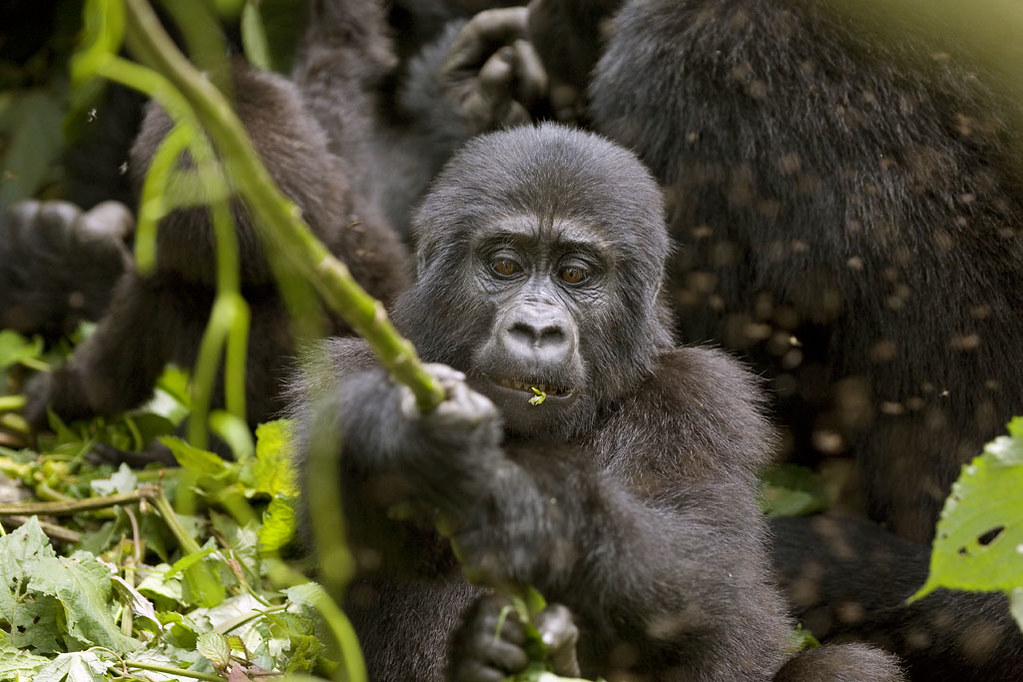
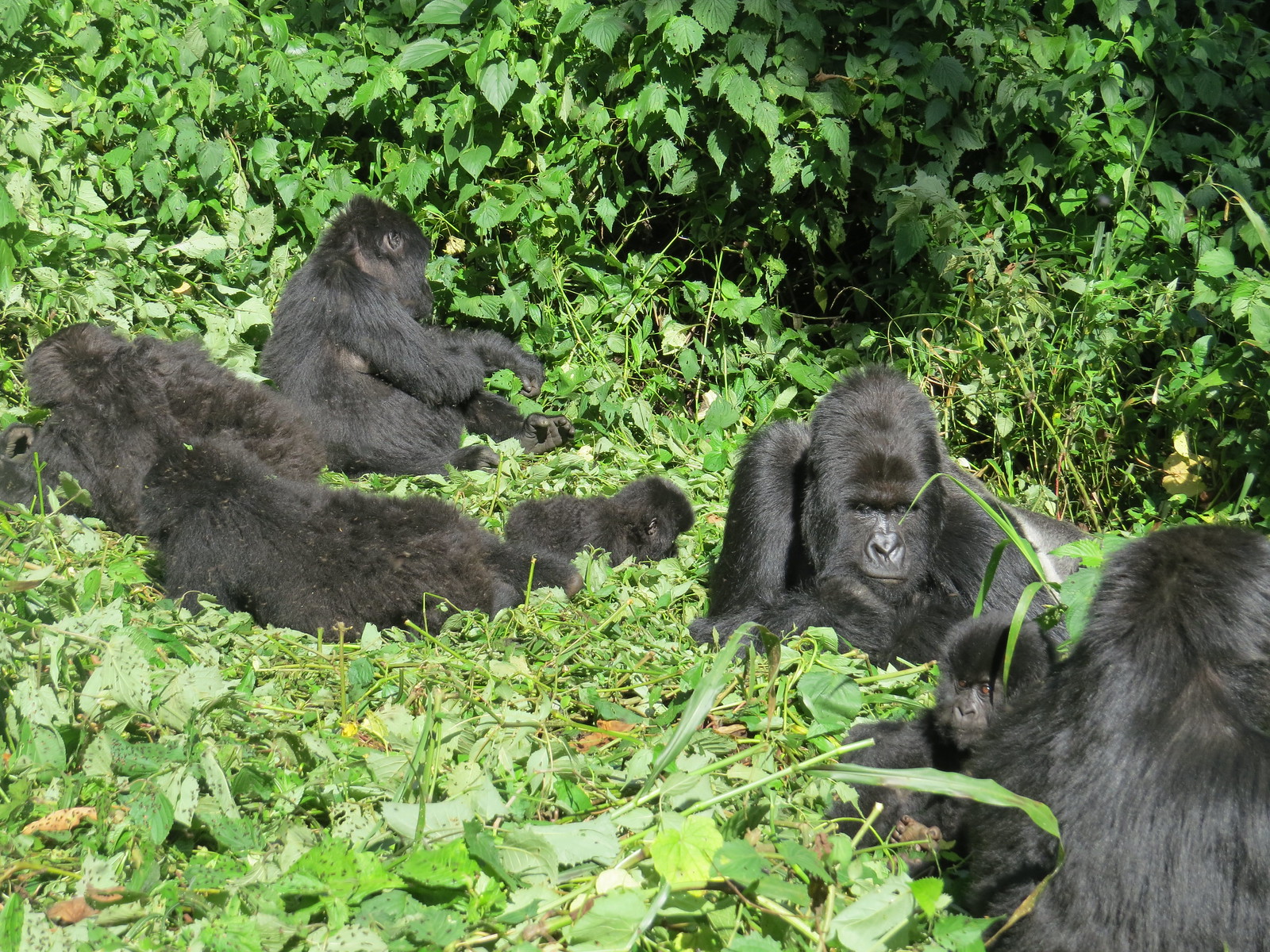
Gorilla trekking is one of Uganda’s most iconic safari experiences, and timing plays a critical role in how enjoyable it feels. While gorilla trekking is available year-round, the dry seasons are generally preferred.
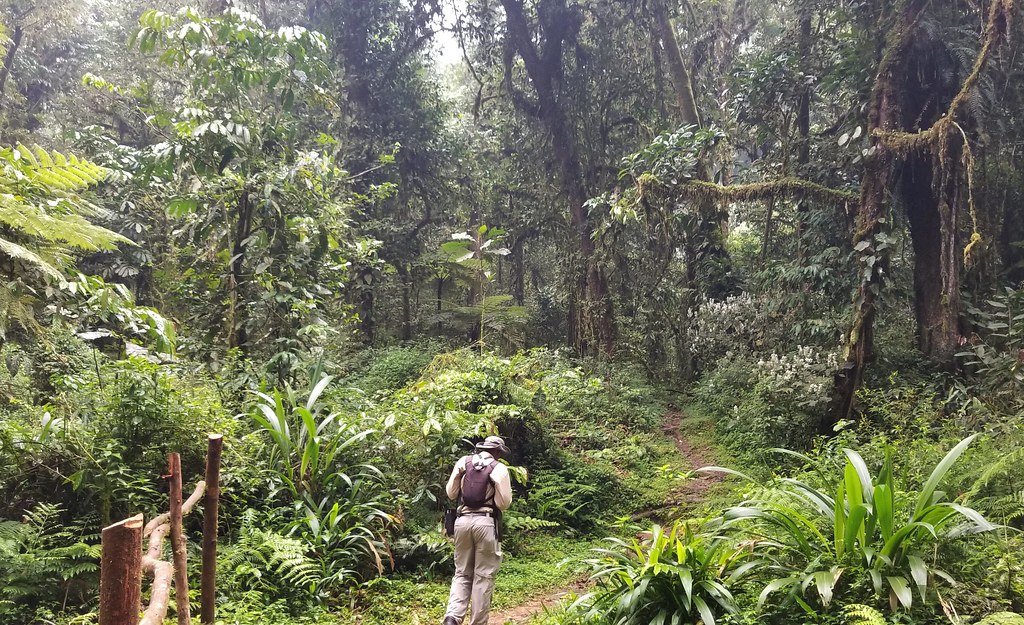
During drier months, forest trails are less slippery, making hikes more manageable for visitors of varying fitness levels. Clearer weather also enhances visibility and photography opportunities once gorillas are found. Although trekking times can still vary, the physical effort required is often less demanding during dry periods.
That said, gorilla trekking during the rainy season has its own appeal. Forests appear lush and vibrant, permits may be easier to secure, and fewer visitors mean a more intimate experience. Travelers willing to handle mud and rain are often rewarded with quieter encounters.
Wildlife Viewing in Savannah Parks
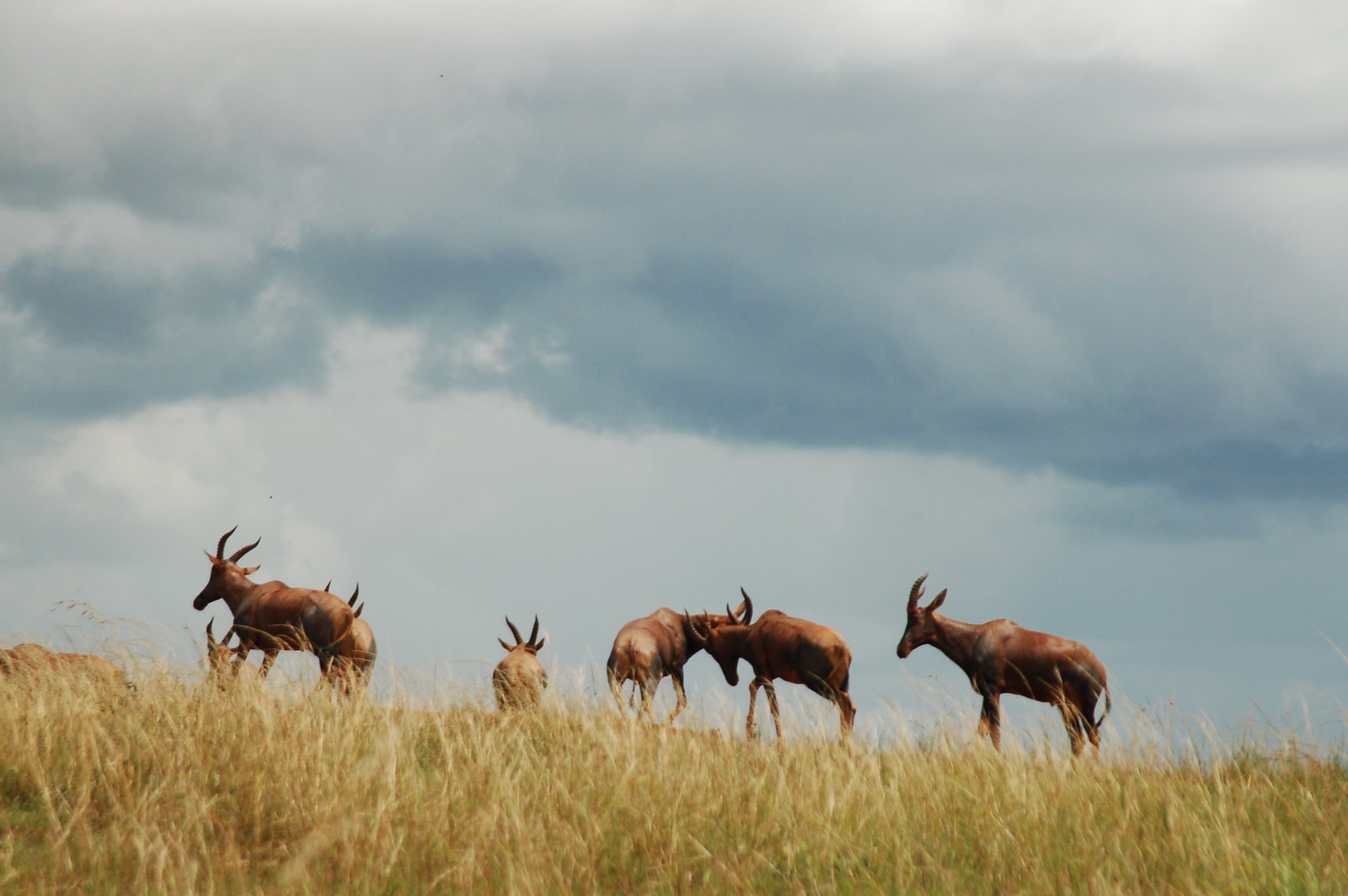
Uganda’s savannah national parks offer excellent wildlife viewing throughout the year, but dry seasons generally deliver the most consistent sightings. As water sources become limited, animals congregate in predictable areas, increasing chances of seeing large mammals such as elephants, buffaloes, lions, and giraffes.
During the wet season, wildlife disperses across wider areas due to abundant water and food. While animals are still present, sightings may require more patience and longer drives. Vegetation growth can also limit visibility, especially in grassland areas.
However, wet seasons bring dramatic scenery. Landscapes turn green, rivers swell, and birdlife flourishes. For travelers interested in photography, birds, and scenic beauty, this period offers visual rewards that differ from the classic dry-season safari look.
Birdwatching and Seasonal Highlights
Uganda is one of Africa’s top birding destinations, and timing is particularly important for bird enthusiasts. Migratory bird species are most abundant during the rainy seasons, especially between November and April. During this time, bird diversity peaks, and colorful species appear across wetlands, forests, and savannahs.
For travelers whose safari priorities include birdwatching, the rainy season may actually be the best time to visit. Although travel conditions may be more challenging, the richness of birdlife compensates for the inconvenience.
Even outside peak migration periods, Uganda’s resident bird species ensure rewarding sightings year-round. The difference lies in volume and variety rather than presence.
Crowds, Costs, and Availability
Another important factor in deciding when to go on a Uganda safari is crowd level. The dry seasons coincide with peak tourist periods, especially from June to August and December to February. During these months, popular lodges and gorilla trekking permits may sell out quickly, and prices tend to be higher.
Traveling during the shoulder or rainy seasons often offers better value. Accommodation discounts, increased permit availability, and fewer visitors create a more relaxed atmosphere. For travelers who prioritize solitude and flexibility over ideal weather, these periods can be especially appealing.
First-time visitors should weigh comfort against crowd levels. While peak season offers optimal conditions, it also comes with higher demand and less spontaneity.
Road Conditions and Accessibility
Road conditions are a practical consideration that often shapes safari experiences. During the dry season, roads to national parks are more reliable, reducing travel times and vehicle wear. This is particularly important for remote parks and forested areas.
In the rainy season, some roads may become muddy or temporarily impassable. While experienced drivers can navigate these conditions, travel schedules may be affected. Travelers should allow extra time and maintain flexible plans when visiting during wetter months.
For those with limited time in Uganda, the dry season minimizes delays and logistical challenges.
Choosing the Best Time Based on Your Travel Goals
The best time to go on a Uganda safari ultimately depends on what you want from the experience. Travelers seeking classic wildlife viewing, comfortable travel, and predictable conditions will find the dry season most suitable. Those interested in birdwatching, lush landscapes, and fewer crowds may prefer the rainy season.
First-time visitors often benefit from traveling during the dry months, as these periods reduce uncertainty and physical challenges. However, adventurous travelers who embrace variability may find Uganda just as rewarding outside peak season.
Understanding your priorities allows you to choose a travel window that aligns with your expectations rather than following a generic recommendation.
Uganda Is a Year-Round Safari Destination
Uganda does not offer a single perfect time for a safari. Instead, it offers different experiences across the year, each with its own advantages. From dry-season wildlife clarity to rainy-season richness and solitude, the country rewards travelers in every season.
The key to a successful Uganda safari lies in matching timing with intention. By understanding how seasons influence wildlife, landscapes, and logistics, travelers can plan a safari that feels both meaningful and enjoyable.
Whether you choose clear dry days or misty green landscapes, Uganda remains a destination where wildlife encounters feel intimate, landscapes feel alive, and every season tells a different story.
What Our Travelers Enjoyed About When To Go On A Uganda Safari

Gorillas "Silverback"
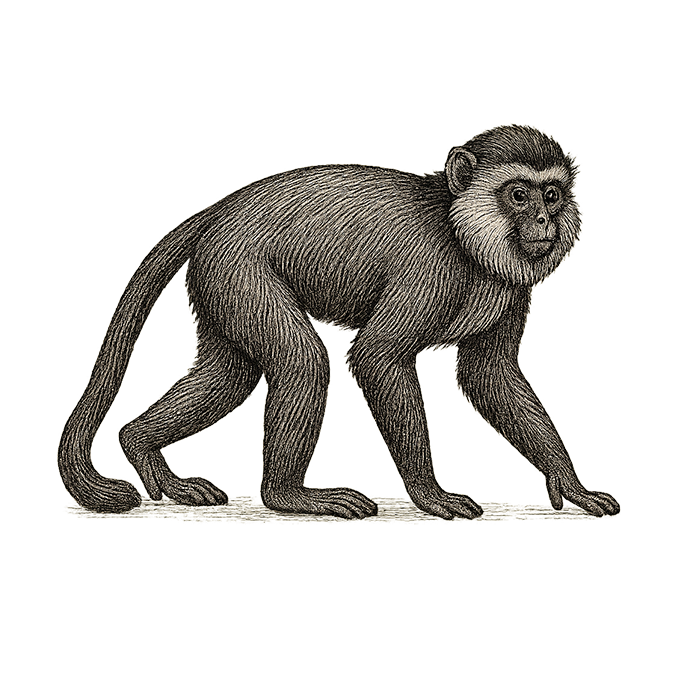
Golden Monkey "Photogenic"
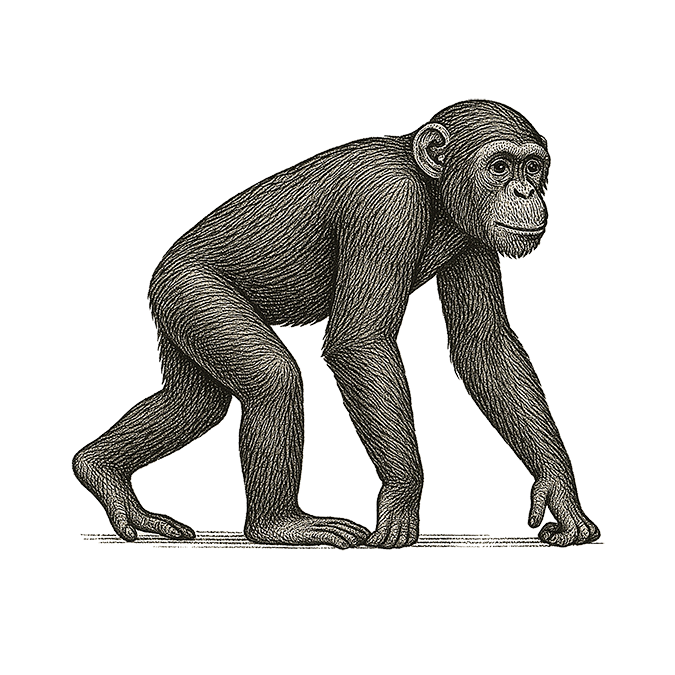
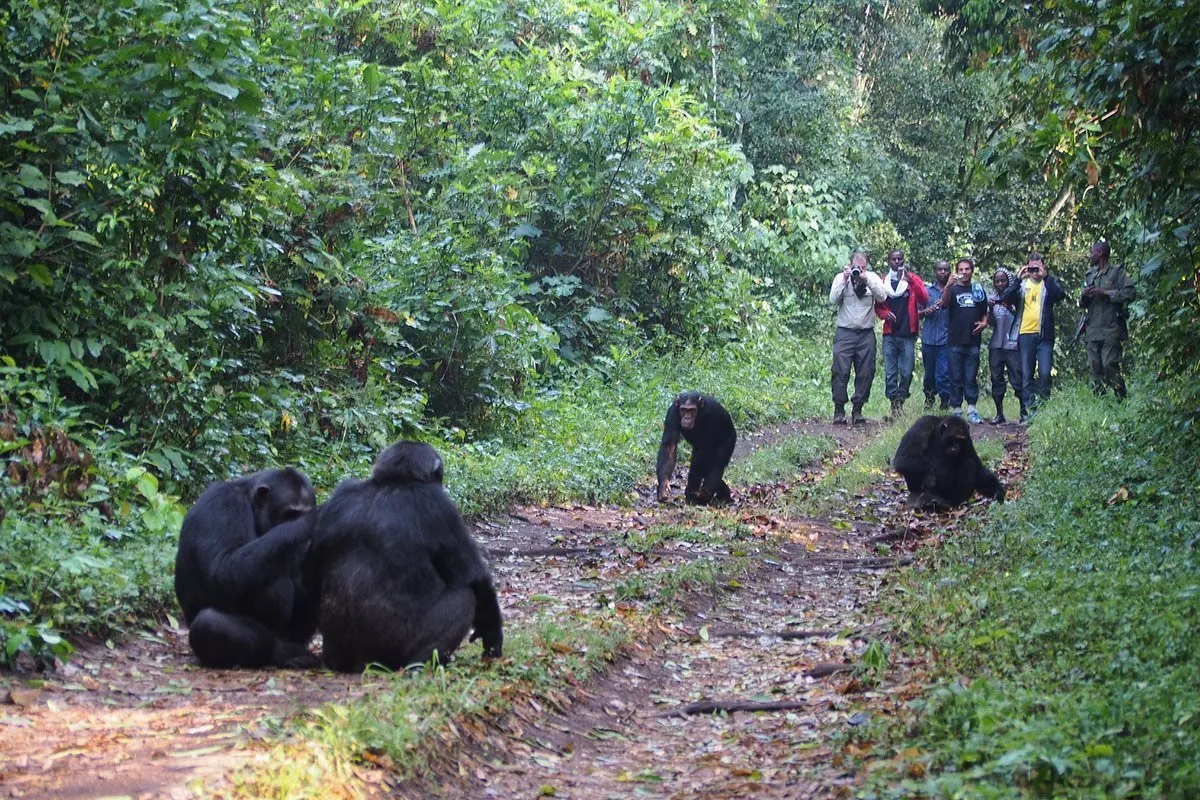
Chimpanzees "Pant-hoot"