Which Country Has Faced the Highest Number of Ebola Cases in Africa
Ebola remains one of the most severe viral diseases recorded in Africa, with outbreaks appearing in different countries over the past five decades. While several nations in East and Central Africa have experienced cases, the burden is not evenly distributed. Some countries have faced repeated outbreaks, while others have only recorded isolated or suspected cases.

Among all affected nations, one country stands out clearly in terms of total Ebola history and outbreak frequency. This blog breaks down which country has recorded the highest number of cases, why it has been repeatedly affected, and how other countries in the region compare.
The Country with the Highest Ebola Cases
The country with the highest number of Ebola cases in history is the Democratic Republic of Congo.
The Democratic Republic of Congo has experienced more Ebola outbreaks than any other nation since the virus was first identified in 1976. The first recorded outbreak happened in a remote village near the Ebola River, which is where the disease got its name.
Since then, the country has faced repeated outbreaks across different provinces, especially in the eastern regions such as North Kivu, Ituri, and Equateur. Some outbreaks were small and quickly contained, while others became large epidemics affecting thousands of people.
The most severe outbreak in recent history occurred between 2018 and 2020, when the country recorded over 3,000 Ebola cases and more than 2,000 deaths. This outbreak became one of the largest and most complex Ebola epidemics ever documented, partly due to insecurity in conflict-affected areas and challenges in reaching remote communities.
Why the Democratic Republic of Congo Has Been So Affected
Several factors explain why the Democratic Republic of Congo has recorded the highest number of Ebola cases.
One major factor is geography. Large parts of the country are covered by dense tropical rainforest, which is a natural habitat for bats believed to carry the virus. Human activity in these forest regions increases the chances of spillover infections.
Another factor is repeated zoonotic exposure. Communities living near forests often depend on hunting, farming, and forest resources, which increases contact with wildlife.
Health system challenges in remote areas also play a role. Some outbreak zones are difficult to reach due to limited infrastructure, insecurity, or long travel distances. This can delay detection and response during early stages of an outbreak.
Despite these challenges, the country has also developed strong Ebola-specific response capacity over time. It has become a major center for outbreak research, vaccination campaigns, and emergency response training in Africa.
Uganda’s Experience with Ebola
The Uganda has experienced multiple Ebola outbreaks, making it one of the most affected countries in East Africa after the Democratic Republic of Congo.
Uganda’s outbreaks have occurred in different years, including 2000, 2007, 2012, 2019, and 2022. Each outbreak has varied in size and severity, but most have been smaller compared to major epidemics in the Democratic Republic of Congo.
One reason Uganda has been able to limit outbreak size is its relatively strong response system. When a suspected case appears, health authorities quickly activate isolation, testing, and contact tracing. Over time, these systems have become faster and more organized.
Uganda’s location also plays a role. It shares a long and active border with the Democratic Republic of Congo, where Ebola outbreaks are more frequent. This cross-border movement increases the need for constant surveillance and preparedness.
Even though Uganda has faced repeated outbreaks, improvements in public health response have helped reduce the overall impact compared to earlier decades.
Ebola Situation in Tanzania
The Tanzania has not experienced a confirmed large-scale Ebola outbreak. However, the country remains at risk due to its geographic location and regional connections.
Tanzania borders countries that have recorded Ebola cases or are considered high-risk zones. Because of this, the country focuses heavily on preparedness and surveillance rather than outbreak response.
Health authorities regularly monitor border areas, especially during outbreaks in neighboring countries. Hospitals are trained to identify symptoms early, and rapid response systems are activated when suspected cases appear.
Although Tanzania has not faced major Ebola epidemics, preparedness remains a priority due to regional movement and trade connections.
Ebola Situation in Kenya
The Kenya has not recorded a confirmed large Ebola outbreak. The country is considered at risk mainly because of its role as a regional travel and trade hub.
Kenya has strong airport screening systems and border monitoring processes. These systems are designed to detect symptomatic travelers early and prevent possible spread.
Public health planning in Kenya focuses on preparedness, training health workers, and maintaining laboratory readiness. While Ebola has not become a major health issue in the country, readiness remains important due to regional exposure risks.
Ebola Situation in Rwanda
The Rwanda has also not recorded major Ebola outbreaks. However, it remains highly alert due to its proximity to the Democratic Republic of Congo.
Cross-border movement between Rwanda and the Democratic Republic of Congo is frequent, especially for trade and family connections. This increases the importance of surveillance and border screening.
Rwanda has invested in strong health system organization. Hospitals are trained to identify suspected cases quickly, and isolation protocols are in place to prevent potential spread.
The country’s strategy is focused on early detection and rapid response rather than managing ongoing outbreaks.
Ebola Situation in Burundi
The Burundi has not recorded large Ebola outbreaks. Like Rwanda and Tanzania, it remains in a high-awareness zone due to its proximity to the Democratic Republic of Congo.
Health systems in Burundi focus on preparedness, community awareness, and cross-border coordination. Surveillance is especially important in border regions where movement between countries is frequent.
Although Ebola is not currently widespread in Burundi, the risk of importation means the country maintains active monitoring systems.
Comparison of Ebola Burden in the Region
When comparing countries in the region, the difference in Ebola burden is clear.
The Democratic Republic of Congo has the highest number of cases and outbreaks globally. It has experienced repeated epidemics over decades, including some of the largest recorded outbreaks in history.
Uganda follows as one of the most affected countries in East Africa, with multiple outbreaks over time. However, most of Uganda’s outbreaks have been smaller and more contained.
Tanzania, Kenya, Rwanda, and Burundi have not experienced large confirmed outbreaks. Instead, they remain in a preparedness and surveillance category due to regional risk exposure.
This difference shows that Ebola is not evenly distributed across East Africa and Central Africa. Instead, it is strongly linked to ecological zones, wildlife exposure, and historical outbreak patterns.
Why Ebola Differs Across Countries
Several factors explain why some countries experience more Ebola cases than others.
Ecological conditions play a major role. Regions with dense tropical forests provide natural habitats for bats, which are believed to carry the virus.
Human interaction with wildlife also matters. Communities that depend on forest resources are more exposed to potential spillover infections.
Health system strength influences outbreak size. Countries with faster detection and response systems can contain outbreaks before they spread widely.
Population movement is another factor. High levels of cross-border travel can increase the risk of spread between countries if outbreaks are not controlled early.
Regional Response and Cooperation
Countries in East Africa and Central Africa do not respond to Ebola in isolation. Cross-border cooperation is essential due to shared borders and frequent movement.
Uganda, Rwanda, Kenya, Tanzania, Burundi, and the Democratic Republic of Congo share surveillance information and coordinate response efforts during outbreaks.
Health organizations and regional networks support training, laboratory testing, and emergency preparedness. This cooperation improves response speed and reduces the risk of uncontrolled spread.
During outbreaks, border screening and monitoring systems are strengthened to detect potential cases early.
Lessons from Ebola History in Africa
One key lesson from Ebola history is that early detection is the most important factor in controlling outbreaks. The faster a case is identified, the easier it is to stop transmission.
Another lesson is that community involvement is essential. When people understand how the disease spreads, they are more likely to report symptoms early and follow health guidance.
Health system investment also matters. Countries with strong laboratories, trained response teams, and reliable communication systems handle outbreaks more effectively.
The country with the highest number of Ebola cases in history is the Democratic Republic of Congo, due to repeated outbreaks over several decades. Uganda has also experienced multiple outbreaks but with generally smaller scale and better containment in recent years.
Tanzania, Kenya, Rwanda, and Burundi have not recorded large outbreaks but remain at risk due to regional movement and proximity to affected areas.
Ebola remains a regional concern, but improved surveillance, faster response systems, and stronger cooperation between countries have significantly reduced the impact of outbreaks compared to earlier years.
East Africa Safari – Essential Travel Information
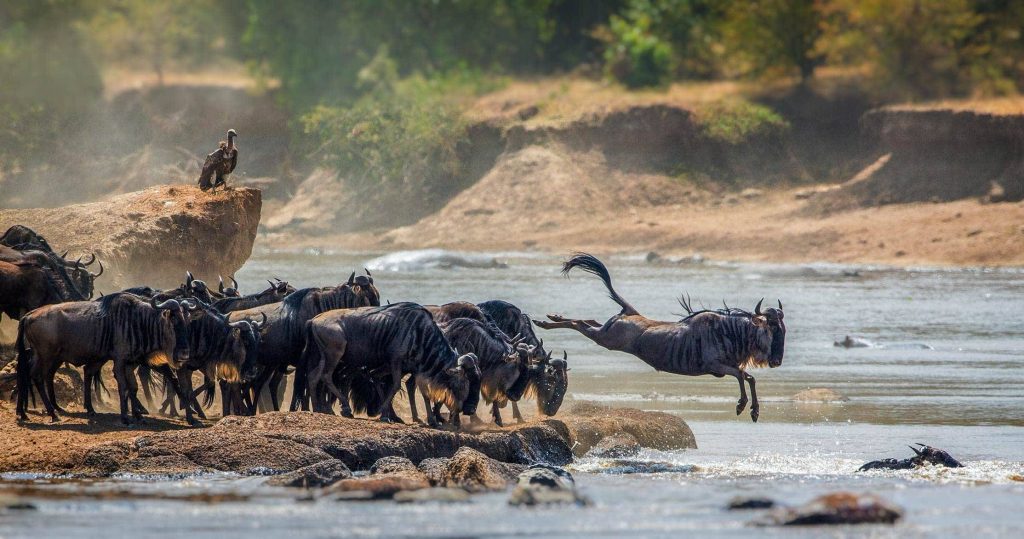
East Africa encompasses some of the world’s most iconic wildlife destinations. Uganda, Rwanda, Kenya, and Tanzania form the heart of the safari region, each offering distinct landscapes, wildlife, and travel experiences. Whether you’re seeking mountain gorillas in misty rainforests, the spectacular wildebeest migration across the Serengeti, or the intimate Big Five encounters of the Masai Mara, East Africa delivers an unparalleled variety of wildlife experiences within a relatively compact geographic region.
The region’s safari infrastructure is mature and well-developed, with a wide range of accommodation from budget campsites to ultra-luxury tented lodges. International air connections serve multiple gateway airports including Nairobi’s JKIA, Entebbe (Uganda), Kigali (Rwanda), Kilimanjaro International (Tanzania), and Julius Nyerere International (Dar es Salaam), giving visitors flexibility in designing multi-country itineraries.
East Africa Safari Planning Tips
- Best time to visit: The dry seasons – June to October and December to February – offer the best wildlife viewing across most of East Africa. The Masai Mara migration peaks in July-October. Gorilla trekking is year-round but June-September is most popular.
- Book early: Gorilla permits (Uganda and Rwanda), popular migration camps in the Serengeti and Masai Mara, and Kilimanjaro climb slots all have limited capacity. Book 6-12 months ahead for peak season.
- Combine countries: East Africa’s geography makes multi-country itineraries practical and rewarding. A classic 10-day circuit might combine Uganda gorillas + Queen Elizabeth wildlife + Rwanda gorillas. A 14-day trip adds the Serengeti and Masai Mara.
- Health preparation: Yellow fever vaccination is required for Uganda and Rwanda and recommended elsewhere in the region. Malaria prophylaxis is essential below 2,500m. Comprehensive travel insurance including medical evacuation coverage is non-negotiable.
- Currency: The US dollar is the de facto currency in most safari operations. Carry clean, undamaged USD bills printed after 2009 – older notes are routinely refused. Each country has its own local currency for smaller purchases.
Recommended Tours: 4 Days Bwindi Gorilla Trekking Safari | 8 Days Kenya Wildlife Safari