


Tea & Coffee Plantation
January 28, 2026
Rock Art & Cave Paintings
January 28, 2026

Fossil Site Visits
A fossil site visit is more than a simple excursion; it is a journey through time that connects the present world to millions of years of Earth’s history. Standing on ground where ancient plants, animals, and early human ancestors once lived creates a powerful sense of continuity between past and present. Fossil sites preserve evidence of life that existed long before modern landscapes formed, making them invaluable for education, scientific research, and heritage tourism.





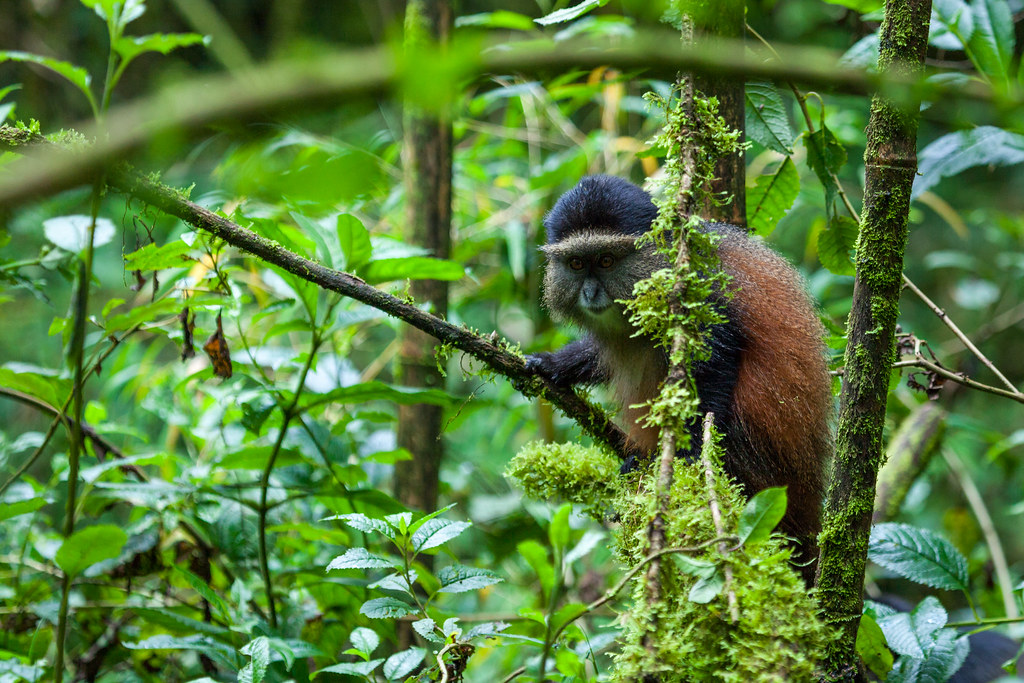
Uganda Gorilla Trekking Experience
Discover Uganda’s gorilla trekking experience where misty rainforests shelter mountain gorillas, ancient trails wind through Bwindi’s depths, and every step brings you closer to one of Africa’s most profound wildlife encounters, blending raw nature, conservation, and lasting memories.
Fossil Site Visits: A Complete Guide to Experiences Across the Region
Understanding What Fossils Represent
Fossils are the preserved remains, impressions, or traces of organisms that lived in the past. They can include bones, teeth, shells, leaves, footprints, and even microscopic organisms. Fossilization is a rare process that usually requires rapid burial by sediment, volcanic ash, or water, followed by chemical changes over long periods.
When visiting a fossil site, it becomes clear that fossils are not isolated objects but part of a broader geological story. The surrounding rock layers, soil composition, and landforms all help scientists determine the age of fossils and reconstruct ancient environments. Observing these layers in person helps visitors understand how time is recorded in the Earth itself, much like pages in a history book made of stone.
The Educational Value of a Fossil Site Visit
One of the greatest benefits of a fossil site visit is its educational impact. Seeing fossils in their natural context deepens understanding far more than viewing replicas or images. Students, researchers, and casual visitors alike gain insight into evolutionary processes, climate change, extinction events, and the origins of biodiversity.
Fossil sites often serve as outdoor classrooms where geology, biology, archaeology, and environmental science intersect. Learning how scientists excavate fossils, document their findings, and protect fragile remains fosters respect for scientific methods and heritage conservation. These experiences can inspire careers in science and increase public appreciation for natural history.
Fossil Sites as Cultural and Scientific Heritage
Many fossil sites are also important cultural landmarks. In regions such as East Africa, fossil discoveries have reshaped global understanding of human evolution. Places like rift valleys and ancient lake beds have yielded remains of early hominins, stone tools, and evidence of prehistoric behavior, making them central to humanity’s shared story.
Protecting fossil sites is essential because they are non-renewable resources. Once damaged or removed without documentation, valuable information is lost forever. Guided visits and regulated access help balance tourism with conservation, ensuring that future generations can continue to learn from these irreplaceable locations.
What to Expect During a Fossil Site Visit
A typical fossil site visit involves guided interpretation by experts or trained guides who explain the geological background, significance of discoveries, and ongoing research. Visitors may observe exposed fossils embedded in rock, excavation areas, or museum displays near the site that showcase important finds.
The environment can vary widely depending on location. Some fossil sites are found in arid, open landscapes, while others lie in forested areas or along riverbanks. Understanding the terrain and climate helps visitors appreciate why fossils were preserved there in the first place and how ancient environments differed from modern ones.
Responsible Behavior at Fossil Sites
Respect for fossil sites is critical. Visitors are usually required to observe without touching or removing any materials. Fossils are protected by law in many countries, and unauthorized collection can lead to severe penalties. Responsible tourism ensures that scientific research can continue and that sites remain intact.
Following designated paths, listening to guides, and respecting signage all contribute to preservation efforts. Responsible behavior also includes respecting local communities who often serve as custodians of these sites and whose cultural identity may be closely tied to the land.
Fossil Site Visits and Sustainable Tourism
Fossil site tourism can contribute positively to local economies when managed sustainably. Entrance fees, guided tours, and nearby museums create employment opportunities and encourage investment in conservation. When visitors understand the scientific and cultural importance of fossil sites, they are more likely to support preservation initiatives.
Sustainable fossil tourism emphasizes education over exploitation. By promoting awareness and responsible visitation, fossil sites can serve as long-term assets rather than short-lived attractions.
Why Fossil Site Visits Matter Today
In an era of rapid environmental change, fossil sites offer lessons about resilience and vulnerability. They reveal how species responded to past climate shifts, mass extinctions, and environmental pressures. These insights are increasingly relevant as humanity faces modern ecological challenges.
A fossil site visit is not just about the past; it is about understanding the present and preparing for the future. It encourages curiosity, critical thinking, and respect for the natural world, reminding visitors that life on Earth is part of a long, interconnected story.
A fossil site visit is a powerful and enriching experience that blends science, history, and exploration. By stepping into landscapes shaped by ancient life, visitors gain a deeper appreciation of Earth’s deep past and humanity’s place within it. Whether undertaken for education, research, or personal interest, such visits foster awareness, responsibility, and wonder—qualities essential for protecting the planet’s natural and cultural heritage.
Our Recommended Tour Ideas

Murchison Falls' classic activities based from a premium riverside lodge, with private transfers throughout.

Search for the shoebill stork among 450+ recorded species, with classic game drives built around the trip too.
A dedicated sunset game drive for peak predator activity, alongside the park's classic Nile boat cruise.
Cast for Nile perch below the falls, then spend an afternoon on a classic savannah game drive.

Uganda's only wild rhinos at Ziwa, chimpanzee trekking in Budongo, and classic Murchison Falls game drives.
A fast, efficient fly-in trip with a game drive and boat cruise to the base of the falls.

A longer, quieter Nile cruise downstream to the Delta on Lake Albert, known for strong shoebill stork sightings.
Hike to the top of Murchison Falls where the Nile forces through a narrow gorge, plus classic savannah game drives.

Skip the long drive with a direct flight to wherever the migration currently is, for a fast, high-value trip.
What Our Travelers Enjoyed About Primate Safaris

Gorillas "Silverback"
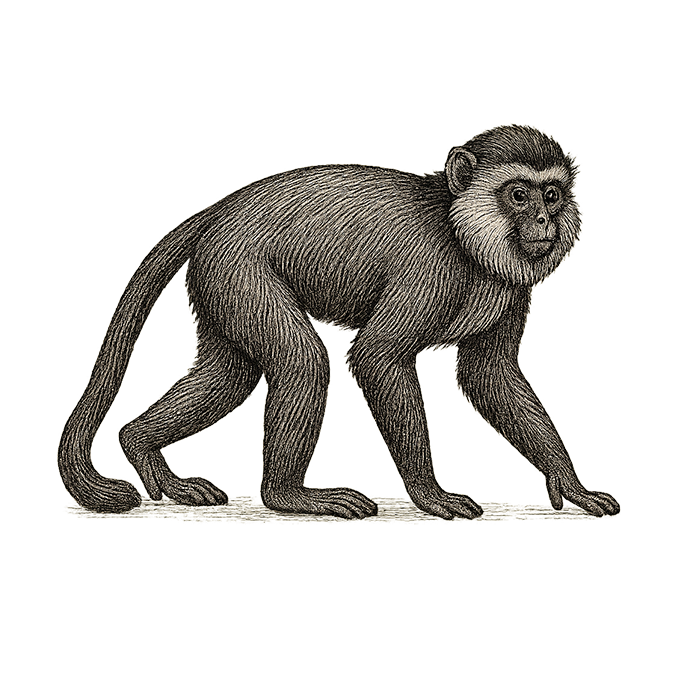
Golden Monkey "Photogenic"

Chimpanzees "Pant-hoot"

Volcanoes "Real Forest Africa"
Experience East Africa the Way It Was Meant to Be
Olduvai Gorge, on the eastern edge of the Serengeti plains in northern Tanzania, is one of the most important paleoanthropological sites in the world. It was here that Mary and Louis Leakey uncovered fossils of early hominins, including the 1.75-million-year-old Zinjanthropus (Paranthropus boisei) skull found in 1959, discoveries that helped establish East Africa as a key region in the story of human evolution. A small on-site museum displays fossil casts, stone tools, and exhibits explaining the different geological layers exposed in the gorge’s walls, and the site is usually visited as a stop between the Ngorongoro Crater and the Serengeti.
A short drive away, the Laetoli site preserves something even rarer: a 3.6-million-year-old trail of hominin footprints, preserved in volcanic ash and discovered by Mary Leakey’s team in 1976, showing some of the earliest known evidence of upright bipedal walking. The original footprints are reburied for preservation, but replicas and detailed information are on display at the Olduvai museum. Together, these sites turn a standard Tanzania safari route into a stop through humanity’s own origin story, alongside the wildlife-watching most travelers come for.