Pian Upe Wildlife Reserve
January 28, 2026
Ajai Wildlife Reserve
January 28, 2026

Matheniko Bokora Wildlife Reserve
Matheniko Bokora Wildlife Reserve represents one of Uganda’s least explored and most authentic wilderness areas, offering travelers a rare opportunity to experience true savannah landscapes far from mainstream safari routes. Located in northeastern Uganda within the Karamoja sub-region, the reserve lies west of Moroto town and forms part of a broader ecosystem that includes Kidepo Valley National Park and Pian Upe Wildlife Reserve. Covering vast open plains, seasonal river valleys, rocky hills, and acacia woodlands, Matheniko Bokora is defined by its remoteness and raw beauty. Unlike Uganda’s national parks, this wildlife reserve remains largely untouched by mass tourism, preserving a sense of solitude and authenticity that appeals to adventurous travelers and conservation-minded explorers.


Attractions In Rwanda
Attractions In Tanzania
Uganda Gorilla Trekking Experience
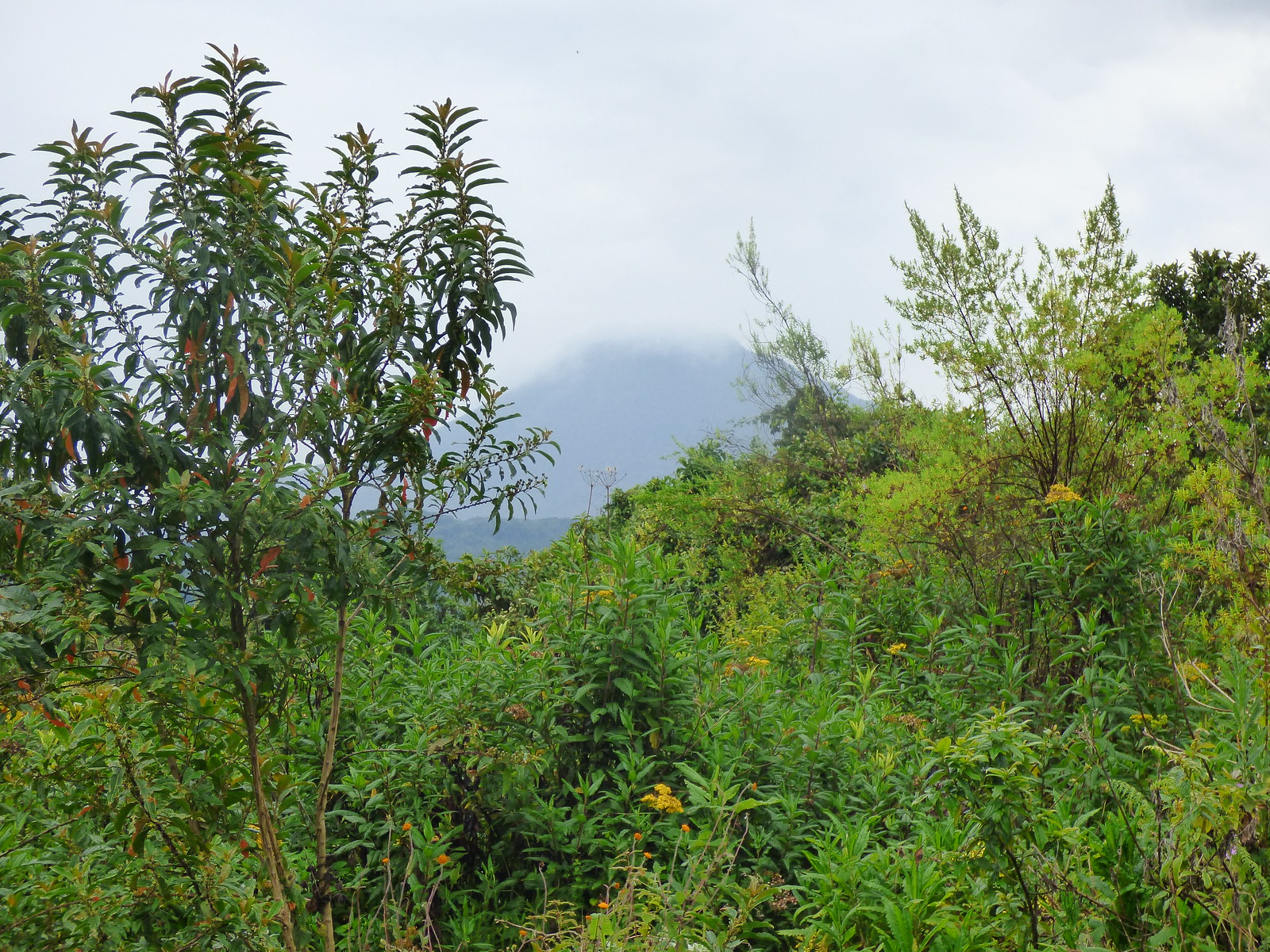
Discover Uganda’s gorilla trekking experience where misty rainforests shelter mountain gorillas, ancient trails wind through Bwindi’s depths, and every step brings you closer to one of Africa’s most profound wildlife encounters, blending raw nature, conservation, and lasting memories.
Matheniko Bokora Wildlife Reserve: National Parks and Protected Areas
Geography and Landscape Character
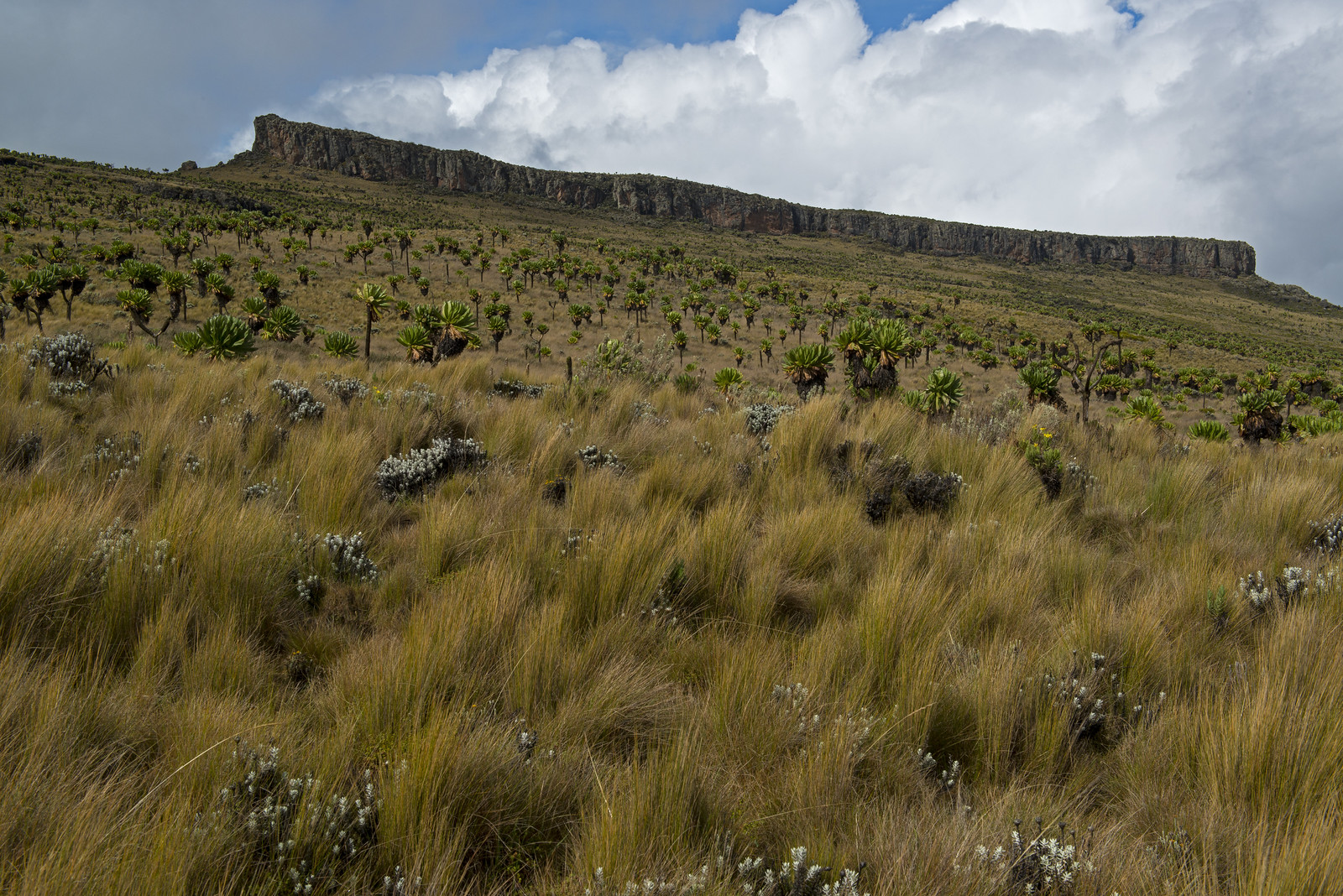
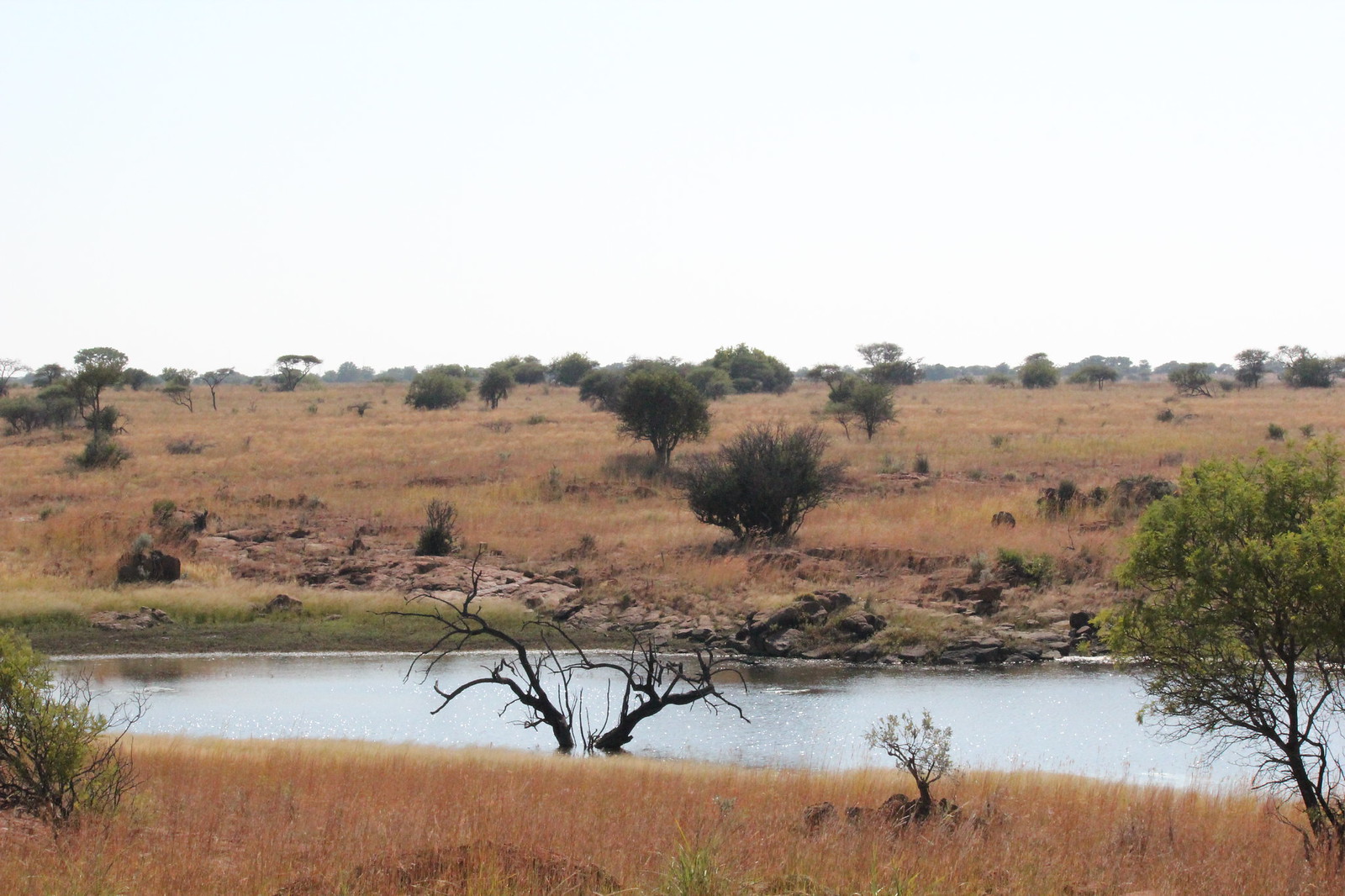
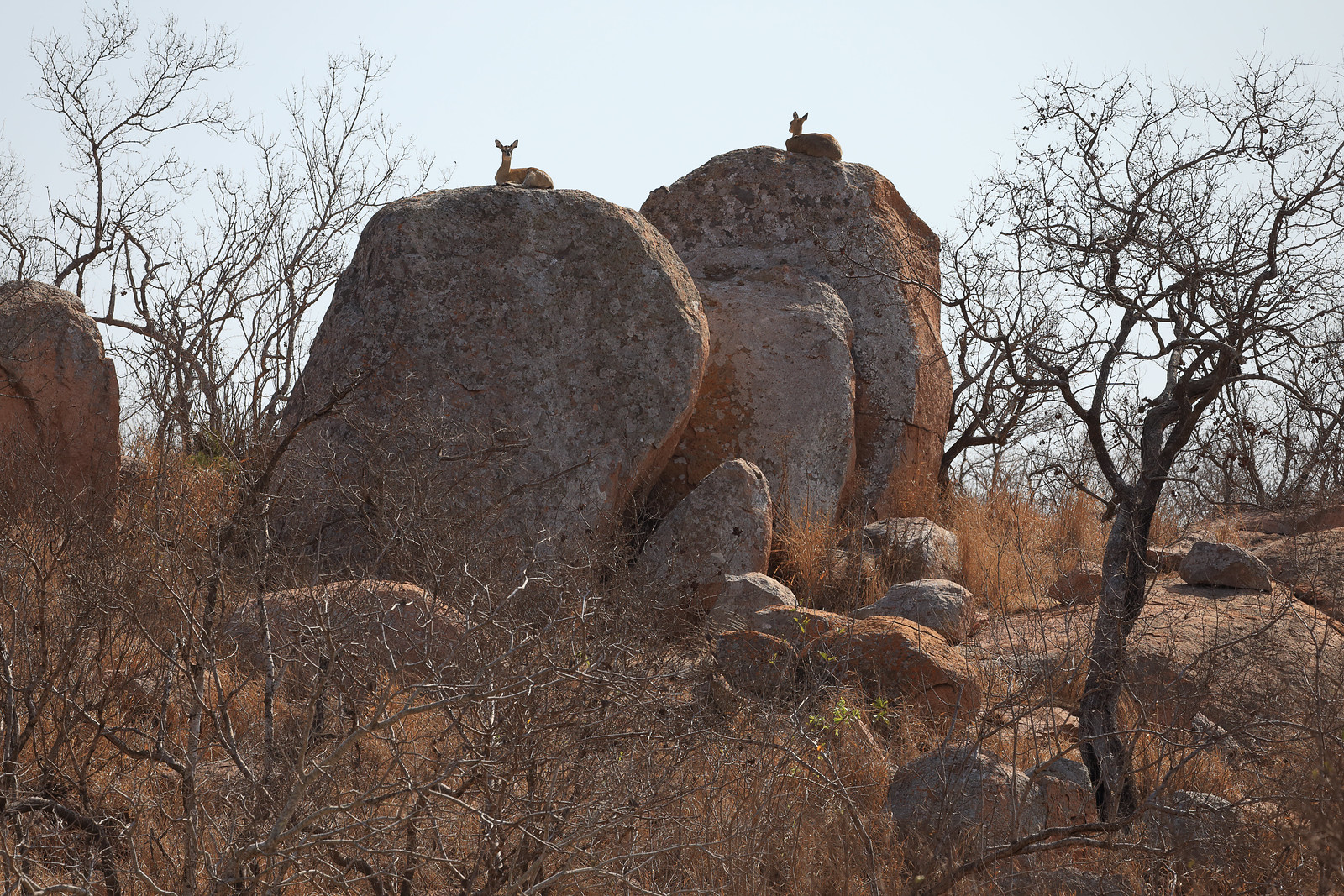
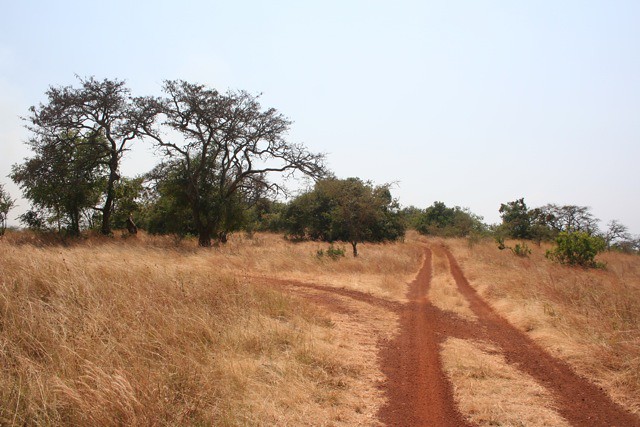
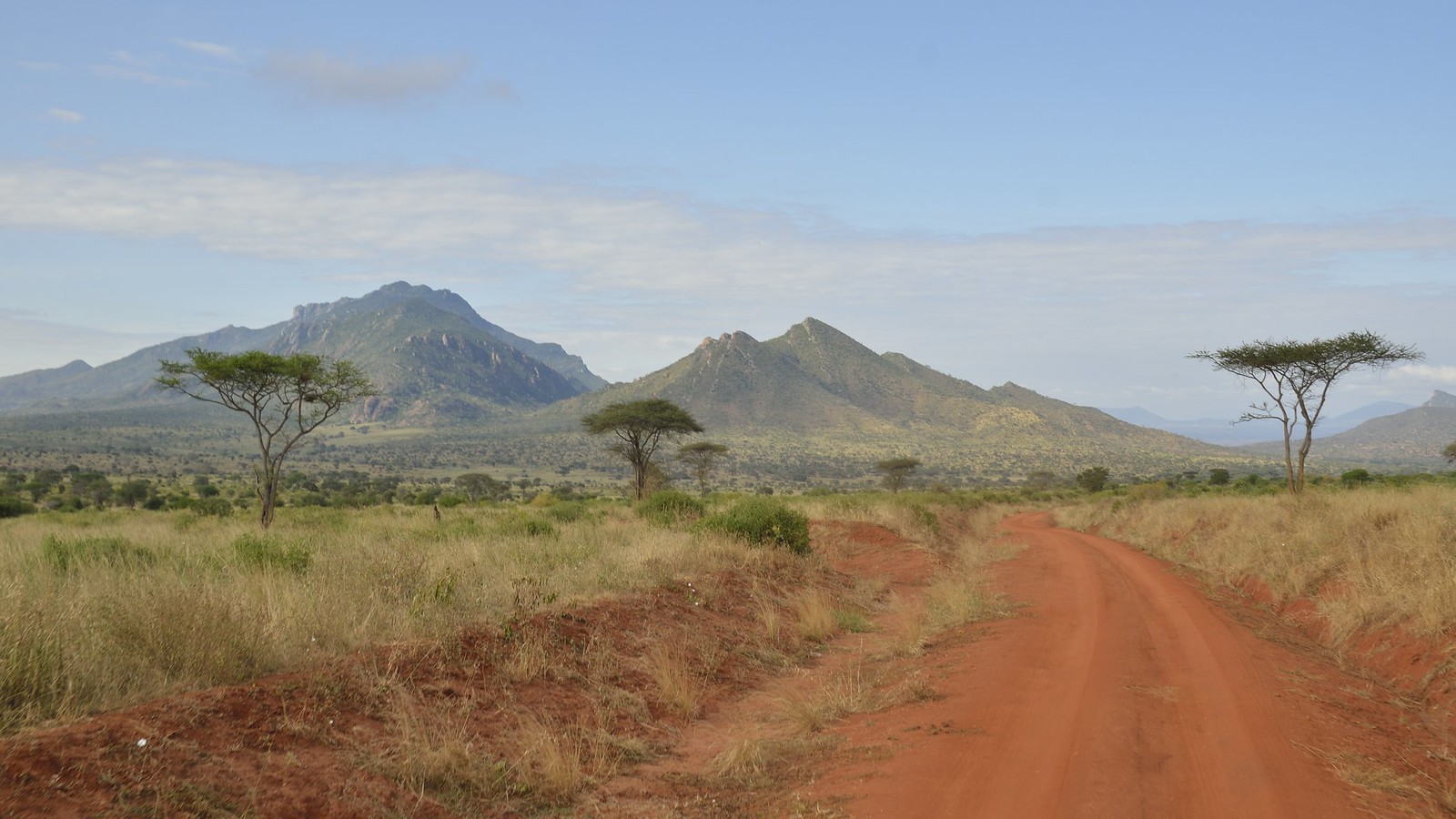
The landscape of Matheniko Bokora Wildlife Reserve is rugged, expansive, and strikingly wild, shaped by semi-arid conditions and dramatic geological features. Rolling savannah plains stretch toward distant horizons, broken by volcanic outcrops, dry riverbeds, and scattered woodlands that provide shelter for wildlife.
Seasonal rivers flow through the reserve during rainy months, temporarily transforming dry plains into green grazing grounds. During the dry season, the land takes on a golden hue, emphasizing the vastness and isolation of the terrain. These shifting seasonal contrasts create a dynamic environment that supports both wildlife movement and traditional pastoral lifestyles.
Wildlife and Savannah Species
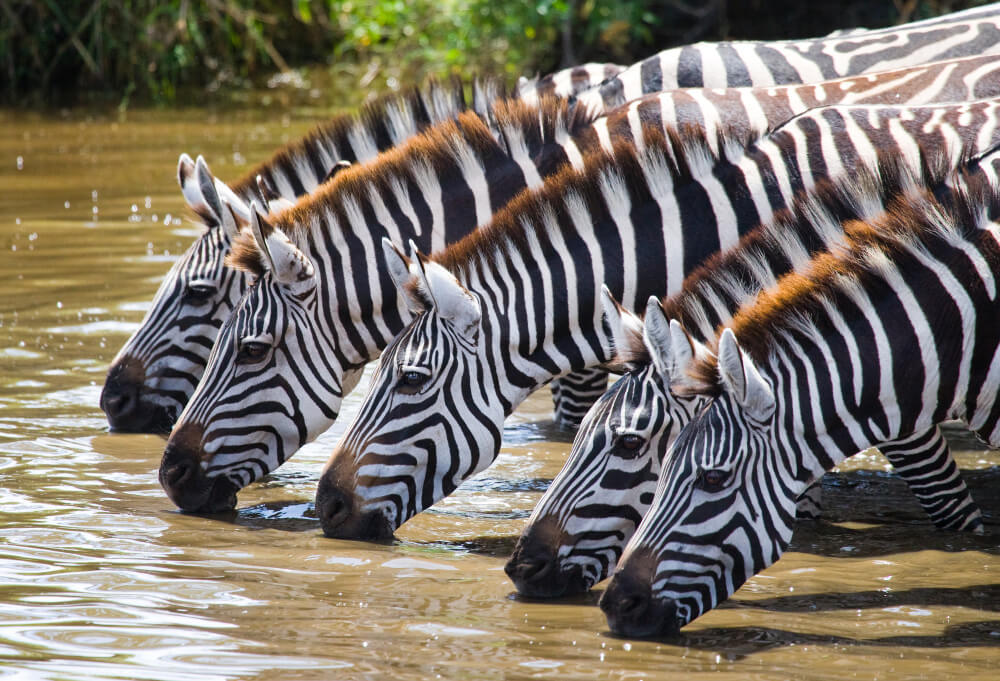
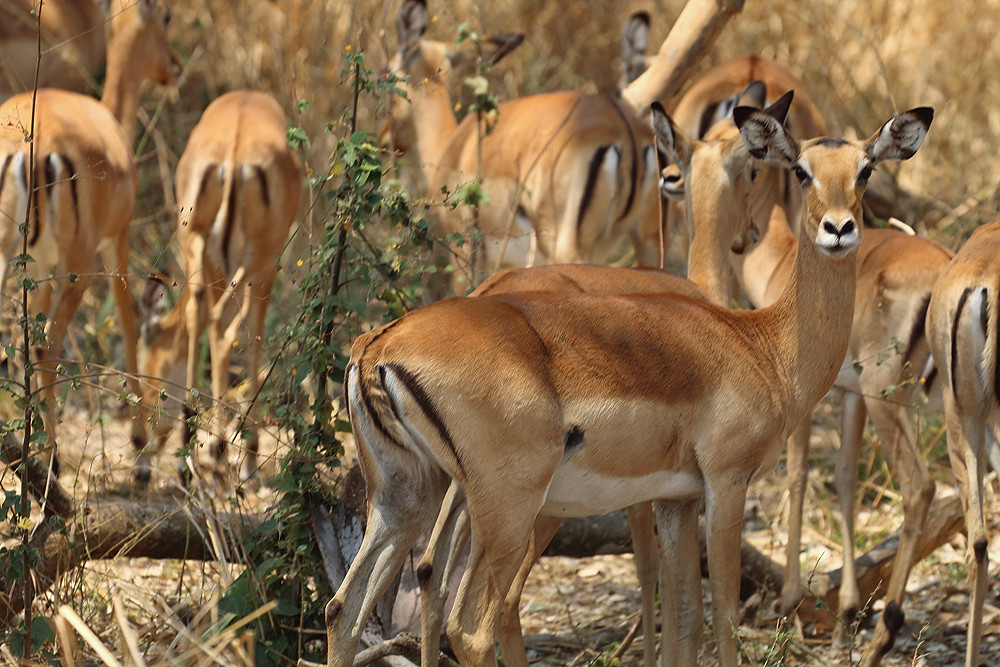
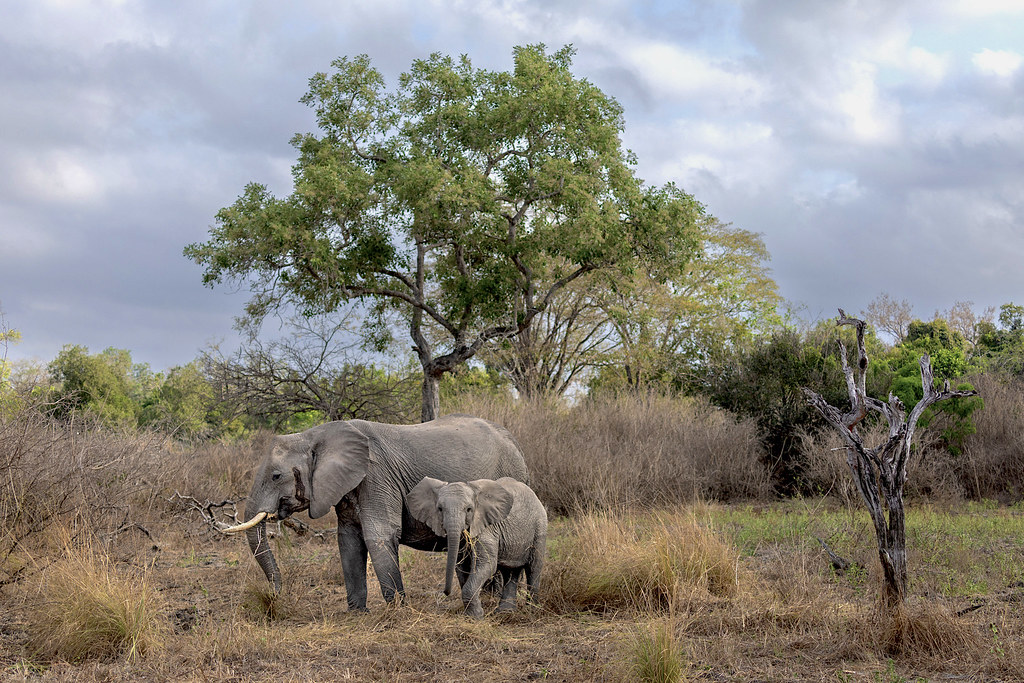
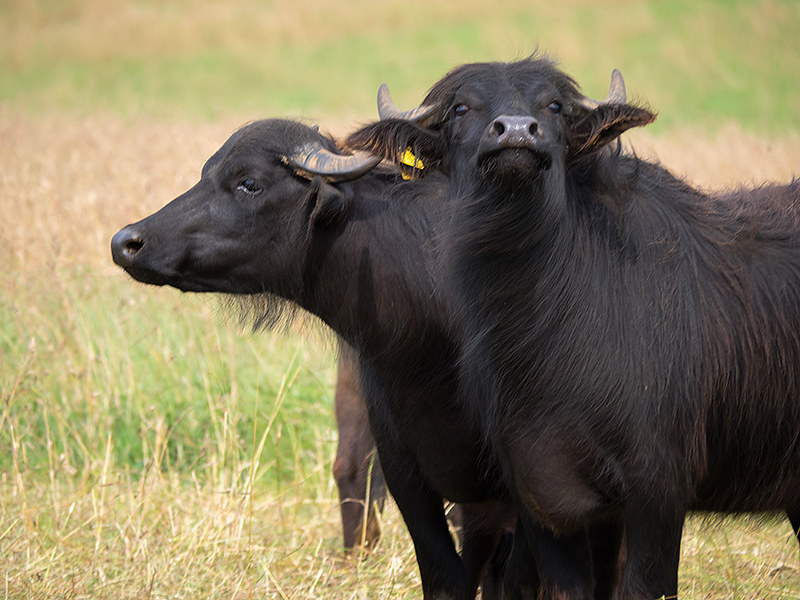
Matheniko Bokora Wildlife Reserve supports a variety of savannah wildlife species adapted to semi-arid environments, making it an important conservation area in northeastern Uganda. The reserve is home to plains zebras, buffaloes, eland, hartebeest, oribi, and various antelope species that roam freely across the open landscapes.
Predators such as lions, leopards, and hyenas are present, though sightings require patience and exploration due to the reserve’s size and limited road network. Smaller carnivores and nocturnal species thrive in the rocky outcrops and woodland areas, adding to the reserve’s ecological richness.
Wildlife viewing in Matheniko Bokora feels exploratory rather than predictable, rewarding visitors with a sense of discovery that is increasingly rare in modern safari destinations.
Birdlife and Avian Interest
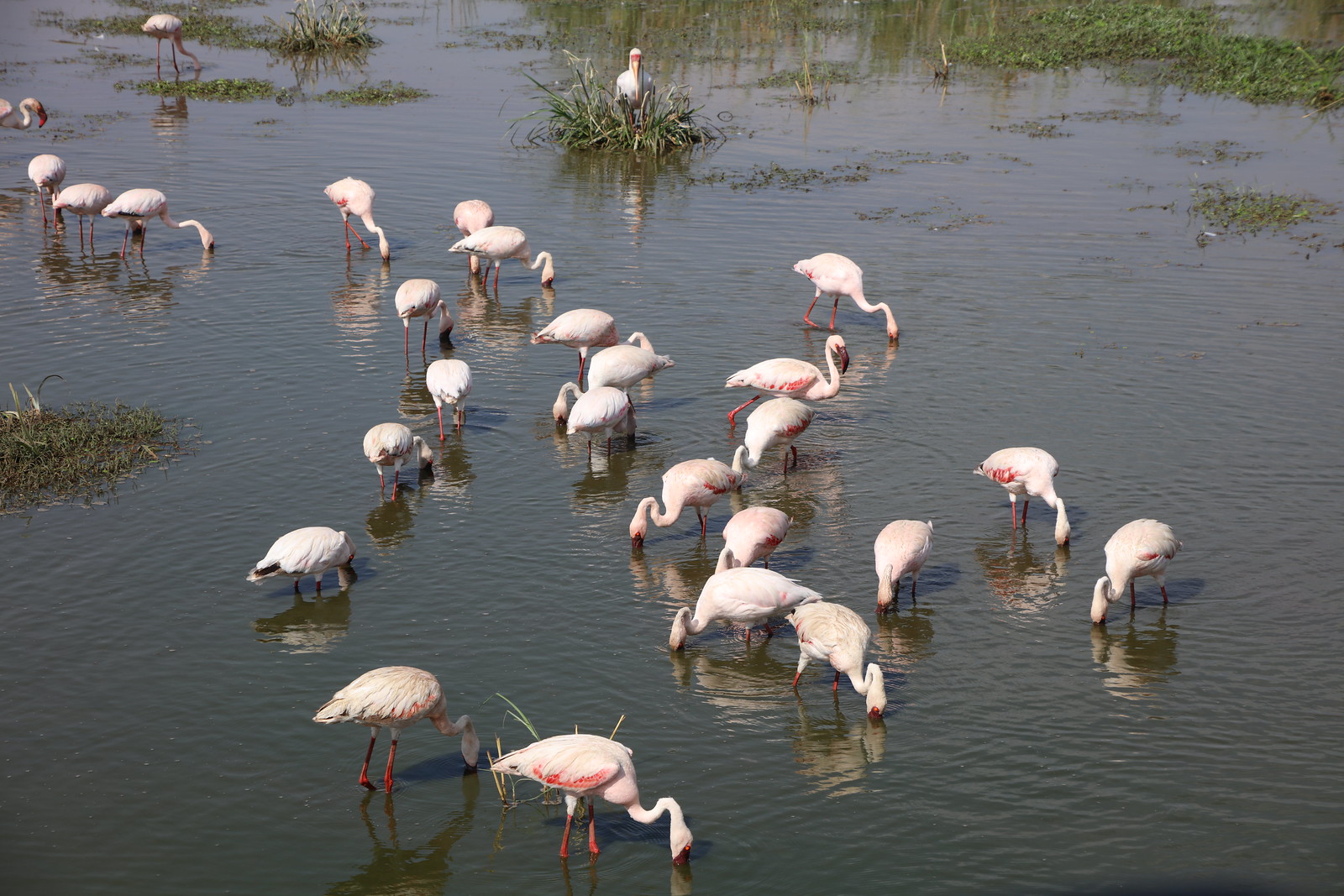
Birdlife in Matheniko Bokora Wildlife Reserve is diverse and distinctive, particularly for species associated with dry savannah and semi-desert habitats. Raptors circle above open plains, while ground-dwelling birds and woodland species inhabit riverine corridors and acacia stands.
The reserve’s relative isolation has preserved habitats for species that are sensitive to human disturbance. Birdwatchers seeking off-the-beaten-path destinations will find Matheniko Bokora a rewarding and underexplored area with strong potential for unique sightings.
Safari Experiences and Exploration
Safari activities in Matheniko Bokora Wildlife Reserve are defined by exploration and immersion, rather than structured game-drive circuits. Guided drives across open plains allow visitors to track wildlife movements, follow seasonal water sources, and interpret animal behavior in a natural, unrestricted setting.
The reserve’s openness also supports guided nature walks, where visitors can observe animal tracks, vegetation patterns, and geological features while learning about survival in semi-arid ecosystems. These walks foster a deeper understanding of the land and its ecological balance.
Cultural Heritage of the Karamoja Region
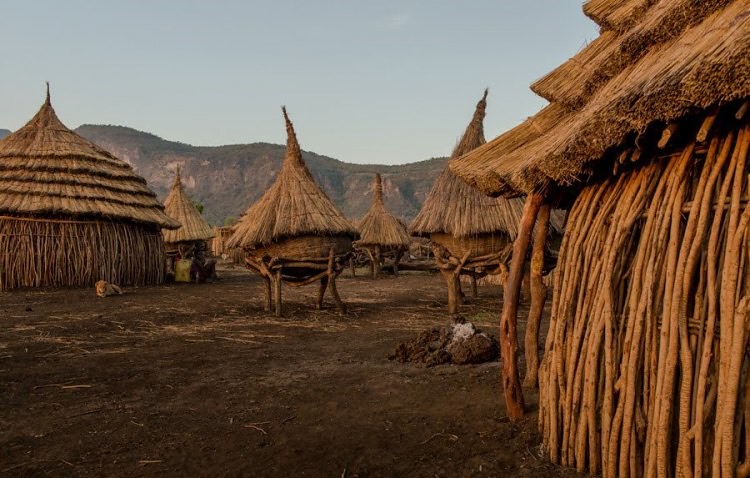
Cultural experiences are an integral part of visiting Matheniko Bokora Wildlife Reserve, as the area is deeply connected to the traditions of the Karamojong people. These semi-nomadic pastoralists have lived alongside wildlife for generations, developing resilient livelihoods centered on cattle herding, seasonal movement, and communal identity.
Cultural visits offer insight into traditional homesteads, cattle culture, music, dance, and social systems that remain largely unchanged. These encounters are respectful and educational, highlighting how conservation and traditional lifestyles can coexist in challenging environments.
Conservation Importance and Challenges
Matheniko Bokora Wildlife Reserve plays a crucial role in conserving northeastern Uganda’s savannah ecosystems, acting as a wildlife corridor between protected areas in the Karamoja region. The reserve helps maintain genetic diversity and seasonal migration routes for wildlife moving between habitats.
Conservation efforts focus on habitat protection, community engagement, and reducing human-wildlife conflict. Responsible tourism contributes to these initiatives by providing economic incentives for conservation and supporting local livelihoods tied to wildlife protection.
Best Time to Visit Matheniko Bokora Wildlife Reserve
The best time to visit Matheniko Bokora Wildlife Reserve is during the dry season, when access roads are more reliable and wildlife congregates around remaining water sources. These conditions improve visibility and increase chances of wildlife sightings.
The wet season brings dramatic changes to the landscape, with renewed vegetation and flowing rivers enhancing scenic beauty. While travel may be more challenging, this period offers excellent birdlife activity and a greener, more vibrant environment.
Accommodation and Access
Accommodation options around Matheniko Bokora Wildlife Reserve are limited and intentionally low-impact, reflecting the area’s remote character. Visitors typically stay in simple lodges, community-run camps, or mobile safari setups that emphasize immersion in the wilderness.
Access to the reserve is usually via road from Moroto or through combination itineraries that include Kidepo Valley National Park and other Karamoja destinations. The journey itself forms part of the adventure, offering insight into Uganda’s least developed yet most culturally rich regions.
Why Matheniko Bokora Wildlife Reserve Is Unique
Matheniko Bokora Wildlife Reserve stands out for its authenticity, remoteness, and cultural depth, offering a safari experience that feels closer to exploration than tourism. Its wide-open spaces, minimal infrastructure, and strong cultural connections create a sense of place that is increasingly rare.
For travelers seeking solitude, raw landscapes, and meaningful engagement with both wildlife and local communities, Matheniko Bokora provides a powerful alternative to conventional safari parks.
Our Recommended Tour Ideas

Extended time near known Mara River crossing points, chasing the migration's most dramatic single moment.

A focused Masai Mara trip timed to migration season, when the reserve holds one of the densest wildlife concentrations on Earth.
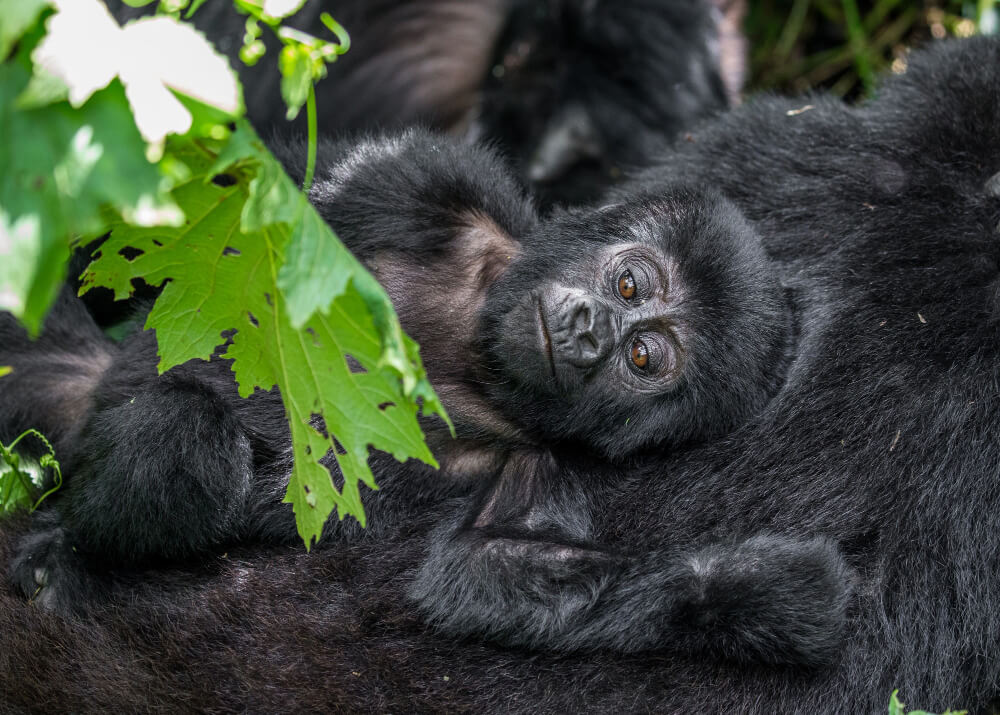
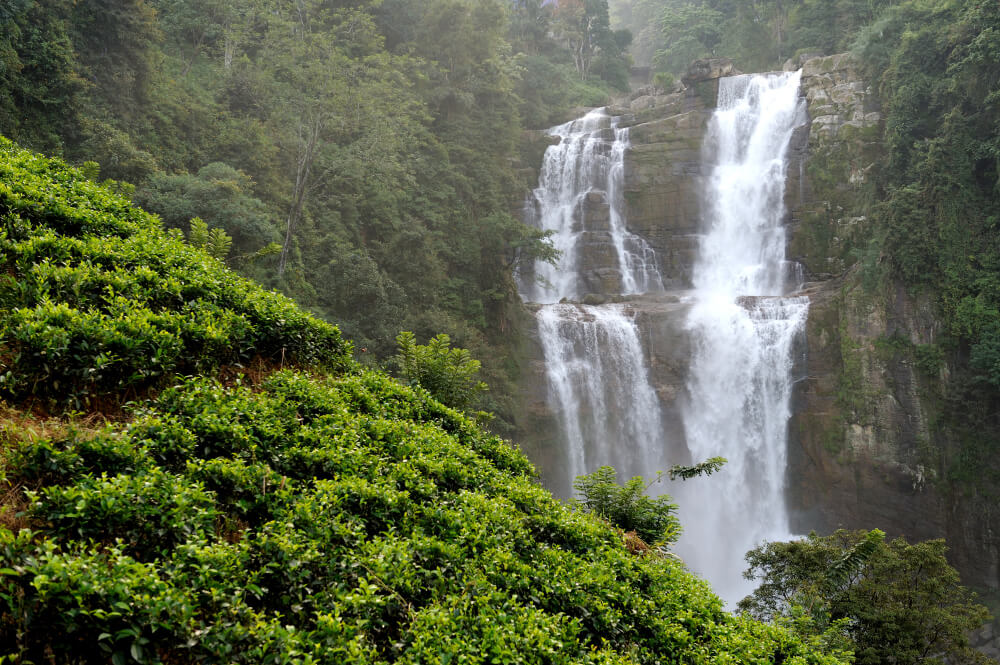
Explore Rwanda's gorillas, golden monkeys, tea plantations and cultural sites on this top 7-day Rwanda safari.
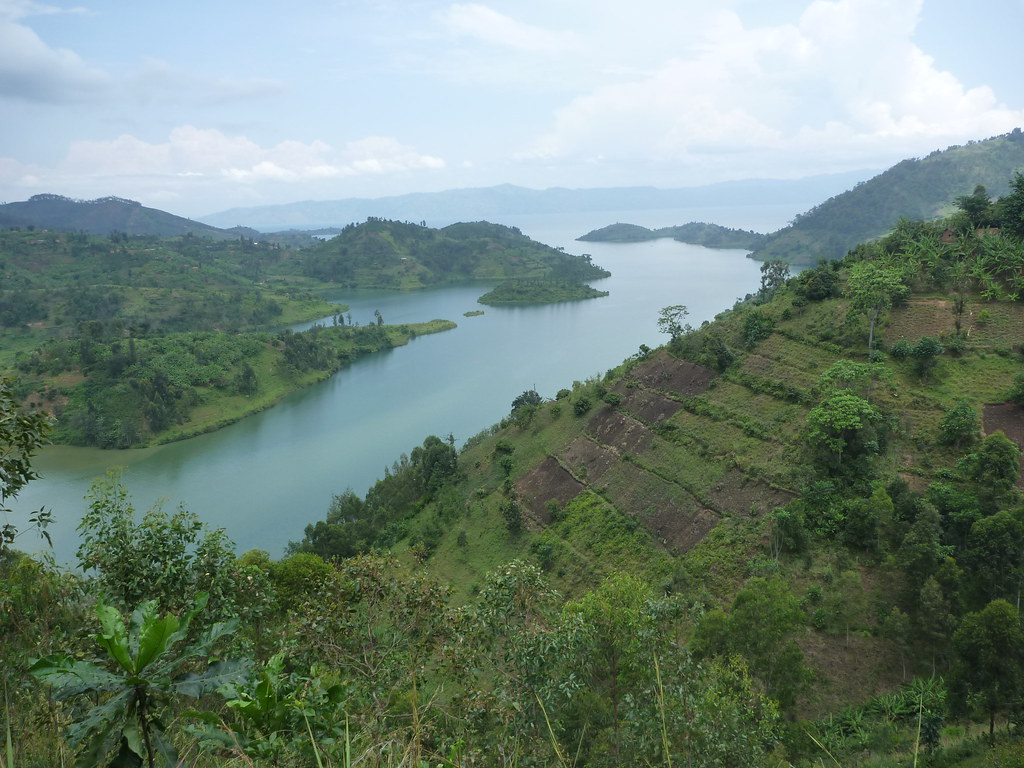
Cruise the Nile and trek to Murchison Falls on this action-packed 4-day Uganda Murchison Falls safari journey.

Explore Uganda gorilla safaris and Rwanda's Volcanoes Park on this excellent 6-day Uganda cross-border safari.
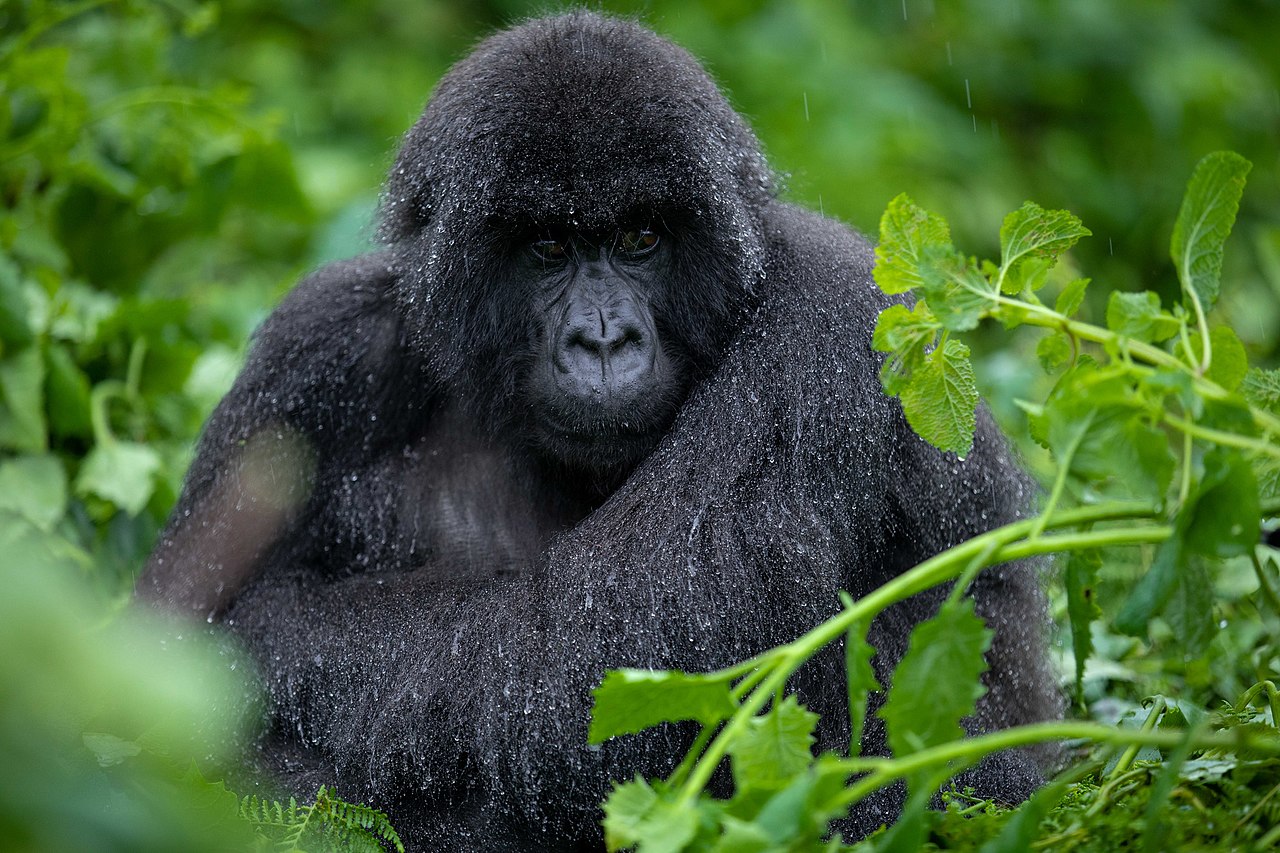
A romantic 4-day Rwanda safari for newlyweds, pairing one gorilla trek with boutique lodges and private transfers throughout.
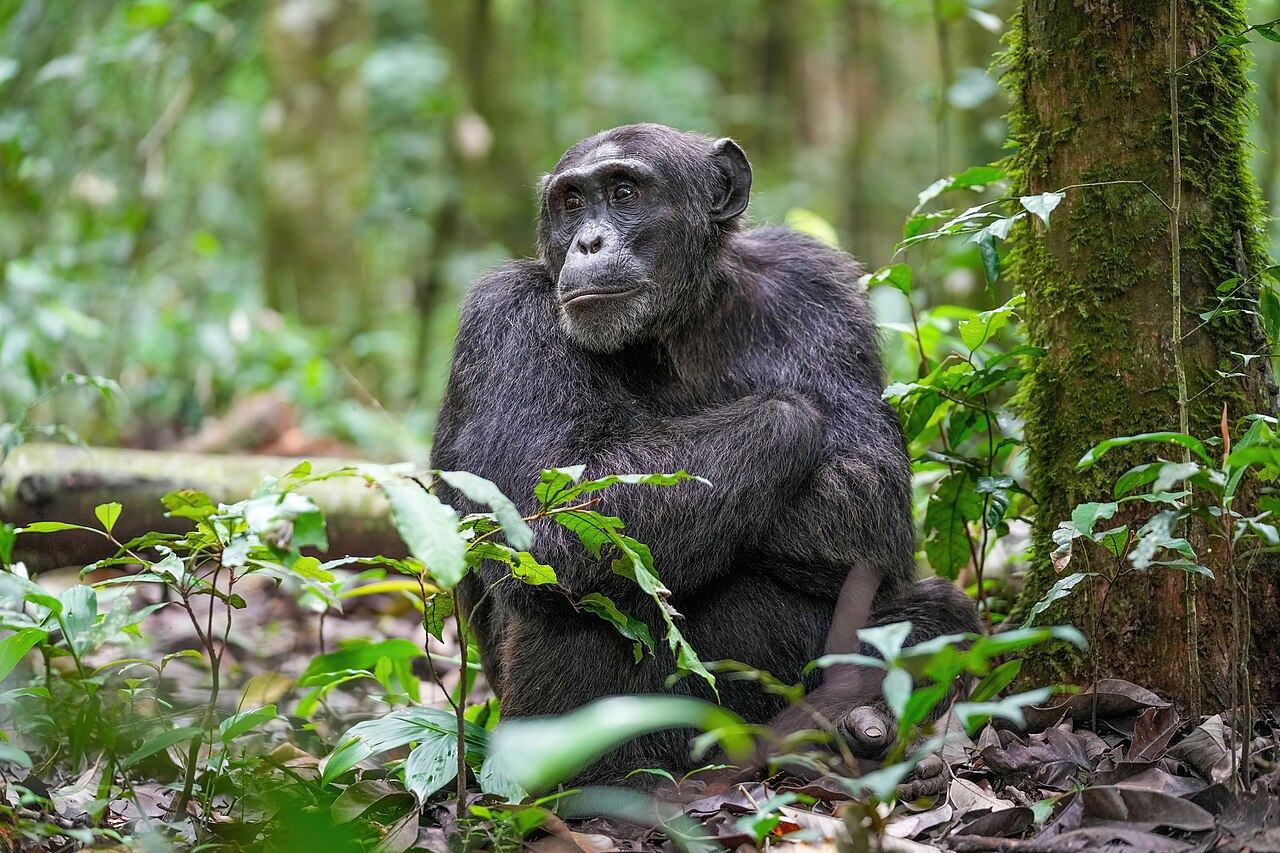
Chimp trekking in Kibale, a Kyambura Gorge walk, and Big Five game drives in Queen Elizabeth National Park in one trip.
The migration's scale in the Serengeti paired with Ngorongoro Crater's density and reliability.

Track rare golden monkeys of Volcanoes National Park on this memorable 2-day Rwanda golden monkey safari trip.
What Our Travelers Enjoyed About Primate Safaris

Gorillas "Silverback"
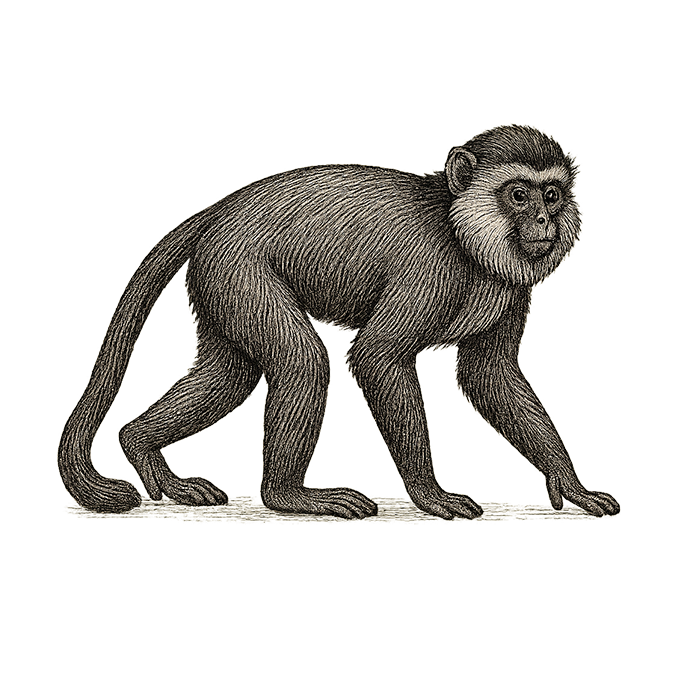
Golden Monkey "Photogenic"
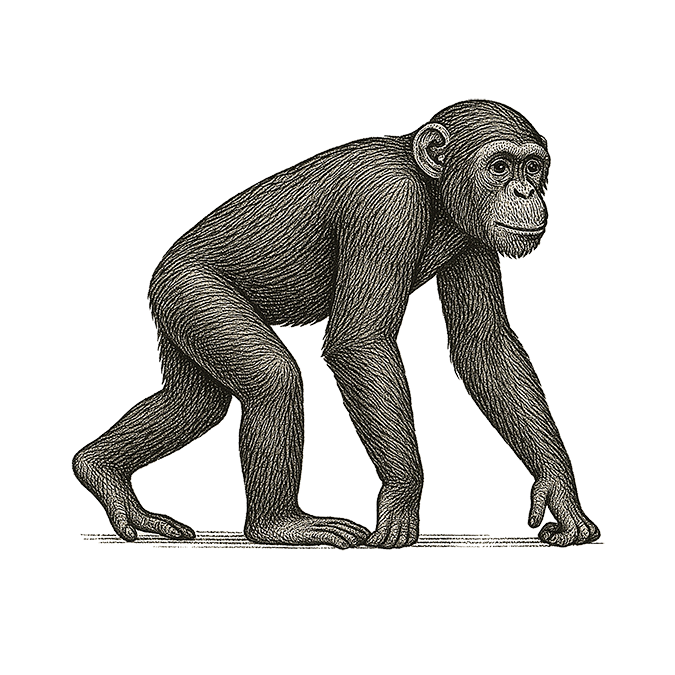
Chimpanzees "Pant-hoot"