
Meru National Park
January 28, 2026
Nyerere National Park
January 28, 2026

Nairobi National Park
Established in 1946, Nairobi National Park was Kenya’s first national park, created to protect wildlife in the face of rapid urban expansion. Today, it is managed by the Kenya Wildlife Service (KWS) and serves as both a tourist destination and an important conservation area, particularly for endangered species such as the black rhinoceros. Despite urban encroachment, the park remains a vibrant sanctuary for large mammals, birds, and predators, drawing tourists, researchers, and locals alike.



Attractions In Rwanda
Attractions In Tanzania
Uganda Gorilla Trekking Experience
Discover Uganda’s gorilla trekking experience where misty rainforests shelter mountain gorillas, ancient trails wind through Bwindi’s depths, and every step brings you closer to one of Africa’s most profound wildlife encounters, blending raw nature, conservation, and lasting memories.
Nairobi National Park: National Parks and Protected Areas
A Unique Urban-Safari Landscape
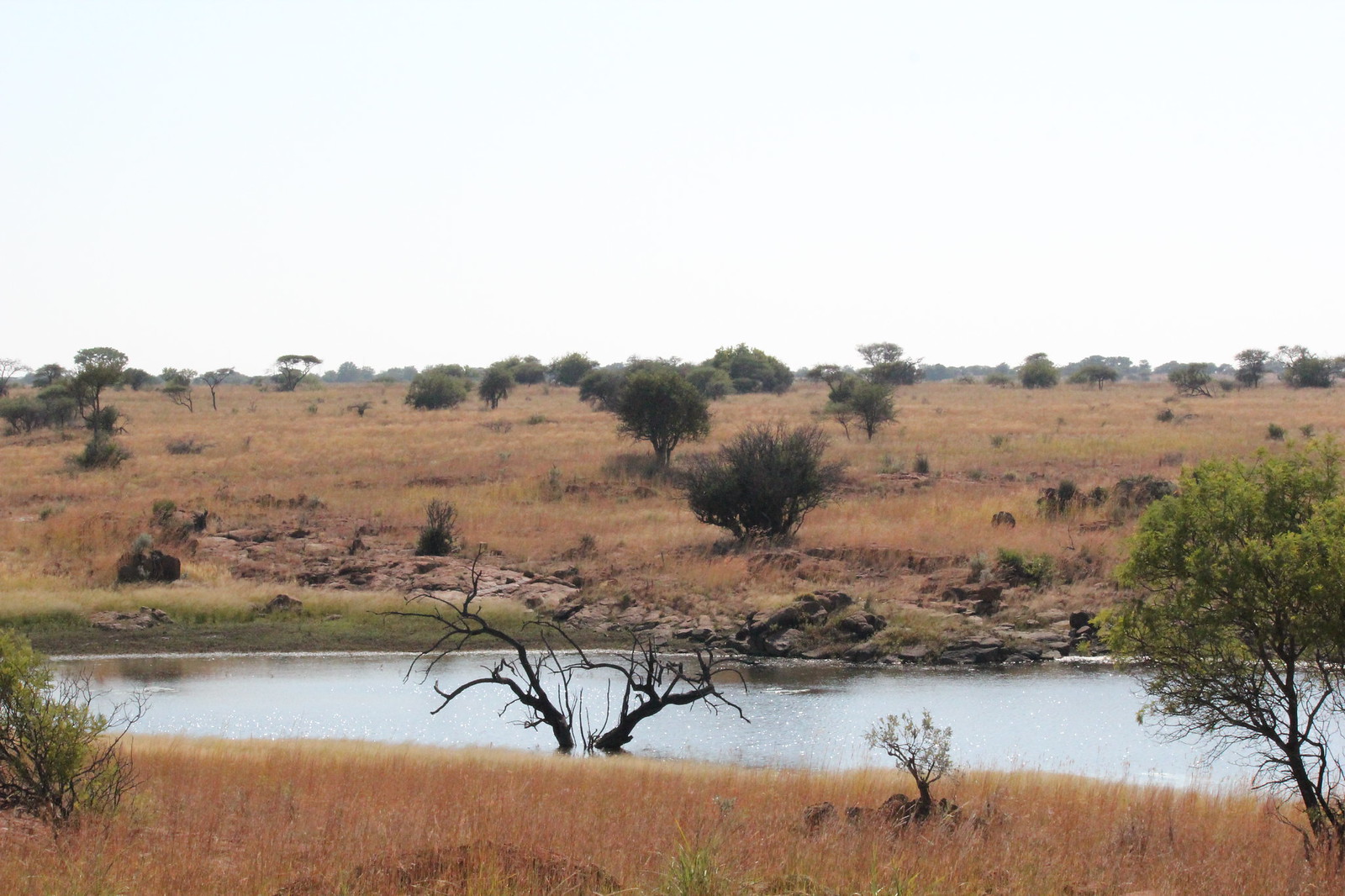
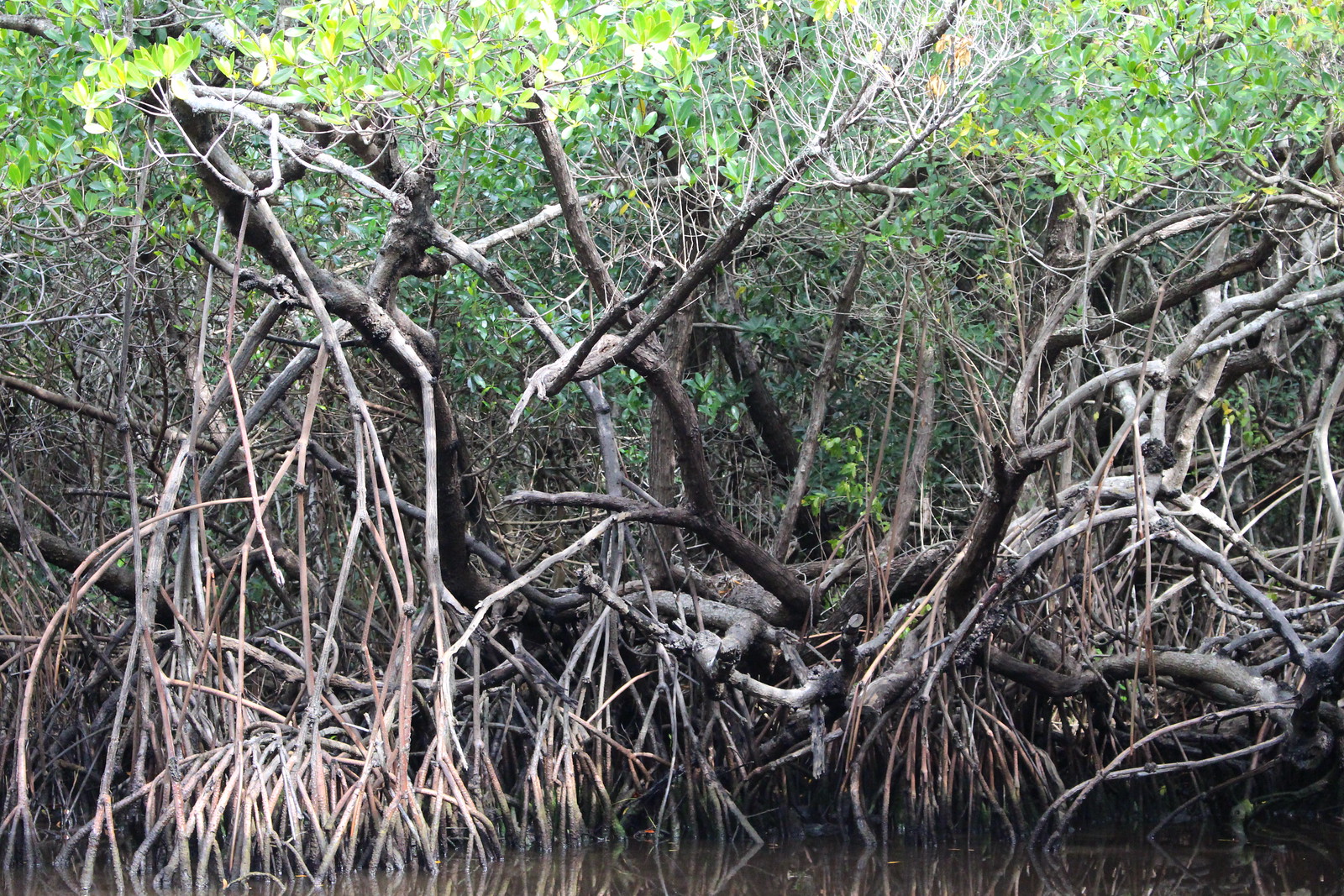
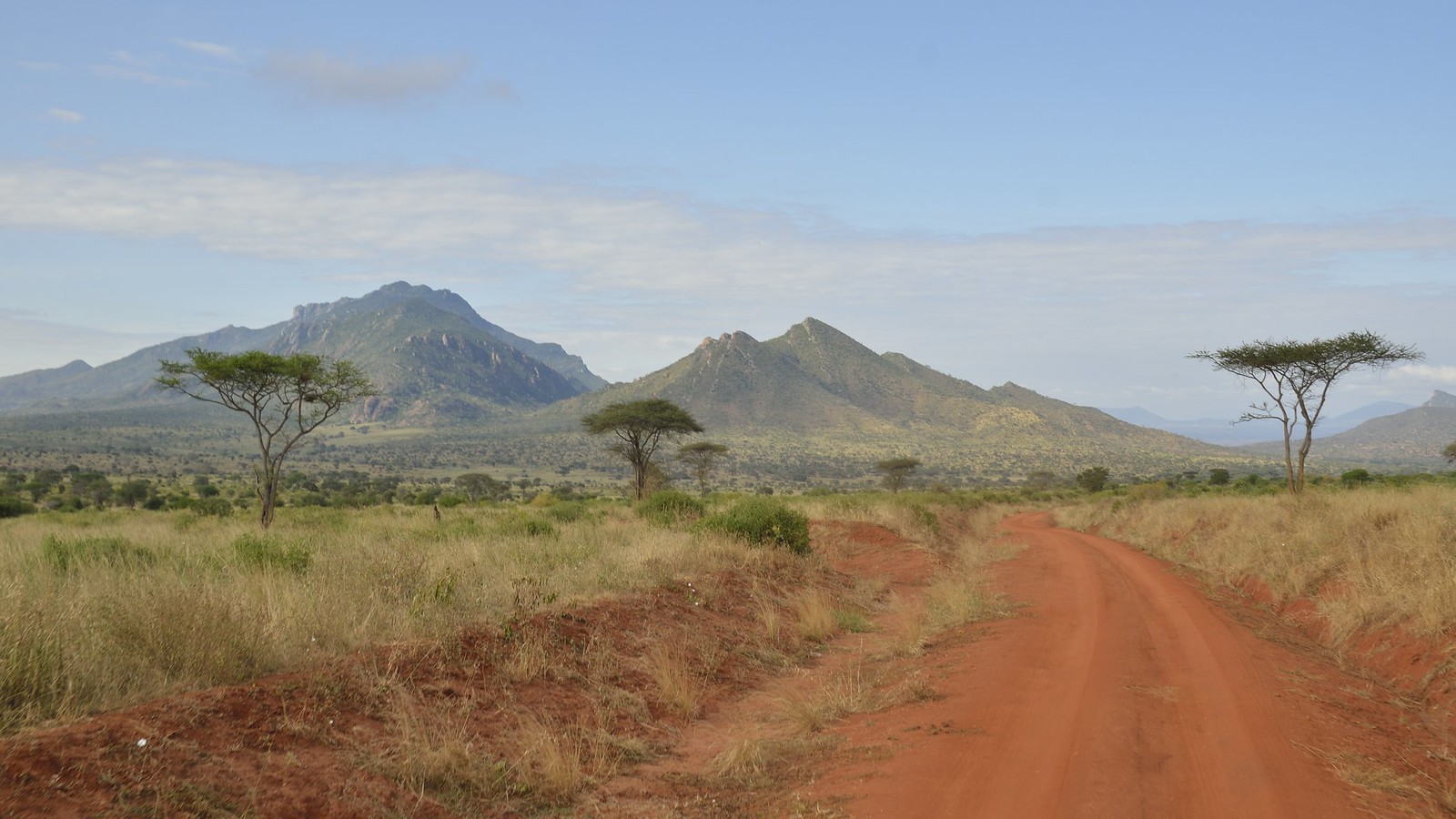
Nairobi National Park is an unusual combination of savannah plains, riverine forests, and hilly landscapes, all within kilometers of the city center. The Athi-Kapiti plains, which form the majority of the park, provide open grasslands where herds of zebras, wildebeests, and gazelles graze, creating a quintessential safari scene.
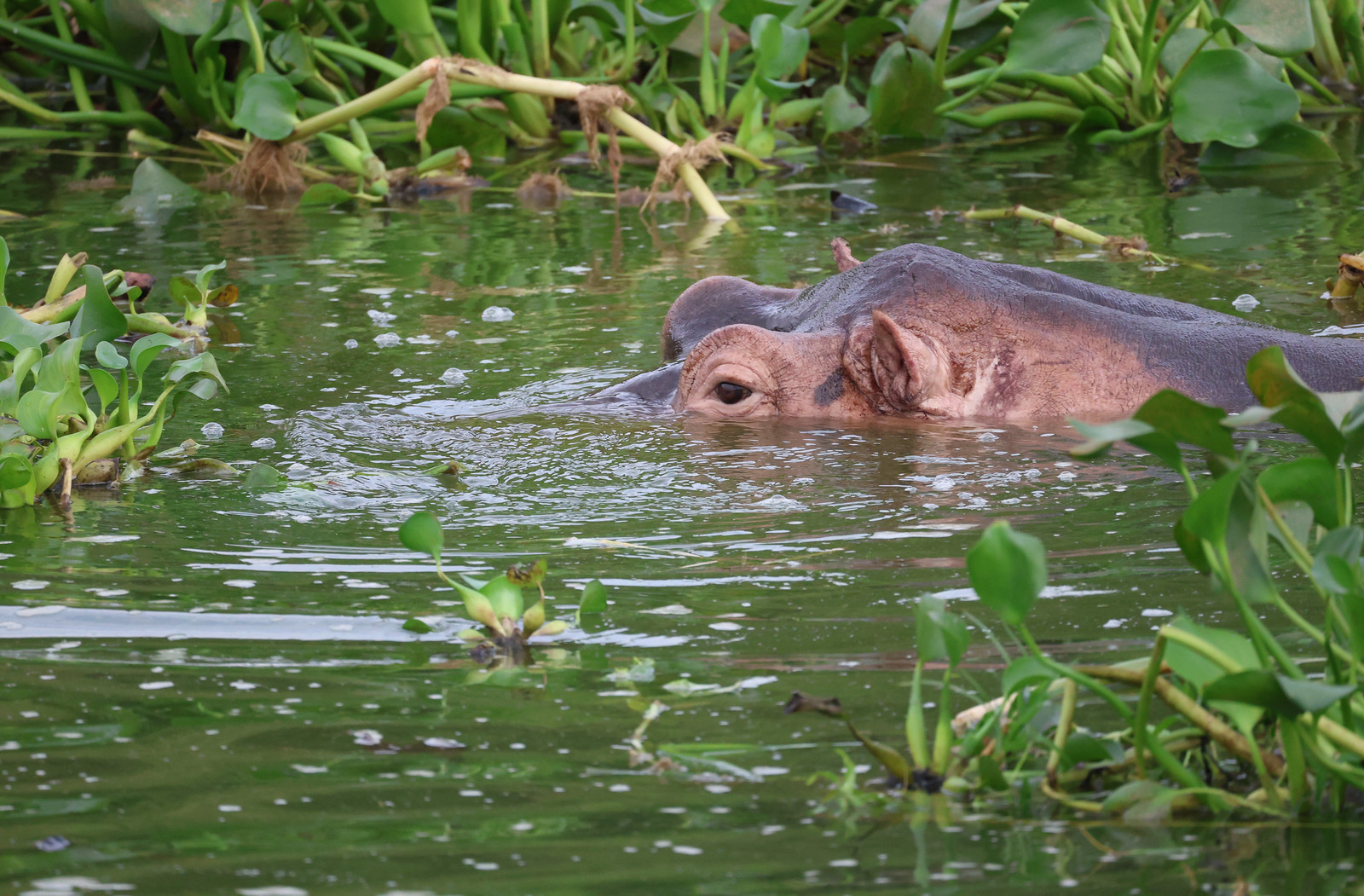
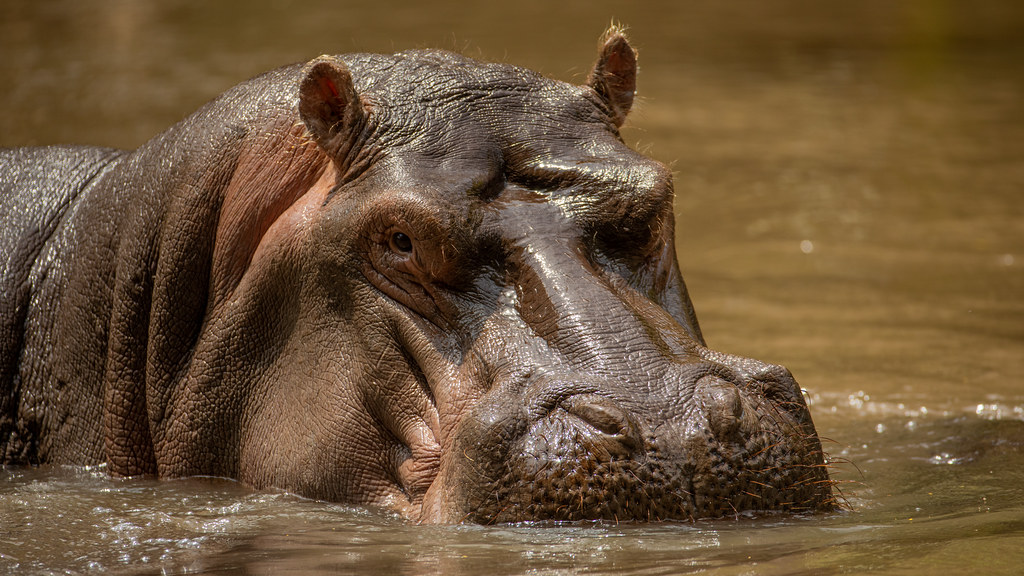
The Ngong Hills rise in the background, adding dramatic scenery and a touch of green to the open plains. Seasonal rivers and wetlands, such as the Nairobi River, offer water sources for hippos, crocodiles, and various bird species. This juxtaposition of urban skyline, rolling hills, and wildlife plains is a defining characteristic of Nairobi National Park, giving visitors an unforgettable sense of place.
Iconic Wildlife of Nairobi National Park
Despite its small size and urban proximity, Nairobi National Park hosts a remarkable diversity of wildlife.
Predators: Lions, Cheetahs, and Hyenas
The park is home to lions, often seen resting under acacia trees or patrolling the grasslands. Lion prides in Nairobi National Park have adapted to the proximity of humans, yet they maintain natural hunting and territorial behaviors.
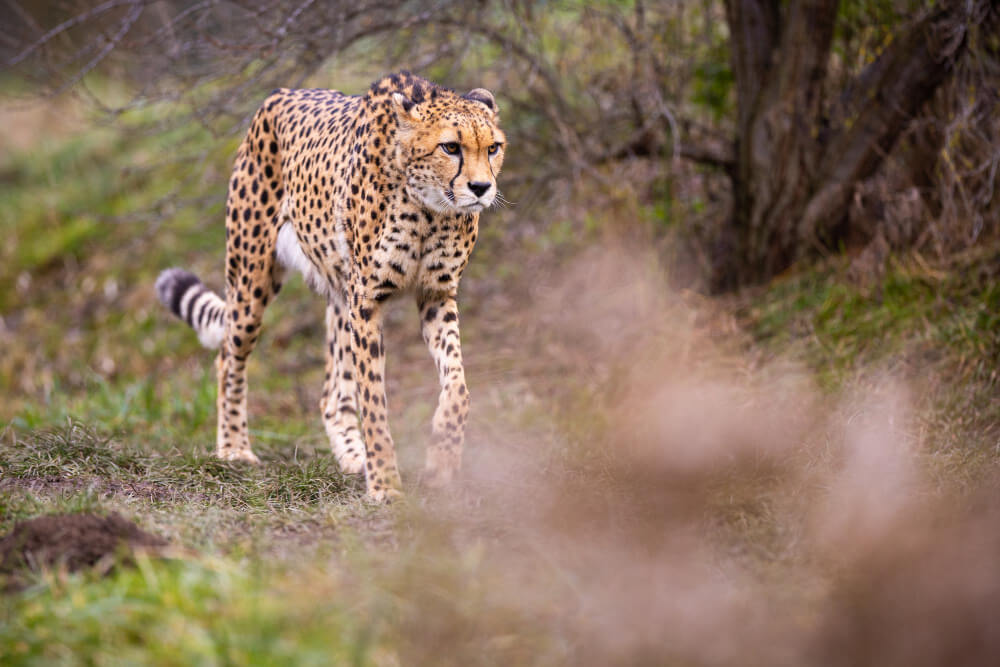
Cheetahs, though rarer, can be sighted sprinting across open plains, a thrilling experience for photographers and safari-goers. Spotted hyenas patrol at night and are sometimes observed scavenging in early morning or evening, adding to the park’s predator-prey dynamics.
Black and White Rhinoceroses
One of the park’s most significant conservation successes is the protection of the black rhinoceros, critically endangered due to poaching pressures. Nairobi National Park provides a safe haven for these magnificent creatures, alongside a smaller population of white rhinos. Dedicated anti-poaching units, surveillance, and conservation programs ensure these rhinos continue to thrive.
Herbivores: Zebras, Giraffes, Buffalo, and Gazelles
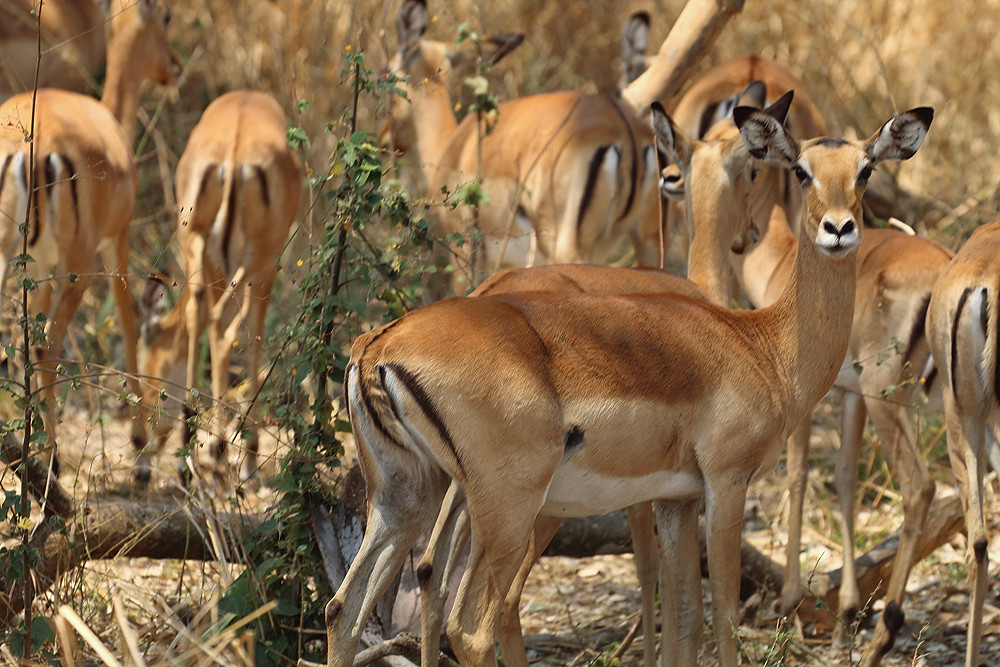
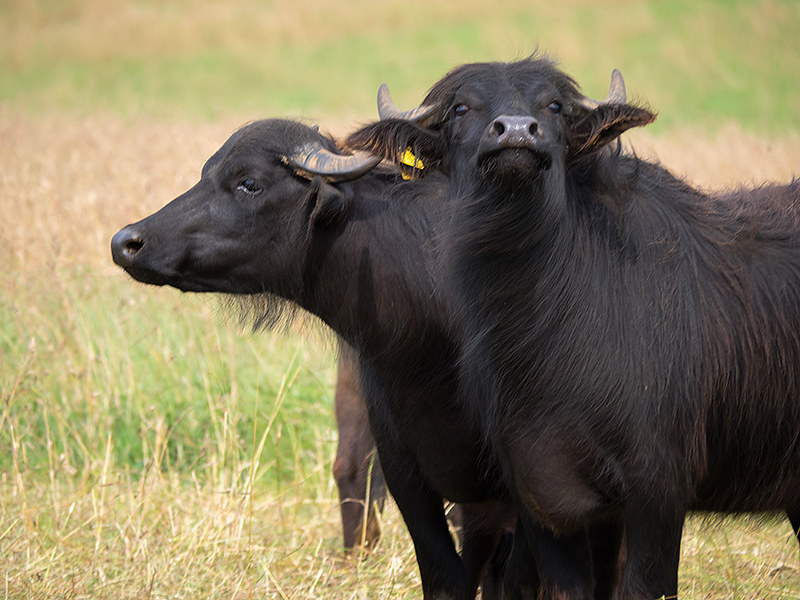
Open plains support herds of Burchell’s zebras, impalas, Thomson’s gazelles, and wildebeests, while the woodland edges shelter giraffes and African buffalo. These species interact naturally, creating dynamic landscapes where predators, prey, and scavengers coexist in observable ecosystems.
Primates and Smaller Mammals
Nairobi National Park is home to vervet monkeys and baboons, often seen foraging in forested areas or moving across plains. Smaller carnivores, such as jackals, servals, and mongooses, add depth to the park’s ecological web.
Birds: A Birdwatcher’s Paradise
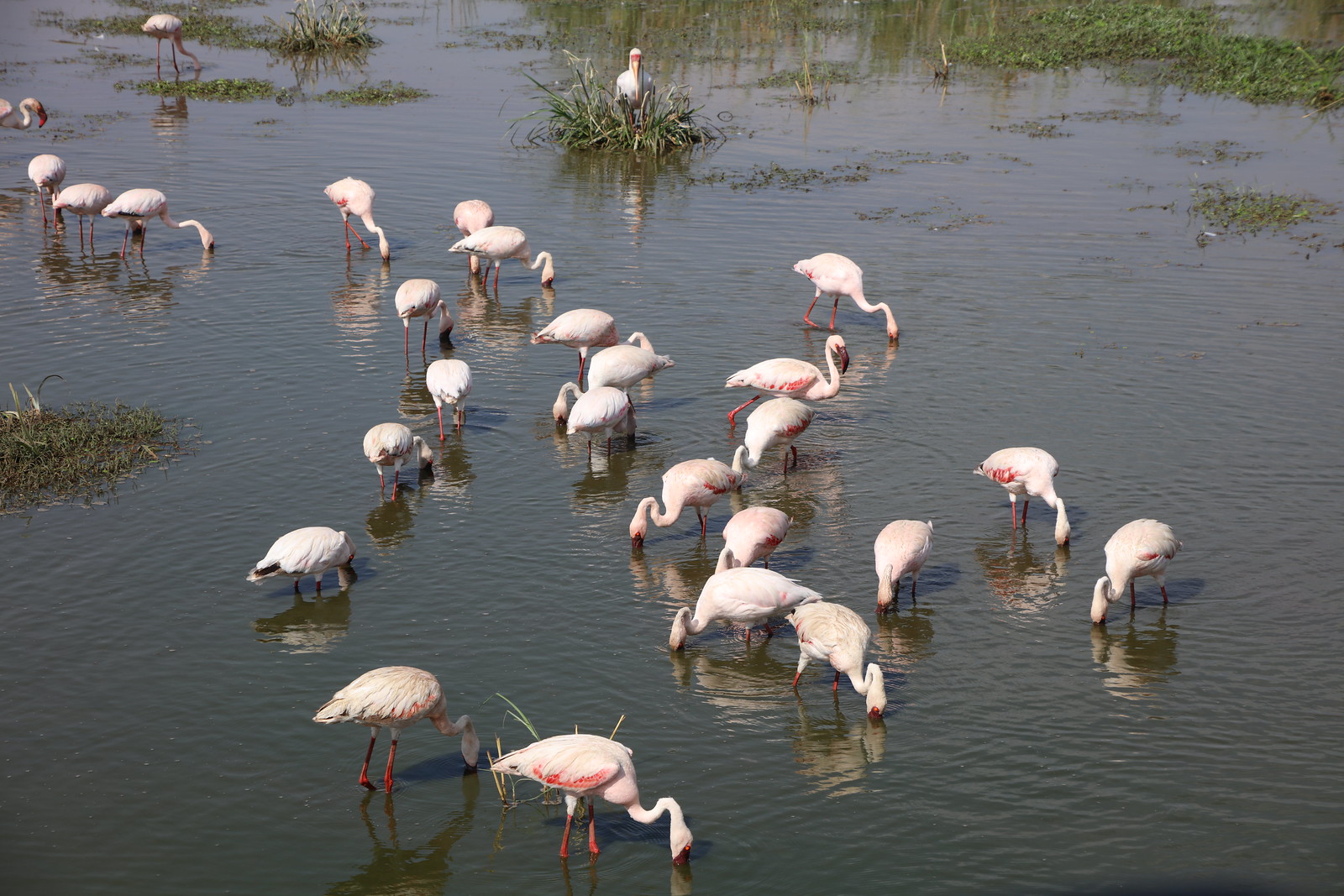
Over 400 bird species have been recorded, ranging from raptors and waterbirds to colorful forest species. Flamingos occasionally visit seasonal wetlands, while fish eagles, pelicans, and storks patrol rivers and lakes. Woodland areas shelter hornbills, turacos, and weavers, offering birdwatching opportunities that complement the mammal-focused safari experience.
Safari Experiences in Nairobi National Park
Nairobi National Park offers unique safari experiences unlike any other park in Africa, combining convenience, wildlife diversity, and the novelty of an urban backdrop.
Game Drives
Game drives are the most popular activity, with early morning and late afternoon being ideal for spotting predators and observing natural behaviors. Professional guides track wildlife across plains, woodland edges, and riverine areas, providing both entertainment and education for visitors.
Walking Safaris and Nature Walks
Guided walking safaris allow visitors to explore smaller ecosystems, including forests, wetlands, and riparian zones. Walking tours are ideal for observing smaller mammals, birdlife, and ecological interactions, offering an intimate perspective not possible from vehicles.
Educational and Conservation Tours
Nairobi National Park has an educational component, with programs that highlight conservation successes, wildlife behavior, and anti-poaching efforts. Schools, researchers, and tourists can learn about the importance of protecting endangered species, such as rhinos, and the challenges of managing a park next to a bustling city.
Conservation Efforts and Challenges
Being adjacent to Nairobi, the park faces unique conservation challenges, including:
-
Urban encroachment that threatens wildlife corridors.
-
Human-wildlife conflict at park boundaries.
-
Poaching pressures, particularly for rhinos.
Despite these challenges, Kenya Wildlife Service (KWS) has implemented robust measures:
-
Anti-poaching patrols and rhino monitoring units.
-
Wildlife corridor projects to allow safe movement of animals between the park and surrounding ecosystems.
-
Community engagement programs, ensuring local residents benefit from tourism and conservation initiatives.
These measures have helped maintain Nairobi National Park as a functioning ecosystem while allowing thousands of visitors to experience wildlife safely.
Visiting Nairobi National Park: Practical Tips
How to Get There
The park is located just 7 kilometers south of Nairobi city center, making it easily accessible by car. Many visitors combine a park visit with other city attractions or as part of a larger safari itinerary that includes Amboseli, Maasai Mara, or Lake Naivasha.
Accommodation
Nairobi National Park offers a range of options:
-
Luxury lodges overlooking plains or rivers.
-
Mid-range hotels and campsites for budget-conscious visitors.
-
City hotels with park-access packages, ideal for combining urban and wildlife experiences.
Best Time to Visit
-
Dry Season (June–October, January–February): Ideal for game viewing and wildlife concentrations.
-
Wet Season (March–May, November–December): Lush landscapes, birding highlights, and fewer tourists.
Safari Tips
-
Carry binoculars and camera gear for wildlife and city-backdrop photography.
-
Wear neutral-colored clothing to blend into natural environments.
-
Stay hydrated and follow guide instructions for safety and ethical wildlife observation.
Why Nairobi National Park Matters
Nairobi National Park is more than a tourist destination. It is a conservation success story demonstrating that wildlife can survive and thrive near urban areas with proper management. Its unique combination of cityscape and wilderness allows visitors to witness African wildlife in a completely different context — lions lounging under acacias while Nairobi’s skyline rises in the distance, or rhinos grazing against the backdrop of urban development.
The park serves as a living classroom, educating visitors on biodiversity, conservation, and sustainable coexistence between humans and wildlife. It is also a vital refuge for endangered species, particularly rhinos, and a critical component of Kenya’s wildlife corridors.
Nairobi National Park is a one-of-a-kind safari destination. Its compact size, urban proximity, and rich wildlife make it an accessible, memorable, and educational experience for visitors of all ages. Whether on a morning game drive, a birdwatching walk, or an educational tour, visitors leave with a profound appreciation for Kenya’s wildlife heritage and the delicate balance between urban life and nature.
Here, in the shadow of a bustling capital, the roar of a lion or the graceful stride of a giraffe reminds us that Africa’s wilderness can exist even at the edge of human civilization. Nairobi National Park is proof that wild places still matter — and that they can inspire awe, conservation, and wonder in everyone who enters.
Our Recommended Tour Ideas

Experience all Uganda highlights from gorilla trekking to Murchison Falls on this thorough epic 15-day safari.

Trek gorillas in Bwindi, raft the Nile in Jinja and enjoy culture on this rather exciting 9-day Uganda safari.

Combine the Ngorongoro Crater and Serengeti on this outstanding 5-day Tanzania wildlife safari for great game.

Trek Rwanda gorillas and track golden monkeys and colorful primates on this wildlife-rich 7-day Rwanda safari.

A fast, efficient fly-in trip with a game drive and boat cruise to the base of the falls.
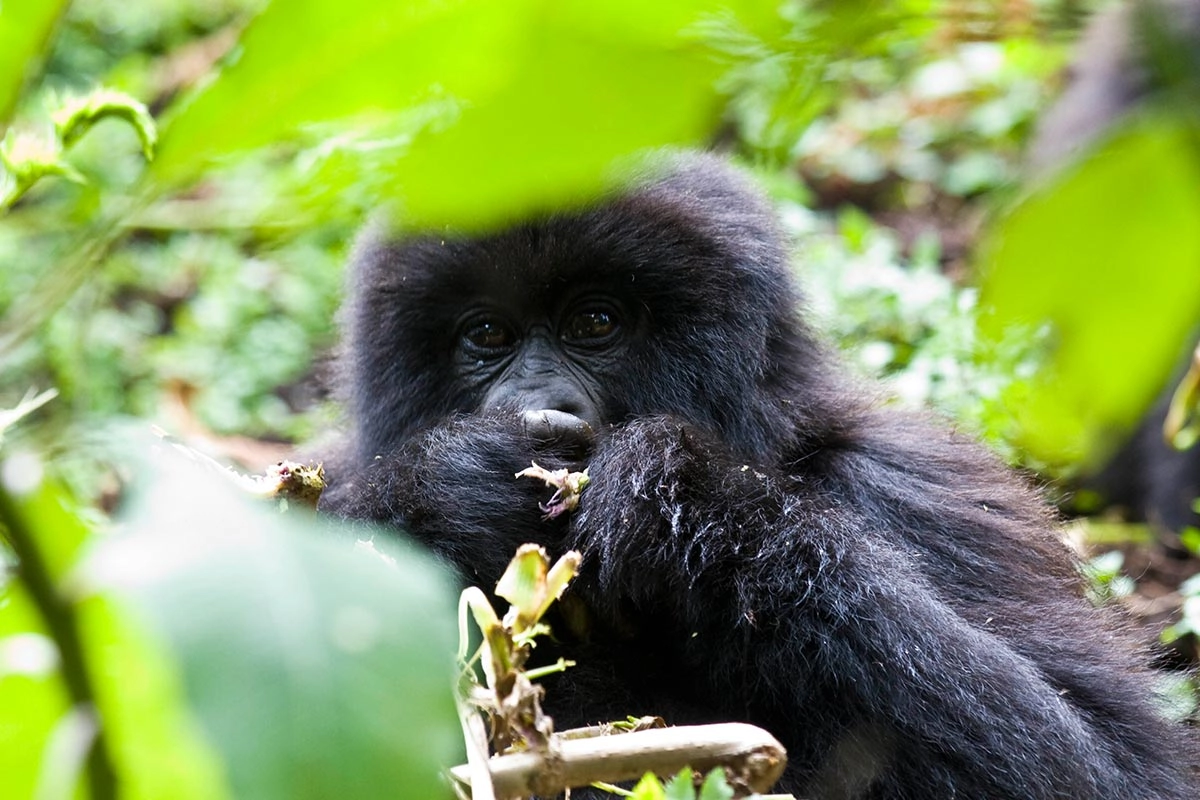
Experience a mountain gorilla trek in Rwanda on this short and well-made 2-day Rwanda gorilla trekking safari.
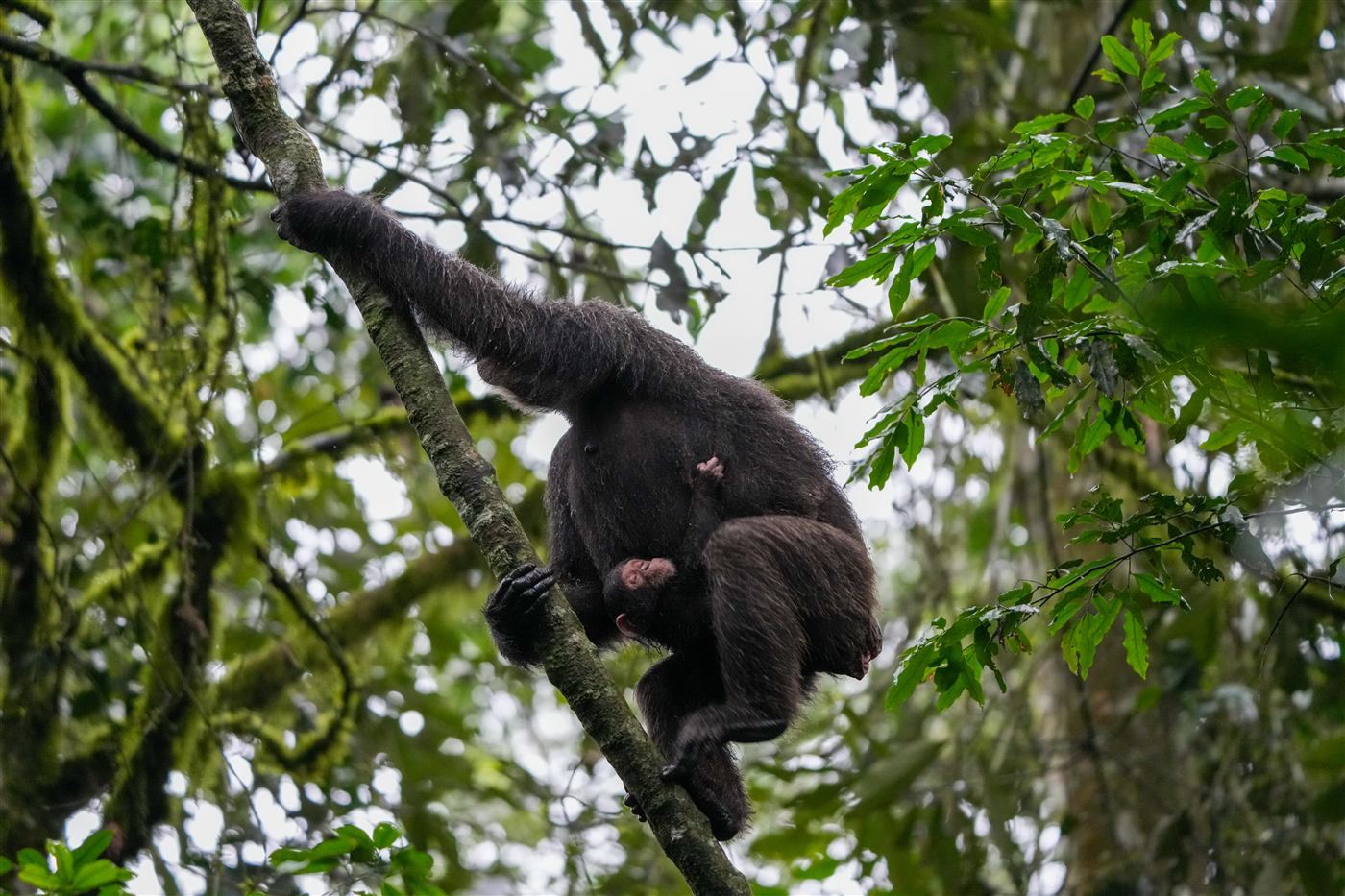
A chimpanzee trek paired with a search for Nyungwe's troops of over 300 Angolan colobus monkeys, plus a canopy walk.

Discover Tanzania's great wildlife parks including Serengeti and Ngorongoro on this classic 6-day safari trip.

Head into Uganda from Rwanda for a thrilling mountain gorilla encounter on this affordable 3-day gorilla trek.
What Our Travelers Enjoyed About Primate Safaris

Gorillas "Silverback"
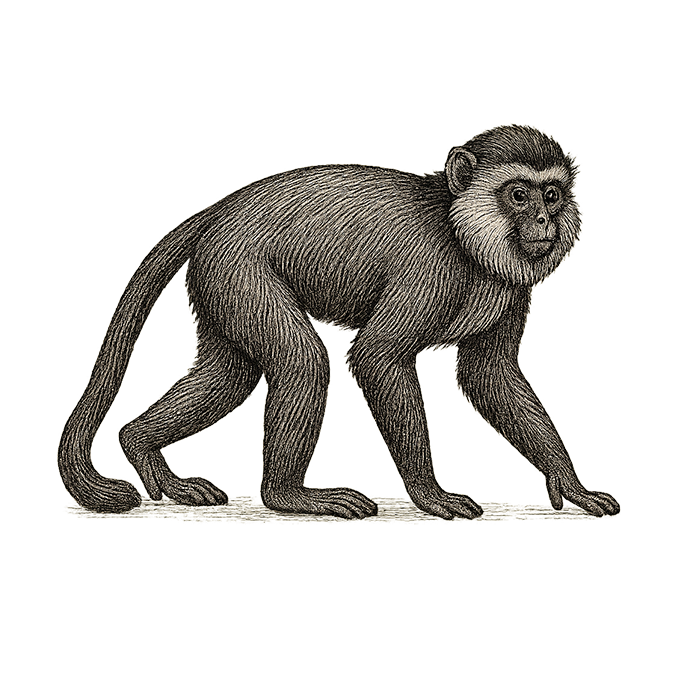
Golden Monkey "Photogenic"

Chimpanzees "Pant-hoot"