Lake Manyara National Park
January 28, 2026
Kibira National Park
January 28, 2026

Akagera National Park
Nestled in the eastern region of Rwanda, Akagera National Park is a stunning blend of rolling savannah, woodlands, lakes, and wetlands. Covering approximately 1,122 square kilometers (433 square miles), it is the only park in Rwanda where visitors can experience a classic African safari, complete with large herds of herbivores, iconic predators, and breathtaking landscapes. Akagera is a testament to restoration and conservation success, having undergone remarkable transformation in recent decades to reclaim its place as one of East Africa’s premier wildlife destinations.



Attractions In Rwanda
Attractions In Tanzania
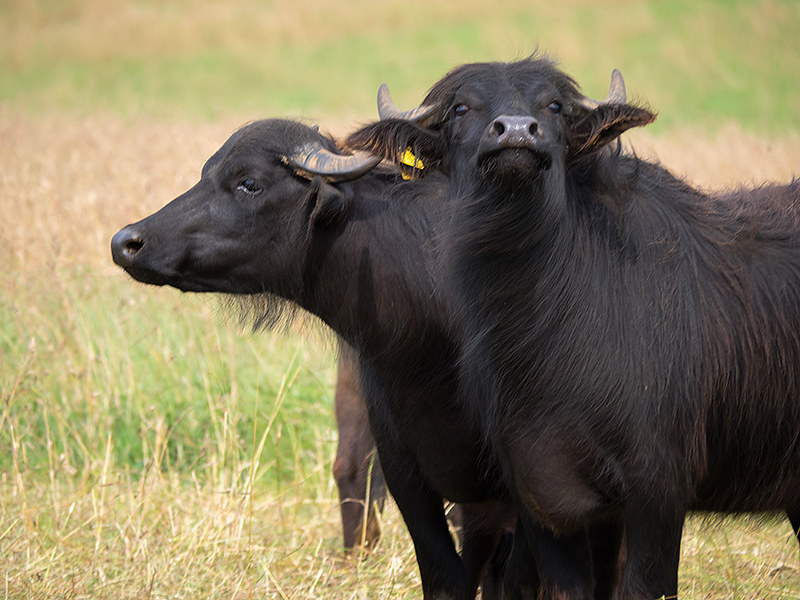
Rwanda Gorilla Trekking Experience
Discover Rwanda’s gorilla trekking experience where misty rainforests shelter mountain gorillas, ancient trails wind through volcanoes national park’s depths, and every step brings you closer to one of Africa’s most profound wildlife encounters, blending raw nature, conservation, and lasting memories.
Akagera National Park: National Parks and Protected Areas
The Landscape of Akagera
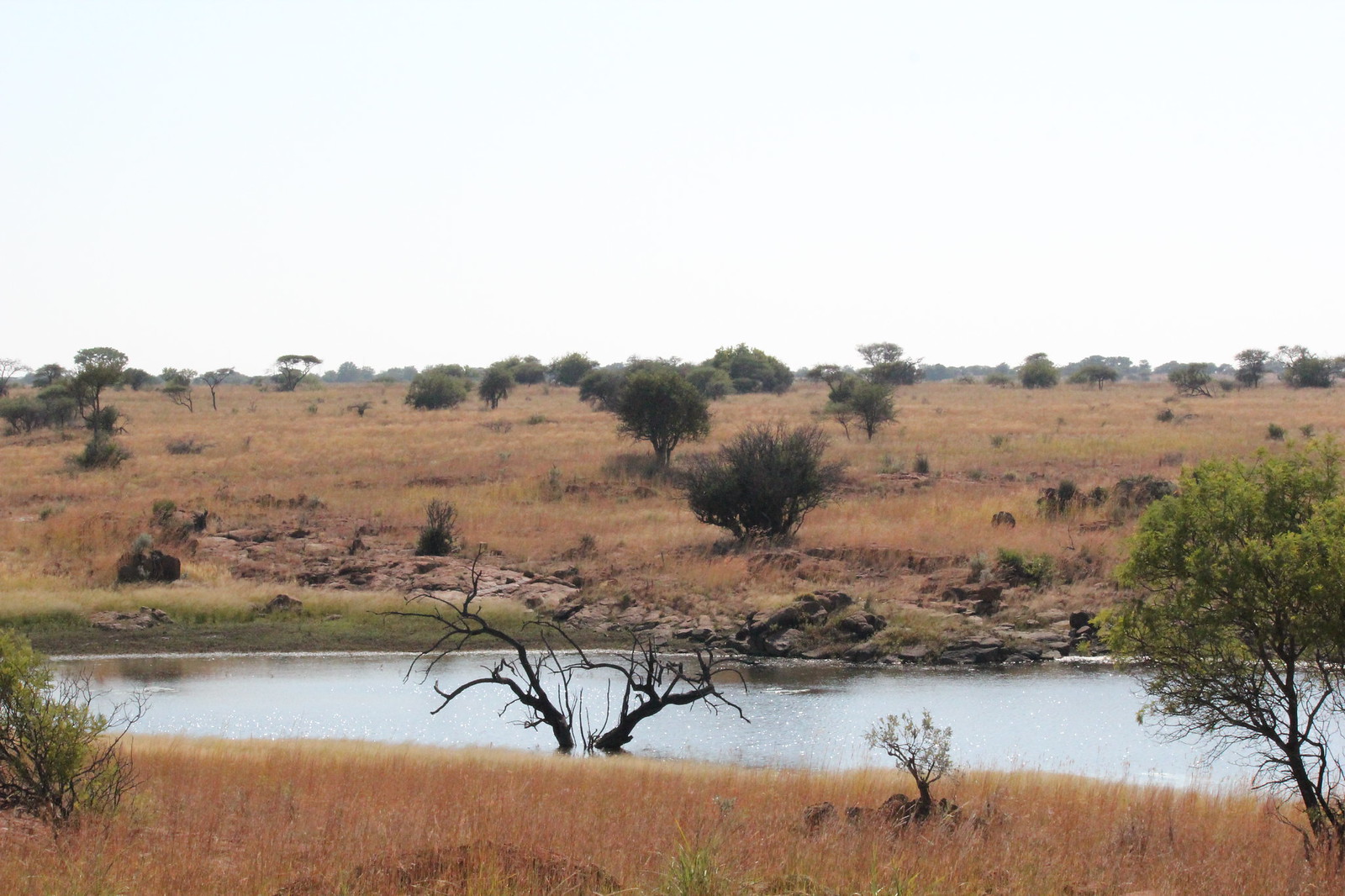
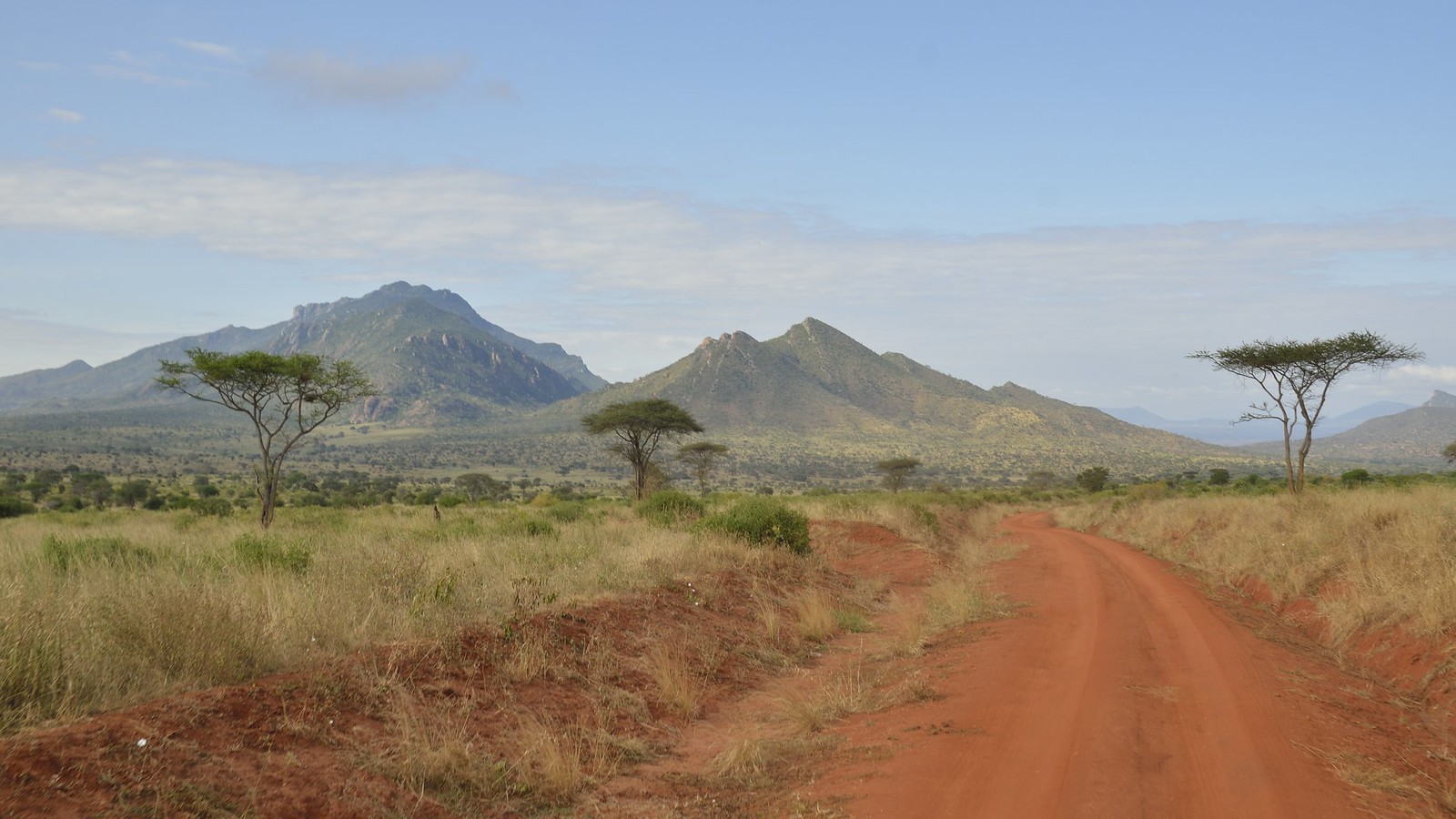
Akagera is named after the Kagera River, which borders the park and feeds into a network of seven lakes, including Lake Ihema, the largest. The park’s landscapes are a harmonious mixture of savannah plains, acacia woodlands, papyrus swamps, and wetlands, offering habitats for a rich variety of species.
The rolling savannah plains provide perfect visibility for spotting wildlife, while the lakes and wetlands attract a plethora of birds, hippos, and aquatic creatures. Dense woodlands and papyrus swamps offer refuge for shy antelopes, primates, and smaller carnivores. This diversity of habitats within a compact area makes Akagera unique in Rwanda, allowing visitors to witness savannah and wetland ecosystems side by side.
Iconic Wildlife of Akagera
Akagera is home to Africa’s Big Five — lion, leopard, elephant, buffalo, and rhino — making it a must-visit for wildlife enthusiasts. The park also hosts numerous antelope species, primates, reptiles, and a vibrant bird population, creating a complete safari experience.
Lions and Other Predators
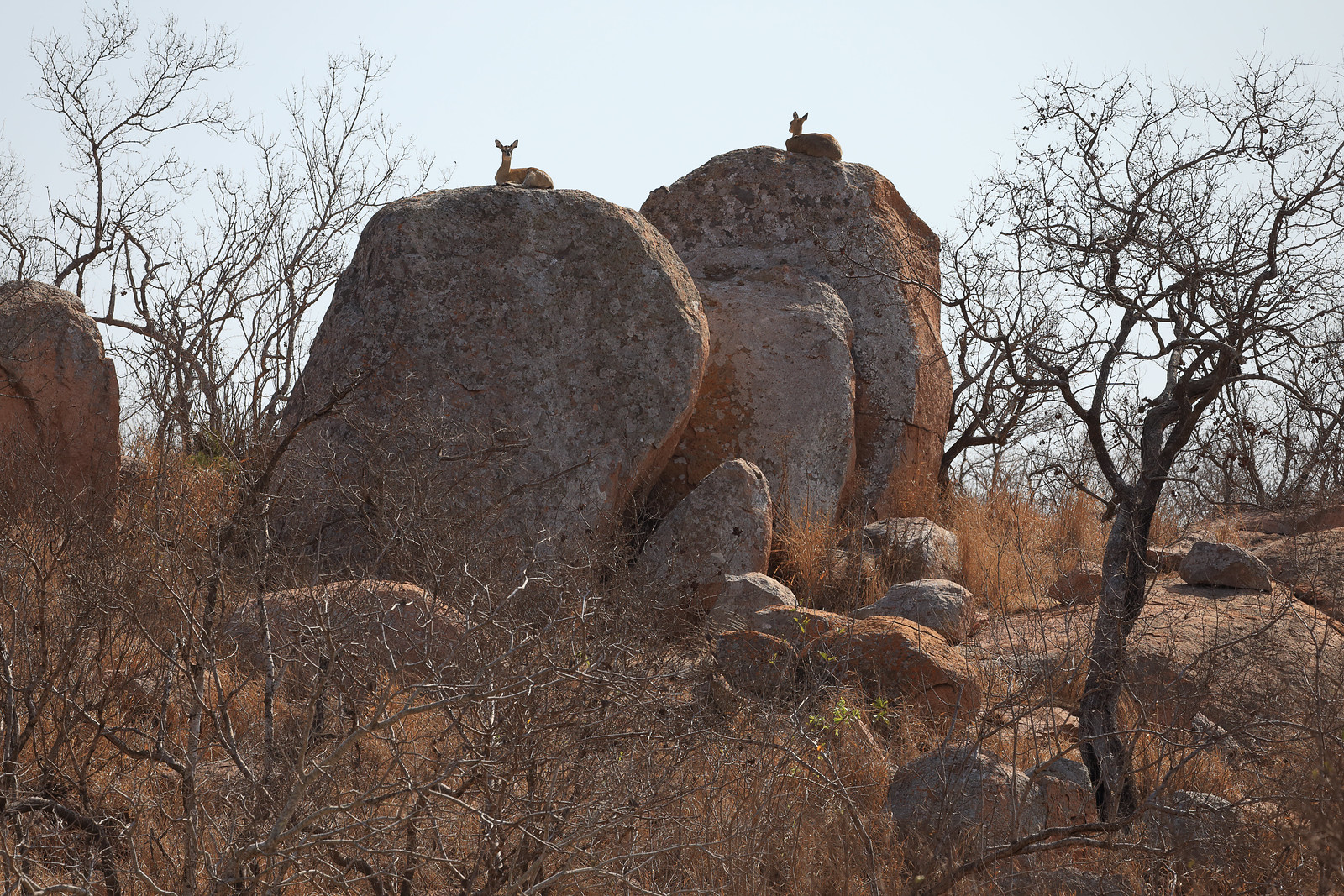
After years of absence, lions were reintroduced in 2015 from South Africa, and today they roam the park’s savannahs, often spotted during early morning and late afternoon game drives. Leopards, though elusive, inhabit the park’s woodlands and rocky outcrops, offering a thrilling challenge for wildlife trackers. Hyenas, jackals, and servals add to the predator diversity, completing the food chain that sustains the park’s ecological balance.
Elephants and Buffalo
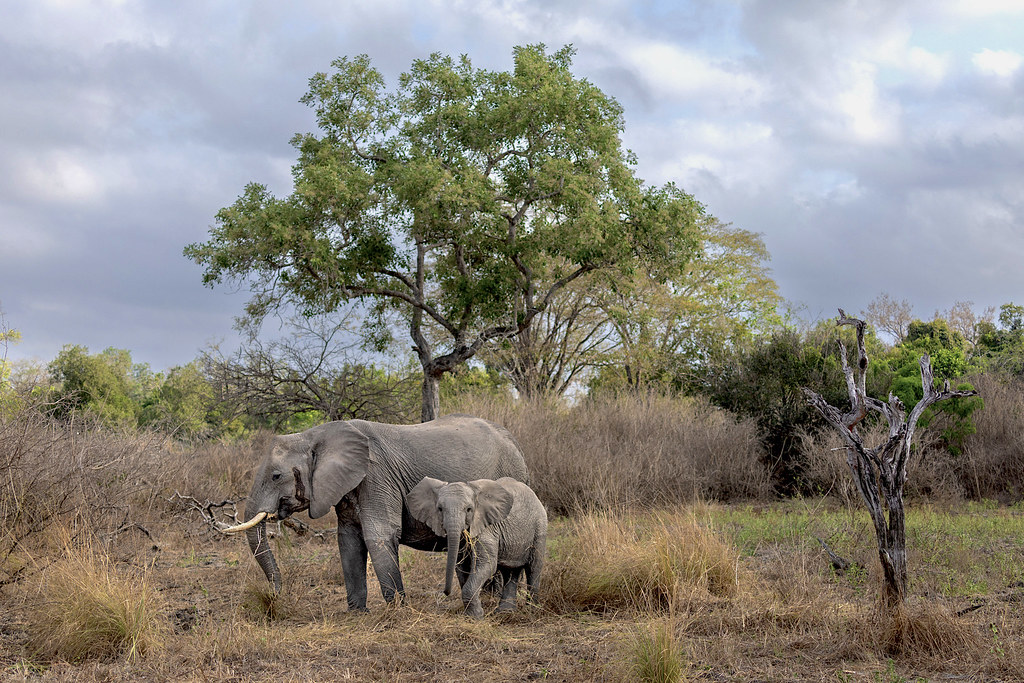
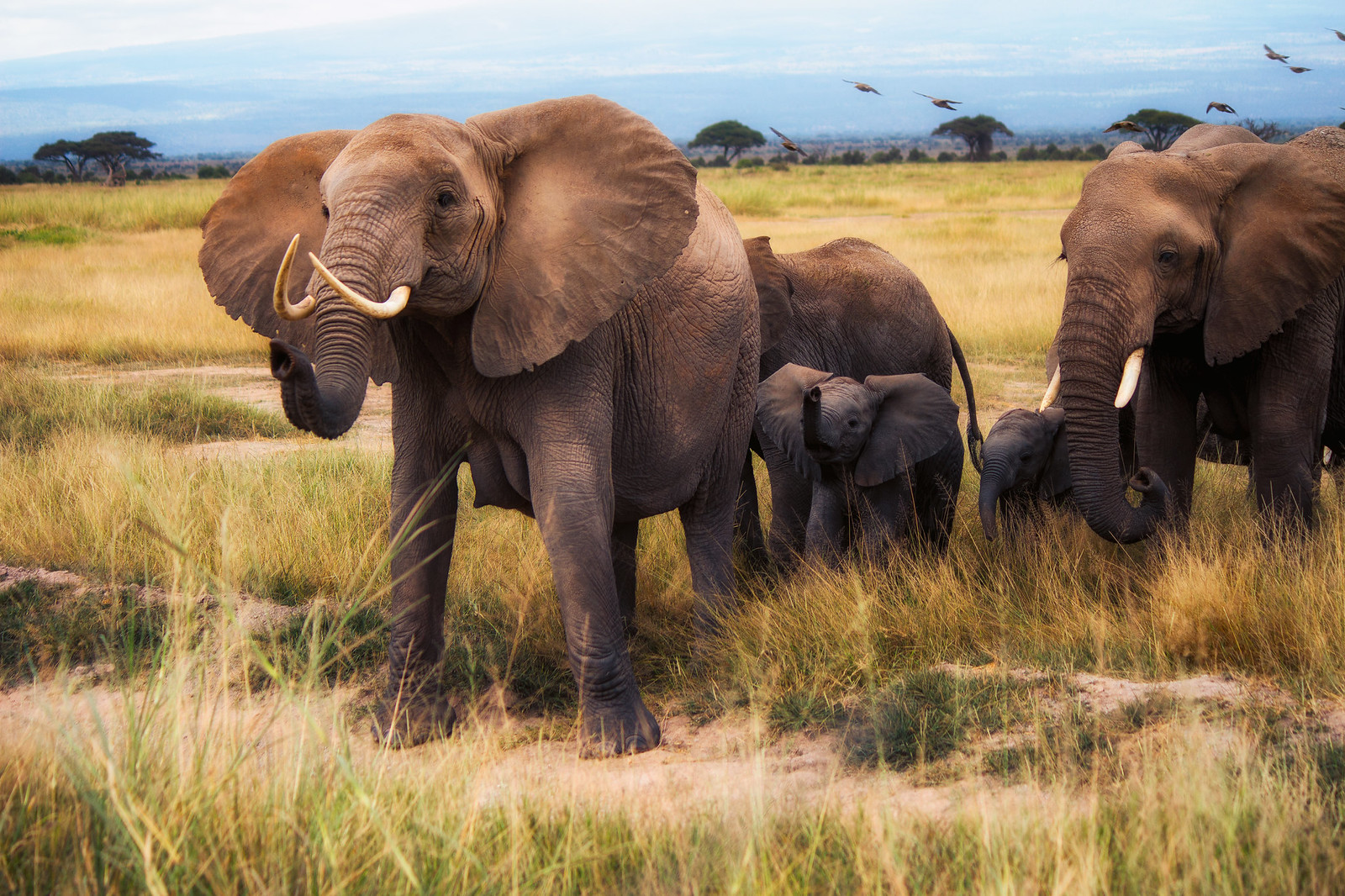
Akagera’s elephant population has rebounded since anti-poaching measures and reintroduction programs began. These gentle giants roam freely across the savannahs, often in family herds. Buffalo are also plentiful, forming large herds that graze near waterholes and rivers. Both species provide spectacular sightings for safari-goers and photographers.
Giraffes, Zebras, and Antelopes
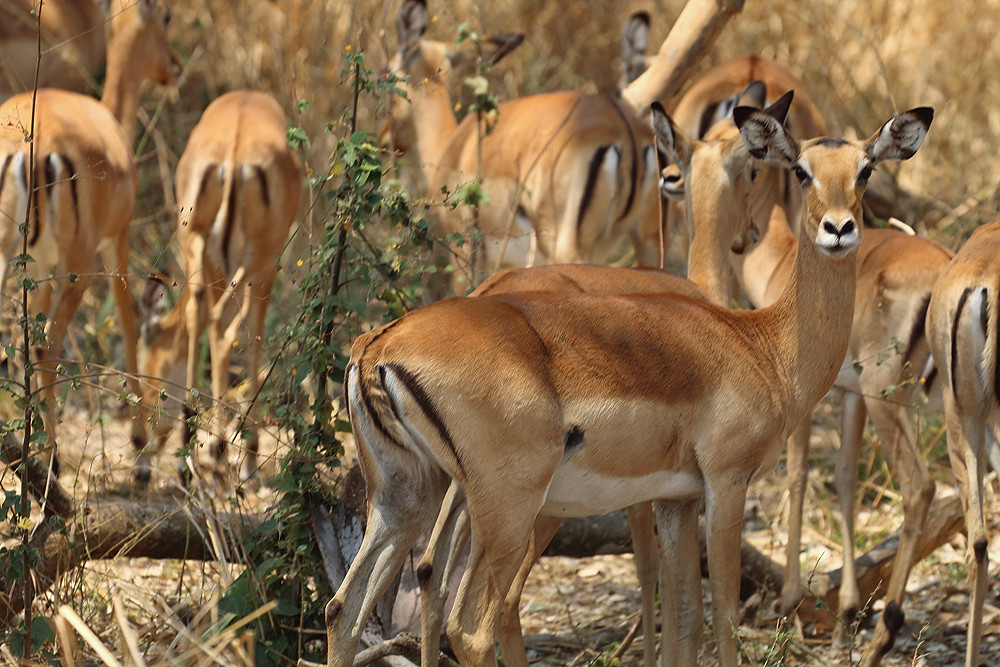
Rothschild giraffes, reintroduced from Kenya, gracefully browse the acacia trees, creating iconic safari scenes. Plains zebras, impalas, topis, hartebeests, and bushbucks thrive in the savannah and woodland edges, offering dynamic interactions and photo opportunities.
Hippos and Aquatic Life
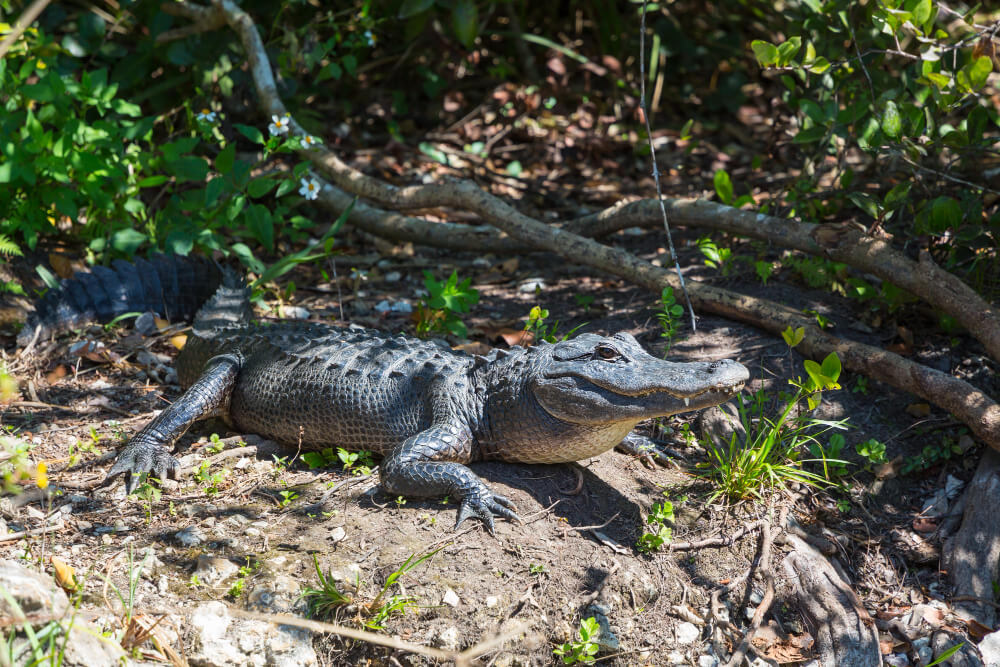
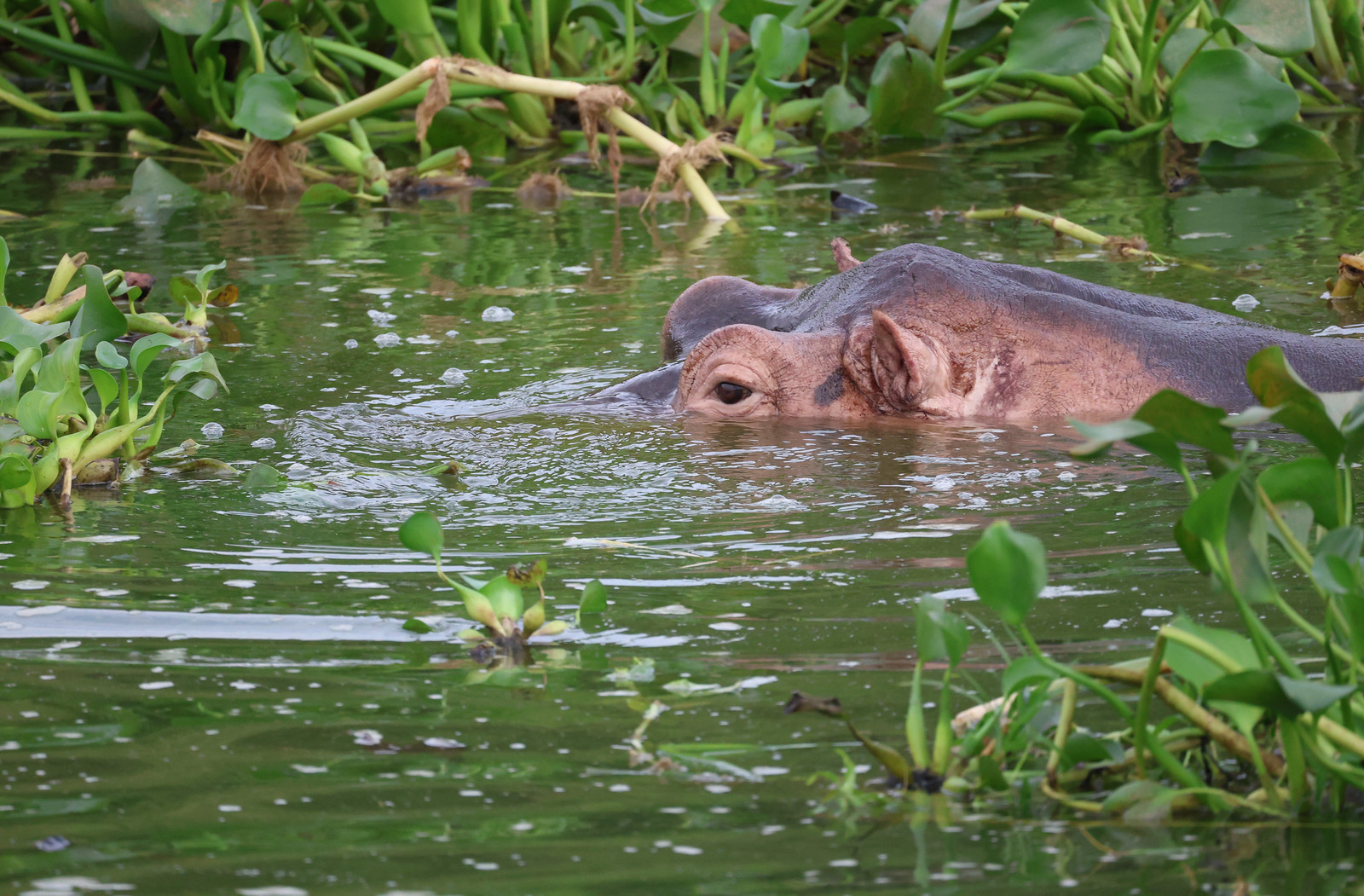
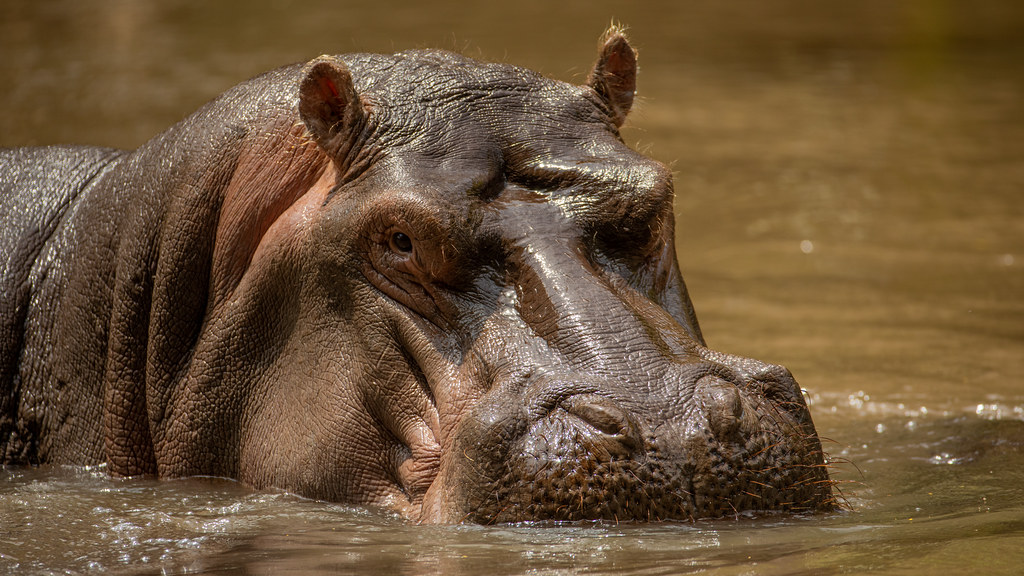
The lakes and wetlands of Akagera teem with life. Hippos emerge from water in the late afternoon, while crocodiles bask along riverbanks. These aquatic habitats also support fish, amphibians, and a vast array of waterbirds, contributing to the park’s ecological richness.
Birdlife: A Birdwatcher’s Paradise
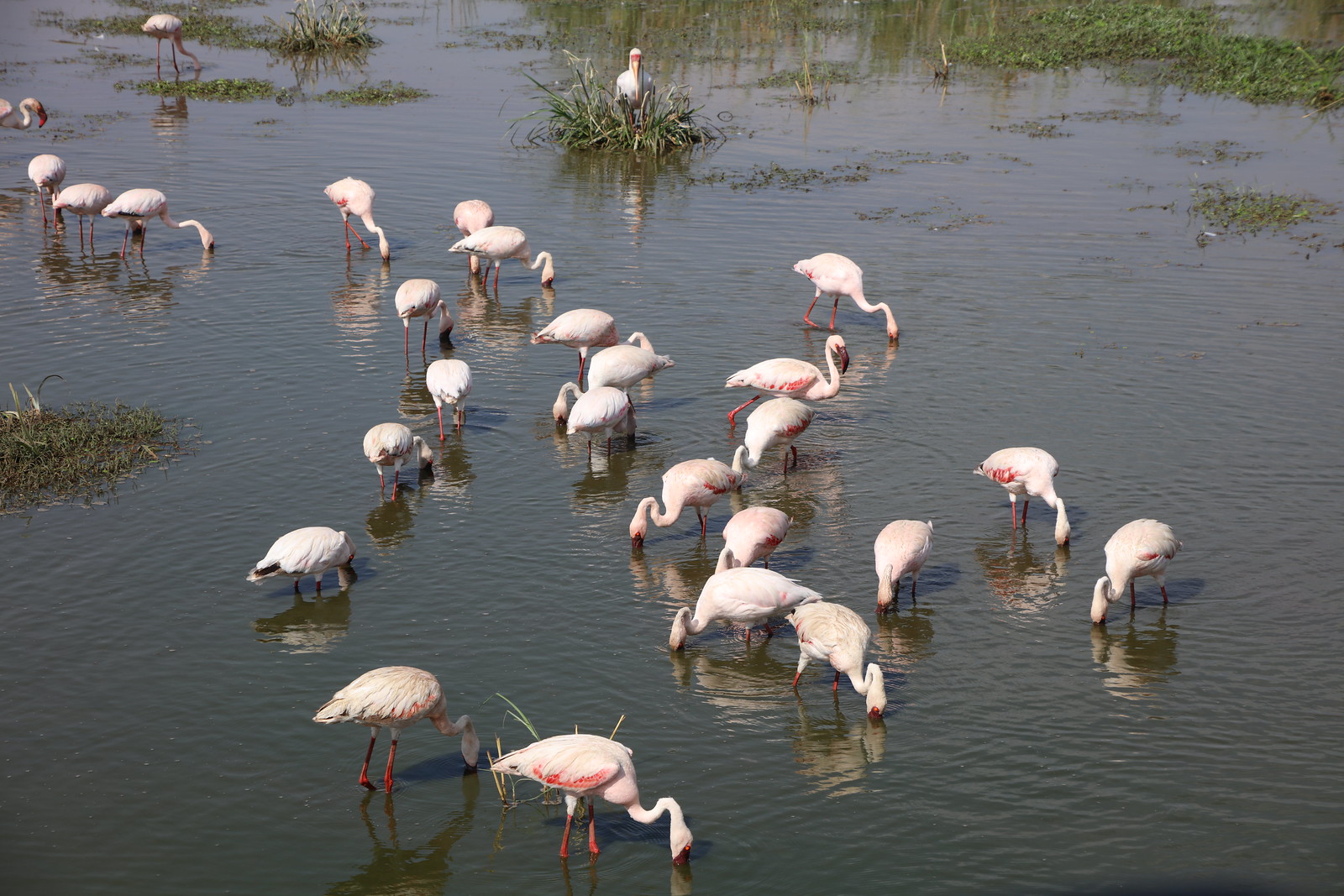
Akagera is a birdwatcher’s dream, with over 500 species recorded. Lake Ihema alone attracts pelicans, cormorants, herons, storks, egrets, and African fish eagles. Forested patches and wetlands host turacos, hornbills, and kingfishers, while savannahs are home to vultures, crowned cranes, and numerous raptors. Seasonal migrations bring additional excitement for ornithologists, making Akagera a key biodiversity hotspot in Rwanda.
Safari Experiences in Akagera
Visitors to Akagera can engage in game drives, boat safaris, guided nature walks, and birdwatching excursions, creating a diverse and immersive safari experience.
Game Drives
Morning and evening game drives provide the best opportunity to observe wildlife. Early mornings are perfect for spotting predators like lions returning from nocturnal hunts, while evenings reveal elephants and buffalo grazing in the soft golden light. Experienced guides help visitors track animals and interpret signs of wildlife behavior, enhancing the safari experience.
Boat Safaris on Lake Ihema
Lake Ihema, the largest in the park, offers boat safari experiences that reveal aquatic and wetland wildlife. Hippos, crocodiles, and waterbirds are commonly seen, while the calm waters reflect the scenic beauty of the park’s shoreline. Boat cruises also provide an excellent chance to photograph wildlife from a different perspective.
Guided Nature Walks
Guided walks allow visitors to explore the park’s smaller ecosystems, such as papyrus swamps, woodland patches, and riverine forests. Walks often reveal primates, smaller antelopes, reptiles, and birdlife that may go unnoticed on vehicle safaris, giving a more intimate encounter with the park’s biodiversity.
Night Safaris
Night drives in Akagera reveal nocturnal species, such as genets, bush babies, and civets, offering a unique opportunity to see the park’s wildlife in a completely different light. Night safaris also allow visitors to experience the sounds and rhythms of the African wilderness after sunset.
Conservation Success Stories
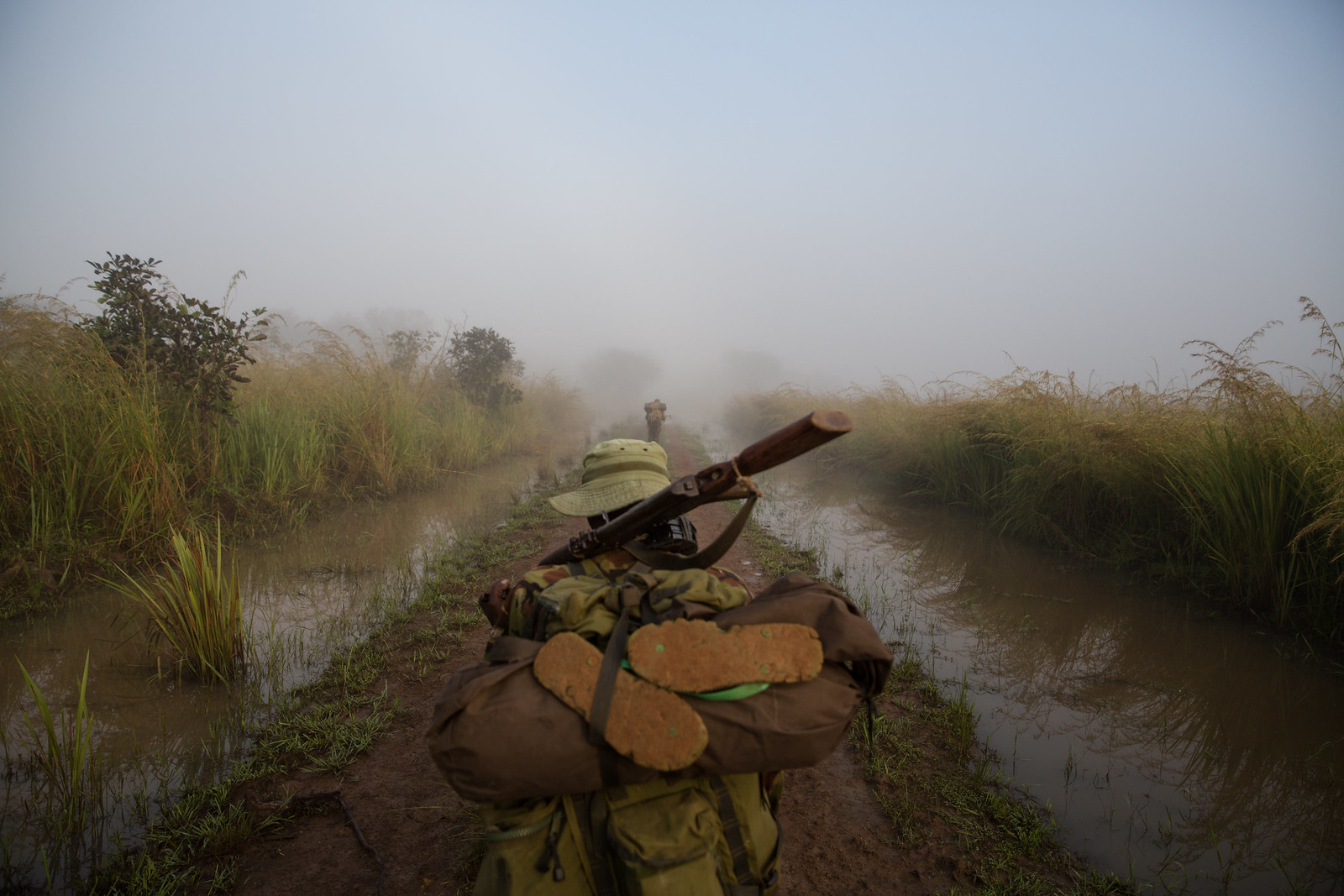
Akagera is celebrated as a conservation success story in Africa. Intensive anti-poaching programs, community engagement, and wildlife reintroductions have transformed the park into a thriving ecosystem.
Lions and rhinos have been reintroduced successfully, restoring the park’s classic African predator-prey dynamics.
Elephant populations have stabilized and grown, thanks to anti-poaching patrols and habitat protection.
Community-based conservation programs support local livelihoods, providing employment, education, and incentives to protect wildlife.
The park’s success illustrates the power of collaboration between government, local communities, and international conservation organizations in restoring and maintaining wildlife populations.
Visiting Akagera: Practical Information
Akagera is easily accessible from Kigali, Rwanda’s capital, making it a convenient safari destination for both local and international travelers.
How to Get There
Most visitors travel by road from Kigali, a journey of approximately 2.5 to 3 hours along paved roads. The park entrance is well-marked, and guides and vehicles are available for hire to enhance the safari experience.
Accommodation Options
Akagera offers a range of accommodation options, from luxury lodges with lake views to more modest eco-lodges and campsites. Lodges such as Ruzizi Tented Lodge and Magashi Camp provide comfortable stays while ensuring proximity to wildlife areas for early morning game drives and boat safaris.
Best Time to Visit
The dry season (June to September and December to February) is ideal for wildlife viewing. During this period, animals gather around water sources, vegetation is less dense, and roads are more accessible. The wet season (March to May, October to November) offers lush scenery, active birdlife, and fewer tourists, though game visibility may be reduced.
Tips for Visitors
Wear neutral-colored clothing to blend with the environment.
Bring binoculars and cameras for wildlife observation and photography.
Carry insect repellent and sun protection.
Respect park rules, keep a safe distance from animals, and avoid feeding wildlife.
The Magic of Akagera
Akagera National Park is more than a wildlife sanctuary; it is a living testament to Rwanda’s dedication to conservation and ecological restoration. Visitors can witness the triumph of nature’s resilience, explore diverse landscapes, and encounter iconic African species in their natural habitats.From majestic lions on the savannah to hippos in tranquil lakes, giraffes browsing acacias, and flocks of birds painting the sky, Akagera offers a classic African safari experience in a uniquely Rwandan context. Its combination of savannah, wetlands, and forested patches ensures that no two visits are ever the same, making every safari an adventure of discovery and wonder.Akagera National Park stands as a symbol of hope and restoration in Africa’s conservation narrative. Its diverse ecosystems, thriving wildlife, and successful reintroduction programs make it a must-visit destination for anyone seeking the essence of the African wilderness.Whether on a thrilling game drive, a serene boat safari on Lake Ihema, or a quiet guided walk through woodlands, visitors leave Akagera with a deep appreciation for nature’s resilience, beauty, and the importance of protecting our planet’s wild places.Akagera is not just a park; it is Rwanda’s wild heart, a place where the rhythm of nature is alive, where landscapes tell stories of survival and recovery, and where every visitor can witness the timeless magic of Africa’s wildlife.
Our Recommended Tour Ideas

Head into Uganda from Rwanda for a thrilling mountain gorilla encounter on this affordable 3-day gorilla trek.

Explore Nyerere and Mikumi parks for exceptional southern Tanzania wildlife on this perfect 5-day safari trip.
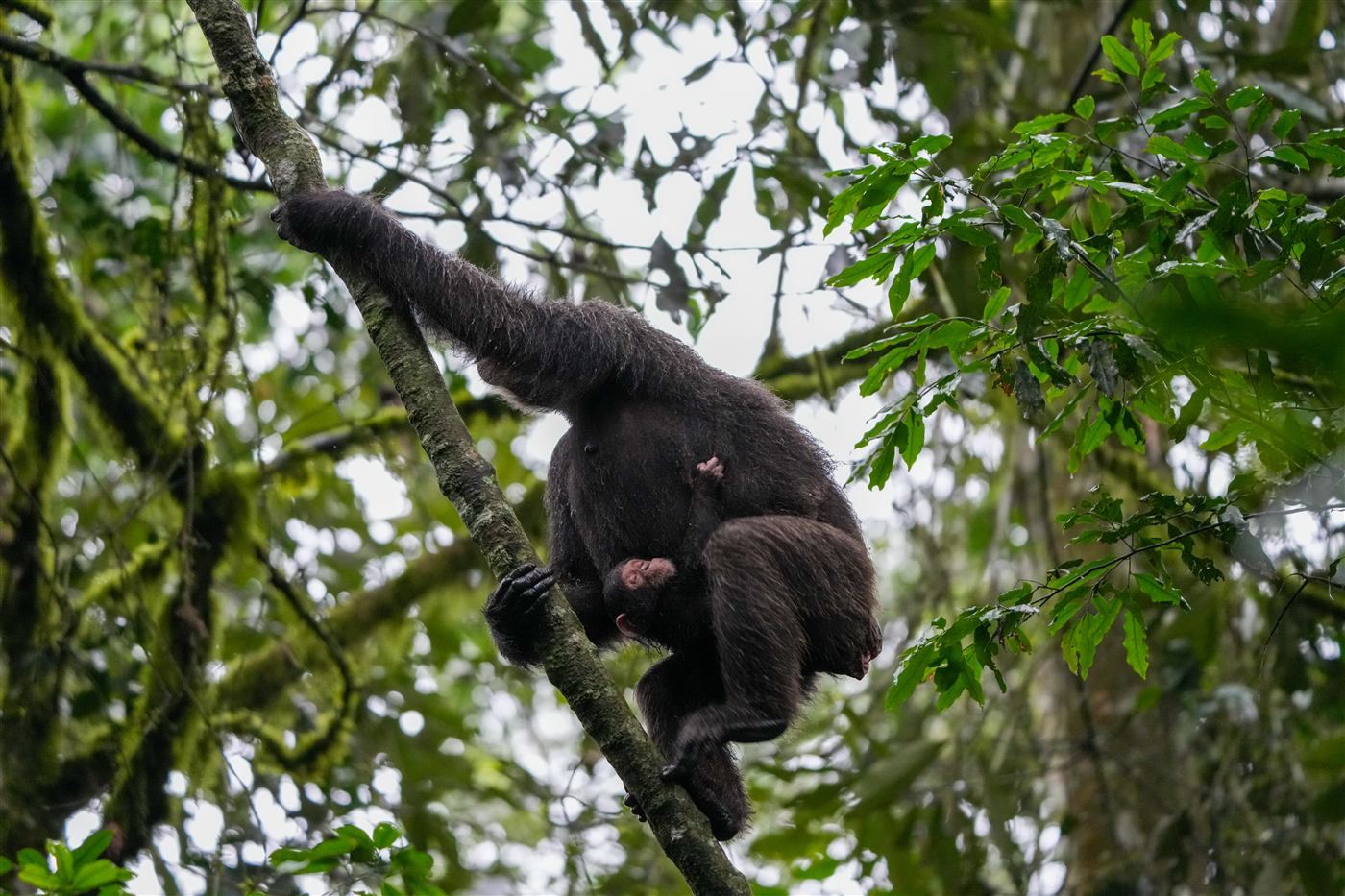
A chimpanzee trek paired with a search for Nyungwe's troops of over 300 Angolan colobus monkeys, plus a canopy walk.

Track rare golden monkeys of Volcanoes National Park on this memorable 2-day Rwanda golden monkey safari trip.
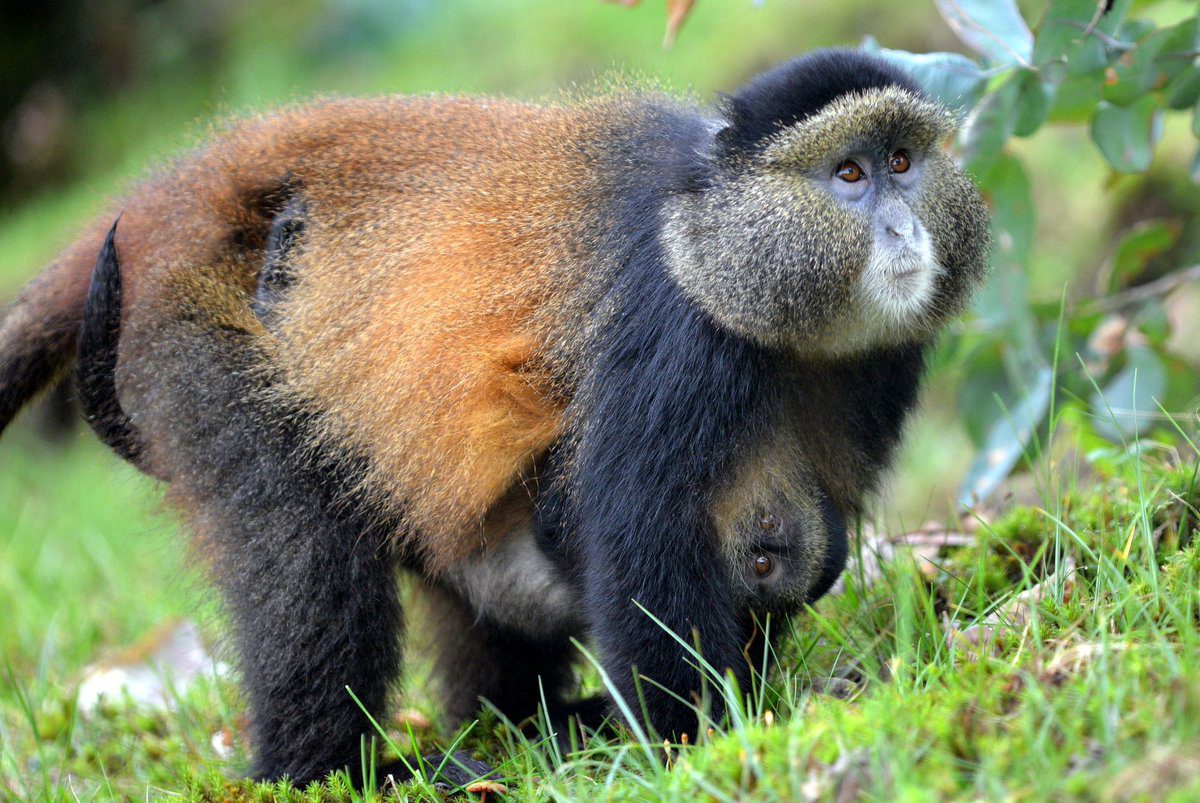
Meet mountain gorillas and golden monkeys in Volcanoes Park on this compact and superb 3-day Rwanda tour trip.

Track chimpanzees in Kibale and gorillas in Bwindi on this rewarding 8-day Uganda primate and wildlife safari.

Enjoy game drives in Maasai Mara then relax on Diani Beach on this classic 10-day Kenya safari and beach trip.

Search for the shoebill stork among 450+ recorded species, with classic game drives built around the trip too.
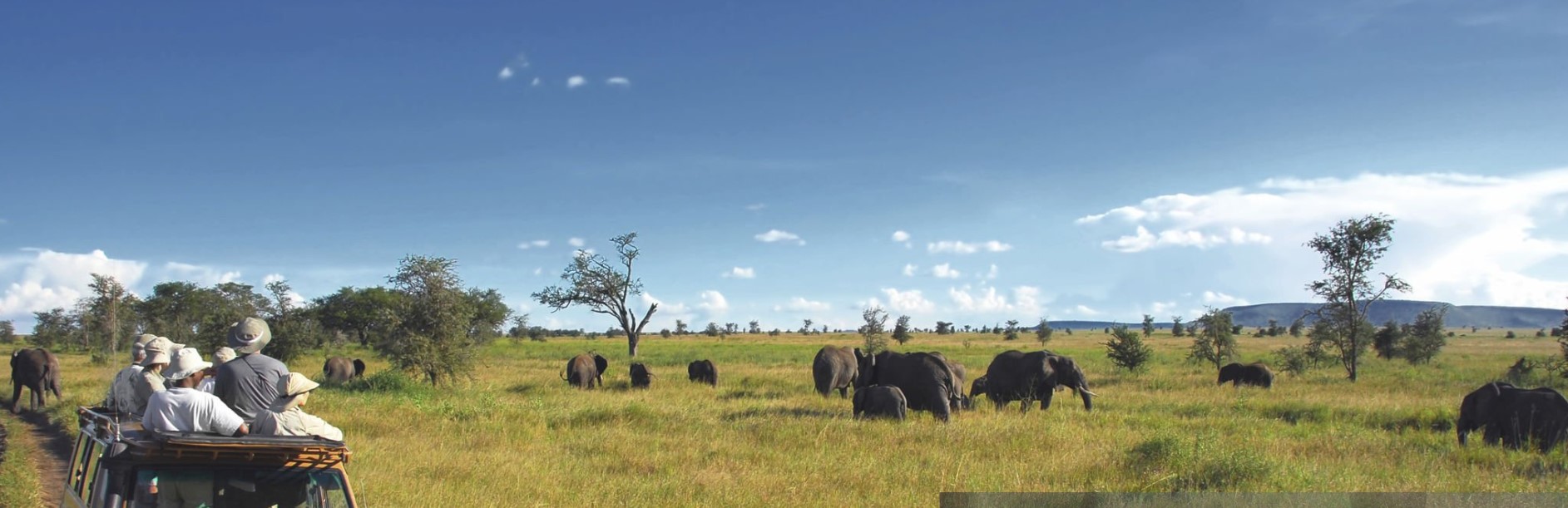
Combine Uganda gorilla trekking with Tanzania's finest wildlife on this superb 9-day cross-border safari trip.
What Our Travelers Enjoyed About Primate Safaris

Gorillas "Silverback"
Golden Monkey "Photogenic"

Chimpanzees "Pant-hoot"