
Salonga National Park
January 28, 2026
Upemba National Park
January 28, 2026

Garamba National Park
Garamba National Park is one of Africa’s oldest and most iconic wilderness areas, a vast landscape of savannah, woodlands, and gallery forests straddling the northeastern region of the Democratic Republic of the Congo (DRC). Established in 1938, the park today represents a blend of rich wildlife heritage, intense conservation effort, and raw natural beauty that few other protected areas can rival. It was designated a UNESCO World Heritage Site in 1980 in recognition of its outstanding biodiversity and significance, particularly its role as a refuge for megafauna such as elephants, giraffes, rhinos, and hippos.




Attractions In Rwanda
Attractions In Tanzania
Garamba National Park
Garamba is not a regular safari destination. Its remoteness, complex history of conflict and conservation challenges, and limited infrastructure mean that few tourists visit compared with East or Southern African parks. But for those who do venture here, the experience is unforgettable — an encounter with authentic African wildness, dramatic landscapes, and wildlife stories of resilience and recovery.
Garamba National Park: National Parks and Protected Areas
The Landscape of Garamba
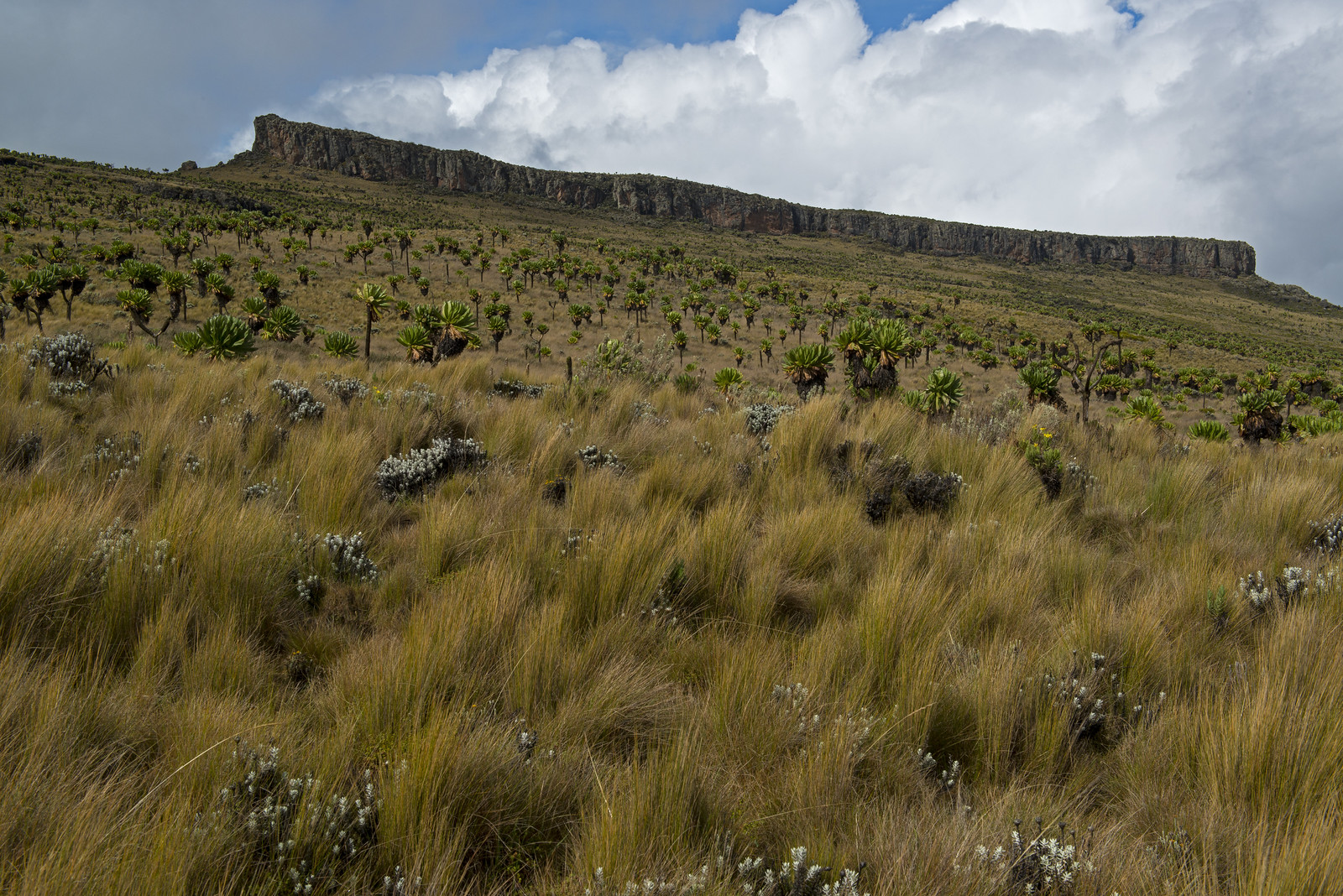
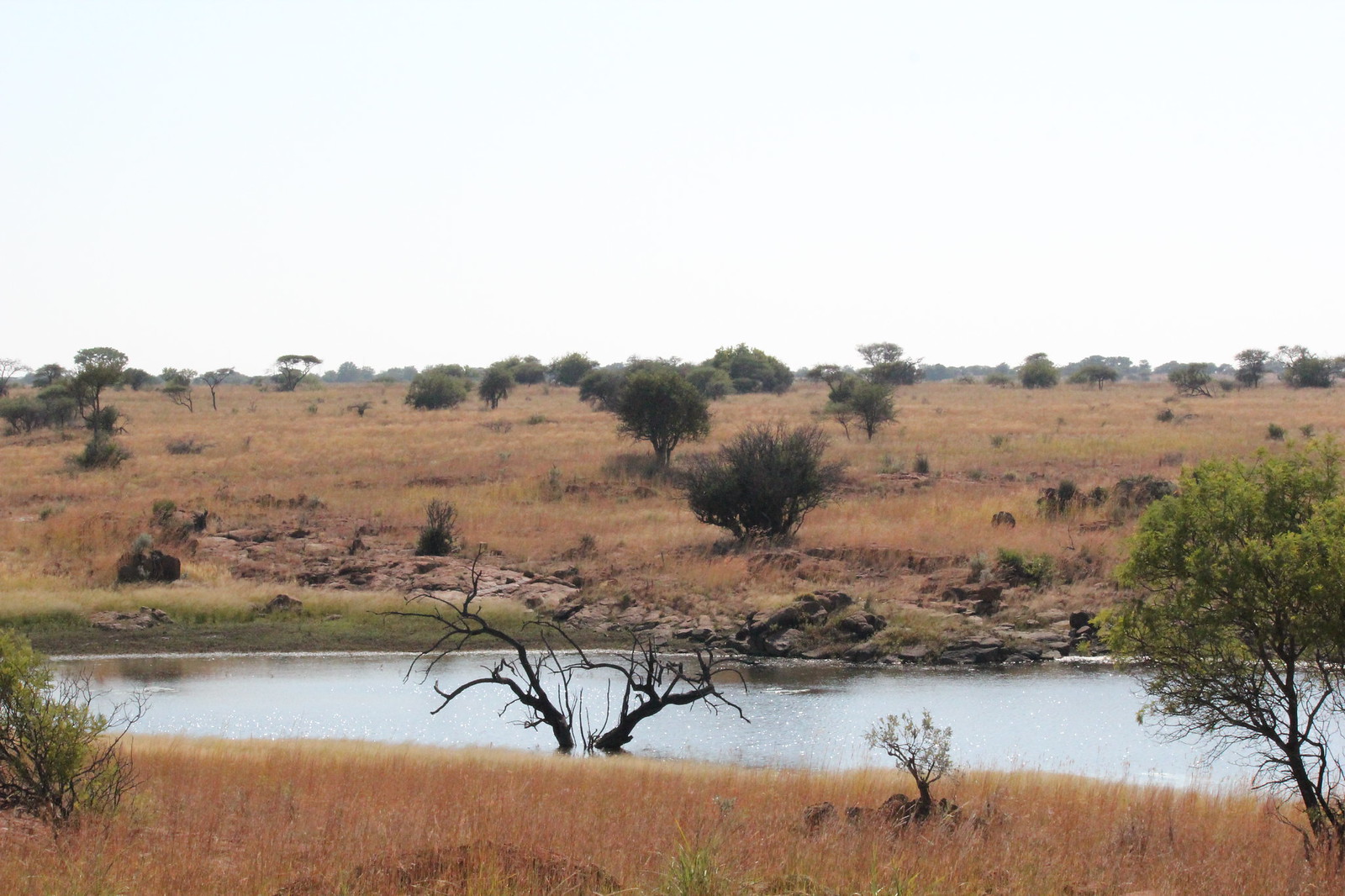
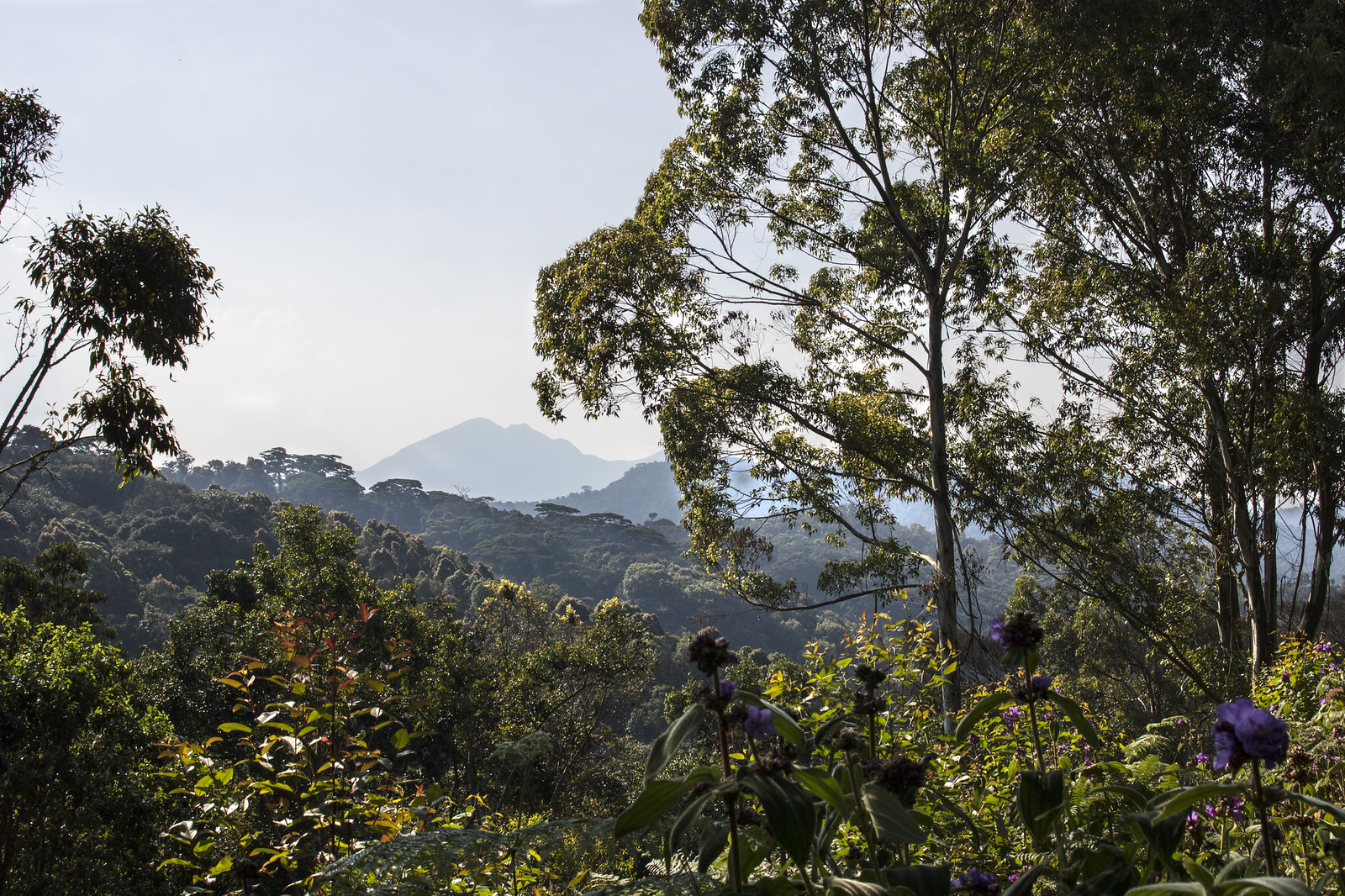
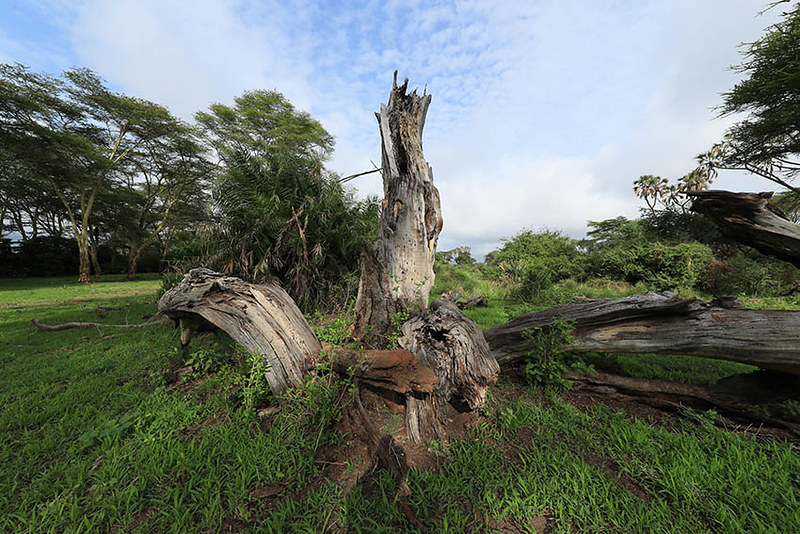
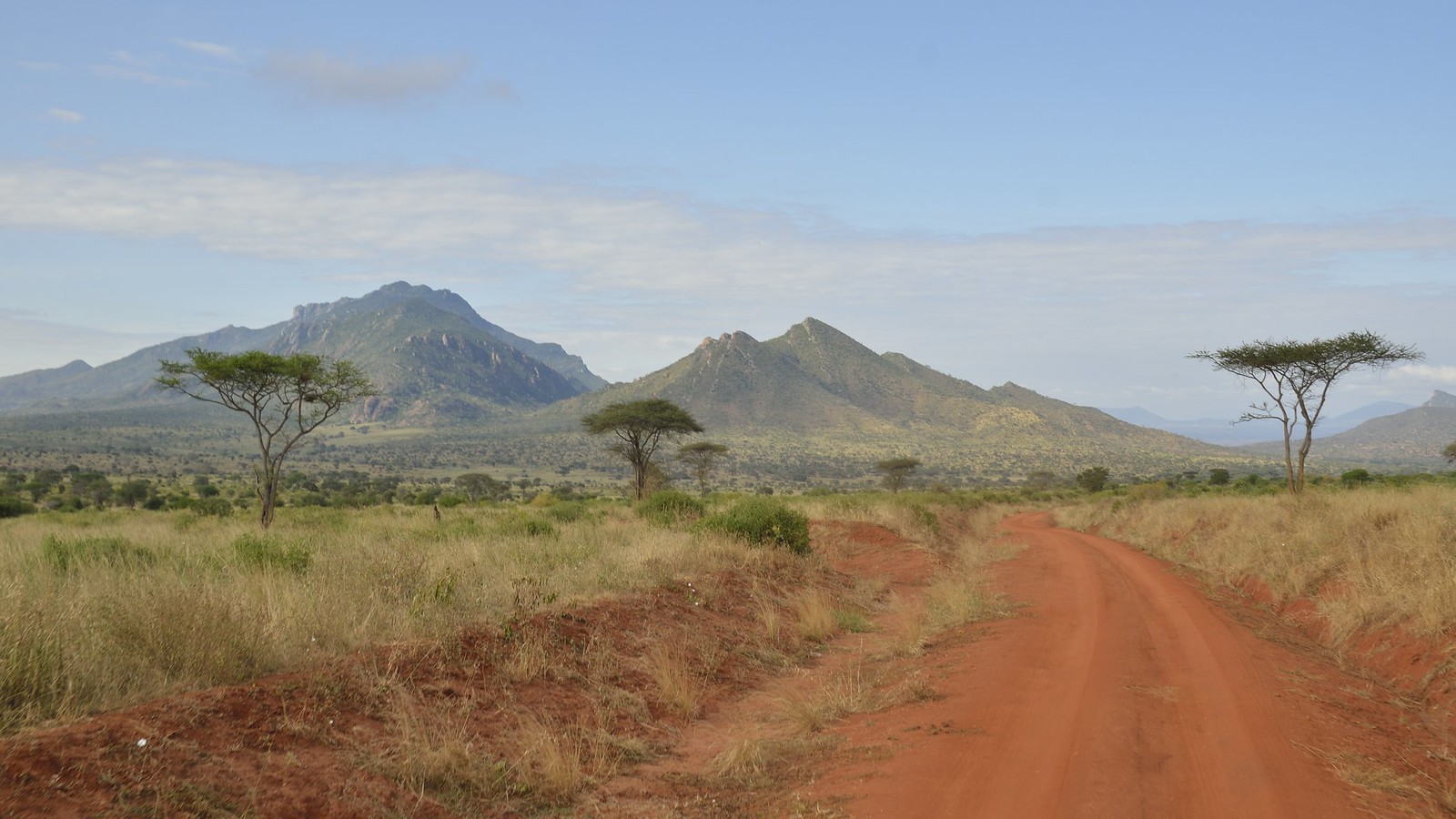
Garamba sits at a unique ecological crossroads where the Sudano-Guinean savannah meets the Congo Basin rainforest. Its landscape is characterized by open grassy plains, scattered woodlands, gallery forests along rivers, swamps, and seasonal wetlands. These diverse habitats provide niches for a wide range of wildlife, from grazers like elephants and antelopes to predators such as lions and leopards, and elusive forest-dwelling species like sitatungas and forest hogs.
The park’s rivers, including the Dungu, Kango, and Ngiri, sustain wetlands that are critical for aquatic life and migratory birds. Seasonal flooding and the mix of grasslands and woodlands create a dynamic environment where species adapt to constantly changing conditions, adding to the park’s ecological richness and complexity.
Iconic Wildlife of Garamba
Elephants: Survivors of Poaching
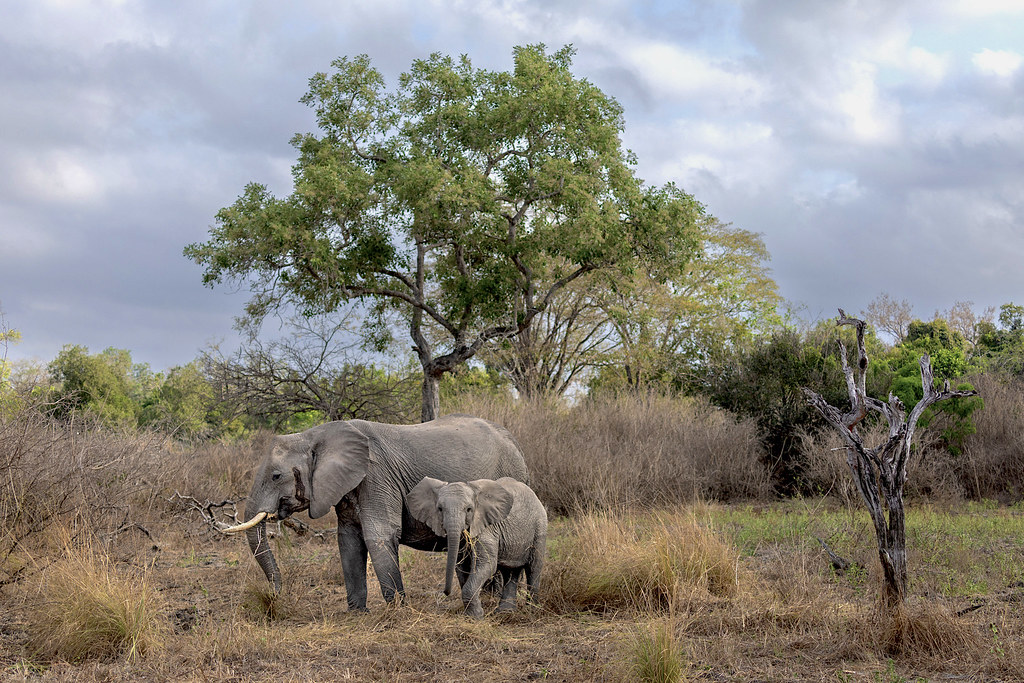
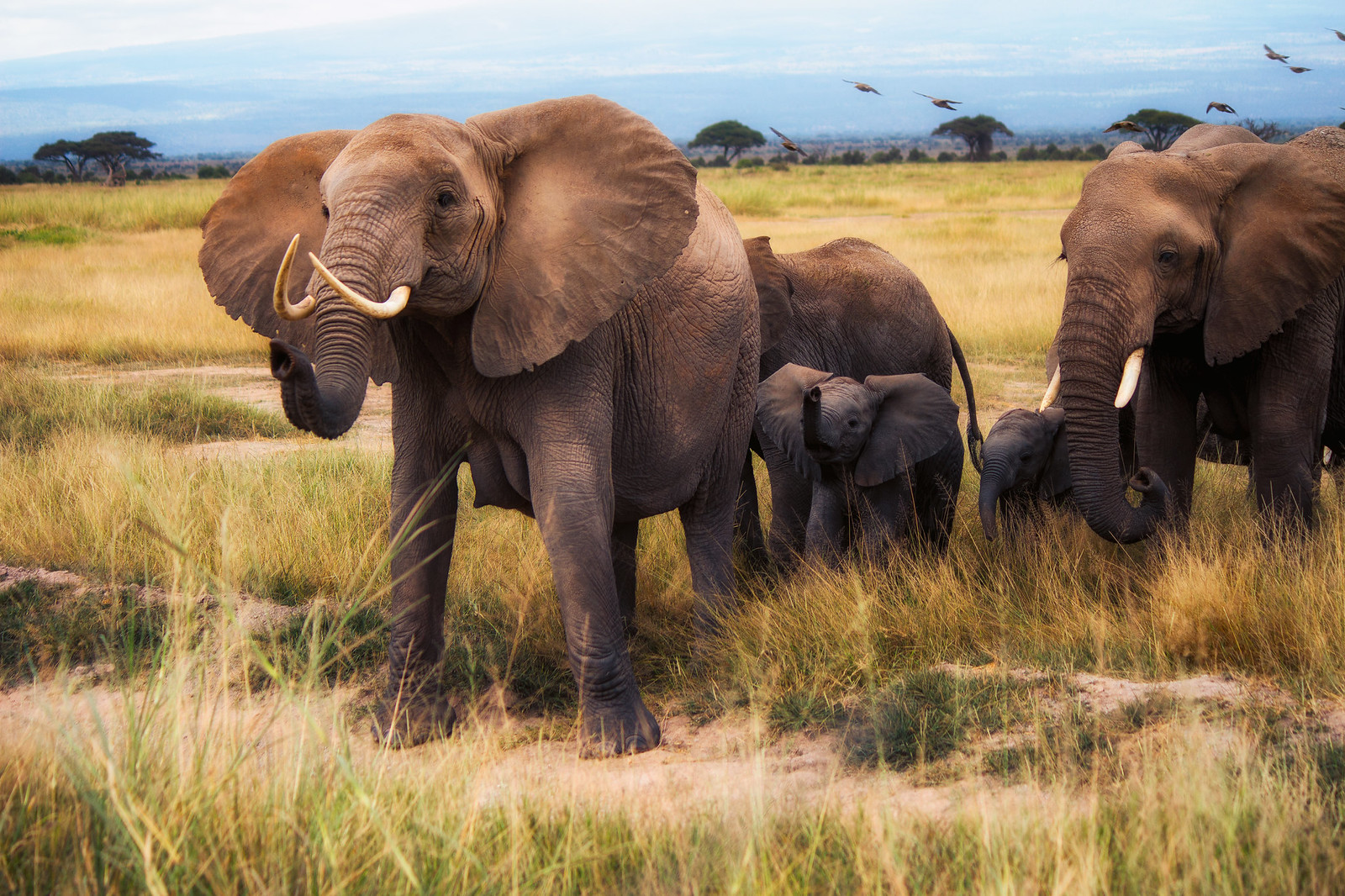
Garamba was historically home to tens of thousands of elephants, but extensive poaching in the late 20th century decimated their population. Today, coordinated conservation efforts, particularly by the Congolese Institute for Nature Conservation (ICCN) and African Parks, have helped stabilize the population. Elephants remain the park’s most emblematic species, representing both its vulnerability and its conservation success.
The Kordofan Giraffe
The Kordofan giraffe, a critically endangered subspecies, has made a remarkable comeback in Garamba. Once reduced to only a handful of individuals due to habitat loss and hunting, their numbers are slowly increasing thanks to anti-poaching patrols and focused conservation programs. Observing these rare giraffes in the wild is a highlight of any visit to the park.
Rhinos: A Reintroduction Story
Garamba was formerly a stronghold for the northern white rhinoceros, now functionally extinct in the wild. In an ambitious conservation effort, 16 southern white rhinos were introduced to the park in 2023. This initiative aims to re-establish rhinos as key ecosystem engineers, helping restore natural processes and balancing herbivore populations in the park.
Predators and Other Mammals
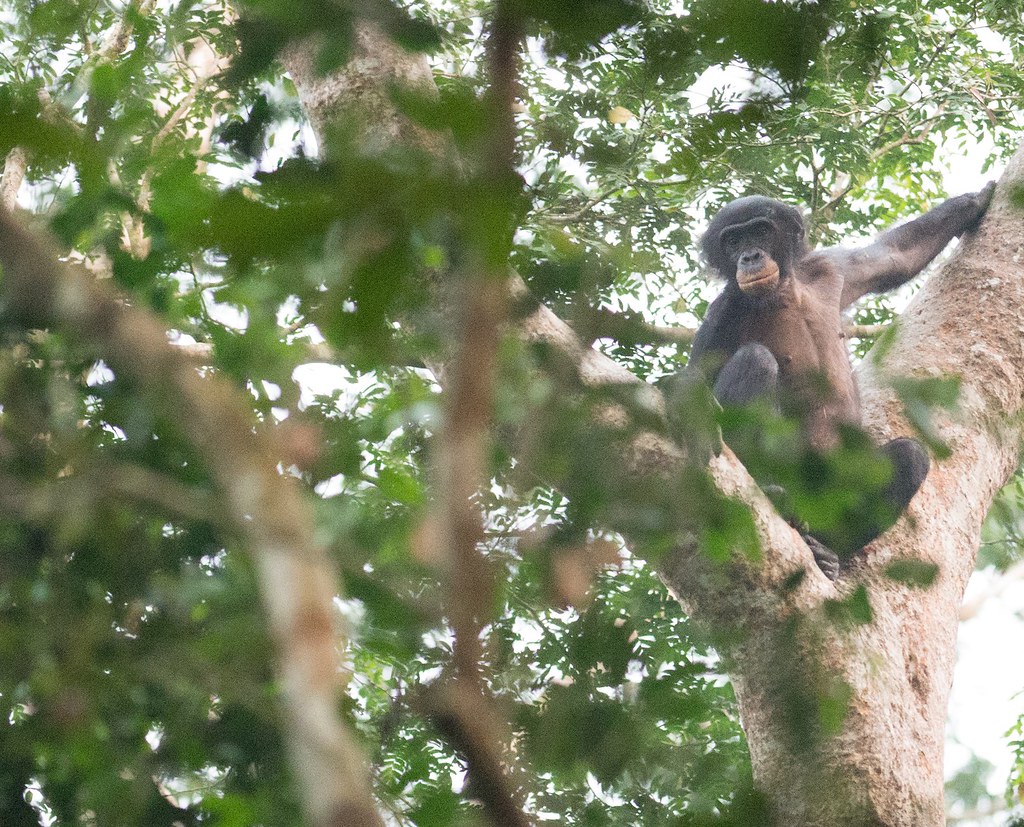
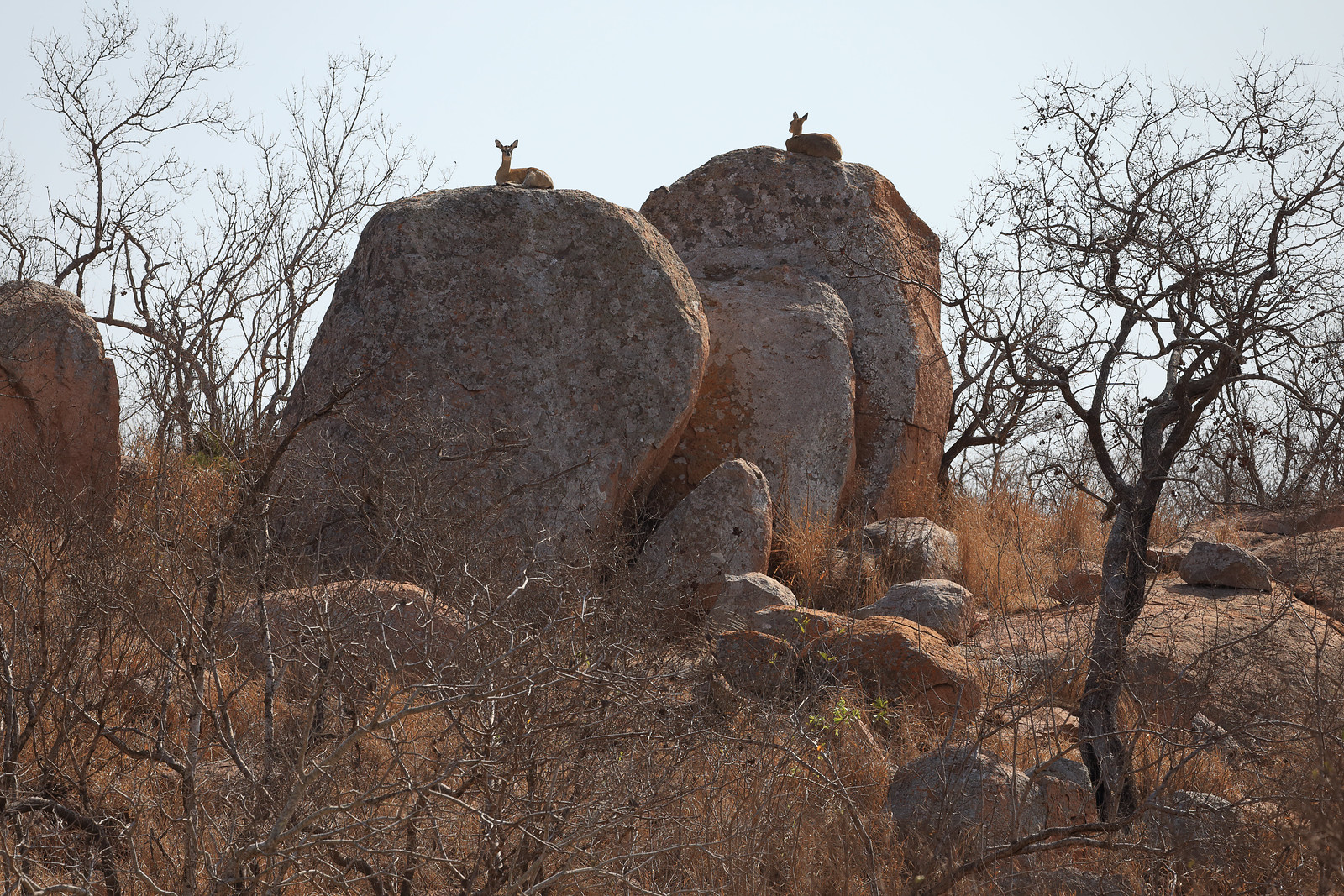
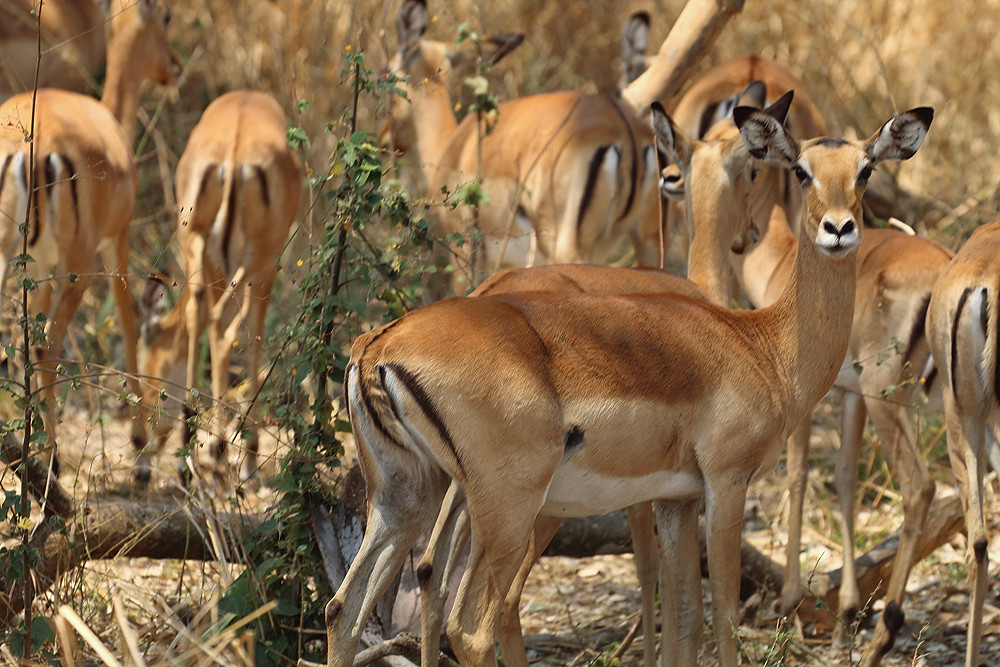
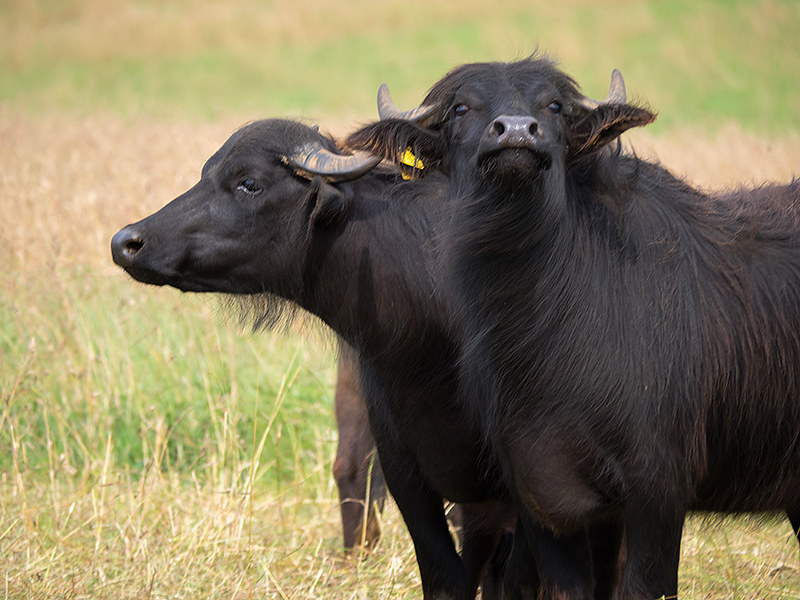
Garamba’s grasslands and forests are home to lions, leopards, hyenas, African buffalo, and various antelope species. Smaller mammals such as bongos, giant forest hogs, and pangolins also inhabit the park, creating a complex web of predator-prey interactions. The park’s isolation and diversity make it a critical refuge for species under pressure elsewhere in Africa.
Birds and Wetland Species
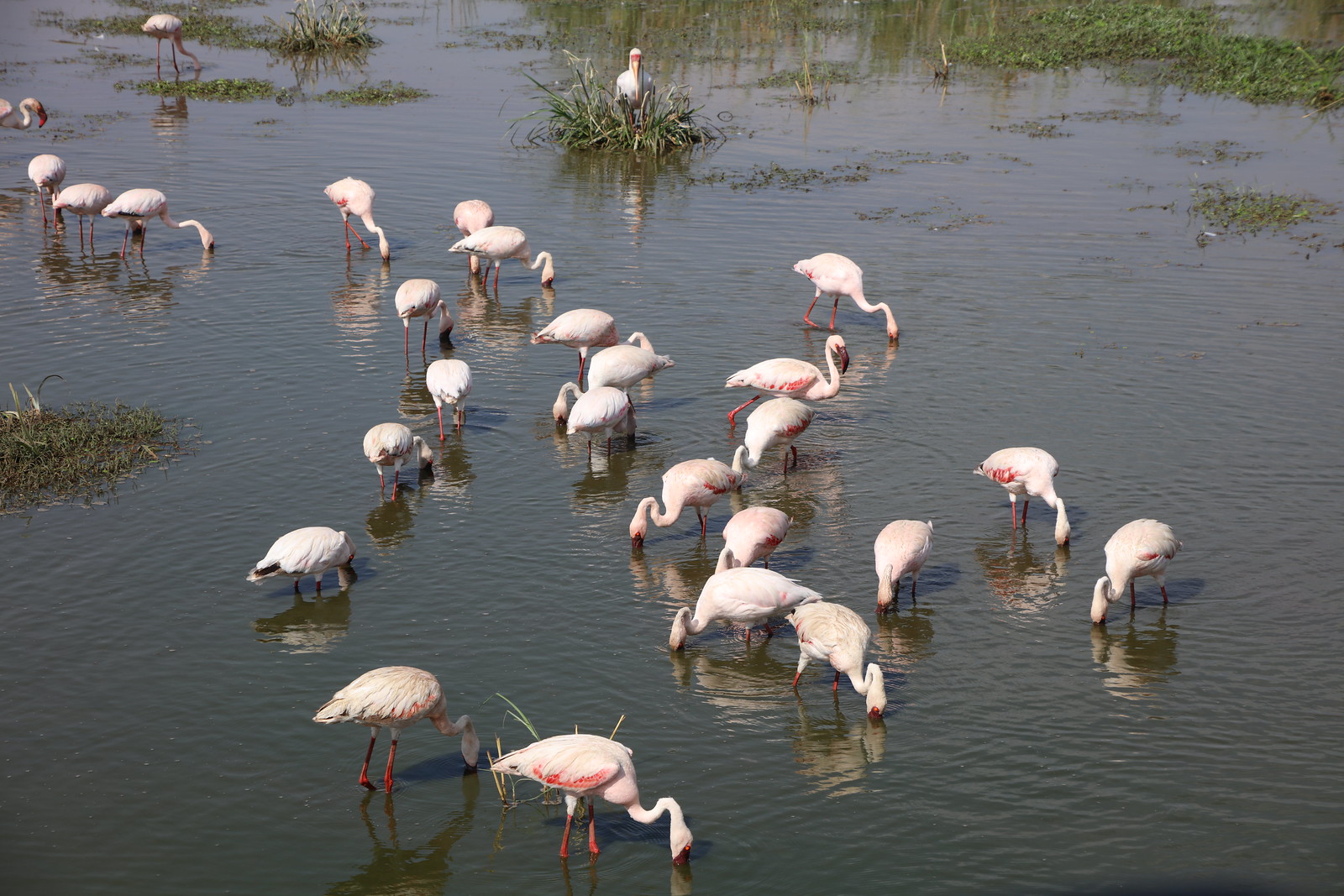
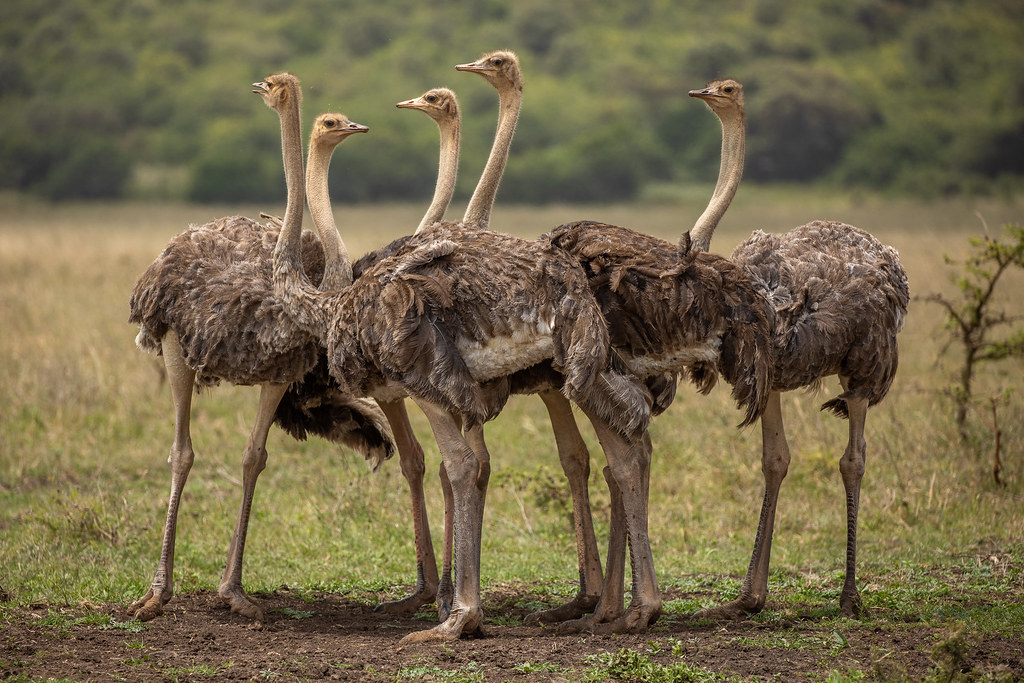
Birdwatchers will find Garamba fascinating. The park hosts over 350 bird species, including cranes, storks, herons, African fish eagles, kingfishers, and endemic forest birds. Seasonal wetlands attract migratory species from across Africa, making Garamba a year-round hotspot for bird observation and photography.
Reptiles and Amphibians
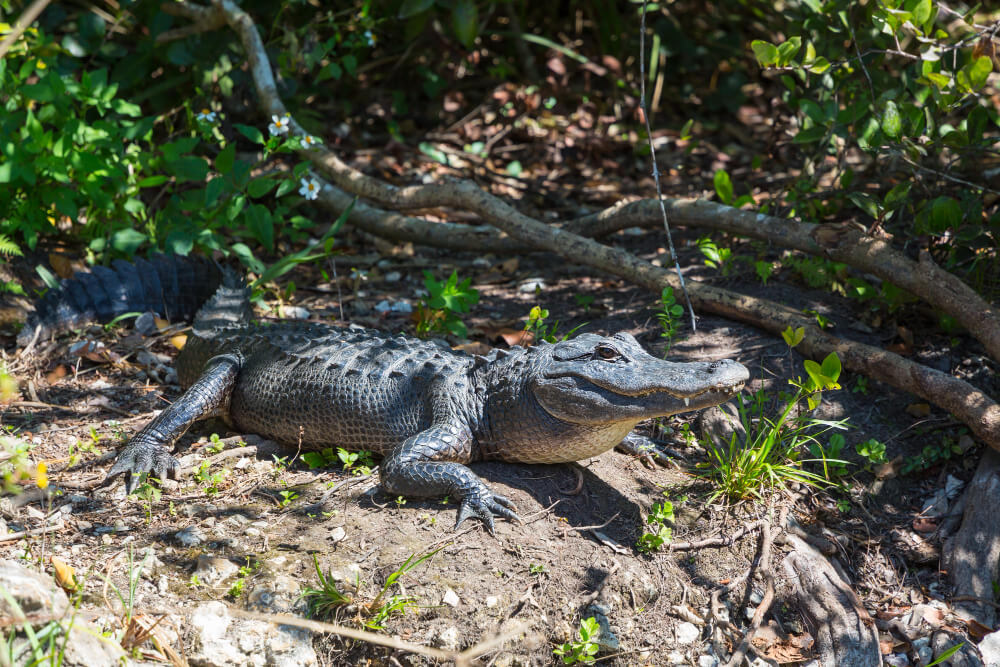
Garamba’s wetlands and forests support a variety of reptiles, including pythons, monitor lizards, crocodiles, and forest snakes. Amphibians such as frogs and toads thrive in the wetland ecosystems, contributing to the ecological balance and serving as indicators of environmental health.
Conservation Challenges
Despite its protected status, Garamba has faced significant threats over the decades. Poaching, primarily for ivory and bushmeat, devastated elephant and rhino populations. Armed conflict and political instability in the region complicated conservation efforts, leaving the park vulnerable to illegal activities.
The ICCN, in partnership with African Parks, has implemented ranger patrols, aerial surveillance, and community engagement programs to combat poaching and restore wildlife populations. These efforts have stabilized several key species, but challenges remain, especially regarding funding, security, and habitat connectivity with surrounding areas.
Visiting Garamba National Park
Garamba is not a conventional safari destination. Its remoteness, limited infrastructure, and security considerations make travel challenging. However, for the few who venture here, the experience is unmatched — a journey into a truly untamed African wilderness.
Safari Experiences
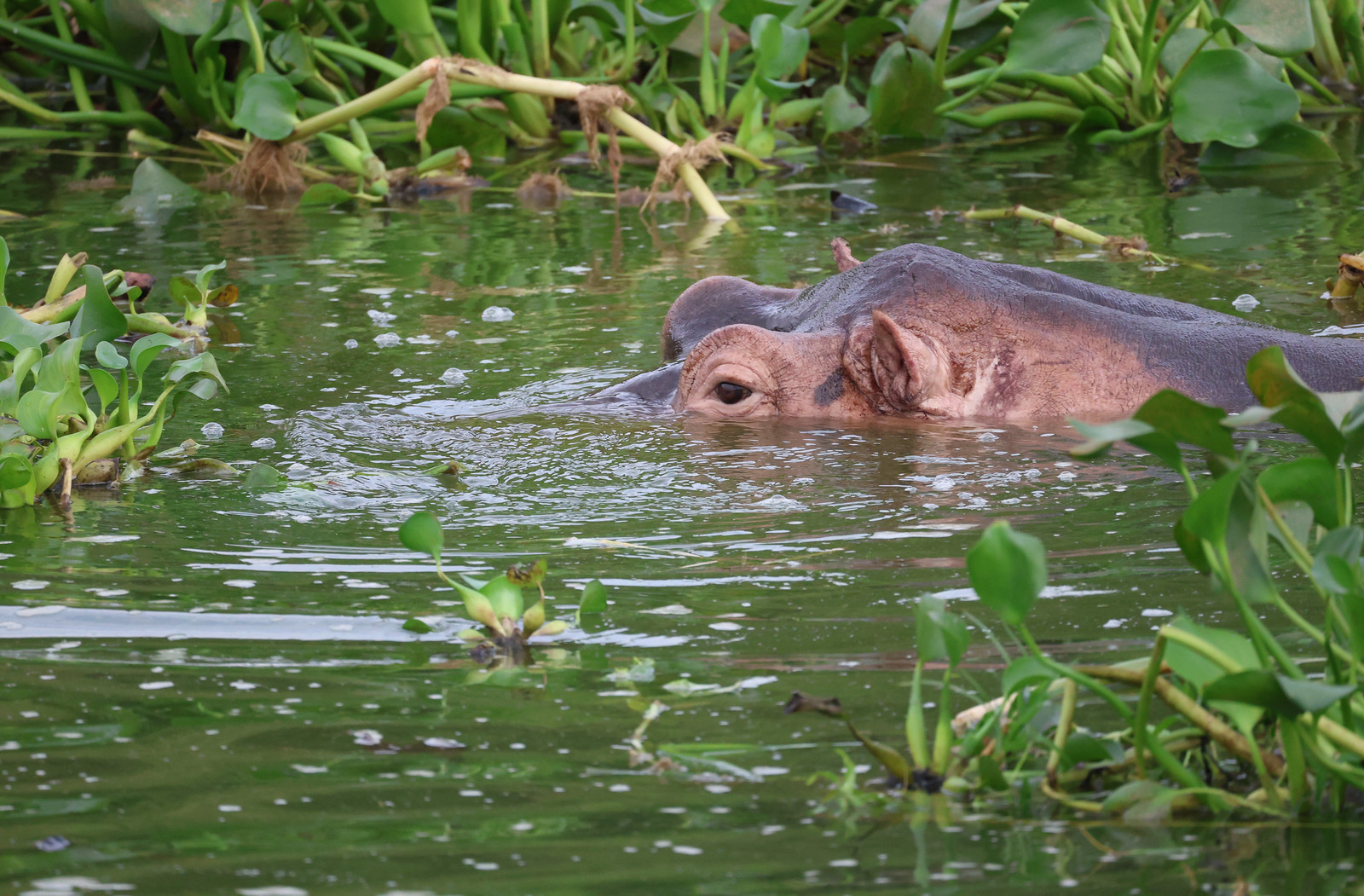
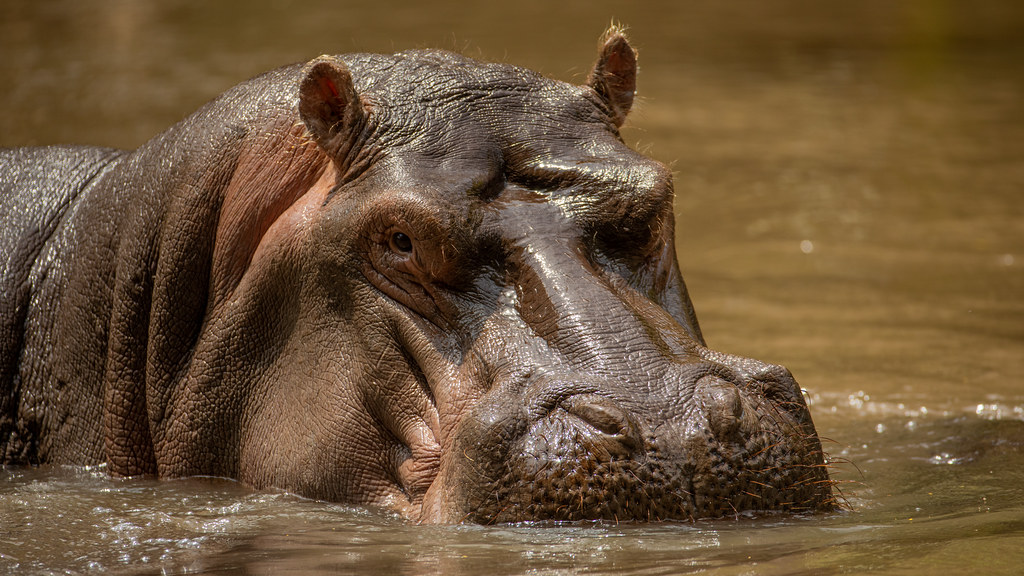
Visitors to Garamba can engage in game drives, birdwatching, wildlife photography, and guided nature walks. The best viewing occurs during the dry season, when animals concentrate near water sources and visibility improves. Canoeing along the park’s rivers provides a unique perspective of wetlands and aquatic life, offering encounters with hippos, crocodiles, and bird species.
Accommodation
Accommodation is limited. The Garamba Lodge, located outside the park, provides basic amenities and serves as a base for guided tours. Visitors should expect rustic facilities, as the park prioritizes conservation and minimal human impact over luxury tourism. Camping may be possible for researchers or highly experienced travelers, but strict permits and local guides are required.
Preparation and Safety
Traveling to Garamba requires careful preparation. Visitors need visas for the DRC, vaccinations such as yellow fever, malaria prevention measures, and sufficient supplies. French and Lingala are the main languages in the region, and hiring local guides ensures safety and enriches the experience. Visitors should be physically prepared for long drives, walking safaris, and potential exposure to rugged terrain and tropical conditions.
The Significance of Garamba
Garamba National Park is more than just a wildlife reserve; it is a symbol of resilience and hope. Its protected ecosystems safeguard endangered species, unique habitats, and essential ecological functions. The park’s conservation programs demonstrate that with commitment and collaboration, wildlife populations can recover even after severe declines.
For travelers, researchers, and conservationists, Garamba offers a rare glimpse into Africa’s raw and largely untouched wilderness. It reminds us of the importance of protecting fragile ecosystems and the incredible diversity of life that depends on them.
Garamba National Park is one of Africa’s most extraordinary wilderness areas. From elephants and Kordofan giraffes to rhinos, lions, and hundreds of bird species, the park showcases the beauty, complexity, and resilience of Central Africa’s ecosystems. Its remote savannahs, wetlands, and forests provide a refuge for wildlife that has vanished elsewhere, making it a critical conservation landscape.
Though challenging to access, visiting Garamba is a rewarding adventure for those seeking authentic, off-the-beaten-path African safaris. It is a place where nature thrives in its rawest form, where wildlife tells a story of survival, and where every visitor witnesses the power and fragility of Africa’s wild heart.
Our Recommended Tour Ideas
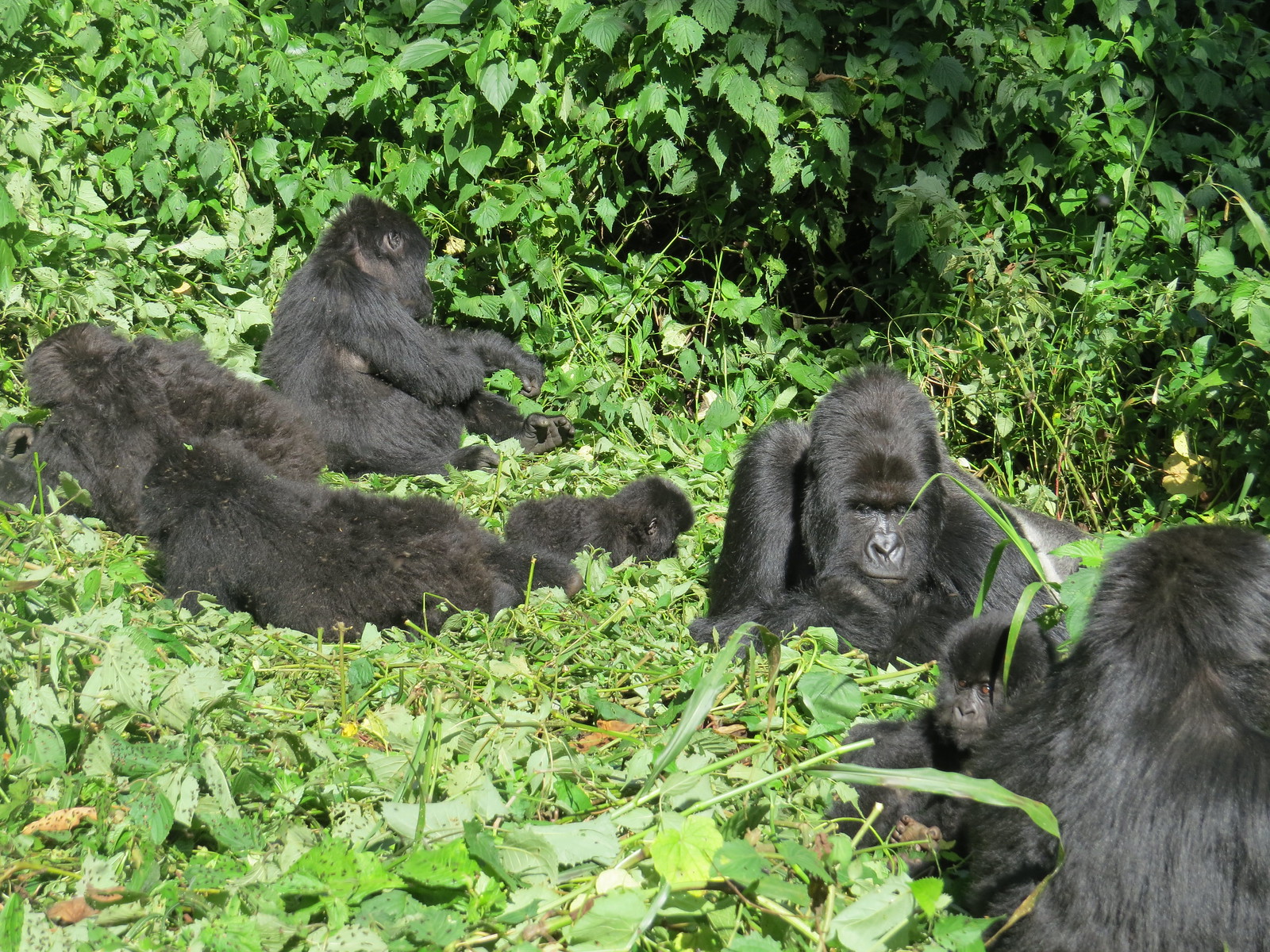
Encounter Congo's rare lowland gorillas in pristine lush rainforest on this unique and thrilling 5-day safari.

Trek Congo's lowland gorillas then hike Nyiragongo volcano on this thrilling and memorable 8-day Congo safari.

Discover Tanzania's great wildlife parks including Serengeti and Ngorongoro on this classic 6-day safari trip.
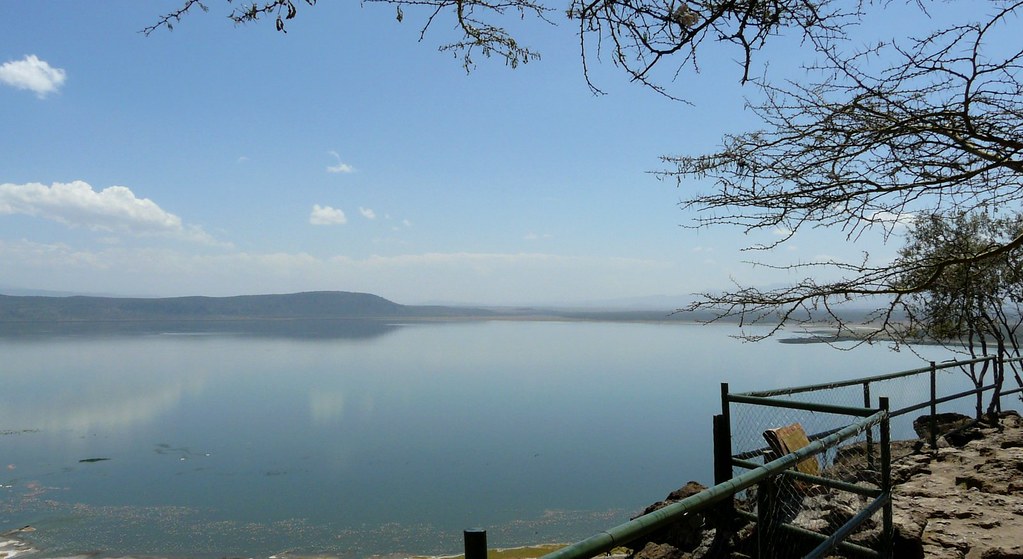
Masai Mara predators plus Lake Nakuru's rhino sanctuary, built to help you complete the Big Five in one trip.
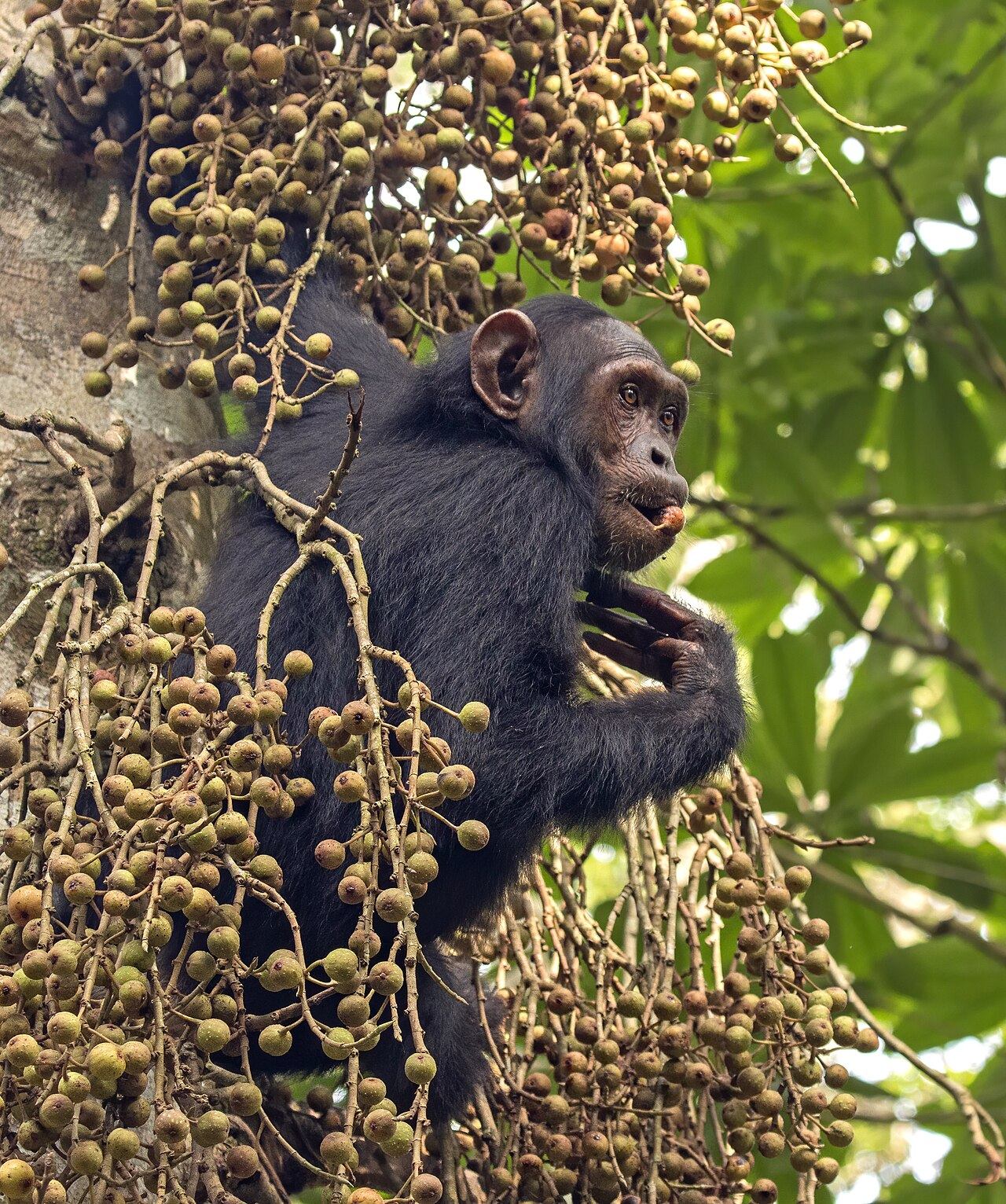
A fast-paced 2-day trip to track wild chimpanzees in Kibale Forest, the primate capital of the world.
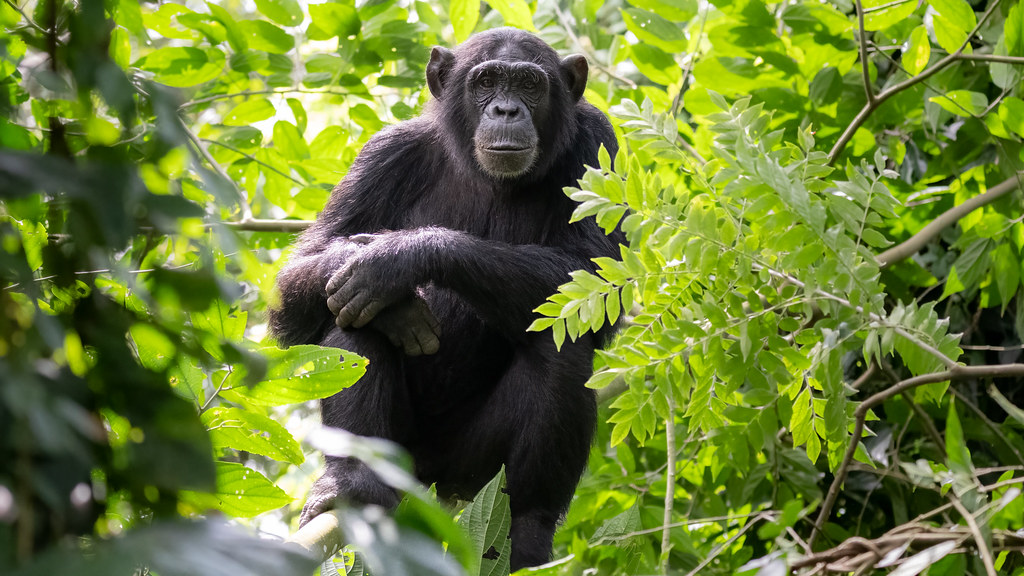
Trek chimpanzees through Kibale then cruise Murchison Falls on this well-rounded 6-day Uganda wildlife safari.
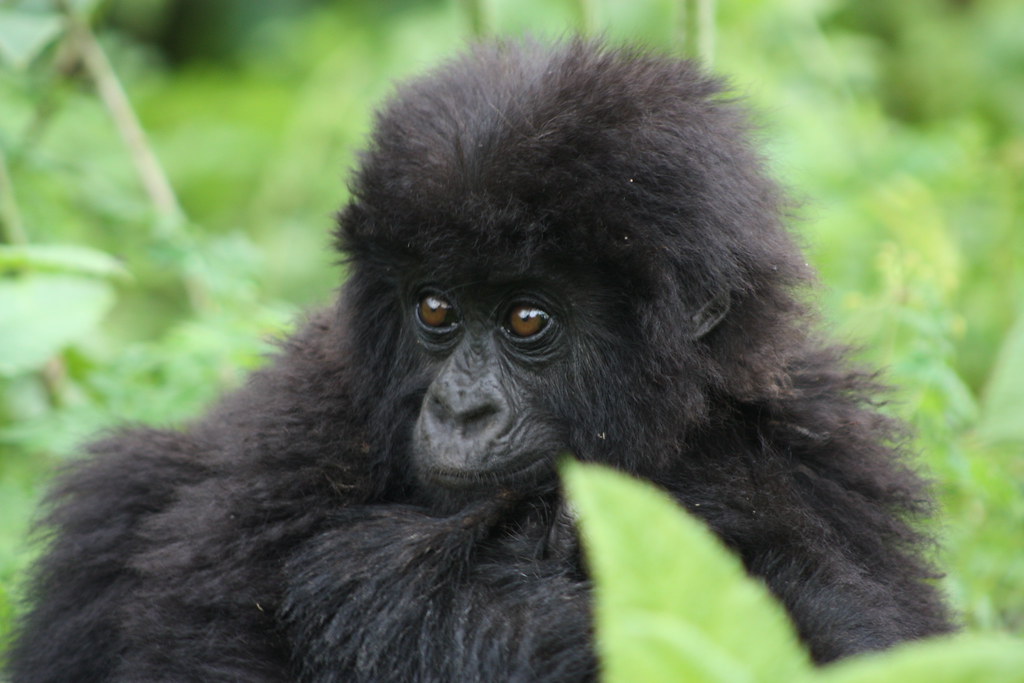
Trek Rwanda's mountain gorillas in Volcanoes National Park on this classic and epic 4-day Rwanda gorilla trip.
Game drive in Akagera to spot the Big Five and cruise scenic Lake Ihema on this rewarding 4-day Rwanda safari.
One gorilla trek in Volcanoes National Park followed by a restful day on Lake Burera and Lake Ruhondo's twin lakes.
What Our Travelers Enjoyed About Primate Safaris

Gorillas "Silverback"
Golden Monkey "Photogenic"

Chimpanzees "Pant-hoot"