Waterfalls and Wildlife Spots in Volcanoes National Park
Volcanoes National Park is best known for mountain gorilla trekking, yet beyond the celebrated gorilla encounters lies a quieter, less explored side of the park. Tucked within dense montane forests, bamboo zones, and volcanic slopes are hidden waterfalls, secluded wildlife habitats, and scenic routes that reveal the park’s deeper ecological richness. Exploring these lesser-known areas offers visitors a more intimate experience of one of Africa’s most remarkable protected landscapes.
The Landscape That Shapes Hidden Wonders
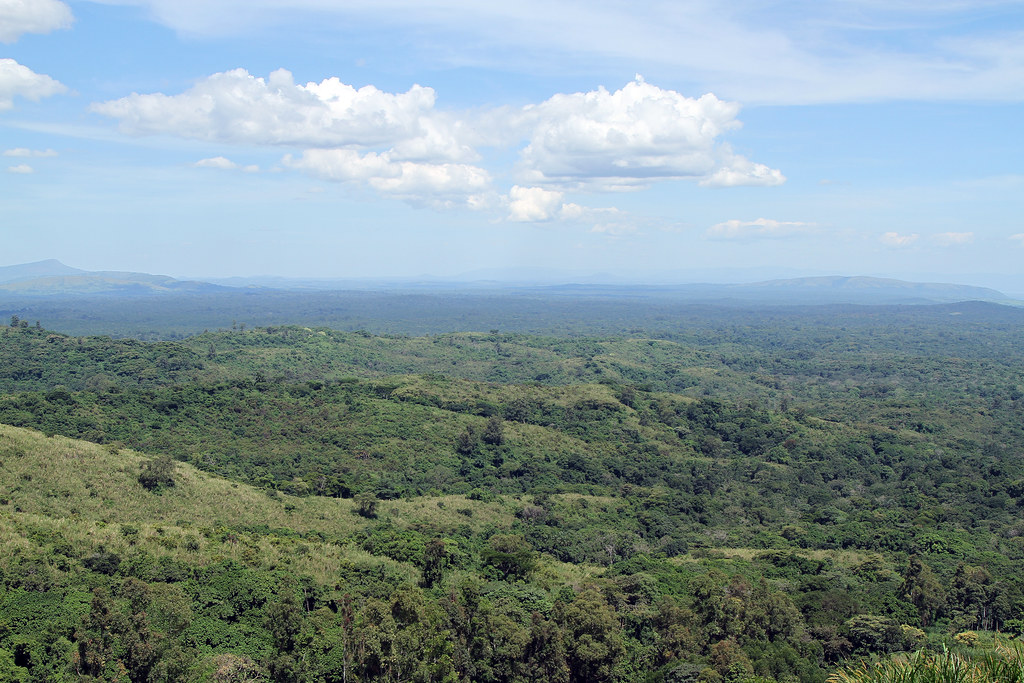
Located in northwestern Rwanda, Volcanoes National Park forms part of the greater Virunga Massif. The park’s dramatic terrain is shaped by ancient volcanic activity, creating a mosaic of habitats ranging from bamboo forests to alpine meadows. Frequent rainfall feeds numerous streams that descend from volcanic peaks, carving channels through thick vegetation and forming waterfalls that remain largely untouched by mass tourism.
These varied ecosystems support a wide range of wildlife beyond gorillas, including rare primates, forest antelope, and rich birdlife. Hidden spots within the park often exist away from main trekking routes, requiring curiosity, patience, and guided exploration.
Musanze and Volcano Slopes Waterfalls
Several waterfalls lie along the lower slopes of the Virunga volcanoes, particularly near the park’s boundaries. These waterfalls are fed by streams originating high in the mountains and flow through forested ravines. Their secluded locations make them ideal for travelers seeking quiet nature walks and scenic photography.
Reaching these waterfalls typically involves moderate hiking through farmland and forest edges before entering denser vegetation. Along the way, visitors encounter birds, butterflies, and small mammals that thrive in transitional zones between cultivated land and protected forest.
The sound of cascading water, combined with mist and lush surroundings, creates a serene atmosphere that contrasts sharply with the intensity of gorilla trekking.
The Bamboo Forest and Golden Monkey Habitats
The bamboo zone of Volcanoes National Park is one of its most dynamic and wildlife-rich environments. This habitat supports populations of golden monkeys, one of the park’s most distinctive and endangered species. Golden monkey tracking often leads visitors through less crowded sections of the forest, where encounters feel spontaneous and personal.
Beyond golden monkeys, the bamboo forest hides small streams, natural clearings, and feeding areas frequented by forest antelope such as the bushbuck. These spots are rarely marked but are well known to experienced guides who understand animal movement patterns.
During certain seasons, water collects in low-lying areas, attracting birds and amphibians and adding to the biodiversity of these hidden spaces.
Forest Trails and Lesser-Known Wildlife Corridors
While gorilla trekking routes receive the most attention, Volcanoes National Park contains a network of forest trails used primarily for research, conservation patrols, and specialized hikes. These trails pass through quiet sections of forest where wildlife moves with minimal disturbance.
Here, visitors may encounter black-fronted duikers, forest hogs, and occasionally buffalo, particularly in dense vegetation. Wildlife sightings in these areas are unpredictable but deeply rewarding due to the sense of discovery and solitude.
These trails also reveal the park’s ecological layers, from towering Hagenia trees to moss-covered undergrowth, offering insight into how different species coexist within the montane forest.
Birdwatching Near Hidden Water Sources
Waterfalls and forest streams are magnets for birdlife. Volcanoes National Park hosts numerous Albertine Rift endemic species, many of which prefer damp, shaded environments near water.
Birds such as the Rwenzori turaco, dusky crimsonwing, and various sunbird species are often seen near hidden water sources. Early morning walks near streams increase chances of sightings, as birds are most active during cooler hours.
For birdwatchers, exploring lesser-known water-rich areas provides a quieter and more productive alternative to popular trekking routes.
Cultural Sites Linked to Hidden Landscapes
Hidden waterfalls and forest clearings often hold cultural significance for surrounding communities. Local guides share stories of traditional beliefs connected to water sources, forests, and volcanic landscapes.
Some trails pass near historical sites associated with early conservation efforts and local folklore. Understanding these cultural connections enriches the experience, revealing how people and nature have coexisted around Volcanoes National Park for generations.
These cultural narratives add depth to exploration, transforming hikes into journeys through both natural and human history.
Seasonal Changes and Accessibility
The appearance and accessibility of hidden waterfalls vary throughout the year. During rainy seasons, water flow increases, making waterfalls more dramatic but trails more challenging. Streams swell, creating new channels and temporary cascades that enhance the landscape.
In drier months, waterfalls become gentler, and trails are easier to navigate. Wildlife movement also shifts, with animals concentrating around remaining water sources. Each season offers a different perspective, rewarding repeat visits with new discoveries.
Planning visits with experienced guides ensures safe navigation and maximizes opportunities to explore lesser-known areas responsibly.
Conservation and Responsible Exploration
Exploring hidden areas within Volcanoes National Park requires strict adherence to conservation guidelines. These ecosystems are sensitive, and off-trail exploration is restricted to protect wildlife and prevent habitat degradation.
Guided visits ensure minimal impact while supporting conservation efforts and local livelihoods. Tourism revenue contributes to park management, community development, and wildlife protection initiatives that safeguard these hidden habitats.
Responsible exploration ensures that hidden waterfalls and wildlife spots remain intact for future generations.
The Emotional Experience of Quiet Exploration
Discovering hidden waterfalls and wildlife spots offers a slower, more reflective experience than headline activities. The absence of crowds allows visitors to absorb sounds, scents, and subtle movements of the forest.
Moments spent beside a secluded waterfall or on a quiet forest trail create lasting memories rooted in stillness and connection. These experiences often resonate more deeply than dramatic encounters, reminding travelers that nature’s power is not always loud or obvious.
Hidden waterfalls and wildlife spots in Volcanoes National Park reveal a side of the park that extends far beyond gorilla trekking. From secluded cascades and bamboo forests to quiet wildlife corridors and bird-rich streams, these lesser-known areas offer depth, diversity, and tranquility.
For travelers seeking a more comprehensive understanding of Volcanoes National Park, exploring these hidden landscapes provides a richer, more balanced experience. By venturing beyond the familiar, visitors uncover the subtle beauty and ecological complexity that make this park one of Africa’s most extraordinary destinations.
Recommended Tours: 4 Days Rwanda Gorilla Trekking Safari | 3 Days Rwanda Gorilla Tour & Golden Monkeys