
Lesser-Known Trails for Chimpanzee Tracking Beyond Nyungwe
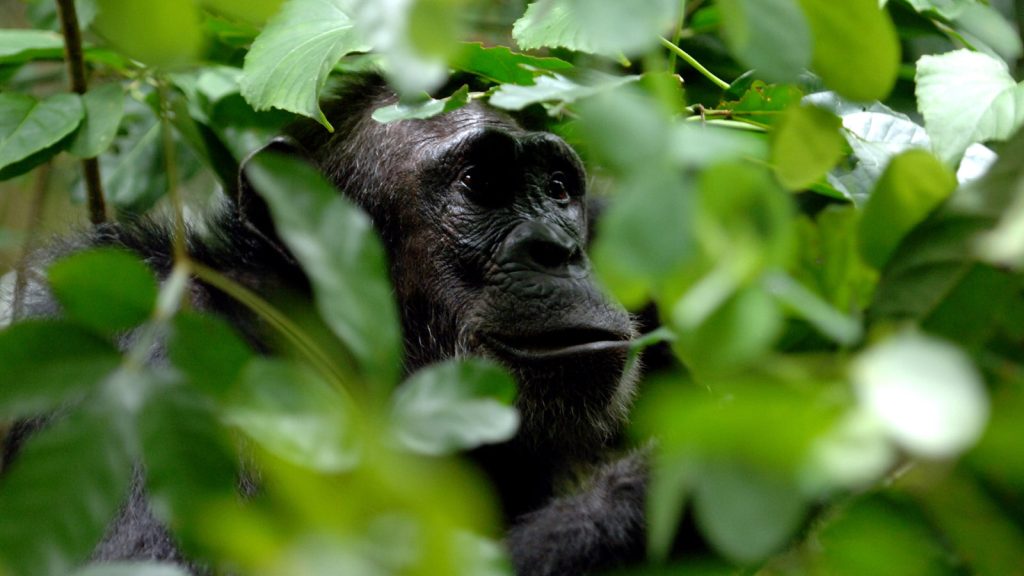
Nyungwe Forest National Park is widely regarded as Rwanda’s premier destination for chimpanzee tracking, and rightly so. Its well-established trails, large chimpanzee population, and professional guiding system make it one of the most reliable places in East Africa to encounter these intelligent primates. However, focusing only on Nyungwe can create the impression that meaningful chimpanzee experiences in the region are limited to a single location. In reality, East Africa is home to several lesser-known forests and trails where chimpanzee tracking offers a quieter, more exploratory, and often more intimate experience.
These alternative destinations provide opportunities for travelers seeking something beyond the well-trodden paths. They appeal to those who value raw forest environments, fewer visitors, and a deeper sense of discovery. Exploring chimpanzee tracking beyond Nyungwe reveals a richer, more diverse primate landscape and highlights the importance of conserving smaller, less-publicized ecosystems.
Why Look Beyond Nyungwe for Chimpanzee Tracking
Nyungwe’s popularity comes with inevitable pressure. While Rwanda manages visitation carefully, experienced travelers and primate enthusiasts may desire encounters that feel less structured and more immersive. Lesser-known trails offer a different dynamic, where tracking feels closer to genuine wildlife exploration than a scheduled activity.
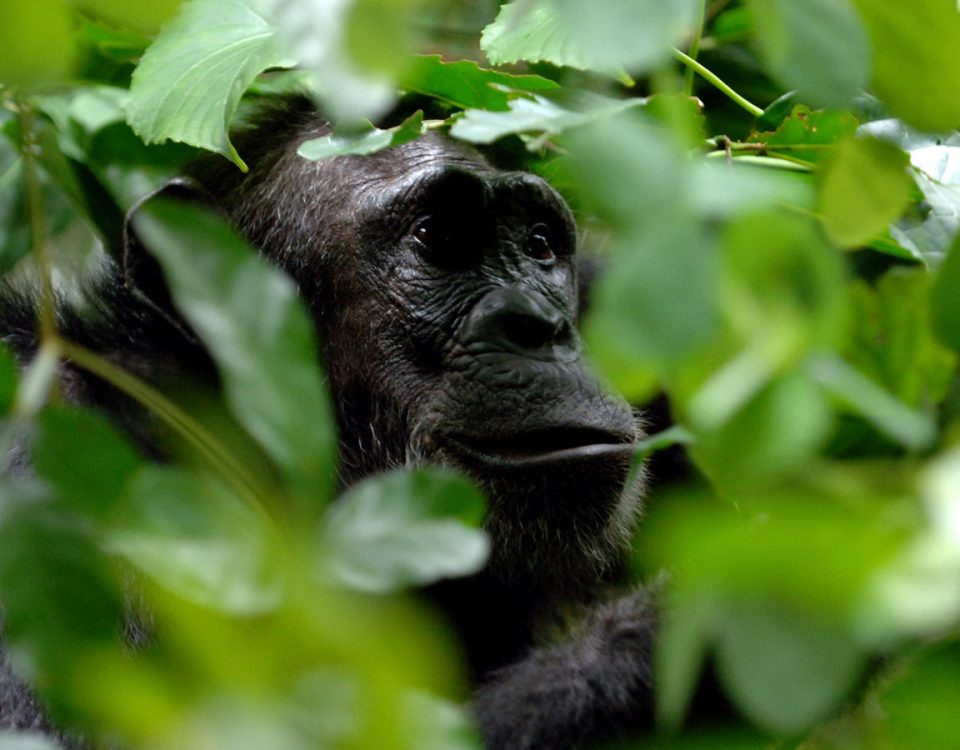
Beyond Nyungwe, chimpanzees inhabit forests that are ecologically distinct, ranging from lowland rainforests to transitional woodlands. These environments shape chimpanzee behavior in subtle but fascinating ways, influencing feeding patterns, movement, and social interaction.
Tracking in these areas broadens understanding of chimpanzees as adaptable, wide-ranging primates rather than a species confined to a single iconic park.
Kalinzu Forest Reserve in Western Uganda
Kalinzu Forest Reserve, located near Queen Elizabeth National Park in western Uganda, is one of the most underrated chimpanzee tracking destinations in East Africa. Despite its accessibility and healthy chimpanzee population, it remains far less visited than major primate parks.
The forest’s trail system winds through dense vegetation, fig trees, and forest clearings, offering varied terrain and strong chances of encounters. Kalinzu’s chimpanzees are well habituated, yet the experience feels less commercial due to smaller group sizes and fewer daily treks.
Tracking here often includes extended listening periods, where guides interpret vocalizations and movement patterns before leading visitors deeper into the forest. This slower pace enhances the sense of immersion and sharpens observational skills.
Kyambura Gorge: The Lost Valley of Apes
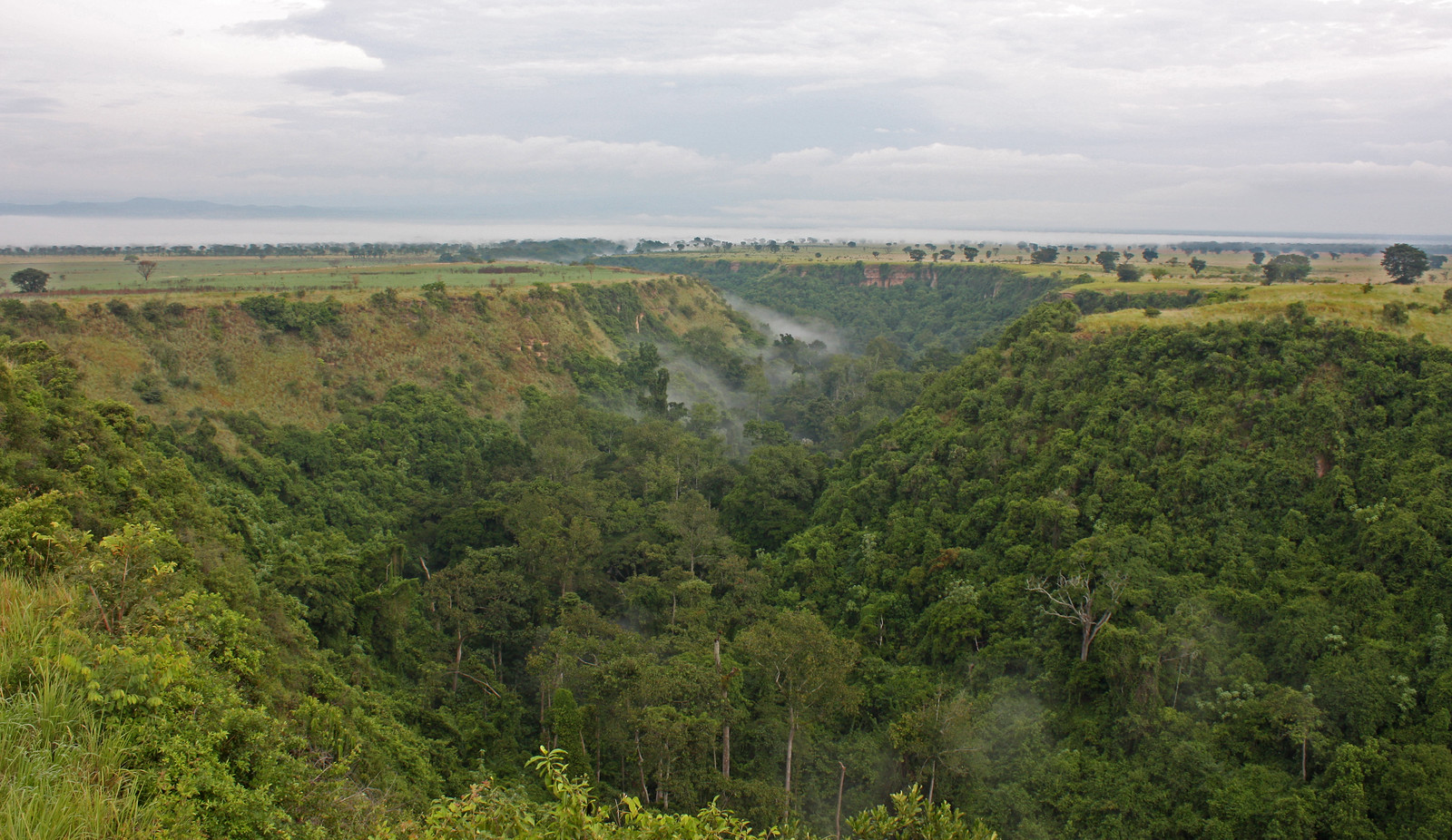
Kyambura Gorge, dramatically carved into the savannah of Queen Elizabeth National Park, offers one of the most unique chimpanzee tracking environments in Africa. Often referred to as the “Valley of Apes,” the gorge creates a lush forest corridor surrounded by open plains.
Chimpanzee tracking in Kyambura is physically demanding but deeply rewarding. Steep descents, winding river paths, and dense vegetation make the experience feel adventurous and raw. Chimpanzees here live in a fragmented habitat, resulting in smaller group sizes and elusive behavior.
Encounters may be brief, but they feel intensely authentic. The contrast between the surrounding savannah and the hidden forest emphasizes the fragility of chimpanzee habitats and the importance of conservation corridors.
Budongo Forest Reserve: A Research-Oriented Experience
Budongo Forest Reserve, located near Murchison Falls National Park, is one of Uganda’s most important chimpanzee research sites. It offers a tracking experience rooted in long-term scientific study rather than tourism alone.
Budongo’s forest structure is different from Nyungwe’s montane rainforest, featuring tall mahogany trees and more open understory in some areas. This allows for clearer views when chimpanzees are encountered, enhancing behavioral observation.
The Kaniyo Pabidi area within Budongo is particularly known for its accessible trails and well-habituated chimpanzee community. Tracking here often feels educational, with guides emphasizing behavior, communication, and social structure.
Budongo appeals to travelers interested in understanding chimpanzees beyond surface-level sightings.
Kibale Forest’s Lesser-Used Trails
Kibale Forest National Park is famous for chimpanzee tracking, but not all of its trails receive equal attention. While the Kanyanchu area attracts most visitors, lesser-used sections of the forest offer quieter experiences.
These alternative trails provide opportunities to encounter chimpanzees alongside other primates, birds, and forest mammals. The reduced foot traffic allows for longer listening periods and fewer interruptions during sightings.
Exploring these less-visited areas reveals the depth of Kibale’s biodiversity and reminds travelers that even well-known parks have hidden corners waiting to be discovered.
Gishwati-Mukura Landscape: Rwanda’s Emerging Primate Corridor
Beyond Nyungwe, Rwanda’s Gishwati-Mukura National Park represents a newer and less explored primate destination. While chimpanzee tracking here is still developing, the landscape plays a vital role in conservation and habitat restoration.
Gishwati-Mukura consists of fragmented forest patches connected through reforestation efforts. Chimpanzees inhabit these forests, and ongoing research aims to support future sustainable tracking experiences.
Visiting emerging primate landscapes like Gishwati-Mukura highlights the long-term nature of conservation and offers insight into how degraded habitats can recover with protection and community involvement.
What Makes Lesser-Known Trails Special
Lesser-known chimpanzee tracking trails offer a sense of unpredictability that many seasoned travelers value. Sightings may take longer, encounters may be shorter, and conditions may be more challenging—but these elements contribute to authenticity.
These trails often require greater patience and physical effort, rewarding travelers with a deeper connection to the forest. Guides rely more heavily on tracking skills, vocalization interpretation, and environmental awareness rather than fixed routines.
The experience feels less scripted and more collaborative, with visitors actively participating in the tracking process.
Conservation Importance of Alternative Tracking Sites
Expanding interest beyond flagship parks reduces pressure on popular destinations and spreads tourism benefits more evenly. Revenue generated from lesser-known sites supports forest protection, research, and community livelihoods.
These forests often face greater threats from agriculture, logging, and human encroachment. Responsible tourism provides financial incentives to preserve chimpanzee habitats and maintain forest integrity.
By choosing alternative tracking locations, travelers contribute to a broader conservation network rather than concentrating impact in a single area.
Comparing Experiences: Nyungwe Versus Lesser-Known Trails
Nyungwe offers reliability, structured management, and consistently high encounter rates. Lesser-known trails offer solitude, exploration, and a raw connection to nature.
Neither approach is superior; they serve different traveler preferences. Combining Nyungwe with alternative tracking destinations creates a richer, more comprehensive primate itinerary.
This combination allows travelers to experience both refined conservation tourism and emerging, grassroots efforts.
Who Should Explore These Lesser-Known Trails
Lesser-known chimpanzee tracking destinations are ideal for repeat safari travelers, primate enthusiasts, conservation-focused visitors, and those seeking quieter experiences.
They appeal to travelers comfortable with longer walks, variable conditions, and fewer guarantees. In return, they offer authenticity, learning, and a sense of contribution to conservation beyond mainstream tourism.
These trails suit travelers who value depth over convenience.
The Future of Chimpanzee Tracking Beyond Flagship Parks
As interest in primate tourism grows, the future of chimpanzee tracking depends on careful expansion rather than overdevelopment. Lesser-known trails must be managed responsibly to avoid repeating the pressures faced by popular parks.
Investment in guide training, research, and community involvement will determine whether these destinations remain sustainable. When managed correctly, they can complement established parks and strengthen regional conservation strategies.
These forests represent opportunity—not just for tourism, but for long-term chimpanzee survival.
Lesser-known trails for chimpanzee tracking beyond Nyungwe reveal a more nuanced and expansive picture of East Africa’s primate landscapes. From the hidden valleys of Kyambura to the research forests of Budongo and the emerging corridors of Rwanda, these destinations offer meaningful, low-impact experiences rooted in conservation and discovery.
Recommended Tours: 3 Days Chimpanzee Trekking in Kibale | 4 Days Kibale & Queen Elizabeth Safari