Forest Bathing in Nyungwe: A Mindful Safari Experience
When people imagine an African safari, the image that often comes to mind is an open savannah dotted with acacia trees, safari vehicles scanning the horizon, and large mammals moving across golden plains. Yet Africa’s wilderness is far more diverse than these iconic scenes suggest. In Rwanda’s Nyungwe Forest National Park, the safari experience takes on a completely different character-one defined by stillness, immersion, and mindful connection with nature. Forest bathing in Nyungwe offers a safari experience that is not about speed or spectacle, but about presence, awareness, and emotional restoration.
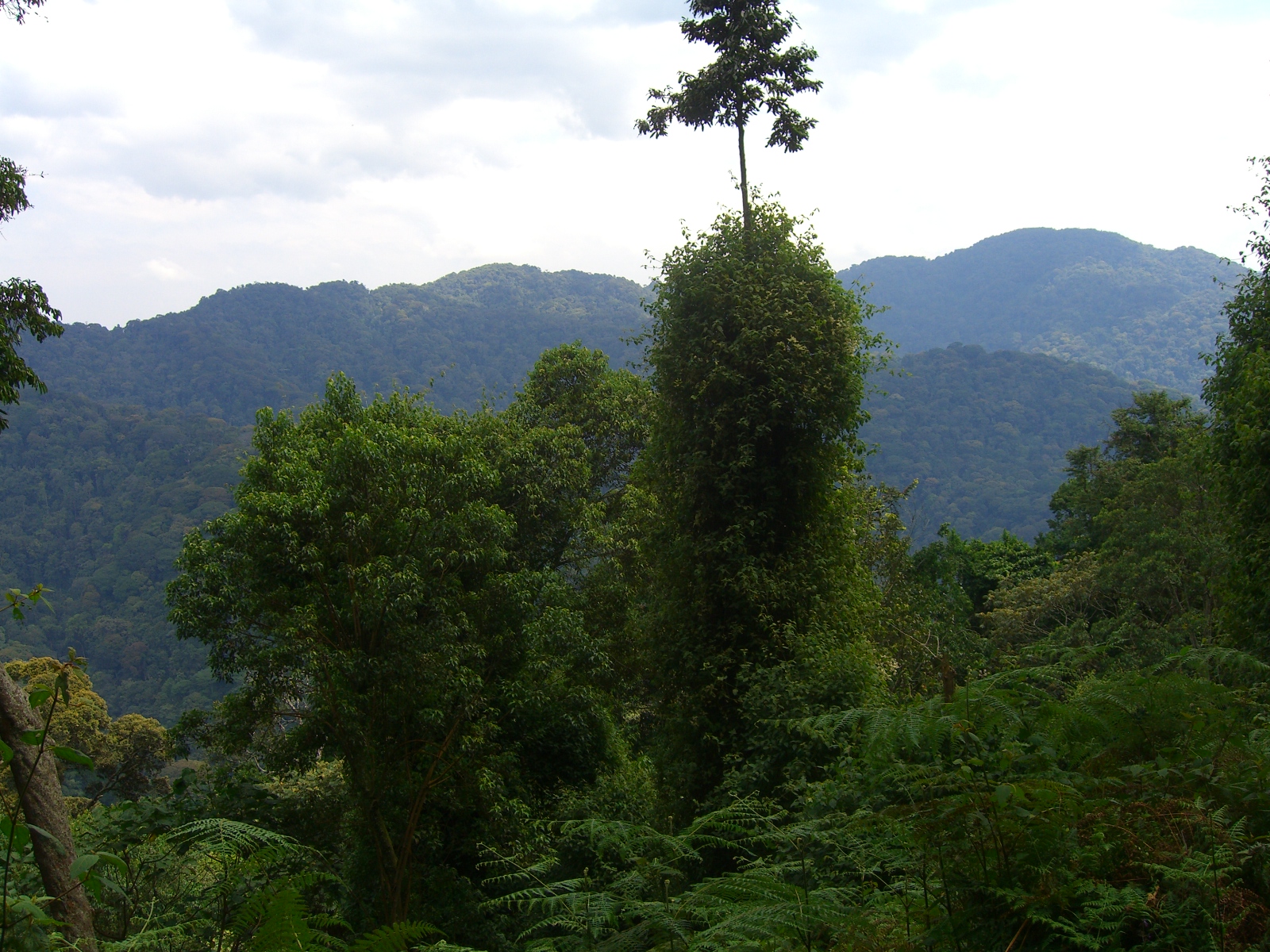
Nyungwe Forest is one of Africa’s oldest surviving rainforests, a place where towering trees, deep valleys, and mist-covered trails create an atmosphere of quiet intensity. Forest bathing here invites travelers to slow down and experience the forest not as a destination to conquer, but as an environment to feel, listen to, and respect. This mindful approach to safari travel aligns naturally with Nyungwe’s ecological significance and Rwanda’s broader commitment to sustainable tourism.
What Forest Bathing Really Means
Forest bathing, often associated with the Japanese concept of shinrin-yoku, refers to the practice of immersing oneself in a forest environment using all the senses. It is not a physical workout, a guided meditation session, or a wildlife chase. Instead, it is a gentle, intentional way of being present in nature.
In Nyungwe, forest bathing involves slow walking along shaded trails, pausing to notice the texture of tree bark, the scent of damp earth, and the layered sounds of birds, insects, and distant primates. The goal is not to reach a destination quickly but to allow the forest itself to guide the experience.
This approach fits seamlessly into Nyungwe’s landscape, where dense vegetation and limited visibility naturally discourage hurried movement and encourage observation.
Nyungwe Forest National Park as a Natural Setting for Mindfulness
Nyungwe Forest National Park stretches across Rwanda’s southwestern highlands and is one of the largest protected montane rainforests in East Africa. Its age and ecological complexity give it a sense of depth that is immediately felt by visitors.
The forest canopy filters sunlight into soft, shifting patterns, while frequent mist creates a hushed, almost sacred atmosphere. These natural conditions reduce external distractions and encourage inward focus, making Nyungwe an ideal environment for mindful travel.
Unlike open landscapes where attention is drawn outward, Nyungwe invites introspection. Every step reveals small details-a fungus growing on a fallen log, leaves moving subtly in the breeze, or a sudden chorus of birds calling from the canopy.
Redefining the Safari Experience
Forest bathing in Nyungwe challenges conventional ideas of what a safari should be. There are no vehicles racing toward sightings, no pressure to maximize encounters, and no sense of urgency. Instead, the forest sets the pace.
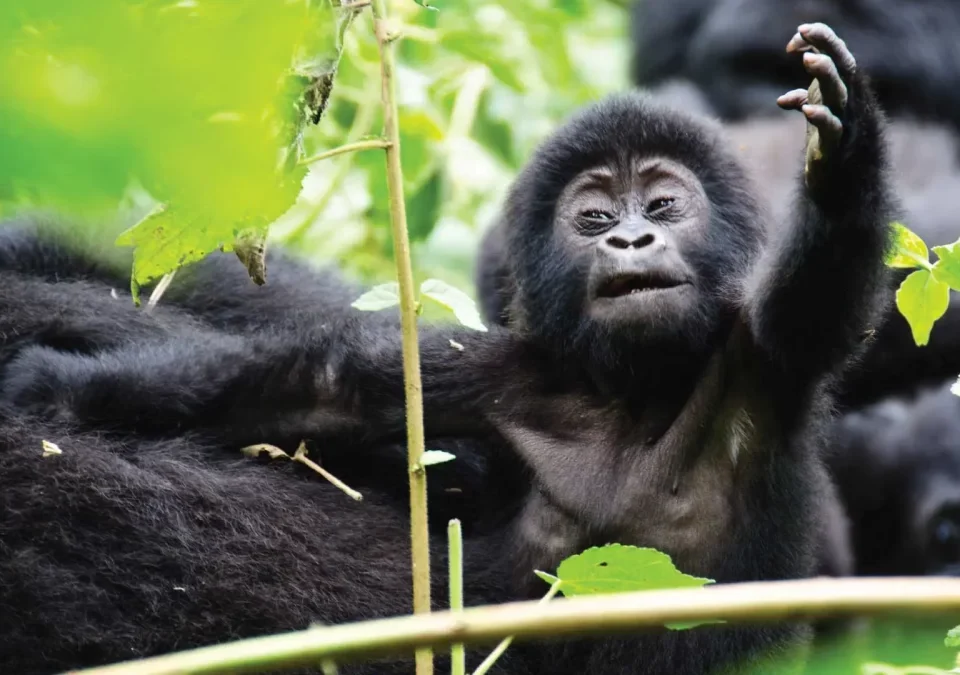
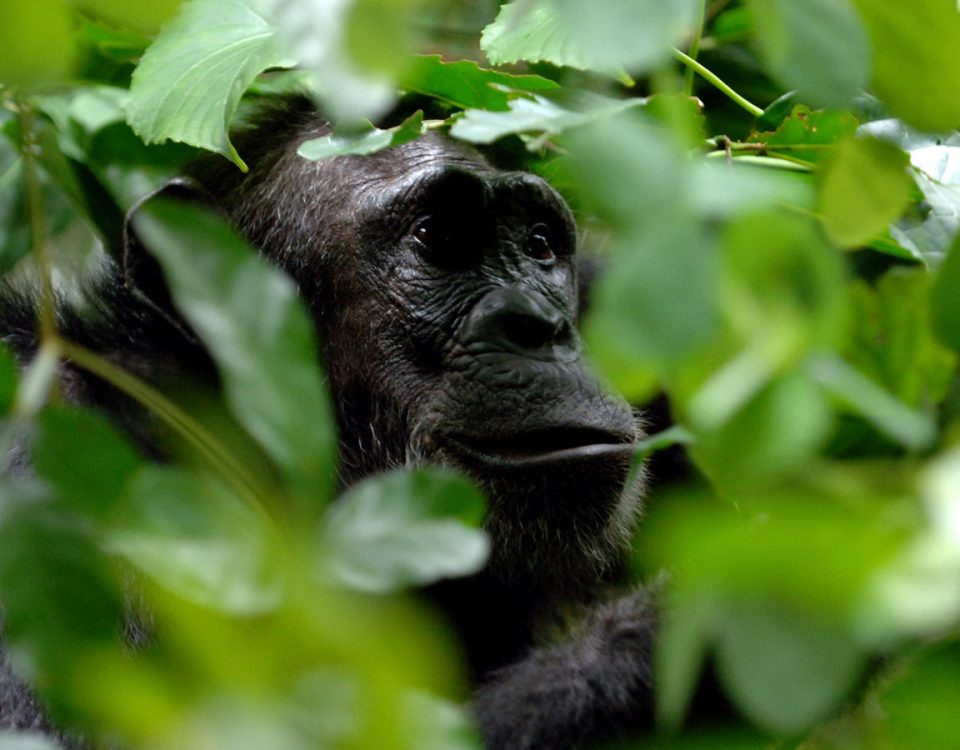
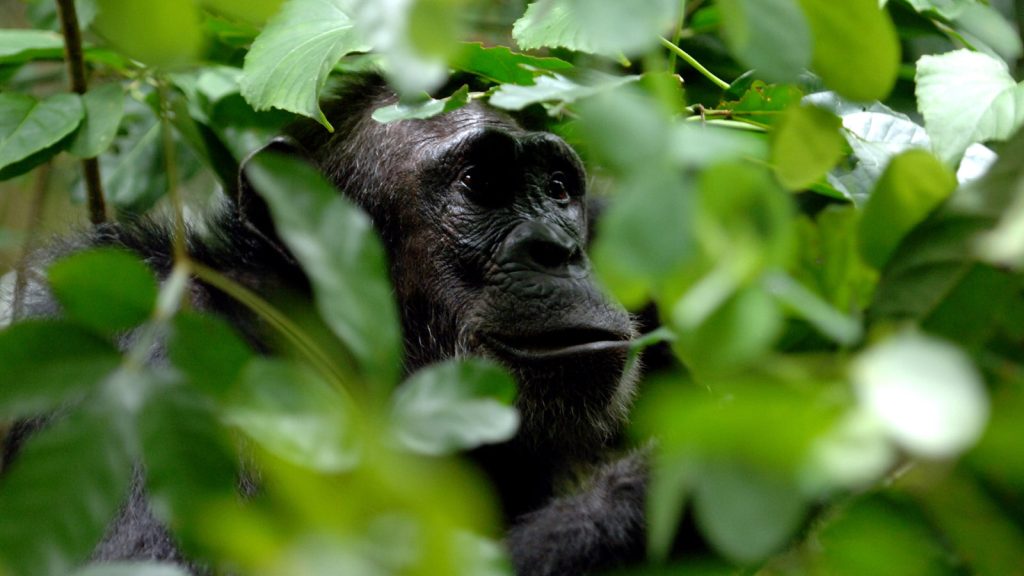
Wildlife encounters occur quietly and unexpectedly. A group of black-and-white colobus monkeys may appear overhead, or a chimpanzee call may echo through the forest without revealing its source. These moments feel intimate precisely because they are unforced.
This mindful safari experience emphasizes coexistence rather than observation from a distance. Visitors become temporary participants in the forest’s rhythm, rather than spectators looking in.
The Sensory Depth of Nyungwe’s Rainforest
One of the defining features of forest bathing in Nyungwe is the intensity of sensory engagement. The forest is alive with sound, movement, and subtle changes that reward attention.
Birdsong layers upon itself, creating a complex soundscape that shifts throughout the day. Insects hum softly beneath the leaves, while the occasional call of a primate carries across valleys. These sounds replace the silence many associate with wilderness, reminding visitors that the forest is constantly active.
The air in Nyungwe feels cooler and heavier, enriched by moisture and vegetation. Walking slowly allows travelers to notice temperature shifts, the feel of moss-covered stones underfoot, and the gentle resistance of forest paths.
These sensory experiences anchor visitors in the present moment, encouraging calm and awareness.
Guided Forest Bathing and Interpretation
Forest bathing experiences in Nyungwe are often guided by trained professionals who understand both the ecological and emotional value of the forest. These guides help visitors slow down, observe quietly, and engage with the forest respectfully.
Rather than focusing exclusively on species identification, guides emphasize ecological relationships and natural processes. They explain how trees communicate through root systems, how seasonal changes affect wildlife behavior, and how human actions influence forest health.
This interpretive approach enhances mindfulness while reinforcing conservation awareness, ensuring that the experience is both enriching and responsible.
Silence, Stillness, and the Power of Observation
Silence plays a central role in forest bathing. In Nyungwe, moments of stillness allow the forest to reveal itself gradually. When movement stops, subtle details emerge-leaves trembling as an unseen animal passes, light shifting across the forest floor, or insects moving rhythmically through the undergrowth.
These quiet moments cultivate patience and attentiveness, qualities often lost in fast-paced travel experiences. Visitors learn to observe without expectation, appreciating the forest on its own terms.
This practice fosters respect for wildlife and reinforces ethical safari values that prioritize minimal disturbance.
Mental, Emotional, and Physical Benefits
Forest bathing in Nyungwe offers more than aesthetic pleasure; it supports mental and emotional well-being. Immersion in natural environments has been associated with reduced stress, improved mood, and enhanced mental clarity.
The forest’s calm atmosphere encourages reflection and emotional reset. For many travelers, this experience becomes a counterbalance to busy itineraries and digital overload, offering space for quiet thought and restoration.
Physically, the gentle movement involved in forest bathing promotes relaxation without strain, making it accessible to a wide range of travelers.
Forest Bathing as a Conservation Tool
Mindful safari experiences like forest bathing contribute directly to conservation goals. By emphasizing low-impact activities, small groups, and slow movement, forest bathing reduces pressure on wildlife and fragile habitats.
Nyungwe’s tourism model prioritizes sustainability, ensuring that visitor experiences align with long-term forest protection. Forest bathing requires minimal infrastructure, making it an efficient way to generate conservation revenue without environmental degradation.
Tourism income supports park management, research, and community projects, reinforcing the link between responsible travel and conservation success.
Community Involvement and Cultural Understanding
Local communities surrounding Nyungwe Forest National Park are integral to conservation and tourism efforts. Many forest guides come from nearby villages, bringing cultural knowledge and personal connection to the forest.
During forest bathing experiences, guides may share traditional uses of forest plants, local conservation stories, and insights into how communities coexist with the forest. This cultural context deepens understanding and fosters mutual respect.
By involving local people, forest bathing supports livelihoods while strengthening community commitment to conservation.
Who Should Experience Forest Bathing in Nyungwe
Forest bathing appeals to travelers seeking depth, reflection, and meaningful connection with nature. It resonates with wellness travelers, photographers, writers, conservation enthusiasts, and those looking to experience Africa beyond traditional safari formats.
It also complements classic wildlife itineraries, offering balance after high-energy game drives or primate treks. For experienced safari travelers, forest bathing provides a fresh perspective on Africa’s natural diversity.
This experience demonstrates that safaris can be transformative without being dramatic.
Nyungwe’s Role in the Future of African Safaris
Nyungwe Forest National Park represents a shift in how African safaris are evolving. As travelers seek more meaningful and sustainable experiences, destinations like Nyungwe show that mindfulness and conservation can enhance, rather than replace, wildlife tourism.
Forest bathing here is not a trend imposed on the landscape; it is a natural response to the forest’s character. Nyungwe invites visitors to slow down, listen, and feel-qualities that define a new generation of safari experiences.
Forest bathing in Nyungwe offers a mindful safari experience that reimagines how travelers engage with Africa’s wilderness. Through slow movement, sensory awareness, and respectful observation, visitors form deep connections with one of the continent’s most ancient forests.
This approach highlights the power of quiet tourism, where conservation, wellness, and cultural understanding intersect. Nyungwe does not demand attention through spectacle; it earns it through presence. In doing so, it leaves visitors with something rare-a sense of calm, perspective, and lasting respect for the natural world.
Recommended Tours: 4 Days Akagera Safari & Lake Ihema Cruise | 7 Days Classic Rwanda Safari