
East African Safaris vs. Wildlife Experiences in the USA: A Complete Travel Perspective
Traveling to witness wildlife is one of the most thrilling and enriching ways to explore a new continent. From tracking elephants across endless plains to observing bears in forested mountains, the world offers remarkable opportunities to experience nature up close. Yet, not all wildlife experiences are the same. Comparing East African safaris to wildlife experiences in the United States reveals profound differences in landscape, wildlife behavior, cultural context, and overall immersion. For travelers deciding where to venture next, understanding these distinctions is essential for crafting a truly unforgettable journey.
The Vast and Untamed Landscapes of East Africa
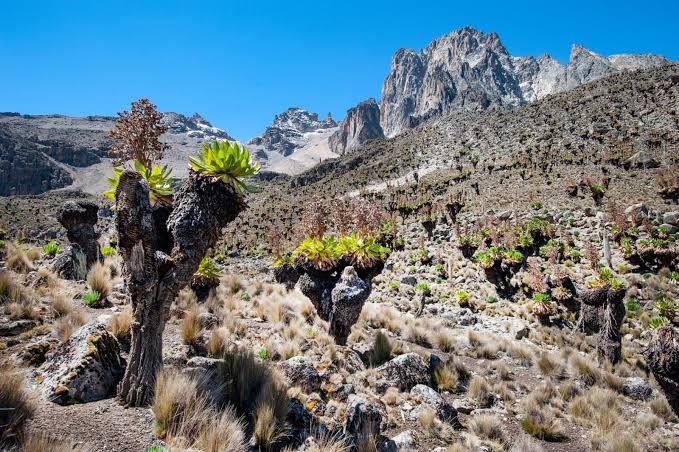
East Africa’s landscapes are legendary for their scale, diversity, and raw beauty. Countries like Kenya, Tanzania, Uganda, Rwanda, and even parts of Ethiopia and South Sudan feature rolling savannahs, volcanic highlands, dense tropical forests, winding rivers, and pristine lakes. Iconic destinations such as the Maasai Mara, Serengeti, Ngorongoro Crater, Bwindi Impenetrable Forest, and Lake Victoria are representative of an ecosystem largely untouched by urban development.
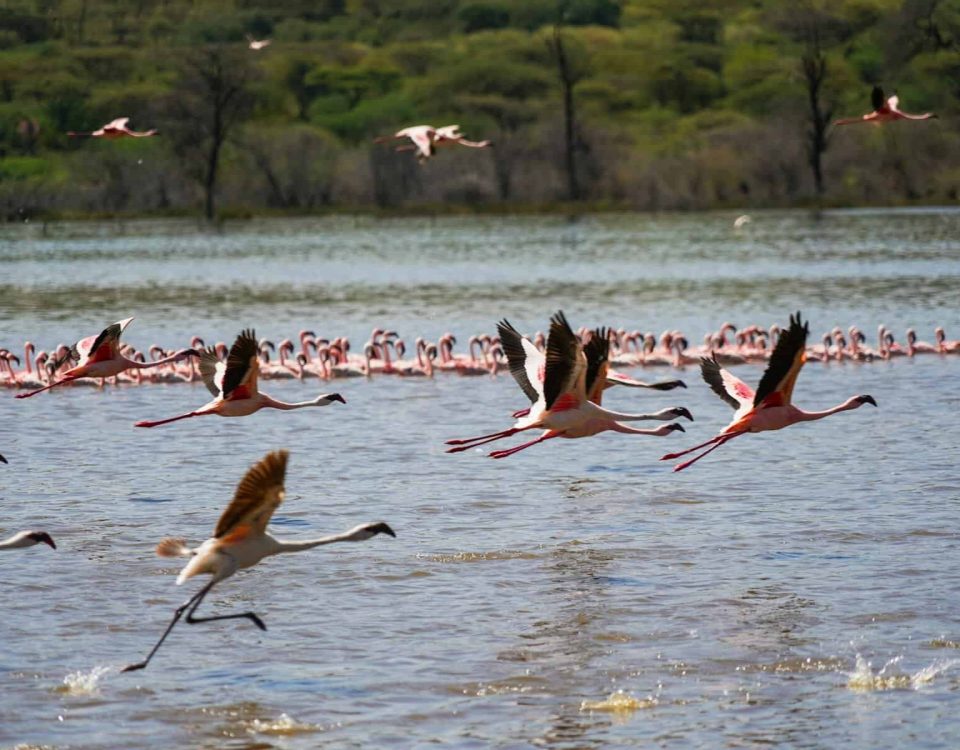
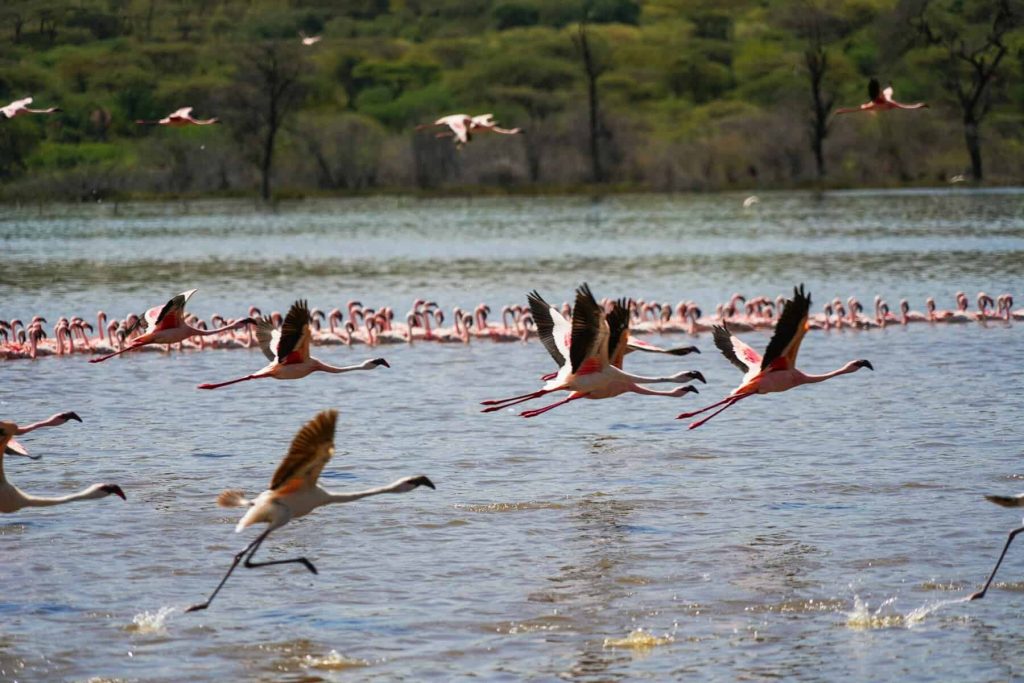
Here, the land itself plays a starring role in the safari experience. Travelers encounter a horizon that seems infinite, where the golden grasses of the savannah ripple in the wind and herds of wildlife traverse vast, unfenced territories. The terrain changes dramatically over short distances, moving from the arid plains of northern Kenya to the misty highlands of Rwanda, offering an ever-evolving backdrop for adventure. Every day presents a new visual feast: sunrise over acacia-studded plains, mist rising from forest valleys, and the shimmering reflection of wildlife on tranquil lakes.
In contrast, the United States offers wildlife experiences within structured national parks and reserves. Yellowstone, Denali, Everglades, Glacier, and Yosemite are breathtaking in their own right, featuring mountains, forests, wetlands, and deserts. The terrain is dramatic and varied, but it is framed by human management, park boundaries, and visitor infrastructure. Roads, trails, and observation points create access to wildlife, but the sense of infinite, unbounded wilderness is less pronounced than in East Africa. The American experience is more about observing animals in protected environments rather than stepping into entirely untamed landscapes.
Wildlife Diversity: The Heart of the Safari
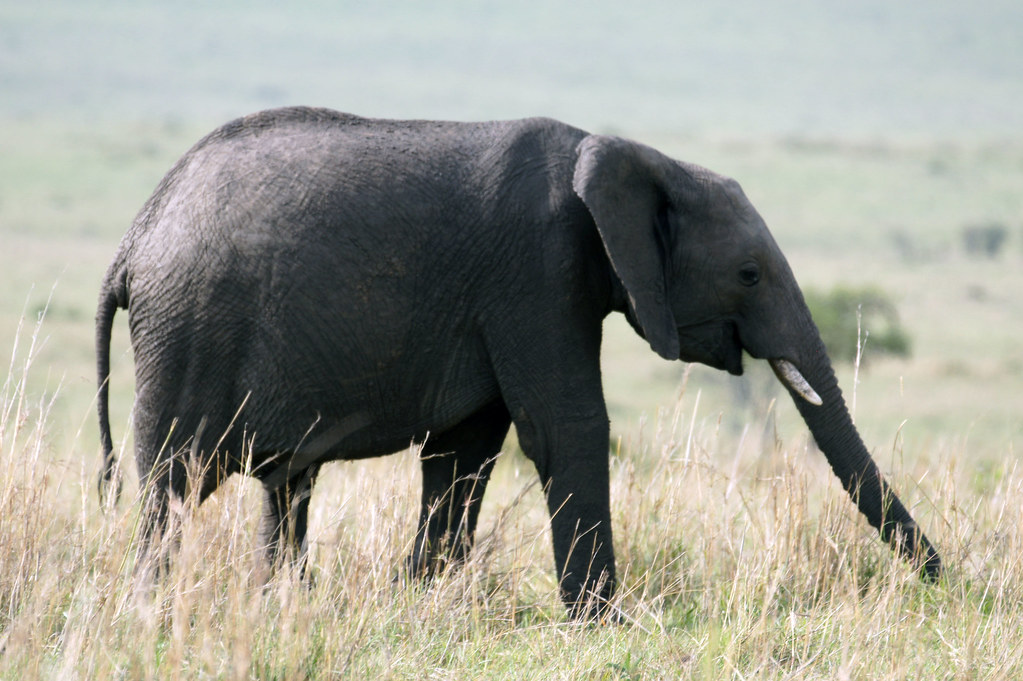
East African safaris offer encounters with species that are simply unavailable anywhere else. The so-called “Big Five” — lions, leopards, elephants, buffalo, and rhinoceros — roam freely across the continent’s national parks and reserves. Travelers also encounter giraffes, cheetahs, zebras, wildebeest, hippos, crocodiles, and countless bird species. Unique primates, including mountain gorillas in Rwanda and Uganda, and chimpanzees in Kibale and Nyungwe forests, provide experiences unlike any other in the world.
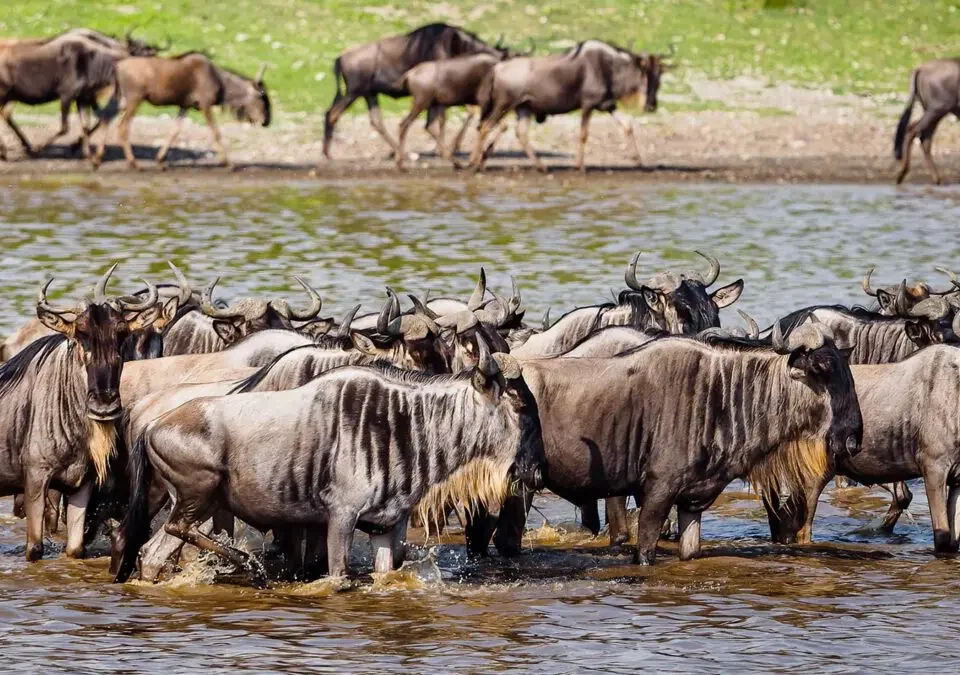
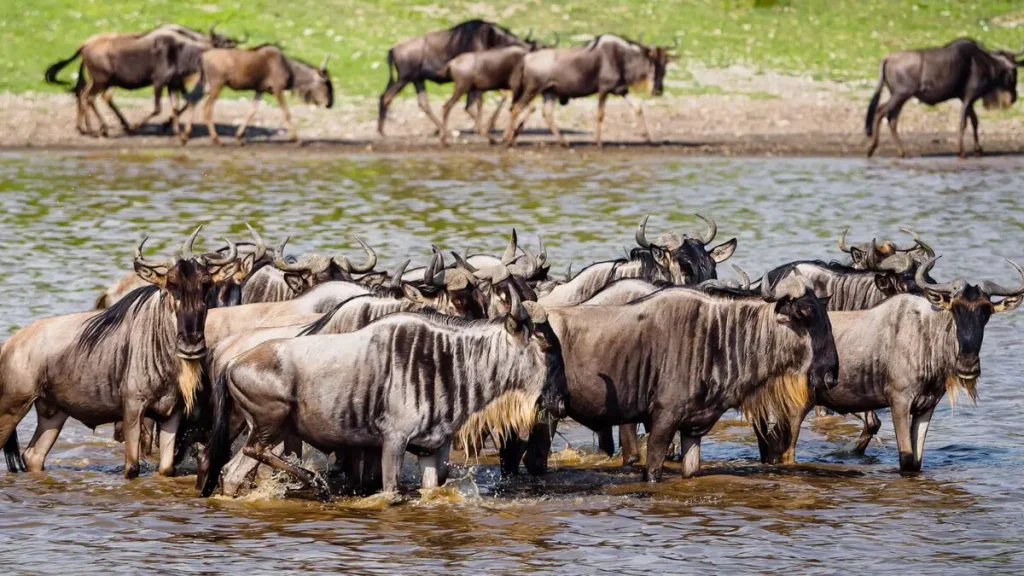
Crucially, wildlife in East Africa behaves naturally within vast, unfenced ecosystems. Predators hunt, herds migrate, and animals interact as they have for centuries. Observing these dynamics firsthand is a core part of the safari experience, providing both awe and education.
In the United States, wildlife encounters are impressive but fundamentally different. Visitors may see bison grazing in Yellowstone, bears roaming Alaska’s Denali, wolves tracking elk herds, or alligators in Florida’s Everglades. These encounters are captivating but occur within managed environments. Populations are monitored, territories are bounded, and encounters are less frequent due to the lower density of large predators. While the US offers iconic species and dramatic landscapes, it lacks the predator-prey dynamics and dense wildlife concentrations that define African safaris.
The Style of Safari
The safari experience itself varies dramatically between continents. In East Africa, travelers typically embark on game drives in open 4×4 vehicles, walk through protected areas with expert guides, or take boat safaris on rivers and lakes. The pace is deliberate, emphasizing observation, patience, and immersion. Nights are spent in luxury lodges, tented camps, or eco-camps situated within or near wildlife habitats, allowing travelers to experience the rhythms of the wilderness firsthand.
In the USA, wildlife viewing is often referred to as a “nature tour” rather than a safari. Visitors use park roads, hiking trails, and boardwalks to approach animals. While guided tours and backcountry excursions exist, the experience is more regulated, and interaction with wildlife is limited by safety protocols. Camping, hiking, and kayaking provide adventure, but the feeling of stepping directly into the wild, as one does on an East African safari, is less intense.
Cultural Context and Human Connection
East African safaris frequently integrate cultural experiences into the journey. Visitors meet Maasai, Hadzabe, and Samburu communities, observing traditions, crafts, and dances that have persisted for centuries. In Rwanda and Uganda, travelers encounter local village life near gorilla trekking regions, gaining insight into agriculture, communal practices, and daily life intertwined with conservation efforts. The cultural layer adds depth to the safari, creating a more holistic understanding of the land and its people.
In the US, cultural interactions are secondary to wildlife observation. While Native American history, pioneer settlements, and local communities provide context and education, the primary focus remains on the natural environment. The interplay between human culture and wildlife that is so central to East African safaris is less pronounced.
Scale and Immersion
Perhaps the most striking difference is the scale and freedom of East African safaris. Animals roam freely across thousands of square kilometers. The sense of wildness, unpredictability, and raw natural drama is ever-present. Seeing a herd of elephants cross a river at sunrise or watching a pride of lions hunt on open plains evokes a sense of connection to nature that is difficult to replicate elsewhere.
In the US, while parks are large and beautiful, animals’ territories are limited, and human access is controlled. Visitors may enjoy spectacular sightings, but the experience is more about observation from safe vantage points than full immersion in a living, breathing ecosystem.
Safety, Logistics, and Convenience
East African safaris require careful planning, including transport between parks, internal flights, and securing permits for gorilla trekking or other specialized excursions. Traveling with a professional operator like All In Africa Safaris ensures that these logistics are handled efficiently, allowing travelers to focus on the experience itself. Vehicles are rugged and maintained for rough terrain, accommodations are comfortable yet integrated into natural surroundings, and guides prioritize both safety and enriching encounters.
In the US, parks are highly organized with established visitor centers, clear signage, and well-maintained roads. Safety is generally easier to manage for independent travelers, but the experience is more structured and less adventurous compared to African safaris.
Seasons and Wildlife Viewing
Wildlife behavior and visibility differ between continents. East Africa has distinct migration patterns and seasonal movements, such as the Great Migration in Tanzania and Kenya or gorilla trekking visibility affected by rainy seasons. Timing your safari correctly enhances the chances of extraordinary encounters.
In the USA, wildlife viewing is seasonal but less dramatic. Bears emerge from hibernation in Alaska, bison roam Yellowstone year-round, and bird migrations bring temporary bursts of activity, but the sense of a continent-wide natural spectacle is unparalleled in East Africa.
Emotional Impact
The emotional impact of an East African safari is profound. Witnessing predators and prey interacting in a natural ecosystem, hearing the distant roar of a lion at night, or standing quietly as a gorilla family moves nearby leaves an indelible impression. Every moment feels alive, unfiltered, and extraordinary.
In the US, wildlife experiences are moving and beautiful, but the feeling of stepping into an entirely wild and untamed world is less intense. The landscapes inspire awe, but the predator-prey dynamics, migration spectacles, and close encounters with primates that define African safaris are not present.
Two Worlds of Wildlife Adventure
In summary, East African safaris and wildlife experiences in the USA are both remarkable, yet they cater to different kinds of adventure. East Africa offers vast, untamed landscapes, high wildlife density, iconic species, predator-prey dynamics, and immersive cultural experiences. It is ideal for travelers seeking a full safari adventure with deep interaction with both wildlife and local communities.
The USA provides structured, safe, and highly scenic wildlife encounters, featuring incredible species and landscapes, often with excellent infrastructure and accessibility. It is perfect for travelers looking for natural beauty combined with comfort and organized exploration.
For those seeking the classic safari experience, the thrill of seeing the Big Five, mountain gorillas, and the Great Migration, East Africa is unmatched. The scale, freedom, and immersion are unique to this part of the world, offering an adventure that engages all senses and leaves a lifelong impression. Meanwhile, the USA provides a different but equally valuable connection to nature, showcasing the beauty and diversity of North America’s ecosystems in a safe and accessible manner.