Tipping etiquette in Uganda is an essential aspect of travel and social interactions that reflects both generosity and cultural awareness. While Uganda does not have a strict, formalized tipping culture like some Western countries, showing appreciation through tips is always welcomed and often expected in service-based industries. Understanding the nuances of tipping etiquette in Uganda can enhance your travel experience, foster positive interactions, and support local workers who rely on these gestures.
This guide explores the customs, expectations, and unspoken rules surrounding tipping in Uganda, ensuring you navigate social situations with confidence and kindness.
Understanding the Cultural Context of Tipping in Uganda
Before diving into specific tipping scenarios, it’s important to recognize Uganda’s economic and cultural landscape. Uganda is a developing country where many workers in the hospitality and service sectors earn modest wages. For waitstaff, tour guides, drivers, and hotel employees, tips can significantly supplement their income.
Unlike in countries where tipping is mandatory, tipping etiquette in Uganda is more flexible. However, offering a tip is seen as a sign of gratitude and respect. Many Ugandans will not openly ask for tips, but they will greatly appreciate the gesture.
Tipping Etiquette in Different Settings
1. Restaurants and Cafés
In most mid-range to upscale restaurants, a service charge (usually 10%) may already be included in the bill. However, if it isn’t, leaving a tip of 5-10% is considered generous. In smaller, local eateries, tipping is less common but still appreciated—rounding up the bill or leaving small change is a kind gesture.
-
High-end restaurants: 10% or more if service was exceptional.
-
Local joints: No obligation, but leaving spare change is polite.
-
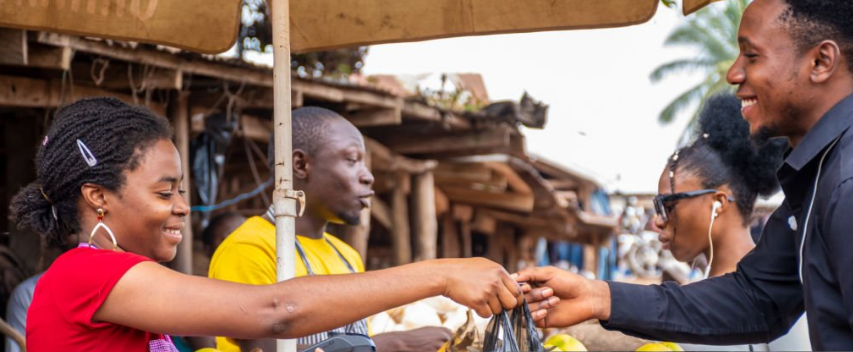
Street food vendors: Tipping isn’t expected, but if you build a rapport, a small tip can be a nice surprise.
2. Hotels and Lodges
Tipping etiquette in Uganda’s hospitality industry varies depending on the level of service.
-
Porters: UGX 2,000–5,000 (about $0.50- $1.50) per bag.
-
Housekeeping: UGX 5,000–10,000 (about $1.50- $3) per day, left daily since staff may rotate.
-
Concierge/Tour Desk: If they assist with special requests, UGX 10,000–20,000 ($3- $5) is appropriate.
Luxury lodges, especially in safari destinations, often have a tipping box where contributions are pooled and distributed among staff.
3. Tour Guides and Drivers
Uganda’s thriving tourism industry relies heavily on guides and drivers, many of whom go above and beyond to ensure memorable experiences.
-
Safari Guides: $10- $20 per day (per guest) for exceptional service.
-
Driver-Guides: $5- $15 per day, depending on the duration and quality of service.
-
City Tour Guides: $5- $10 for a half-day tour, $10- $20 for a full day.
For multi-day trips, tipping at the end is standard. If you’re part of a group, consider pooling tips for fairness.
4. Taxis and Rideshares
-
Boda-Bodas (Motorcycle Taxis): Rounding up the fare is common (e.g., paying UGX 5,000 for a UGX 4,500 ride).
-
Regular Taxis: 5-10% of the fare, especially for longer trips.
-
Uber/Bolt: While not mandatory, a small tip (UGX 2,000–5,000) for good service is appreciated.
5. Spas and Salons
-
Massage Therapists/Hairdressers: 5-10% of the service cost, or UGX 5,000–10,000 for smaller services.
6. Miscellaneous Services
-
Gas Station Attendants: Rarely tipped, but a small token (UGX 1,000–2,000) for extra help (like cleaning windows) is kind.
-
Security Guards/Waitstaff at Events: If someone provides exceptional assistance, a tip of UGX 5,000–10,000 is thoughtful.
When Not to Tip (Or When It’s Tricky)
While tipping etiquette in Uganda encourages generosity, there are situations where tipping may not be appropriate:
-
Government/Public Services: Avoid tipping officials, police officers, or immigration officers, as it could be misconstrued as a bribe.
-
Begging: While you may encounter street children or individuals asking for money, direct tipping isn’t always the best solution. Consider supporting local charities instead.
-
Poor Service: Tipping is for good service—if service was lacking, you’re not obliged to tip.
How to Tip Gracefully
The manner in which you tip matters just as much as the amount. Here’s how to do it respectfully:
-
Be Discreet: Handing money directly (preferably in an envelope or folded) is better than waving cash publicly.
-
Use Local Currency: While USD is sometimes accepted, Ugandan shillings are preferred for smaller tips.
-
Say Thank You: A simple “Webale” (Thank you in Luganda) with a smile enhances the gesture.
-
Avoid Flaunting Wealth: Over-tipping can sometimes create uncomfortable dynamics—stick to reasonable amounts.
Why Tipping Matters in Uganda
Beyond the financial benefit, tipping in Uganda:
-
Supports Livelihoods: Many workers rely on tips to make ends meet.
-
Encourages Excellent Service: It motivates service providers to maintain high standards.
-
Builds Positive Connections: It fosters goodwill between tourists and locals.
Final Thoughts on Tipping Etiquette in Uganda
Tipping etiquette in Uganda is less about rigid rules and more about kindness, cultural respect, and recognizing good service. Whether you’re on a safari, dining at a restaurant, or taking a boda-boda ride, a thoughtful tip can make a meaningful difference.
By understanding and practicing proper tipping etiquette in Uganda, you contribute to a culture of appreciation while enriching your own travel experience. So, as you explore the Pearl of Africa, let generosity be part of your journey.
Webale nyo! (Thank you very much!)
Uganda Travel Guide — The Pearl of Africa
Uganda is one of Africa’s most rewarding and underrated destinations. Winston Churchill’s description of Uganda as the “Pearl of Africa” — inspired by its extraordinary combination of landscapes, wildlife, and people — remains as apt today as when he coined it in 1908. The country packs an astonishing range of experiences into a relatively compact area: snow-capped mountains, vast savannahs, dense tropical rainforests, the source of the Nile, and some of the world’s most remarkable wildlife.
Uganda shares borders with Kenya, Tanzania, Rwanda, the Democratic Republic of Congo, and South Sudan, and sits astride the equator in East-Central Africa. The capital, Kampala, is a vibrant, growing city that serves as the gateway to Uganda’s national parks. Most wildlife safaris begin and end in Kampala or at Entebbe International Airport, 45 minutes south of the city.
Uganda’s Key National Parks and Wildlife Areas
- Bwindi Impenetrable Forest: UNESCO World Heritage Site and home to over half the world’s mountain gorillas. Four trekking sectors: Buhoma, Ruhija, Rushaga, and Nkuringo.
- Queen Elizabeth National Park: Uganda’s most visited park, famous for tree-climbing lions in the Ishasha sector, boat cruises on the Kazinga Channel, and diverse savannah and forest habitats.
- Murchison Falls National Park: Uganda’s largest park, home to the world’s most powerful waterfall. Excellent for elephants, giraffes, buffalo, hippos, crocodiles, and shoebill storks on the Nile.
- Kibale Forest National Park: The world’s best chimpanzee trekking destination, also home to 12 other primate species and superb birdwatching.
- Kidepo Valley National Park: Uganda’s most remote and arguably most spectacular park, bordering South Sudan. Wild, untouched, and home to species found nowhere else in Uganda including cheetahs and caracals.
- Mgahinga Gorilla National Park: In the Virunga Mountains, offering gorilla trekking, golden monkey trekking, and volcano hiking in a compact, accessible park.
Practical Uganda Travel Information
Visa and entry requirements
Uganda offers an e-visa for most nationalities, applied online at visas.immigration.go.ug. East African Community citizens are exempt. The East Africa Tourist Visa (covering Uganda, Kenya, and Rwanda) is available at the point of entry. A yellow fever vaccination certificate is mandatory for entry.
Currency and costs
The Ugandan Shilling (UGX) is the local currency. USD is widely accepted in tourist areas. Mid-range safari lodges cost USD 150–350 per person per night. Budget accommodation in Kampala starts from USD 20–40. Gorilla permits (USD 800) are the single largest expense for most visitors.
Getting around Uganda
Most visitors use private safari vehicles (included in tour packages) or hire a driver-guide. Public minibus taxis (matatus) connect major towns but are not suitable for wildlife areas. Charter flights from Entebbe to Kihihi, Kisoro, Kasese, or Pakuba significantly reduce overland travel times on longer itineraries.
Recommended Tours: 9 Days Uganda Wildlife Safari | 7 Days Uganda Safari