Mountain Gorilla Families in Bwindi: Complete Guide to All Habituated Groups
Bwindi Impenetrable National Park, located in southwestern Uganda, is one of the most iconic wildlife destinations in the world. Known for its dense tropical forest, dramatic mountains, and breathtaking biodiversity, Bwindi is home to approximately half of the world’s remaining mountain gorillas. These critically endangered primates are organized into social groups called families or troops, each led by a dominant silverback male who ensures the safety and well-being of his group.
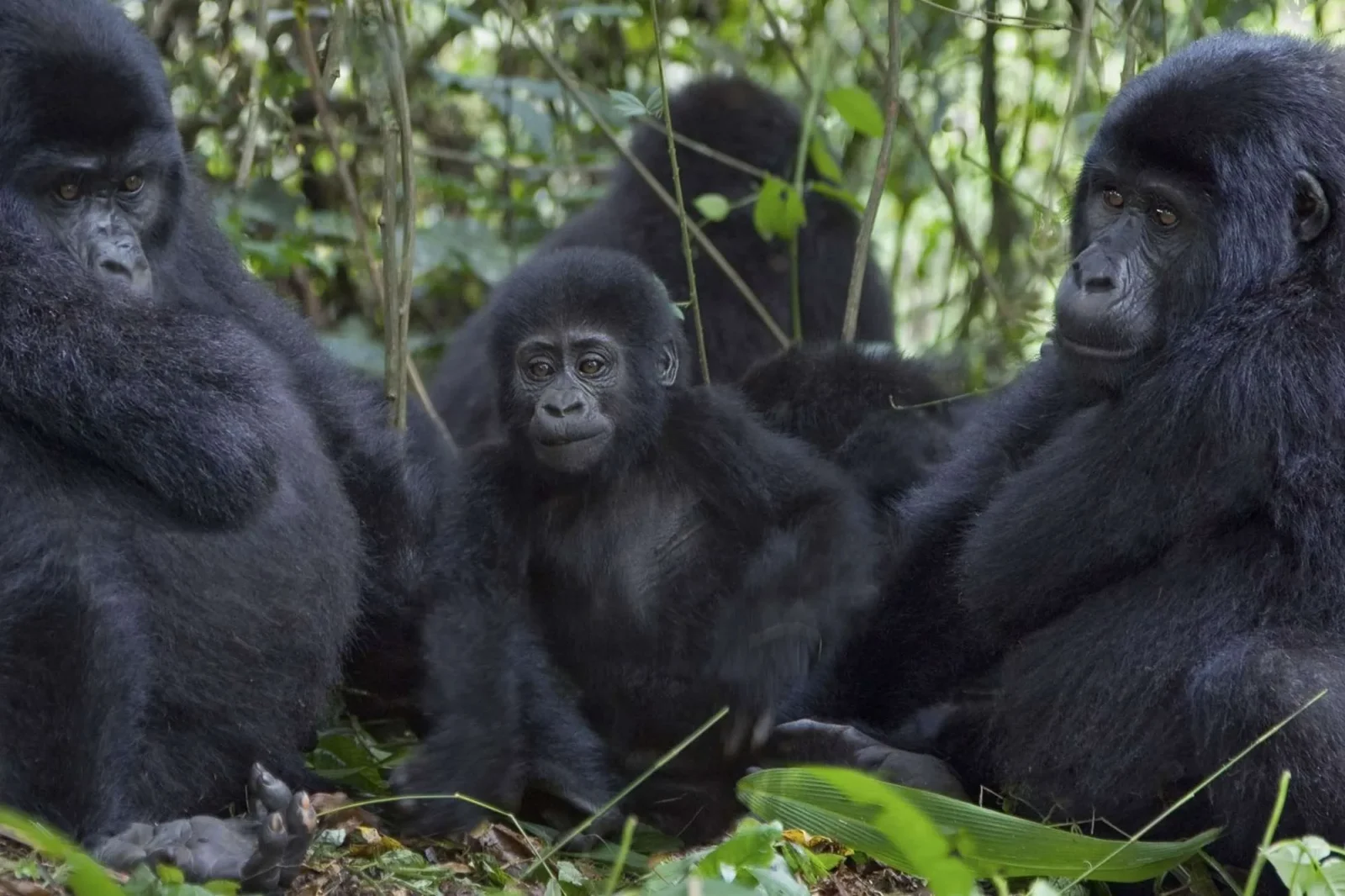
For tourists and wildlife enthusiasts, Bwindi offers an unparalleled opportunity to observe mountain gorillas in their natural habitat. Gorilla trekking in Bwindi is not only an adventurous pursuit but also a deeply educational and emotional experience. Visitors witness gorilla social dynamics, from playful infants to protective silverbacks, while learning about conservation efforts that have made the survival of these families possible. Each family has a distinct personality, social hierarchy, and history, making every trek a unique encounter.
The habituated gorilla families in Bwindi were gradually accustomed to human presence over years of careful research and monitoring. This process allows tourists to view the gorillas safely while minimizing stress or disruption to their natural behavior. Trekking these families combines the thrill of adventure with ethical wildlife observation, ensuring that conservation remains at the heart of the experience.
Understanding Gorilla Social Structure
Mountain gorillas live in cohesive family groups led by a mature silverback, who is responsible for making decisions, mediating conflicts, and protecting the group from threats. Silverbacks are typically 12 years or older and can weigh up to 200 kilograms, making them imposing yet protective leaders.
The rest of the family usually includes adult females, their offspring, and occasionally subordinate males. Females often form strong bonds with the silverback, while juveniles engage in playful behavior that strengthens social cohesion. Infants remain close to their mothers, relying on them for nourishment and protection. Observing these interactions provides tourists with insight into the intelligence, emotional complexity, and familial structures of mountain gorillas.
Understanding gorilla social structure is crucial for trekkers. Rangers provide guidance on safe distances, behavioral cues, and ethical observation practices. For first-time trekkers, learning about hierarchy and interaction patterns enhances the experience, as it becomes easier to recognize relationships within the group and appreciate the subtleties of gorilla behavior.
Habituated Gorilla Families in Bwindi
Bwindi Impenetrable National Park is divided into four main trekking sectors: Rushaga, Buhoma, Ruhija, and Nkuringo. Each sector has several habituated gorilla families, and each family is allocated a specific number of trekking permits per day to manage human impact.
Mubare Gorilla Family
Mubare is one of the oldest habituated families in Bwindi. Led by a calm and experienced silverback, Mubare is known for its cooperative behavior and strong familial bonds. This family is particularly favored by first-time trekkers and photographers, as the group’s movements are predictable and interactions between members are consistently engaging. Tourists can observe playful juveniles, attentive mothers, and the gentle authority of the silverback, making it an ideal choice for a comprehensive introduction to gorilla behavior.
Nshongi Gorilla Family
Nshongi is recognized for its playful and active young gorillas. The family displays strong social cohesion, with juveniles engaging in mock fights, climbing trees, and interacting energetically with one another. Observing Nshongi provides insight into how young gorillas learn social skills, practice coordination, and establish relationships under the supervision of their elders. The silverback’s calm but firm leadership ensures the family remains organized during movement and feeding periods, offering visitors an educational perspective on gorilla family dynamics.
Kahungye Gorilla Family
Kahungye is notable for its resilient silverback, who has successfully guided the family through challenges such as environmental changes and internal disputes. This family demonstrates the adaptability and intelligence of mountain gorillas. Trekking with Kahungye allows visitors to witness leadership behaviors, problem-solving strategies, and interactions that highlight the social complexity of these primates. The family’s history makes it a fascinating case study for researchers and a rewarding experience for tourists interested in observing gorilla decision-making and group cohesion.
Habituated Families in Rushaga, Buhoma, Ruhija, and Nkuringo
Each sector of Bwindi has unique trekking opportunities, with habituated families offering distinct experiences:
- Rushaga Sector: Known for steep, challenging trails, this sector is ideal for adventurous trekkers. Families here, such as Bweza and Mishaya, provide active, dynamic encounters with gorillas often seen climbing, playing, and foraging.
- Buhoma Sector: Accessible and well-established, Buhoma houses families like Habinyanja and Oruzogo. These groups are preferred by first-time trekkers due to moderate trail difficulty and predictable gorilla movements.
- Ruhija Sector: Characterized by high-altitude terrain, families such as Rushegura offer sightings of gorillas in misty forest landscapes, providing dramatic photographic opportunities and serene trekking experiences.
- Nkuringo Sector: This sector is known for remote, less-visited families such as Nkuringo and Bitukura, offering intimate encounters with fewer tourists and highly active silverbacks, making it ideal for experienced trekkers seeking adventure and solitude.
Understanding the characteristics of each habituated family helps tourists select the group that best matches their fitness, interest, and photography goals. Guides provide detailed information on each family’s behavior, history, and size, ensuring trekkers can plan an optimal experience.
Trekking Experience with Gorilla Families
Gorilla trekking in Bwindi is an adventure that blends physical challenge with emotional engagement. Treks are guided by experienced rangers and trackers who locate gorilla families using daily monitoring data, nests, and signs of activity.
Trekking times vary from two to six hours depending on the location of the gorillas and trail conditions. Trails may include steep inclines, slippery slopes, and dense vegetation. Trekking poles, gaiters, and sturdy boots are recommended to navigate these challenges safely. Along the way, trekkers enjoy the forest’s rich biodiversity, encountering birds, monkeys, butterflies, and unique plant species that add depth to the experience.
Once the gorillas are located, tourists spend up to one hour observing them at a safe distance. During this time, visitors can capture photographs, watch social interactions, and marvel at the intelligence and emotional depth of these primates. Rangers ensure that observation remains ethical, guiding tourists to avoid actions that could stress the gorillas or disrupt their natural behaviors.
Seasonal Considerations for Trekking
Bwindi experiences two main trekking seasons: the dry season and the wet season. The dry months, from June to September and December to February, offer more accessible trails, less mud, and higher chances of comfortable trekking. These months are ideal for first-time trekkers and photographers.
The wet season, from March to May and October to November, presents lush scenery, vibrant flora, and fewer tourists. Trails can be slippery and more challenging, but the experience offers a unique, intimate view of gorillas in dense, verdant forest conditions. First-time trekkers in the wet season should be prepared with waterproof clothing, gaiters, and a higher level of physical stamina.
Accommodation Near Gorilla Trekking Sites
Bwindi offers a wide range of accommodation options catering to different budgets and preferences. In the Buhoma sector, lodges such as Gorilla Forest Camp and Buhoma Lodge provide comfort, easy access to trekking starting points, and opportunities to interact with local communities. Rushaga lodges, including Rushaga Gorilla Camp and Silverback Lodge, cater to adventurous tourists and photographers seeking remote forest experiences.
Ruhija and Nkuringo sectors offer lodges like Clouds Mountain Gorilla Lodge and Nkuringo Bwindi Gorilla Lodge, which combine luxury with proximity to trekking trails. Many lodges include guided forest walks, cultural excursions, and fine dining with locally sourced ingredients, enriching the overall gorilla trekking experience.
Conservation and Research in Bwindi
The habituated gorilla families in Bwindi are closely monitored to ensure their safety and health. Conservation initiatives include daily tracking, health assessments, anti-poaching patrols, and community engagement programs. Revenue from trekking permits supports these efforts and contributes to the livelihood of local communities.
Research in Bwindi has provided invaluable insights into gorilla social structures, reproductive behavior, feeding ecology, and disease prevention. Tourists contribute indirectly to these research efforts, as fees from permits fund continued study and protection of gorilla populations. Ethical tourism ensures that visitors experience the gorillas responsibly while supporting their long-term survival.
Tips for a Successful Gorilla Trek
- Book permits early, especially during peak seasons, to ensure availability.
- Wear layered, moisture-wicking clothing and bring waterproof gear.
- Use sturdy hiking boots and gaiters to navigate muddy and rough trails.
- Bring trekking poles, water, light snacks, insect repellent, and a small backpack.
- Follow ranger instructions carefully and maintain ethical distances from gorillas.
- Move quietly and slowly to increase your chances of observing natural behaviors.
- Carry a camera with a zoom lens, but avoid using flash photography.
- Prepare mentally and physically for the possibility of long treks.
Cultural Experiences Around Bwindi
Visitors to Bwindi can enhance their gorilla trekking experience by engaging with local communities. Cultural experiences include visiting Batwa Pygmy villages, participating in traditional music and dance, exploring local craft markets, and learning about sustainable agriculture practices. These interactions provide context for the conservation challenges faced by gorillas and foster a deeper appreciation of the region’s rich human and ecological heritage.
Mountain gorilla families in Bwindi offer tourists a once-in-a-lifetime opportunity to witness one of the world’s most endangered and intelligent species up close. Each habituated family has a unique history, personality, and social structure, providing diverse experiences for trekkers of all levels.
By preparing for the physical and logistical challenges of trekking, choosing a suitable gorilla family, and following ethical guidelines, tourists can enjoy an unforgettable encounter with these extraordinary primates. Observing gorillas in Bwindi not only creates lifelong memories but also contributes directly to conservation and community support, ensuring that these magnificent animals continue to thrive in their natural habitat.
Recommended Tours: 4 Days Bwindi Gorilla Trekking Safari | 3 Days Bwindi Gorilla Trekking