Mountain Gorilla Families in Volcanoes National Park: A Full Guide
Volcanoes National Park, located in northern Rwanda, is one of the most celebrated destinations in Africa for mountain gorilla trekking. The park’s misty volcanic slopes, lush bamboo forests, and steep ridges provide an ideal habitat for Rwanda’s mountain gorillas, which are critically endangered. Trekking in Volcanoes National Park offers tourists a chance to observe these intelligent and social primates up close, gaining insight into their behavior, social structures, and conservation challenges.
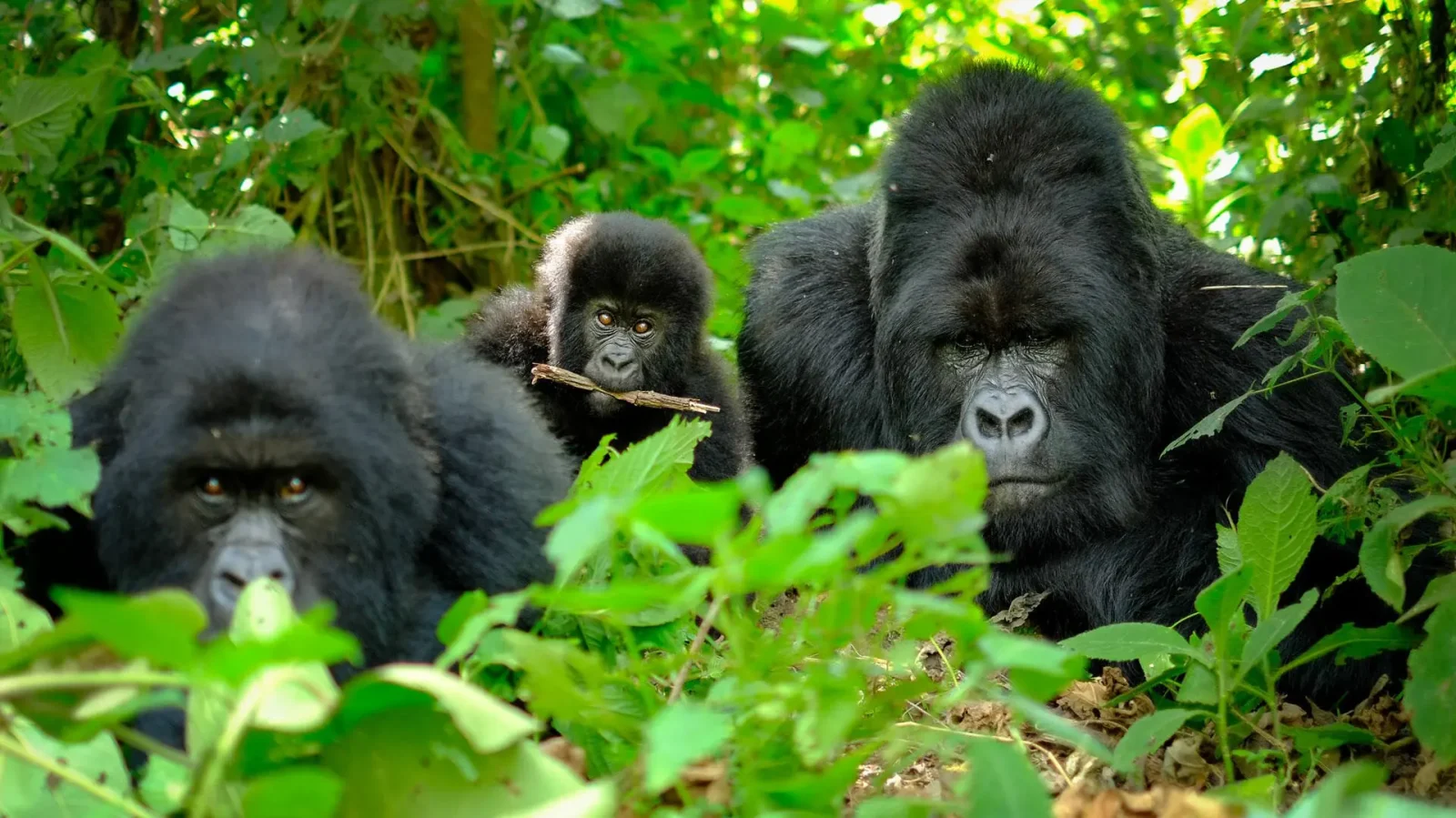
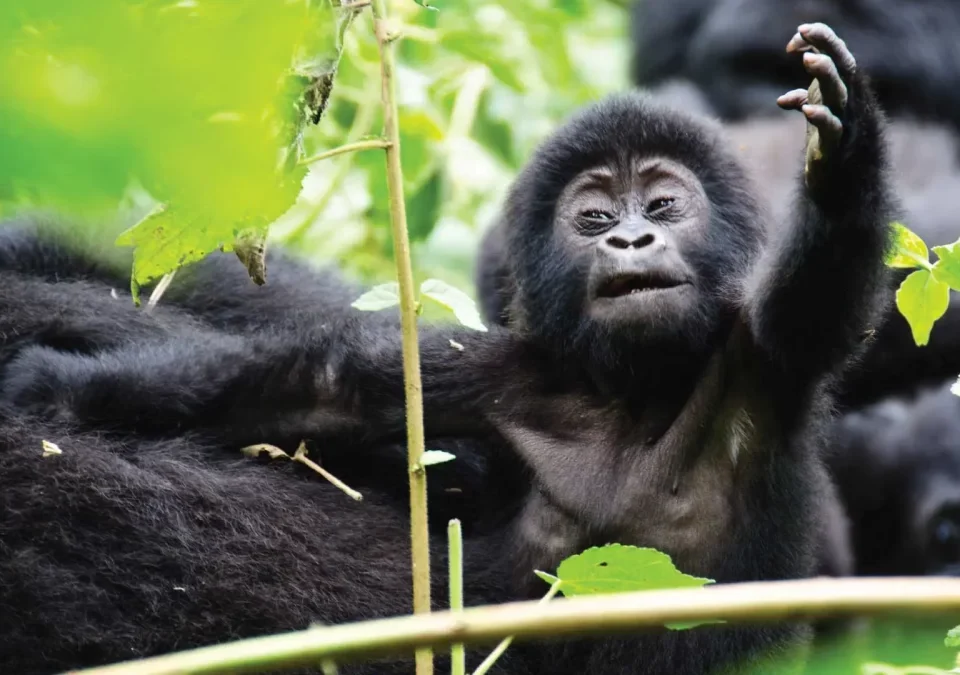
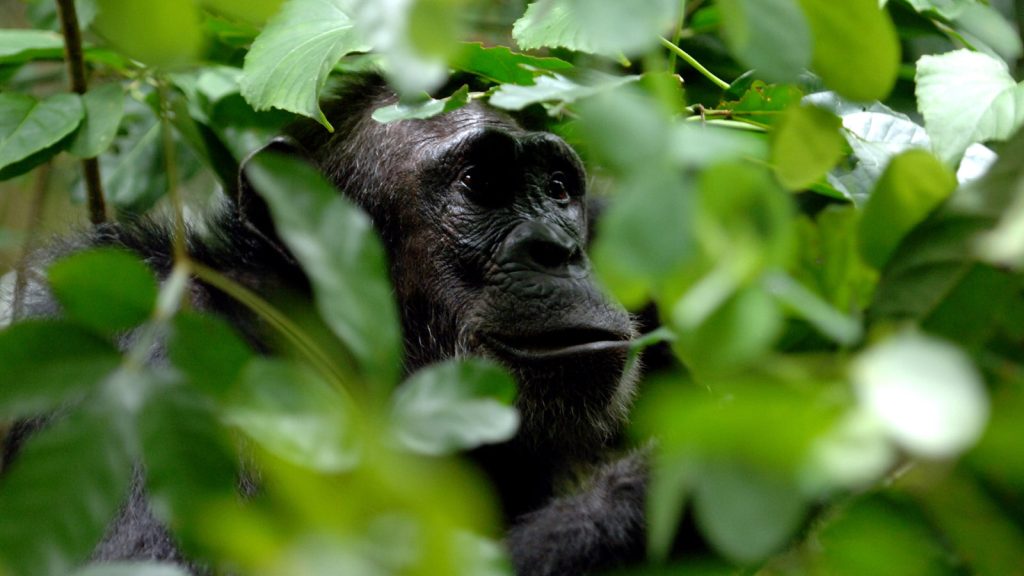
The mountain gorillas in Volcanoes National Park are organized into habituated families, each with its own silverback leader, group composition, and personality traits. These habituated families have been gradually accustomed to human presence, allowing tourists to witness their daily lives safely while minimizing stress on the animals. Trekking these families is a unique combination of adventure, education, and ethical wildlife tourism. Visitors can expect to see gorillas feeding, playing, grooming, and interacting socially, creating unforgettable encounters with one of the world’s most remarkable species.
Understanding Gorilla Social Dynamics
Mountain gorillas live in cohesive family groups led by a dominant silverback. This male serves as the protector, decision-maker, and guide for the group. Each family typically includes several adult females, their offspring, and occasionally subordinate males. Silverbacks are responsible for mediating conflicts, ensuring group cohesion, and leading the family to feeding areas and resting sites.
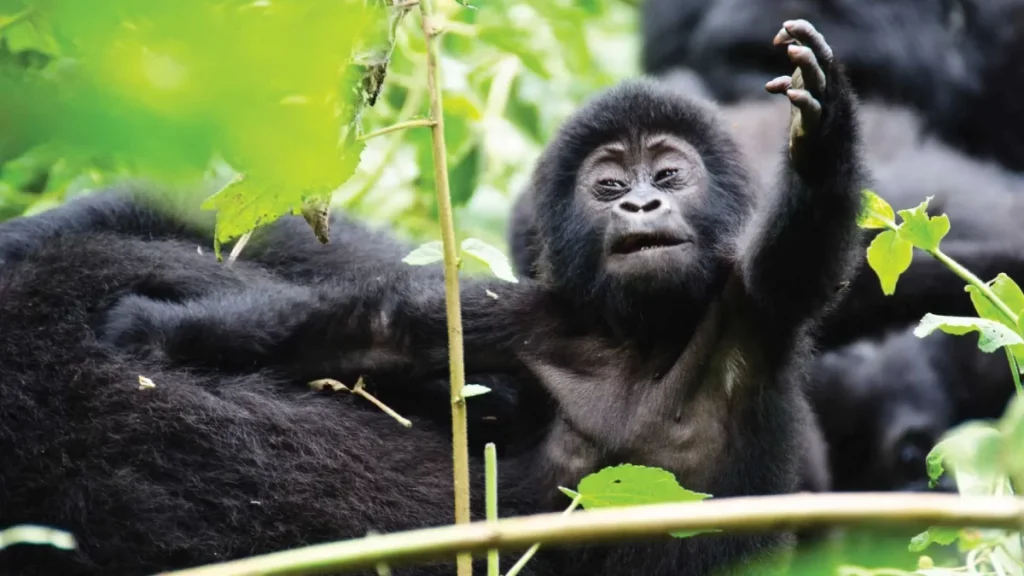
Female gorillas form strong bonds with the silverback and maintain close relationships with other females in the group. Juveniles engage in playful activities that teach social skills and strengthen familial bonds, while infants remain close to their mothers for protection and nourishment. Observing these interactions provides tourists with a profound understanding of gorilla intelligence, emotional depth, and social complexity.
Understanding gorilla social dynamics is essential for trekkers. Guides explain behavioral cues, hierarchies, and safety practices, helping visitors recognize interactions within the group. First-time trekkers often find that knowledge of these dynamics enhances the experience, allowing them to interpret behavior and appreciate the intricacies of gorilla society.
Habituated Gorilla Families in Volcanoes National Park
Volcanoes National Park is home to several habituated gorilla families, each offering unique trekking experiences. Permits are allocated to specific families, and groups vary in size, composition, and temperament. Below is a guide to some of the prominent habituated families:
Susa Gorilla Family
Susa is one of the most well-known habituated families in Volcanoes National Park. The group is led by a calm and experienced silverback who ensures strong family cohesion. Susa is ideal for first-time trekkers and photographers, as the family exhibits cooperative behavior, allowing visitors to observe interactions between juveniles, mothers, and the dominant male.
Amahoro Gorilla Family
The Amahoro family is recognized for its playful and energetic juveniles. The family’s dynamic behavior makes it particularly attractive for tourists interested in observing social play, grooming, and climbing behavior. The silverback of Amahoro is protective yet approachable, providing a safe and engaging trekking experience.
Hirwa Gorilla Family
Hirwa is noted for its resilience and adaptability. The family has successfully navigated environmental challenges and social adjustments, offering tourists a unique opportunity to observe leadership, conflict resolution, and problem-solving behaviors among gorillas. Hirwa is recommended for trekkers with moderate experience seeking a combination of adventure and educational insights into gorilla society.
Karisimbi and Sabinyo Gorilla Families
These families are located on the higher volcanic slopes, often in areas with challenging terrain. Trekking to Karisimbi and Sabinyo families provides adventurous visitors with dramatic forest scenery, panoramic views, and intimate encounters with active silverbacks and playful juveniles. The higher-altitude habitat means cooler temperatures and misty conditions, creating a memorable trekking experience that is ideal for photographers and seasoned trekkers.
Other Habituated Families
Volcanoes National Park has several other habituated families accessible to tourists through permits. Each family presents distinct challenges and rewards, from the social structure and temperament of the silverback to the age composition of juveniles and infants. Guides provide comprehensive information to help trekkers select a family that aligns with their interests, fitness level, and photography goals.
Trekking Experience with Gorilla Families
Gorilla trekking in Volcanoes National Park is an immersive experience that combines physical activity with wildlife observation. Treks begin early in the morning, guided by experienced rangers and trackers who locate gorilla families using daily monitoring data, footprints, nests, and feeding signs.
Trekking times vary depending on the location of the gorillas and trail conditions, ranging from two to six hours. Trails can be steep, muddy, and covered with dense vegetation. Visitors are advised to wear sturdy hiking boots, gaiters, and carry trekking poles for support. Along the trail, trekkers enjoy the forest’s biodiversity, encountering birds, monkeys, insects, and unique plant species.
Once the gorillas are located, tourists spend up to one hour observing them at a safe distance. This period allows for photography, note-taking, and learning from guides about gorilla behavior. The experience is both educational and emotional, providing firsthand insight into the social lives of mountain gorillas.
Seasonal Considerations
Volcanoes National Park experiences two main trekking seasons. The dry season, from June to September and December to February, offers better trail conditions, easier navigation, and more comfortable trekking. These months are ideal for first-time visitors and photographers seeking clear visibility and manageable terrain.
The wet season, from March to May and October to November, brings lush scenery, fewer tourists, and vibrant forest life. Trails can be slippery and more challenging, requiring higher fitness levels and preparation. Despite the physical demands, the wet season offers a quieter, intimate trekking experience with unique photographic opportunities.
Accommodation Near Gorilla Trekking Sites
Tourists have a range of accommodation options in and around Volcanoes National Park. High-end lodges such as Sabyinyo Silverback Lodge and Bisate Lodge provide luxury, comfort, and proximity to trekking starting points. These lodges offer guided walks, cultural experiences, and exquisite dining.
Mid-range options such as Virunga Lodge and Mountain Gorilla View Lodge provide cozy accommodations with beautiful forest views, comfortable amenities, and access to trekking trails. Budget-friendly guesthouses and community lodges offer authentic local experiences, cultural interaction, and accessibility for travelers with more modest budgets.
Conservation and Research
Habituated gorilla families in Volcanoes National Park are closely monitored for health, behavior, and habitat protection. Trekking permits directly support anti-poaching initiatives, veterinary interventions, forest conservation, and community development projects. Tourists contribute to conservation while experiencing ethical wildlife tourism.
Research in Volcanoes National Park provides valuable insights into gorilla behavior, social structure, reproduction, and ecology. Long-term studies help develop strategies to protect gorillas and their habitat, ensuring that tourism is sustainable and beneficial for both wildlife and local communities.
Tips for a Successful Gorilla Trek
- Book trekking permits well in advance to ensure availability.
- Wear layered, breathable clothing suitable for varying temperatures.
- Use sturdy hiking boots and gaiters to navigate trails safely.
- Carry trekking poles, water, light snacks, and a small backpack.
- Follow all ranger instructions and maintain a respectful distance.
- Move quietly and slowly to avoid disturbing the gorillas.
- Bring a camera with a zoom lens for photography without using flash.
- Prepare physically and mentally for potential long or challenging treks.
Cultural Experiences Around Volcanoes National Park
Visitors can enhance their trekking experience with cultural activities such as visiting local villages, learning about the customs and traditions of the communities near the park, or exploring markets and artisan workshops. Engaging with local communities provides context for conservation efforts and fosters appreciation of Rwanda’s cultural heritage.
Tourists can also participate in educational programs or volunteer initiatives, combining wildlife observation with meaningful contributions to community and conservation projects.
Mountain gorilla families in Volcanoes National Park offer unforgettable encounters for tourists, combining adventure, education, and conservation. Each habituated family has unique characteristics, including group composition, social behavior, and personality traits. Trekking these families provides a rare opportunity to observe one of the world’s most endangered species in their natural environment while contributing to their long-term protection.
By preparing adequately, selecting a suitable family, and adhering to ethical guidelines, tourists can enjoy a safe and memorable experience. Observing gorillas in Volcanoes National Park leaves a lasting impression, highlighting the intelligence, social complexity, and emotional depth of these extraordinary primates, while also emphasizing the importance of conservation and responsible tourism.
Complete Guide to Gorilla Trekking in Rwanda
Rwanda’s Volcanoes National Park (Parc National des Volcans) is one of the most celebrated wildlife destinations in Africa. Set in the Virunga Mountains on Rwanda’s northwestern border with Uganda and the DRC, the park protects a significant population of mountain gorillas across 13 habituated gorilla families, each visited by a maximum of 8 tourists per day.
A gorilla trekking permit in Rwanda costs USD 1,500 per person. While more expensive than Uganda, Rwanda offers significant advantages: closer proximity to Kigali (approximately 2.5 hours by road), a well-developed luxury lodge sector around Kinigi, and the option to combine gorilla trekking with a city break in clean, safe Kigali.
Volcanoes National Park – What to Know
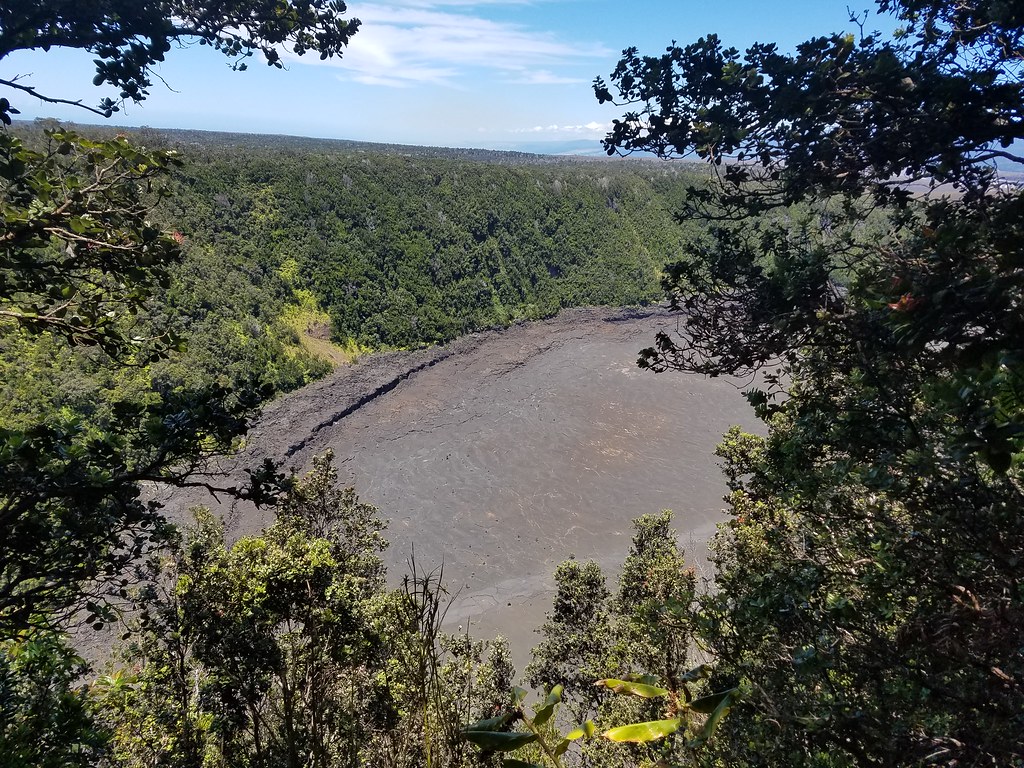
Volcanoes National Park covers 160 km² of Virunga volcanic chain forest, ranging from 2,400m to 4,507m (Mount Karisimbi). The park is named after its six volcanoes: Karisimbi, Bisoke, Muhabura, Gahinga, Sabyinyo, and Mgahinga. In addition to gorilla trekking, the park offers:
- Golden monkey trekking: Permits cost USD 100. Golden monkeys are found only in the bamboo forests of the Virunga Mountains.
- Dian Fossey Tomb hike: A 3-4 hour hike to Karisoke Research Centre and the grave of the legendary gorilla conservationist, set amid the forest where she worked for 18 years.
- Volcano hiking: Mount Bisoke (3,711m) can be hiked in a day. Mount Karisimbi (4,507m) requires a two-day overnight trek.
- Cultural village visits: Iby’Iwacu Cultural Village near the park entrance offers traditional dance, music, and demonstrations of Rwandan cultural practices.
Recommended Tours: 4 Days Rwanda Gorilla Trekking Safari | 3 Days Rwanda Gorilla Tour & Golden Monkeys