How Fit Do You Need to Be for Gorilla Trekking?
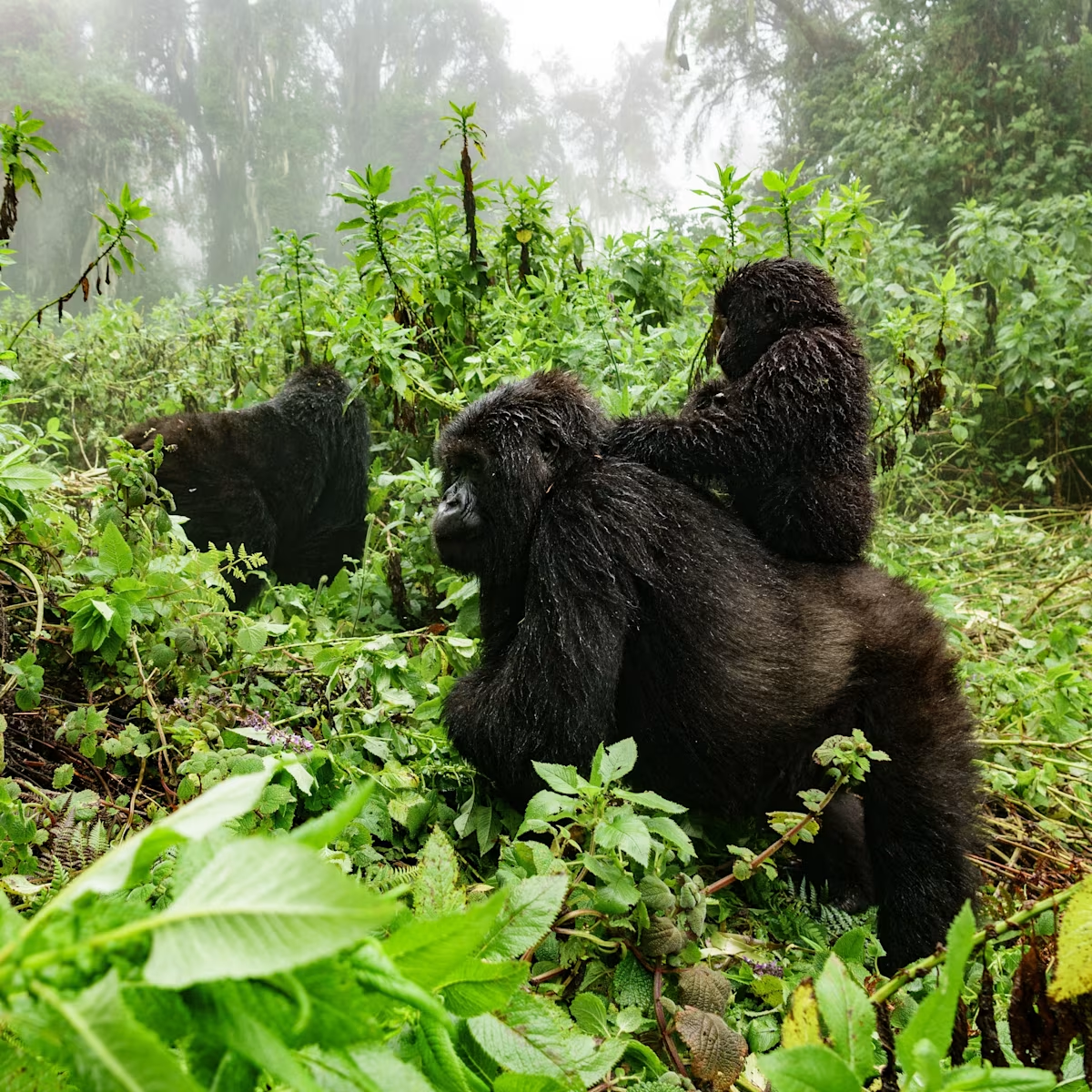
Gorilla trekking in Uganda‘s Bwindi Impenetrable National Park, Rwanda’s Volcanoes National Park, or the Mgahinga Gorilla National Park offers an extraordinary opportunity to see mountain gorillas in the wild. While the experience is incredibly rewarding, it is also physically demanding, requiring trekkers to walk through dense forests, climb steep slopes, and navigate uneven terrain. Understanding the fitness requirements is essential for a safe, enjoyable, and memorable trek.
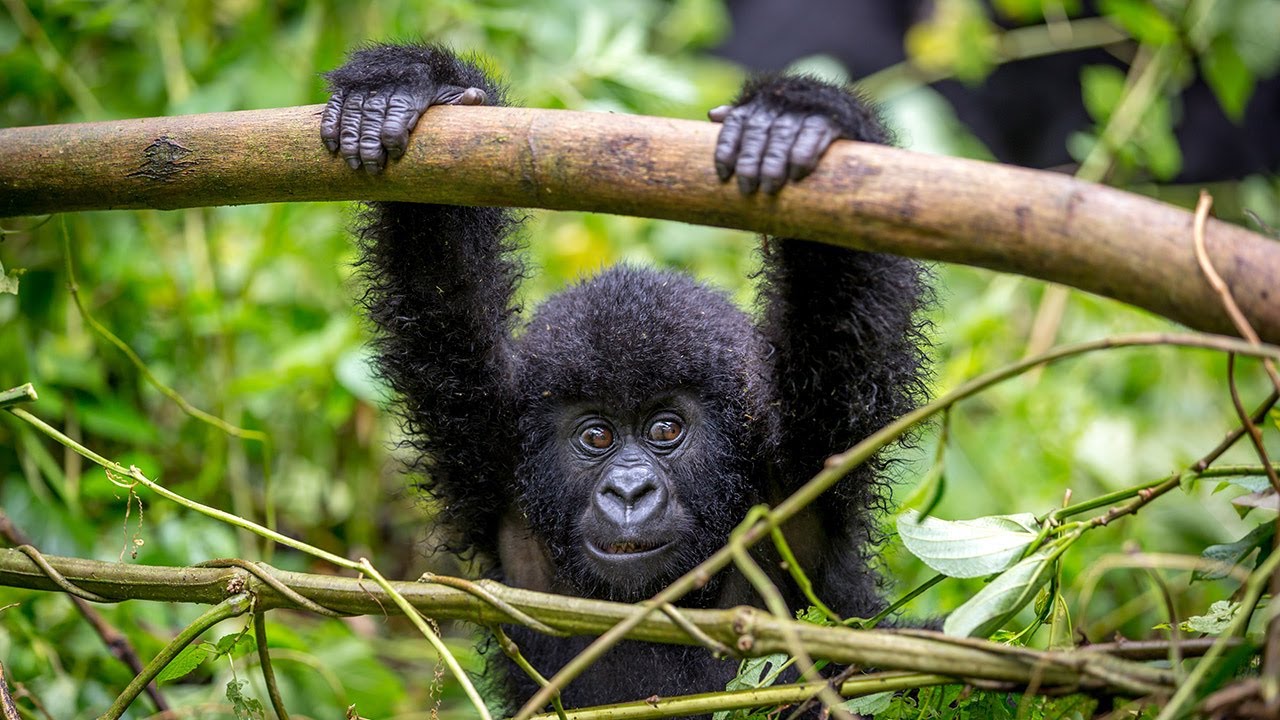
Fitness for gorilla trekking is not solely about athleticism; it is about endurance, balance, and the ability to hike for several hours under challenging conditions. Trekking difficulty varies by sector, the location of the gorilla families, and seasonal conditions. Assessing personal fitness, preparing ahead of time, and selecting the appropriate trekking route ensure that visitors of various ages and experience levels can participate safely.
Physical Demands of Gorilla Trekking
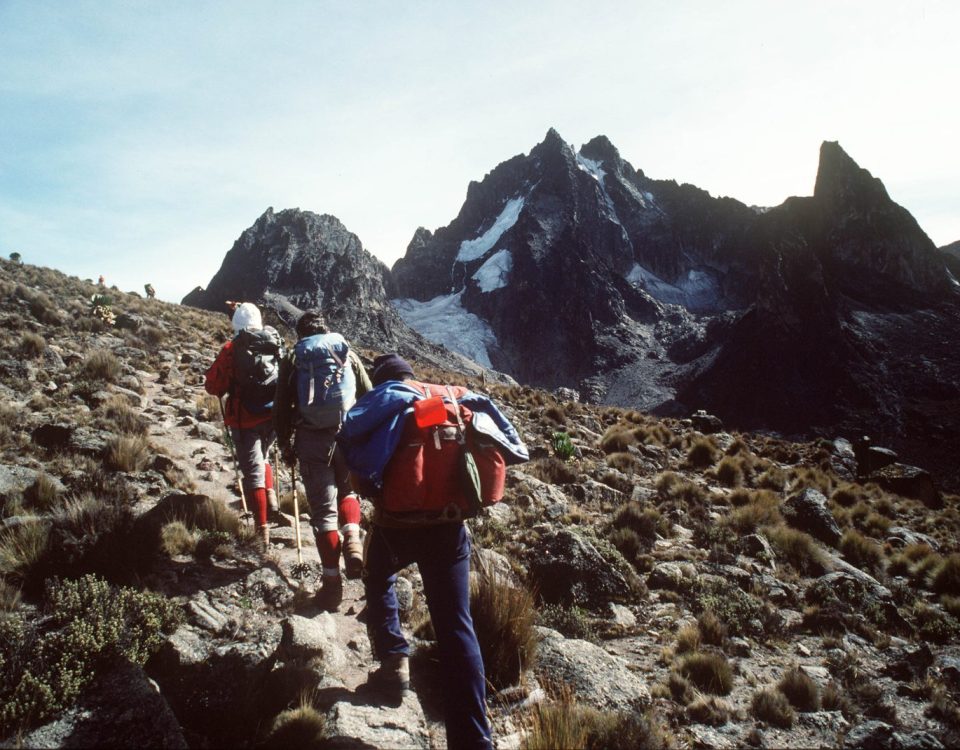
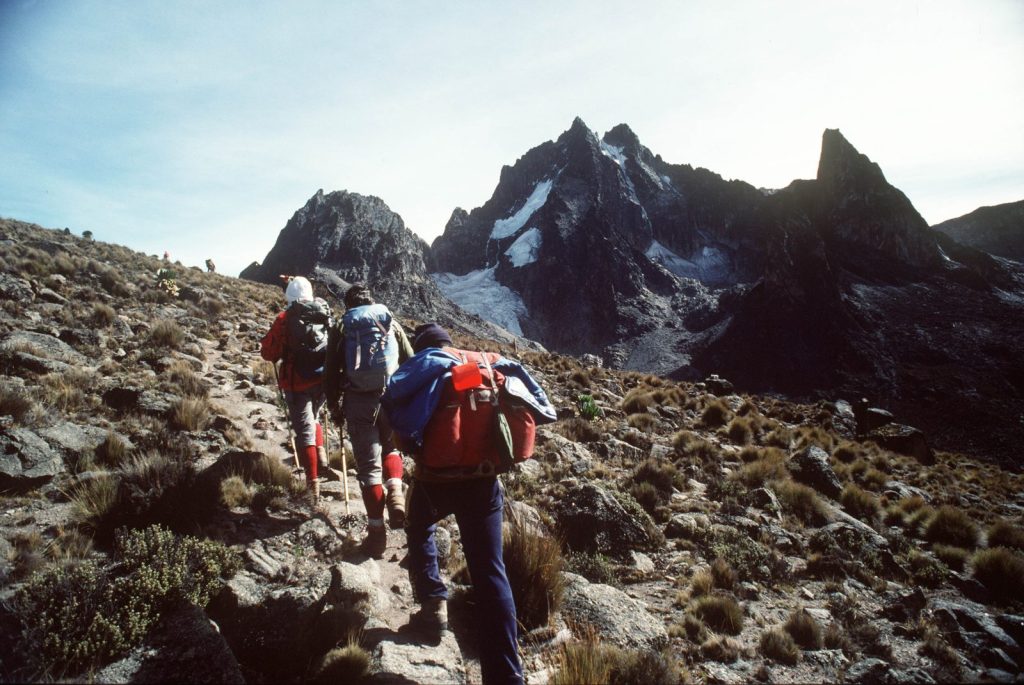
Gorilla treks typically involve walking between two and six hours, sometimes longer, depending on the distance to the habituated gorilla family and the terrain. Trails can include steep inclines, slippery or muddy sections, dense vegetation, and narrow paths. Altitudes range from 1,100 to over 2,500 meters above sea level, which may impact endurance, especially for visitors not accustomed to higher elevations.
The physical demands include:
- Endurance: Sustained walking on uneven terrain for several hours.
- Balance and Agility: Navigating roots, rocks, streams, and slopes.
- Strength: Occasional climbing, lifting backpacks, and maintaining stability.
- Flexibility: Maneuvering through dense forest, low branches, and narrow paths.
- Mental Stamina: Patience and focus, as gorillas move unpredictably and trekkers may wait for sightings.
Trekking can be moderately strenuous for beginners but manageable with preparation and guidance from experienced rangers.
Fitness Assessment Before the Trek
Visitors should realistically assess their physical condition before booking a gorilla trek:
- Walking Endurance: Ability to walk for two to six hours over uneven terrain without excessive fatigue.
- Mobility: Comfortable climbing slopes, stepping over obstacles, and navigating muddy or slippery paths.
- Health Conditions: Consultation with a healthcare provider is recommended for anyone with heart, lung, joint, or mobility issues.
- Prior Hiking Experience: Previous trekking or hiking experience is helpful but not mandatory; beginners can still participate with preparation and guidance.
Individuals with limited mobility may still trek if they select easier routes, use walking poles, and take frequent breaks. Trekking for seniors and children is possible under these considerations, although children must be at least 15 years old to meet park regulations.
Training and Preparation
Preparing physically for gorilla trekking enhances the experience and reduces the risk of fatigue or injury. Recommended preparation includes:
- Cardiovascular Training: Regular walking, jogging, cycling, or swimming builds stamina for long hikes.
- Strength Training: Focus on legs, core, and back muscles to handle steep climbs and carrying a small backpack.
- Balance Exercises: Yoga, stretching, or stability training improves agility on uneven terrain.
- Practice Hikes: Local hikes or forest walks simulate trekking conditions, acclimating the body to long-duration walking and elevation changes.
- Acclimatization: Arriving a few days early at higher altitudes helps prevent fatigue and altitude-related discomfort.
Proper preparation ensures trekkers remain comfortable, enjoy the experience, and can focus on observing gorillas rather than struggling with the trail.
Gear and Equipment for Physical Comfort
Fitness alone is not sufficient; appropriate gear supports safety, stability, and comfort during the trek:
- Hiking Boots: Sturdy, ankle-supporting, waterproof boots for traction on muddy or slippery trails.
- Gaiters: Protect legs from mud, thorns, and insects.
- Trekking Poles: Provide balance and reduce strain on knees and legs.
- Backpack: Lightweight pack to carry water, snacks, camera, and personal items.
- Clothing: Breathable, moisture-wicking layers; long sleeves and pants to protect from insects and vegetation; waterproof jacket for rainy conditions.
- Hydration: Carry sufficient water to prevent dehydration during long treks.
Proper gear reduces fatigue and minimizes physical strain, allowing trekkers to focus on the gorilla encounter.
Trekking Difficulty by Sector
Gorilla trekking difficulty varies by sector and the location of habituated gorilla families:
- Bwindi Impenetrable National Park: Sectors such as Buhoma and Rushaga offer moderate trails suitable for most visitors, while Nkuringo and Ruhija are steeper and more physically demanding.
- Volcanoes National Park, Rwanda: Treks like Susa and Hirwa are accessible with moderate hiking, while Karisimbi and Sabinyo involve steep volcanic slopes.
- Mgahinga Gorilla National Park, Uganda: Trails tend to be shorter and manageable, suitable for moderate fitness levels.
Guides assess trekkers before the hike and may recommend families or routes based on fitness level to ensure safety and enjoyment.
Tips for Maximizing Trekking Fitness
- Begin preparation at least several weeks before the trek.
- Practice hiking on hills or forested areas to build endurance and confidence.
- Use trekking poles during training hikes to simulate conditions.
- Maintain a healthy diet and stay hydrated leading up to the trek.
- Rest adequately the night before the trek to ensure energy for the hike.
- Pace yourself during the trek; do not try to keep up with faster trekkers.
Physical readiness enhances both safety and the quality of the gorilla observation experience. Trekkers who are fit and well-prepared enjoy longer observation times and better photographic opportunities.
Gorilla trekking requires a moderate to high level of physical fitness, depending on the trekking sector, terrain, and seasonal conditions. Endurance, strength, balance, and mental stamina are key components for a successful and enjoyable experience. Proper preparation through cardiovascular training, strength exercises, practice hikes, and appropriate gear ensures that trekkers can safely navigate trails, reduce fatigue, and fully appreciate the once-in-a-lifetime opportunity to observe mountain gorillas in their natural habitat.
With realistic self-assessment, preparation, and guidance from experienced rangers, visitors of various ages and fitness levels can participate in gorilla trekking while maximizing safety, comfort, and enjoyment. The reward of witnessing these intelligent, social, and critically endangered primates makes the physical effort both meaningful and unforgettable.